UPVC Concentric Reducer
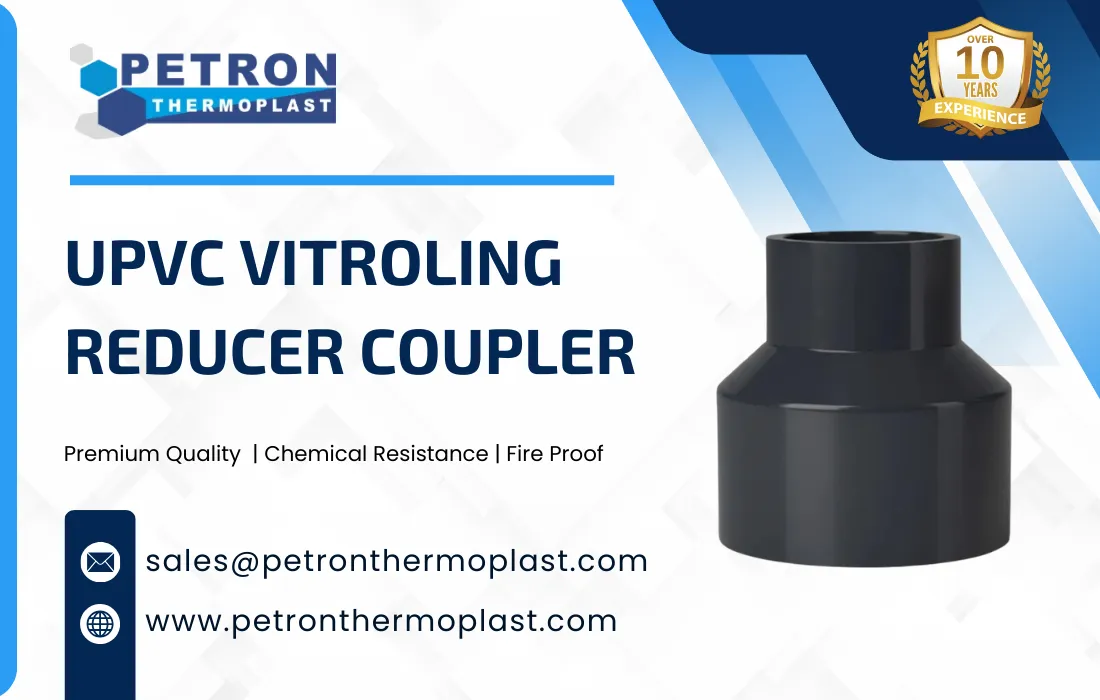
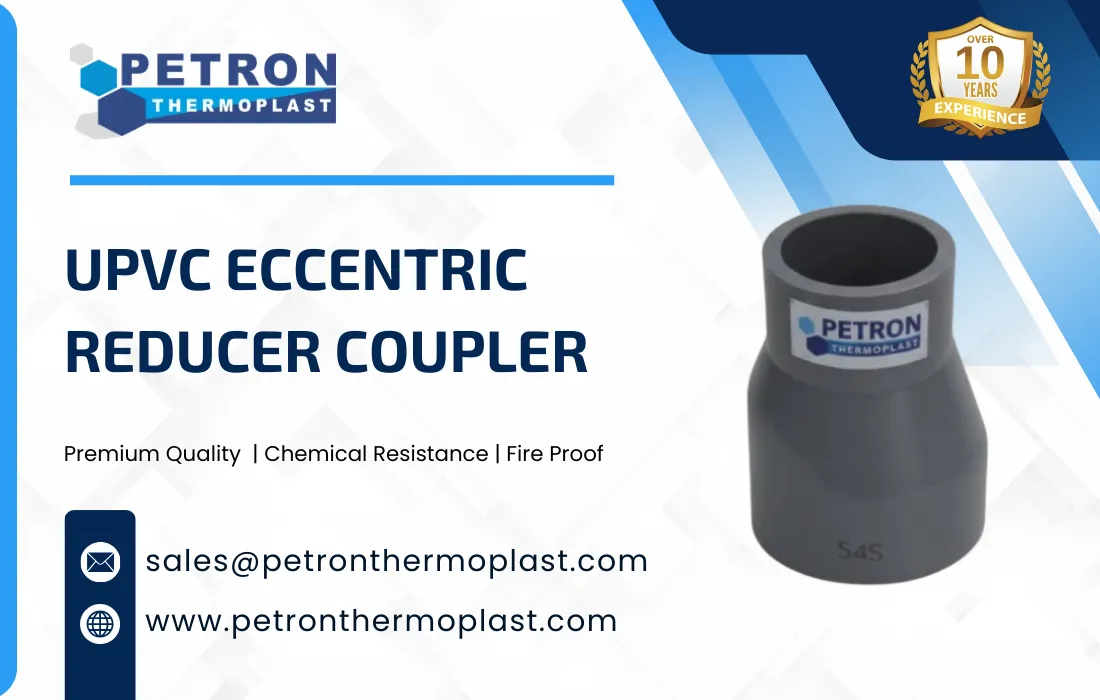
In UPVC concentric reducers, the area reduction is concentric, and the centerline of the pipe on the bigger end and the smaller end remains the same. These styles are normally used for vertical lines. In UPVC concentric reducers, the pipe axis remains the same. UPVC Concentric Reducers are reversible and can be used in any direction.
UPVC Concentric Reducer, the size reduction from a larger to a smaller size is uniform at a constant rate over a specified length, and different diameters on the same centreline axis are made possible by UPVC using concentric reducers.
- Chemical Resistance
- Low Maintenance Requirement
- Low Thermal Conductivity
- Long Service Life
- Easy Installation
- Corrosion Resistance
UPVC Concentric Reducer Details
ID-1: Inside Diameter of (larger) opening.
OD-1 : Outside Diameter of (larger) opening.
WT-1: Wall Thickness of (larger) section.
SL-1 : Socket Length
ID-2 : Inside Diameter of (reduced) opening.
OD-2: Outside Diameter of (reduced) opening.
WT-2 : Wall Thickness of (reduced) section.
SL-2: Socket Length Reduced opening.
H: Total Overall Height (or Length) of the fitting.
| Size (Inch) | ID-1 (mm) | OD-1 (mm) | WT-1 (mm) | SL-1 (mm) | ID-2 (mm) | OD-2 (mm) | WT-2 (mm) | SL-2 (mm) | H (mm) |
| ¾ x ½ | 26.97 | 34.79 | 3.91 | 25.40 | 21.64 | 29.10 | 3.73 | 22.23 | 56 |
| 1 x ½ | 33.78 | 42.88 | 4.55 | 28.58 | 21.64 | 29.10 | 3.73 | 22.23 | 66 |
| 1 x ¾ | 33.78 | 42.88 | 4.55 | 28.58 | 26.97 | 34.79 | 3.91 | 25.40 | 65 |
| 1¼ x ½ | 42.55 | 52.25 | 4.85 | 31.75 | 21.64 | 29.10 | 3.73 | 22.23 | 69 |
| 1¼ x ¾ | 42.55 | 52.25 | 4.85 | 31.75 | 26.97 | 34.79 | 3.91 | 25.40 | 68 |
| 1¼ x 1 | 42.55 | 52.25 | 4.85 | 31.75 | 33.78 | 42.88 | 4.55 | 28.58 | 68 |
| 1½ x ½ | 48.72 | 58.88 | 5.08 | 34.93 | 21.64 | 29.10 | 3.73 | 22.23 | 74 |
| 1½ x ¾ | 48.72 | 58.88 | 5.08 | 34.93 | 26.97 | 34.79 | 3.91 | 25.40 | 76 |
| 1½ x 1 | 48.72 | 58.88 | 5.08 | 34.93 | 33.78 | 42.88 | 4.55 | 28.58 | 75 |
| 1½ x 1¼ | 48.72 | 58.88 | 5.08 | 34.93 | 42.55 | 52.25 | 4.85 | 31.75 | 74 |
| 2 x ½ | 60.78 | 71.86 | 5.54 | 38.10 | 21.64 | 29.10 | 3.73 | 22.23 | 85 |
| 2 x ¾ | 60.78 | 71.86 | 5.54 | 38.10 | 26.97 | 34.43 | 3.73 | 25.40 | 85 |
| 2 x 1 | 60.78 | 71.86 | 5.54 | 38.10 | 33.78 | 42.88 | 4.55 | 28.58 | 85 |
| 2 x 1¼ | 60.78 | 71.86 | 5.54 | 38.10 | 42.55 | 52.25 | 4.85 | 31.75 | 83 |
| 2 x 1½ | 60.78 | 71.86 | 5.54 | 38.10 | 48.72 | 58.88 | 5.08 | 34.93 | 83 |
| 2½ x 2 | 73.56 | 87.58 | 7.01 | 44.45 | 60.78 | 71.86 | 5.54 | 38.10 | 104 |
| 3 x 2 | 89.31 | 105.55 | 16.24 | 48.63 | 60.78 | 88.54 | 27.76 | 48.93 | 104 |
| 3 x 2½ | 89.51 | 104.75 | 7.62 | 47.63 | 73.38 | 83.70 | 5.16 | 44.45 | 107 |
| Parameter | Details |
| Material | UPVC (Unplasticized Polyvinyl Chloride) |
| Type | Concentric (Centerline Reducer) |
| Size Range | ½” × ¾” to 12” × 10” (15 mm × 20 mm to 315 mm × 250 mm) |
| Connection Type | Solvent Weld Socket Ends |
| Operating Pressure | Up to 10 bar (150 psi) |
| Temperature Range | 0°C to 60°C (32°F to 140°F) |
| Color | Typically Grey |
| Standards Compliance | ASTM D2467, ISO, DIN |
Smooth Size Transition: Allows direct reduction between different pipe diameters while maintaining flow alignment.
High Chemical Resistance: Ideal for transporting aggressive and corrosive fluids.
Strong and Rigid: Ensures long-lasting performance in high-pressure systems.
Compact and Lightweight: Easy to handle and install in tight spaces.
Solvent Weld Jointing: Provides a secure, leak-proof connection.
Corrosion-Free Construction: No risk of rust or scaling over time.
Schedule 40 uPVC
| Nominal Size (Large × Small) | Pressure Rating (bar) | Pressure Rating (psi) |
| 110 × 90 mm (4″ × 3″) | 10.3 | 150 |
| 90 × 75 mm (3″ × 2½”) | 12.4 | 180 |
| 75 × 63 mm (2½” × 2″) | 13.8 | 200 |
| 63 × 50 mm (2″ × 1½”) | 17.2 | 250 |
| 50 × 40 mm (1½” × 1¼”) | 20.7 | 300 |
| 40 × 32 mm (1¼” × 1″) | 24.1 | 350 |
Schedule 80 uPVC Pressure Ratings
| Nominal Size (Large × Small) | Pressure Rating (bar) | Pressure Rating (psi) |
| 110 × 90 mm (4″ × 3″) | 17.2 | 250 |
| 90 × 75 mm (3″ × 2½”) | 20.7 | 300 |
| 75 × 63 mm (2½” × 2″) | 24.1 | 350 |
| 63 × 50 mm (2″ × 1½”) | 27.6 | 400 |
| 50 × 40 mm (1½” × 1¼”) | 31.0 | 450 |
| 40 × 32 mm (1¼” × 1″) | 34.5 | 500 |
| Property | Typical Value | Unit |
| Material | Unplasticized Polyvinyl Chloride (uPVC) | — |
| Density | 1.38 – 1.45 | g/cm³ |
| Color | Grey / White / Blue (manufacturer specific) | — |
| Surface Finish | Smooth (low friction) | — |
| Hardness (Shore D) | 80 – 85 | — |
| Tensile Strength | 45 – 55 | MPa |
| Flexural Strength | 80 – 90 | MPa |
| Modulus of Elasticity | 2,500 – 3,200 | MPa |
| Impact Strength (Izod, notched) | 5 – 10 | kJ/m² |
| Thermal Conductivity | 0.16 | W/m·K |
| Coefficient of Linear Expansion | 5 × 10⁻⁵ | m/m·°C |
| Vicat Softening Temperature | 80 – 85 | °C |
| Max Continuous Service Temp. | 60 | °C |
| Min Service Temperature | 0 to 5 | °C |
| Electrical Conductivity | Non-conductive | — |
| Flame Resistance | Self-extinguishing | — |

Custom Product Manufacturing Available
If you are searching for customized product designs that meet your requirements, don’t worry. Petron Thermoplast also offers custom product manufacturing services to meet the unique needs of various industries. Work with our expert engineers to create custom designs suited for your application.
Types of UPVC Concentric Reducer
Based on Pressure Class
- PN 6 – Low-pressure applications
- PN 10 – Medium-pressure applications
- PN 16 – High-pressure applications
- Schedule 40 – Standard industrial pressure
- Schedule 80 – High-pressure industrial use
Based on End Connection
- Solvent Cement Socket Type
- Permanent, leak-proof joint
- Most widely used type
- Threaded Type (Male / Female)
- Used where dismantling is required
- Lower pressure rating than solvent-welded type
- Spigot End Type
- Used with rubber ring or mechanical joints
Based on Size Reduction
- Equal (Step) Concentric Reducer
- Small size difference between inlet and outlet
- Unequal Concentric Reducer
- Large size difference between inlet and outlet
Based on Manufacturing Method
- Injection-Molded Reducer
- Accurate dimensions and smooth finish
- Common for small and medium sizes
- Fabricated Reducer
- Made from uPVC sections
- Used for large diameters
Based on Standards
- ASTM (D2466 / D2467) – Industrial and chemical piping
Common Uses of UPVC Ball Valves
In power plants and chemical factories, Upvc concentric reducers are commonly used for vertical pipelines due to their symmetrical design, which allows for a smooth transition of steam, gases, or liquids, minimizing hydraulic disturbances. For example, in a power plant’s steam lines, Upvc concentric reducers ensure stable flow, which is crucial for efficient power generation and help prevent thermal distortion and sudden pressure shocks. Enhancing as pipelines benefit greatly from upvc concentric reducers. Their symmetrical shape maintains axis alignment and steady flow, reducing turbulence and pressure loss. This consistency is critical for the safe and efficient delivery of gas over long distances.
In HVAC systems, concentric reducers are used in vertical ducts to ensure smooth and even air distribution, maintaining consistent temperature and air quality throughout the building. In vertical water fluid lines, they prevent water hammer and protect pipes from damage.
Upvc concentric reducers are used in chemical processing plants and oil & gas refineries. Concentric reducers are used in vertical pipelines for the smooth flow of corrosive fluids and gases under high pressure. Their design helps in managing pressure transitions and reducing the risk of leaks.
Why Choose Petron Thermoplast?
Petron Thermoplast is a trusted manufacturer and supplier of high-quality UPVC Concentric Reducer, engineered to deliver reliable flow control in demanding industrial environments. Our reducers are designed to meet international standards while offering long-term performance and cost efficiency
UPVC Pipe Fittings
We offer UPVC Pipe Fittings products in all standard sizes and provide complete customization options to meet your specific project requirements across our entire product range.