CPVC Valves
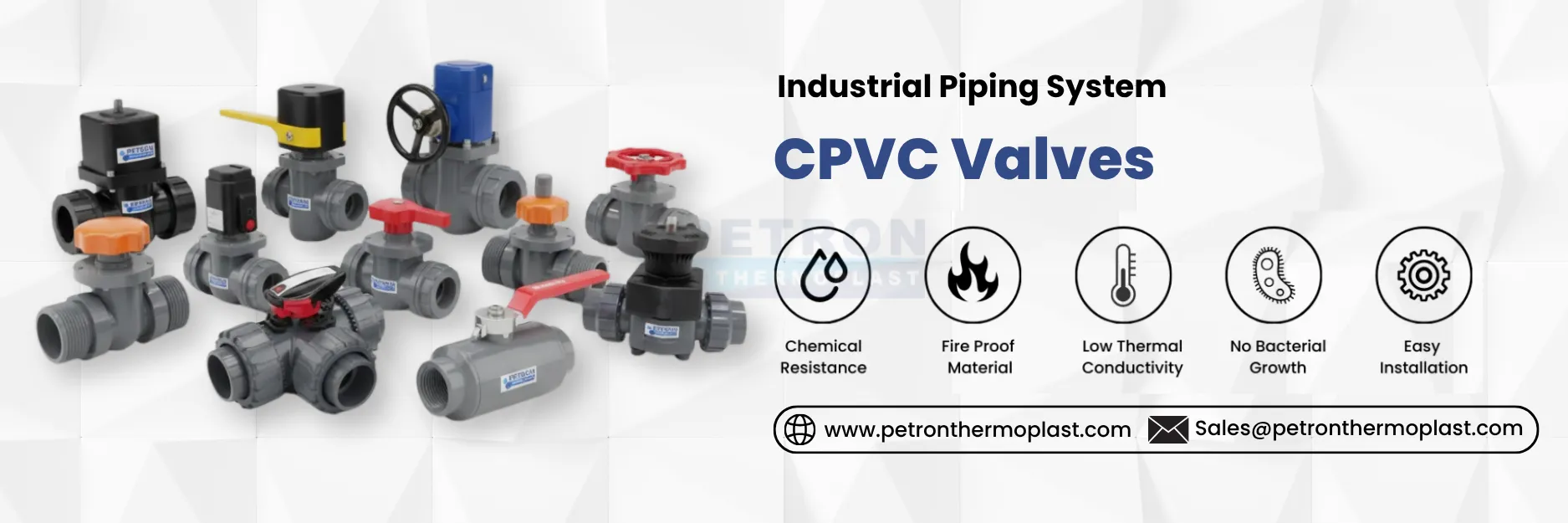
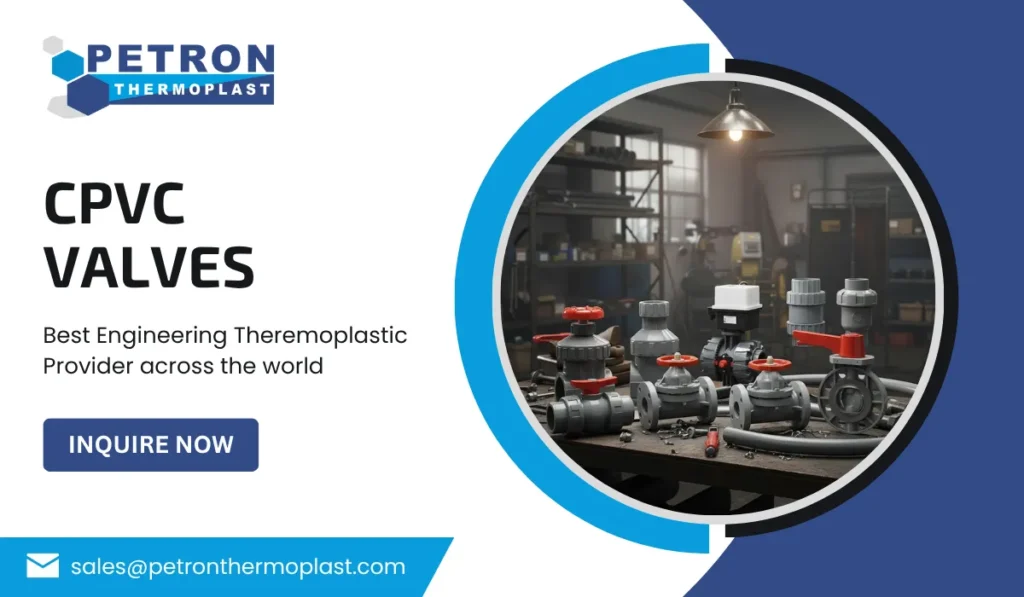
CPVC Valves are flow-control devices made from Chlorinated Polyvinyl Chloride (CPVC) that are used to start, stop, or regulate the flow of liquids within a piping system. These valves are commonly installed in CPVC pipelines to control the movement of water, chemicals, or other fluids safely and efficiently.CPVC valves are designed to withstand high temperatures, corrosive chemicals, and pressure, which makes them suitable for industrial piping systems, water treatment plants, chemical processing and irrigation systems.
They are lightweight, corrosion-resistant, and easy to install, usually connected to pipes using threaded, socket, or flanged connections.A CPVC valve is a device used in a CPVC piping system to control or regulate the flow of fluids while ensuring durability and resistance to chemicals and heat. CPVC valves control the flow of water and other liquids with ease. CPVC valves, a type of quarter-turn valve commonly used in industrial applications, rely on a simple mechanism to provide the operator with the best CPVC Valves Manufacturer in India.

CPVC Valves Details
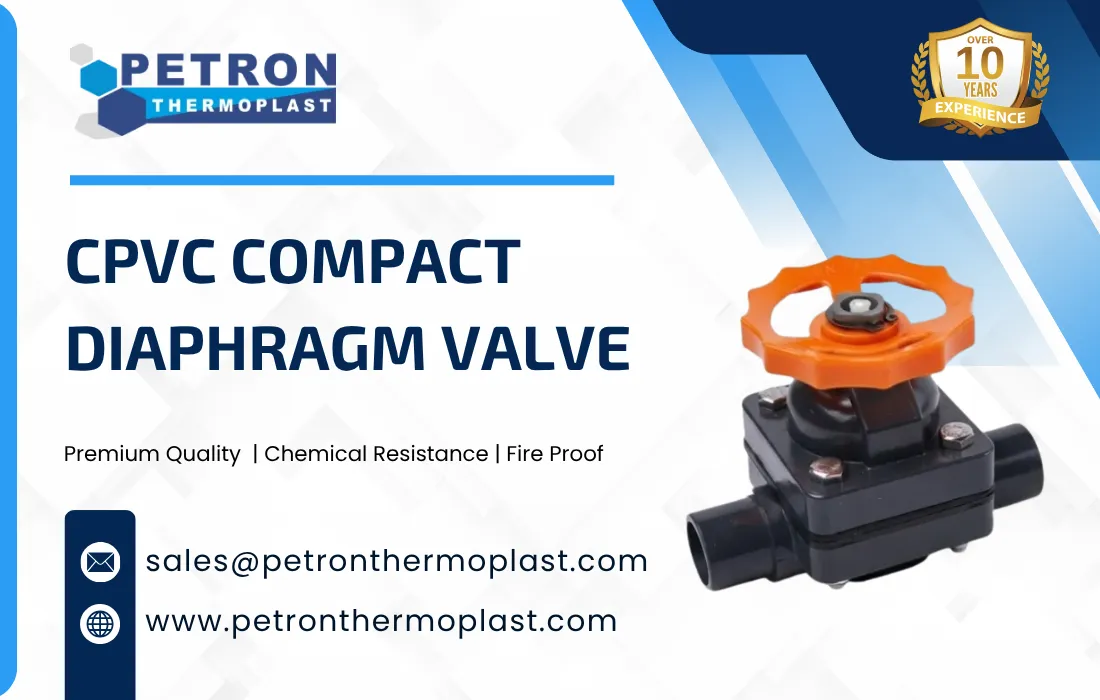
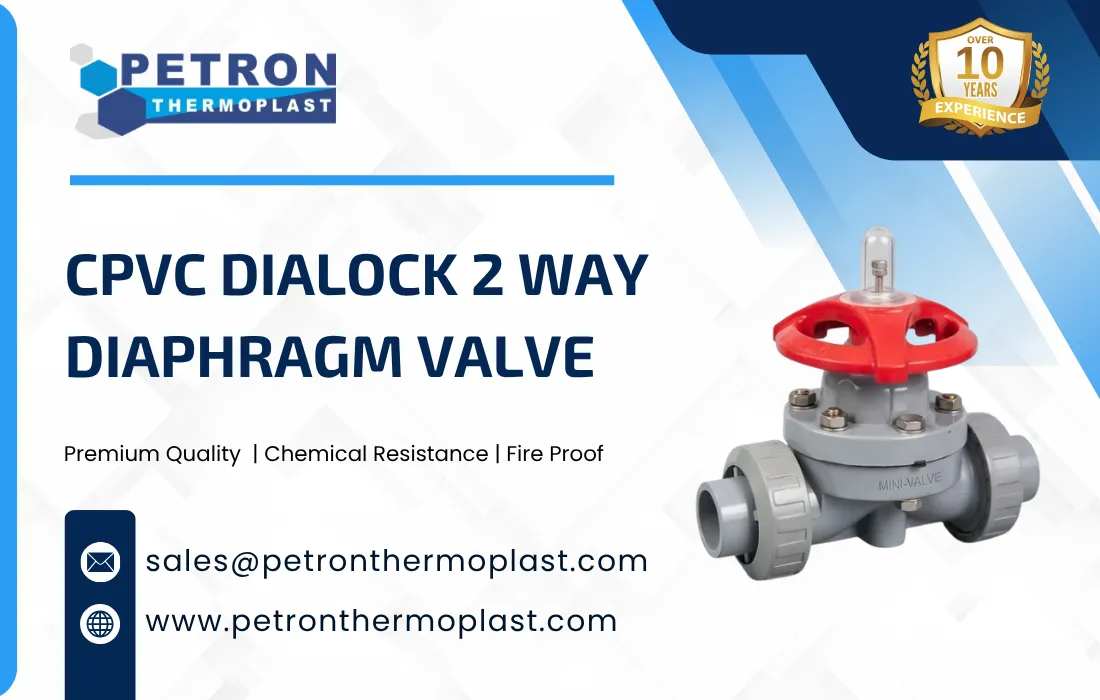
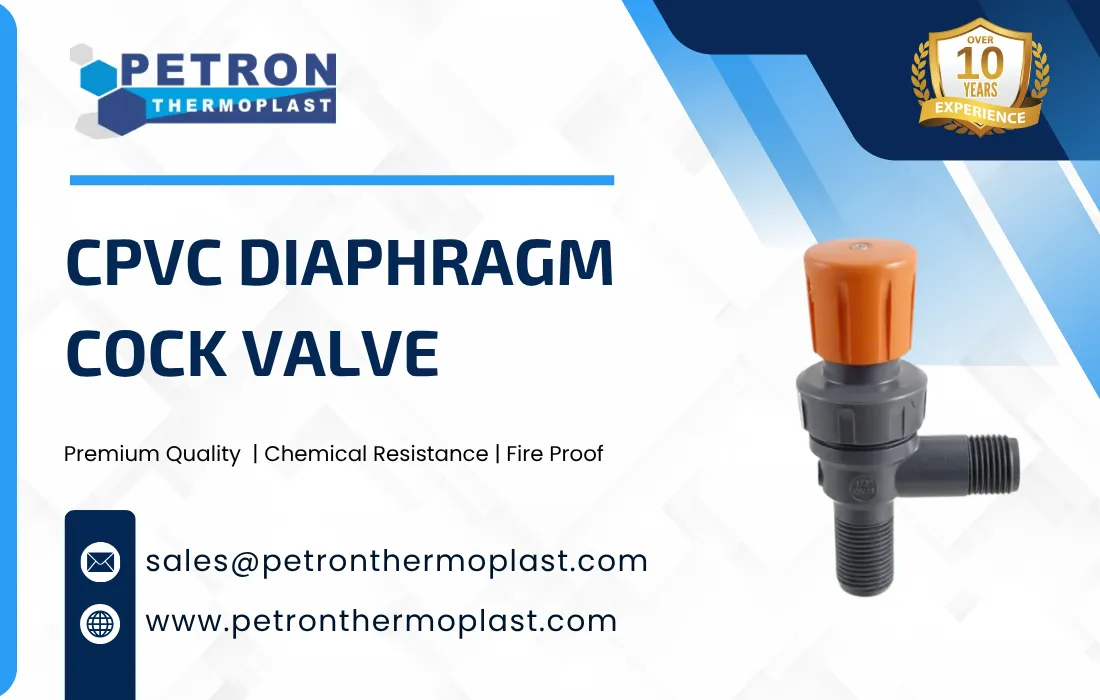
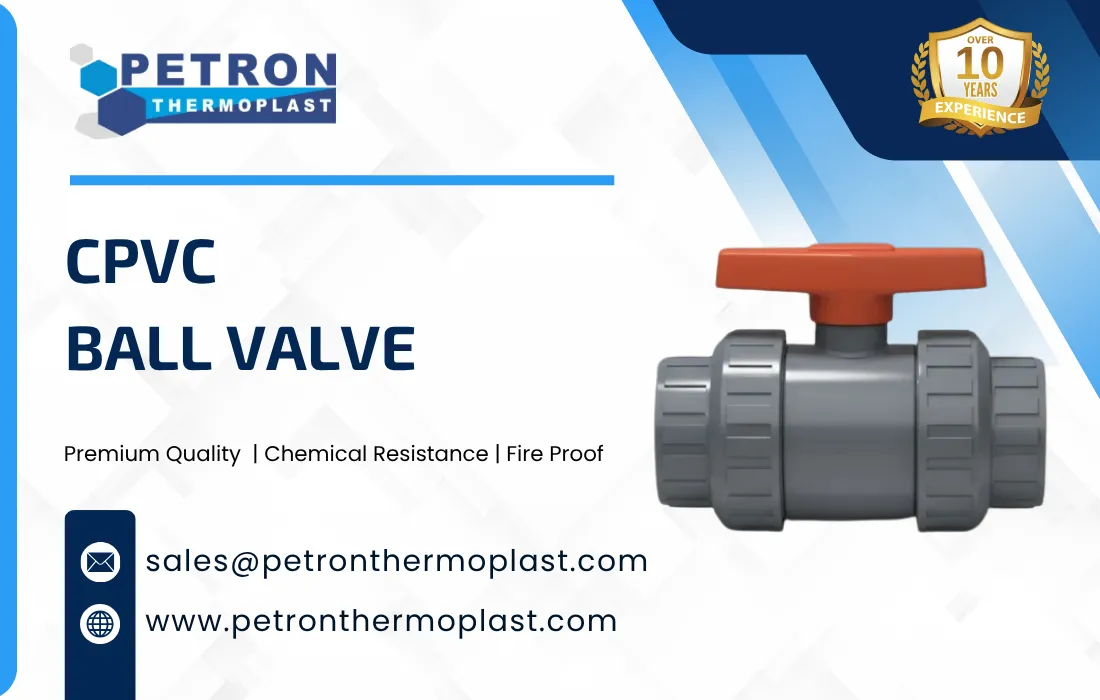
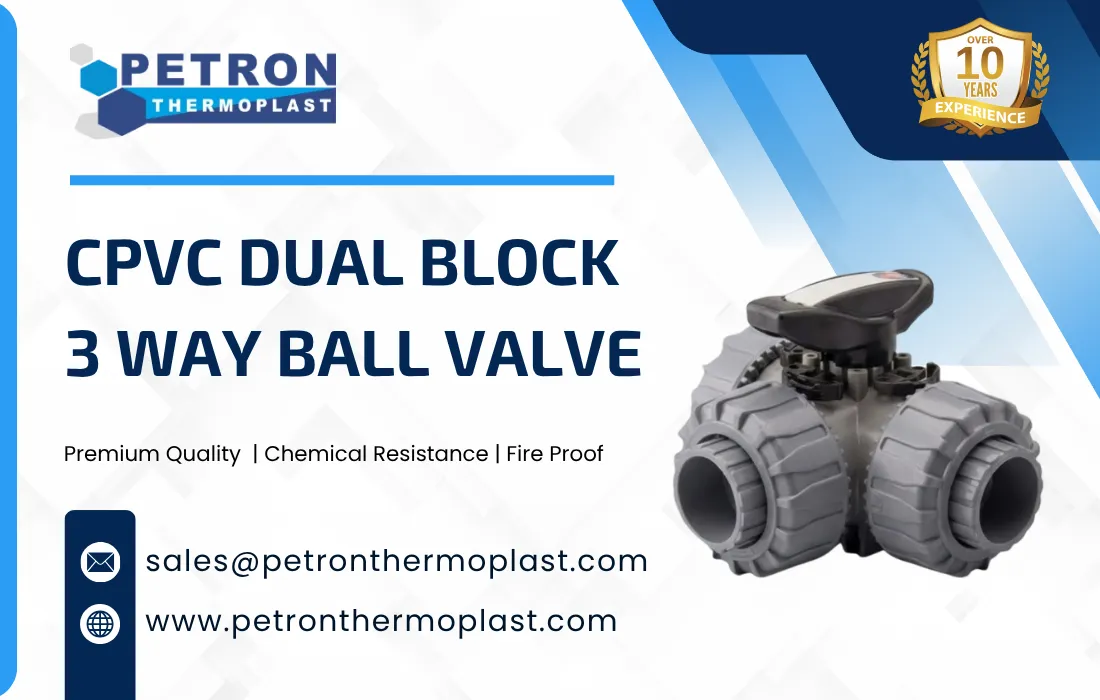
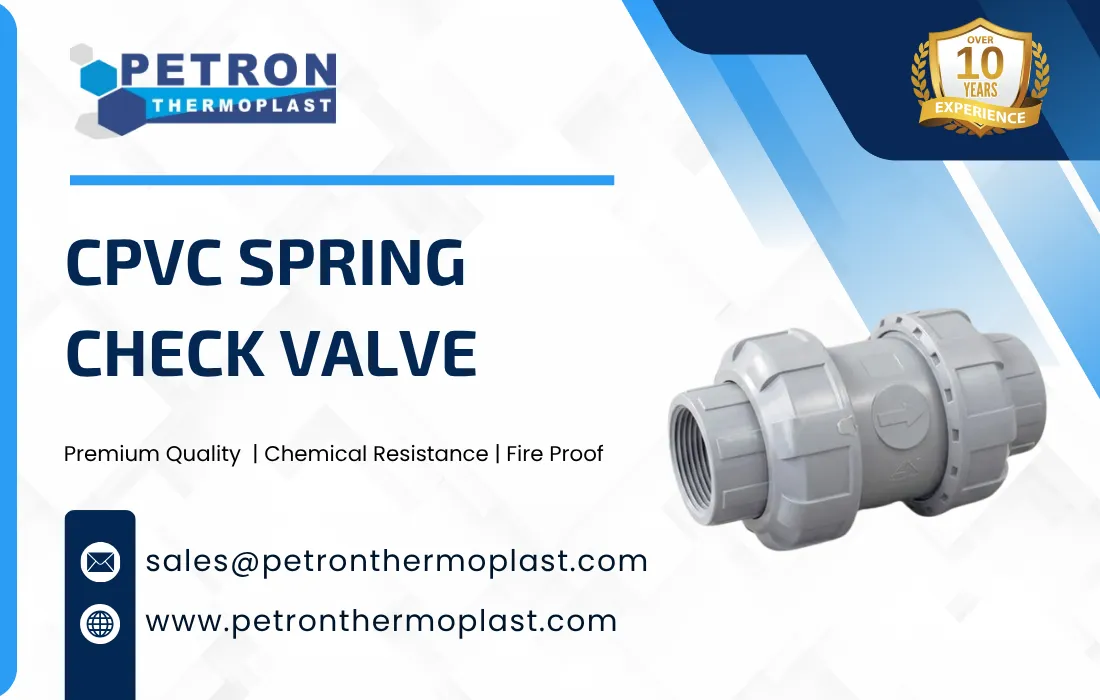
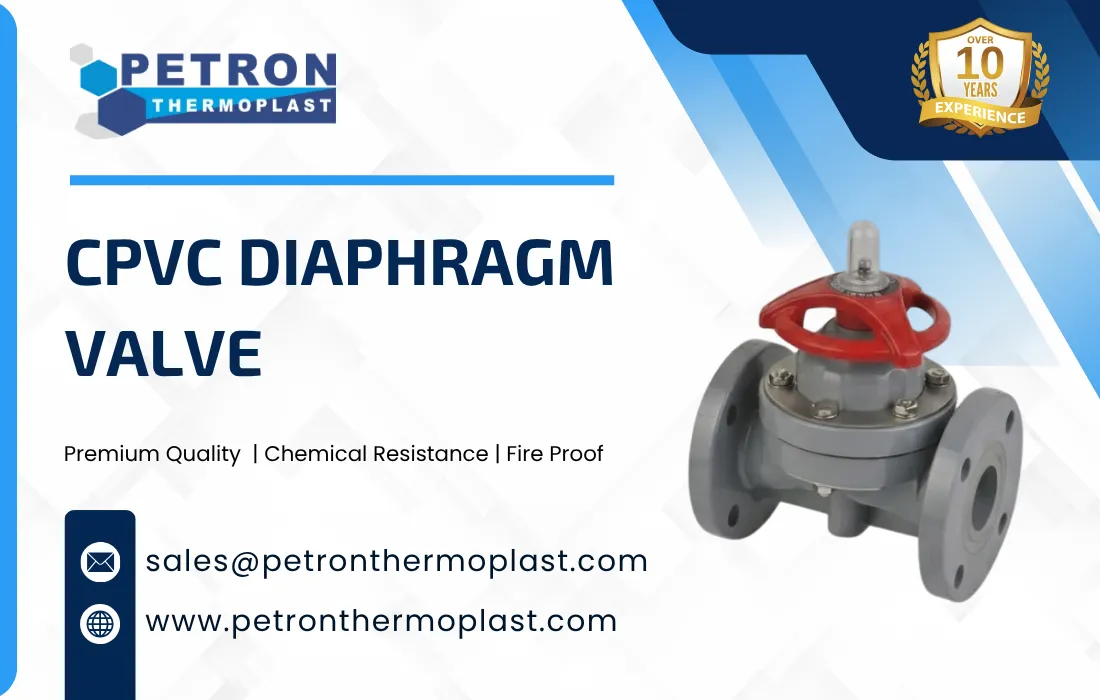
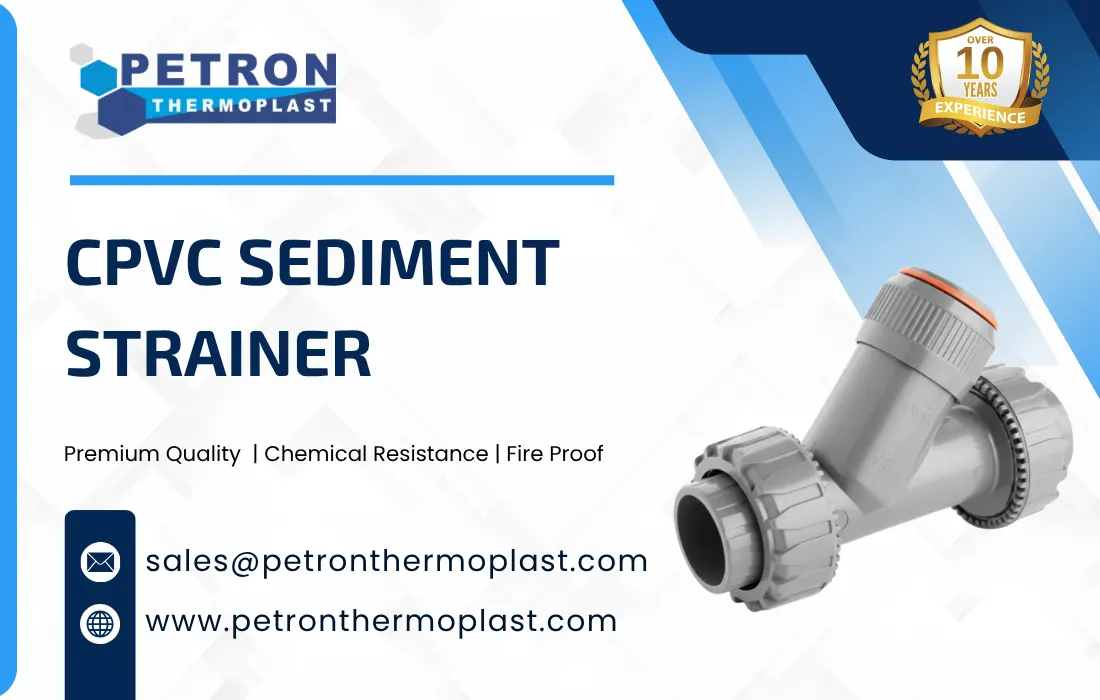
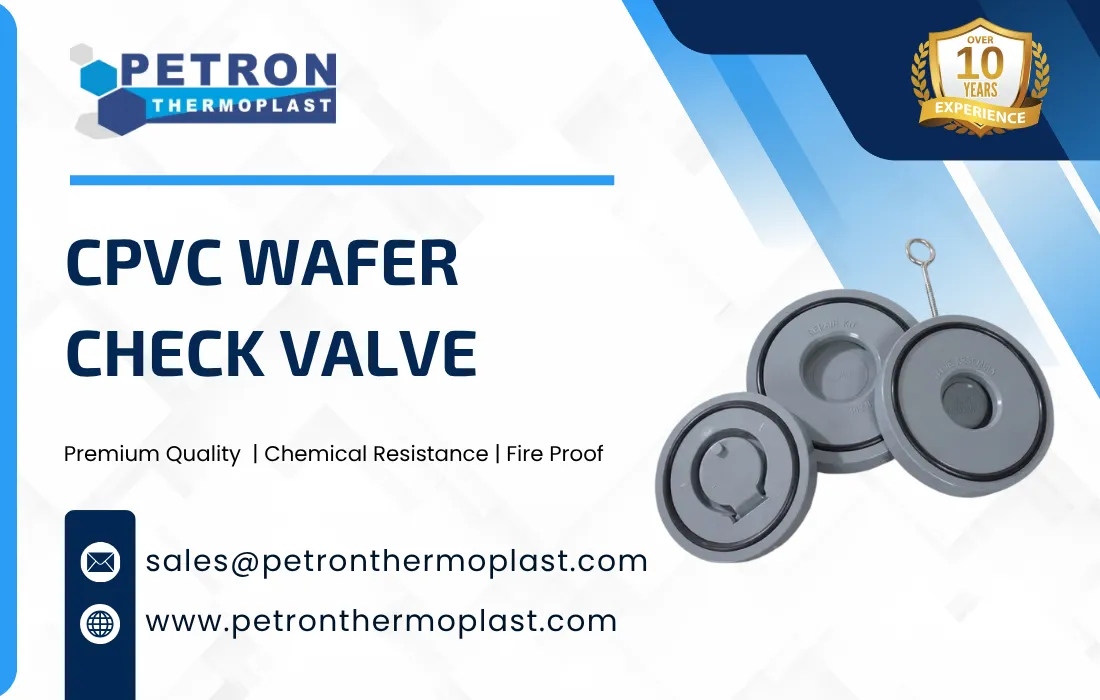
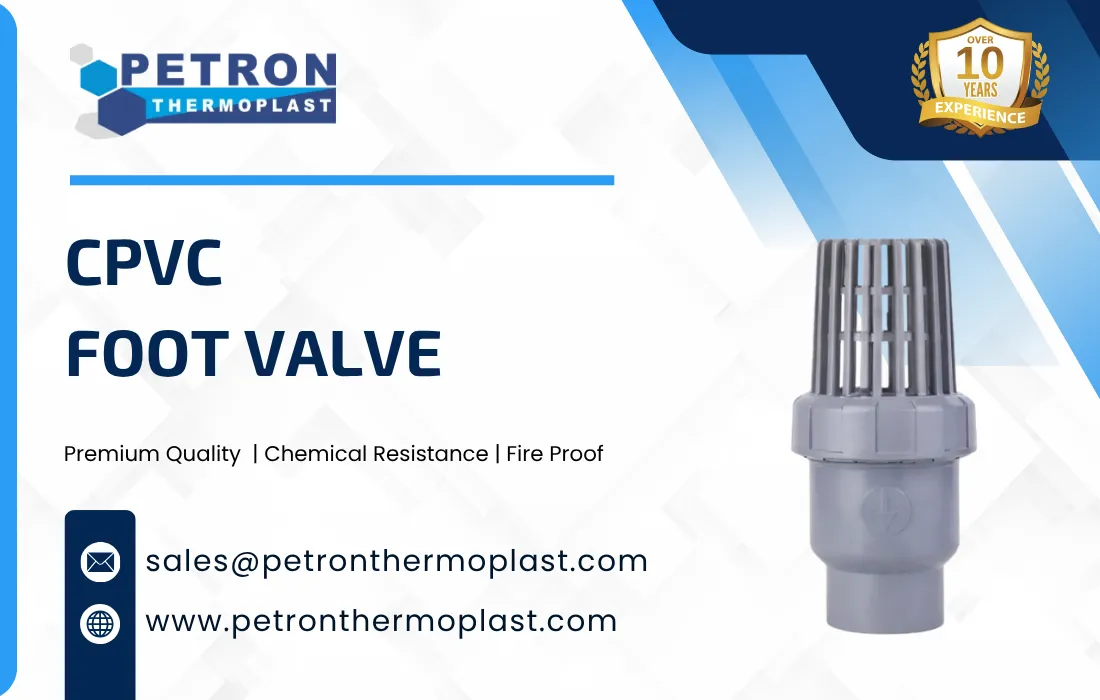
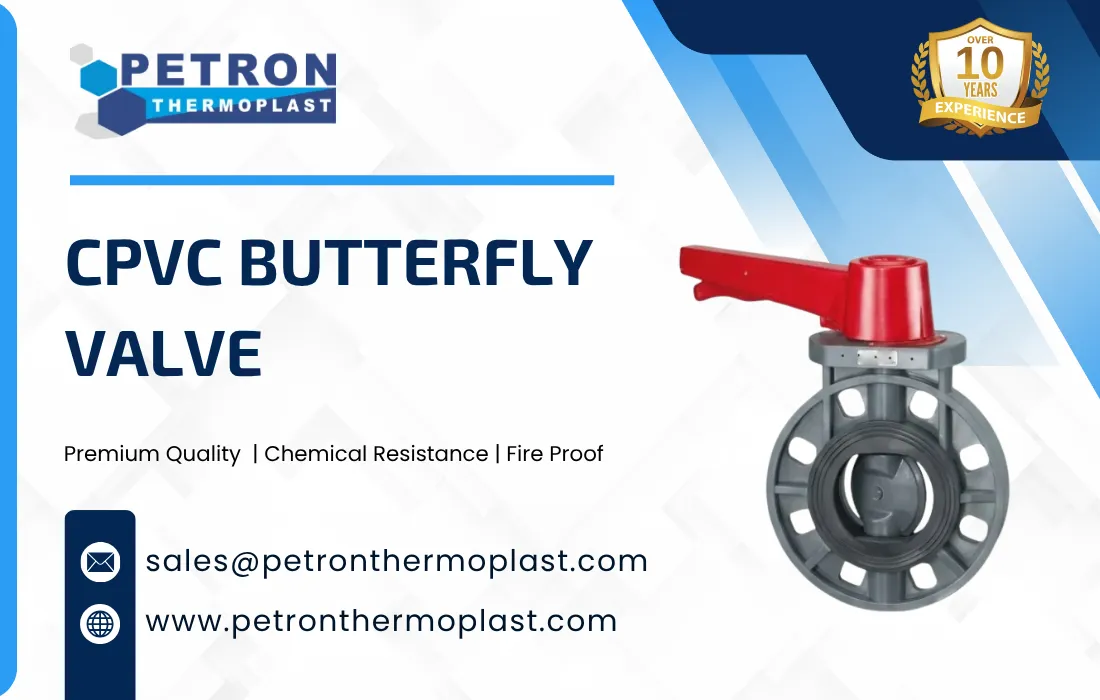
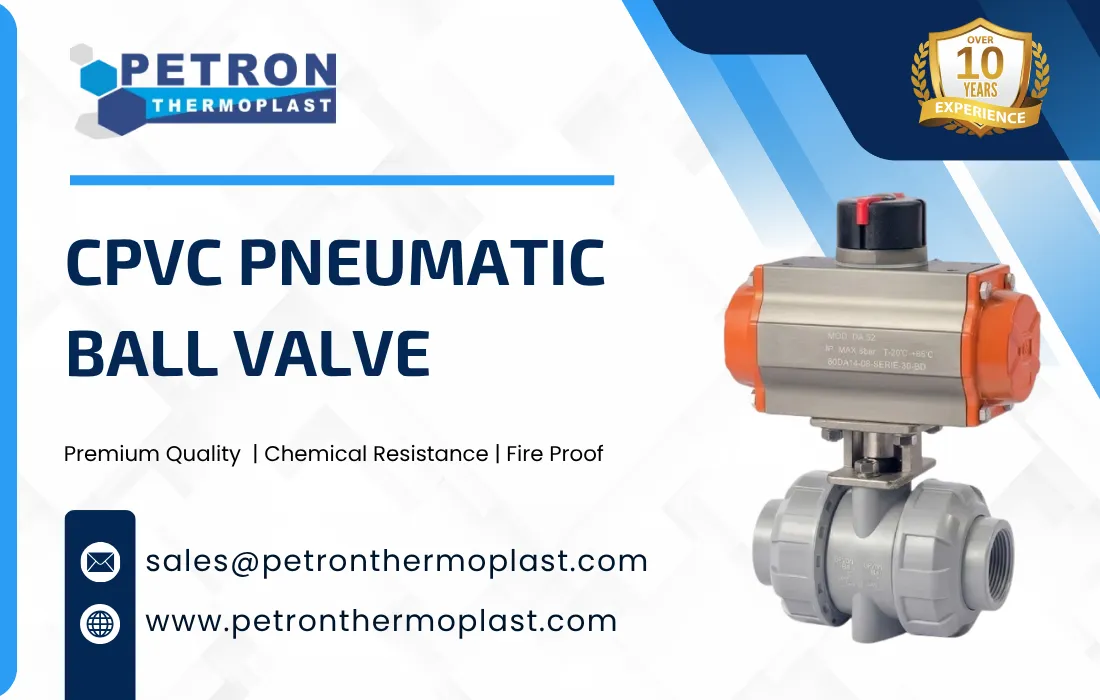
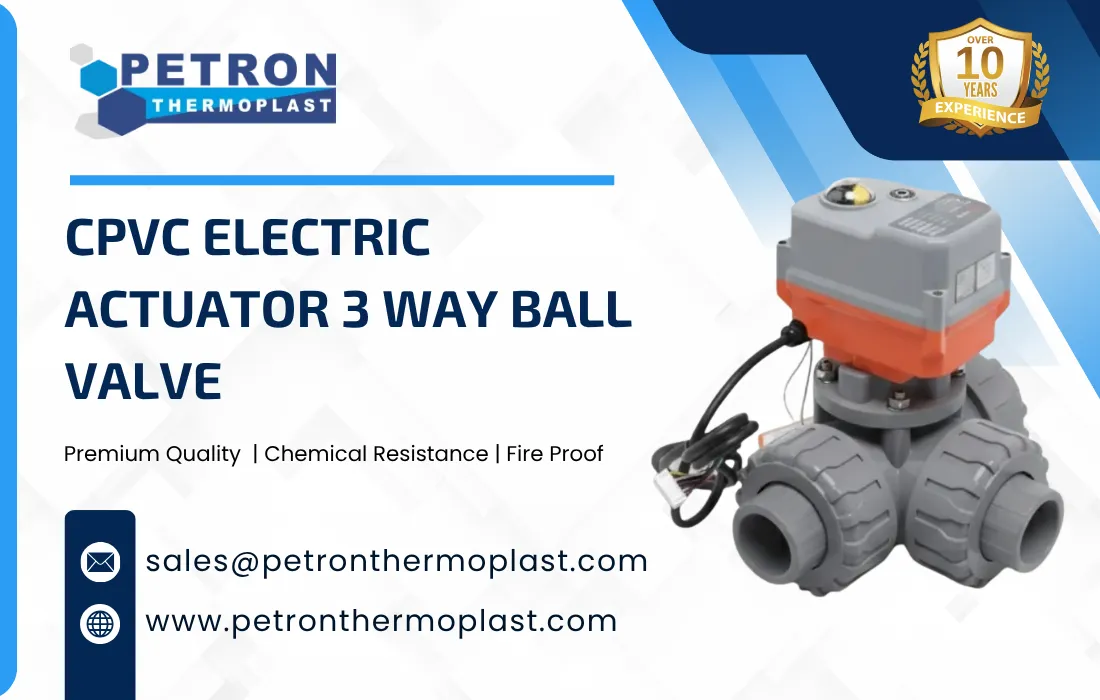
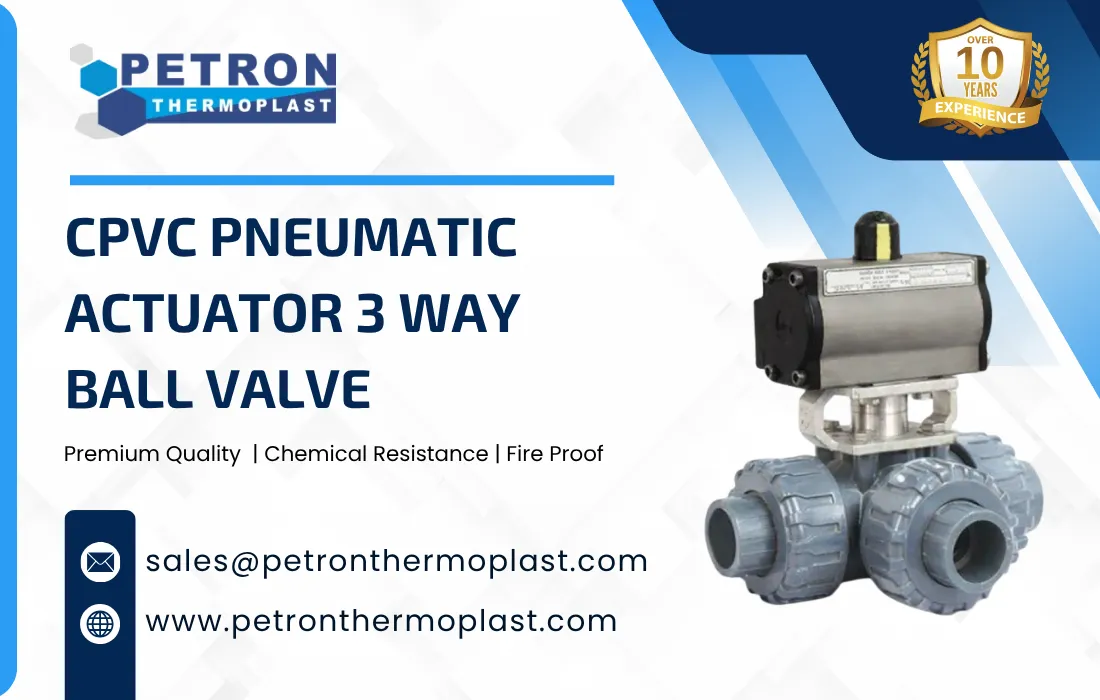
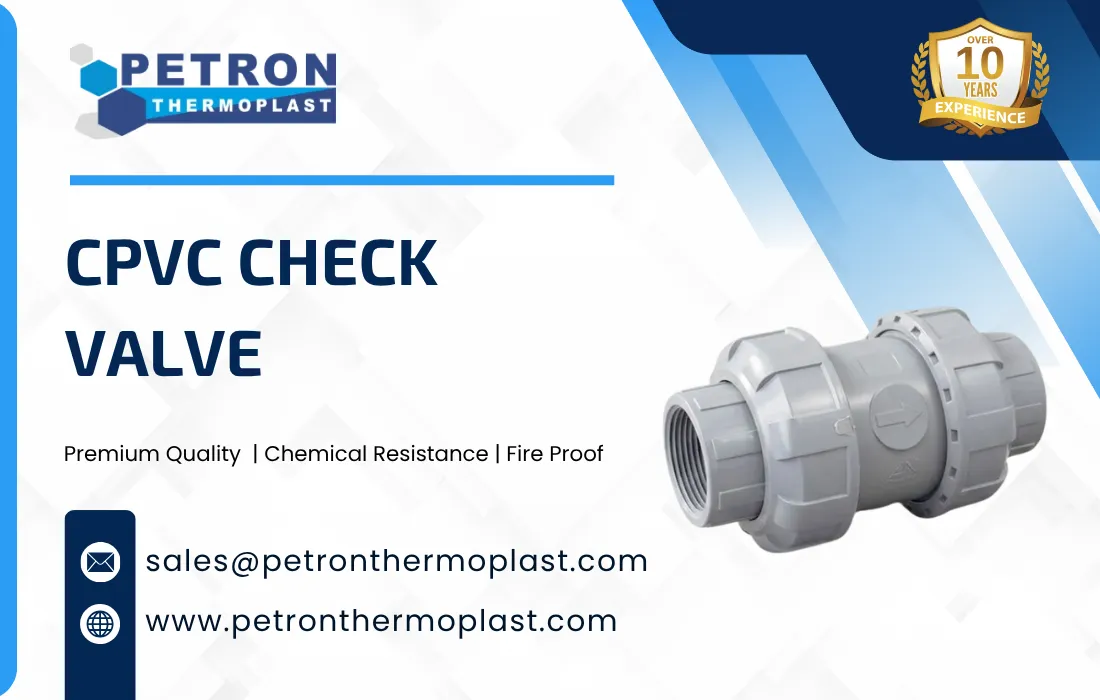
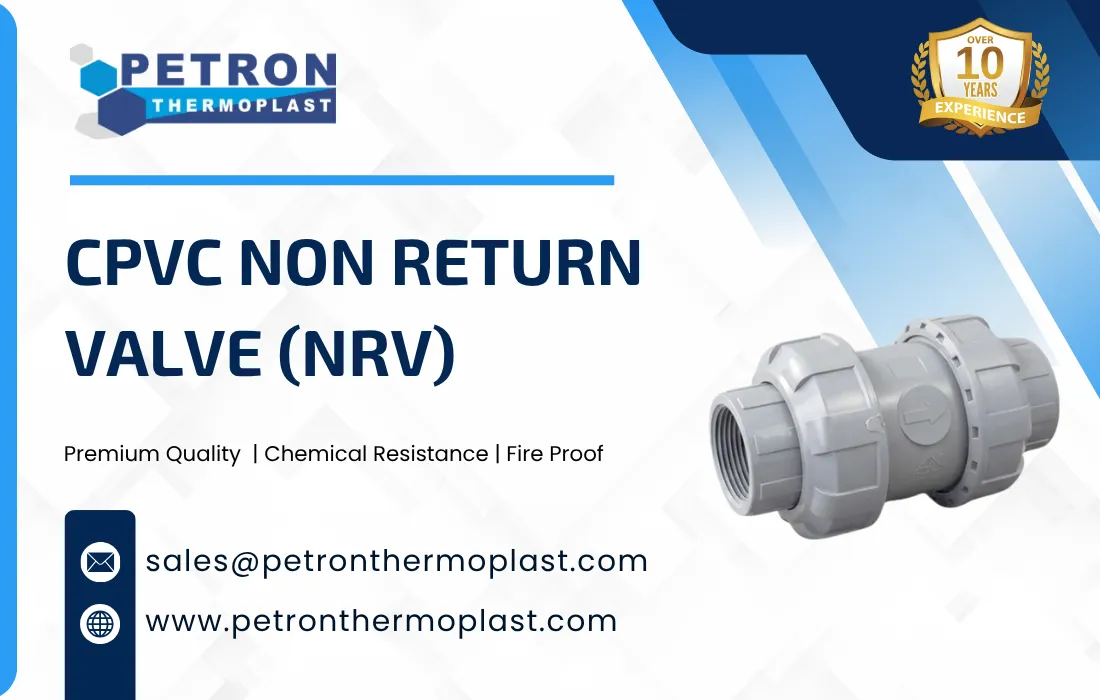
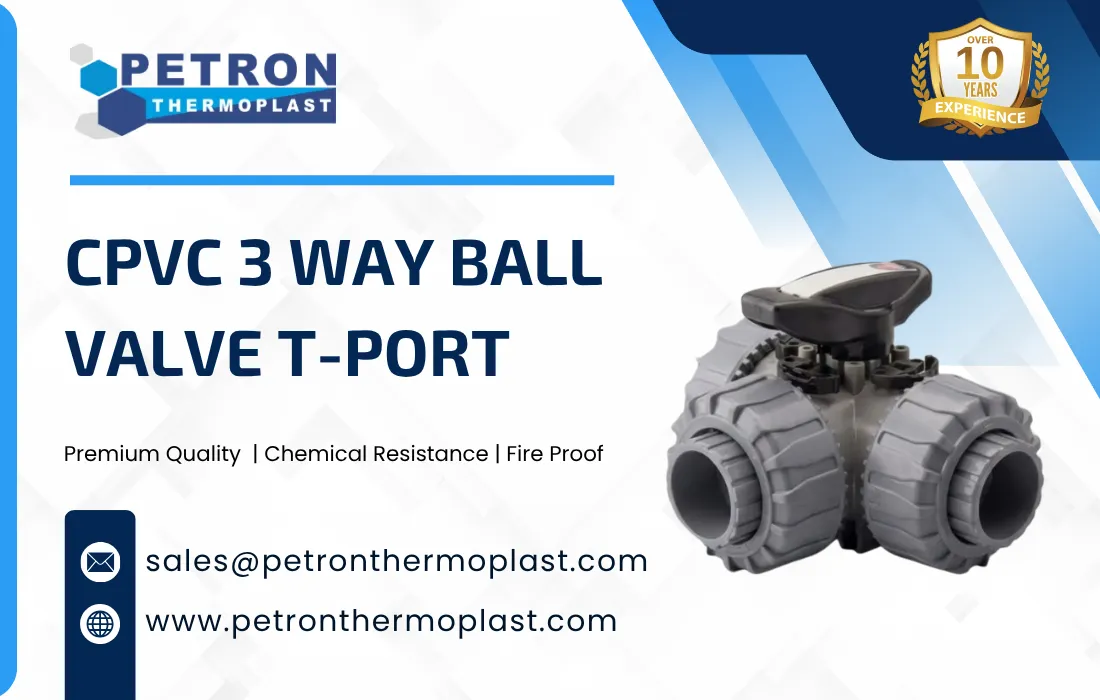
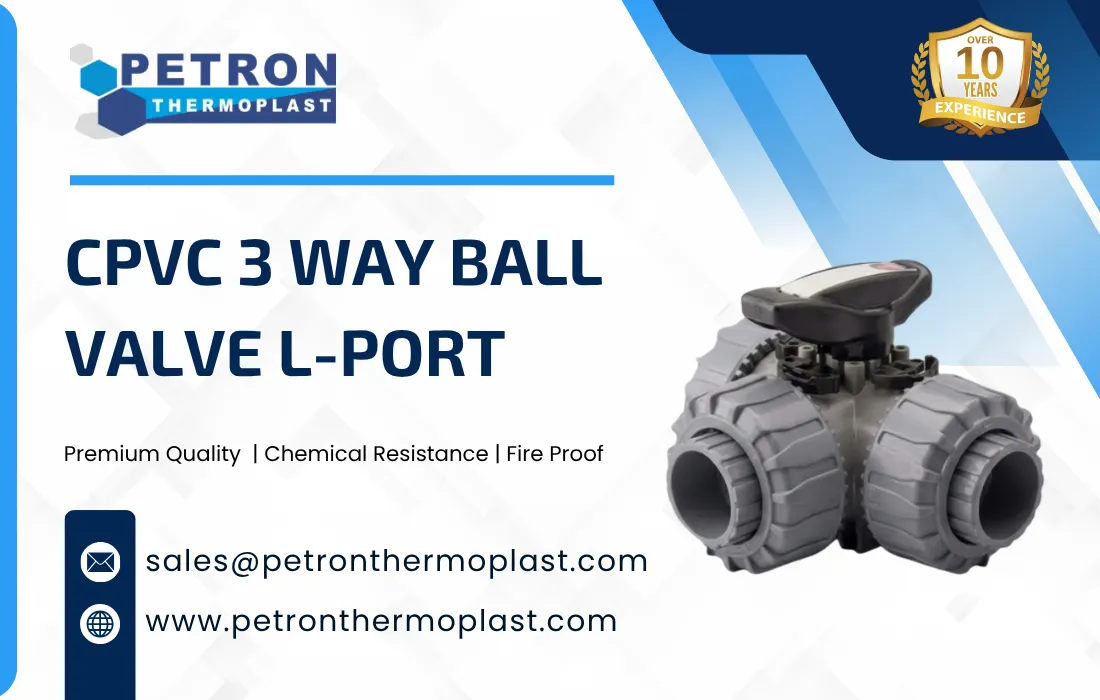
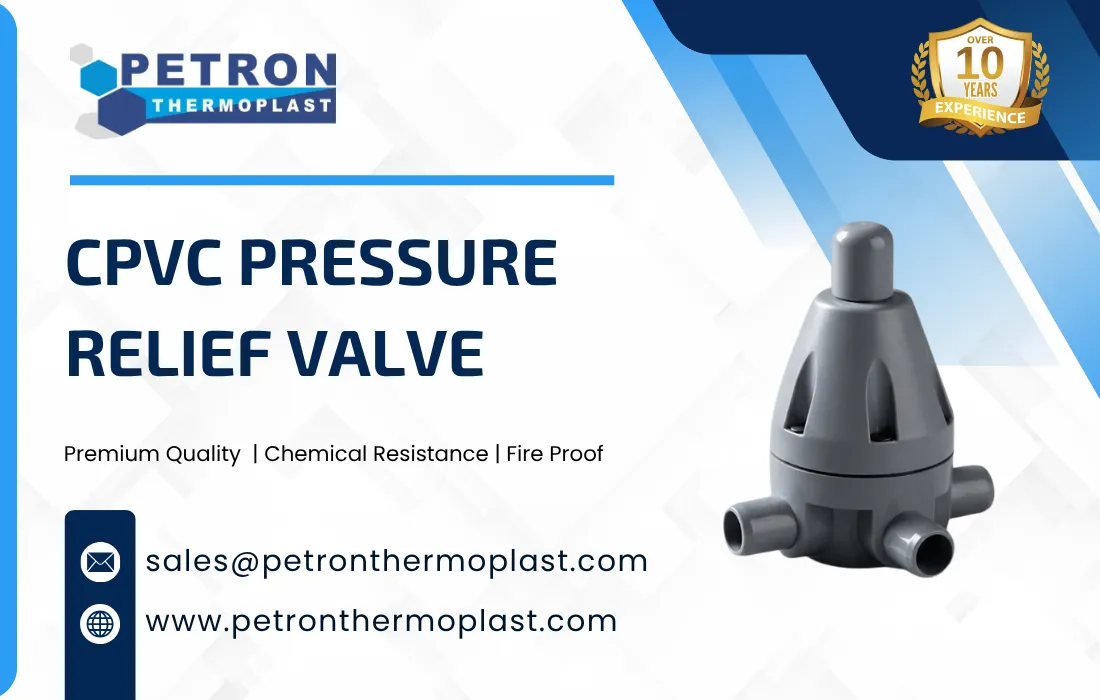
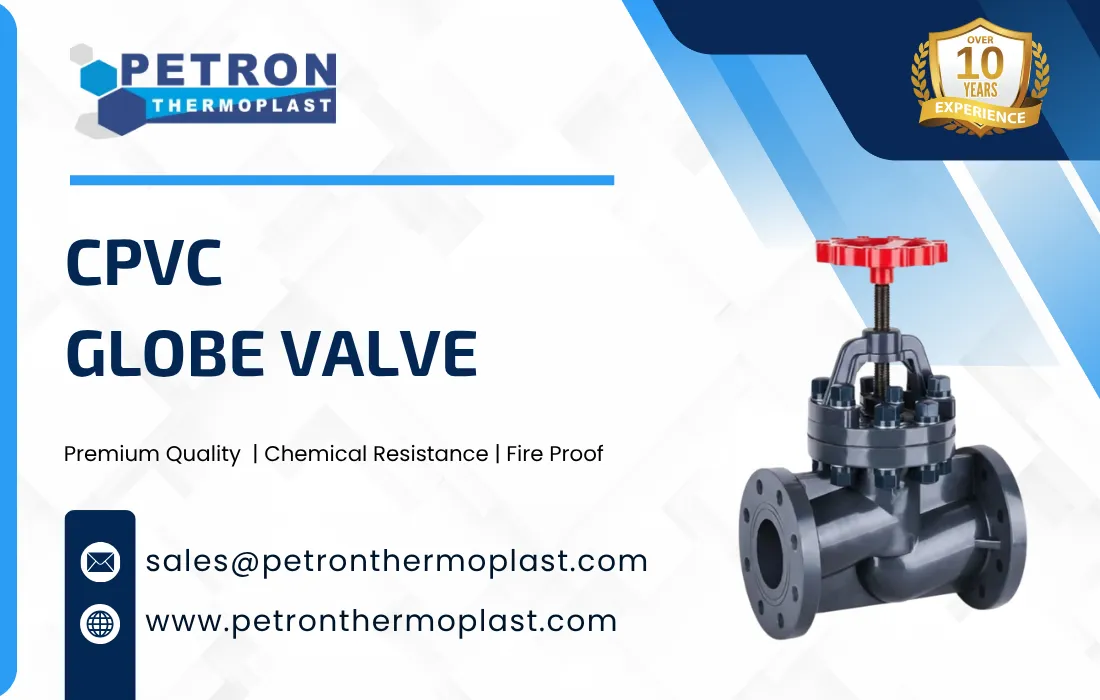
CPVC Valves Range
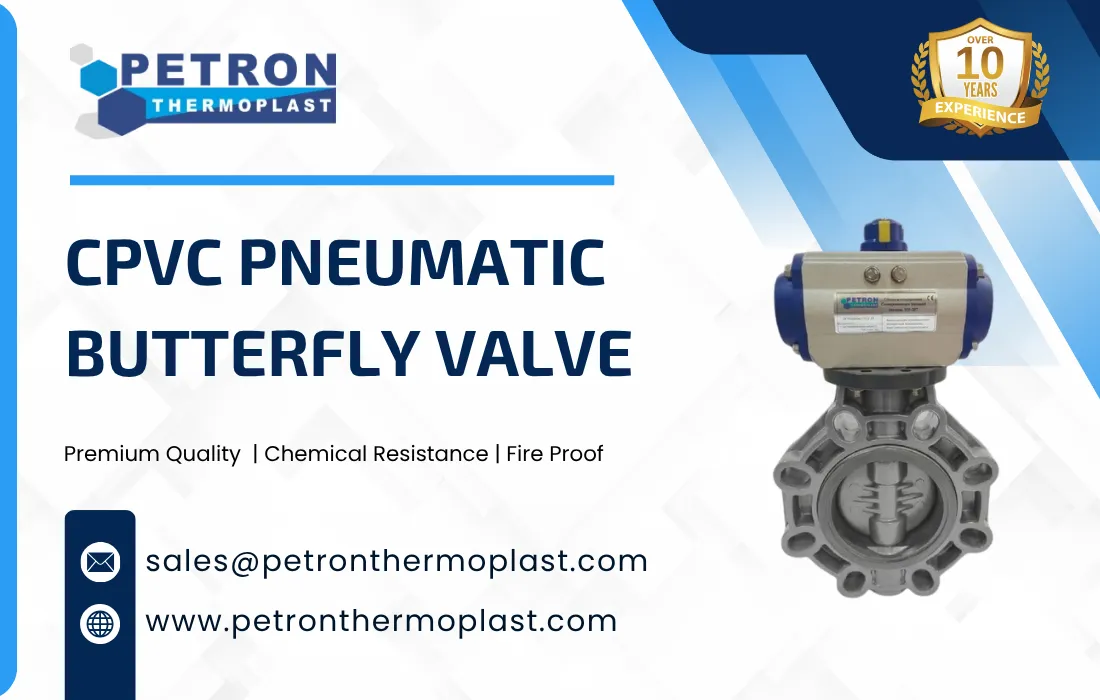
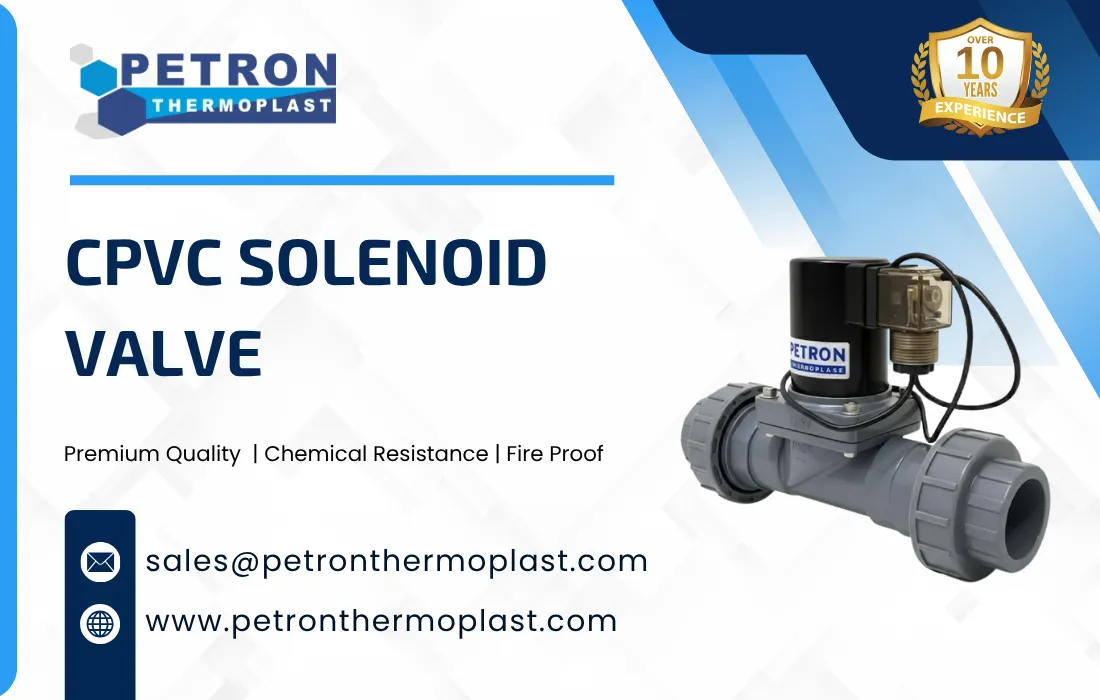
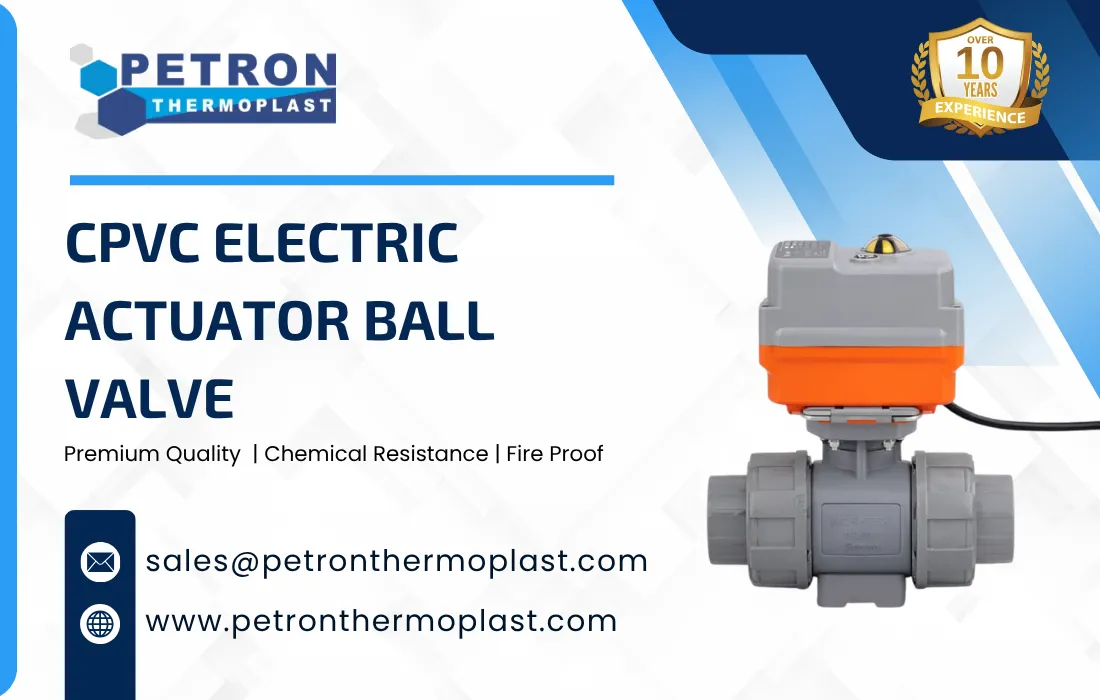
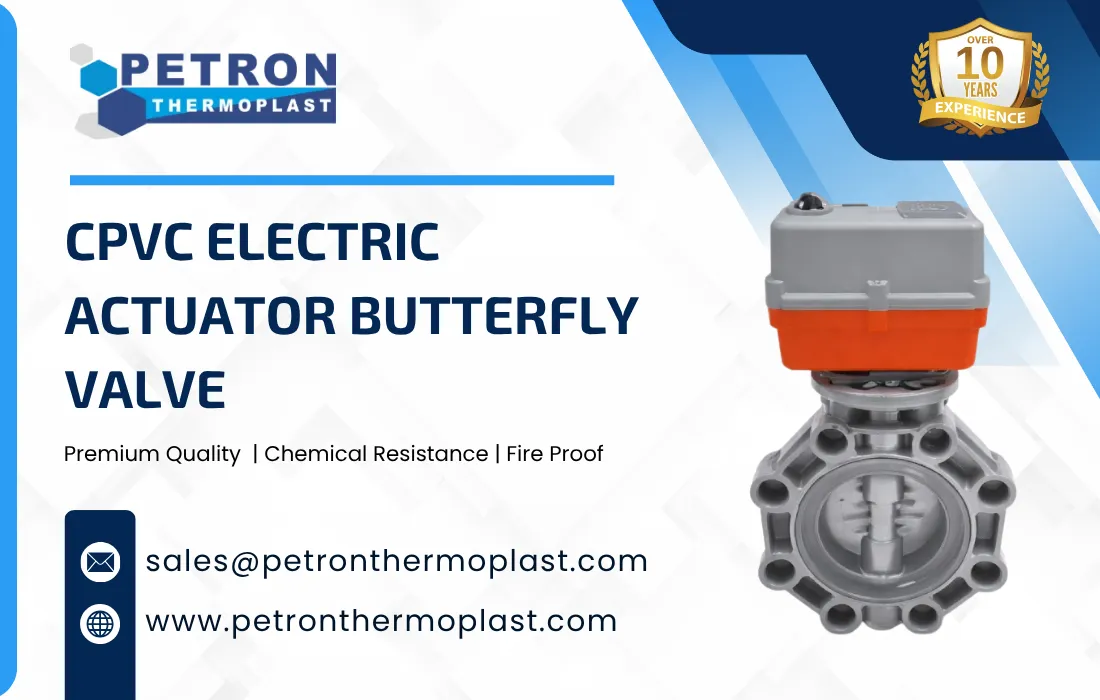
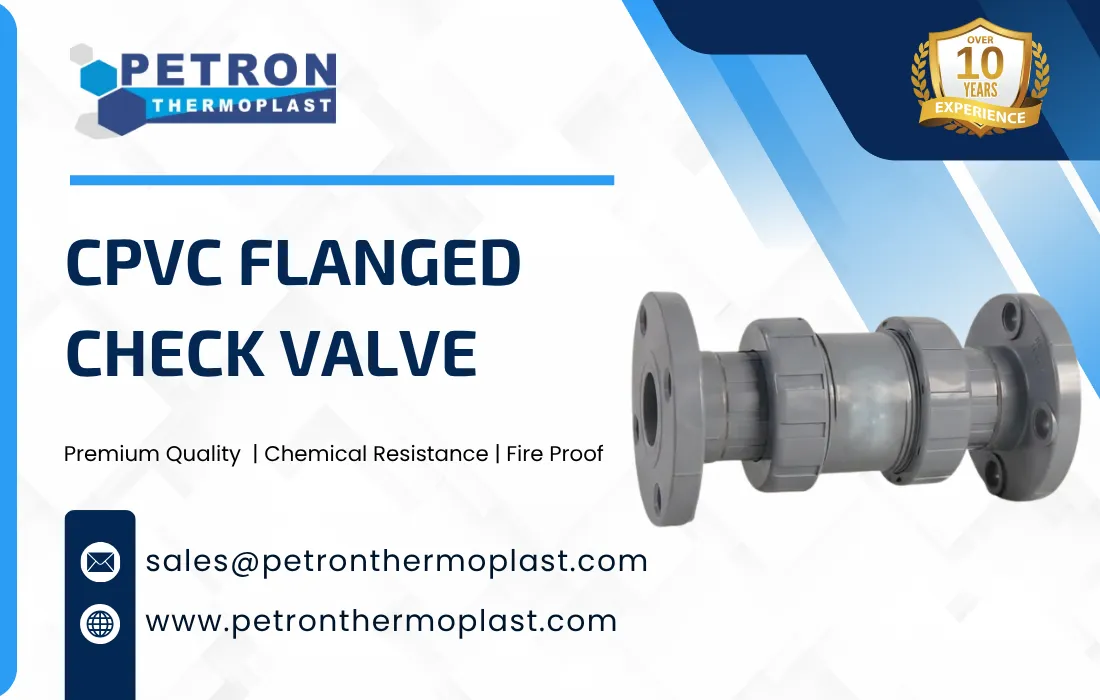
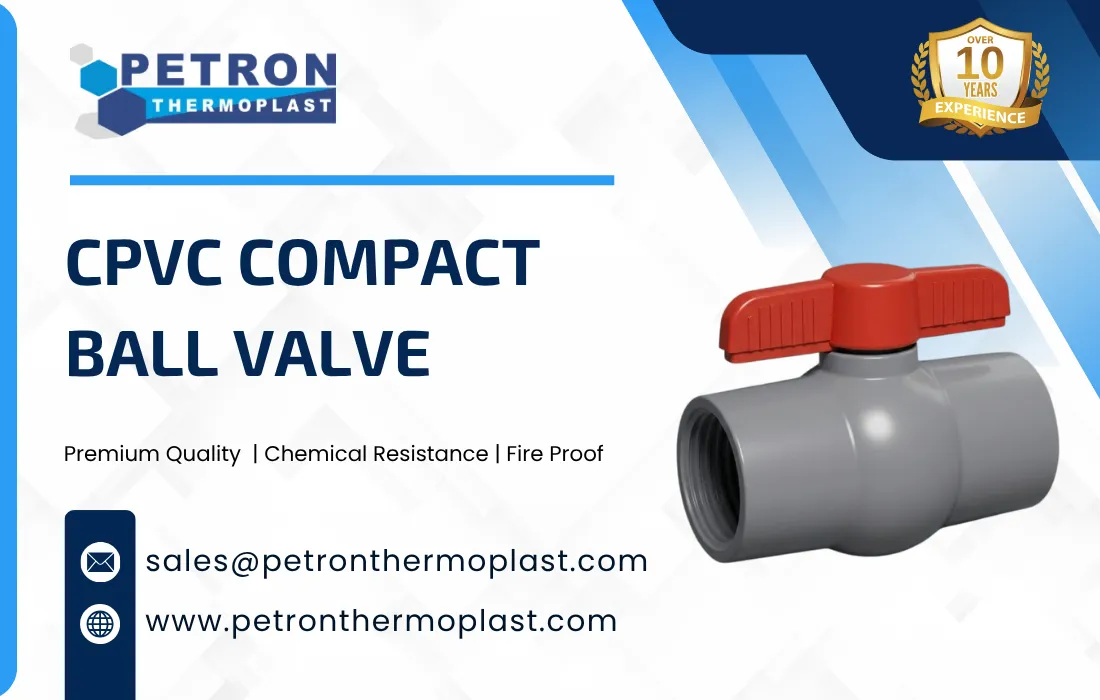
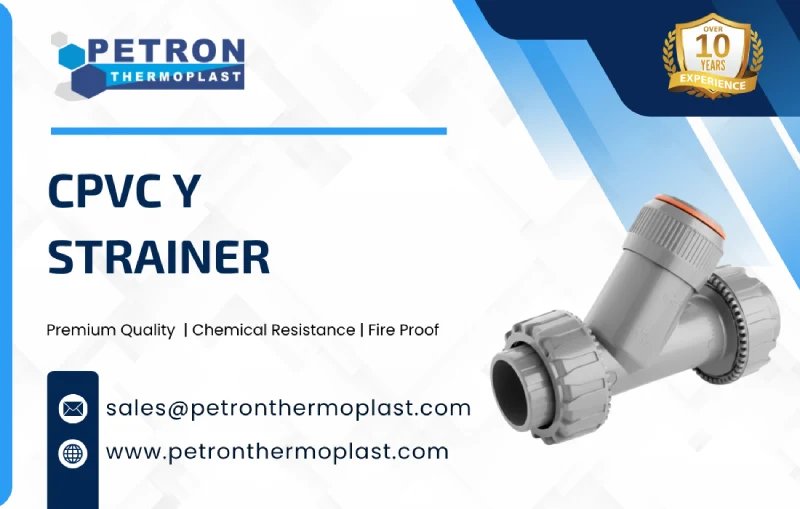
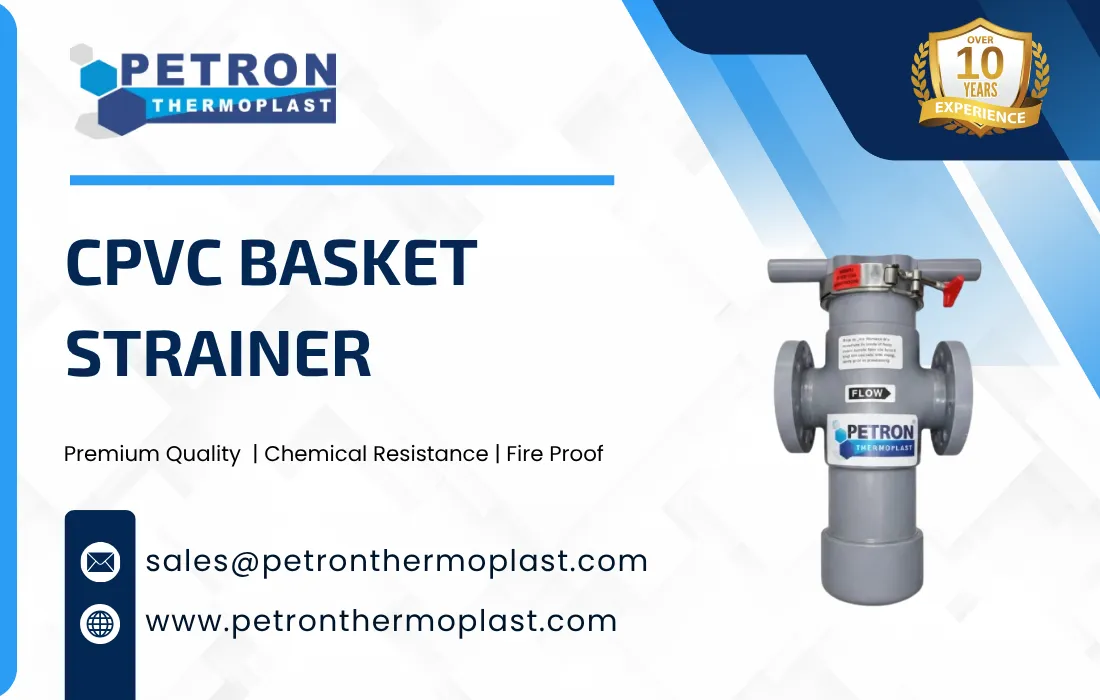
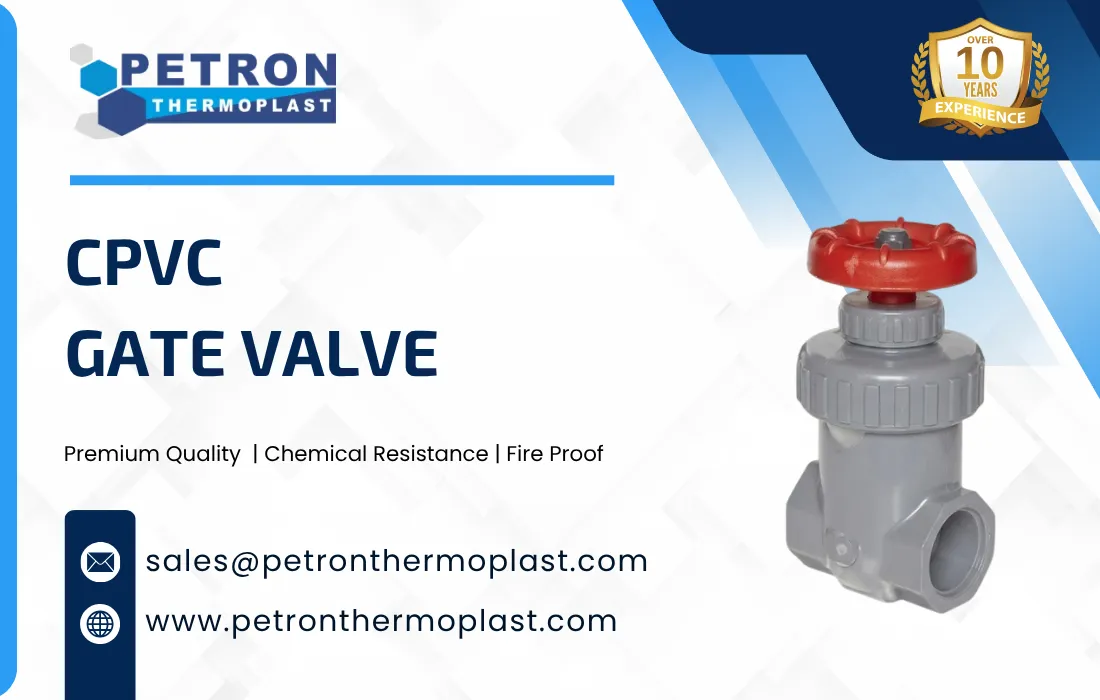
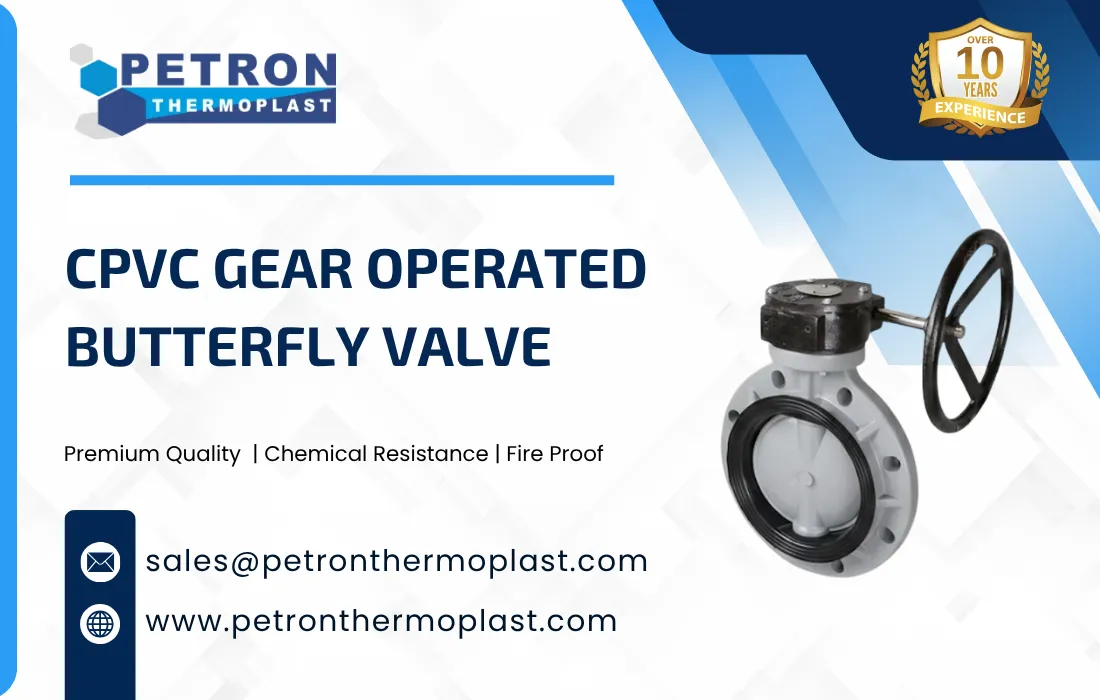
| Property | Details |
| Material | Chlorinated Polyvinyl Chloride (CPVC) |
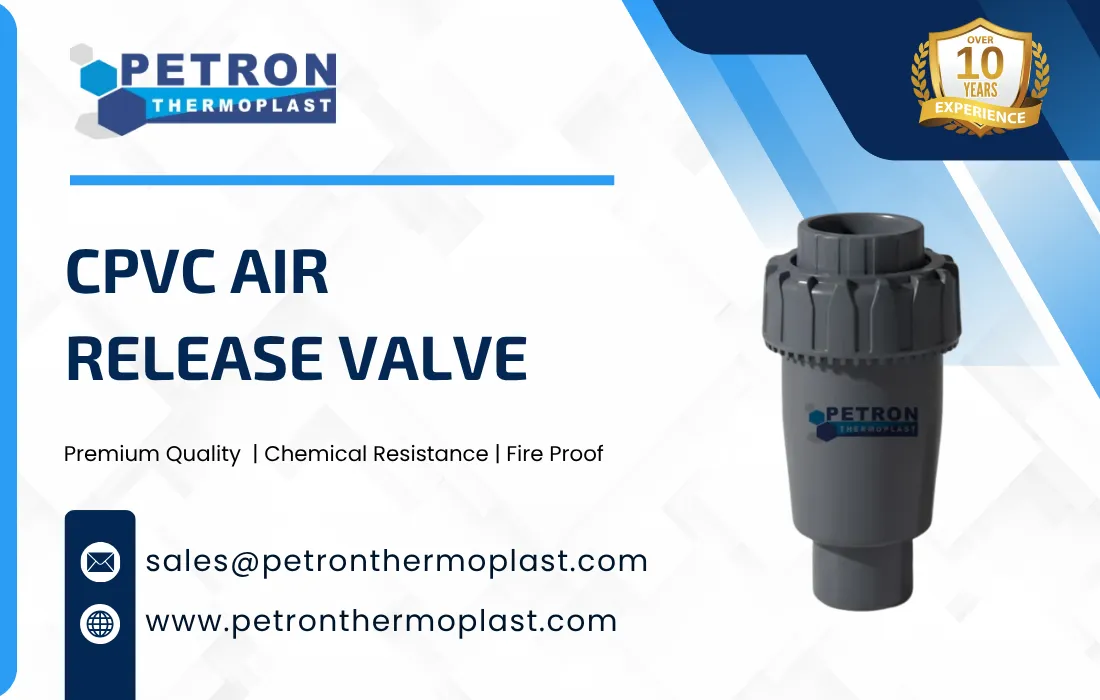
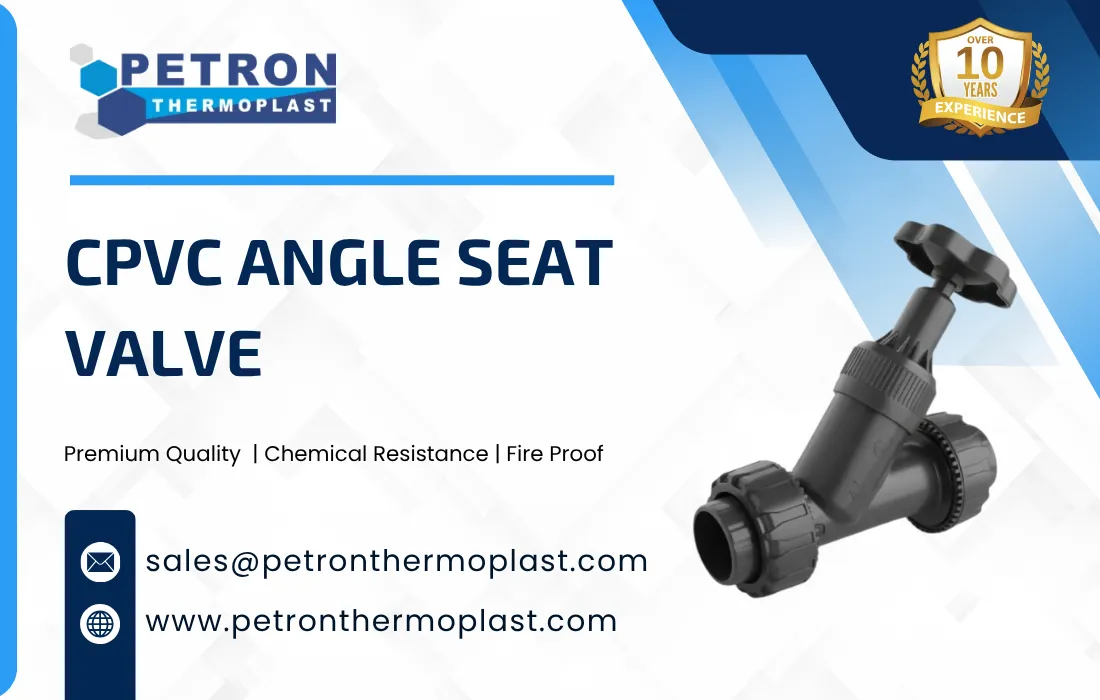
| Valve Types | Ball, Check, Butterfly, Diaphragm, Gate Valve |
| Function | Controls, regulates, or isolates fluid flow |
| Connection Type | Socket (Solvent Weld), Threaded (BSP/NPT), Flanged |
| Size Range | Typically 15 mm to 300 mm (varies by type) |
| Pressure Rating | PN 10 to PN 16 (depending on type and size) |
| Operating Temperature | 0°C to 90°C |
| Working Pressure | Up to 10–16 bar |
| Density | Approx. 1.45 – 1.58 g/cm³ |
| Tensile Strength | 50 – 70 MPa |
| Chemical Resistance | Excellent resistance to acids, alkalis, and salts |
| Corrosion Resistance | Non-corrosive and rust-proof |
| Seal Material | EPDM, PTFE (Teflon), Viton |
| Standards | ASTM D2846, ASTM F1970, DIN, ISO standards |
| Surface Finish | Smooth internal and external surface |
| Color | Light grey / off-white |
| Flow Characteristics | Low friction loss, smooth flow |
| Installation Method | Solvent cementing, threading, or flange connection |
| Maintenance | Low maintenance, easy replacement |
| Application Areas | Water supply, chemical processing, hot water systems |
| Service Life | 20–50 years under normal operating conditions |
| Valve Size (Inch) | Valve Size (mm) | Max Pressure Rating (PSI) | Pressure Rating (Bar) |
| ½” | 15 mm | 150 PSI | 10 Bar |
| ¾” | 20 mm | 150 PSI | 10 Bar |
| 1″ | 25 mm | 150 PSI | 10 Bar |
| 1¼” | 32 mm | 150 PSI | 10 Bar |
| 1½” | 40 mm | 150 PSI | 10 Bar |
| 2″ | 50 mm | 150 PSI | 10 Bar |
| 2½” | 65 mm | 120 PSI | 8 Bar |
| 3″ | 80 mm | 120 PSI | 8 Bar |
| 4″ | 100 mm | 100 PSI | 7 Bar |
| Property | Value | Notes |
| Max Operating Temperature | Up to 90°C – 95°C | Ideal for hot water and industrial chemical lines |
| Min Operating Temperature | 0°C | Recommended limit for safe, non-brittle operation |
| Short-Term Temp. Resistance | Up to 100°C | For limited/intermittent exposure only |
| Material Density | 1.50 – 1.60 g/cm³ | High-density thermoplastic for structural integrity |
| Thermal Stability | Excellent | Suitable for both hot and cold fluid applications |
| Nominal Size (mm) | Nominal Size (inch) | Outer Diameter (mm) | Wall Thickness (mm) | Pressure Rating |
| 20 mm | ½ inch | 25 mm | 2.0 mm | PN16 |
| 25 mm | ¾ inch | 32 mm | 2.4 mm | PN16 |
| 32 mm | 1 inch | 40 mm | 3.0 mm | PN16 |
| 40 mm | 1¼ inch | 50 mm | 3.7 mm | PN16 |
| 50 mm | 1½ inch | 63 mm | 4.6 mm | PN16 |
| 63 mm | 2 inch | 75 mm | 5.8 mm | PN16 |
| 75 mm | 2½ inch | 90 mm | 6.6 mm | PN16 |
| 90 mm | 3 inch | 110 mm | 8.1 mm | PN16 |
| 110 mm | 4 inch | 160 mm | 11.0 mm | PN16 |
Acids, Alcohols, and Organic Compounds
| Reagent | 73°F (23°C) | 180°F (82°C) |
| Acetaldehyde | N | N |
| Acetic Acid (up to 10%) | R | R |
| Acetic Acid (glacial) | N | N |
| Acetic Anhydride | N | N |
| Acetone | N | N |
| Acetone (5% sol.) | R | R |
| Acrylic Acid | N | N |
| Alcohols | C | C |
| Allyl Alcohol | C | C |
| Aniline | N | N |
| Benzene | N | N |
| Benzoic Acid | R | R |
| Benzyl Alcohol | N | N |
| Butyl Alcohol | C | C |
| Citric Acid | R | R |
| Ethanol (up to 50%) | R | R |
| Ethanol (>50%) | C | C |
| Ether | N | N |
| Ethylene Glycol | R | R |
| Formaldehyde | R | R |
| Formic Acid (up to 25%) | R | R |
| Formic Acid (>25%) | C | C |
| Hydrochloric Acid (General) | R | R |
| Hydrochloric Acid (36%) | C | C |
| Hydrofluoric Acid (3%) | N | C |
| Hydrofluoric Acid (30%) | N | N |
| Isopropanol | C | C |
| Ketones | N | N |
| Lactic Acid (25%) | R | R |
| Methanol (up to 10%) | R | R |
| Methanol (>10%) | C | C |
| Methanol (Pure) | N | N |
| Nitric Acid | C | N |
| Phenol | N | N |
| Phosphoric Acid | R | R |
| Propionic Acid | C | C |
| Sulfuric Acid (up to 80%) | R | R |
| Sulfuric Acid (85%) | R | N |
| Sulfuric Acid (98% / Fuming) | N | N |
| Tannic Acid (20%) | R | – |
| Tartaric Acid | R | R |
| Vinegar | R | R |
Salts and Inorganic Compounds
| Reagent | 73°F (23°C) | 180°F (82°C) |
| Aluminum Chloride / Hydroxide | R | R |
| Ammonium Chloride / Sulfate | R | R |
| Ammonium Hydroxide | R | R |
| Boric Acid | R | R |
| Calcium Chloride / Hydroxide | R | R |
| Copper Sulfate | R | R |
| Ferric / Ferrous Chloride | R | R |
| Ferrous Nitrate / Sulfate | R | R |
| Lead Acetate / Nitrate / Sulfate | R | R |
| Lithium Chloride / Sulfate | R | R |
| Magnesium Carbonate / Chloride | R | R |
| Magnesium Nitrate / Sulfate | R | R |
| Mercury Chloride / Nitrate | R | R |
| Potassium Bicarbonate / Chloride | R | R |
| Potassium Cyanide / Hydroxide | R | R |
| Potassium Permanganate | R | R |
| Silver Nitrate | R | R |
| Sodium Bicarbonate / Carbonate | R | R |
| Sodium Chloride / Hydroxide | R | R |
| Sodium Hypochlorite (Bleach) | R | R |
| Sodium Thiosulfate | R | R |
| Zinc Chloride / Nitrate / Sulfate | R | R |
Fuels, Oils, and Industrial Specialties
| Reagent | 73°F (23°C) | 180°F (82°C) |
| Acetylene | N | N |
| Carbon Dioxide | R | R |
| Chlorine (dry gas) | R | R |
| Chlorine (wet) | N | N |
| Detergents | R | R |
| Diesel Fuel / Gasoline | N | N |
| Freon | R | R |
| Kerosene | N | N |
| Kraft / Green Liquors | R | R |
| Linseed / Soybean Oil | C | C |
| Sea Water / Salt Water | R | R |
| Turpentine / Toluene / Xylene | N | N |
| WD-40 | C | C |
User Manual for CPVC Valves
- High Temperature Resistance
CPVC valves can handle temperatures up to 90°C – 95°C, making them suitable for hot water and industrial fluid systems. - Excellent Chemical Resistance
They are resistant to acids, alkalis, salts, and many corrosive chemicals, which makes them ideal for chemical processing and water treatment plants. - Corrosion and Rust Free
Unlike metal valves, CPVC valves do not rust or corrode, ensuring longer service life in harsh environments. - Lightweight Material
CPVC valves are lightweight compared to metal valves, which makes handling, transportation, and installation easier. - Easy Installation
They can be easily installed using solvent cement joints, threaded connections, or flanges, reducing installation time and labor costs. - Low Maintenance
Due to their corrosion resistance and durable material, CPVC valves require very little maintenance during their service life. - 7. Smooth Flow Performance
CPVC valves have a smooth internal surface, which reduces friction and allows efficient fluid flow. - Long Service Life
These valves are highly durable and can operate efficiently for many years without significant wear or damage. - Cost-Effective
CPVC valves are generally more economical than metal valves due to their lower material cost and minimal maintenance requirements. - Safe for Water Systems
CPVC valves are non-toxic and safe for potable water applications, making them suitable for piping systems.
Installation & maintenance
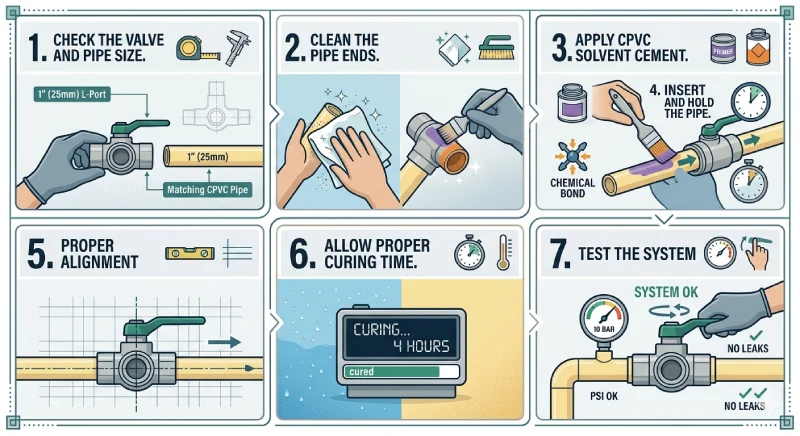
- Check the Valve and Pipe Size
Before installation, ensure that the CPVC valve size matches the pipe size and system requirements. - Clean the Pipe Ends
Clean the pipe ends and the valve socket to remove dust, oil, or debris that may affect proper bonding. - Apply CPVC Solvent Cement
Apply CPVC primer and solvent cement evenly to the pipe and valve socket to create a strong chemical bond. - Insert and Hold the Pipe
Insert the pipe fully into the valve socket and hold it in position for a few seconds to ensure proper bonding. - Proper Alignment
Ensure the valve is installed in correct alignment with the pipeline to avoid stress on the valve body. - Allow Proper Curing Time
After installation, allow sufficient curing time for the solvent cement before starting the system. - Test the System
Check the pipeline for leaks and proper valve operation before putting the system into full operation.
Maintenance of CPVC Valves
- Regular Inspection
Periodically inspect the valve for leaks, cracks, or damage to ensure proper functioning. - Clean the Valve
Keep the valve and surrounding area clean and free from dirt or chemical deposits. - Check Valve Operation
Operate the valve occasionally to ensure the handle or actuator moves smoothly. - Avoid Excessive Force
Do not apply excessive force while opening or closing the valve to prevent damage to internal components. - Replace Worn Parts
If seals, handles, or other parts become worn, replace them promptly to maintain performance. - Protect from Extreme Conditions
Avoid exposing CPVC valves to extreme mechanical stress or temperatures beyond their rated limits.
Customization of CPVC Valves
- Size Customization
CPVC valves can be manufactured in different sizes and diameters to match specific pipeline requirements, typically ranging from ½ inch to larger industrial sizes. - Connection Types
Valves can be customized with different connection types, such as:
- Socket end
- Threaded end
- Flanged end
- Pressure Rating Options
CPVC valves can be designed to meet various pressure ratings depending on the application and system requirements. - Handle and Actuator Options
Rent handle designs or actuators can be used for manual or automated valve operation. - Seal and Seat Materials
Internal seals and seats can be customized with materials like EPDM or PTFE to improve sealing and chemical resistance. - 6. Color and Identification
Valves can be produced in different colors or marked with labels for easy identification in complex piping systems.
Processing of CPVC Valves
- Injection Molding
Most CPVC valve components are produced through injection molding, ensuring precise shape and consistent quality. - Machining
Certain parts of the valve may undergo machining to achieve accurate dimensions and smooth surfaces. - Assembly Process
After manufacturing, valve components such as body, seals, ball or disc, and handle are assembled carefully. - Quality Testing
Each valve undergoes pressure testing and leakage testing to ensure reliable performance before distribution. - Surface Finishing
The final product may be polished or treated to improve appearance and durability.
- Chemical Processing Industry
CPVC valves are commonly used in chemical plants to handle corrosive liquids such as acids, alkalis, and chemical solutions. - Water Treatment Industry
They are used in water purification and wastewater treatment plants to regulate the flow of water and treatment chemicals. - Pharmaceutical Industry
In pharmaceutical manufacturing, CPVC valves are used in fluid handling and processing systems where clean and corrosion-resistant piping components are required. - Food and Beverage Industry
CPVC valves are used in liquid processing and transfer systems because they provide corrosion resistance and safe fluid handling. - Irrigation Industry
These valves are widely used in irrigation pipelines to control and distribute water efficiently in farming systems. - Construction Industry
CPVC valves are used in commercial piping systems for controlling hot and cold water supply. - Electroplating Industry
They are suitable for electroplating plants where highly corrosive chemicals and solutions are used. - Power Generation Industry
CPVC valves are used in cooling water systems and chemical handling systems in power plants. - Textile Industry
In textile processing units, CPVC valves help control the flow of dyes, chemicals, and water used in manufacturing processes.
1. CPVC Resin
CPVC resin is the primary raw material used to manufacture the valve body and other plastic components. It provides excellent heat resistance, chemical resistance, and mechanical strength.
2. Heat Stabilizers
Heat stabilizers are added to protect the CPVC material during the high-temperature molding and processing stages, preventing degradation and maintaining material stability.
3. Lubricants
Lubricants help reduce friction during the manufacturing process and ensure smooth material flow in molding machines. They also improve the surface finish of the valve components.
4. Impact Modifiers
Impact modifiers increase the toughness and impact resistance of CPVC valves, reducing the risk of cracking or damage during installation and operation.
5. Processing Aids
Processing aids are used to improve the melt strength and processing efficiency of the CPVC compound, ensuring uniform valve shapes and high-quality production.
6. Seal Materials
Seals and gaskets are commonly made from EPDM (Ethylene Propylene Diene Monomer) or PTFE (Polytetrafluoroethylene) to ensure leak-proof sealing and chemical resistance.
7. Metal Components (Optional)
Some CPVC valves include brass parts for handles, stems, or fasteners to provide additional strength and durability.
8. Pigments or Colorants
Pigments are added to provide the desired color and identification of the valve while also improving appearance.
Testing Standard
- Pressure Testing
CPVC valves are tested under specific pressure levels to ensure they can withstand the rated working pressure without leakage or failure. - Leakage Testing
Leakage tests are performed to confirm that the valve provides a tight seal and prevents fluid leakage during operation. - Dimensional Inspection
Manufacturers check the dimensions, size, and tolerances of the valve components to ensure they match design specifications. - Material Testing
The CPVC material is tested for density, tensile strength, and impact resistance to verify its quality and durability. - Temperature Resistance Testing
Valves are tested at elevated temperatures to ensure they perform reliably in hot water or industrial applications. - Chemical Resistance Testing
The material is evaluated for resistance to acids, alkalis, and other corrosive chemicals used in industrial processes. - Operational Testing
The valve handle or actuator is operated repeatedly to ensure smooth opening and closing performance.
Quality Standards
High-quality CPVC valves are usually manufactured according to recognized standards such as:
- ASTM D2846 – Standard specification for CPVC piping systems
- ASTM F441 – Standard specification for CPVC pipe and fittings
- ISO Standards – International quality and safety guidelines
Quality Assurance Measures
- Use of high-grade CPVC raw materials
- Strict manufacturing process control
- Inspection at different production stages
- Final product testing before packaging

Custom Product Manufacturing Available
If you are searching for customized product designs that meet your requirements, don’t worry. Petron Thermoplast also offers custom product manufacturing services to meet the unique needs of various industries. Work with our expert engineers to create custom designs suited for your application.
Why Choose Petron Thermoplast?
With so many options on the market, why should you trust Petron Thermoplast for your CPVC Valves needs? The answer lies in our commitment to quality, service, and understanding your unique challenges.
We don’t just sell products—we engineer solutions. Our CPVC Valves are manufactured using the highest quality raw materials and technology, ensuring consistent performance and compliance with global standards. Every batch undergoes rigorous testing for pressure resistance, temperature tolerance, and durability, so you can be confident that what you’re installing is built to last.
As we know, multiple suppliers can slow down your project and increase costs. That’s why we offer a full range from CPVC valves to ensure you have everything that you need, all from a single source. Whether you’re working on a small industry or a large-scale commercial development, we can tailor a package that fits your exact requirements, saving your time and simplifying your supply chain.
Conclusion
CPVC valves are essential components in modern piping systems, designed to control and regulate the flow of fluids efficiently and safely. Made from Chlorinated Polyvinyl Chloride (CPVC), these valves offer excellent resistance to heat, chemicals, corrosion, and pressure, making them highly reliable for various applications.Their lightweight structure, easy installation, low maintenance requirements, and long service life make CPVC valves a cost-effective alternative to traditional metal valves. They are widely used in chemical processing plants, water treatment facilities, irrigation systems, and industrial pipelines.
In conclusion, CPVC valves provide a durable, efficient, and corrosion-resistant solution for fluid control, making them a preferred choice in many industries where reliability, safety, and performance are important.
Frequently Asked Questions
CPVC valves are flow-control devices made from Chlorinated Polyvinyl Chloride (CPVC) that are used to start, stop, or regulate the flow of liquids in a piping system.
CPVC valves are used in piping systems, chemical processing plants, water treatment facilities, irrigation systems, and industrial piping networks.
CPVC valves can typically withstand temperatures up to 90°C – 95°C, making them suitable for hot water and industrial applications.
Yes, CPVC valves have excellent resistance to acids, alkalis, salts, and many corrosive chemicals, making them ideal for chemical industries.
Common types include CPVC ball valves, gate valves, check valves, butterfly valves, and diaphragm valves.
CPVC valves are generally available in sizes from ½ inch to 4 inches, with larger sizes available for industrial applications.
They are usually installed using solvent cement joints, threaded connections, or flanged connections, depending on the valve design.
Yes, CPVC valves are non-toxic and safe for drinking water systems, making them suitable for commercial use.
CPVC valves require minimal maintenance due to their corrosion resistance and durable construction.
The main advantages include high temperature resistance, corrosion resistance, lightweight design, easy installation, and long service life.
Yes, CPVC material is non-toxic and corrosion-resistant, and suitable grades can be used for potable water applications when manufactured as per relevant standards.
Yes. CPVC pipe fittings can be supplied in custom diameters, lengths, and grades based on application requirements and bulk orders.
When properly designed and used within recommended limits, CPVC pipe fittings offer high dimensional stability and resist cracking, creep, and deformation.
CPVC pipe fittings are widely used in:
- Chemical processing
- Oil & gas
- Water treatment
- Power plants
- Pharmaceuticals
- Electrical & electronics
Store CPVC pipe fittings in a cool, dry place, away from direct sunlight and excessive heat. Keep them supported evenly to avoid bending.