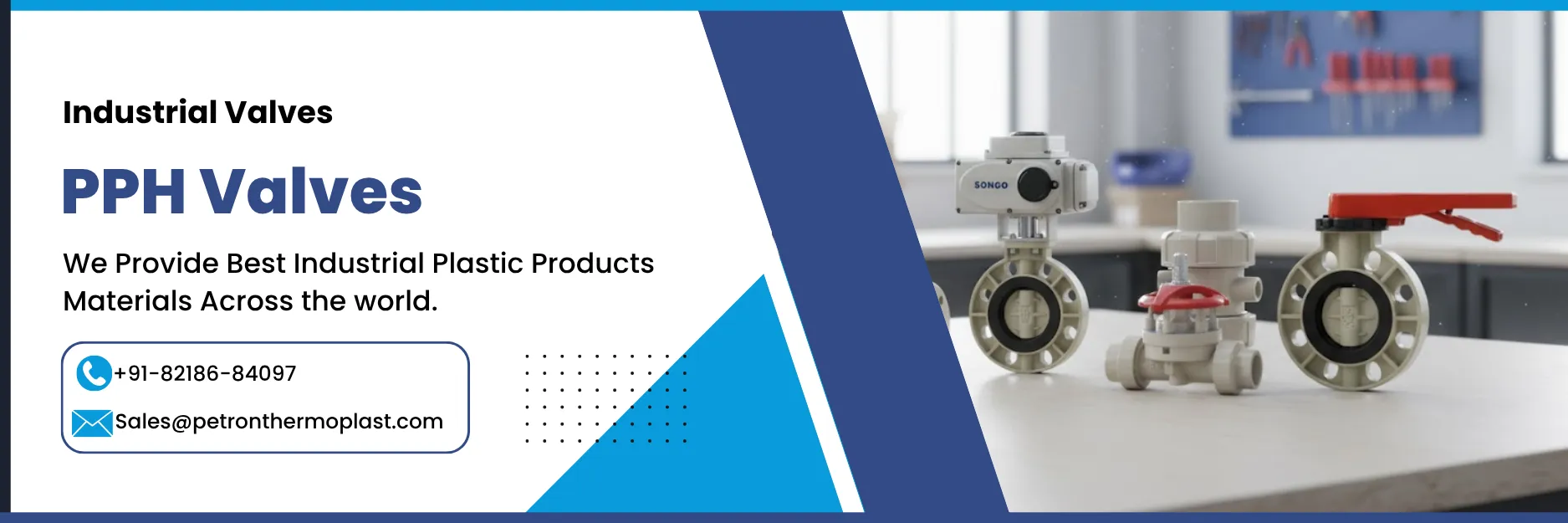
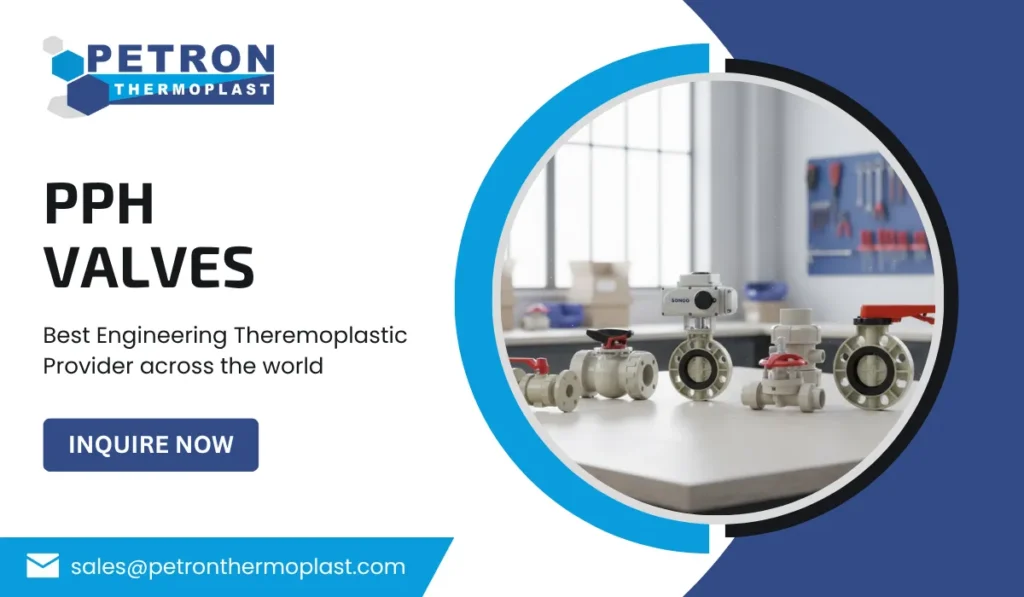
PPH Valves
PPH valves are industrial valves made from PPH (Polypropylene Homopolymer), a high-performance thermoplastic material known for its excellent chemical resistance, strength, and durability. These valves are designed to control, regulate, or stop the flow of liquids and gases in piping systems, especially in corrosive environments.PPH valves are recognised for being long-lasting, rust-resistant, and simple to install. PPH, or polypropylene homopolymer, is a thermoplastic material used to fabricate flanges and free flanges, particularly in the industrial chemical industry and for the management of fluids under pressure at high temperatures (up to 100°).
It has strong chemical resistance, excellent thermal stability, and mechanical resilience, even when subjected to stress. PPH due to its low conductivity and abrasion resistance. Our company is one of the leading brands in the business when it comes to providing high-quality.PPH valves are corrosion-resistant plastic valves that provide efficient flow control in systems where metal valves may fail due to chemical attack

PPH Valves Details
PPH Valves
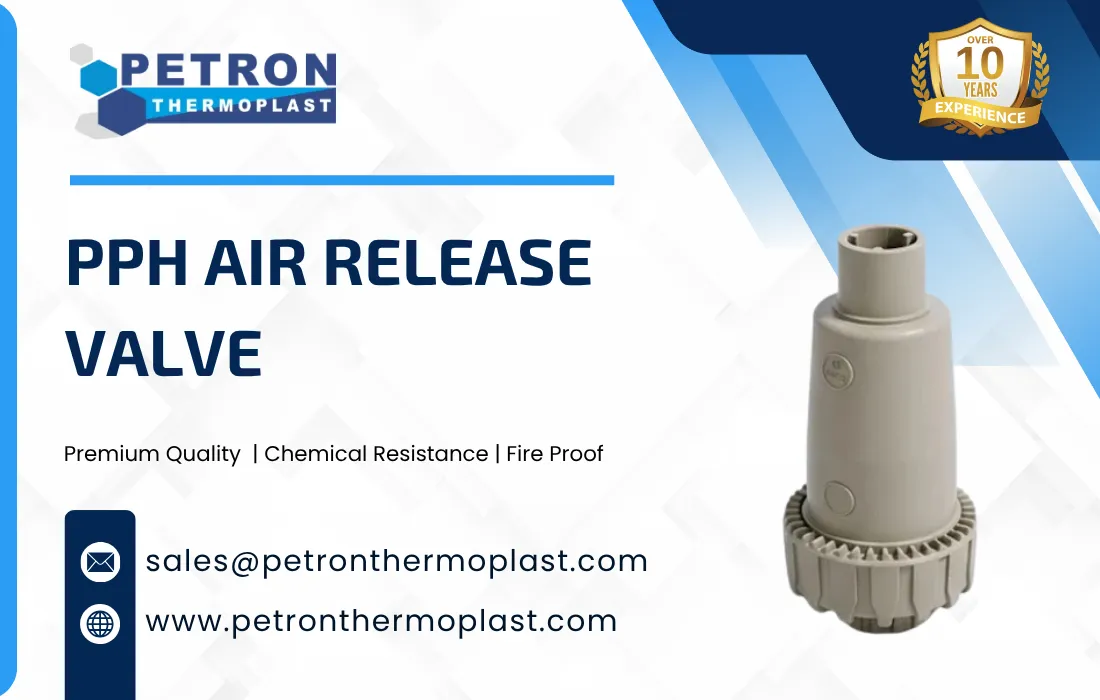
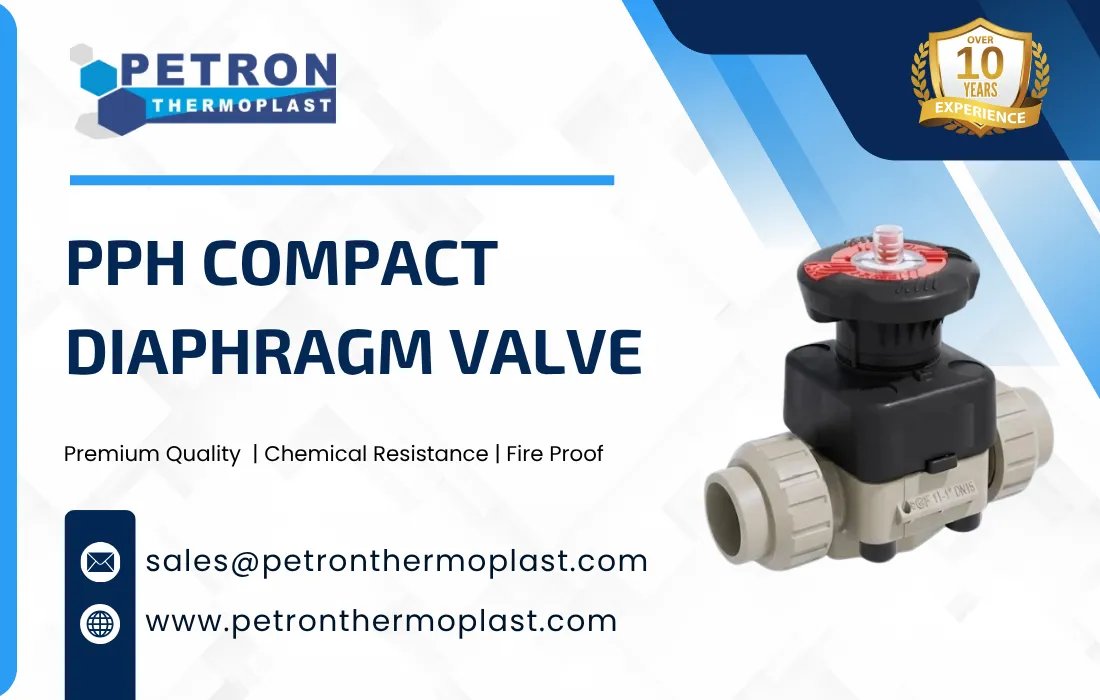
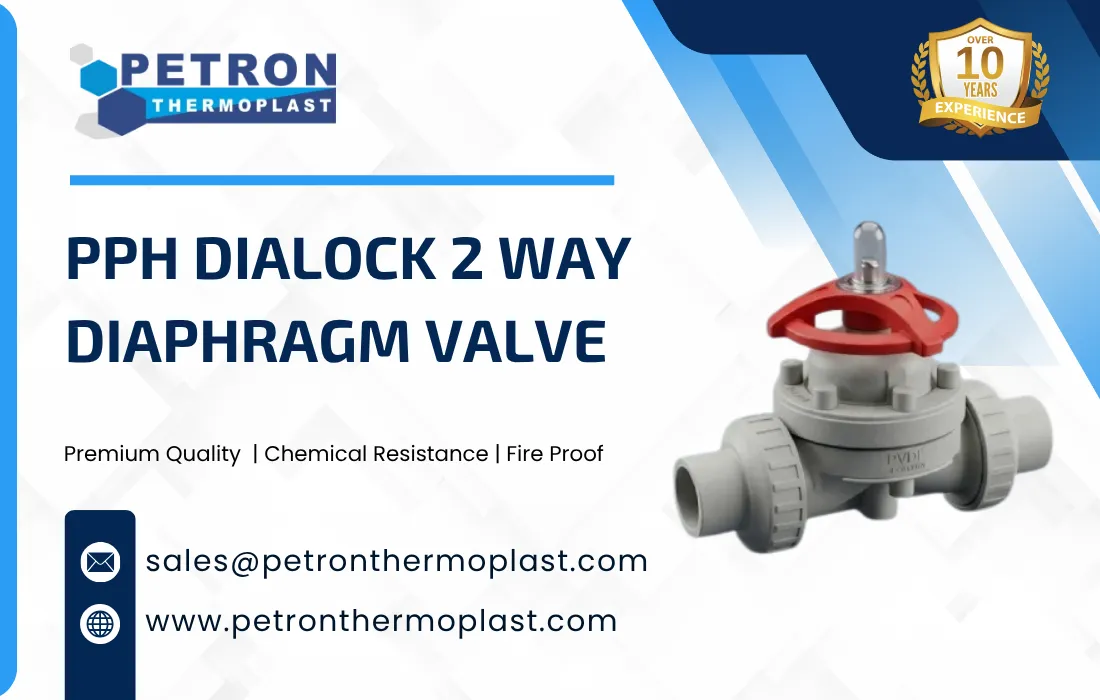
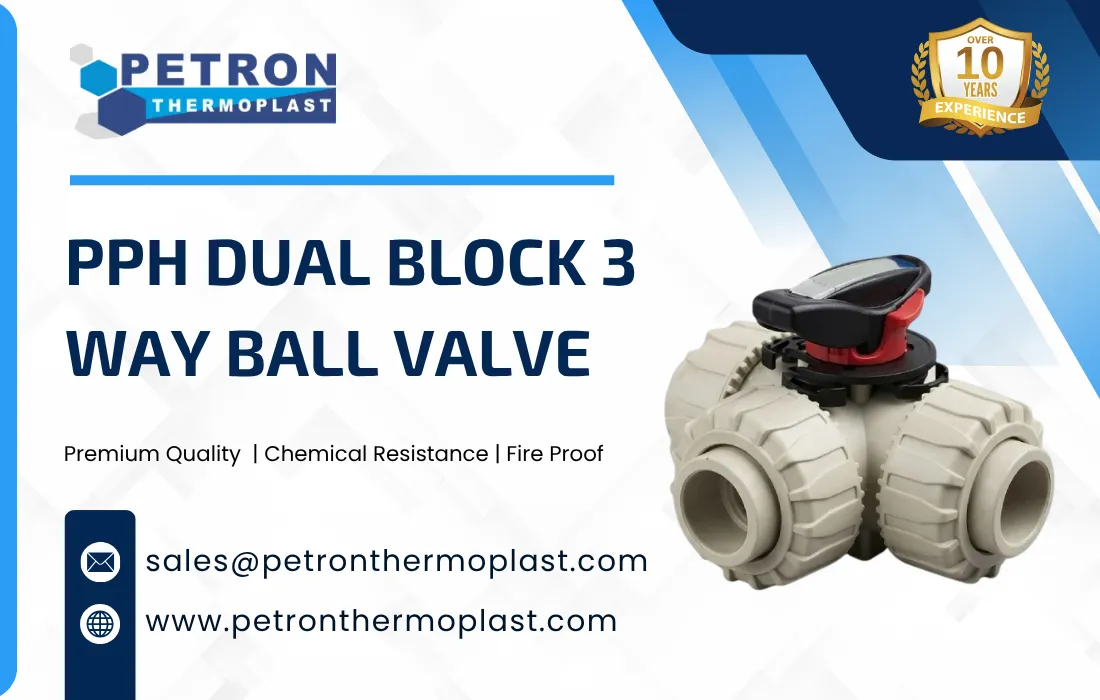
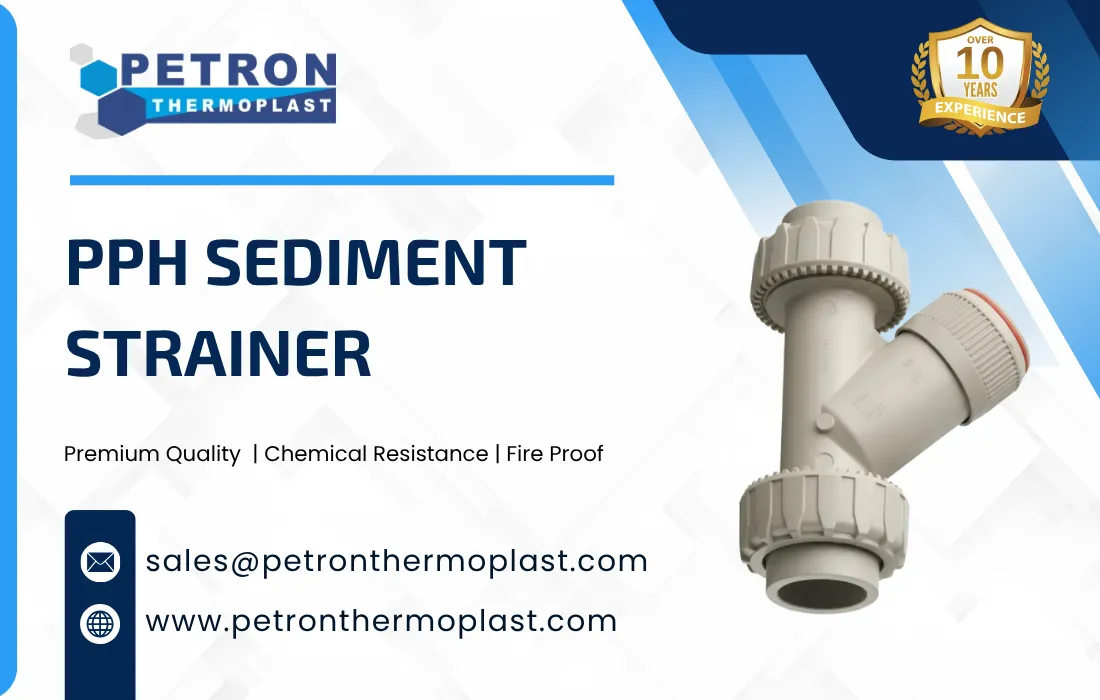
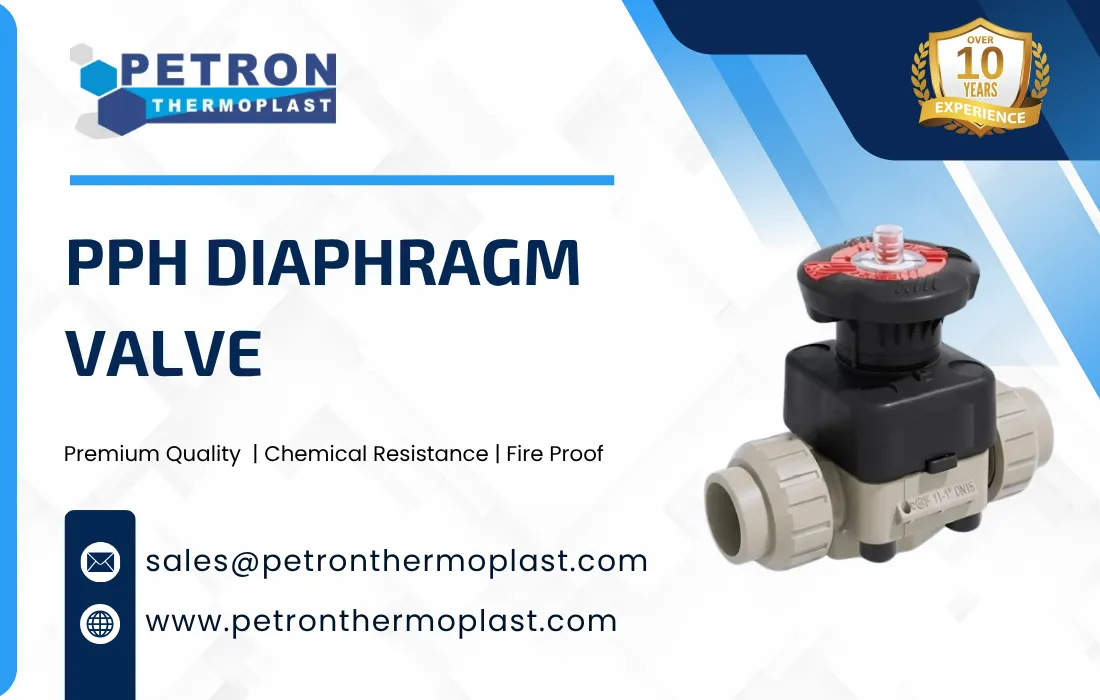
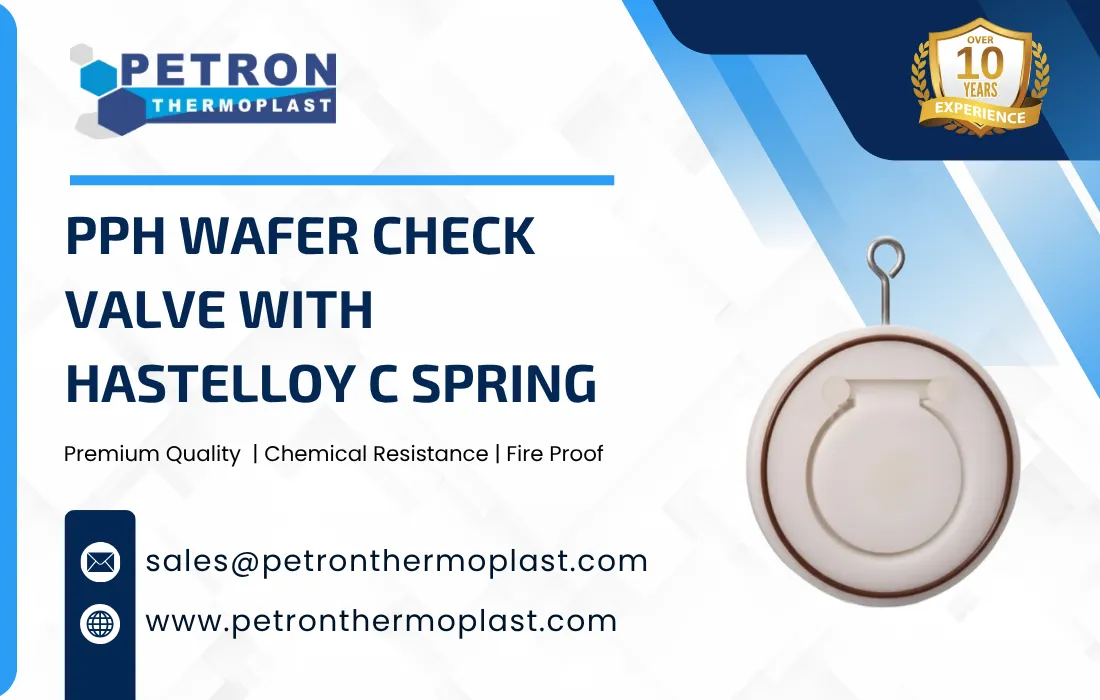
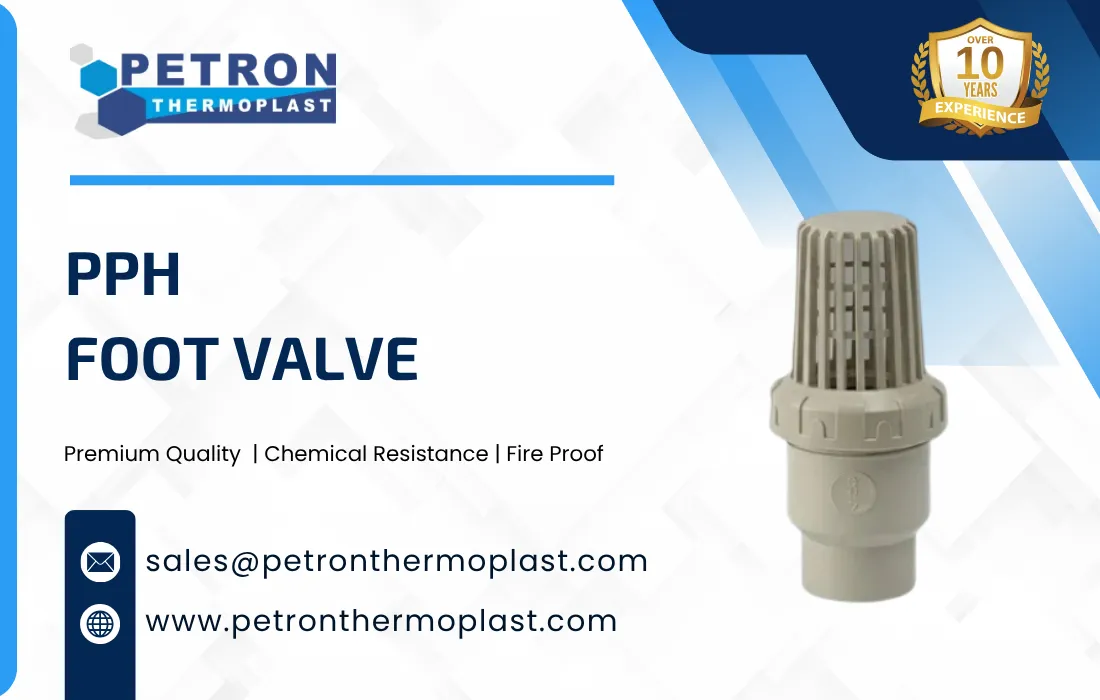
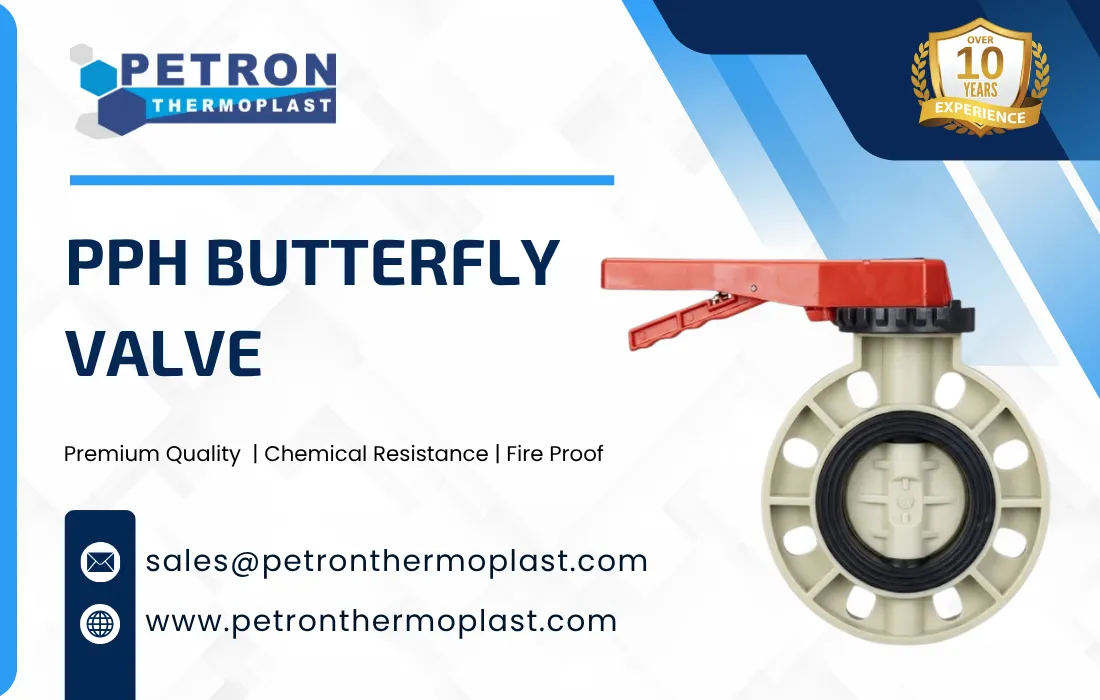
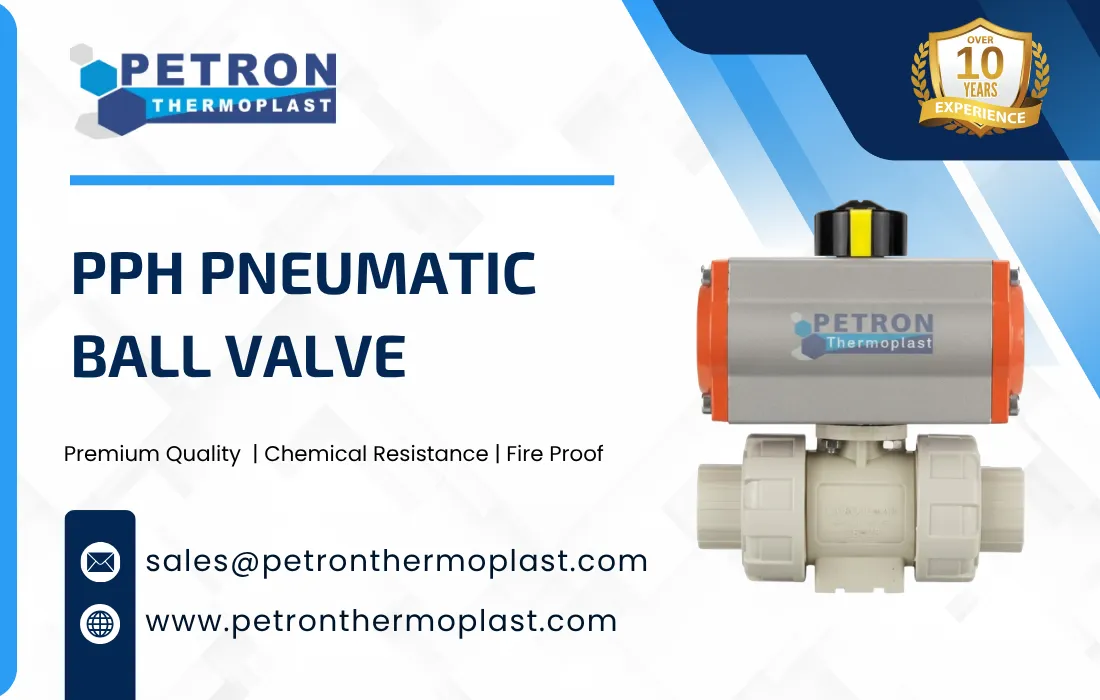
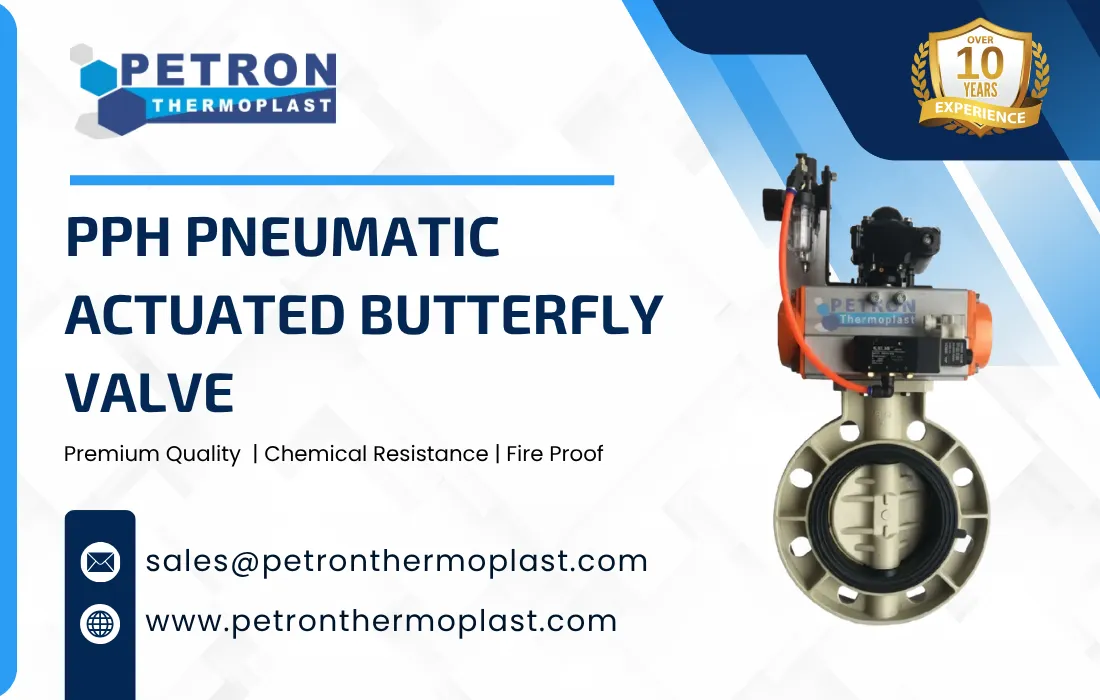
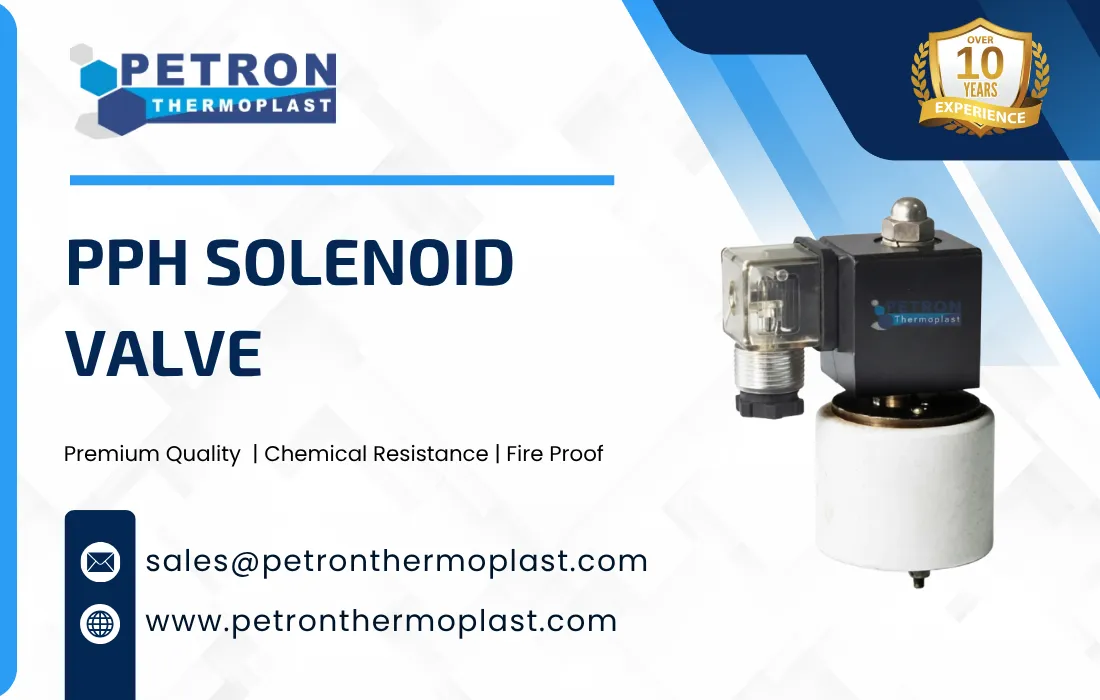
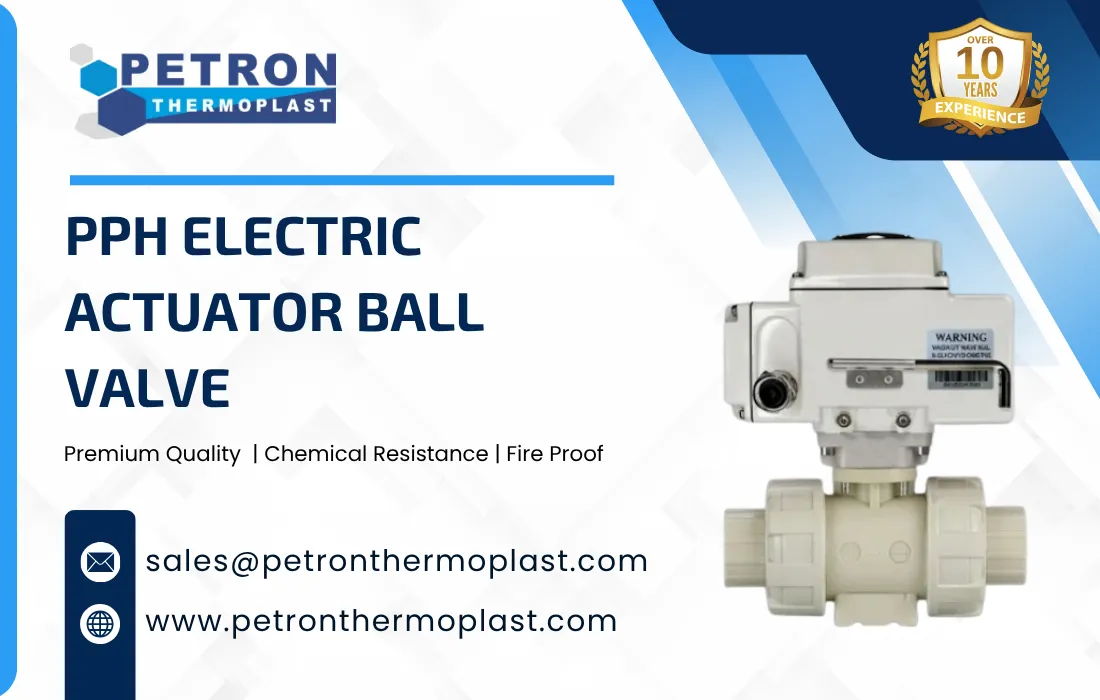
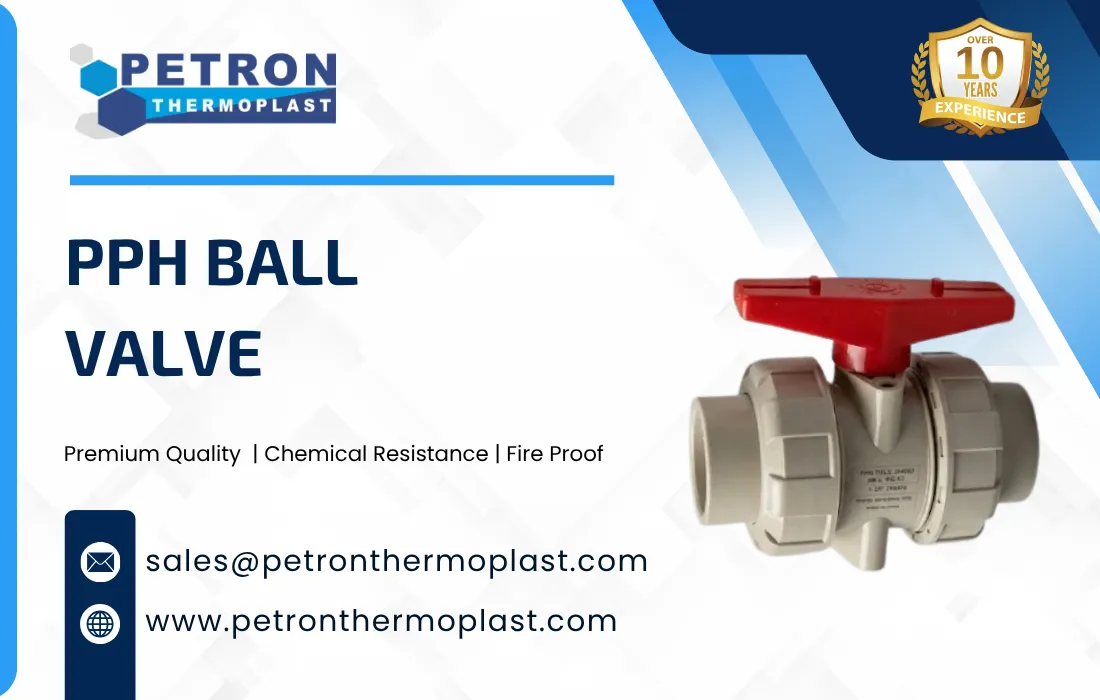
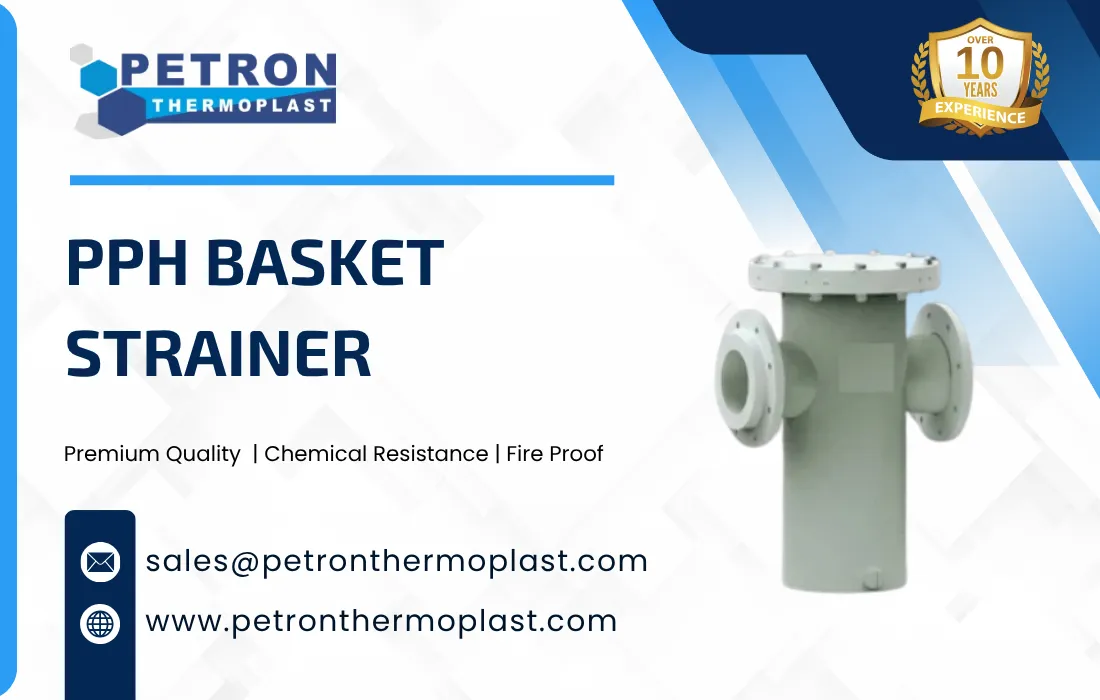
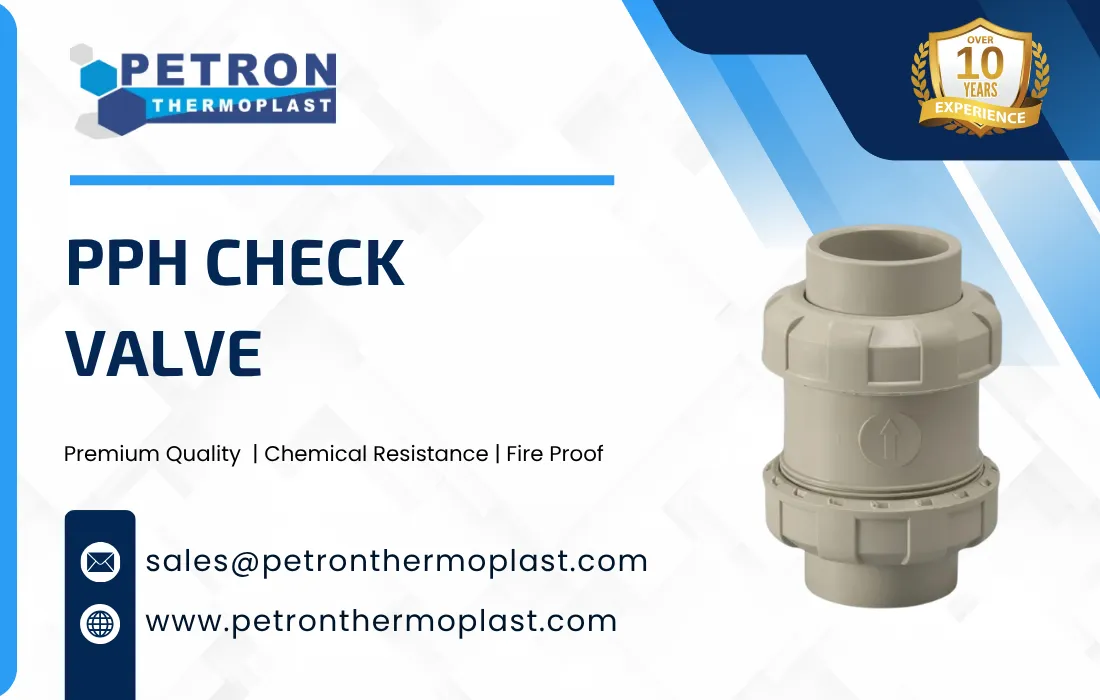
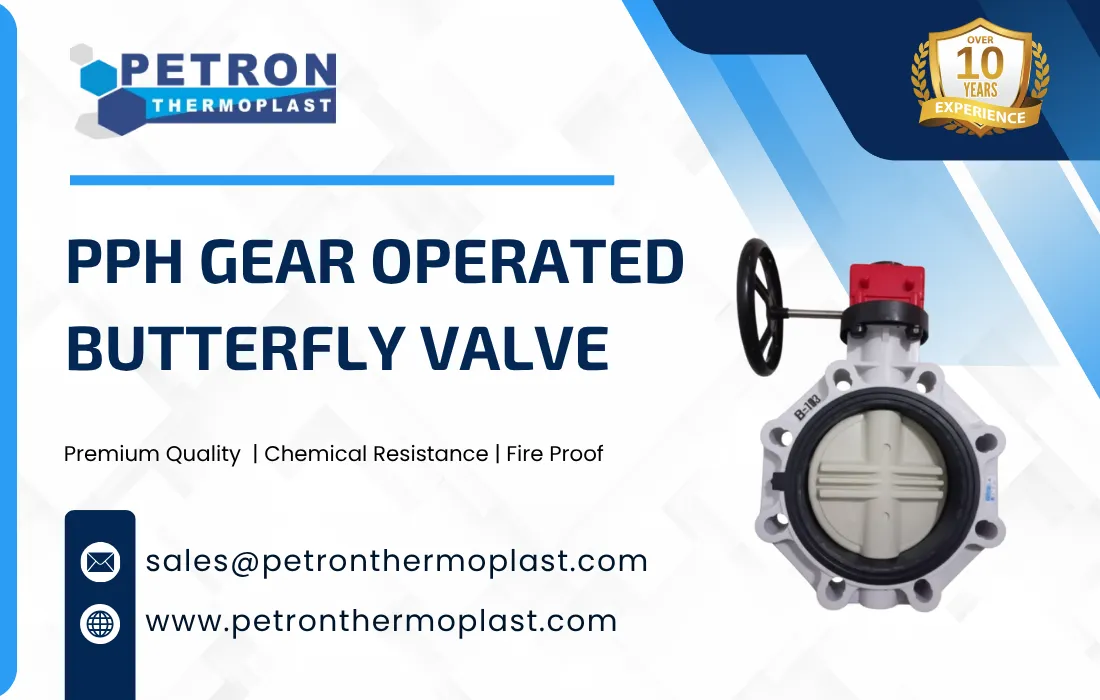
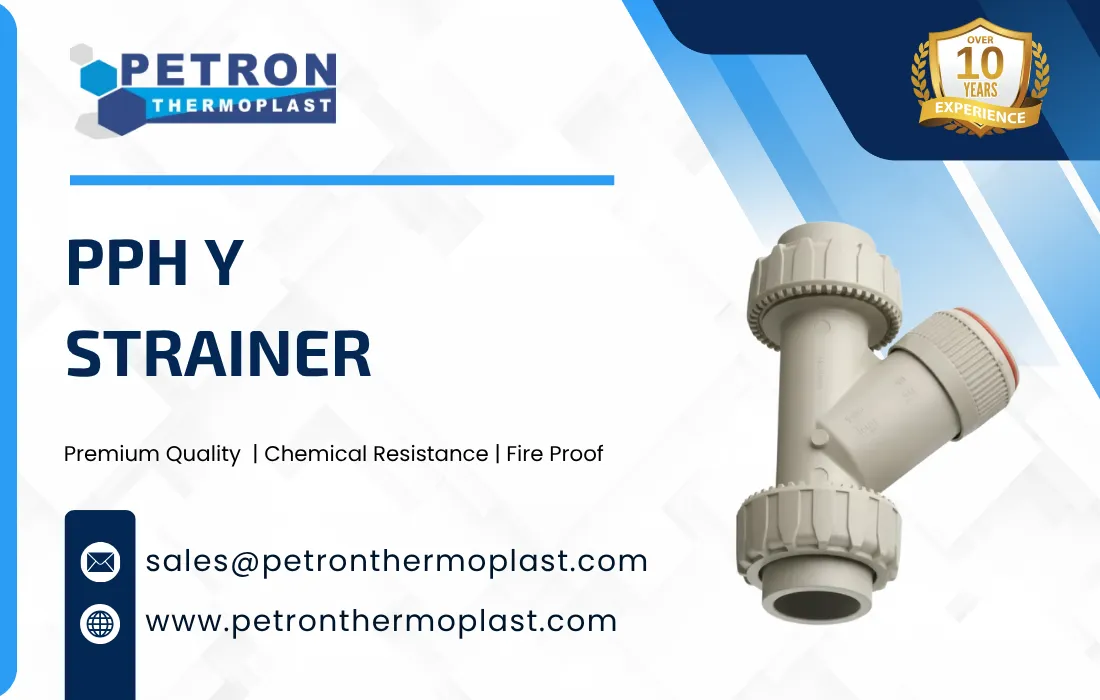
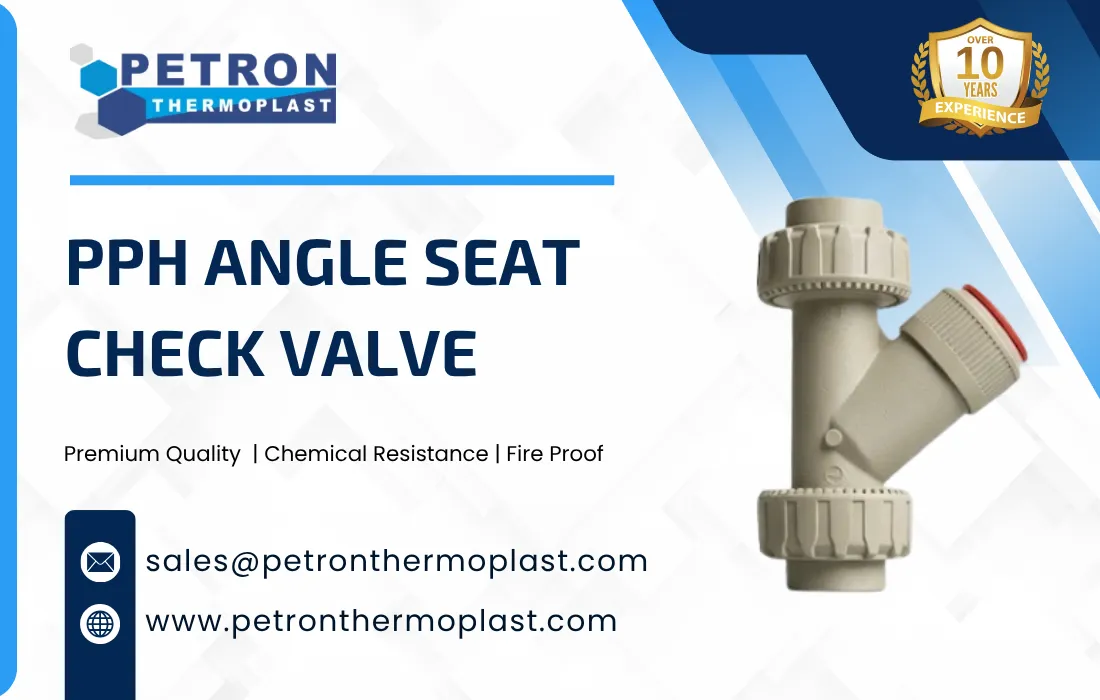

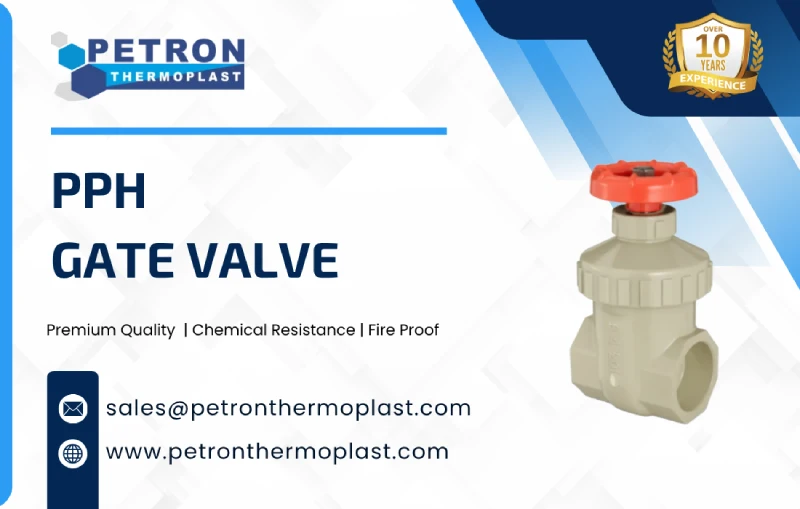
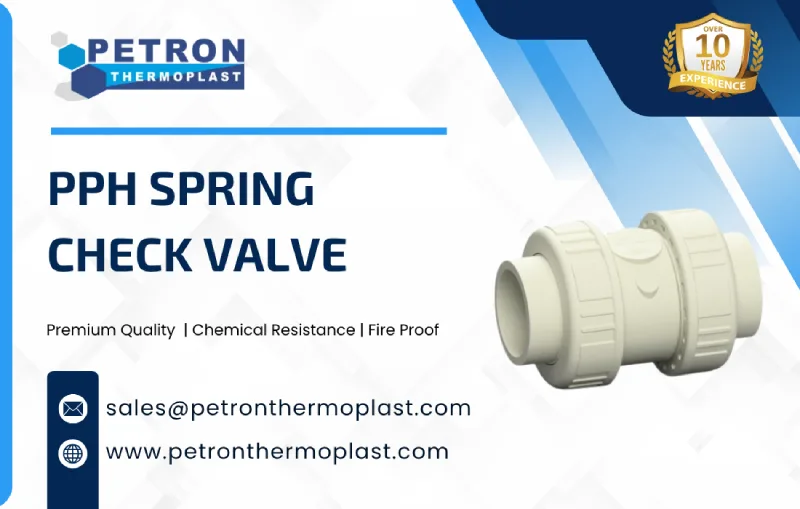
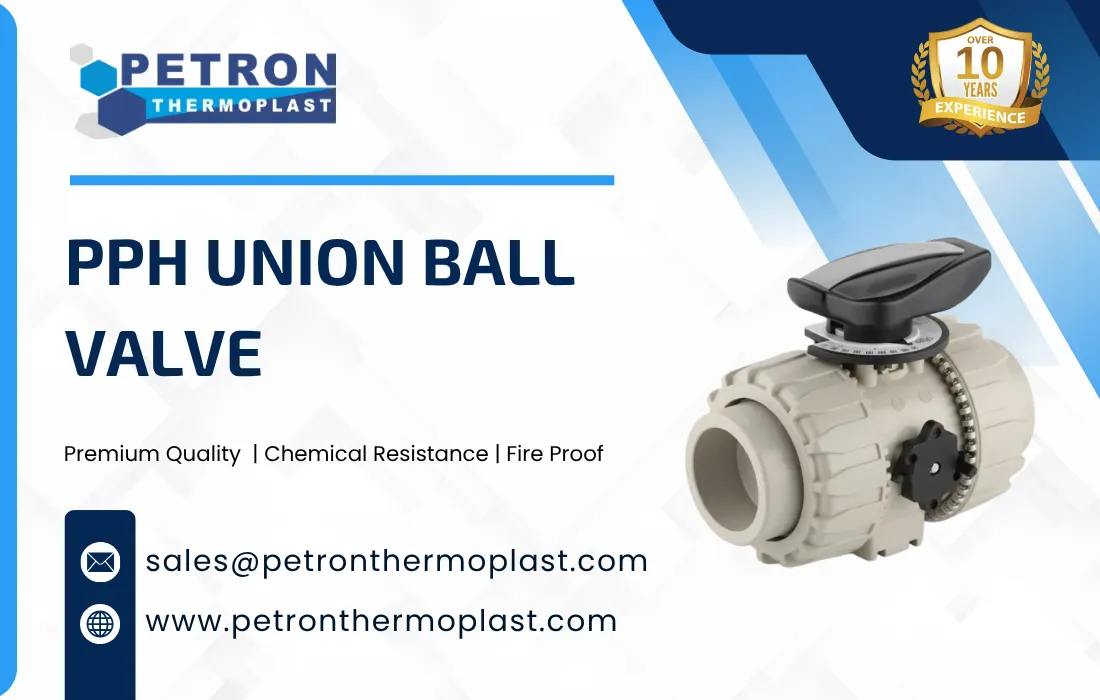
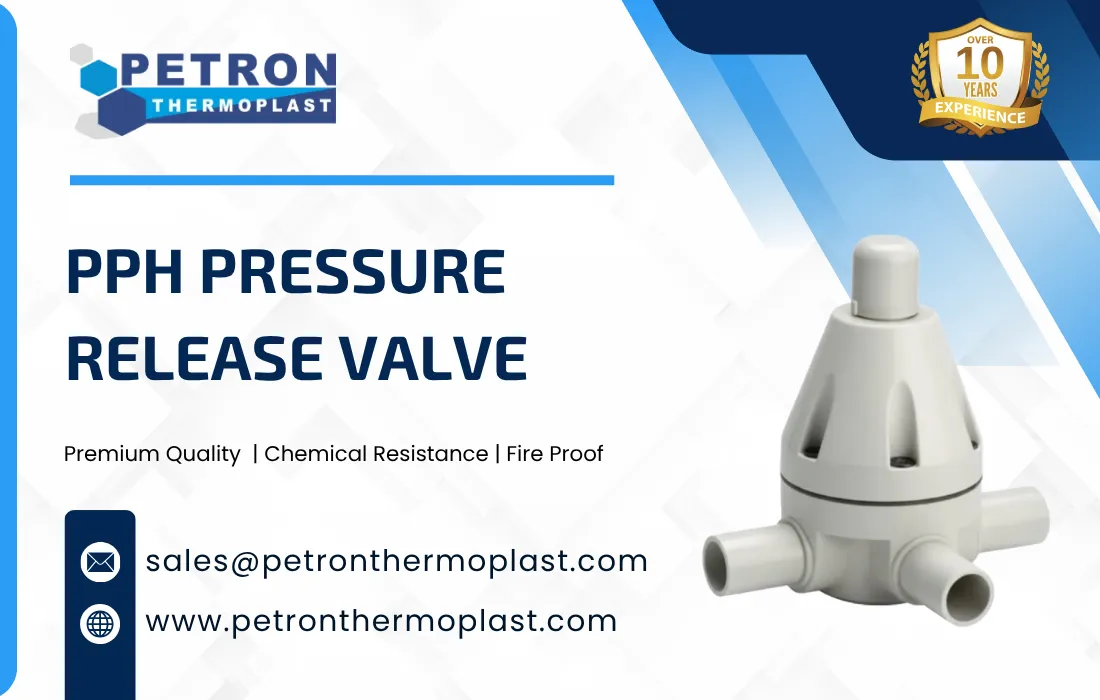
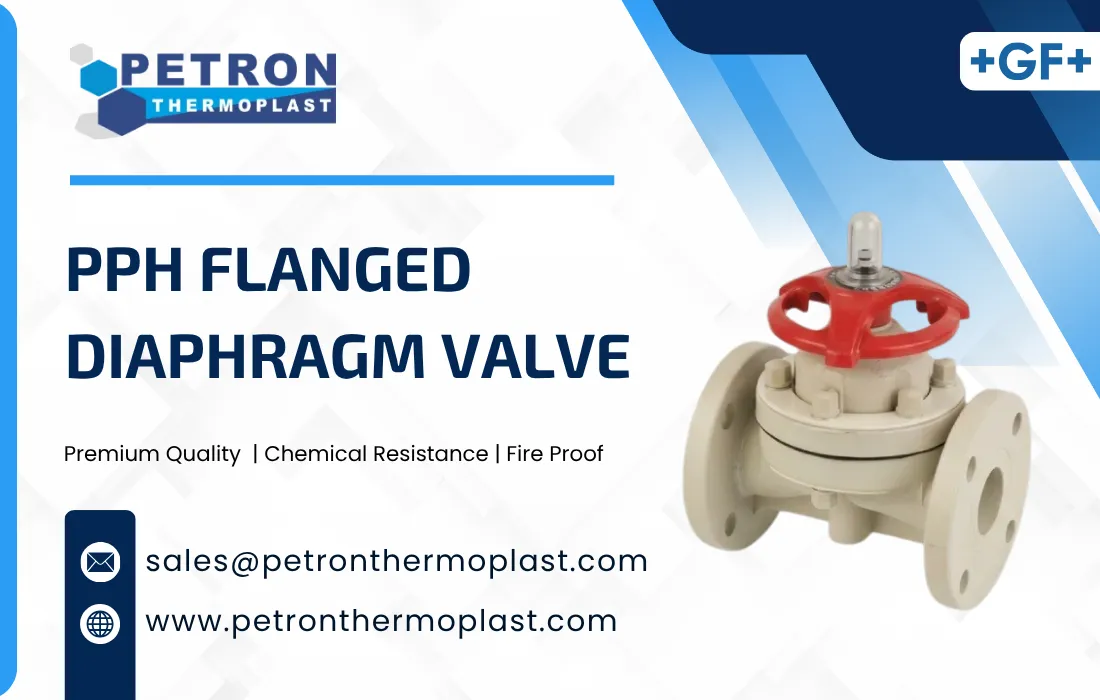
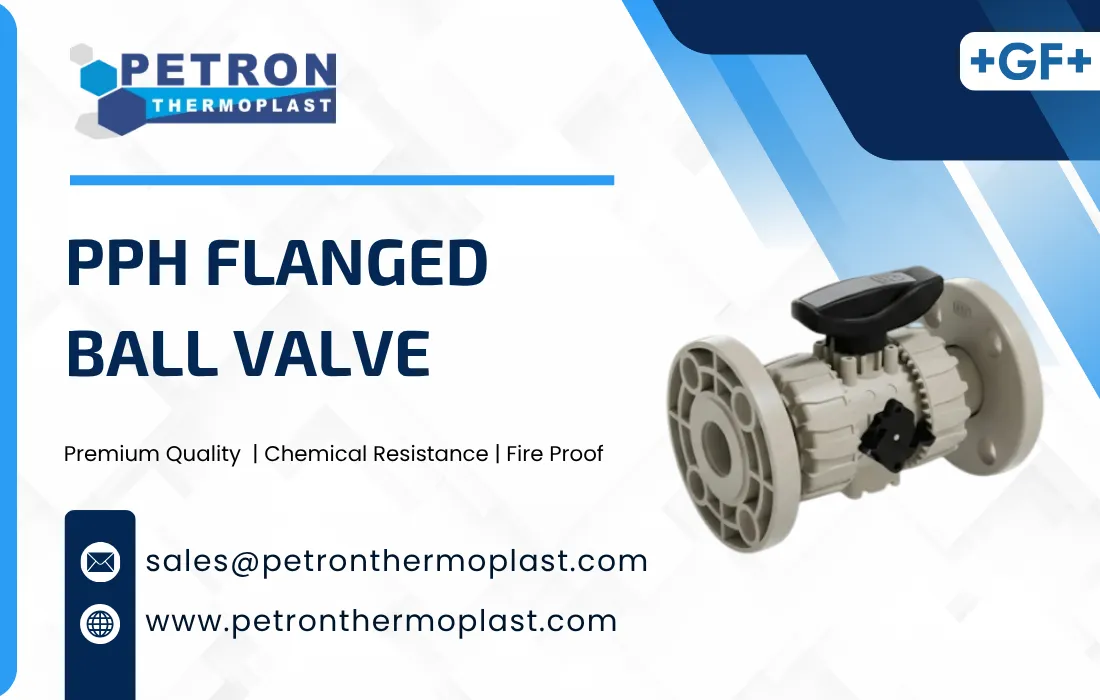
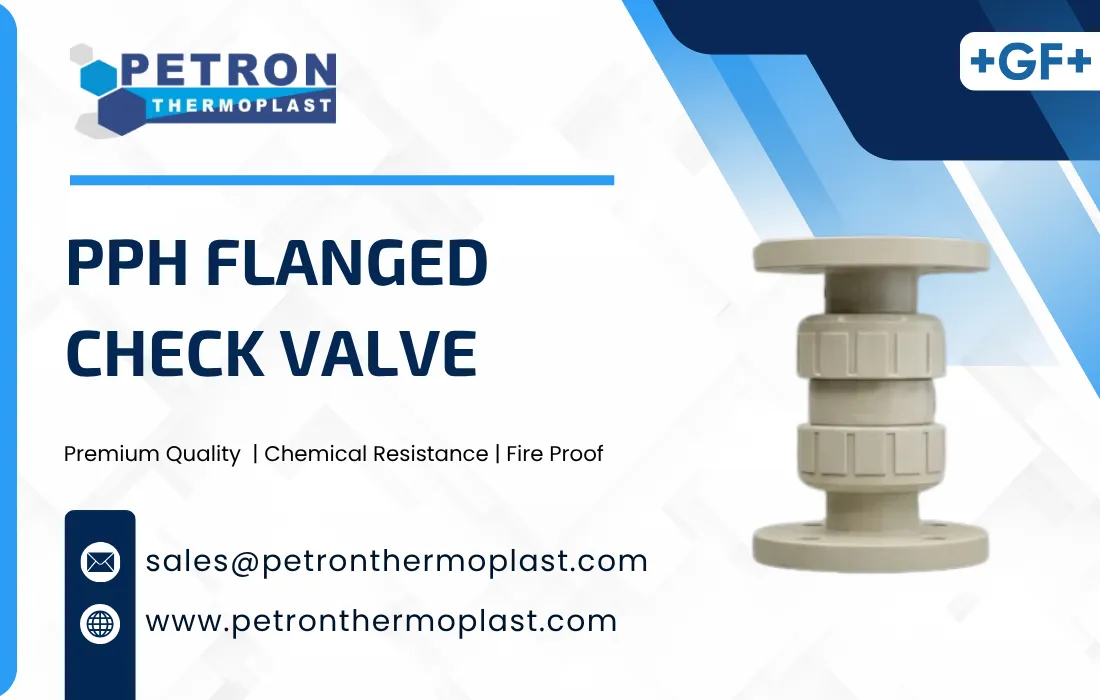
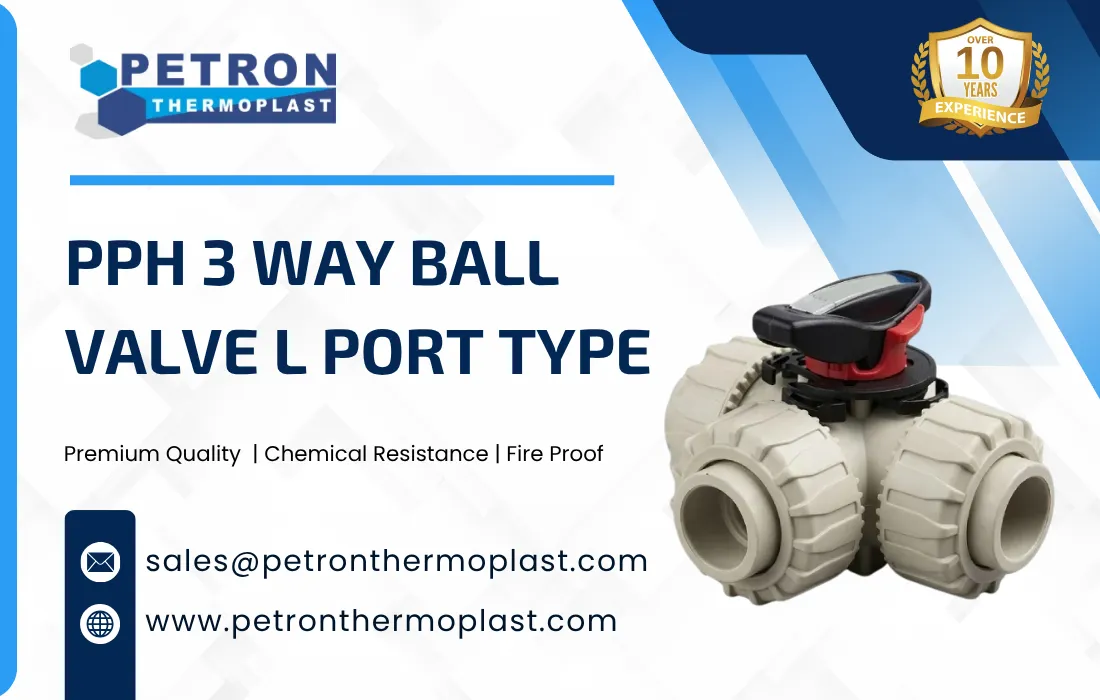
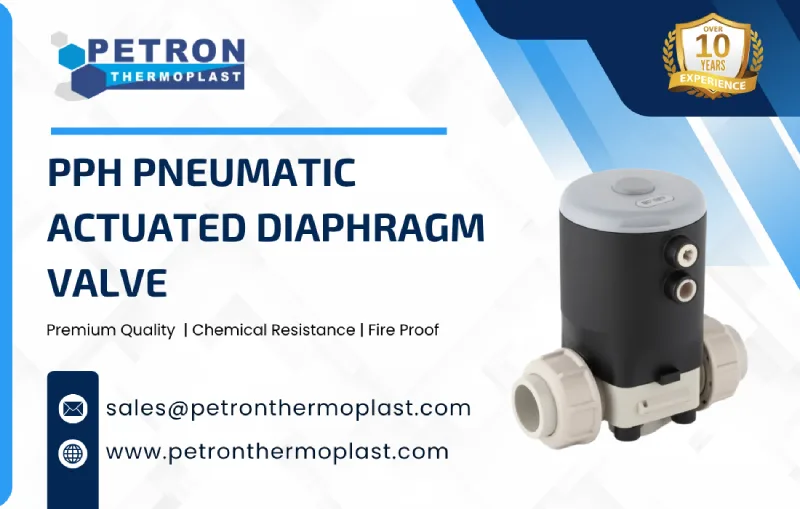
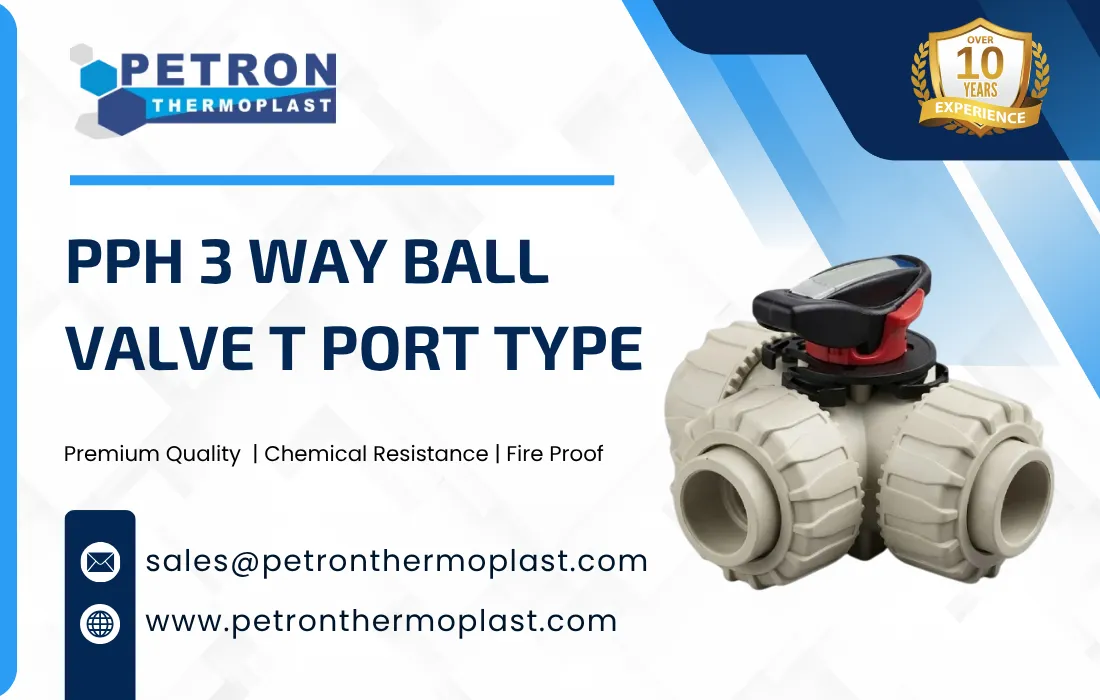
| Parameter / Property | Specification / Details |
| Material | Polypropylene Homopolymer (PPH) |
| Valve Types | Ball, Butterfly, Check, Diaphragm, Strainer |
| Size Range | D20 – D315 (½” to 12”) |
| Pressure Rating | PN10 / PN16 (varies by size & design) |
| Temperature Range | 0°C to 95°C (up to ~100°C max) |
| Connection Type | Socket, Threaded, Flanged |
| Seal Material | EPDM, FPM (Viton) |
| Operation Type | Manual, Pneumatic, Electric |
| Standards | ISO, DIN, ASTM compliant |
| Working Media | Water, Acids, Alkalis, Chemical solutions |
| Density | ~0.90 – 0.91 g/cm³ |
| Tensile Strength | ~30 N/mm² |
| Elongation at Break | >50% |
| Flexural Strength | High (Good rigidity) |
| Impact Resistance | Moderate to High |
| Water Absorption | Very low (<0.01%) |
| Thermal Conductivity | Low (Good insulation) |
- Low density: Lightweight material that reduces structural load and simplifies lifting, transport and installation on site.
- Good impact resistance: Withstands daily knocks and vibration, suitable for panels, guards and structural components.
- Dimensional stability: Maintains shape under typical operating temperatures and loads when correctly supported.
- Corrosion resistance: Suitable for many inorganic acids, alkalis and salts commonly found in process, water-treatment and cleaning media.
- Hot & cold water capability: Designed to work within the normal PPR temperature range for hot and cold water service, HVAC and process piping systems.
- No rust or scaling: Will not rust, pit or form scale as many metallic materials do, helping to keep systems clean and low-maintenance.
- Excellent weldability: Can be joined by hot-air welding, butt welding and other thermoplastic welding methods to build tanks, ducts and complex fabricated equipment.
- Easy to machine: Can be cut, drilled, routed and CNC machined with standard plastic processing tools.
- Clean and low-odor: Smooth, non-toxic surface suitable for many environments requiring cleanliness or easy disinfection.
| Nominal Size (DN) | Outer Diameter (mm) | Wall Thickness (PN10) | Wall Thickness (PN16) |
| 20 | 20 | 1.9 mm | 2.3 mm |
| 25 | 25 | 2.3 mm | 2.8 mm |
| 32 | 32 | 2.9 mm | 3.6 mm |
| 40 | 40 | 3.7 mm | 4.5 mm |
| 50 | 50 | 4.6 mm | 5.6 mm |
| 63 | 63 | 5.8 mm | 7.1 mm |
| 75 | 75 | 6.8 mm | 8.4 mm |
| 90 | 90 | 8.2 mm | 10.1 mm |
| 110 | 110 | 10.0 mm | 12.3 mm |
| 160 | 160 | 14.6 mm | 18.0 mm |
| 200 | 200 | 18.2 mm | 22.7 mm |
| Pressure Class (PN) | Pressure (bar) | Pressure (MPa) | Pressure (approx. PSI) |
| PN10 | 10 bar | 1.0 MPa | ~145 PSI |
| PN16 | 16 bar | 1.6 MPa | ~235 PSI |
| Condition / Property | Value / Range |
| Minimum Temperature | -20°C |
| Normal Operating Range | 0°C to 95°C |
| Maximum Short-Term Limit | Up to 100°C – 110°C |
| Density (g/cm³) | 0.90 – 0.91 g/cm³ |
| Density (kg/m³) | 900 – 910 kg/m³ |
User Manual for PPH Valves
- Ensure pipe alignment to avoid stress on the valve body.
- Use recommended tools and torque settings for connection.
- Avoid overtightening, especially for threaded or mechanical joints.
- Install in the correct orientation, particularly for check valves or flow-direction-sensitive designs.
- Perform a leak test before starting full system operation.
1. Size & Dimension Customization
- Available in custom lengths and widths as per project needs
- Reduces material wastage and improves installation efficiency
2. Thickness Customization
- Can be manufactured in a wide range (2 mm to 50 mm or more)
- Thickness is selected based on:
- Load requirements
- Pressure conditions
- Structural strength
3. Shape & Design Customization
- Valves can be cut, machined, or fabricated into:
- Tank linings
- Ducts and covers
- Custom industrial components
- Advanced methods like CNC cutting and routing ensure precision
4. Color Customization
- Available in natural (translucent), white, black, grey, and custom colors
- Used for:
- Identification (color coding)
- Aesthetic or branding purposes
5. Surface Finish Customization
- Smooth finish: Easy cleaning and hygienic applications
- Matte/textured finish: Anti-slip or decorative use
- Special finishes available for specific industrial needs
6. Additive Customization
PPH Valves can be modified with additives to enhance performance:
- UV Stabilized: For outdoor applications
- Anti-static: Prevents static buildup
- Flame-retardant: Improves fire resistance
- Glass-filled: Increases strength and rigidity
7. Fabrication Customization
- Can be processed through:
- Welding (butt, extrusion, hot gas)
- Thermoforming
- Bending and drilling
- Enables production of tanks, hoods, panels, and structures
8. Application-Based Customization
- Designed according to industry requirements:
- Chemical industry: Corrosion-resistant linings
- Food industry: Food-grade certified Valves
- Water treatment: Tank fabrication and panels
1. Raw Material Preparation
- PPH resin is supplied in granule (pellet) form
- Material is dried (if required) to remove moisture before processing
2. Molding Processes
a) Injection Molding
- Most common method for producing valve components
- Used for valve body, bonnet, handle, and small parts
- Ensures high precision and smooth surface finish
b) Compression / Extrusion Molding
- Used for manufacturing thicker or larger components
- Provides uniform structure and strength
3. Machining
- Includes turning, drilling, milling, and threading
- Used to achieve accurate dimensions and finishing
- Requires sharp tools and controlled speeds to avoid heat buildup
4. Welding & Joining
- Components are joined using:
- Butt fusion welding
- Socket welding
- Hot gas welding
- Ensures strong and leak-proof joints
5. Assembly
- Different parts such as:
- Valve body
- Ball/disc/diaphragm
- Seals and O-rings
- Are assembled together to form the complete valve
- Seals (EPDM, FPM) are fitted for tight shut-off
6. Surface Finishing
- Edges and surfaces are smoothed or polished
- Ensures proper sealing and improves appearance
7. Testing & Quality Control
- Each valve undergoes:
- Pressure testing
- Leak testing
- Dimensional inspection
- Ensures compliance with standards (ISO, ASTM, DIN)
8. Packaging & Storage
- Finished valves are cleaned and packed properly
- Stored in a dry, dust-free environment to avoid contamination
Testing the acid and alkali resistance of PPH valves is essential to ensure their performance and durability. This testing helps to evaluate the material’s ability to maintain structural integrity and functionality when exposed to extreme pH levels. The testing typically involves immersion tests where the valves are exposed to various acidic and alkaline solutions under controlled conditions. Standardized testing methods like ASTM D543 outline the procedures for evaluating chemical resistance, involving immersing PPH samples in specified solutions for defined periods and assessing changes in properties like weight, tensile strength, and appearance. By comparing the performance of PPH in different chemical environments, manufacturers can determine its suitability for specific applications and environments. Factors such as the concentration of the chemical solution, temperature, and exposure time are crucial for assessing the acid and alkali resistance of PPH valves.
1. Main Body Material
- PPH (Polypropylene Homopolymer)
- Primary material used for valve body and major components
- Provides:
- Excellent chemical resistance
- High mechanical strength and rigidity
- Good thermal stability (up to ~90–95°C)
2. Sealing Materials (Elastomers)
Used for leak-proof sealing and tight shut-off:
- EPDM (Ethylene Propylene Diene Monomer)
- Suitable for water and mild chemicals
- FPM / Viton
- High resistance to chemicals, oils, and high temperatures
- NBR (Nitrile Rubber)
- Good for oils and petroleum-based fluids
3. Ball / Disc / Internal Components
- PPH or Reinforced Plastic (Glass-filled PPH)
- Ensures strength and wear resistance
- In some cases:
- PVDF (Polyvinylidene Fluoride) for higher chemical resistance
4. Fasteners & Inserts
- Stainless Steel (SS 304 / SS 316)
- Used for bolts, nuts, and inserts
- Provides strength and corrosion resistance
5. Valve Seat Material
- PTFE (Polytetrafluoroethylene / Teflon)
- Low friction and excellent sealing
- High chemical resistance
6. Actuator & Handle Materials
- PPH / PVC / Metal (coated)
- For manual or automated operation
- Aluminum (coated) in actuated valves

Custom Product Manufacturing Available
If you are searching for customized product designs that meet your requirements, don’t worry. Petron Thermoplast also offers custom product manufacturing services to meet the unique needs of various industries. Work with our expert engineers to create custom designs suited for your application.
Benefits of PPH Valves
1. Chemical Resistance
- Highly resistant to acids, alkalis, salts, and corrosive chemicals
- Ideal for chemical processing and water treatment applications
2. Lightweight
- Much lighter than metal valves
- Easy to handle, transport, and install
- Reduces load on piping systems
3. Corrosion-Free
- Does not rust, corrode, or scale
- Suitable for aggressive and corrosive environments
4. High Durability
- Strong and rigid material
- Resistant to wear, impact, and environmental stress
- Provides long service life
5. Excellent Thermal Performance
- Operates efficiently up to ~95°C
- Maintains stability under moderate temperature conditions
6. Low Maintenance
- Requires minimal upkeep
- No need for frequent replacement or anti-corrosion treatments
7. Smooth Flow Characteristics
- Smooth internal surface reduces friction and pressure loss
- Improves flow efficiency
8. Easy Fabrication & Installation
- Can be easily welded, assembled, and integrated into piping systems
- Available in multiple connection types (flanged, threaded, socket)
9. Cost-Effective
- Lower cost compared to metal valves
- Reduces installation and maintenance expenses
10. Good Electrical Insulation
- Non-conductive material
- Suitable for applications requiring electrical safety
11. Customizable
- Available in various sizes, pressure ratings, and types
- Can be modified with UV stabilizers, anti-static, or flame-retardant properties
Types of PPH Valves
PPH Ball Valve
- Uses a rotating ball to control flow; suitable for quick shut-off applications.
PPH Butterfly Valve
- Uses a rotating disc; ideal for large diameter pipes and flow regulation.
PPH Check Valve (Non-Return Valve)
- Allows flow in one direction only, preventing backflow.
PPH Diaphragm Valve
- Uses a flexible diaphragm; best for corrosive and slurry fluids.
PPH Gate Valve
- Provides full flow or complete shut-off, commonly used in pipelines.
PPH Globe Valve
- Used for flow regulation and throttling.
Socket / Weld Type Valve
- Joined by socket welding or butt fusion.
Manual Valves
- Operated by hand lever or wheel.
Actuated Valves
- Operated using electric or pneumatic actuators for automation.
Flanged Type Valve
- Connected using flanges for industrial pipelines.
Threaded Type Valve
- Used for small-size piping systems.
Advantages of PPH Valves
1. Excellent Chemical Resistance
- Resistant to acids, alkalis, salts, and corrosive chemicals
- Ideal for harsh chemical environments
2. Corrosion-Free
- Does not rust, scale, or corrode like metal valves
- Ensures longer service life in aggressive conditions
3. Lightweight
- Much lighter than metal valves
- Easy to handle, transport, and install
4. High Durability
- Strong and rigid structure
- Resistant to wear, impact, and environmental stress
5. Good Thermal Stability
- Works efficiently up to ~95°C
- Maintains performance under moderate temperature conditions
6. Low Maintenance
- Requires minimal servicing
- No need for anti-corrosion coatings or frequent replacement
7. Smooth Flow Characteristics
- Smooth internal surface reduces friction and pressure loss
- Improves flow efficiency
8. Easy Installation & Fabrication
- Can be easily welded or connected (flanged, threaded, socket)
- Saves time during installation
9. Cost-Effective
- Lower initial cost compared to metal valves
- Reduces maintenance and operational costs
10. Electrical Insulation
- Non-conductive material
- Suitable for applications requiring electrical safety
11. Customization Flexibility
- Available in various sizes, pressure ratings, and designs
- Can include UV-resistant, anti-static, or flame-retardant properties
Why Choose Petron Thermoplast?
Petron Thermoplast specialises in manufacturing world-class sewerage & drainage systems for commercial applications, and PPH Valves that find applications in industrial and infrastructure projects. As a leading PPH Valves manufacturer in India, Petron Thermoplast also serves the sector through products in the borewell and chemical categories.
The world’s largest manufacturers and inventors of PPH compounds give us a sharp competitive edge amongst valves companies in India, as we exclusively bring Petron thermoplast to the market – the first choice globally for potable chemical applications. Petron Thermoplast’s robust distribution network, combined with best-in-class technology, is set to create a strong & sustainable partnership in the chemical Industry.
Conclusion
PPH (Polypropylene Homopolymer) valves are a reliable and high-performance solution for fluid control in industries that require excellent chemical resistance and corrosion-free operation. Their lightweight design, durability, and ease of installation make them a preferred alternative to traditional metal valves in aggressive environments.With features such as high strength, good thermal stability, low maintenance, and long service life, PPH valves ensure efficient and safe operation in applications like chemical processing, water treatment, and industrial piping systems.Overall, PPH valves offer a cost-effective, durable, and versatile solution, making them an ideal choice for systems where resistance to chemicals, longevity, and performance reliability are essential.
Frequently Asked Questions
PPH valves are valves made from Polypropylene Homopolymer, used to control or regulate fluid flow in piping systems, especially in corrosive environments.
- Excellent chemical resistance
- Lightweight and easy to install
- Corrosion-free performance
- Low maintenance and long service life
PPH valves typically operate effectively up to 90–95°C, depending on design and pressure conditions.
PPH valves are widely used in:
- Chemical processing
- Water treatment plants
- Pharmaceuticals
- Food and beverage industries
Yes, PPH valves offer excellent resistance to acids, alkalis, and many corrosive chemicals, making them ideal for such applications.
Common types include:
- Ball valves
- Butterfly valves
- Check valves
- Diaphragm valves
They can be installed using:
- Flanged connections
- Threaded connections
- Welded joints (butt or socket fusion)
Yes, but maintenance is minimal. Regular inspection, cleaning, and seal replacement help ensure long life and performance.
Pressure ratings generally range from PN6 to PN16, depending on valve type and size.
Yes, food-grade PPH valves are available and suitable for food and pharmaceutical applications.
Yes, but it is recommended to use UV-stabilized PPH valves for better durability in outdoor conditions.
They are made from:
- PPH (main body)
- EPDM / Viton seals
- PTFE seat