HDPE Pipe Fittings
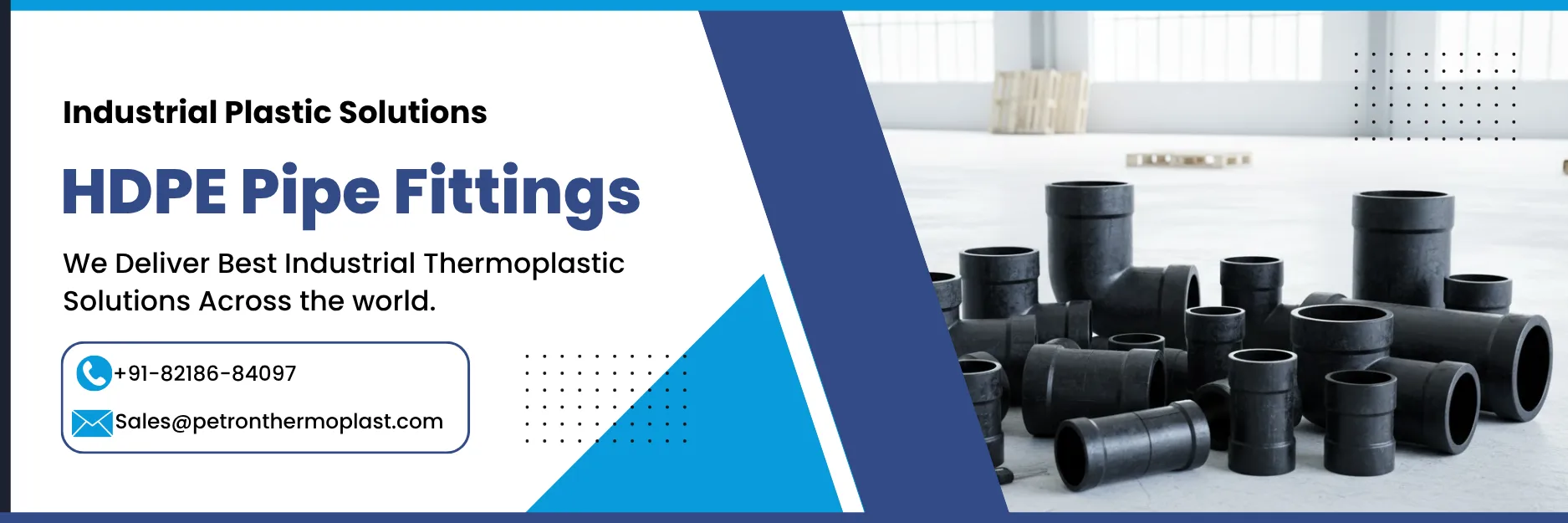
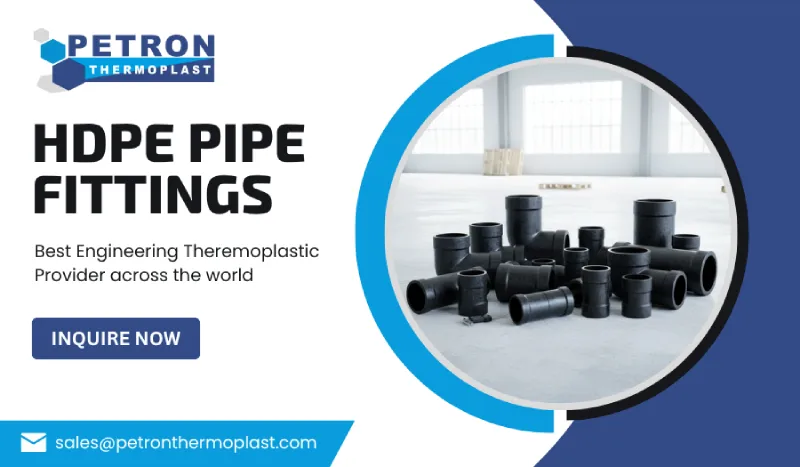
HDPE stands for High-Density Polyethylene, a type of thermoplastic material known for its durability, flexibility, and resistance to corrosion. HDPE pipe fittings are components used to connect, adapt, or regulate the flow of fluids or gases within HDPE piping systems. These fittings come in various shapes and sizes, including elbows, tees, couplers, reducers, and valves. HDPE pipe fittings are essential parts of piping systems that ensure secure connections, smooth flow, and efficient pipeline operation, especially in water supply, irrigation, and industrial networks.
High-Density Polyethylene (HDPE) is a versatile material widely used in piping systems due to its durability and flexibility. This detailed analysis delves into the various types of HDPE fittings, their advantages, diverse applications, and the methodologies employed in their connections. HDPE fittings are manufactured to meet various international standards, ensuring their quality and compatibility with different pipe sizes and pressures.

HDPE Pipe Fittings Details
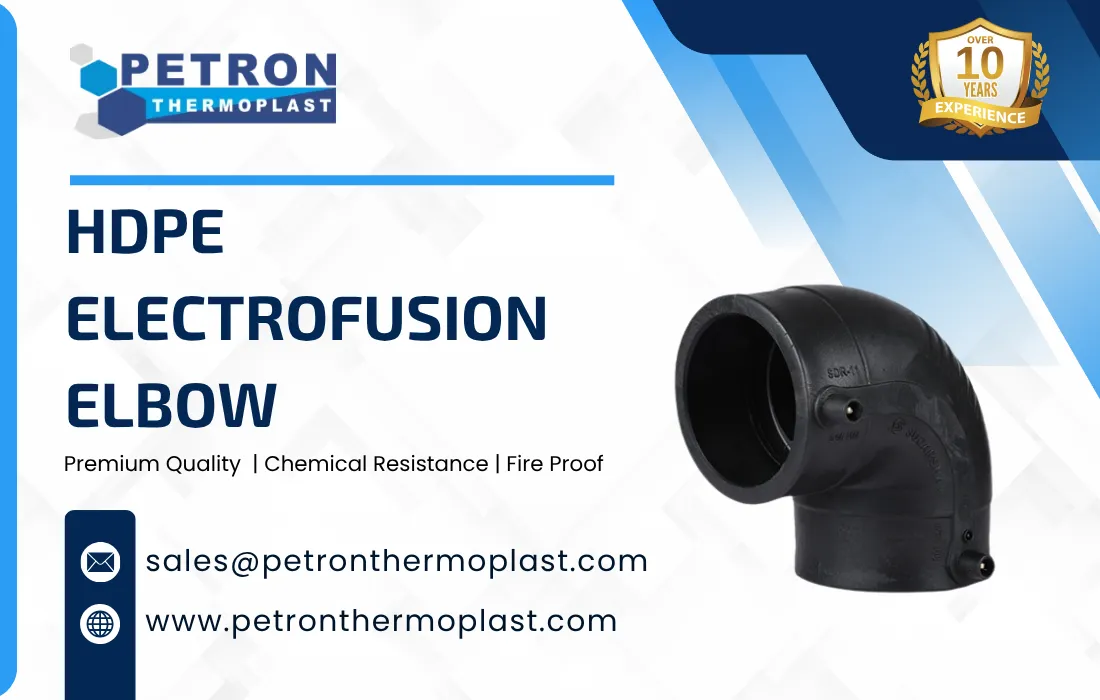
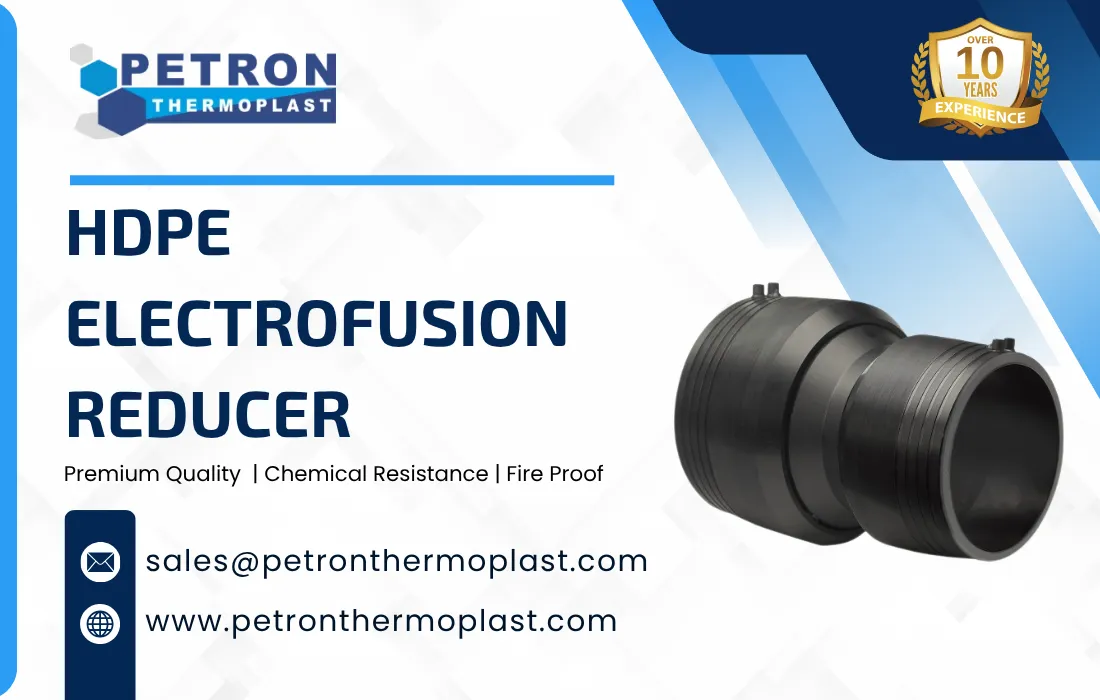
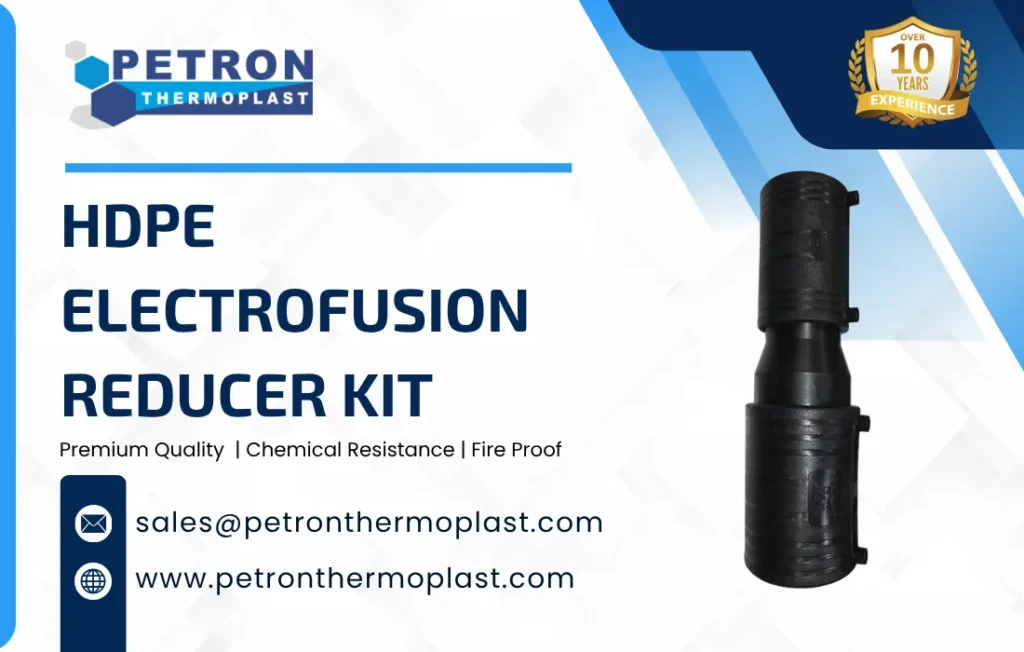
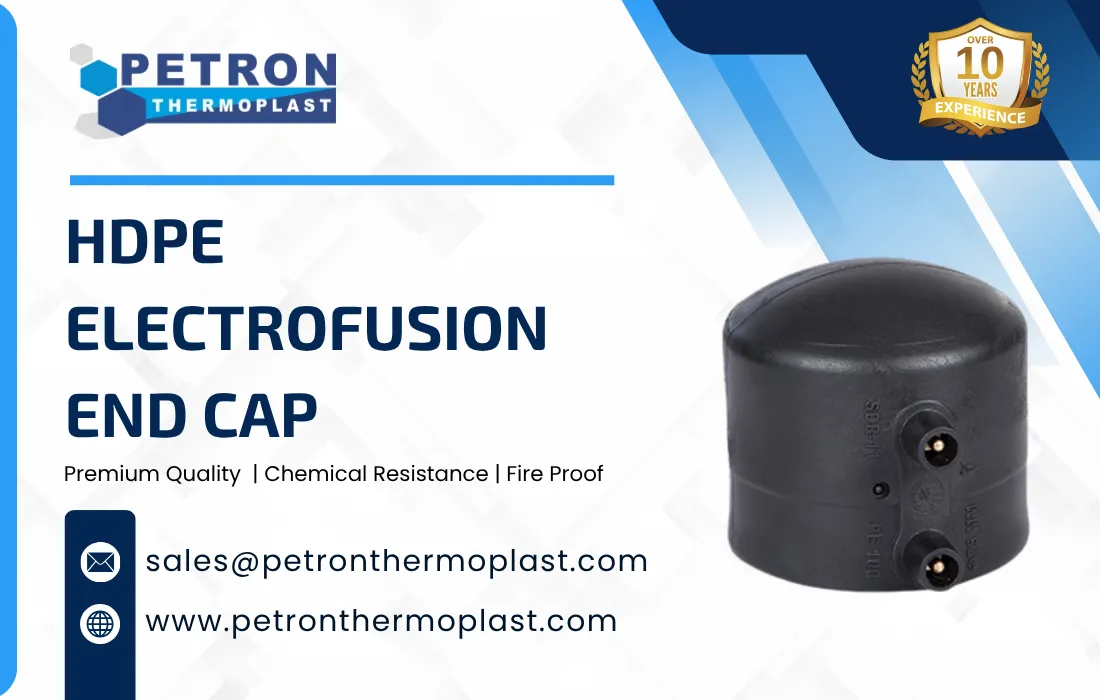
HDPE Electro Fusion Fittings
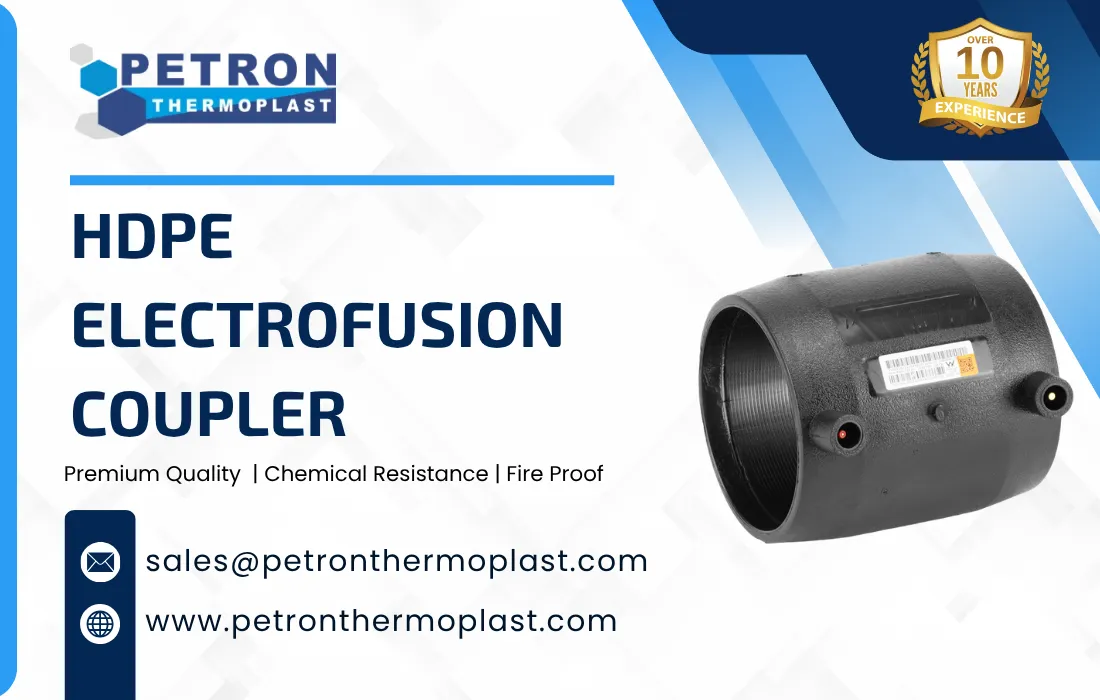
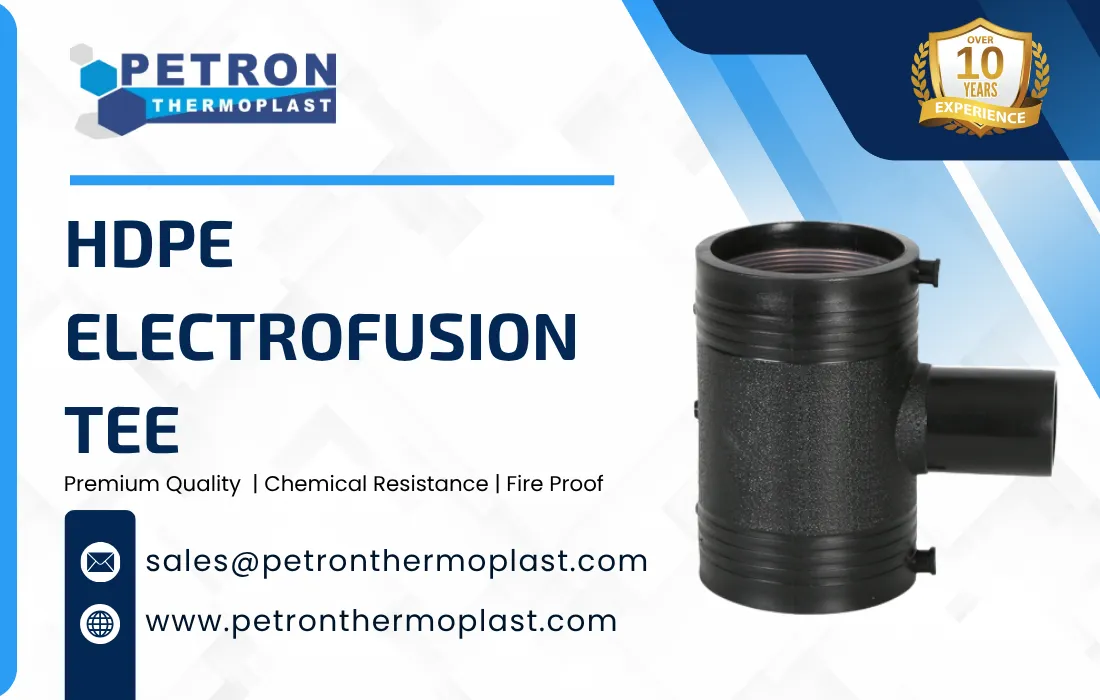
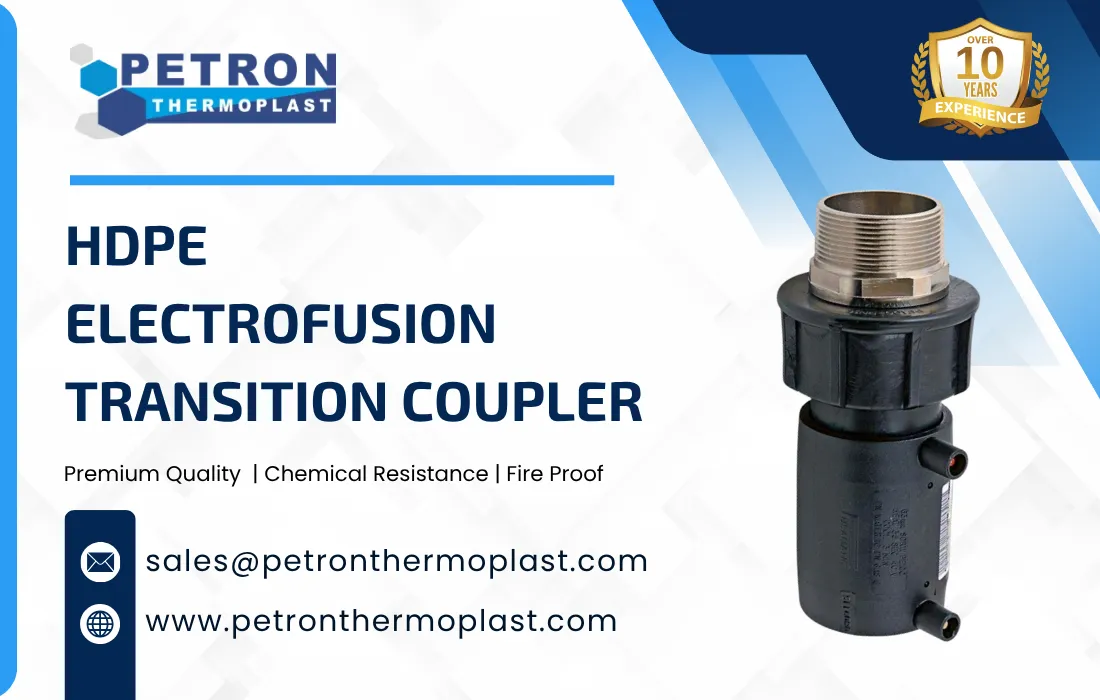
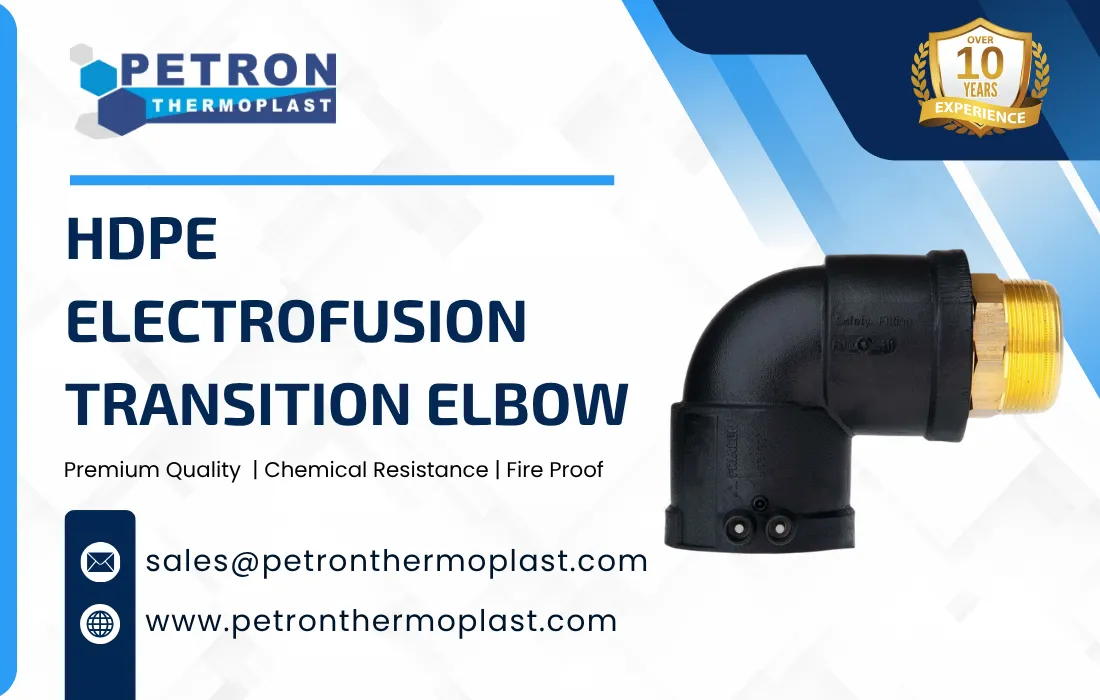
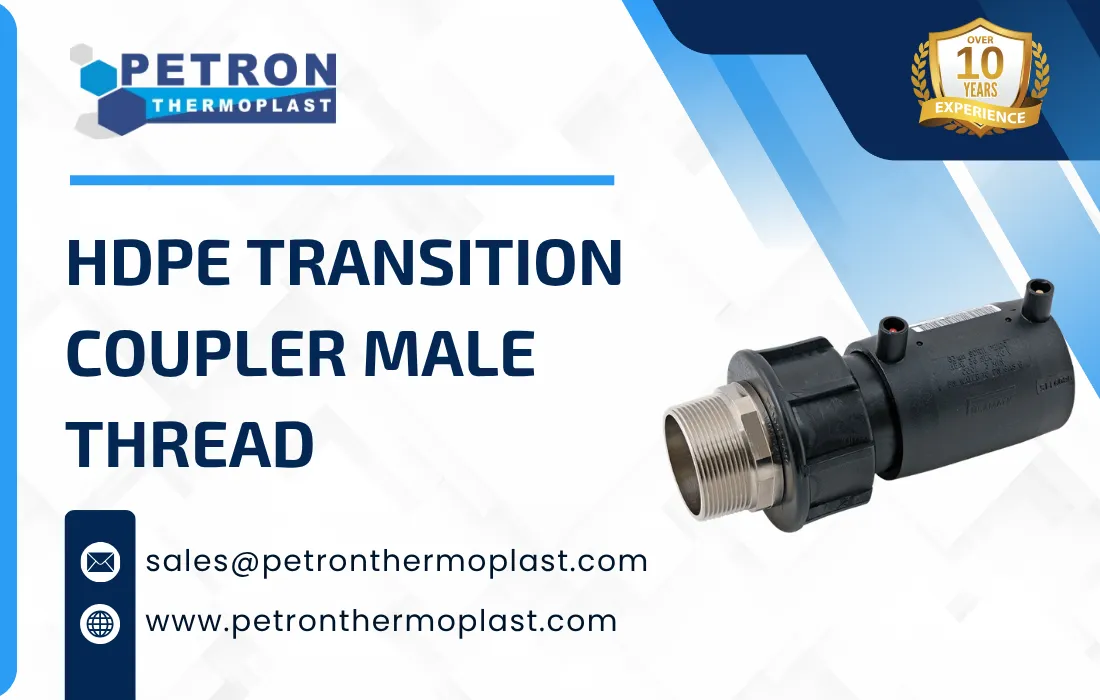
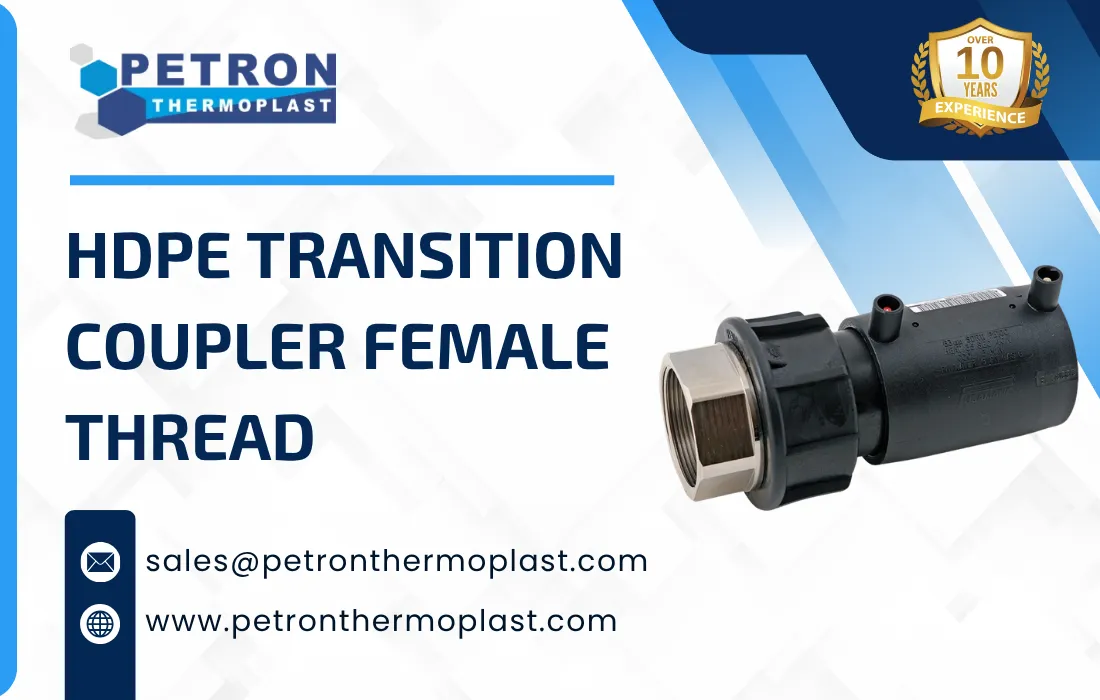
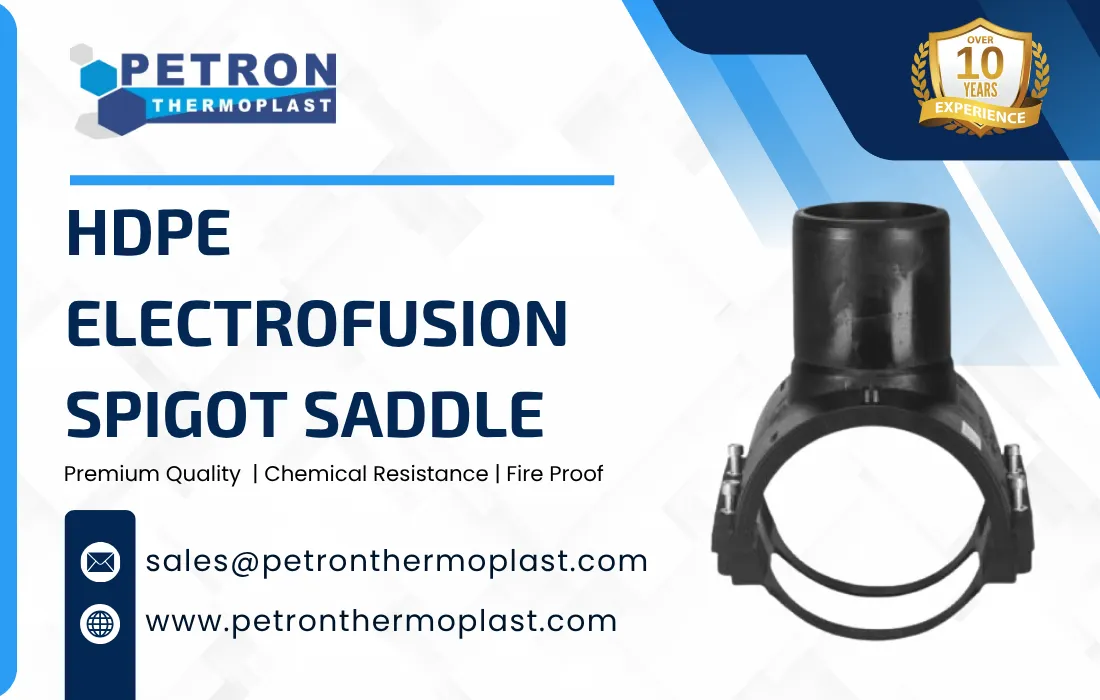
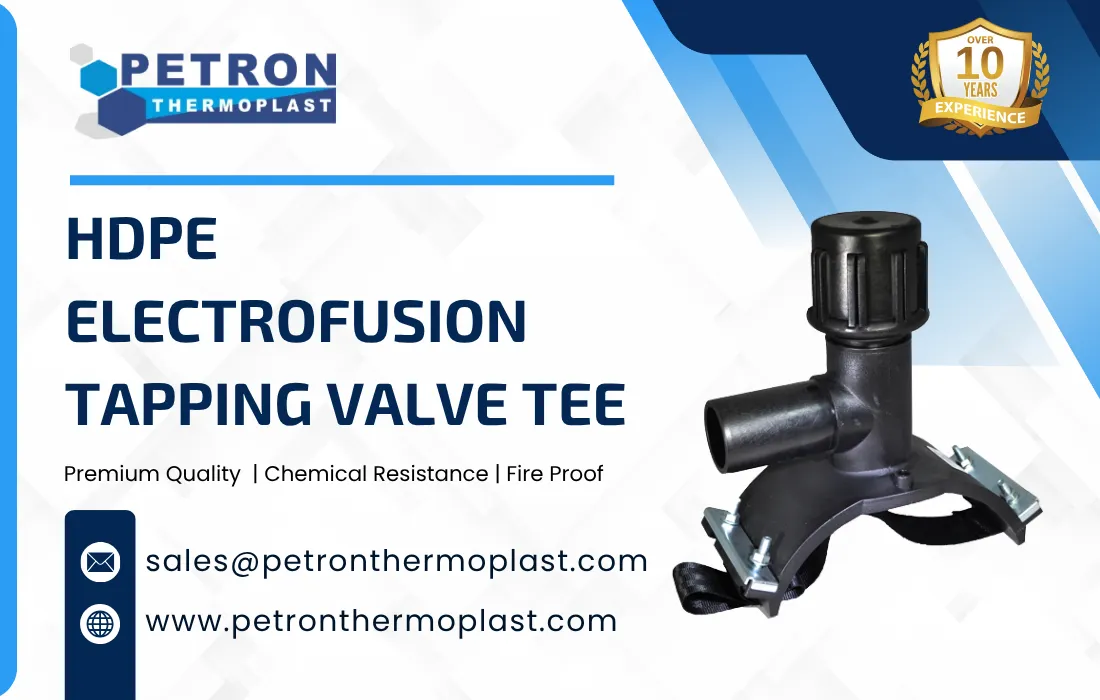
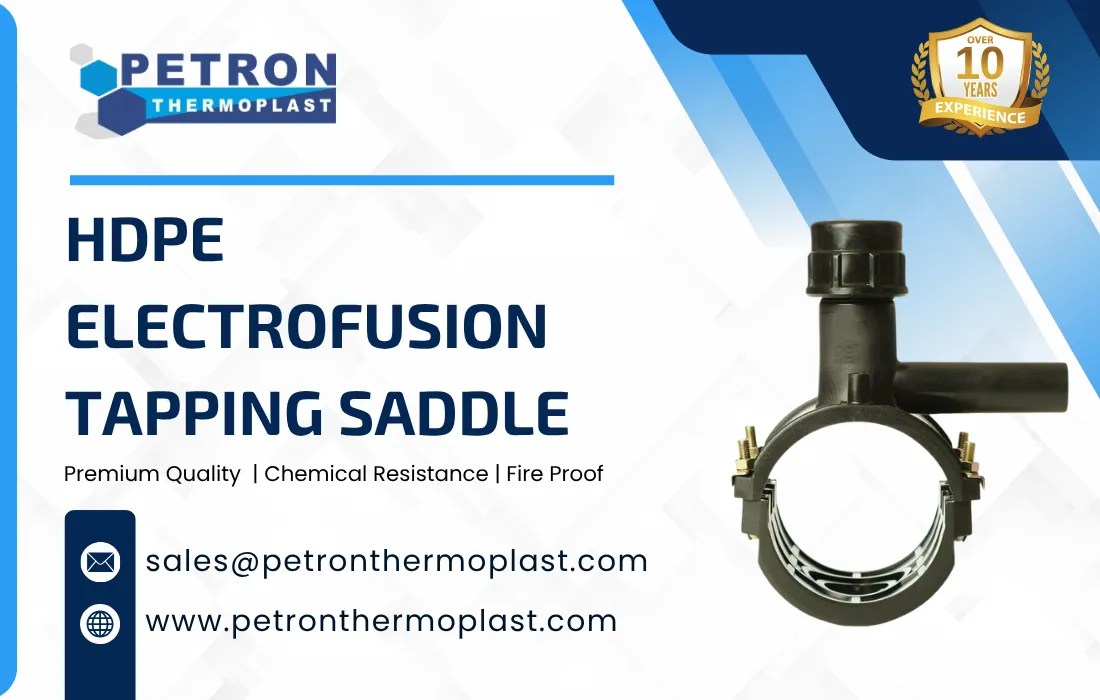
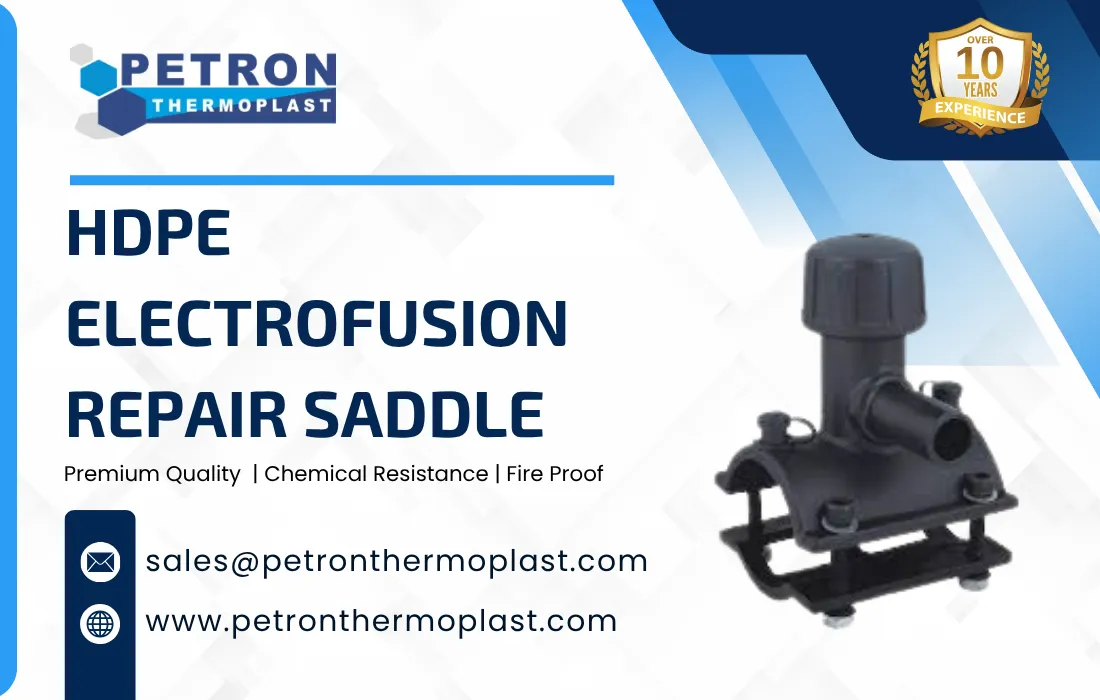
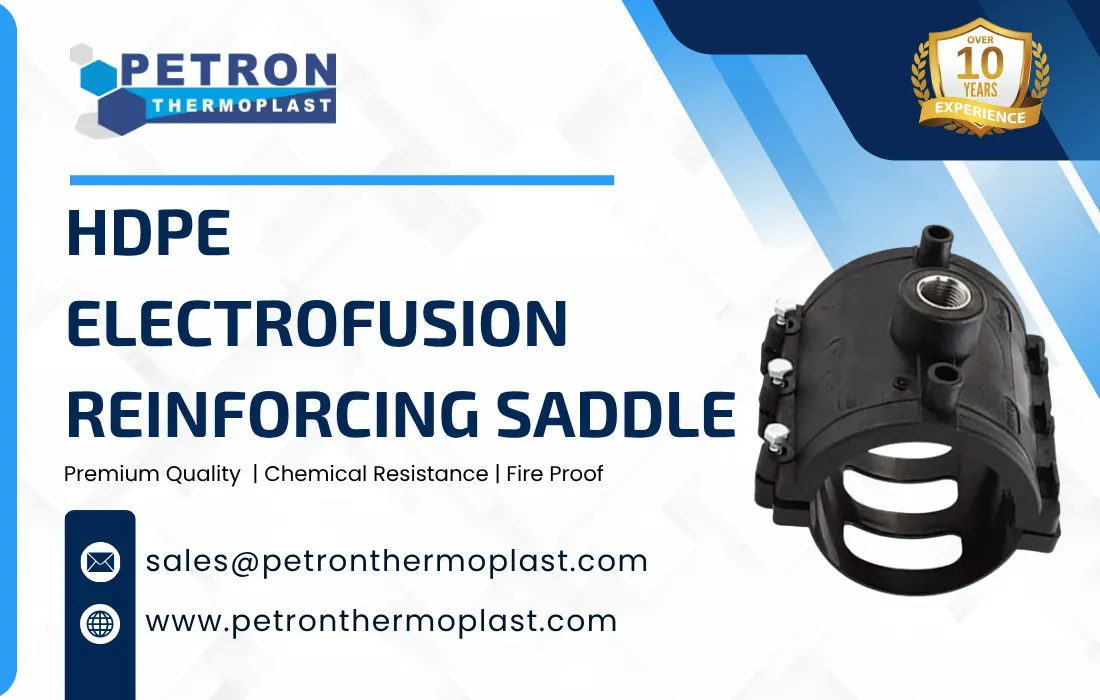
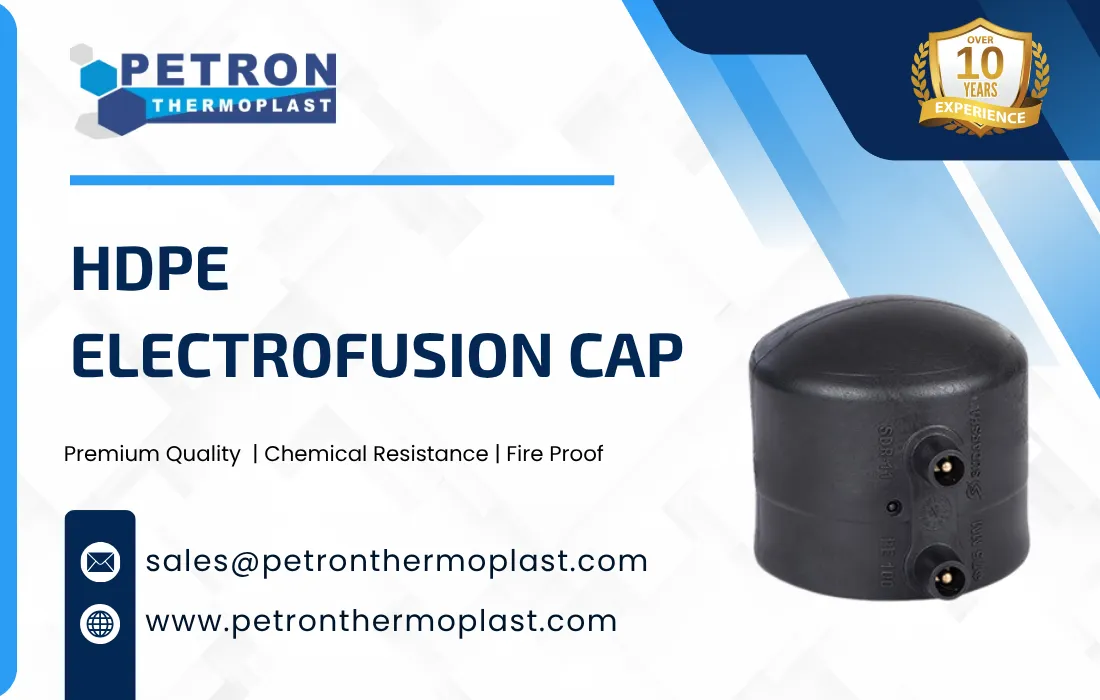
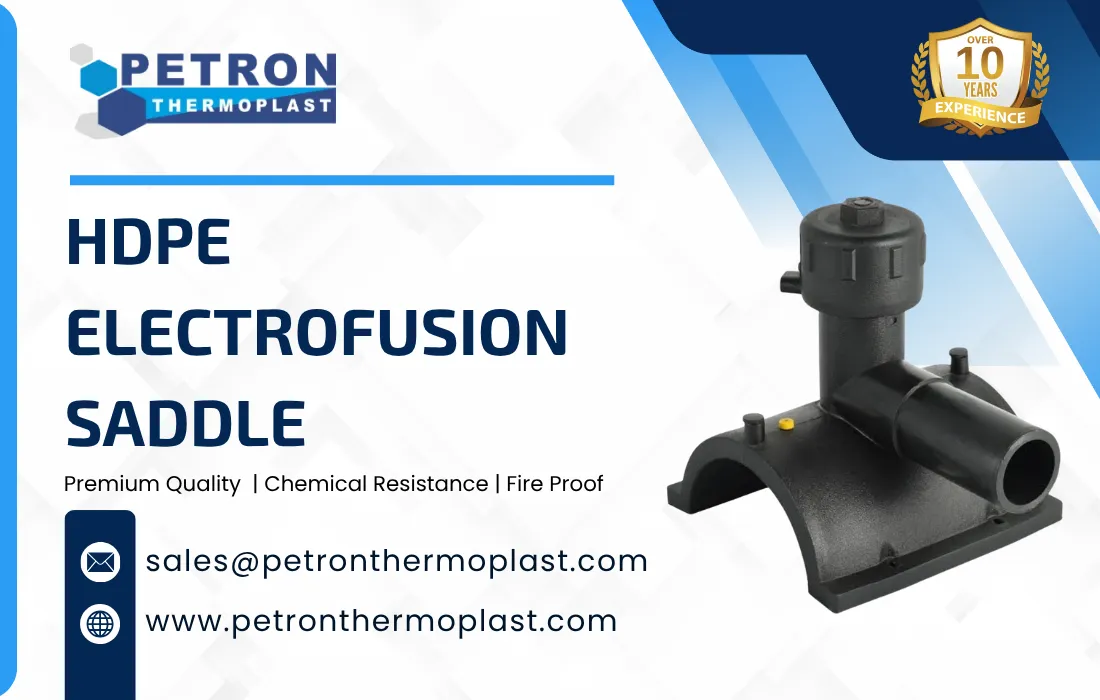
Electrofusion fittings are specialized HDPE components designed with embedded electric heating elements that, when energized, melt and fuse the fitting to the pipe surface. This technique provides a secure, leak-proof, and durable joint, making it ideal for high-pressure and critical pipeline applications. Electrofusion is especially preferred when working in confined spaces, where using large butt fusion equipment is impractical.
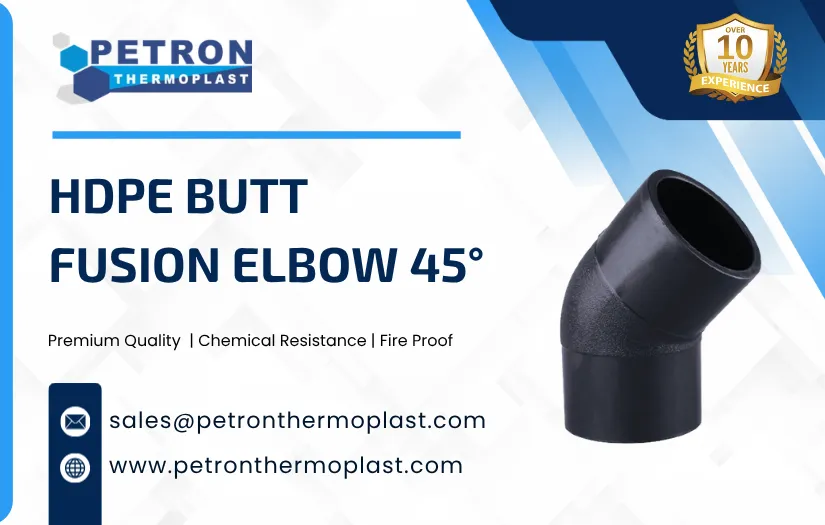
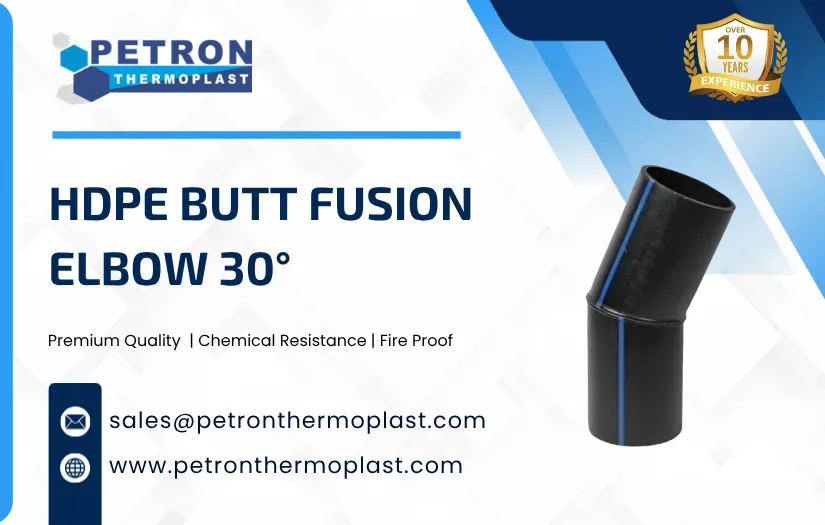
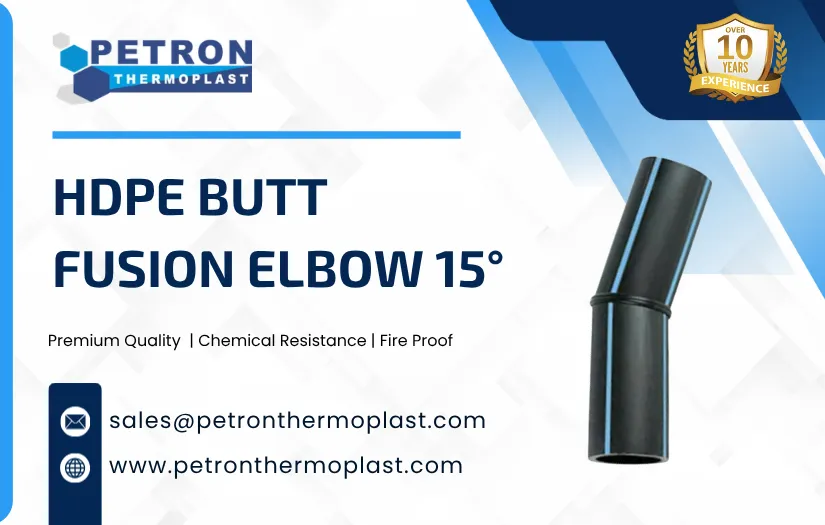
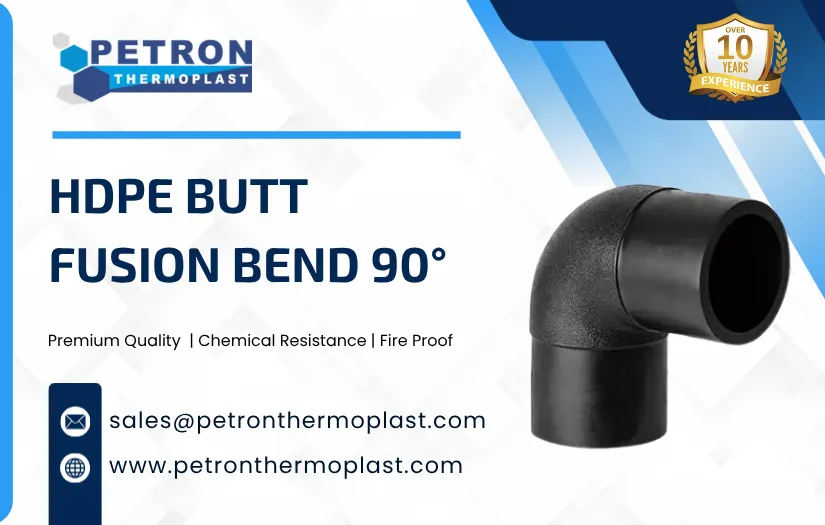
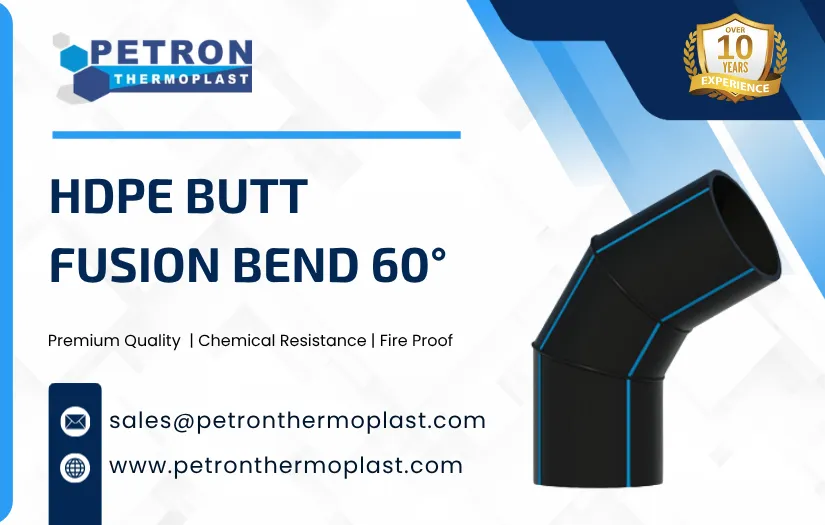
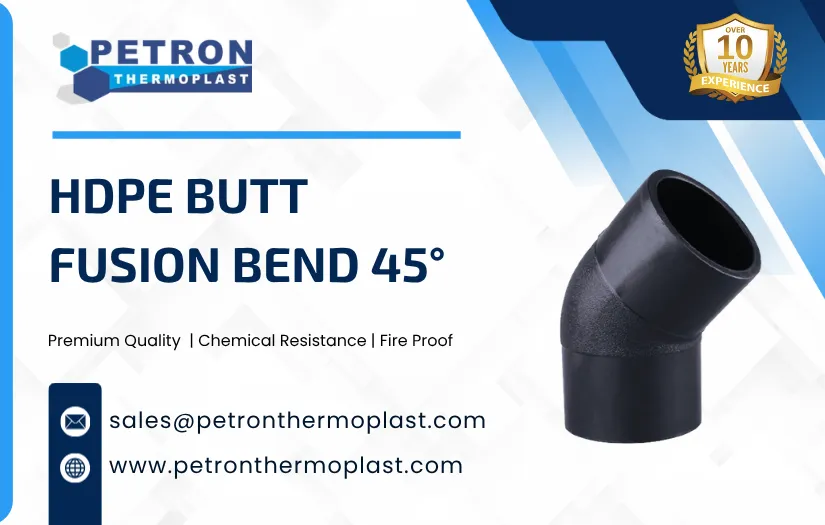
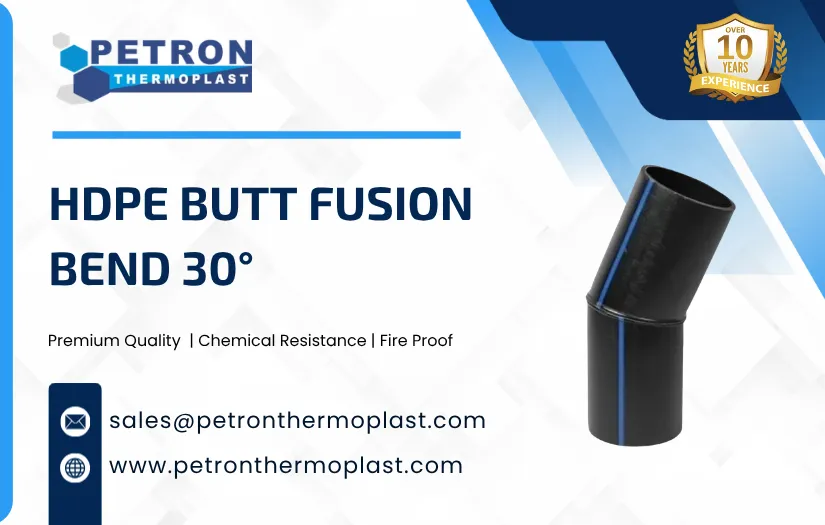
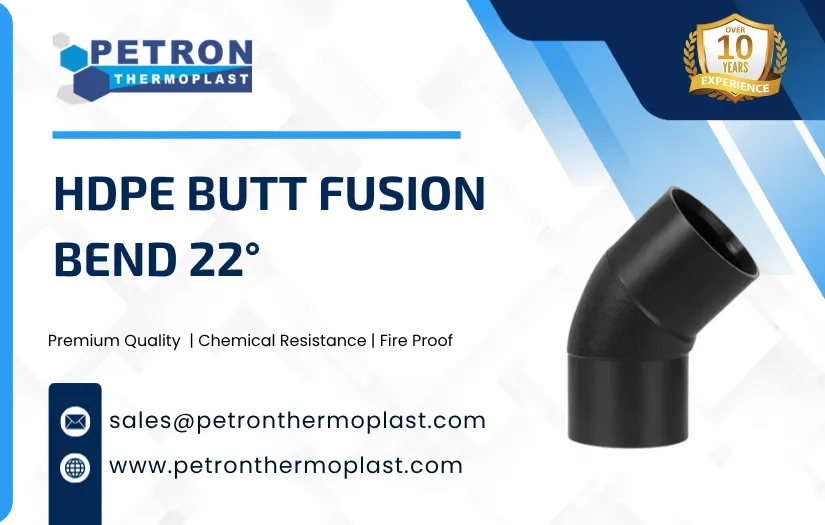
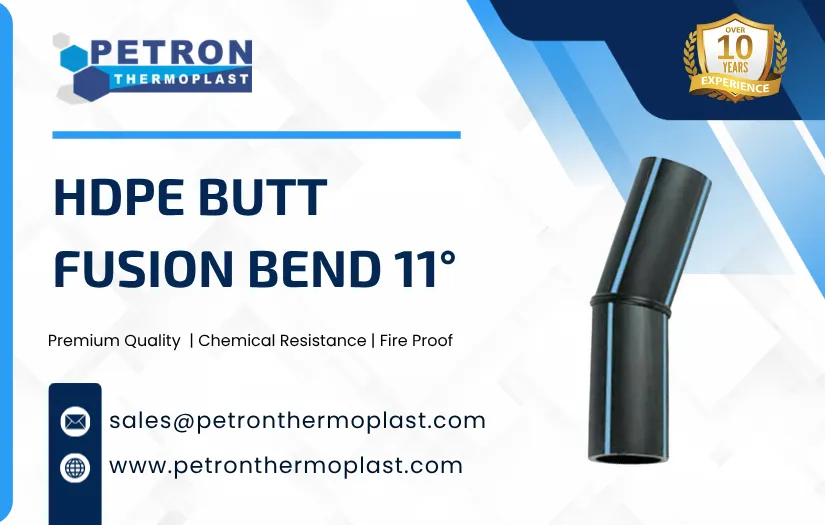
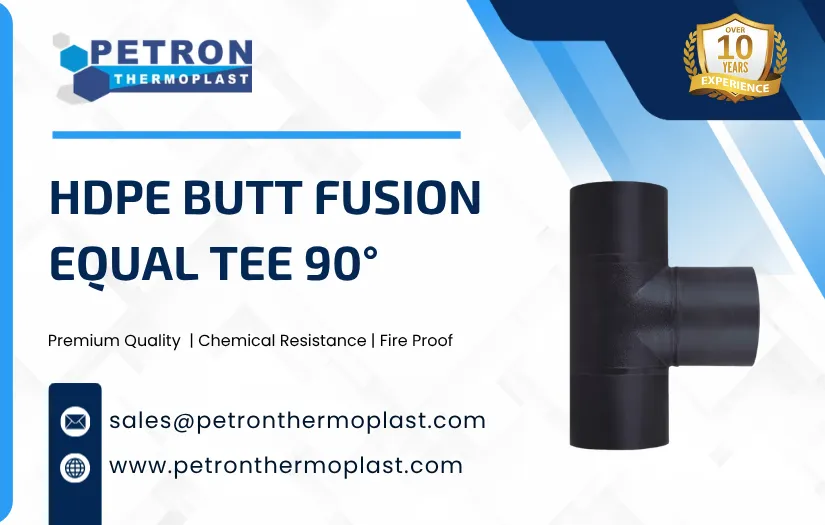
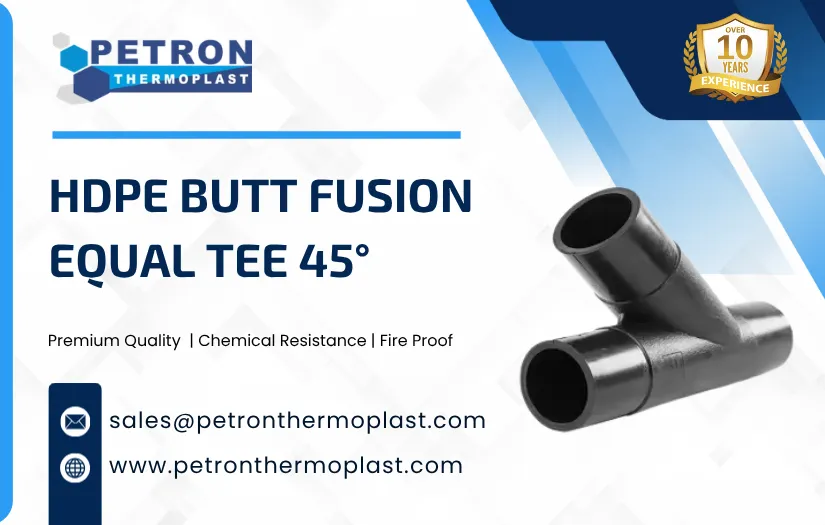
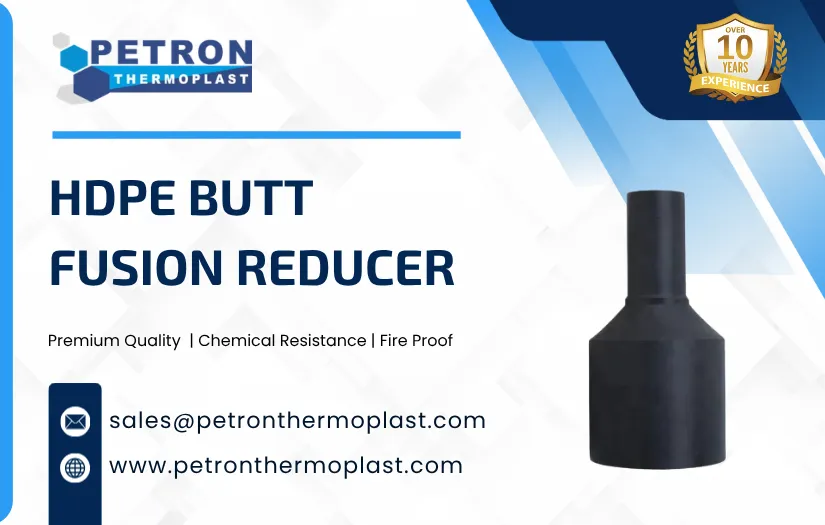
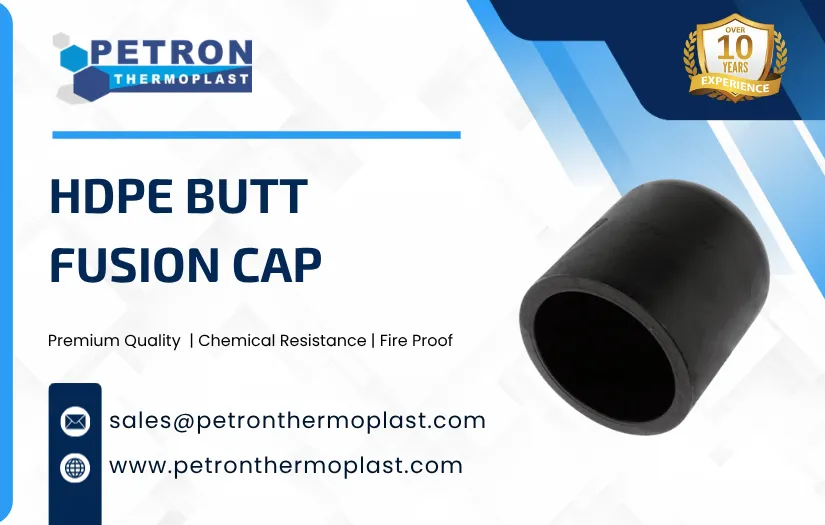
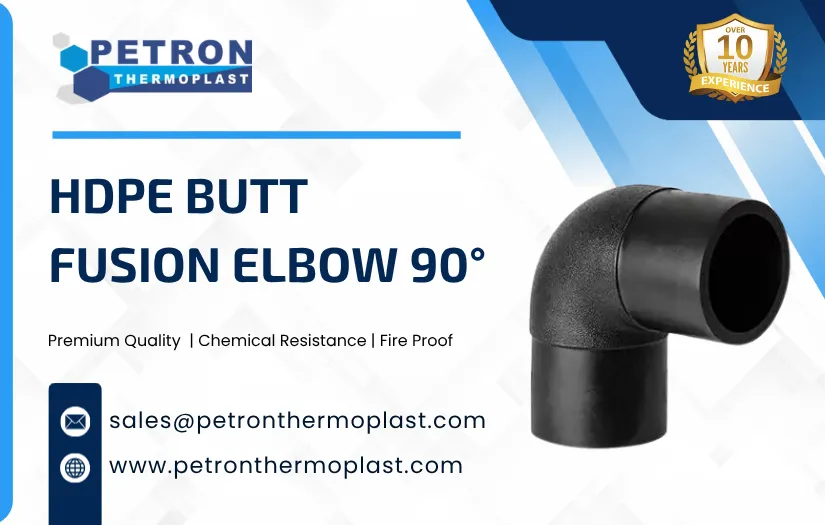
HDPE Butt Fusion Fittings
Butt fusion fittings are one of the most reliable and widely used types of HDPE pipe fittings. These fittings are joined using a butt fusion welding process, which involves heating the ends of both the pipe and the fitting to a precise temperature (typically around 200–220°C), then pressing them together under controlled pressure until they fuse into a single continuous piece. This results in a permanent, seamless, and high-integrity joint.
| Parameter | Details |
| Material | Polypropylene Homopolymer (PPH) |
| Density | 0.90 – 0.91 g/cm³ |
| Color | Grey / Natural White |
| Size Range | 20 mm to 400 mm (or higher as per requirement) |
| Pressure Rating | PN6, PN10, PN16 |
| Temperature Range | 0°C to 90°C |
| Melting Point | ~160°C to 170°C |
| Tensile Strength | 30 – 35 MPa |
| Impact Strength | High |
| Chemical Resistance | Excellent resistance to acids, alkalis, and chemicals |
| Corrosion Resistance | 100% corrosion-free |
| Thermal Conductivity | Low (~0.22 W/m·K) |
| Connection Type | Socket Fusion, Butt Fusion, Flanged, Threaded |
| Surface Finish | Smooth internal surface (low friction loss) |
| Standards | DIN 8077/8078, ISO 15874 |
| Application Medium | Water, Chemicals, Acids, Alkalis |
| Life Span | 20–25 years (depending on usage conditions) |
1. High Durability
- HDPE fittings are extremely tough and long-lasting.
- They can perform efficiently for 50+ years without cracking or failure.
2. Corrosion & Chemical Resistance
- Resistant to acids, alkalis, salts, and chemicals.
- Do not rust or corrode like metal fittings.
3. Leak-Proof Joints
- Joined using butt fusion or electrofusion, creating a homogeneous joint.
- Joints are as strong as the pipe itself and prevent leakage.
4. Lightweight & Easy Installation
- Much lighter than metal fittings.
- Easy to transport, handle, and install, reducing labor cost.
5. High Flexibility
- Can bend without breaking, suitable for uneven or shifting soil.
- Reduces need for extra fittings and joints.
6. Excellent Impact Resistance
- Performs well under low temperatures and high pressure.
- Resistant to cracking, stress, and sudden impacts.
7. Smooth Inner Surface
- Provides low friction and high flow efficiency.
- Minimizes scaling, deposits, and pressure loss.
8. Non-Toxic & Safe
- Suitable for drinking water systems.
- Does not contaminate water or support bacterial growth.
9. Weather & UV Resistance
- Can withstand harsh environmental conditions.
- Suitable for both underground and outdoor applications.
10. Low Maintenance & Cost-Effective
- Requires minimal maintenance over time.
- Long service life reduces replacement costs.
| Nominal Size (DN) | Outer Diameter (mm) | Thickness (mm) – SDR 11 | Thickness (mm) – SDR 17 | Thickness (mm) – SDR 21 |
| 20 mm | 20 | 1.9 | 1.2 | 1.0 |
| 25 mm | 25 | 2.3 | 1.5 | 1.2 |
| 32 mm | 32 | 3.0 | 1.9 | 1.5 |
| 40 mm | 40 | 3.7 | 2.4 | 1.9 |
| 50 mm | 50 | 4.6 | 3.0 | 2.4 |
| 63 mm | 63 | 5.8 | 3.8 | 3.0 |
| 75 mm | 75 | 6.8 | 4.5 | 3.6 |
| 90 mm | 90 | 8.2 | 5.4 | 4.3 |
| 110 mm | 110 | 10.0 | 6.6 | 5.3 |
| 160 mm | 160 | 14.6 | 9.5 | 7.7 |
| 200 mm | 200 | 18.2 | 11.9 | 9.6 |
| 250 mm | 250 | 22.7 | 14.8 | 11.9 |
| 315 mm | 315 | 28.6 | 18.7 | 15.0 |
| PN Rating | Pressure (Bar) | Pressure (PSI) | Application Type |
| PN 6 | 6 bar | ~87 PSI | Low-pressure systems (irrigation, drainage) |
| PN 8 | 8 bar | ~116 PSI | Rural water supply |
| PN 10 | 10 bar | ~145 PSI | Medium-pressure water supply |
| PN 12.5 | 12.5 bar | ~181 PSI | Moderate industrial use |
| PN 16 | 16 bar | ~232 PSI | High-pressure water & industrial systems |
| PN 20 | 20 bar | ~290 PSI | Very high-pressure applications |
| PN 25 | 25 bar | ~362 PSI | Heavy-duty industrial use |
User Manual for HDPE Pipe Fittings
| Parameter | Details |
| Operating Temperature Range | -10°C to 60°C |
| Recommended Working Temperature | 0°C to 40°C |
| Maximum Short-Term Temperature | Up to 80°C (limited duration) |
| Melting Temperature | ~120°C to 135°C |
| Density of HDPE Material | 0.94 – 0.97 g/cm³ |
Installation & Maintenance
Preparatory work
Before installation, check whether pipe fittings and accessories are intact, determine the direction and connection mode of pipes, and prepare appropriate installation tools.
Trench excavation
Excavate the trench according to the design requirements to ensure that the bottom of the trench is smooth and there are no sharp objects to avoid scratching the pipeline.
Pipe connection
The hot melt connection method is adopted to ensure that the connection surface is clean, dry and free of oil. During the heating process, the heating time and temperature are strictly controlled to avoid the deformation of the pipeline caused by excessive heating.
Pipeline laying and fixing
The pipeline is smoothly placed in the pipe trench, fixed according to the design requirements, to ensure that the pipeline will not be displaced by external forces.
Backfill and tamp
After the pipeline is laid, backfill is carried out in time, and rammed layer by layer to ensure that the density of backfill meets the design requirements.
Maintenance
Periodic inspection
Regular inspection of the pipeline system, including pipe joints, fixed points, valves, etc., to ensure that there is no leakage, no deformation.
Cleaning and maintenance
Clean the debris and dirt in the pipe regularly to keep the pipe unblocked. Pipes that have not been used for a long time should be cleaned and disinfected to prevent the growth of bacteria.
Maintenance and replacement
For the damaged or aging pipe fittings found, they should be repaired or replaced in time to avoid affecting the operation of the entire pipeline system.
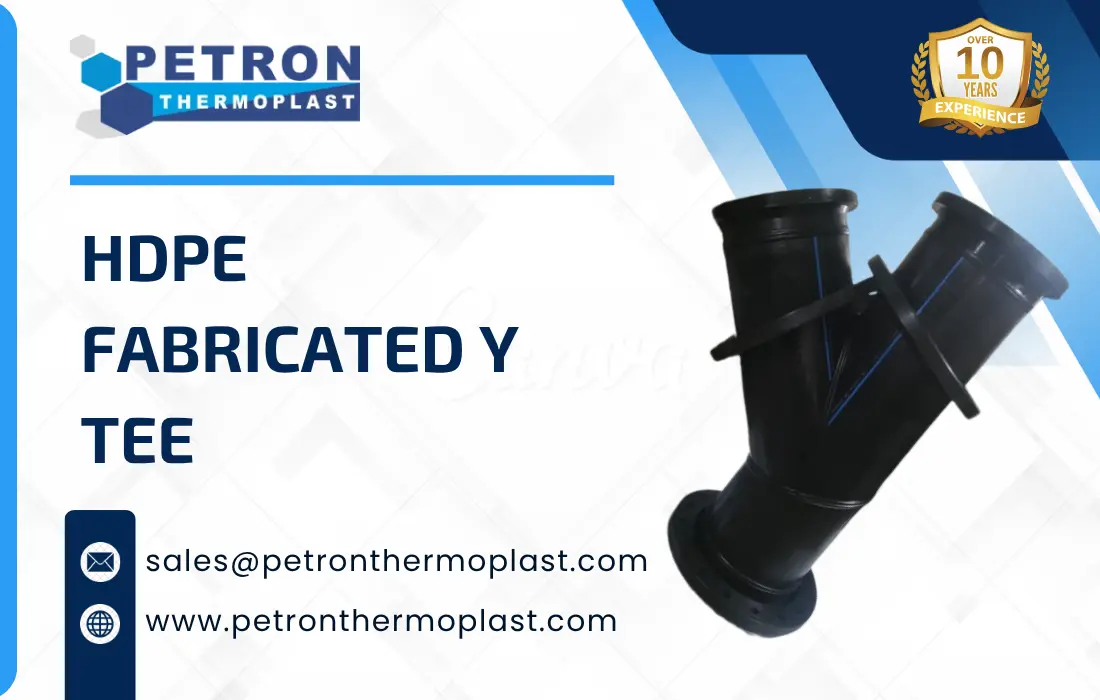
Customization of HDPE pipe fittings involves tailoring these fittings to meet specific project requirements, drawings, or installation conditions. This process ensures full compatibility with pipeline systems and helps reduce on-site modification and installation risks. Custom HDPE fittings are essential in large infrastructure and industrial projects, as they are often a necessity rather than an option. They are manufactured through precision fabrication and machining processes, using high-quality PE100 or PE80 materials to meet international standards. Custom fittings are widely used in water supply, wastewater treatment, mining, and industrial pipeline systems, providing clear advantages such as corrosion resistance, precise
The production process of HDPE pipe fittings is a multi-step, precision-driven process that includes raw material selection, mixing and plasticization, extrusion molding, and injection molding. Each step is crucial for ensuring the final product meets industry standards and quality requirements.
For those looking to customize HDPE pipe fittings, it is important to choose a reliable manufacturer that can provide non-standard polyethylene fittings for various applications, including water, industrial, and infrastructure projects.
manufacturing, and compatibility with HDPE systems.
Sustainability is an important consideration in HDPE pipe fitting production. Manufacturers adopt eco-friendly practices to minimize environmental impact. For instance, they recycle polyethylene scrap generated during production. Energy-efficient machinery reduces energy consumption, while renewable energy sources power many production facilities. Furthermore, HDPE pipe fittings themselves contribute to sustainability. Their long lifespan and recyclability make them an environmentally responsible choice.
By prioritizing sustainability, manufacturers align with global efforts to reduce plastic waste and carbon emissions.
Industries
1. Water Supply & Distribution
- Used in drinking water pipelines and municipal systems
- Leak-proof and safe for potable water
- Common in urban and rural water networks
2. Irrigation
- Widely used in drip irrigation, sprinkler systems, and farm pipelines
- Resistant to fertilizers and chemicals
- Flexible and easy to install in fields
3. Sewage & Drainage
- Ideal for wastewater, sewer lines, and stormwater systems
- Corrosion-resistant and long-lasting
- Handles underground conditions effectively
4. Chemical & Process Industries
- Used in transporting acids, alkalis, and industrial chemicals
- High resistance to chemical reactions
- Suitable for chemical plants and processing units
5. Oil & Gas Industry
- Used for gas distribution pipelines and oil flow lines
- Leak-proof joints ensure safety
- Resistant to pressure and environmental stress
6. Mining Industry
- Used in slurry transport, tailings, and abrasive materials
- High abrasion resistance
- Durable in harsh mining environments
7. Construction & Infrastructure
- Used in systems, drainage, and cable protection
- Lightweight and easy to handle on construction sites

Custom Product Manufacturing Available
If you are searching for customized product designs that meet your requirements, don’t worry. Petron Thermoplast also offers custom product manufacturing services to meet the unique needs of various industries. Work with our expert engineers to create custom designs suited for your application.
Benefits of UPVC Pipe Fitting
Durability
HDPE pipes can last more than 50 years under normal conditions. They do not rust, crack, or wear out easily.
Flexibility
Because of their high elasticity, they can absorb shock from soil movements or heavy loads, reducing the risk of breakage.
Corrosion Resistance
HDPE pipes resist most acids, salts, and chemicals, which makes them ideal for water supply, and industrial applications.
Leak-Free Joints
Fusion welding creates seamless connections that prevent leakage, saving water and reducing maintenance.
Lightweight
They are much easier to transport and install compared to concrete or metal pipes.
Cost-Effective
Lower installation costs and minimal maintenance make HDPE pipes a long-term, budget-friendly choice.
Types of PPH Pipe Fittings
Elbows
Used to change the direction of the pipeline, commonly available in 45° or 90° angles.
Tees
Create branch lines in the system, allowing a single pipe to split into two directions.
Reducers
Connect pipes of different diameters.
End Caps
Seal off a pipeline or terminate a system
Flanges
Allow secure connections between pipes and valves or other components
Couplers or Unions
Join two sections of HDPE pipe together with or without fusion.
Advantages of PPH Pipe Fittings
1. Excellent Corrosion Resistance
HDPE is a chemically inert material that is extremely resistant to most acids, alkalis, salt chemicals and organic solvents. This means that HDPE fittings will not galvanically corrode or rust like metal fittings, and there is no need for expensive internal or external anti-corrosion coatings or cathodic protection. This characteristic makes it ideal for transporting corrosive media or for applications in harsh soil and marine environments.
2. Superior Flexibility and Impact Resistance
HDPE material has good flexibility, allowing the pipe to bend to a certain extent, and can adapt to uneven settlement or slight displacement of the foundation, thus significantly reducing the risk of pipe breakage due to geological changes. Its excellent impact resistance, especially at low temperatures, is far superior to brittle materials such as PVC, making HDPE pipe fittings less susceptible to damage during handling, installation and operation. This flexibility also makes it ideal for non-excavation (e.g. directional drilling) laying techniques.
3. High Strength and Long Service Life
Despite being lightweight, HDPE material has a high strength-to-weight ratio. Modern, high quality PE100 grade HDPE materials have excellent creep resistance and slow crack growth (SCG) resistance. When properly designed and installed, HDPE piping systems are typically designed to last 50 years or more, far longer than many traditional piping materials.
4. Reliable Joint Performance of HDPE Pipe Fittings
The heat fusion connection is a highlight of HDPE piping systems. This type of connection can form a fully fused, leak-free integrated piping system. The strength of the joint is usually equal to or greater than the strength of the pipe itself, which fundamentally eliminates the joint leakage problem common to traditional piping.
5. Excellent Hydraulic Performance of HDPE Fittings
HDPE pipe fittings have a very smooth inner wall (low Manning’s roughness coefficient), which offers low resistance to water flow and is less prone to scaling. This means that in the same diameter and pressure, HDPE pipes can convey a larger flow, or lower energy consumption when conveying the same flow. Long-term use is not easy to reduce the efficiency of transportation due to scaling.
6. Lightweight and Easy to Install
The density of HDPE is much lower than, cast iron or concrete, so HDPE pipes and fittings are lightweight and easy to handle, transport and install, which can significantly reduce the investment in manpower and equipment and shorten the construction period. A variety of connection options also provide convenience for different construction conditions.
7. Eco-friendly and Sustainable
HDPE material is non-toxic and meets sanitary standards for the delivery of drinking water. The production process is relatively energy-efficient and HDPE materials are 100% recyclable, which is in line with the current requirements for sustainable development of construction materials. Waste HDPE pipes and fittings can be recycled into other plastic products, reducing the burden on the environment.
8. Cost-Effective
Although the initial unit cost of materials for HDPE fittings may be higher than for some conventional materials, the use of HDPE pipe and fittings is more cost-effective in terms of reduced leakage losses, lower energy consumption, given its low installation costs, lack of need for corrosion protection treatments, minimal maintenance, long service life, and excellent performance.
Why Choose Petron Thermoplast?
Petron Thermoplast is more than just a manufacturer, it’s a full solutions provider. We supply a complete range of HDPE pipes and fittings, covering irrigation, municipal water supply, drainage, and electrical conduit. Our fittings are designed to match perfectly with our pipes, ensuring leak-free, durable, and easy-to-install systems for all types of projects. Wide product range – From small-diameter pipes to large industrial-grade HDPE pipes, plus a complete selection of HDPE fittings such as elbows, tees, reducers, couplers, and end caps. Custom services – Tailor-made HDPE pipe and fitting solutions based on project requirements, including customized dimensions and configurations. International standards compliance – Both pipes and fittings are manufactured under strict quality controls, certified to meet ISO, ASTM, and other global benchmarks. Reliable supply chain – Timely delivery of both pipes and fittings to ensure seamless installation in large infrastructure projects. Competitive pricing – High-quality pipes and precision-engineered fittings at cost-effective rates.
Petron Thermoplast has built a strong reputation as a trusted HDPE pipe and fitting supplier for construction, and industrial sectors. By sourcing both pipes and fittings from Petron Thermoplast, you can enjoy a one-stop solution that guarantees compatibility, durability, and long-term performance.
Conclusion
The production of HDPE pipe fittings involves a combination of advanced technology, stringent quality control, and sustainable practices. From raw material selection to final testing, manufacturers strive to deliver reliable products for diverse applications. Innovations and future trends promise further advancements, ensuring HDPE fittings remain a preferred choice in modern infrastructure projects.From municipal projects, from drainage systems to electrical conduit, HDPE pipes and fittings have become the first choice for engineers, contractors, and industries worldwide. They are durable, flexible, safe, and cost-effective.With a full range of products and custom solutions, ULP stands out as a trusted partner for all HDPE pipe requirements. Whether you need HDPE irrigation pipes, water supply systems, drainage pipes, or HDPE electrical conduit solutions, ULP can provide the right product that meets international standards and ensures long-term reliability. HDPE pipes and fittings or contact us to explore how we can integrate our products into your project.
Frequently Asked Questions
HDPE pipe fittings are components made from High-Density Polyethylene (HDPE) used to connect, control, or change the direction of HDPE pipes in piping systems.
They are used in:
- Water supply systems
- Irrigation
- Sewage and drainage
- Industrial and chemical pipelines
- Gas distribution
Common types include:
- Elbows (90°, 45°)
- Tees (equal and reducing)
- Reducers
- Couplers
- Flanges
- End caps
HDPE fittings are joined using:
- Butt fusion welding
- Electrofusion welding
- Compression fittings (for smaller sizes)
These methods create strong, leak-proof joints.
Yes, HDPE fittings are highly resistant to corrosion, chemicals, and rust, making them ideal for harsh environments
HDPE fittings typically last 50 years or more, depending on usage and environmental conditions.
Yes, they are non-toxic and safe for potable water applications.
HDPE fittings are available in different pressure ratings (PN6, PN8, PN10, PN12.5, PN16, etc.), depending on application requirements.
- Suitable for temperatures up to ~60°C (continuous use)
- Short-term tolerance may be slightly higher