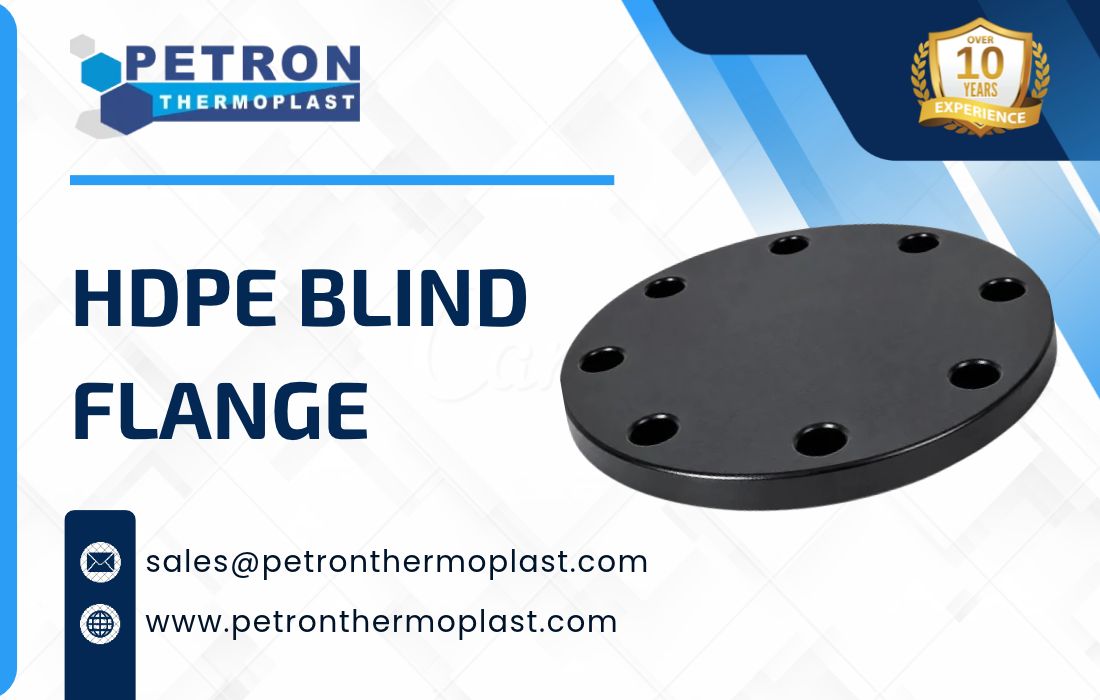
HDPE Blind Flange
Petron Thermoplast manufactures high-quality HDPE Blind Flanges designed to close, seal, and isolate the ends of industrial piping systems. Manufactured using high-density polyethylene (HDPE), these flanges offer excellent corrosion resistance, chemical compatibility, and reliable performance in demanding industrial environments.
HDPE Blind Flanges are commonly used in water treatment plants, chemical processing facilities, wastewater management systems, irrigation networks, and industrial pipeline installations. They provide a practical solution for closing unused pipeline connections, isolating equipment, and allowing future pipeline extensions.
Petron Thermoplast offers customized HDPE Blind Flanges in different sizes, pressure ratings, material grades, and dimensions according to customer requirements. Our manufacturing solutions support bulk industrial orders, customized piping projects, and international export requirements.

- Chemical Resistance
- Low Maintenance Requirement
- Low Thermal Conductivity
- Long Service Life
- Easy Installation
- Corrosion Resistance
HDPE Blind Flange Details
Parameter | Available Specifications |
Material | HDPE (High-Density Polyethylene) |
Material Grade | PE80 / PE100 |
Nominal Diameter (DN) | 20 mm – 630 mm |
Outside Diameter | As per flange standard |
Flange Thickness | Customized as per pressure requirements |
Bolt Hole Diameter | As per mating flange standard |
Number of Bolt Holes | 4 / 8 / 12 / 16 / Customized |
Bolt Circle Diameter (PCD) | As per nominal size and standard |
Centre Opening | Solid / No Opening |
Pressure Rating | PN6 / PN8 / PN10 / PN12.5 / PN16 |
Manufacturing Type | Molded / Fabricated |
Connection Type | Flanged |
Surface Finish | Smooth |
Colour | Black / Customized |
Nominal Size (DN) | Approx. Pipe Outside Diameter (mm) | Application |
DN 25 | 32 | Small Pipeline |
DN 32 | 40 | Industrial Distribution |
DN 40 | 50 | Fluid Transfer |
DN 50 | 63 | Water Distribution |
DN 65 | 75 | Industrial Piping |
DN 80 | 90 | Chemical Processing |
DN 100 | 110 | Industrial Pipeline |
DN 125 | 140 | Water Treatment |
DN 150 | 160 | Industrial Distribution |
DN 200 | 225 | Large Pipeline |
DN 250 | 280 | Industrial Fluid Handling |
DN 300 | 315 | Water Treatment Plants |
DN 350 | 355 | Industrial Applications |
DN 400 | 450 | Large-Scale Projects |
DN 500 | 560 | Industrial Infrastructure |
DN 600 | 630 | Heavy-Duty Pipeline Systems |
Technical Parameter | Measurement / Details |
Flange Outside Diameter | As per applicable standard |
Flange Inner Diameter | Solid construction |
Flange Face Thickness | Design-dependent |
Total Flange Thickness | As per engineering drawing |
Bolt Hole Quantity | According to flange drilling |
Bolt Hole Diameter | According to bolt specification |
Bolt Circle Diameter | As per mating flange |
Gasket Type | EPDM / Compatible Chemical-Resistant Gasket |
Material Density | Approximately 0.94–0.97 g/cm³ |
Material Grade | PE80 / PE100 |
Pressure Class | PN6–PN16, subject to design |
Operating Temperature | Application-dependent |
Pressure Class | Nominal Pressure |
PN6 | 6 Bar |
PN8 | 8 Bar |
PN10 | 10 Bar |
PN12.5 | 12.5 Bar |
PN16 | 16 Bar |
Technical Information of HDPE Blind Flange
HDPE Blind Flanges are engineered to provide secure closure and isolation in industrial piping systems. They are manufactured using high-density polyethylene, offering excellent chemical resistance, mechanical strength, and durability. Their technical design depends on pipeline diameter, operating pressure, temperature, flange connection, and application requirements.
1. Material Technical Properties
Technical Property | Typical HDPE Characteristics |
|---|---|
Material | High-Density Polyethylene (HDPE) |
Available Grades | PE80 / PE100 |
Density | 0.94–0.97 g/cm³ |
Tensile Strength | Grade-dependent |
Elongation at Break | High flexibility |
Chemical Resistance | Excellent for many compatible chemicals |
Corrosion Resistance | Excellent |
Water Absorption | Very Low |
Thermal Conductivity | Low |
Electrical Properties | Electrical Insulator |
Surface Finish | Smooth |
Rust Resistance | Excellent |
2. Design and Construction Details
Parameter | Technical Information |
|---|---|
Product Design | Solid Plate / Blind Flange |
Construction | Molded or Fabricated |
Flange Face | Flat Sealing Surface |
Centre Opening | Not Provided |
Mounting Arrangement | Bolted Connection |
Sealing Arrangement | Compatible Gasket |
Backing Ring | As Required |
Bolt Material | Compatible Stainless Steel / Coated Steel |
Installation | Flanged Assembly |
Fabrication | Customized Engineering Design |
3. Operating Conditions
Parameter | Technical Details |
|---|---|
Pressure Class | PN6, PN8, PN10, PN12.5, PN16 (design-dependent) |
Operating Temperature | Application-dependent |
Fluid Compatibility | Water, Wastewater, Compatible Chemicals |
Installation Environment | Indoor / Outdoor |
Chemical Exposure | Subject to material compatibility |
Pressure Resistance | Based on flange design and testing |
Sealing Performance | Depends on gasket, bolting, and installation |
Maintenance | Low Routine Maintenance |
4. Manufacturing and Quality Control
Selection of suitable PE80 or PE100 raw material.
Dimensional accuracy and thickness verification.
Inspection of flange outside diameter and bolt-hole positions.
Checking flatness of the sealing surface.
Verification of backing ring and mating flange compatibility.
Inspection of fabrication quality and surface finish.
Pressure or leakage testing of the assembled connection as per project requirements.
5. Installation Considerations
Select the correct flange size according to the pipeline connection.
Ensure compatibility between the blind flange and mating flange.
Use a suitable gasket based on the fluid and operating conditions.
Select appropriate bolts, nuts, and backing arrangements.
Tighten bolts uniformly using the recommended installation procedure.
Avoid excessive tightening that may deform the HDPE flange.
Verify the completed connection for leakage before commissioning.
HDPE Blind Flanges are designed to provide reliable pipeline closure and isolation in industrial fluid handling systems. Their durable construction, corrosion resistance, and customized dimensions make them suitable for various industrial applications.
1. Excellent Corrosion Resistance: Resistant to rust, oxidation, and corrosion, making them suitable for demanding industrial environments.
2. High Chemical Resistance: Compatible with many industrial chemicals, acids, and alkalis, depending on concentration and operating temperature.
3. Strong and Durable Construction: Manufactured using HDPE material to provide mechanical strength and dependable performance under specified operating conditions.
4. Leak-Proof Sealing Arrangement: Designed to work with suitable gaskets and bolted flange connections to prevent fluid leakage.
5. Lightweight Design: Easier to handle, transport, and install compared with conventional metal blind flanges.
6. Customized Size Availability: Available in different diameters, thicknesses, and dimensions according to industrial piping requirements.
7. Smooth Surface Finish: Provides a suitable sealing surface for proper gasket placement and flange assembly.
8. Excellent Moisture Resistance: Low water absorption helps maintain material stability in wet and humid environments.
9. Low Maintenance Requirements: Does not rust and reduces the need for corrosion-related maintenance.
10. High Impact Resistance: Offers good impact resistance and toughness under suitable operating conditions.
11. Easy Installation: Compatible with appropriate backing rings, gaskets, and bolting arrangements for convenient pipeline assembly.
12. Long Service Life: Provides reliable performance when properly designed, installed, and operated within specified pressure and temperature limits.
13. Multiple Pressure Class Options: Can be designed for different pressure requirements according to material grade and flange construction.
14. Industrial Application Versatility: Suitable for water treatment, chemical processing, wastewater management, irrigation, and industrial pipeline systems.
HDPE Blind Flanges are designed for different industrial pressure requirements depending on material grade, flange thickness, diameter, and manufacturing design. PE80 and PE100 material grades are commonly used for manufacturing HDPE flange components.
HDPE Blind Flange Pressure Rating Chart
Pressure Class | Nominal Pressure (Bar) | Pressure (MPa) |
PN6 | 6 Bar | 0.6 MPa |
PN8 | 8 Bar | 0.8 MPa |
PN10 | 10 Bar | 1.0 MPa |
PN12.5 | 12.5 Bar | 1.25 MPa |
PN16 | 16 Bar | 1.6 MPa |
PN20 | 20 Bar | 2.0 MPa |
PN25 | 25 Bar | 2.5 MPa |
Pressure Rating According to HDPE Pipe SDR
SDR Rating | PE100 Nominal Pipe Pressure Class |
SDR 26 | PN6 |
SDR 21 | PN8 |
SDR 17 | PN10 |
SDR 13.6 | PN12.5 |
SDR 11 | PN16 |
SDR 9 | PN20 |
SDR 7.4 | PN25 |
Important Technical Considerations
- Pressure capacity depends on flange design and material grade.
- Flange thickness must be suitable for the required operating pressure.
- Proper gasket selection is essential for leak-resistant sealing.
- Bolt selection and tightening torque must follow the approved design.
- Operating temperature and chemical compatibility must be considered.

Custom Product Manufacturing Available
If you are searching for customized product designs that meet your requirements, don’t worry. Petron Thermoplast also offers custom product manufacturing services to meet the unique needs of various industries. Work with our expert engineers to create custom designs suited for your application.
Benefits of Using HDPE Blind Flange
1. Excellent Corrosion Resistance
HDPE material resists rust, oxidation and corrosion, making it suitable for demanding industrial environments.
2. Chemical Resistance
Offers good resistance to many acids, alkalis and industrial chemicals, depending on chemical concentration and operating temperature.
3. Leakage Prevention
When installed with a compatible gasket and properly tightened bolts, an HDPE Blind Flange helps create a secure, leak-resistant pipeline closure.
4. Lightweight Construction
HDPE is lighter than many metal alternatives, making handling, transportation and installation easier.
5. Long Service Life
Its resistance to corrosion, moisture and many chemicals supports long-term performance under suitable operating conditions.
6. Low Maintenance Requirements
HDPE does not rust or require protective painting, helping reduce routine maintenance.
7. Moisture Resistance
Its non-metallic construction prevents rust formation and performs well in wet environments.
8. Impact Resistance
HDPE offers good resistance to impact and mechanical stress, helping withstand normal handling and service conditions.
9. Easy Installation
Its lightweight design makes positioning and installation more convenient for maintenance teams.
10. Custom Manufacturing Options
HDPE Blind Flanges can be manufactured in different sizes, thicknesses, drilling patterns and configurations according to project requirements.
11. Suitable for Industrial Applications
They can be used in water treatment plants, chemical processing facilities, wastewater systems and industrial piping networks.
12. Cost-Effective Solution
Reduced corrosion-related maintenance and easy handling can help lower overall installation and maintenance costs.
Applications of HDPE Blind Flange
Process Industry
High Purity Applications
Electronic Industry
Electrical Industry
Semi-conductors Industry
Pharmaceutical Industry
Solar power panels
Sugar Industry
Paper & Pulp Industry
Nuclear Power Industry
Automotive Industry
DI water plants
Why Choose Petron Thermoplast?
Petron Thermoplast focuses on providing quality HDPE Blind Flanges for industrial piping systems, chemical processing plants, water distribution networks, and customized pipeline projects. We understand the importance of reliable pipeline closure, dimensional accuracy, and material performance in demanding industrial environments.
Quality HDPE Material: Manufactured using quality HDPE material for strength, durability, and corrosion resistance.
Customized Specifications: Available in different sizes, thicknesses, diameters, and specifications according to project requirements.
Industrial Applications: Suitable for chemical processing, water treatment, wastewater management, and industrial fluid handling systems.
Dimensional Accuracy: Designed to support proper flange alignment and secure pipeline connections.
Multiple Pressure Ratings: Options available according to project-specific pressure requirements.
Bulk Manufacturing: Capable of catering to bulk industrial orders and large-scale piping projects.
Competitive Manufacturer Pricing: Direct manufacturer pricing for industrial and commercial requirements.
Worldwide Export Support: Serving domestic and international project requirements with export-oriented supply support.
Reliable Customer Support: Assistance with product specifications, material selection, and customized requirements.
HDPE Electro Fusion Fittings
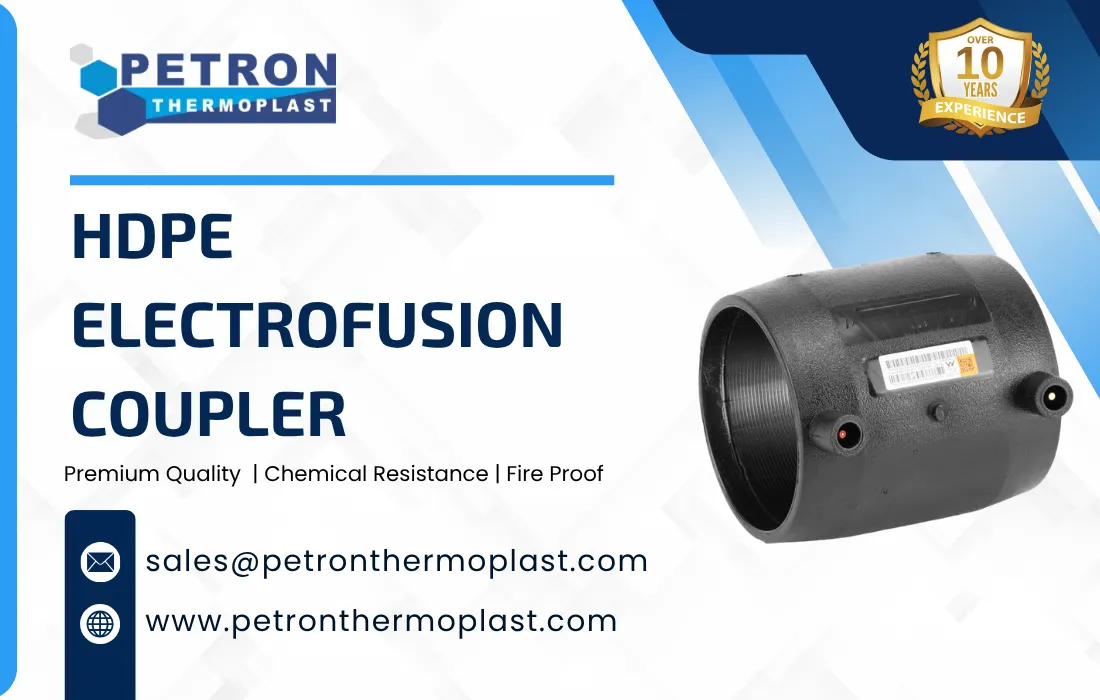
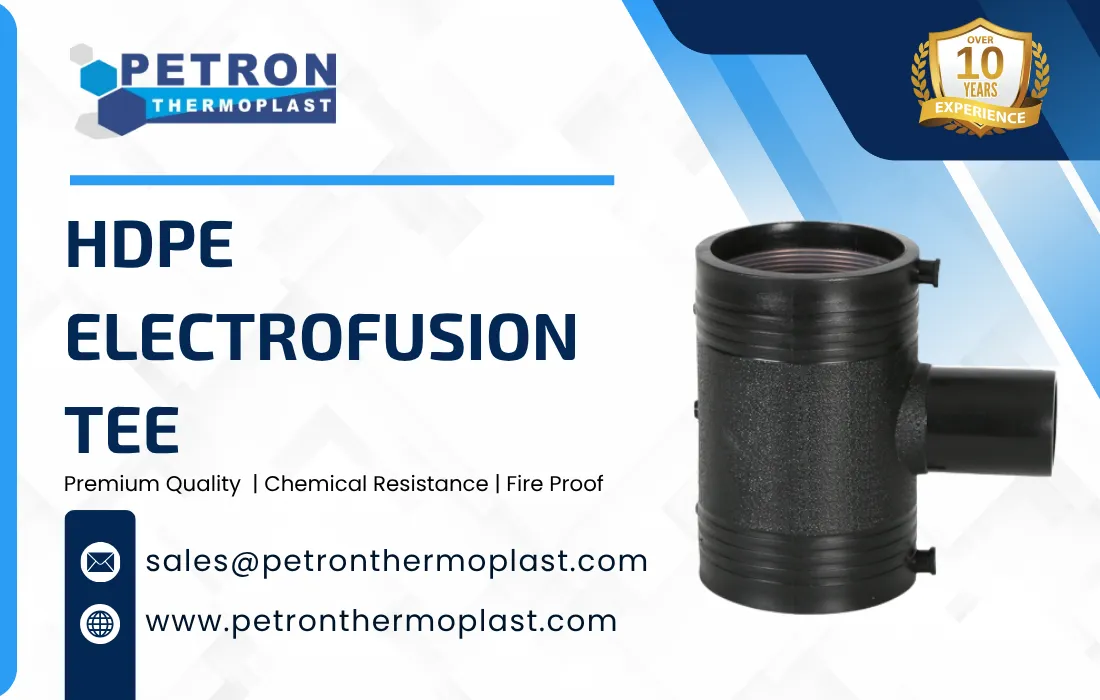
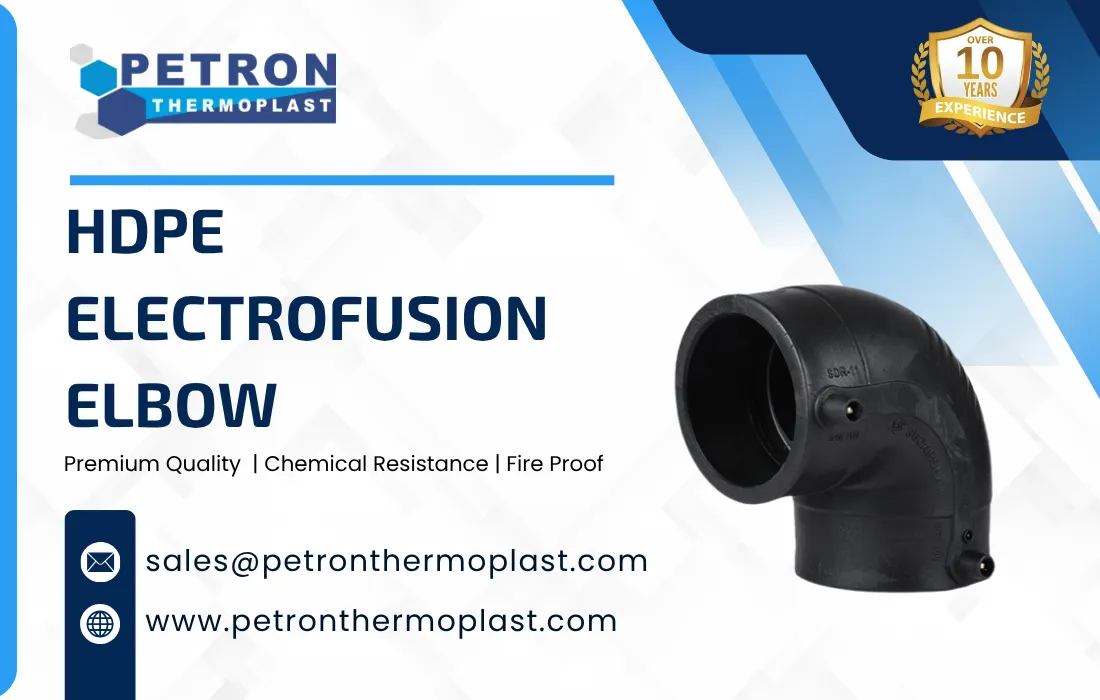
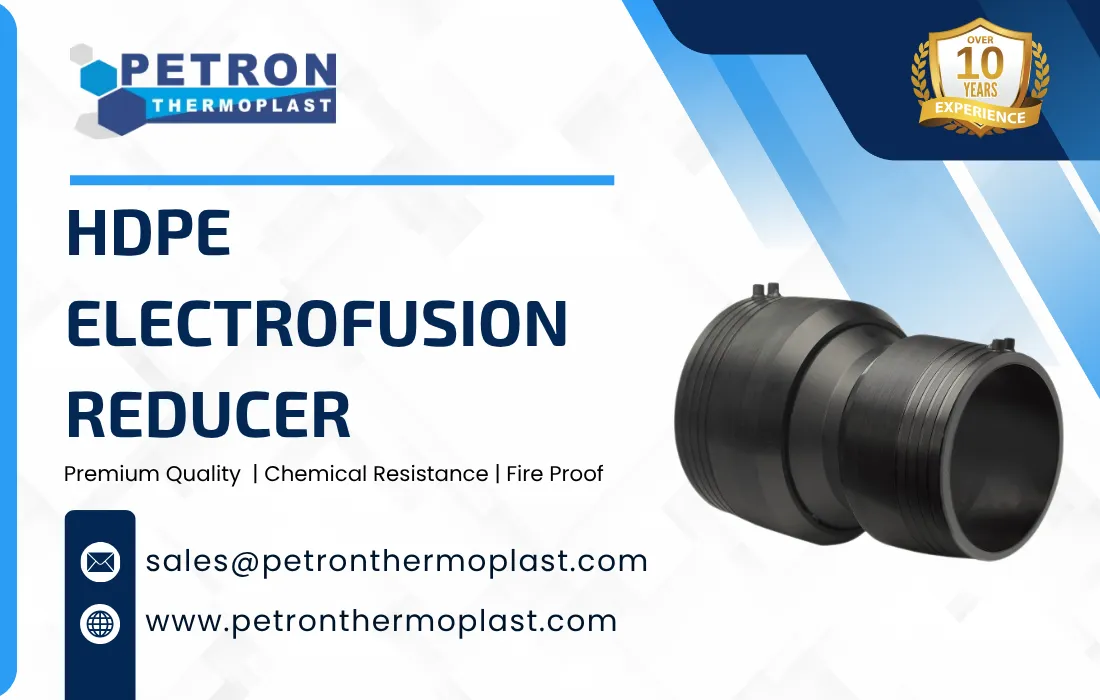
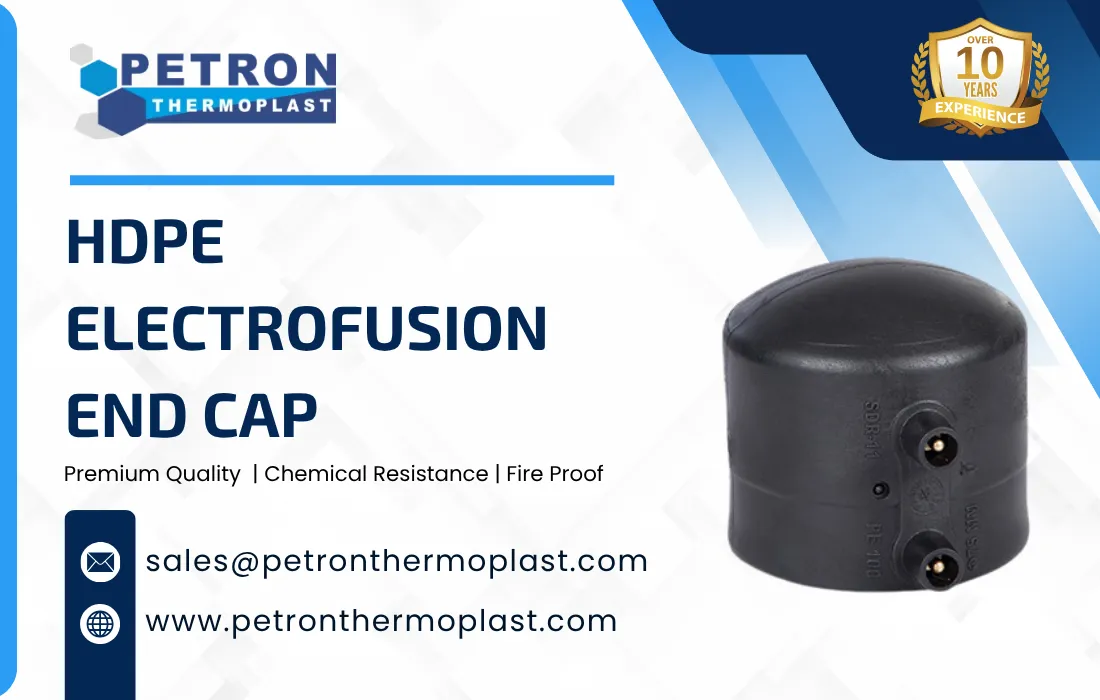
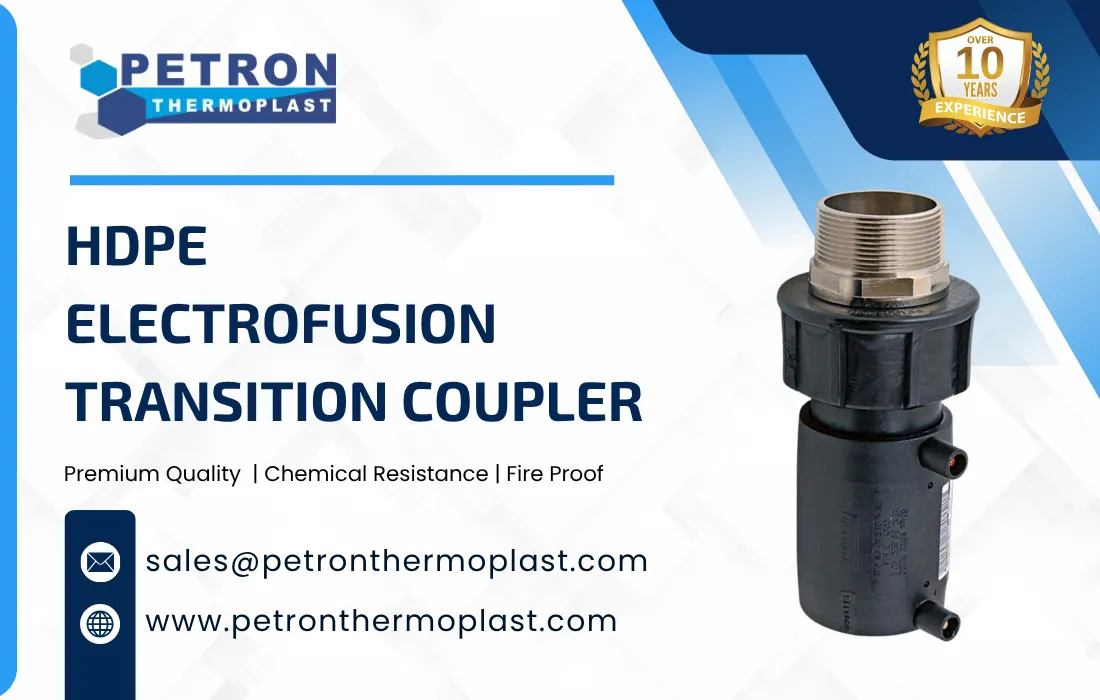
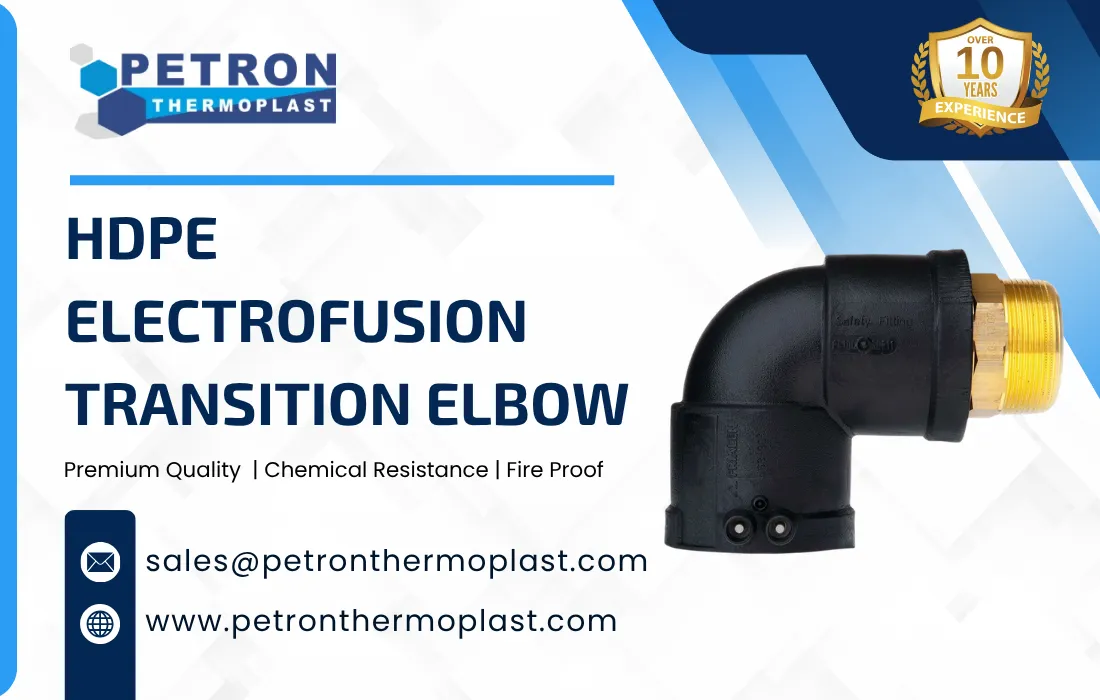
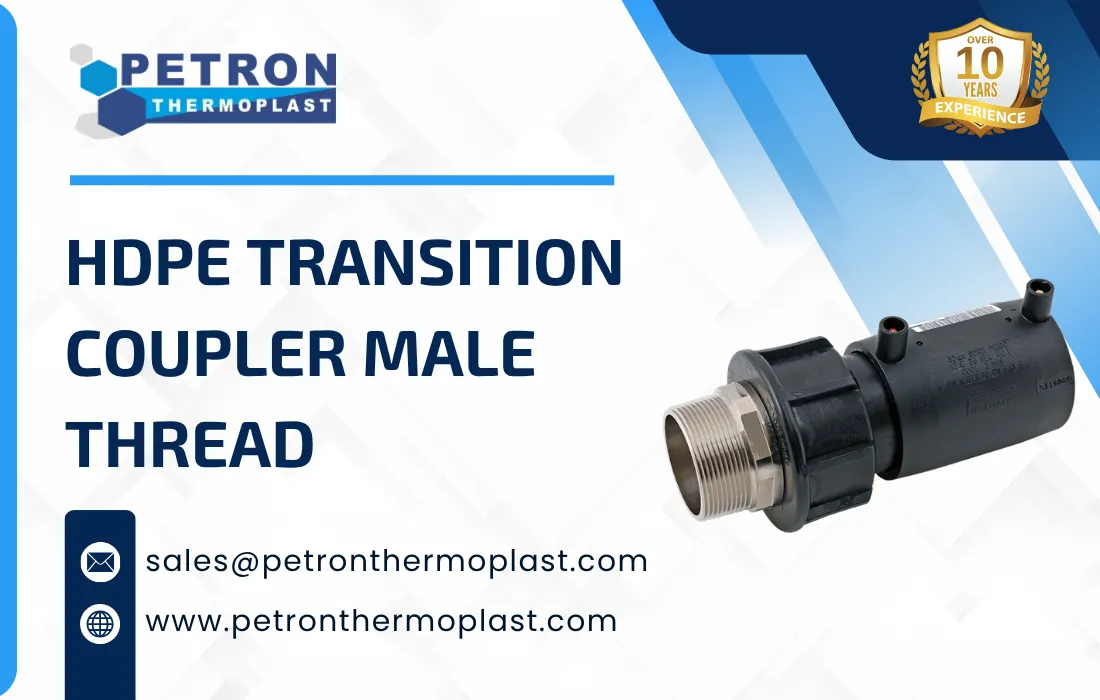
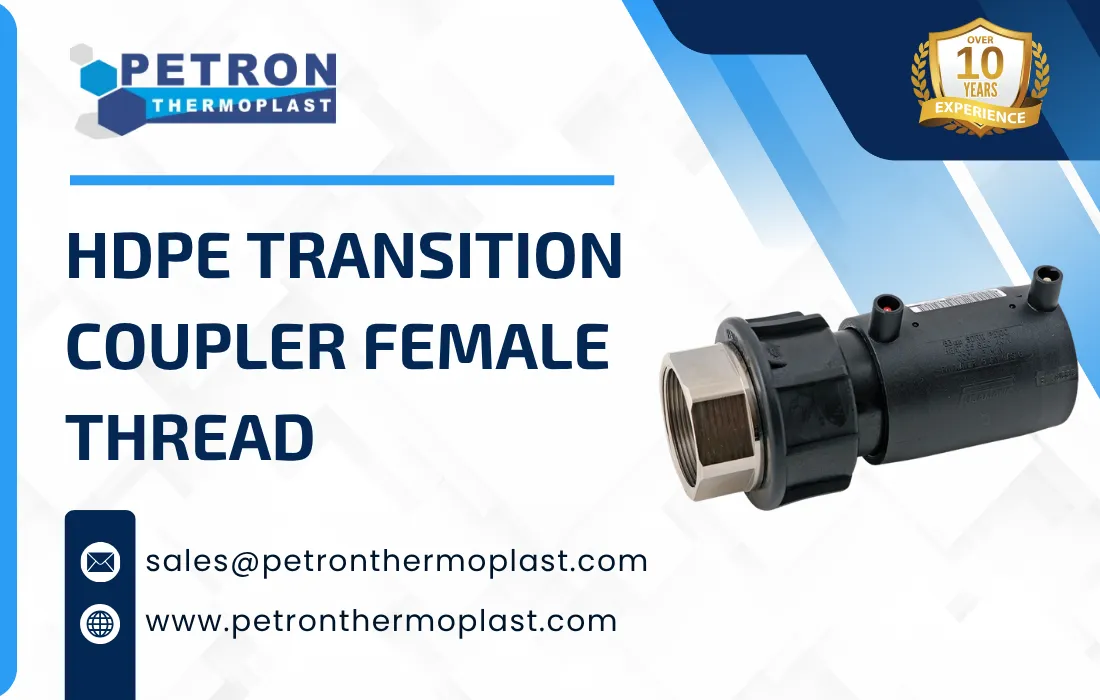
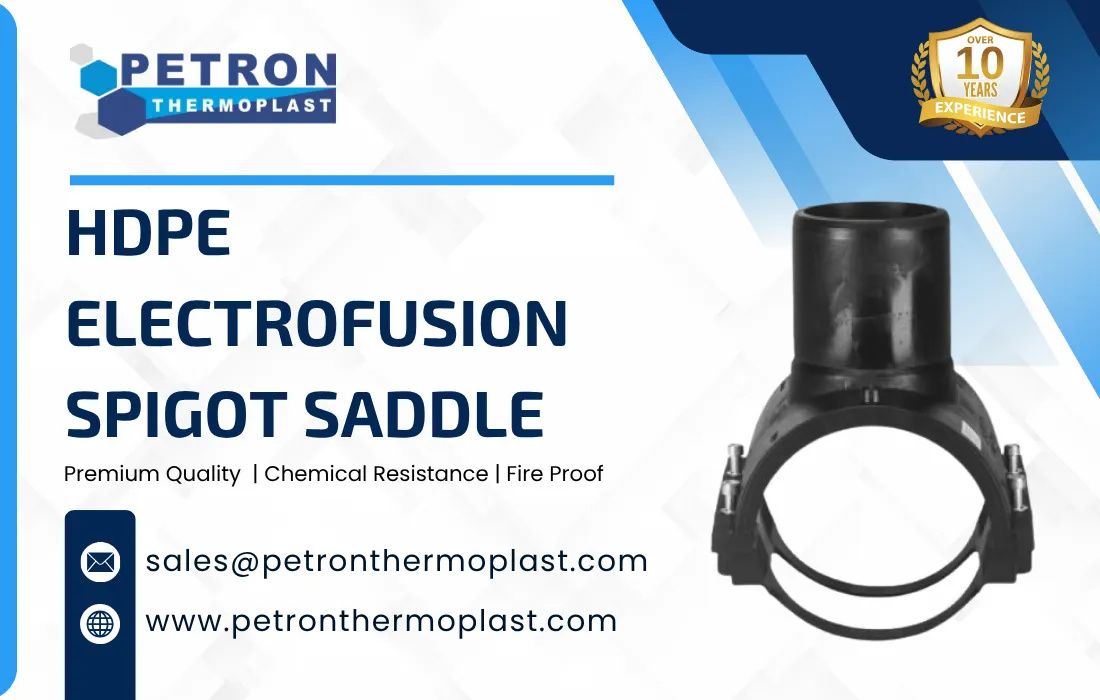
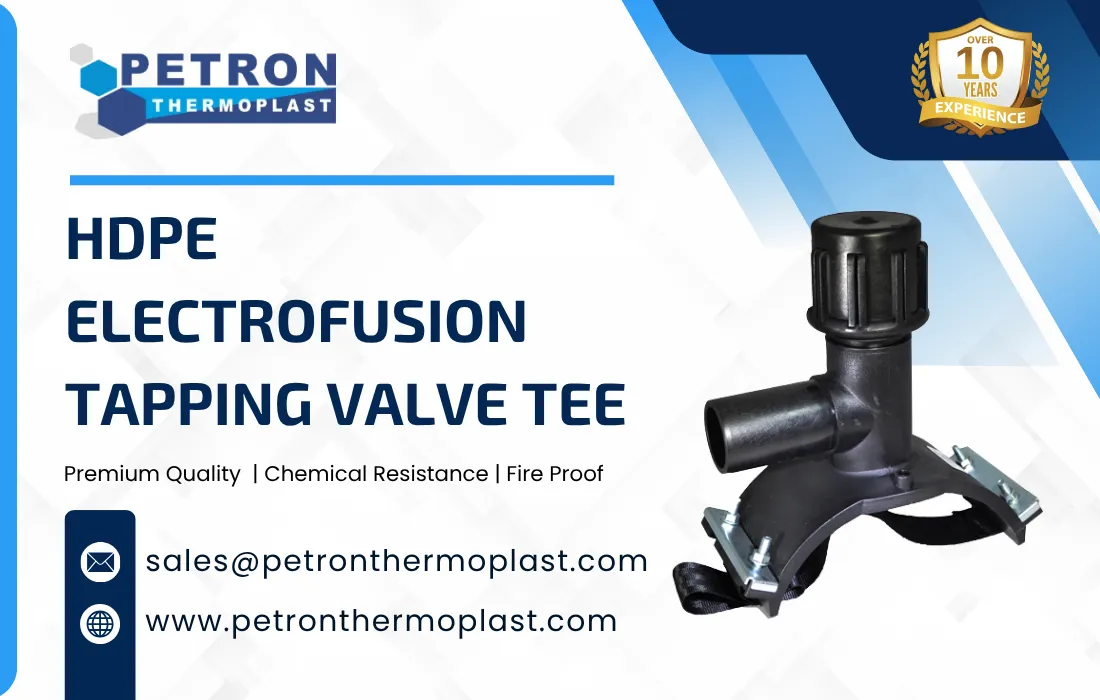
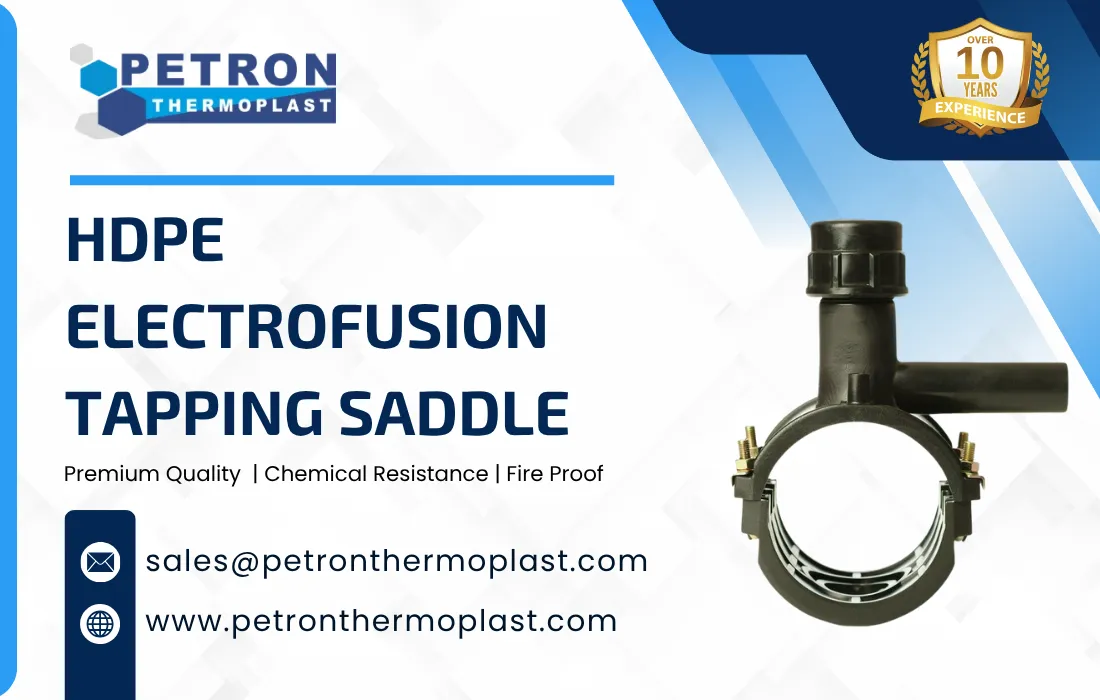
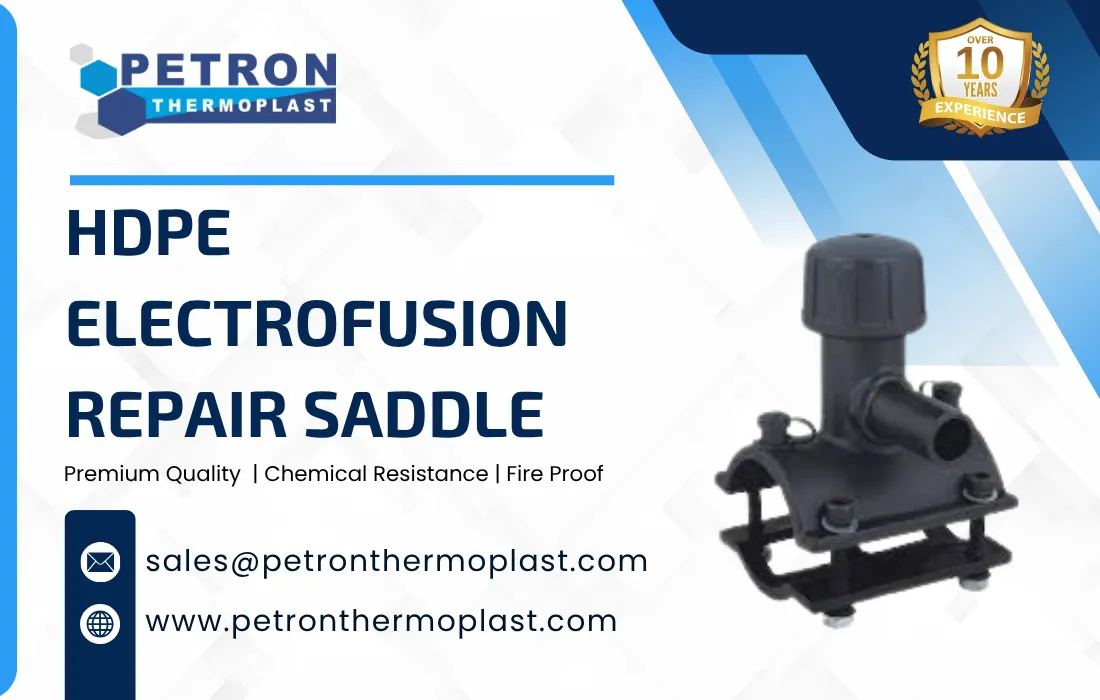
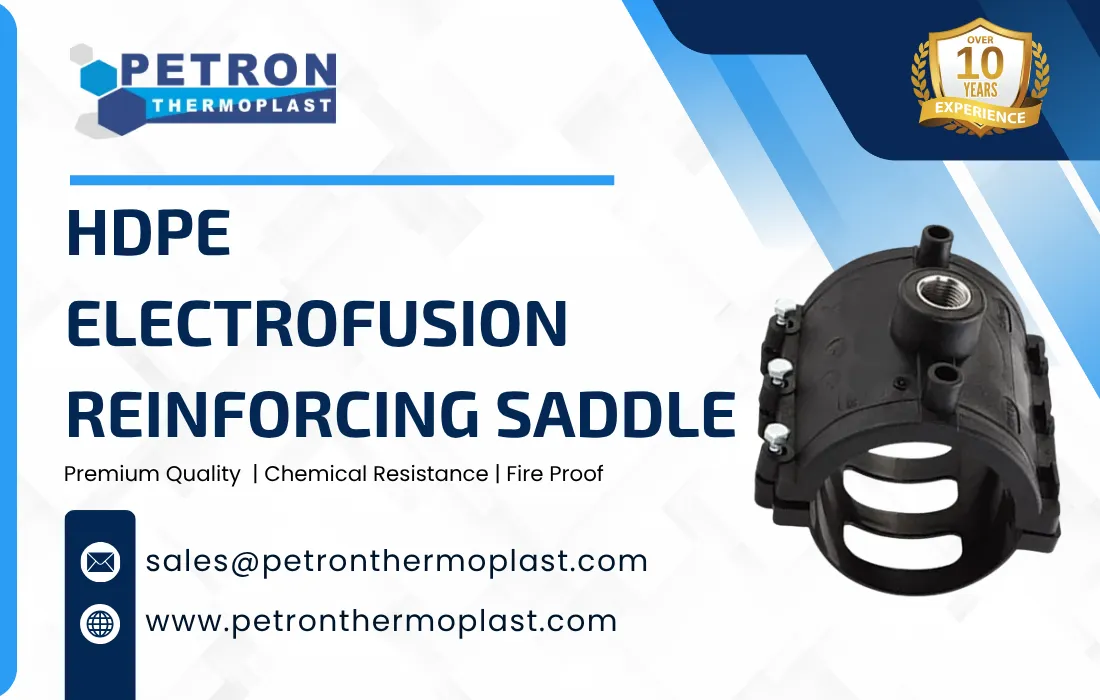
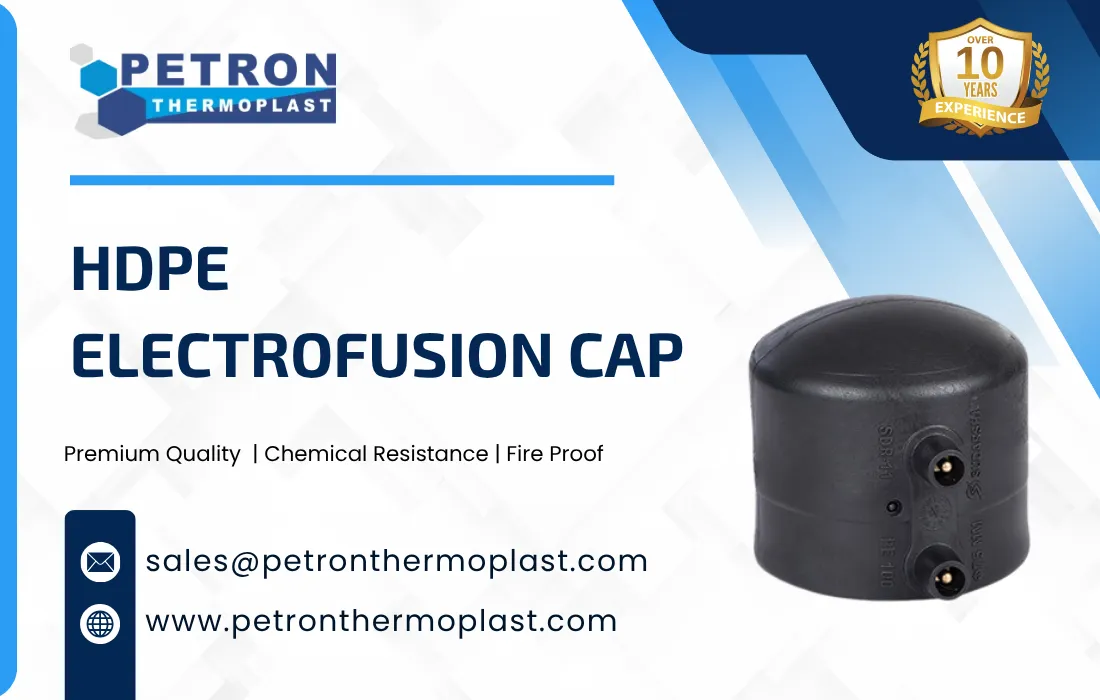
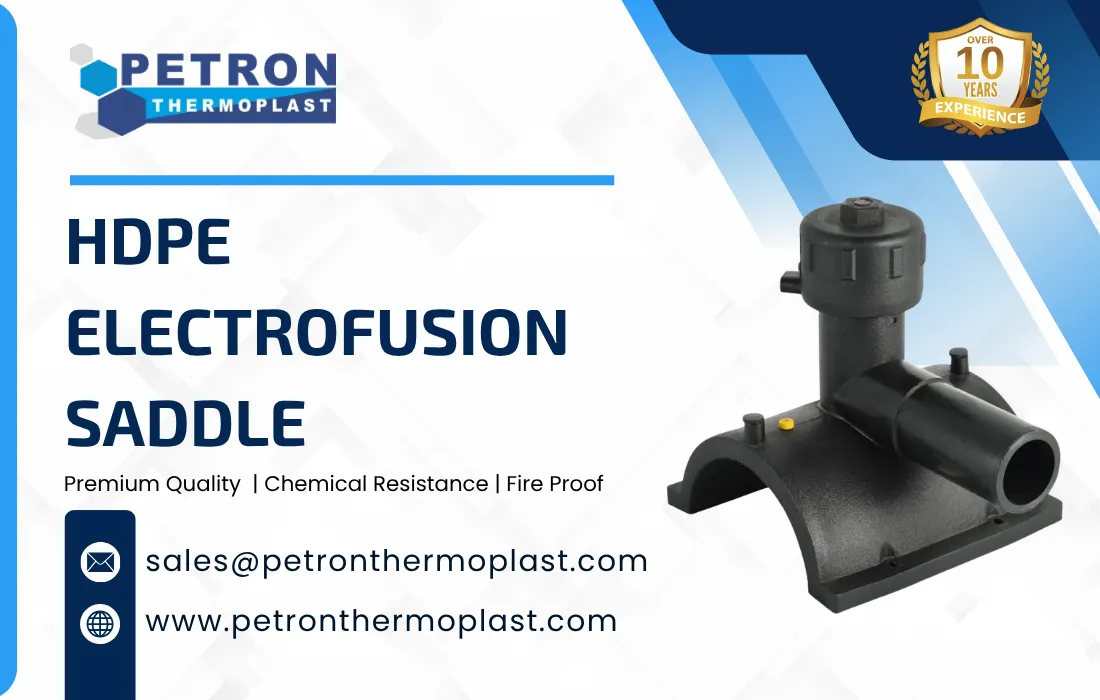
Electrofusion fittings are specialized HDPE components designed with embedded electric heating elements that, when energized, melt and fuse the fitting to the pipe surface. This technique provides a secure, leak-proof, and durable joint, making it ideal for high-pressure and critical pipeline applications. Electrofusion is especially preferred when working in confined spaces, where using large butt fusion equipment is impractical.
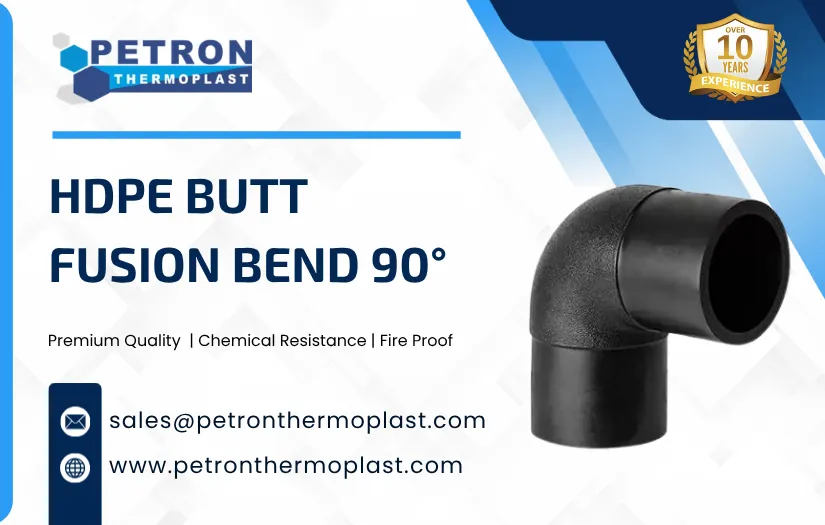
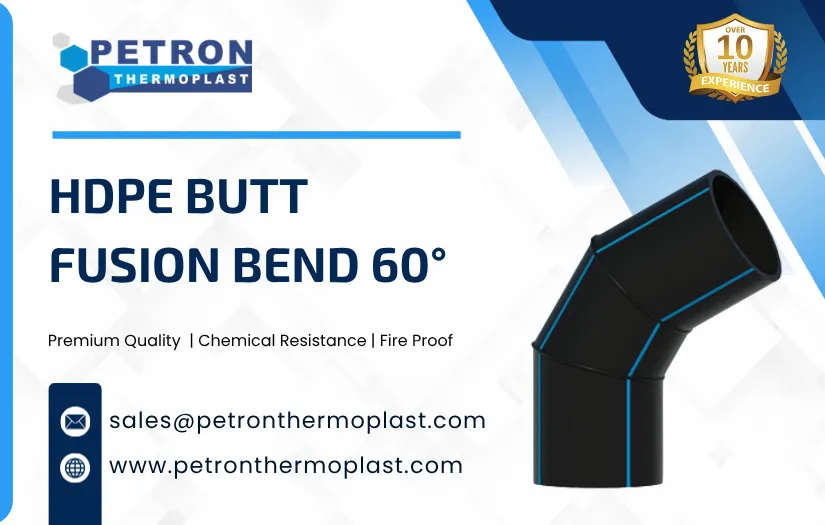
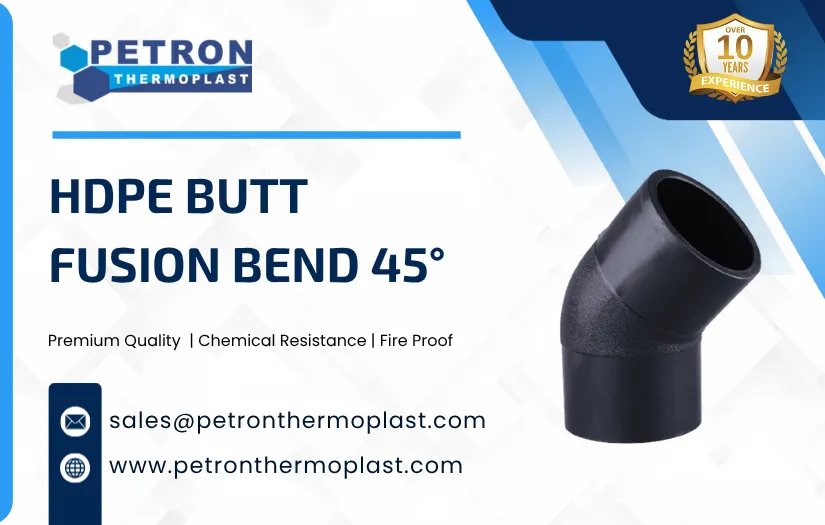
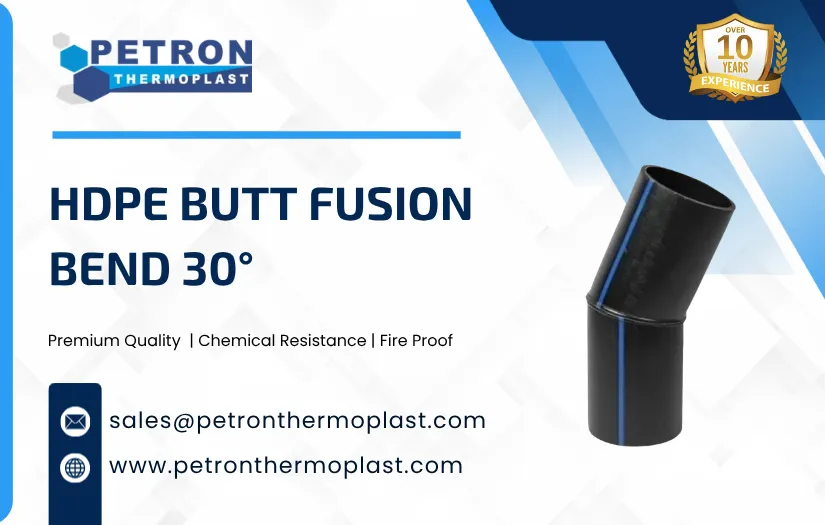
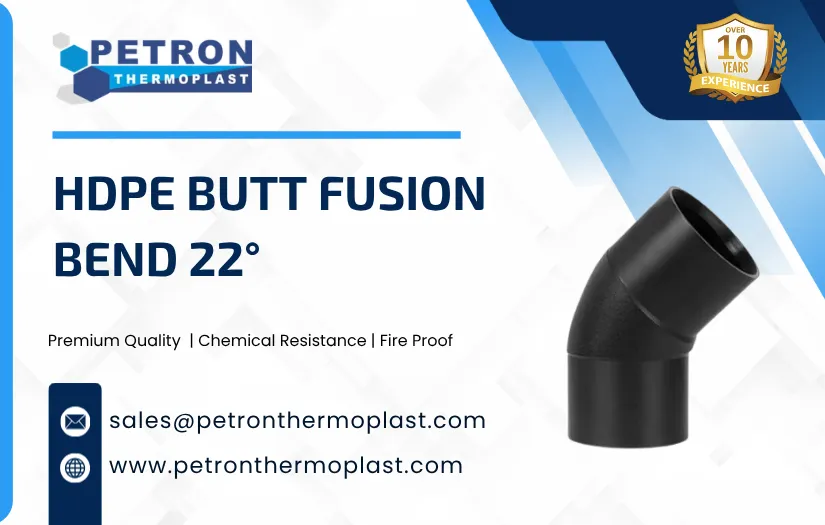
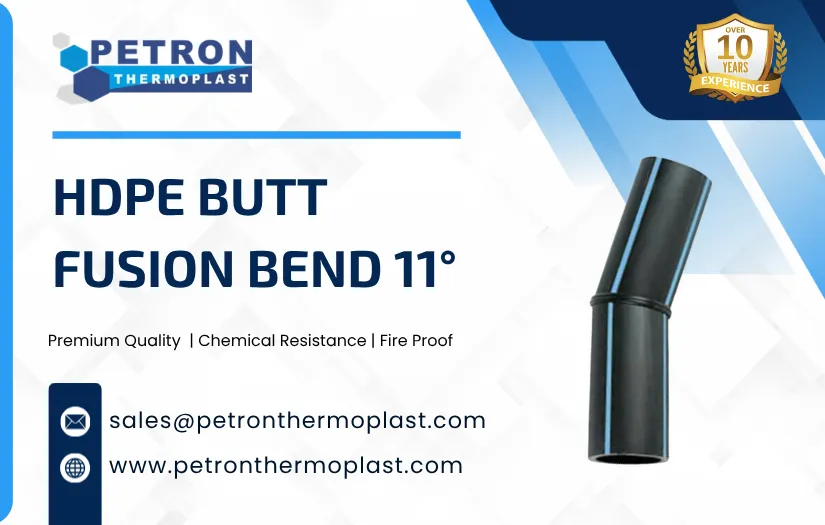
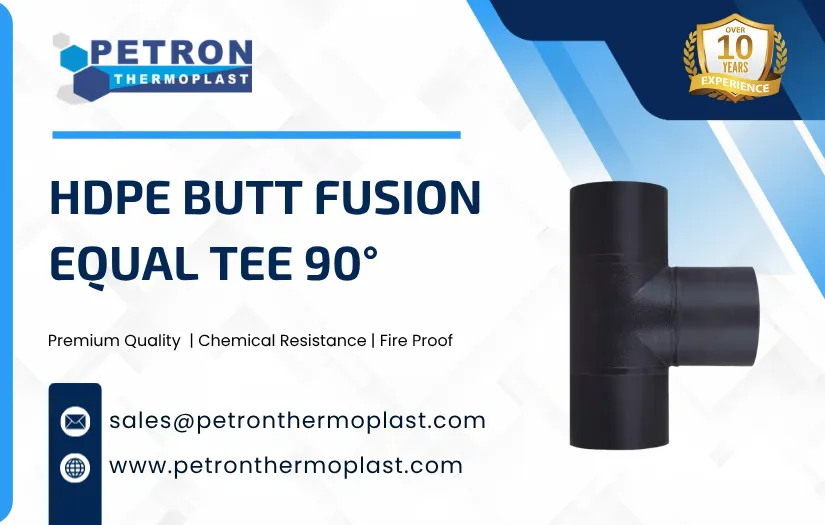
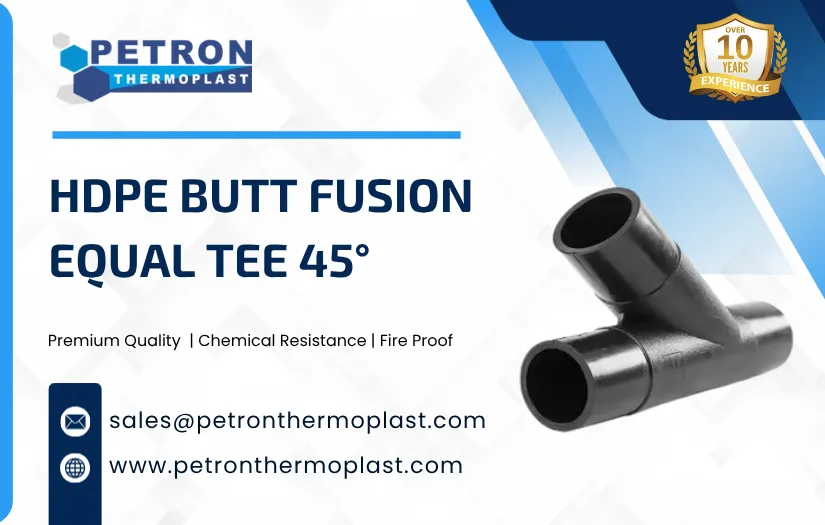
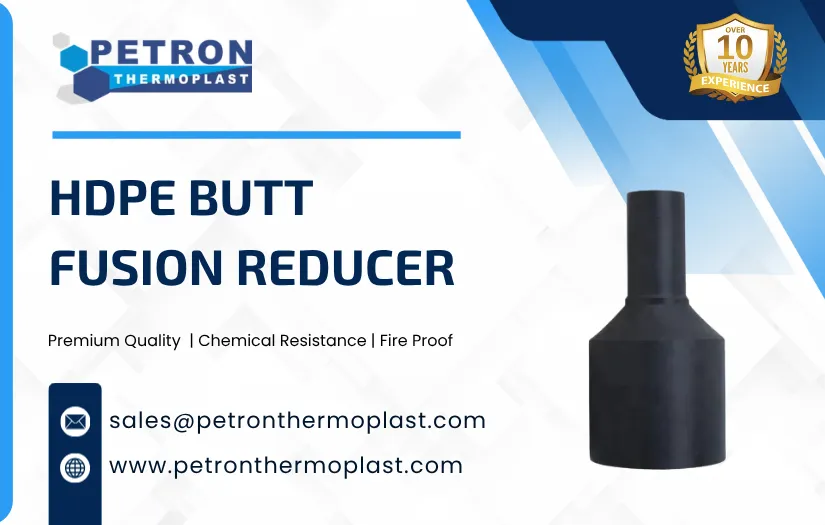
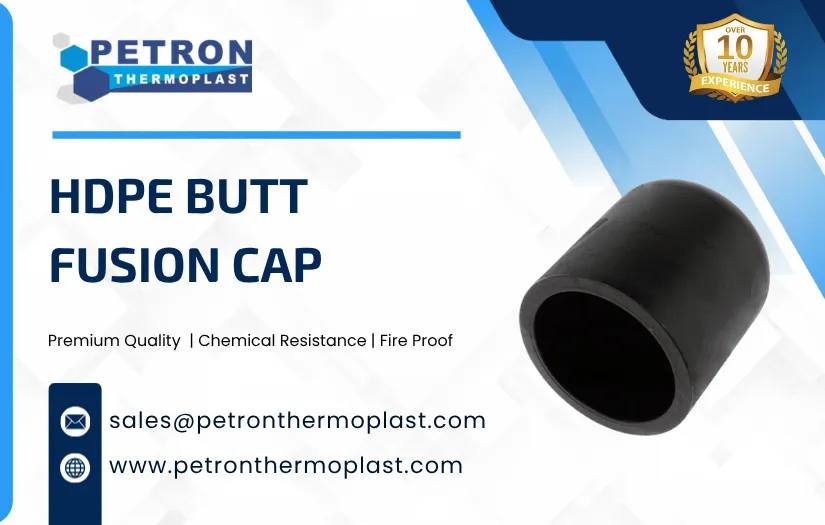
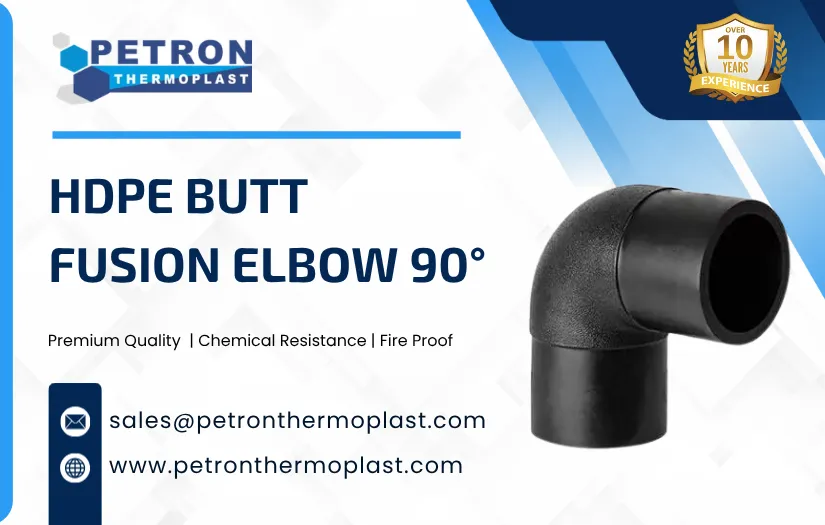
HDPE Butt Fusion Fittings
Butt fusion fittings are one of the most reliable and widely used types of HDPE pipe fittings. These fittings are joined using a butt fusion welding process, which involves heating the ends of both the pipe and the fitting to a precise temperature (typically around 200–220°C), then pressing them together under controlled pressure until they fuse into a single continuous piece. This results in a permanent, seamless, and high-integrity joint.