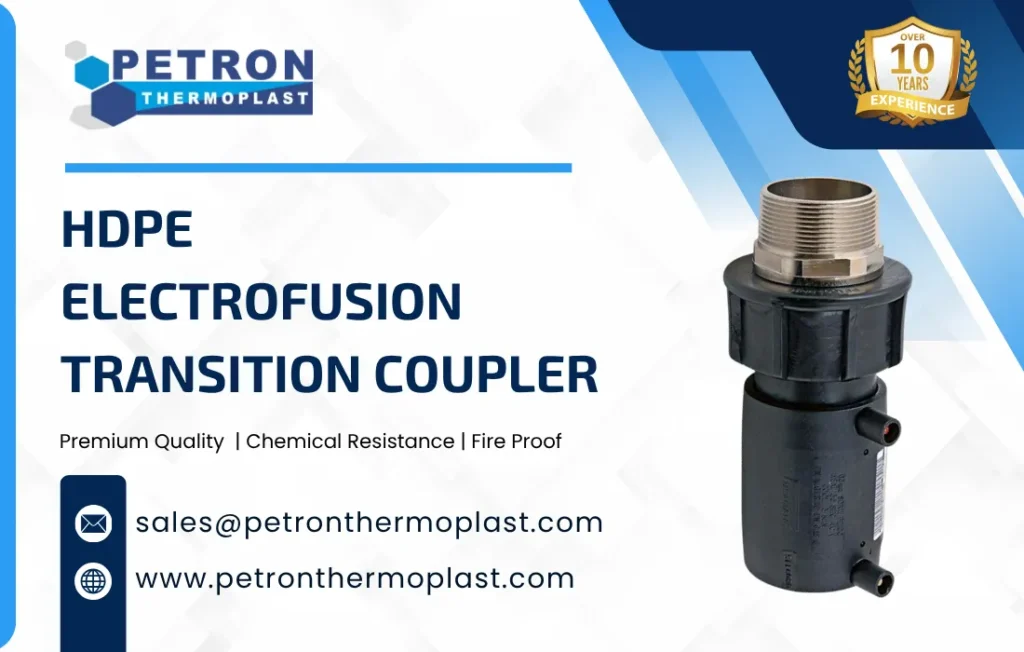
HDPE Electrofusion Transition Coupler
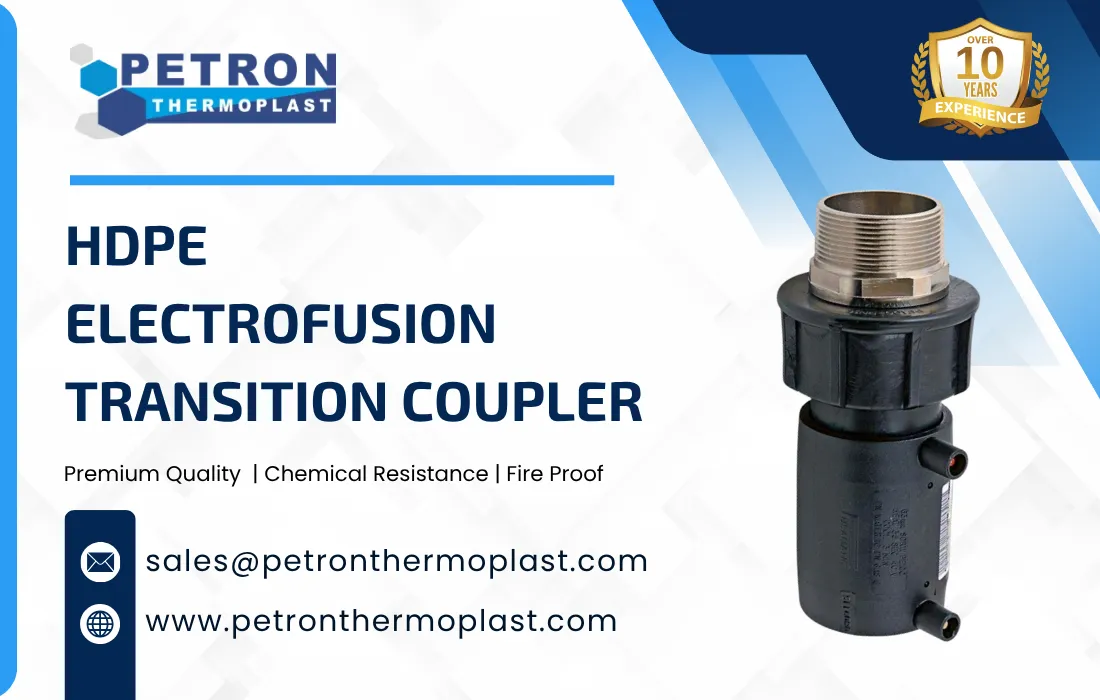
The HDPE Electrofusion Transition Coupler is specifically engineered to connect HDPE pipes with metal piping systems such as brass, or copper. This fitting features one end made of electrofusion-compatible HDPE and the other end with a metal insert, ensuring a secure, leak-free connection between dissimilar materials. Ideal for applications where traditional welding isn’t suitable, it provides long-term durability, chemical resistance, and mechanical strength.
An HDPE Electrofusion Transition Coupler is a specialized pipe fitting used to join an HDPE (High-Density Polyethylene) pipe to a pipe made of a different material such as metal, PVC, or other plastics using the electrofusion welding process. An electrofusion socket end (for welding with HDPE pipe using embedded heating coils). A transition end (threaded, flanged, or plain) designed to connect with non-HDPE piping systems.

- Chemical Resistance
- Low Maintenance Requirement
- Low Thermal Conductivity
- Long Service Life
- Easy Installation
- Corrosion Resistance
HDPE Electrofusion Transition Coupler Details
*Technical Diagram
*Technical Data
| Parameter | Description |
| Material (HDPE Side) | High-Density Polyethylene (PE80 / PE100) |
| Material (Transition End) | Brass, Stainless Steel, Carbon Steel, or PVC |
| Joining Method | Electrofusion (HDPE side) + Threaded / Flanged / Compression (other side) |
| Operating Pressure | Typically PN10, PN12.5, PN16 (depending on design and size) |
| Voltage Requirement | 39V or 230V (based on electrofusion machine) |
| Temperature Range | -10°C to 45°C (installation), up to 60°C (operation) |
| Standards Compliance | ISO 4427, ISO 4437, ASTM F1055, EN 12201 |
| Coil Type | Embedded copper heating wire |
| Fusion Time | Varies with size (generally 30–300 seconds) |
| Cooling Time | 5–20 minutes depending on pipe diameter |
| Structure | Cylindrical body with one electrofusion socket and one transition end |
| Size Range | Typically 20 mm to 315 mm (larger sizes available) |
| Color | Black (HDPE body), metallic or custom finish on transition end |
| Weight | Varies by size and material (lightweight compared to metal fittings) |
| Surface Finish | Smooth internal bore for low friction and efficient flow |
| Corrosion Resistance | Excellent (HDPE side is corrosion-free) |
| Leakage Proof | High integrity joint due to fusion welding |
| Mechanical Strength | High tensile and impact resistance |
| Design | Compact, robust, and suitable for underground and above-ground use |
- Combines HDPE with metal connections for system compatibility
- One-piece, factory-assembled transition for easy installation
- Leak-proof fusion joint on HDPE side
- Corrosion-resistant metal insert (usually brass or stainless steel)
- High chemical, pressure, and temperature resistance
- Suitable for gas, water, and industrial fluid pipelines
| HDPE Material | SDR Value | Typical Pressure Rating |
| PE100 | SDR 11 | PN16 (16 bar) |
| PE100 | SDR 17 | PN10 (10 bar) |
| PE80 | SDR 11 | PN12.5 (12.5 bar) |
| PE80 | SDR 17 | PN8 (8 bar) |

Custom Product Manufacturing Available
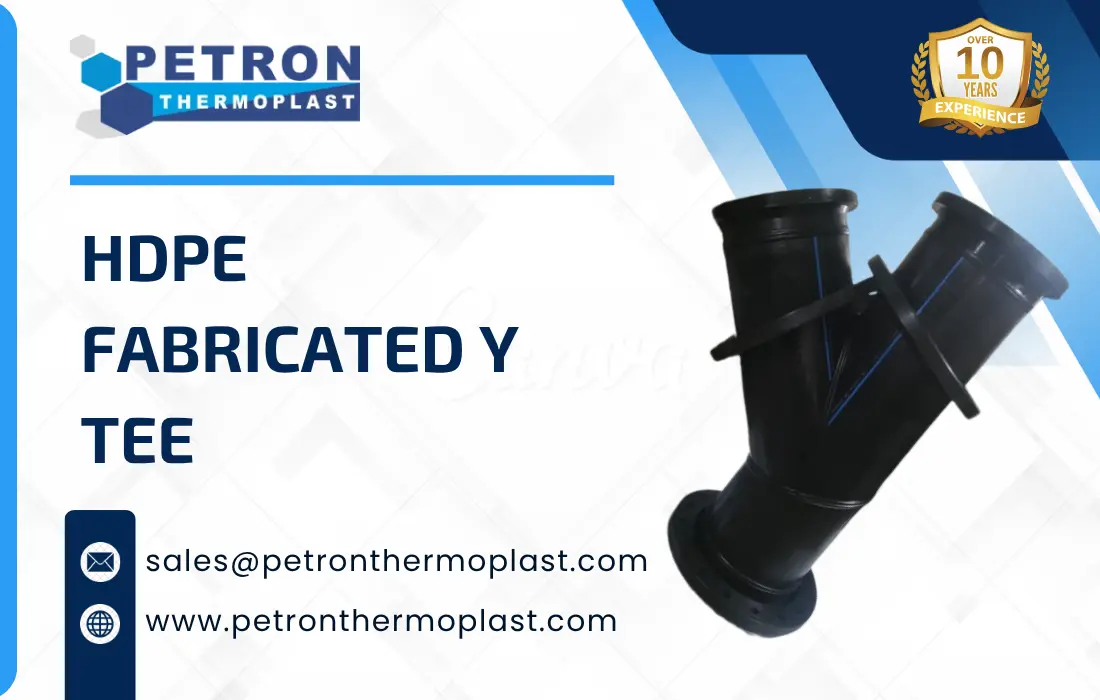
If you are searching for customized product designs that meet your requirements, don’t worry. Petron Thermoplast also offers custom product manufacturing services to meet the unique needs of various industries. Work with our expert engineers to create custom designs suited for your application.
Benefits of Using HDPE Electrofusion Transition Coupler
1. Leak-Proof Joint
- Electrofusion creates a homogeneous bond between the fitting and HDPE pipe
- Eliminates chances of leakage, ensuring long-term reliability
2. Multi-Material Compatibility
- Allows connection between HDPE and other materials like steel, brass, or PVC
- Ideal for mixed pipeline systems
3. High Strength & Durability
- Provides strong and permanent joints
- Resistant to impact, pressure, and environmental stress
4. Corrosion & Chemical Resistance
- HDPE side is completely corrosion-free
- Suitable for aggressive chemicals and harsh environments
5. Easy & Safe Installation
- Uses electrofusion welding, which is simple and controlled
- Reduces human error compared to traditional joining methods
6. Suitable for Underground Use
- Excellent for buried pipelines due to its durability and leak-proof nature
- No need for frequent maintenance
7. Long Service Life
- Designed to last 50 years or more under normal operating conditions
8. Versatile End Connections
- Available in threaded, flanged, or compression ends
- Flexible for different installation requirements
9. Reduced Maintenance Cost
- Leak-proof and corrosion-resistant design leads to minimal maintenance
10. High Pressure Handling
- Can withstand medium to high pressure systems (up to PN16) depending on design
11. Reliable in Harsh Conditions
- Performs well under temperature variations and soil movement
- Ideal for water supply, gas distribution, and industrial applications
Types of HDPE Electrofusion Transition Coupler
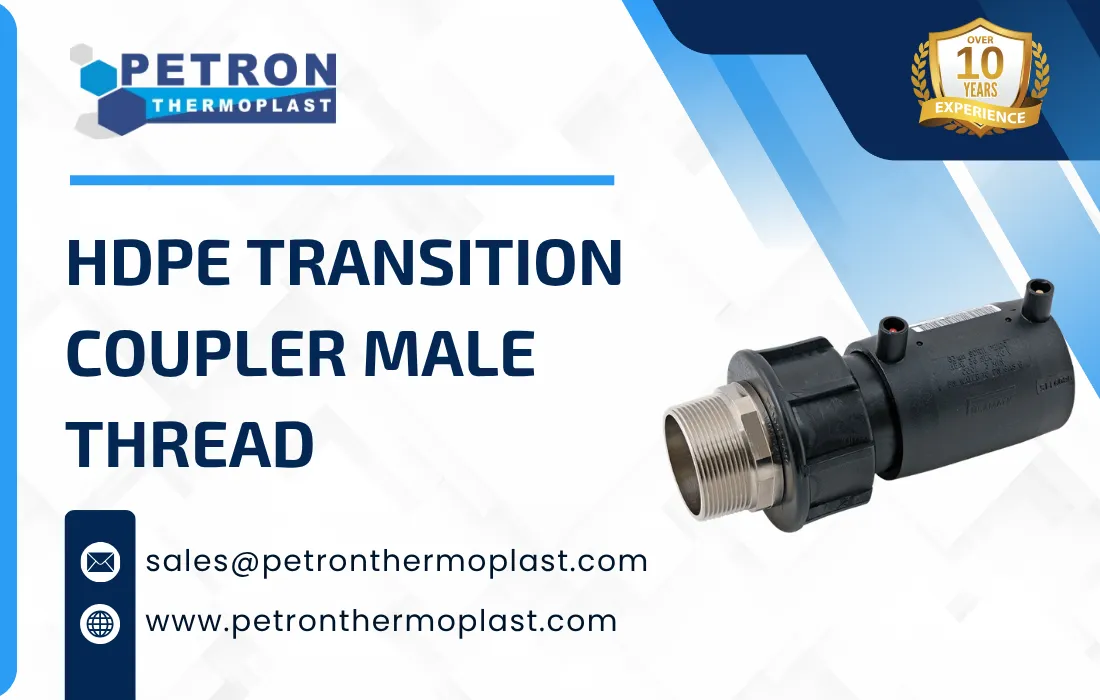
1. Threaded Transition Coupler (Male)
- One end: Electrofusion socket (HDPE)
- Other end: Male threaded metal insert
- Used to connect HDPE pipe with threaded fittings or valves
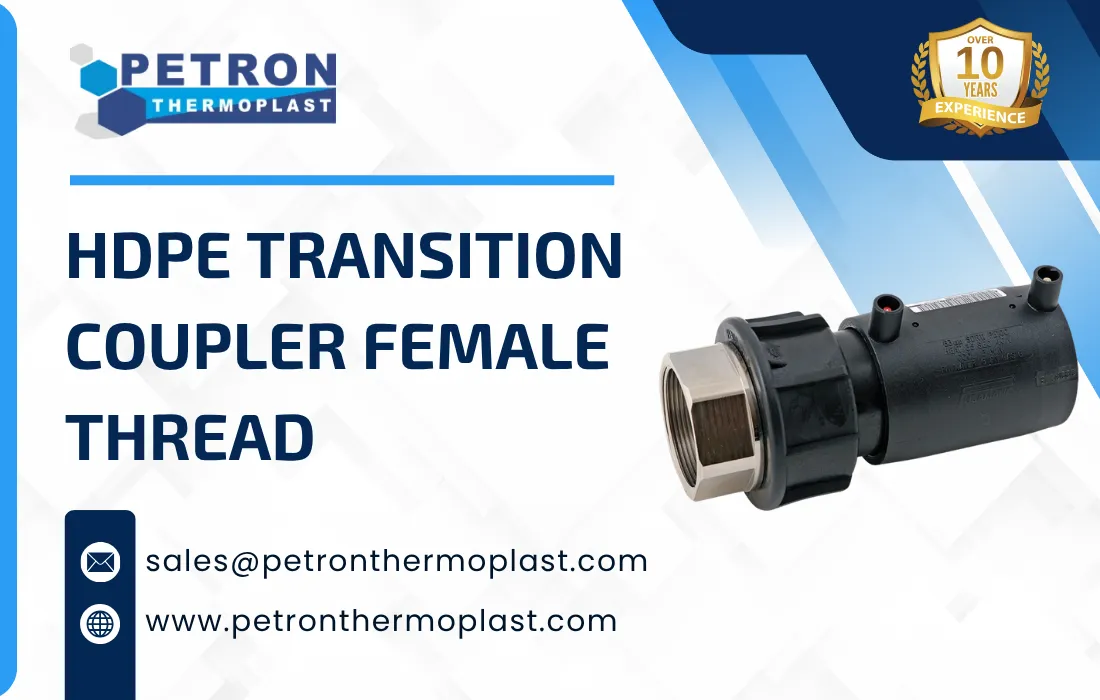
2. Threaded Transition Coupler (Female)
- One end: Electrofusion socket
- Other end: Female threaded metal insert
- Suitable for joining with male threaded components
3. Flanged Transition Coupler
- Comes with a flange end on the transition side
- Used for connections with pumps, valves, or flanged pipelines
- Easy to assemble and disassemble
4. Compression Transition Coupler
- Transition end uses a compression fitting mechanism
- Quick and easy installation without threading
- Common in water distribution systems
5. Plain End (Spigot) Transition Coupler
- Has a plain or spigot metal/PVC end
- Requires welding or additional fittings for connection
- Used in customized or industrial setups
6. Steel Transition Coupler
- Transition side made of carbon steel or stainless steel
- Designed for high-pressure and heavy-duty applications
7. Brass Transition Coupler
- Uses brass insert on the transition side
- Offers good corrosion resistance and durability
- Common in water systems
8. PVC/Plastic Transition Coupler
- Transition end made of PVC or other plastics
- Used in lightweight and low-pressure systems
9. Reinforced Transition Coupler
- Designed with extra strength and thicker body
- Suitable for high-stress and industrial environments
10. Custom/Hybrid Transition Coupler
- Manufactured as per specific project requirements
- Can include combinations like flange + thread, or special coatings
Applications of HDPE Electrofusion Transition Coupler
Process Industry
High Purity Applications
Electronic Industry
Electrical Industry
Semi-conductors Industry
Pharmaceutical Industry
Solar power panels
Sugar Industry
Paper & Pulp Industry
Nuclear Power Industry
Automotive Industry
DI water plants
Why Choose Petron Thermoplast?
Petron Thermoplast specialises in manufacturing world-class chemical, sewerage & drainage piping systems for commercial applications, and HDPE Electrofusion Transition Coupler for industrial applications, including infrastructure projects. As a leading HDPE manufacturer and maker of HDPE in India, Petron Thermoplast also serves the sector through products in borewell categories. as we exclusively bring Petron Thermoplast HDPE chemical systems to the market – the first choice globally for potable chemical applications. Petron Thermoplast’s robust distribution network, combined with best-in-class technology, is set to create a strong & sustainable presence in the chemical Industry.
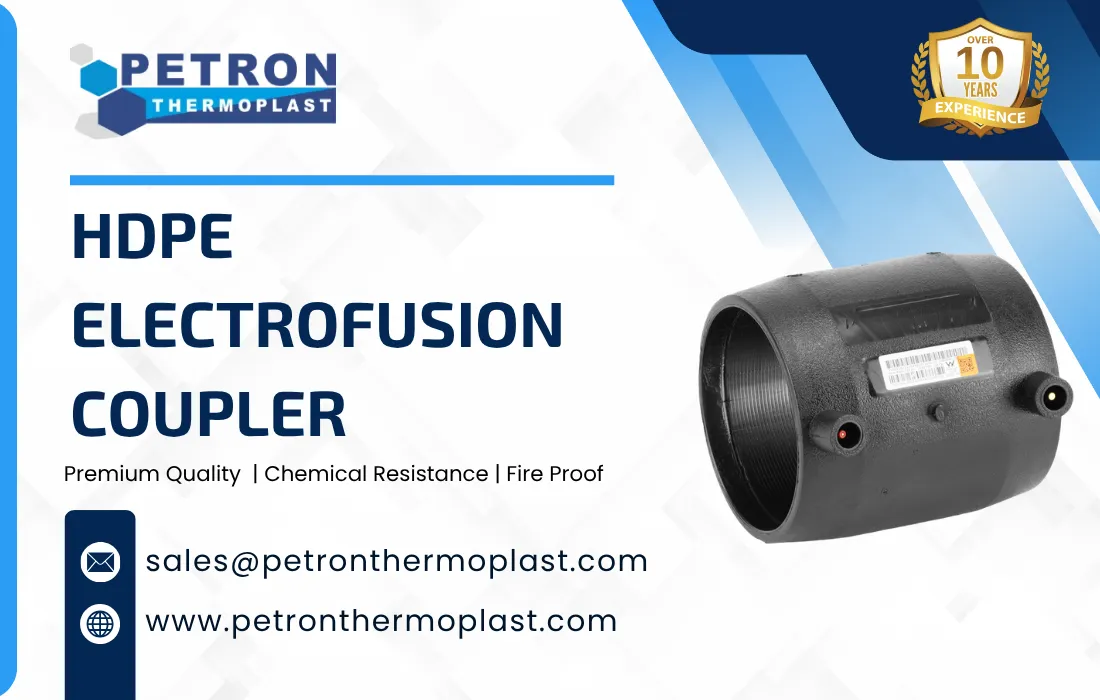
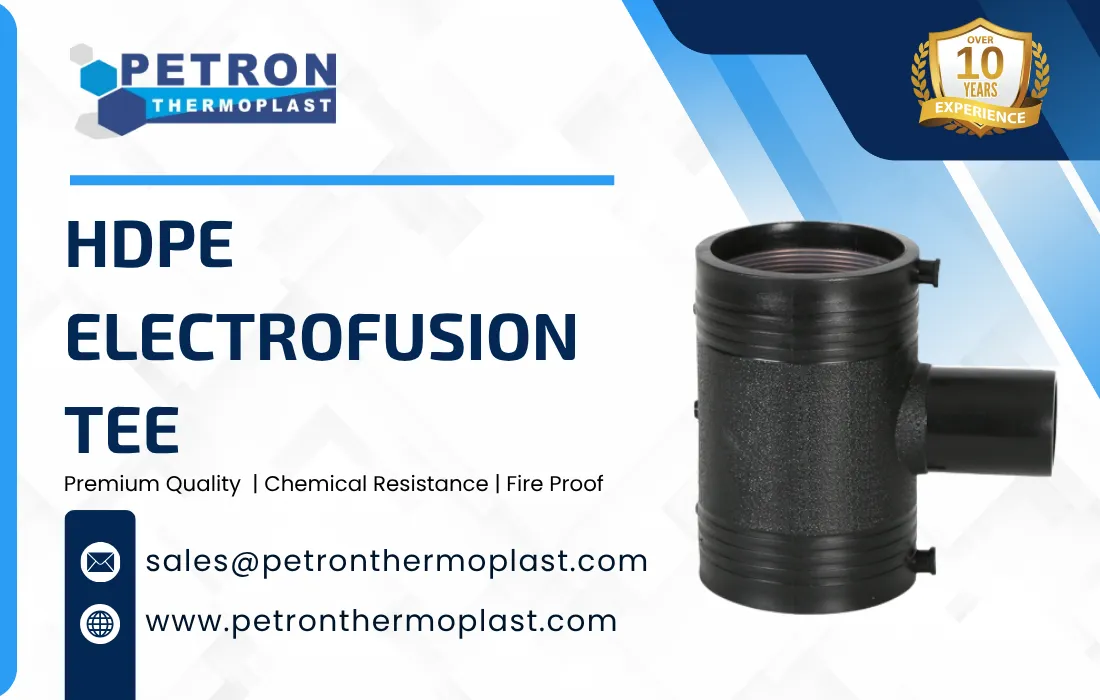
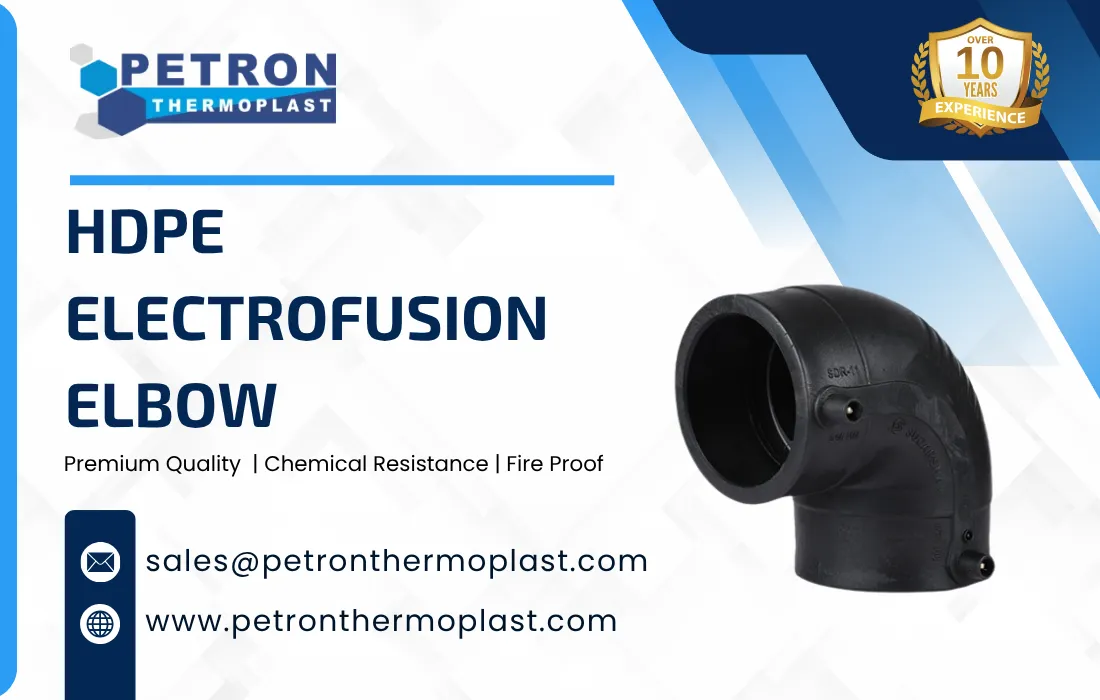
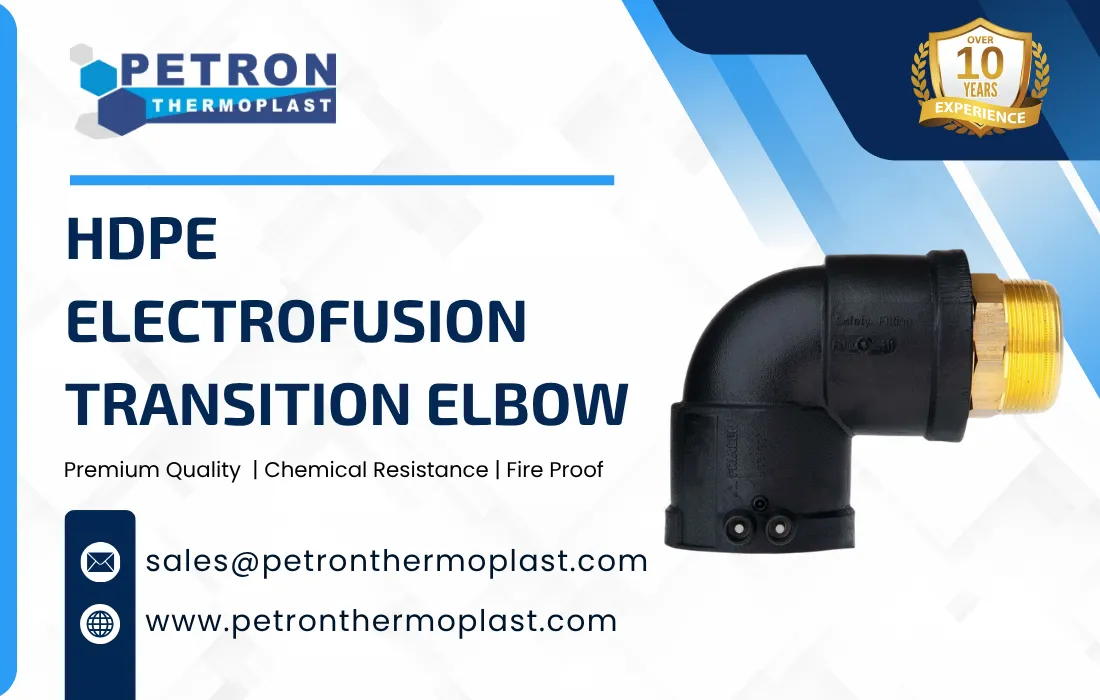
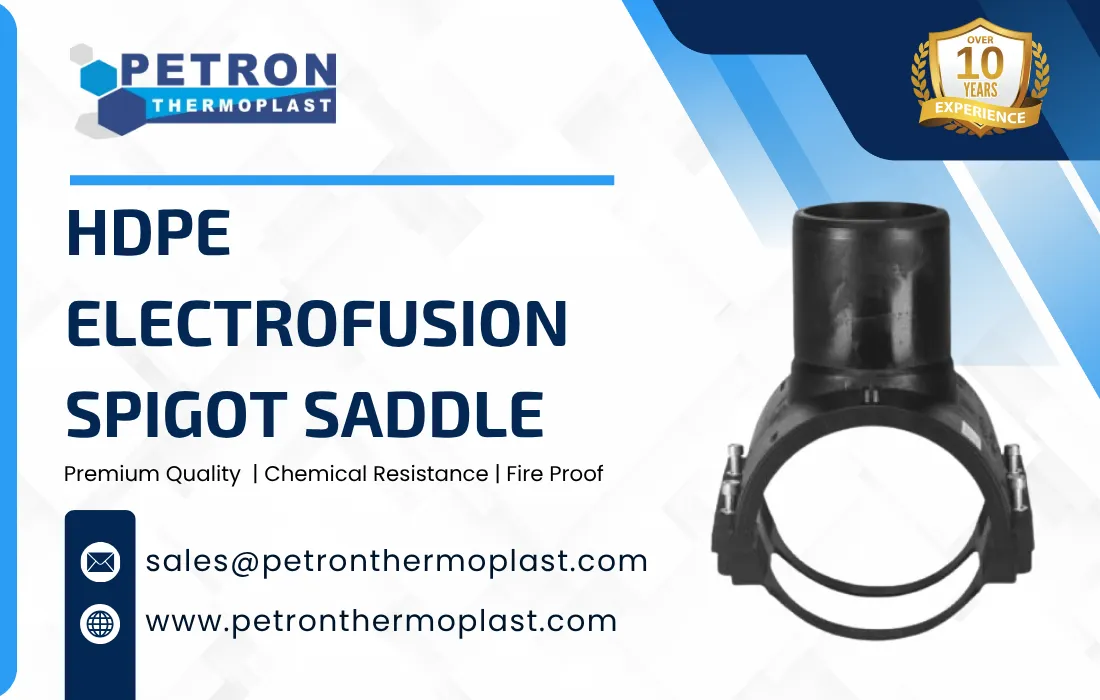
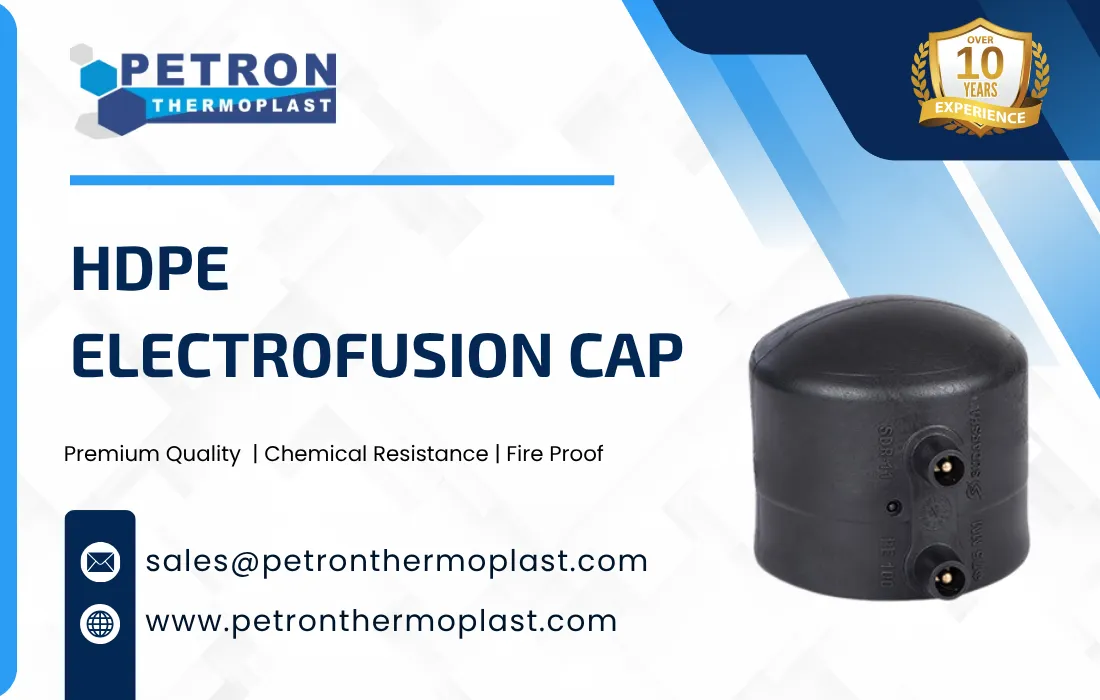
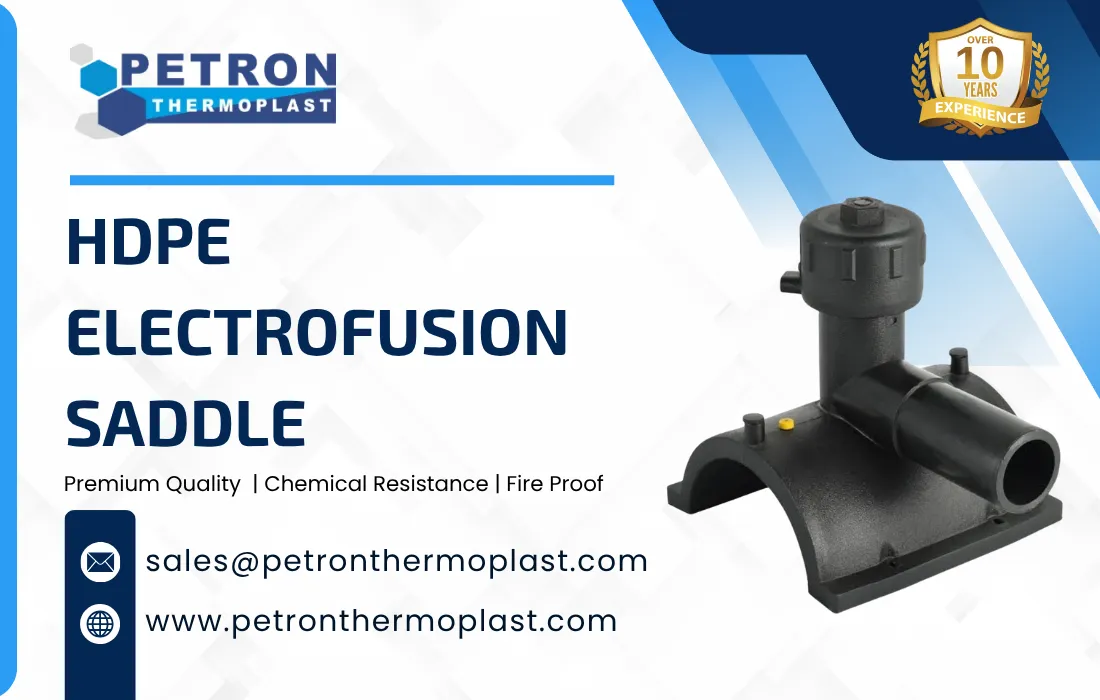
HDPE Electro Fusion Fittings
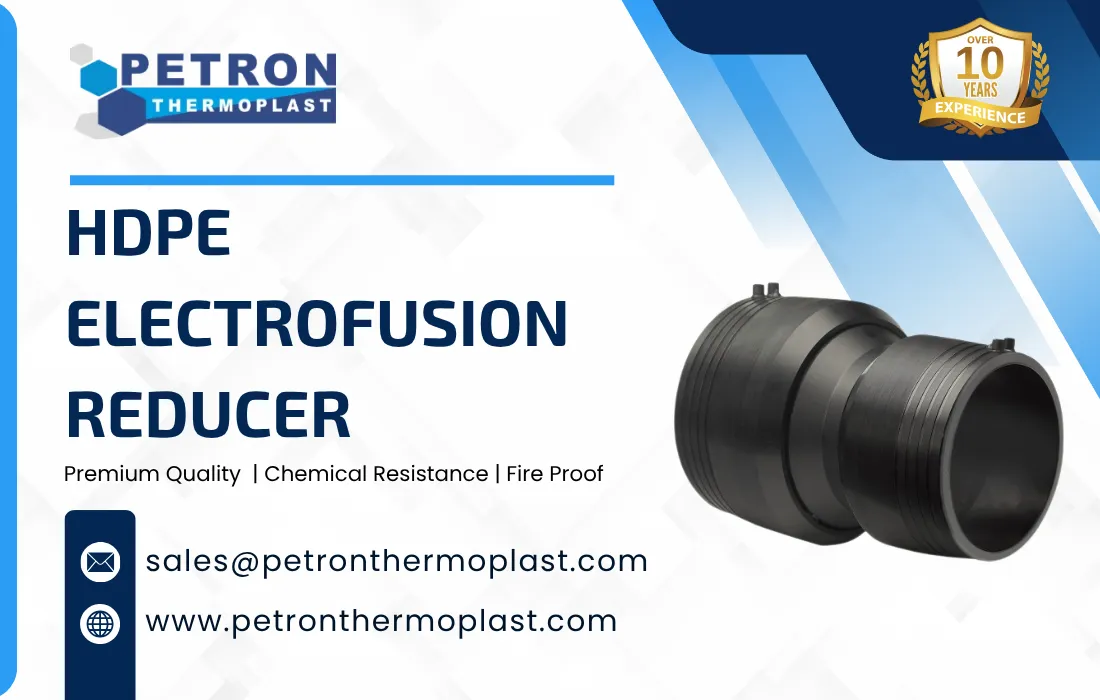
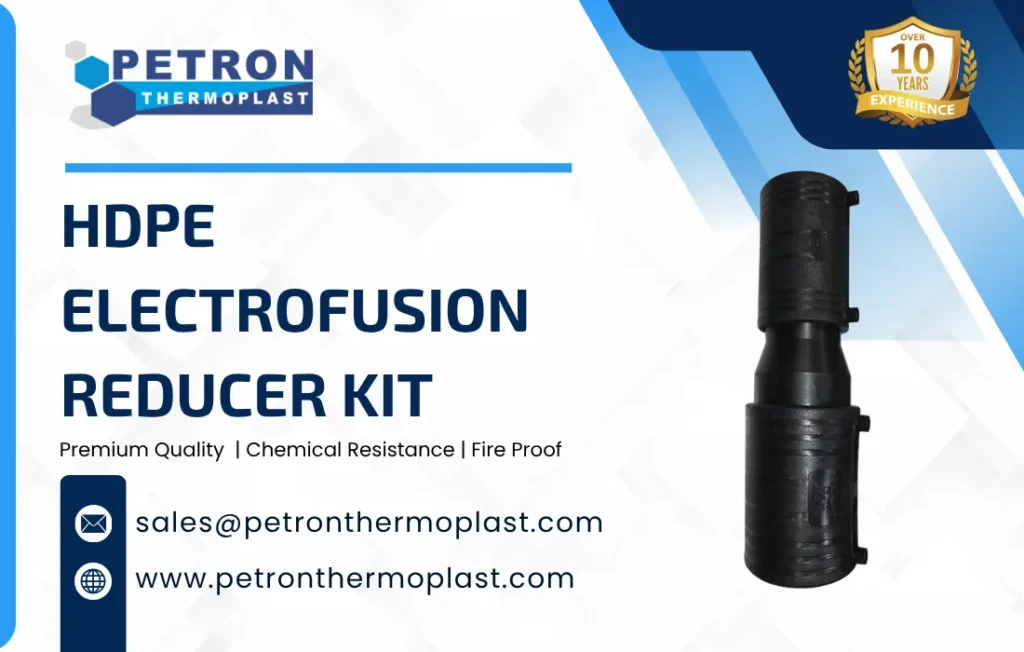
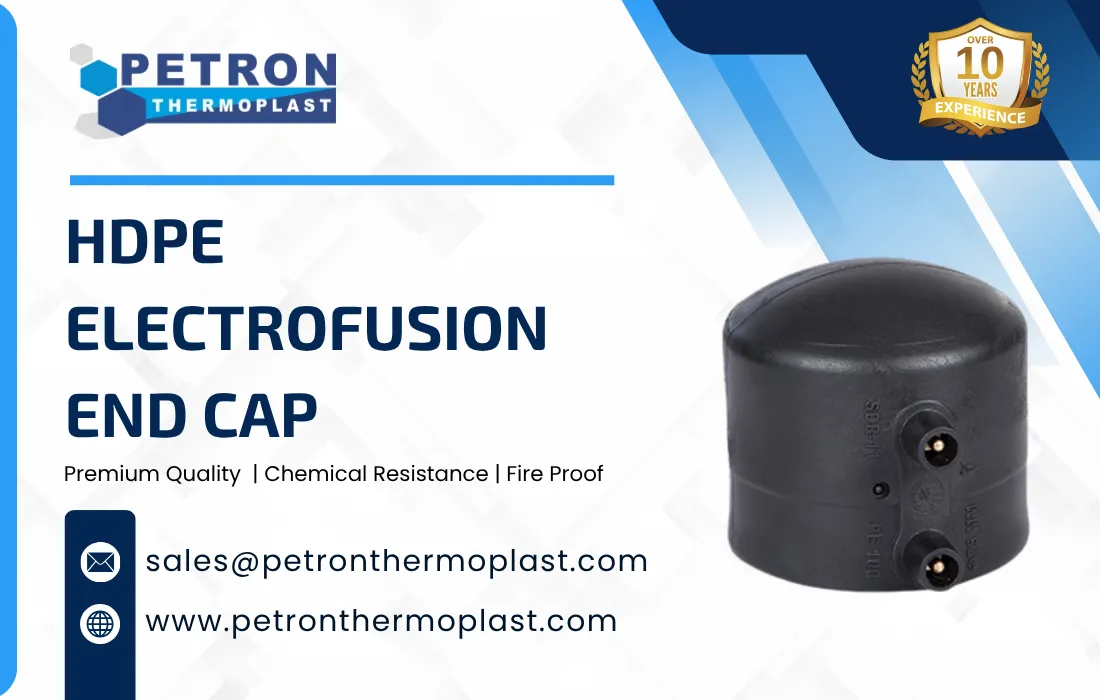
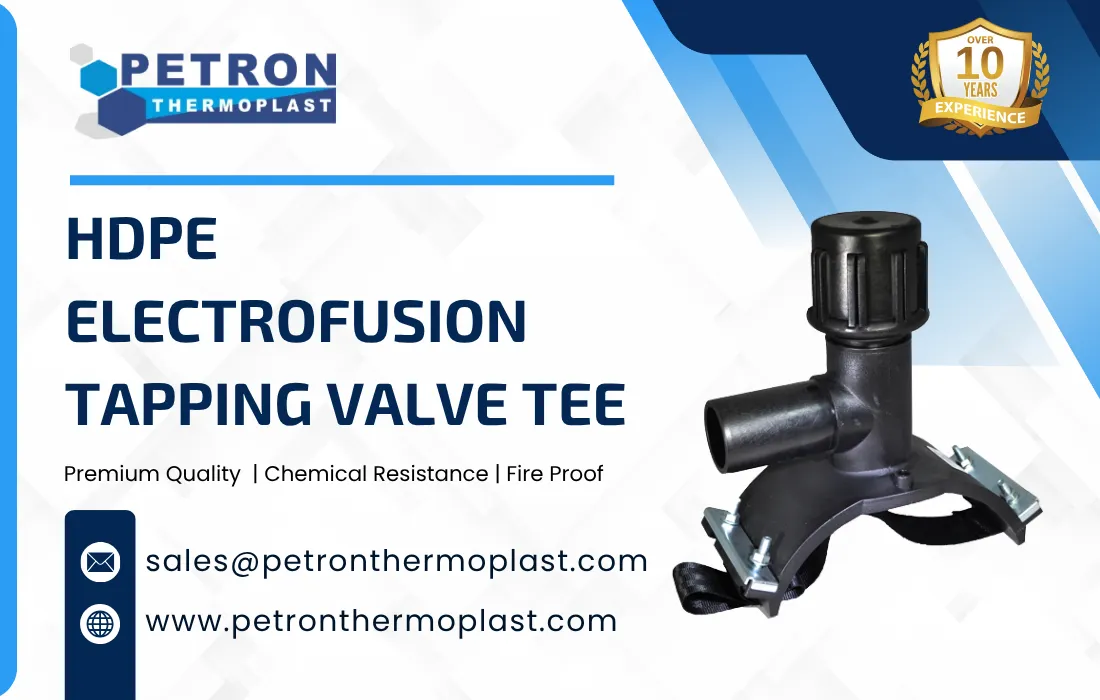
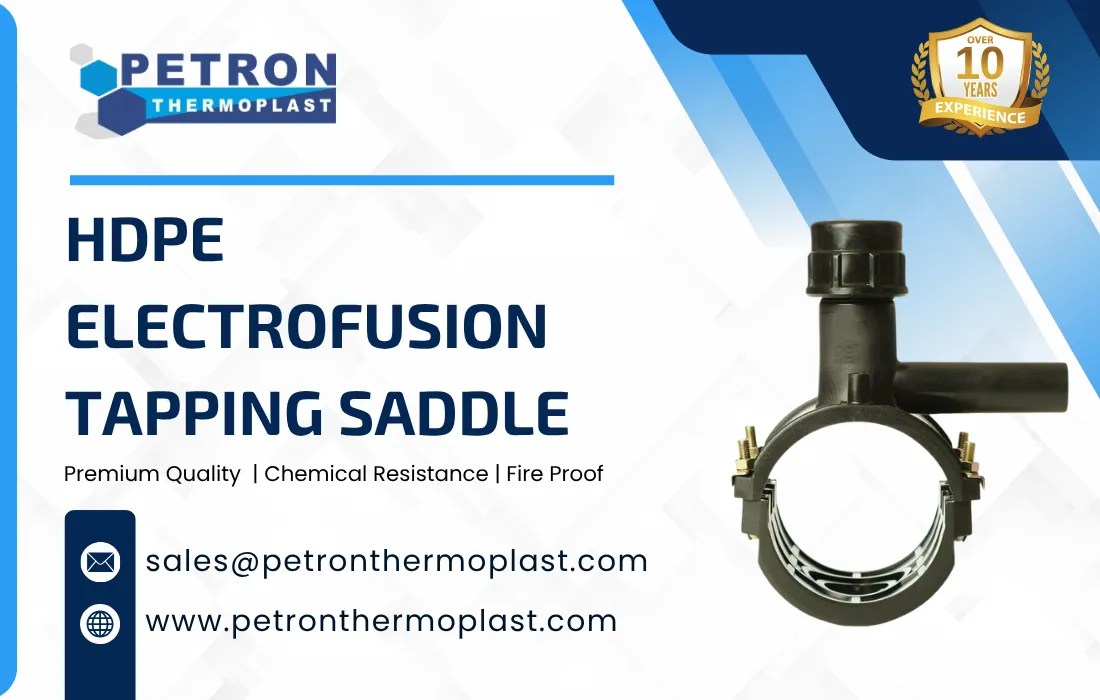
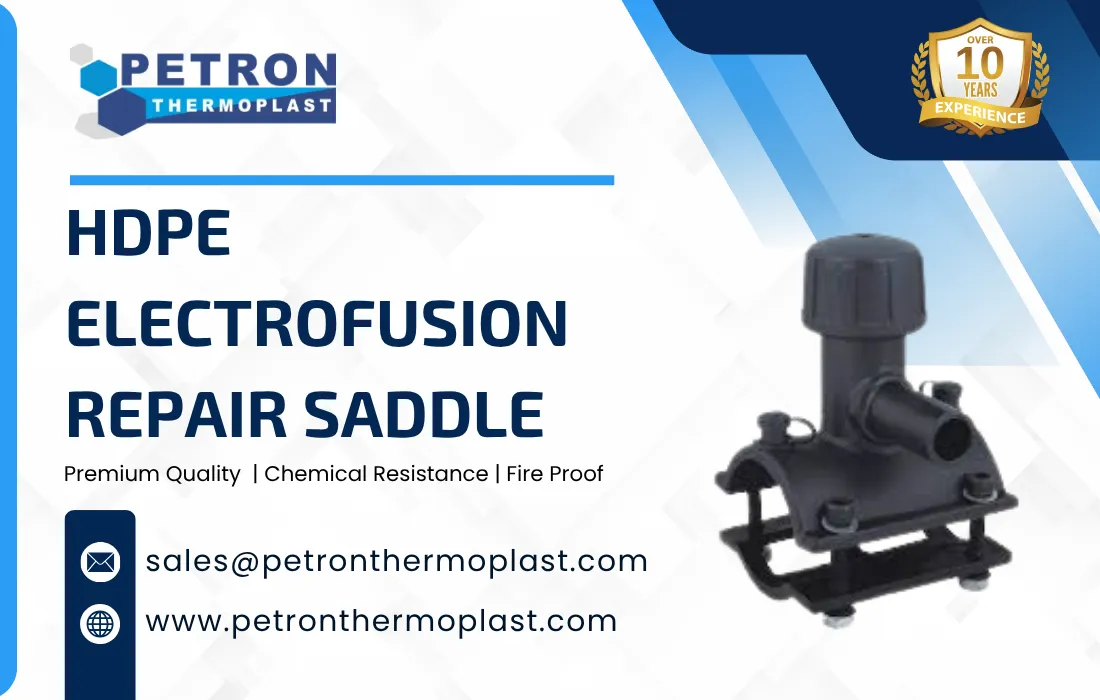
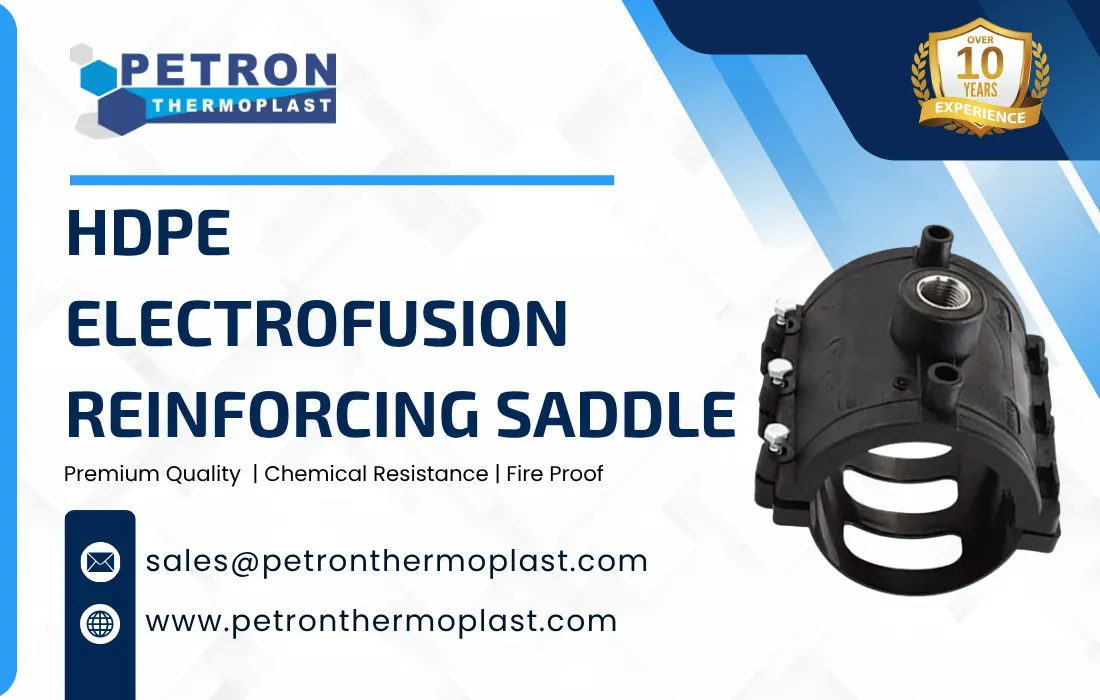
Electrofusion fittings are specialized HDPE components designed with embedded electric heating elements that, when energized, melt and fuse the fitting to the pipe surface. This technique provides a secure, leak-proof, and durable joint, making it ideal for high-pressure and critical pipeline applications. Electrofusion is especially preferred when working in confined spaces, where using large butt fusion equipment is impractical.
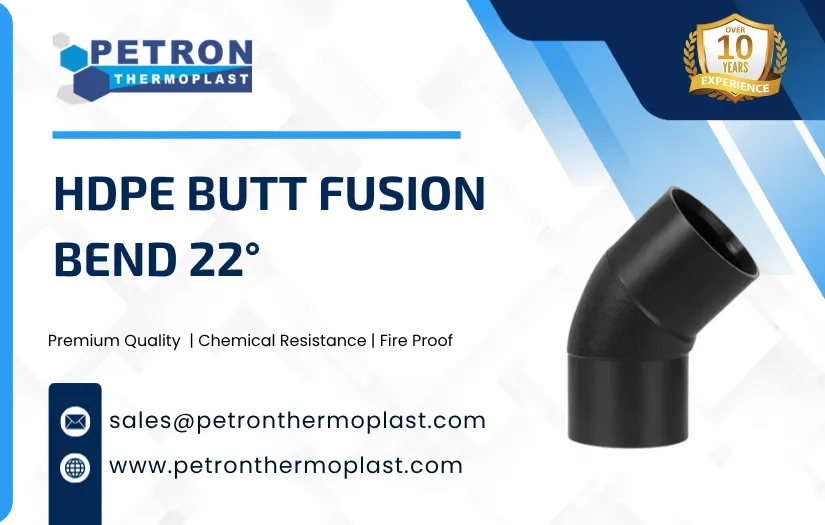
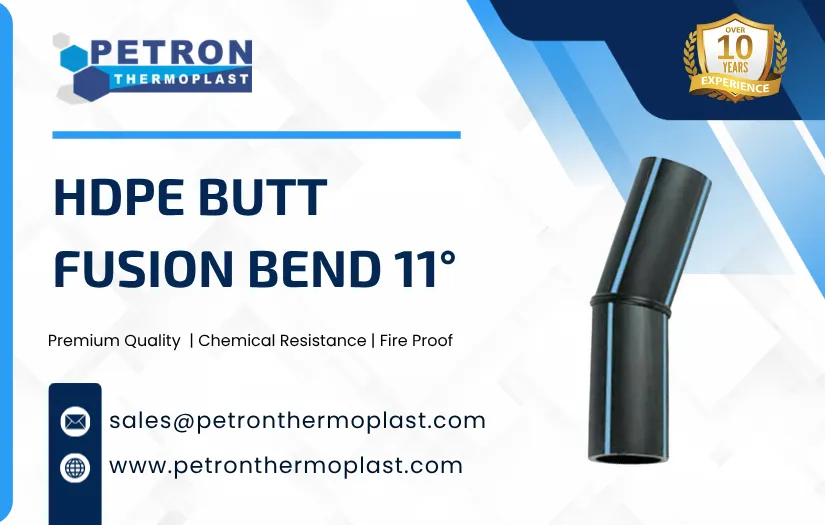
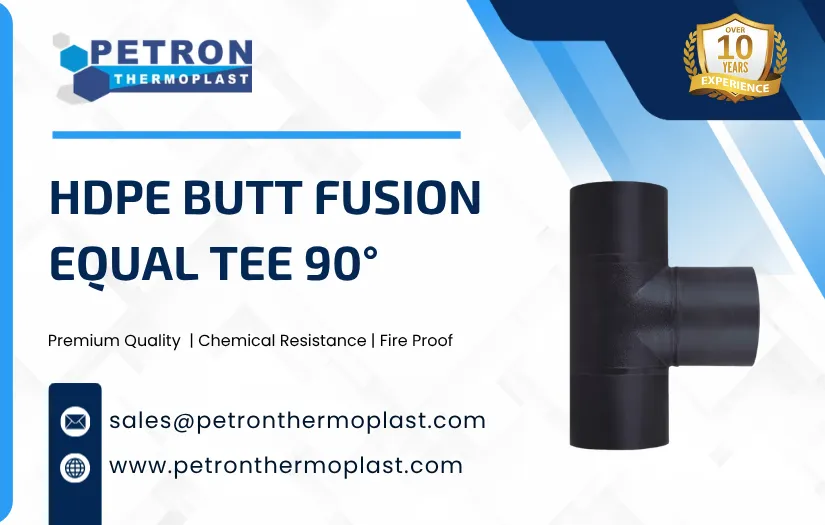
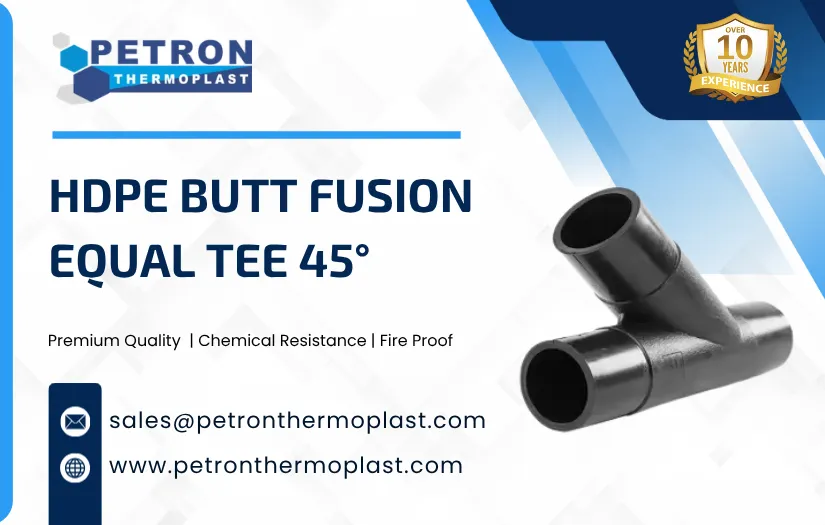
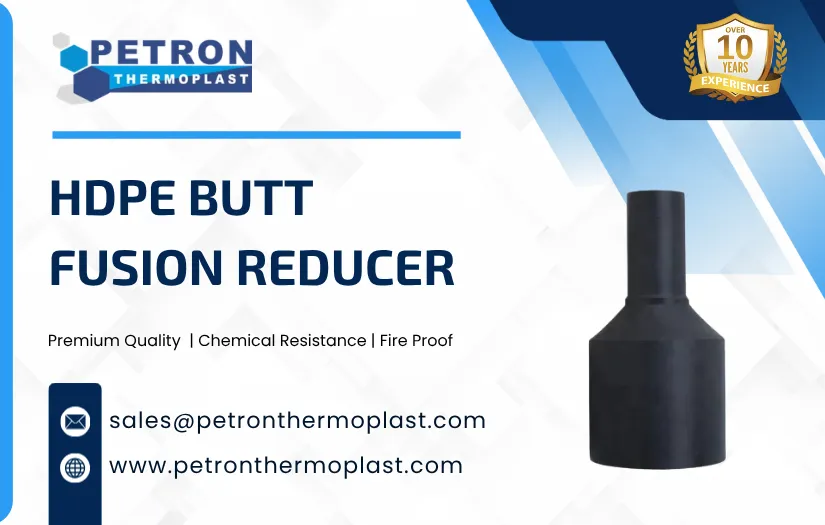
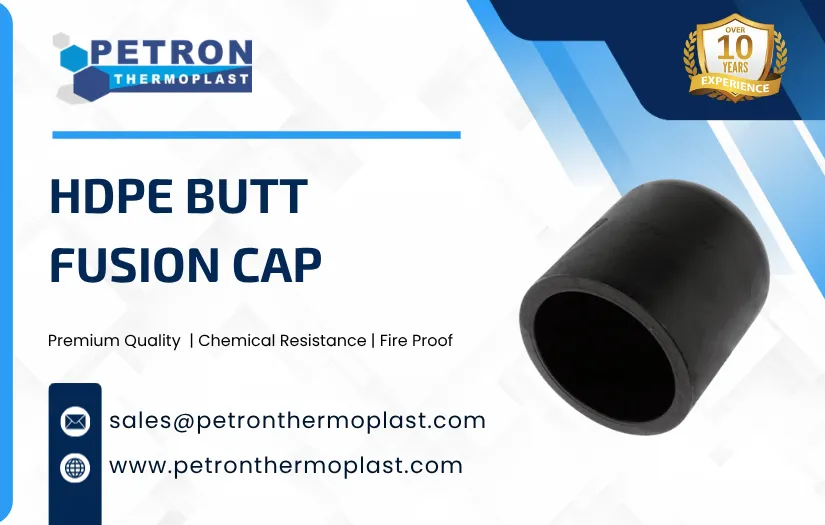
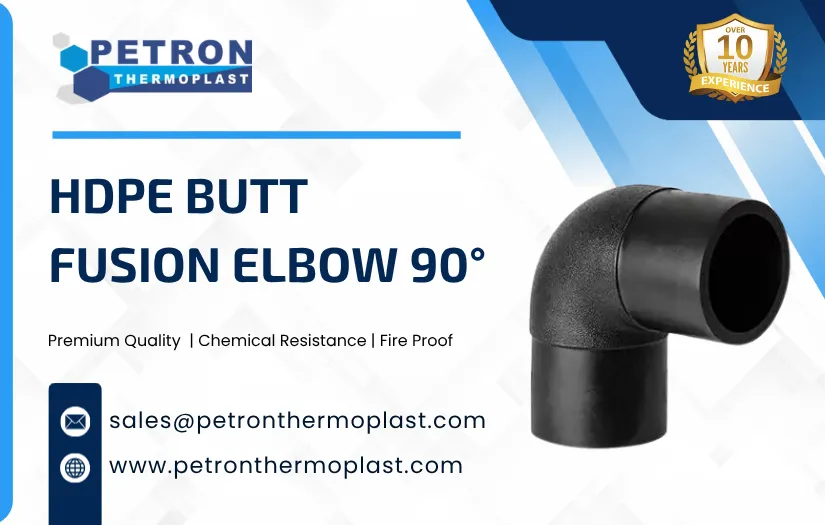
HDPE Butt Fusion Fittings
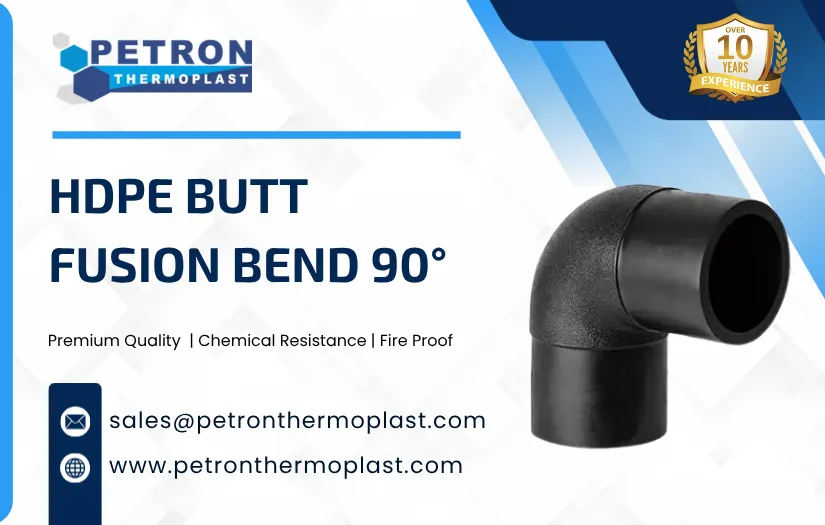
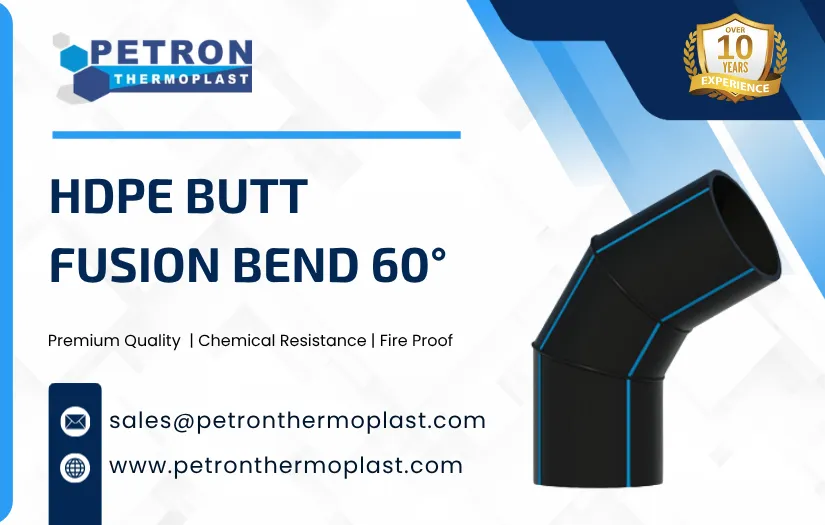
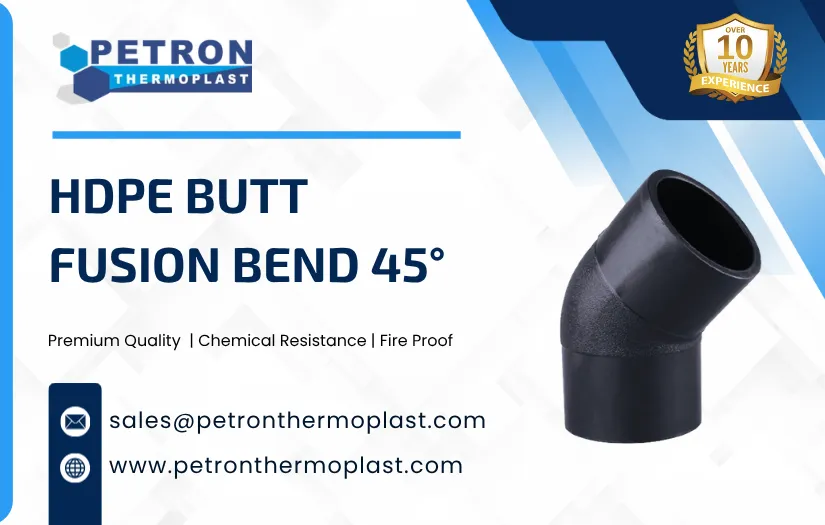
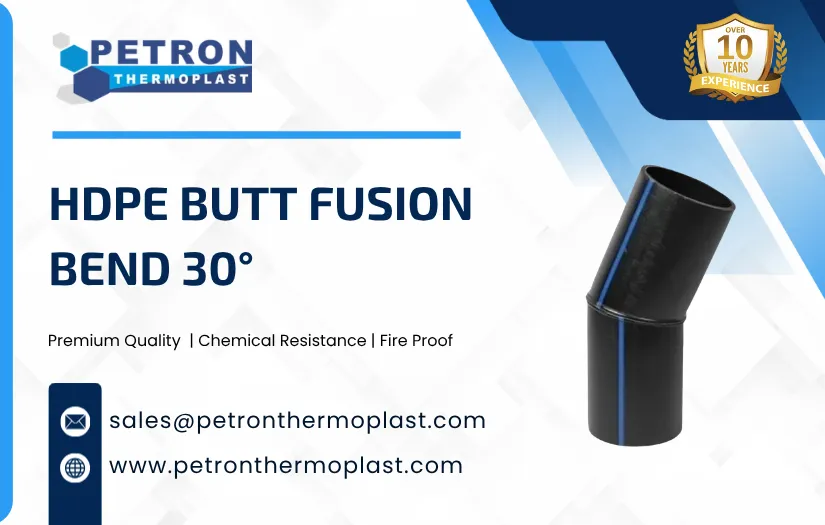
Butt fusion fittings are one of the most reliable and widely used types of HDPE pipe fittings. These fittings are joined using a butt fusion welding process, which involves heating the ends of both the pipe and the fitting to a precise temperature (typically around 200–220°C), then pressing them together under controlled pressure until they fuse into a single continuous piece. This results in a permanent, seamless, and high-integrity joint.