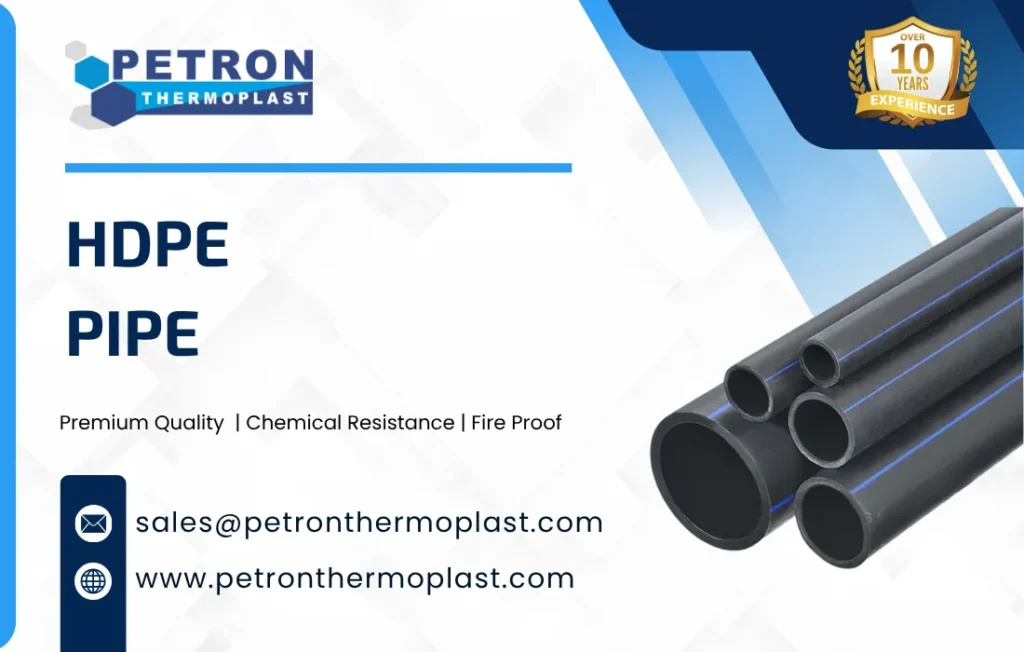
HDPE Pipe
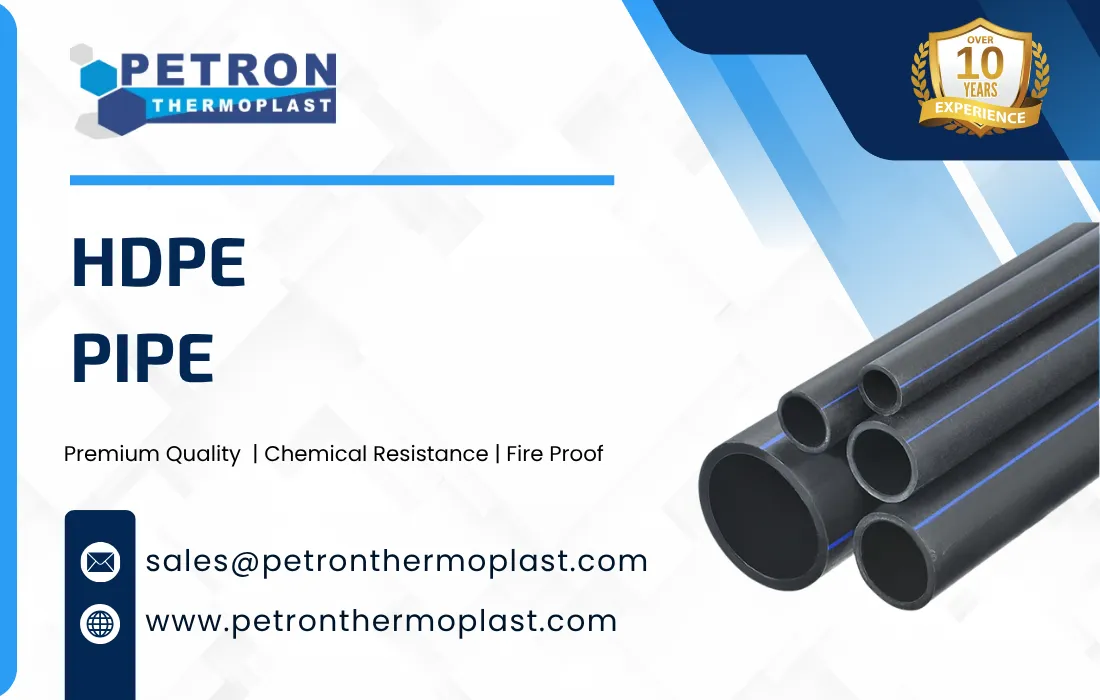
An HDPE Pipe (High-Density Polyethylene Pipe) is a type of thermoplastic piping made from high-density polyethylene material, known for its high strength-to-density ratio. It is widely used for transporting water, gas, chemicals, and other fluids. HDPE pipes are manufactured in various sizes and pressure ratings and are typically joined using methods like butt fusion, electrofusion, or mechanical fittings, creating strong, leak-proof connections. They are highly resistant to corrosion, chemicals, and environmental stress, making them suitable for underground and above-ground applications with a long service life.
HDPE Pipes are highly durable, flexible, and corrosion-resistant thermoplastic piping solutions widely used for fluid and gas transfer in industrial, municipal applications. HDPE pipes offer reliable and long-lasting performance, even under high-pressure and harsh environmental conditions. They are especially suited for underground piping systems and trenchless installation methods due to their high impact resistance and flexibility.

- Chemical Resistance
- Low Maintenance Requirement
- Low Thermal Conductivity
- Long Service Life
- Easy Installation
- Corrosion Resistance
HDPE Pipe Details
*Technical Diagram
*Technical Data
| Property | Details |
| Material | High-Density Polyethylene (HDPE – PE 63 / PE 80 / PE 100) |
| Type | Thermoplastic Pipe |
| Density | 0.94 – 0.96 g/cm³ |
| Standard Sizes | 20 mm to 1600 mm (or larger as per requirement) |
| Pressure Rating | PN 2.5 to PN 20 |
| SDR (Dimension Ratio) | SDR 41 to SDR 7.4 |
| Operating Temperature | -40°C to +60°C |
| Melting Point | 120°C – 130°C |
| Tensile Strength | 20 – 37 MPa |
| Elastic Modulus | 600 – 1400 MPa |
| Thermal Conductivity | 0.4 – 0.5 W/m·K |
| Coefficient of Expansion | 0.15 – 0.20 mm/m°C |
| Jointing Methods | Butt Fusion, Electrofusion, Socket Fusion, Mechanical Fittings |
| Chemical Resistance | Excellent resistance to acids, alkalis, and salts |
| Surface Finish | Smooth internal and external surface |
| Color | Black, Black with blue stripes, or other colors as required |
| Standards | IS 4984, ISO 4427, DIN 8074/8075 |
| Service Life | 50+ years under normal operating conditions |
| Flexibility | High flexibility, suitable for bending applications |
| Weight | Lightweight compared to metal pipes |
High Chemical Resistance – Suitable for aggressive fluids, acids, and alkalis.
Flexible & Lightweight – Easy to handle, transport, and install, even over long distances.
Corrosion & Abrasion Resistant – No rusting, scaling, or pitting compared to metal pipes.
Leak-Free Joints – Fusion welding ensures strong and tight connections.
UV and Weather Resistant – Designed to withstand outdoor exposure without degradation.
Smooth Internal Surface – Reduces friction losses and improves flow efficiency.
Long Service Life – Can last over 50 years under normal conditions.
Environmentally Friendly – Non-toxic and recyclable material.
| SDR (Standard Dimension Ratio) | PE 80 Pressure Rating (PN) | PE 100 Pressure Rating (PN) | Typical Application |
| SDR 41 | PN 2.5 | PN 3.2 | Low-pressure drainage systems |
| SDR 33 | PN 3.2 | PN 4 | Gravity flow / drainage |
| SDR 26 | PN 4 | PN 6.3 | Irrigation, low-pressure water |
| SDR 21 | PN 6 | PN 8 | Water supply |
| SDR 17 | PN 8 | PN 10 | Municipal water distribution |
| SDR 13.6 | PN 10 | PN 12.5 | Medium-pressure pipelines |
| SDR 11 | PN 12.5 | PN 16 | High-pressure water supply |
| SDR 9 | PN 16 | PN 20 | Very high-pressure applications |

Custom Product Manufacturing Available
If you are searching for customized product designs that meet your requirements, don’t worry. Petron Thermoplast also offers custom product manufacturing services to meet the unique needs of various industries. Work with our expert engineers to create custom designs suited for your application.
Benefits of Using HDPE Pipe
Durability and Longevity
HDPE (high-density polyethylene) pipes are highly resistant to corrosion, rust, scaling, and biological growth, which significantly extends their lifespan, often exceeding 50 years in typical applications. Unlike metal or concrete pipes, they maintain structural integrity in harsh environments, reducing the need for frequent replacements and maintenance.
Flexibility and Toughness
HDPE pipes are flexible and ductile, allowing them to bend around obstacles and withstand ground movements, vibrations, or seismic activity without cracking. This flexibility reduces the number of fittings required and enables easier installation in challenging terrains or curved alignments.
Chemical and Corrosion Resistance
These pipes resist a wide range of chemicals, acids, bases, salts, and solvents, making them suitable for industrial applications and aggressive environments. Unlike metal pipes, HDPE does not corrode or rust, eliminating issues like galvanic reactions or scale buildup.
Lightweight and Easy Installation
HDPE pipes are significantly lighter than traditional metal or concrete pipes, simplifying transport, handling, and installation. Their reduced weight lowers labor and equipment costs, and fusion welding or electrofusion techniques create leak-free joints, ensuring a reliable pipeline system.
Cost-Effectiveness
Although the initial cost may be slightly higher than some conventional materials, HDPE pipes offer long-term savings due to their low maintenance requirements, long service life, and reduced installation costs. Their smooth inner surface also minimizes friction, improving flow efficiency and reducing energy costs for pumping.
Environmental Benefits
HDPE is recyclable and environmentally friendly, with a lower carbon footprint compared to traditional piping materials. The production and disposal of HDPE pipes have less environmental impact, supporting sustainable infrastructure projects.
Versatility
HDPE pipes are suitable for a wide range of applications, including potable water, sewage, drainage, irrigation, gas distribution, and industrial processes. They are available in various diameters and pressure ratings, making them adaptable for both small-scale and large-scale projects.
Types of HDPE Pipe
1. SDR-Based HDPE Pipes
Classified according to SDR (Standard Dimension Ratio) such as SDR 41, SDR 26, SDR 17, SDR 11, etc. Lower SDR means thicker walls and higher pressure capacity.
2. Pressure-Rated HDPE Pipes
Based on pressure classes like PN 2.5, PN 4, PN 6, PN 10, PN 16, PN 20, etc., depending on the application.
3. Solid Wall HDPE Pipes
These are standard pipes with uniform wall thickness, widely used for water supply, gas distribution, and industrial piping.
4. HDPE Corrugated Pipes
These pipes have a corrugated outer surface and smooth inner surface. They are mainly used for drainage, sewage, and stormwater systems.
5. HDPE Perforated Pipes
Pipes with small holes or slots used for drainage, groundwater control applications.
6. HDPE Coil Pipes
Flexible pipes supplied in coil form (generally smaller diameters), used for easy transportation and installation.
7. HDPE Straight Length Pipes
Rigid pipes supplied in straight lengths, commonly used for large diameter and long-distance pipelines.
8. HDPE Duct Pipes
Used for cable protection (electrical/telecom ducts), often installed underground.
9. HDPE Gas Pipes
Specially designed pipes for natural gas and LPG distribution, meeting strict safety standards.
Applications of HDPE Pipe
Process Industry
High Purity Applications
Electronic Industry
Electrical Industry
Semi-conductors Industry
Pharmaceutical Industry
Solar power panels
Sugar Industry
Paper & Pulp Industry
Nuclear Power Industry
Automotive Industry
DI water plants
Why Choose Petron Thermoplast?
At Petron Thermoplast, we understand the importance of quality fittings for your projects. That’s why we offer a comprehensive selection of HDPE Pipes in various sizes from reputable brands. Choosing a HDPE Pipes from Petron Thermoplast supplier can have several advantages over traditional fittings. Here are some reasons why:
Space Efficiency
HDPE Pipes take up less space in tight environments, as they neatly connect different pipe sizes. This can be particularly beneficial in commercial areas where space is limited.
Fluid Flow Optimisation
By allowing the smooth transition from a larger pipe to a smaller one, HDPE minimise tees minimize flow turbulence, making the system more efficient.
Versatility
HDPE Pipes can adapt to various piping configurations, making it suitable for a variety of applications, from irrigation to industrial use.
Cost-Effective Solutions
Using a HDPE Pipes can often save you money in labour and materials, as you can eliminate the need for multiple fittings.
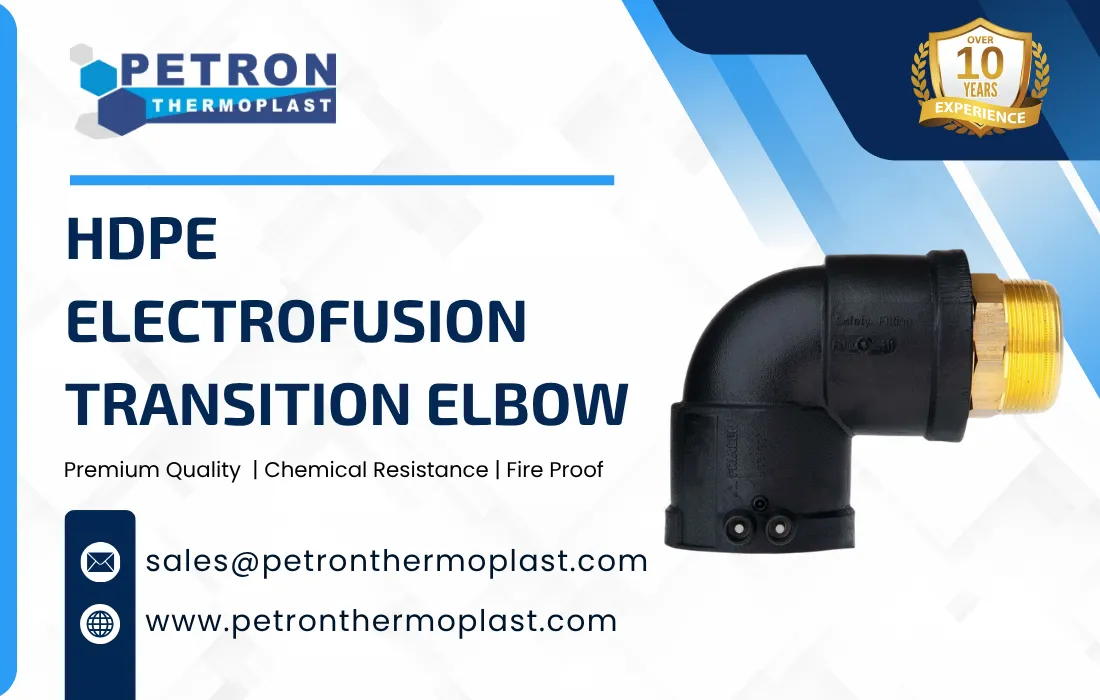
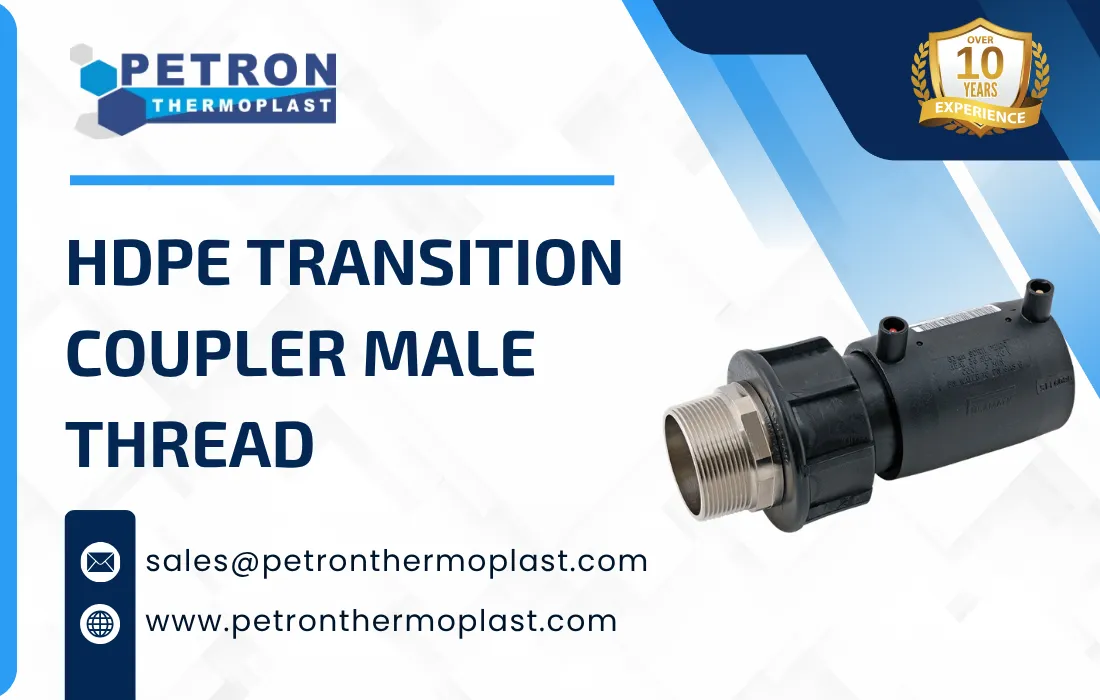
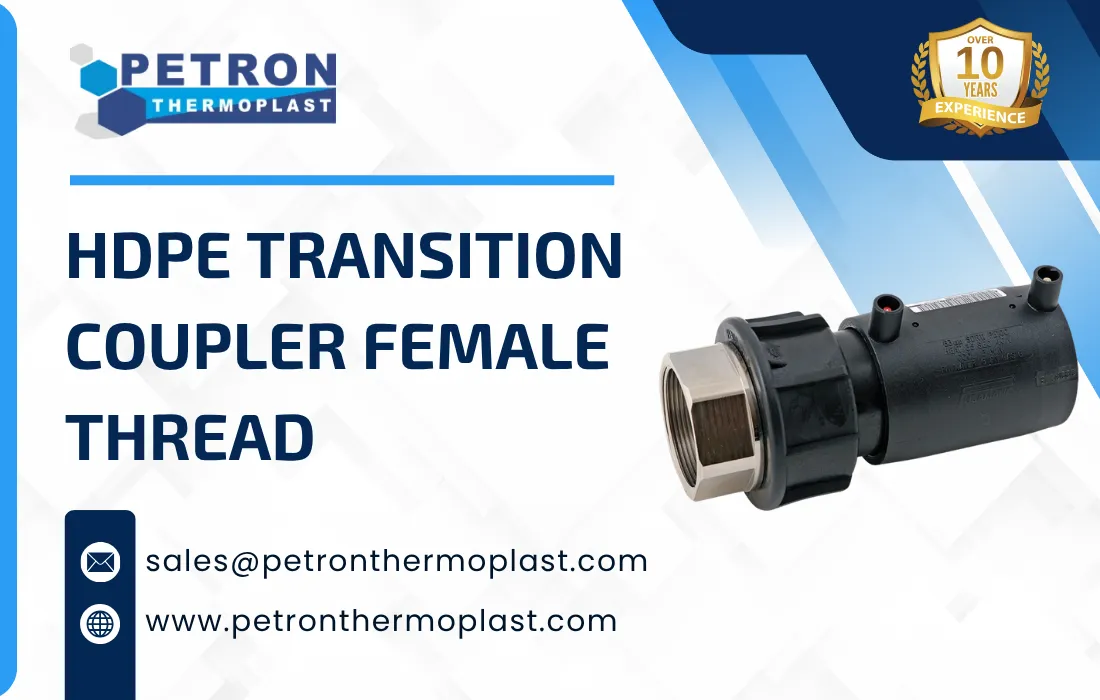
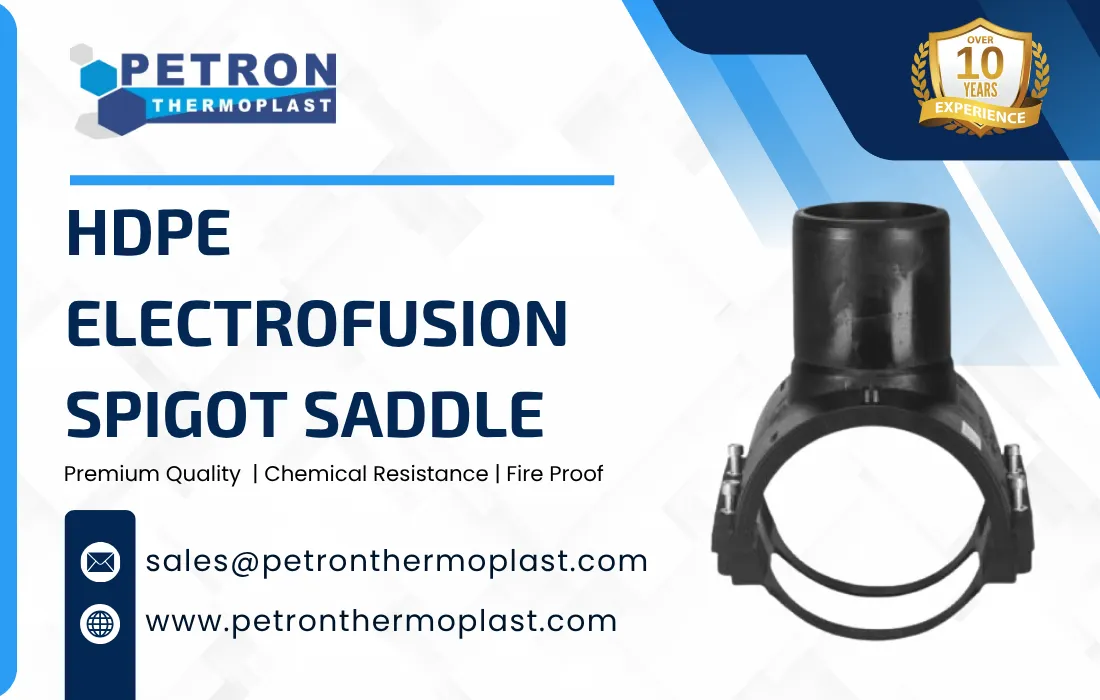
HDPE Electro Fusion Fittings
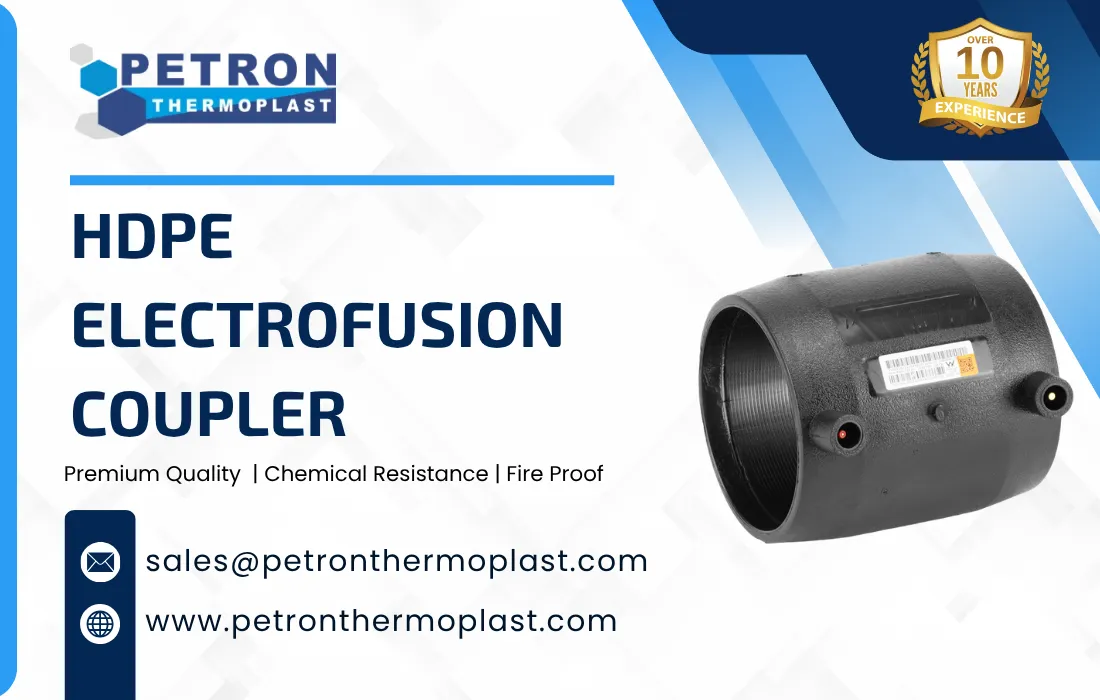
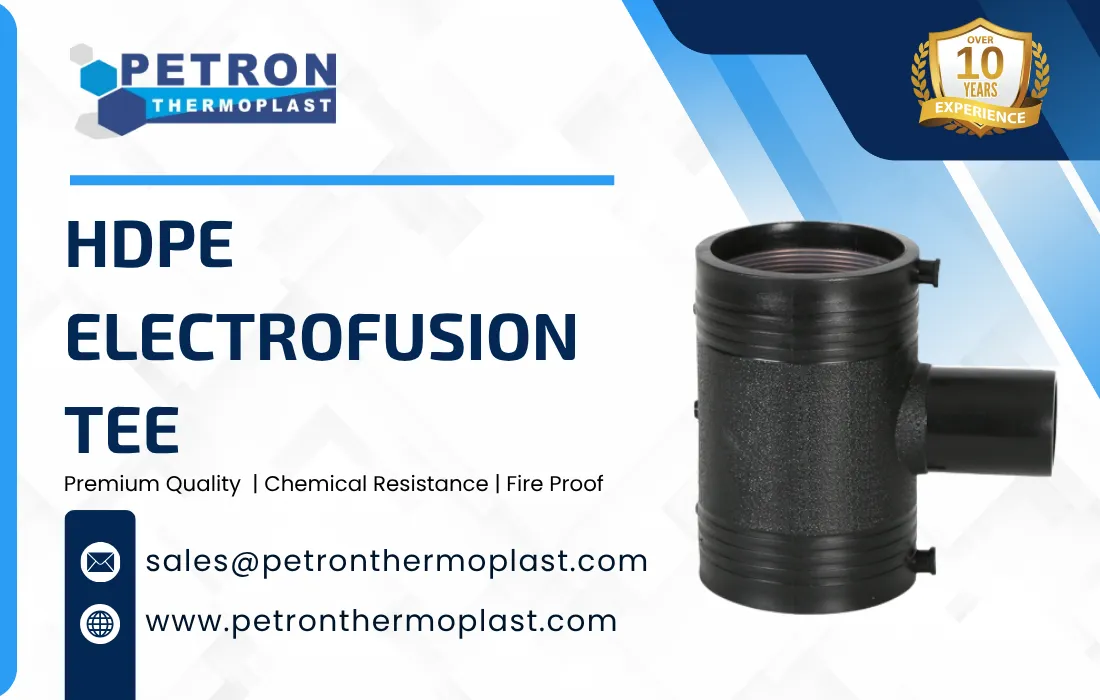
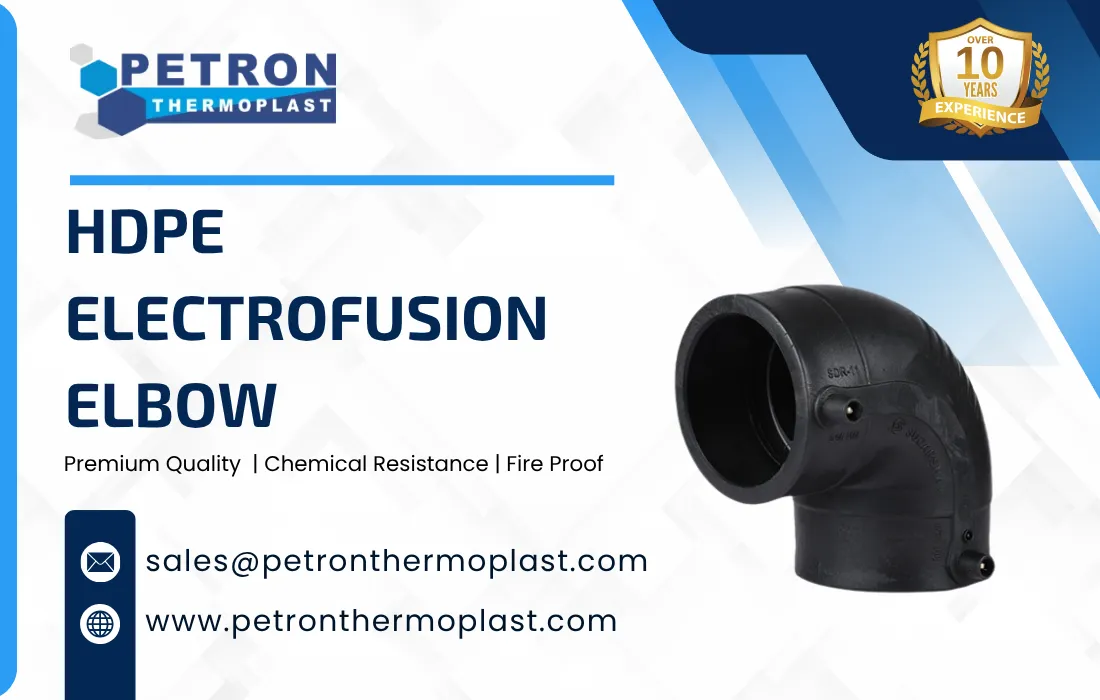
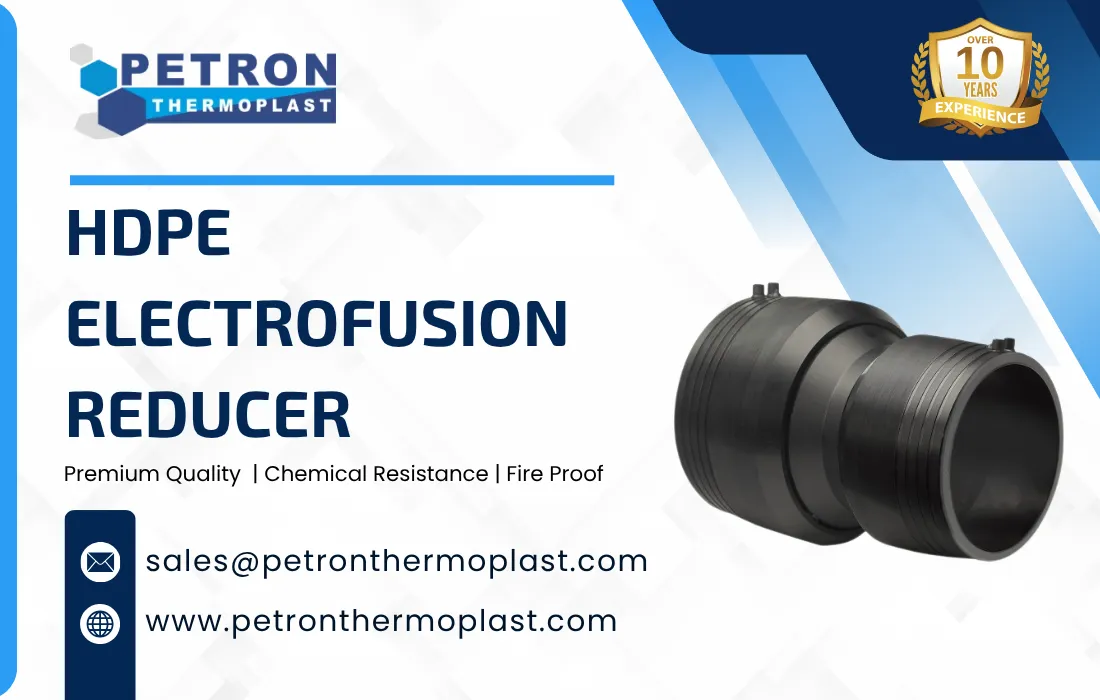
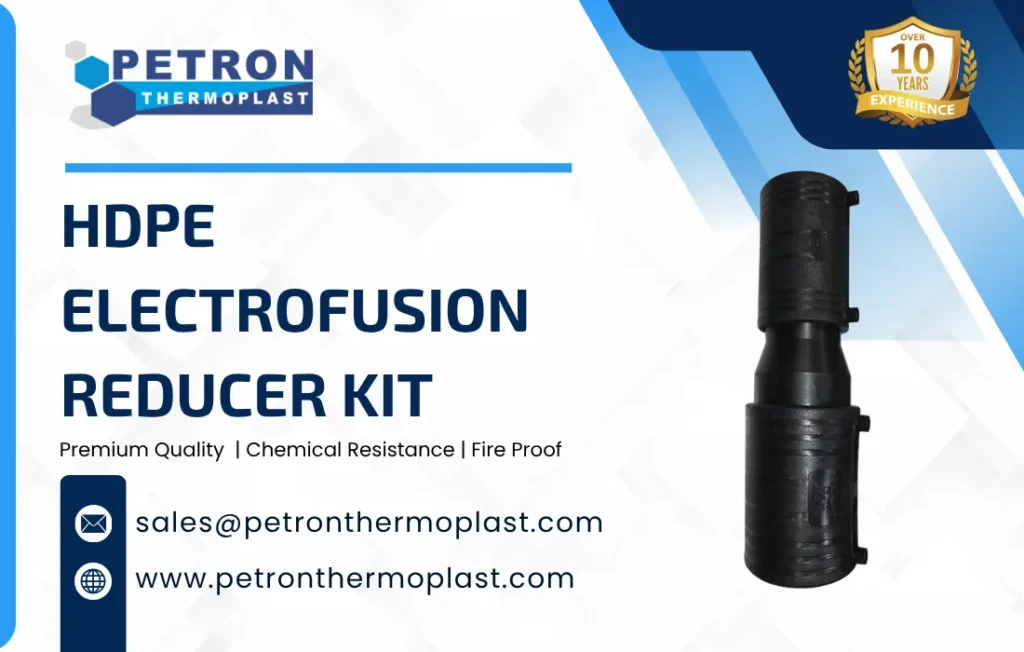
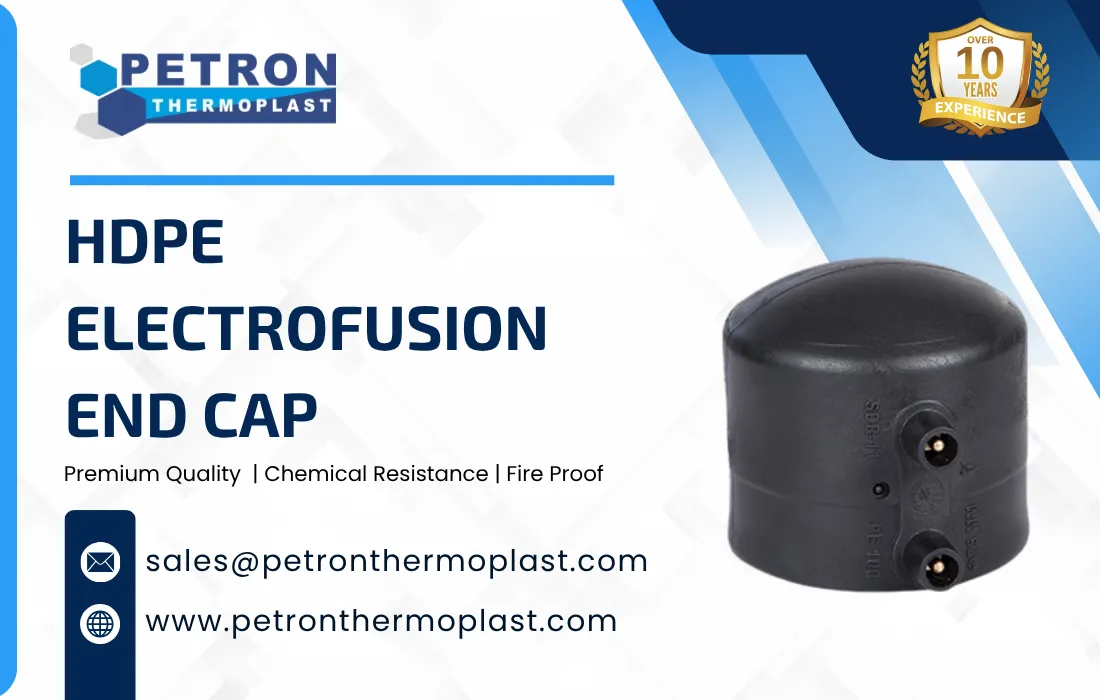
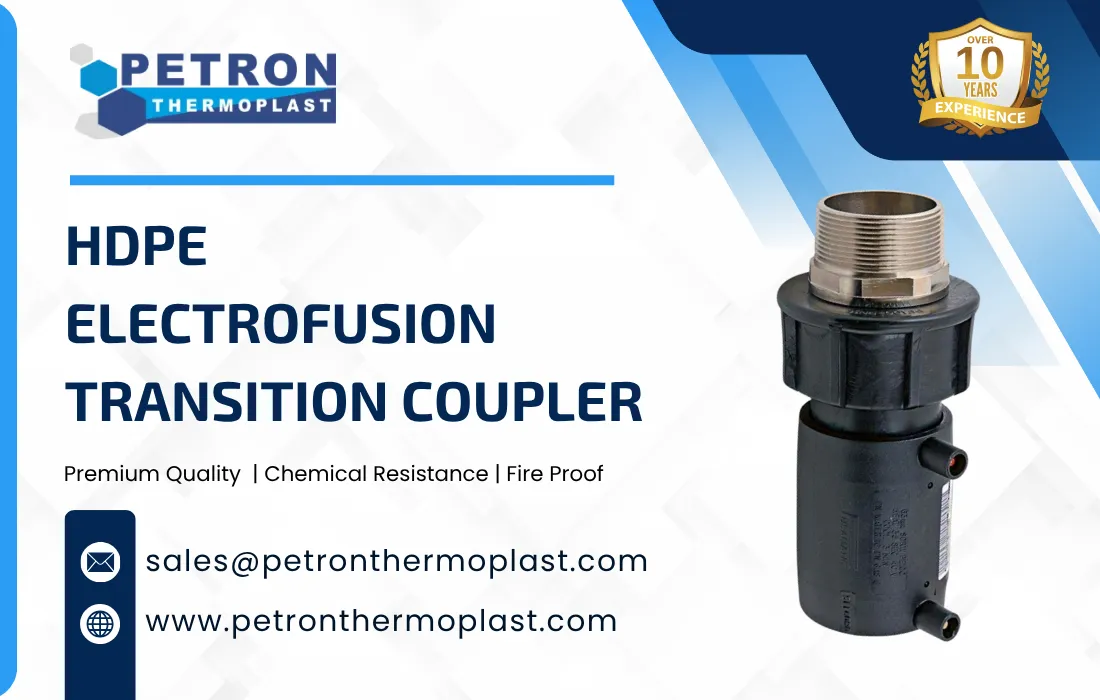
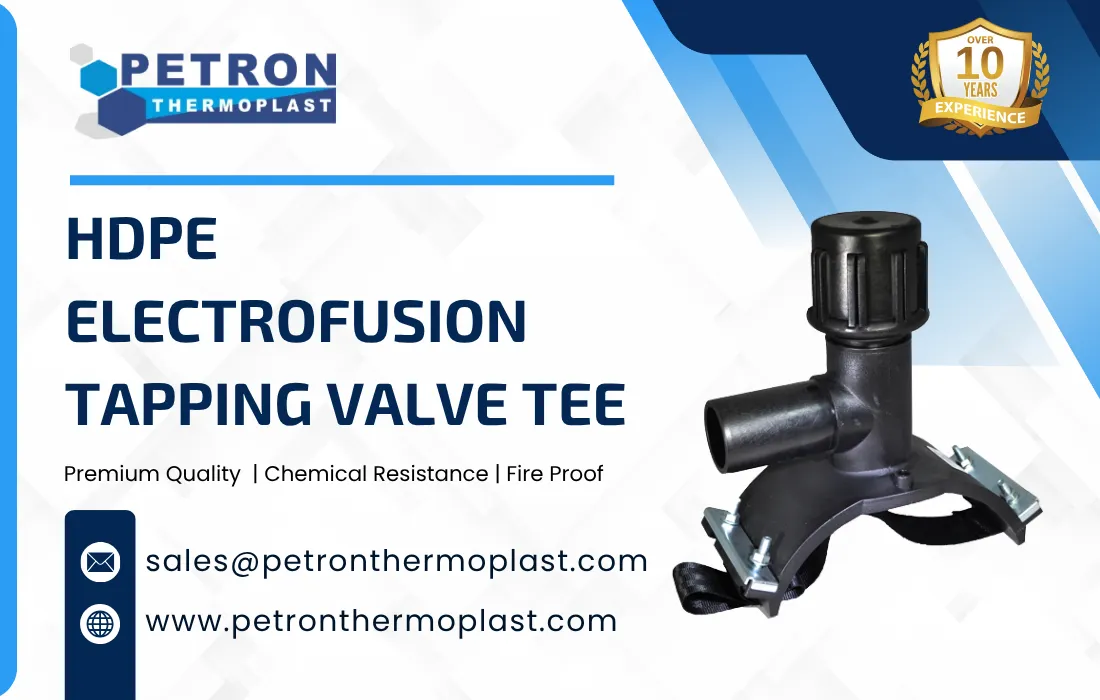
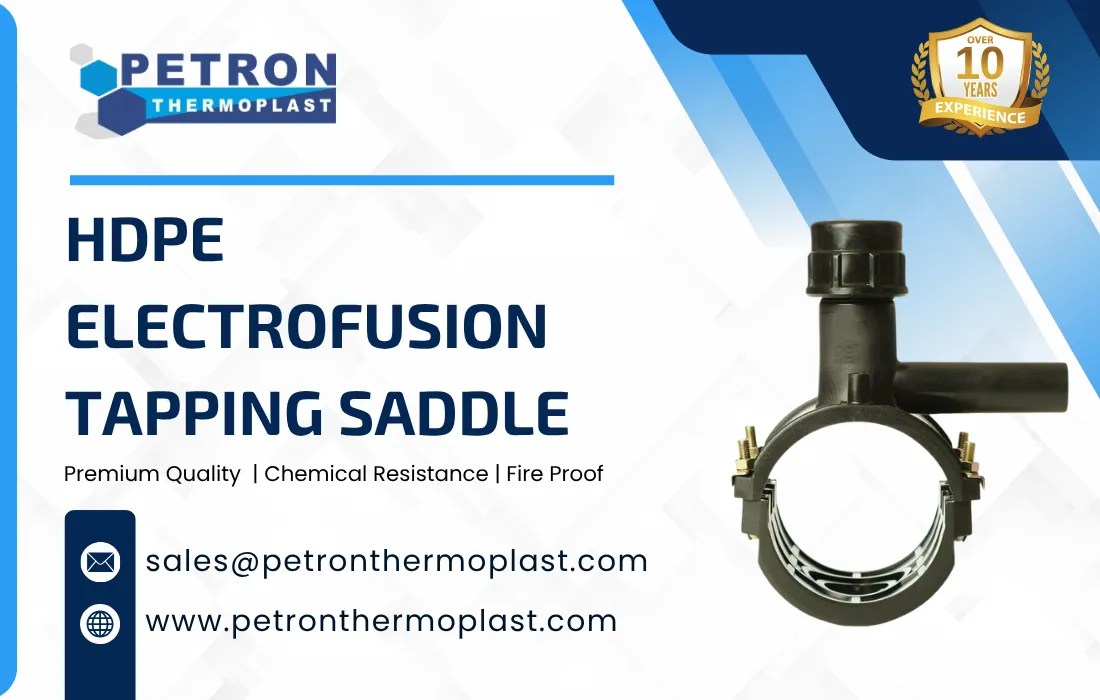
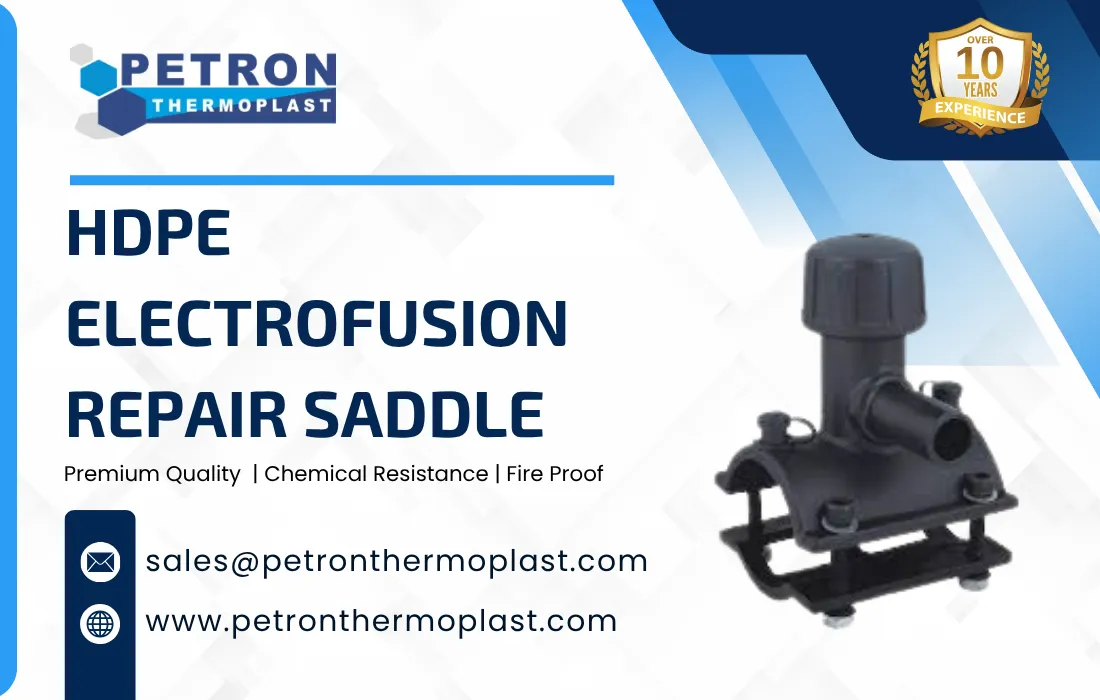
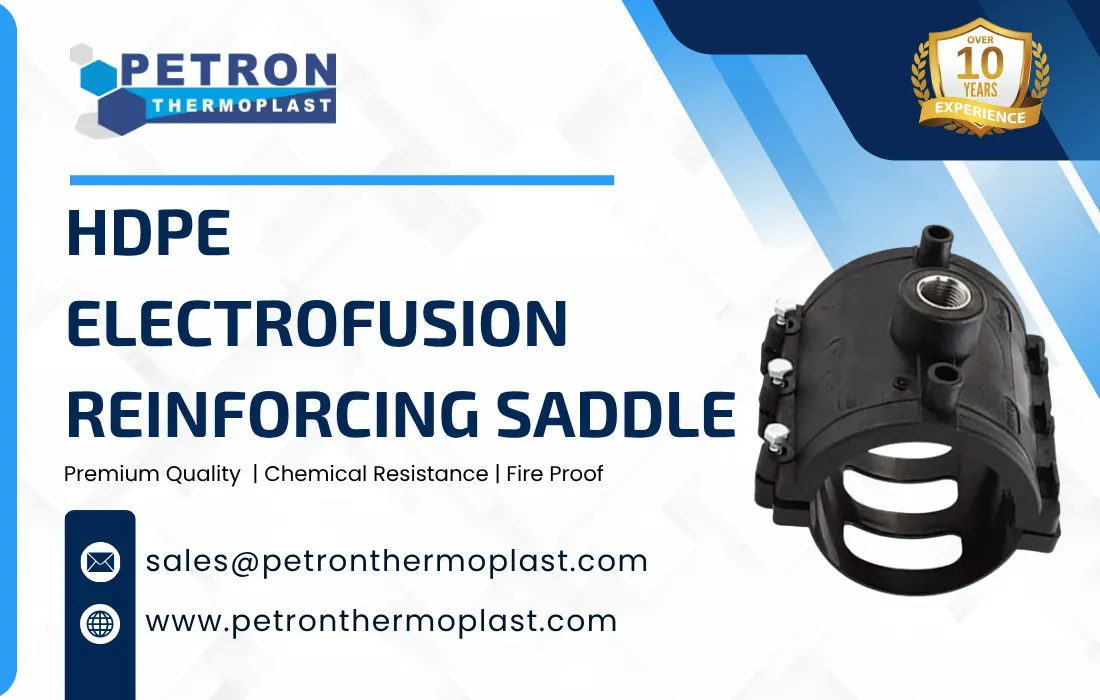
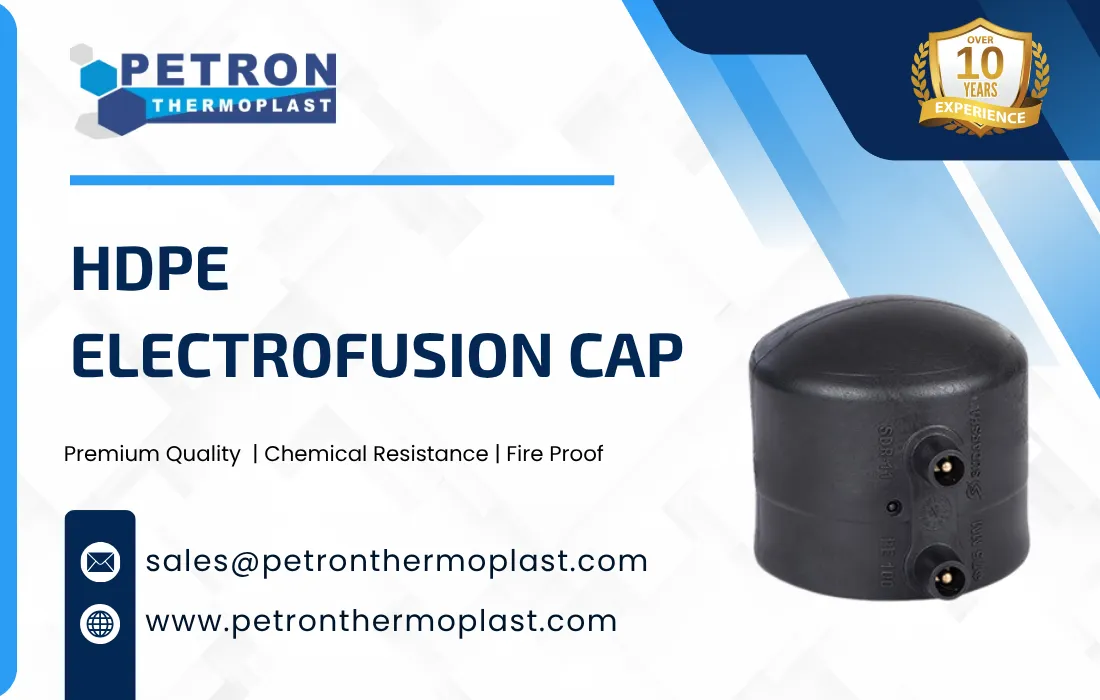
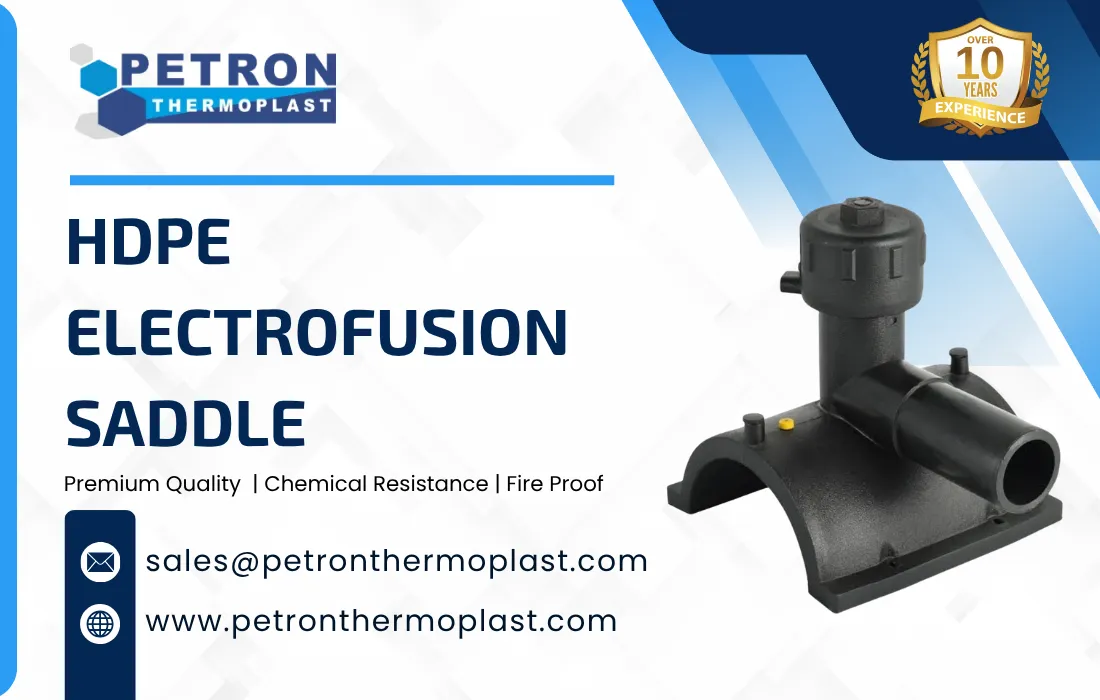
Electrofusion fittings are specialized HDPE components designed with embedded electric heating elements that, when energized, melt and fuse the fitting to the pipe surface. This technique provides a secure, leak-proof, and durable joint, making it ideal for high-pressure and critical pipeline applications. Electrofusion is especially preferred when working in confined spaces, where using large butt fusion equipment is impractical.
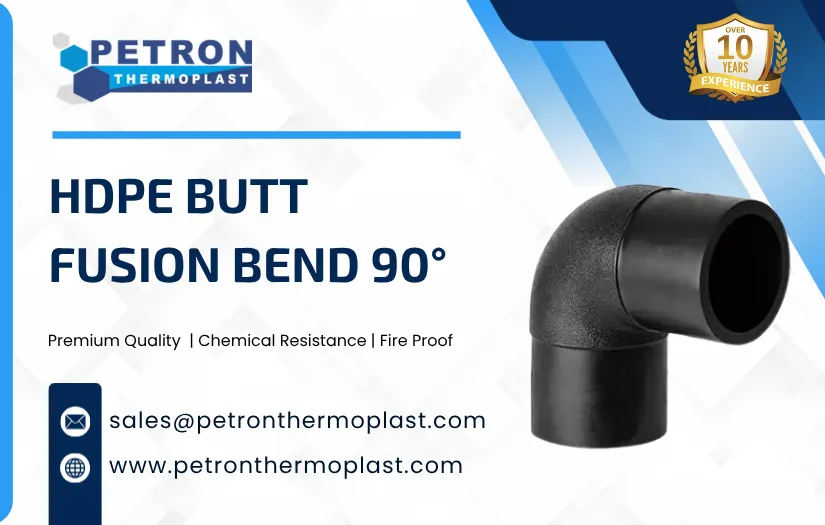
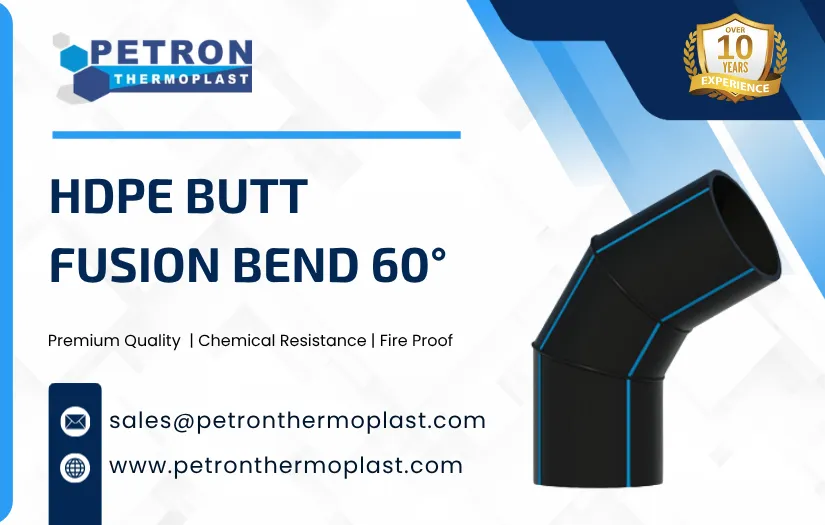
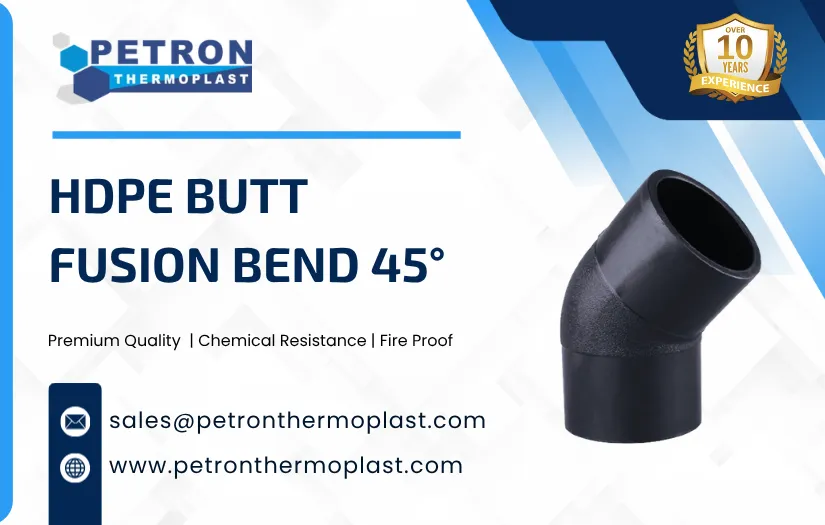
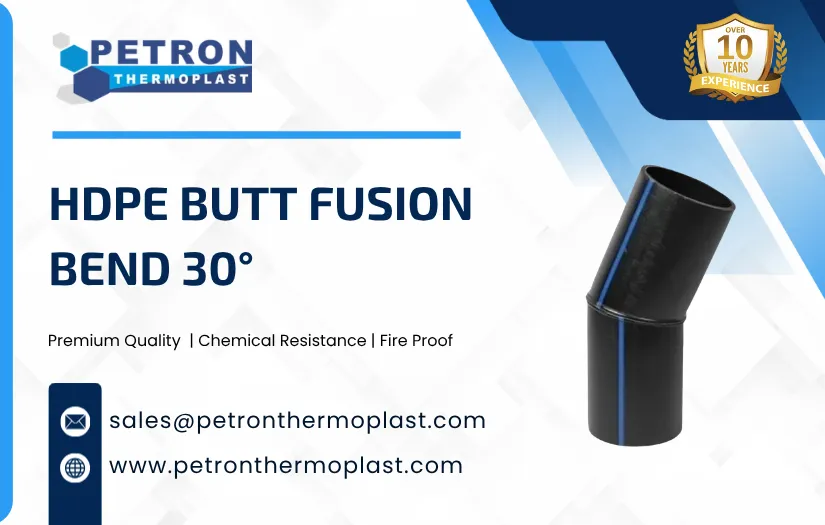
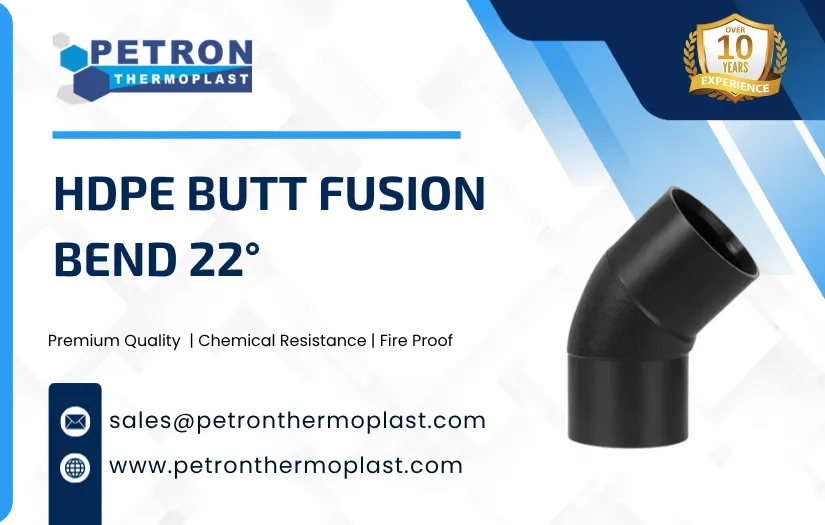
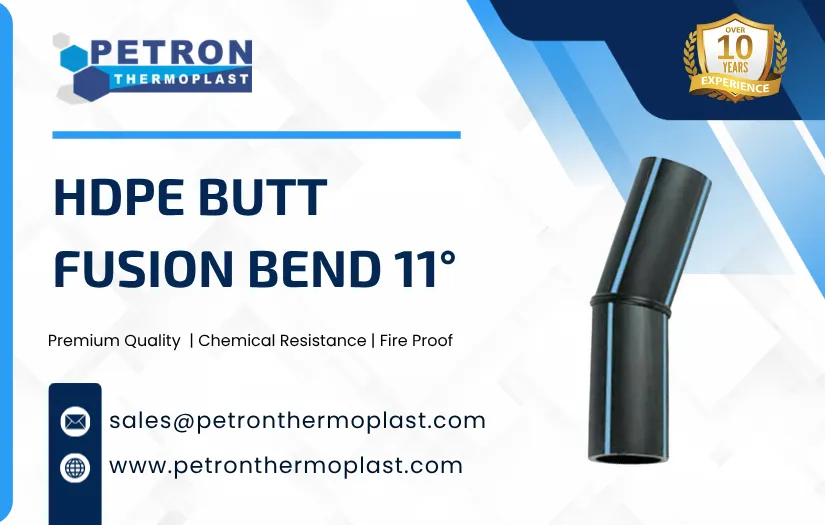
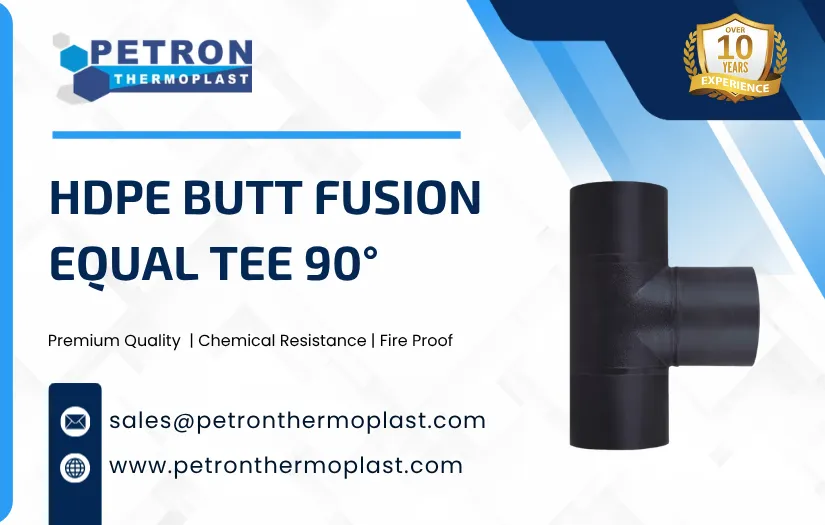
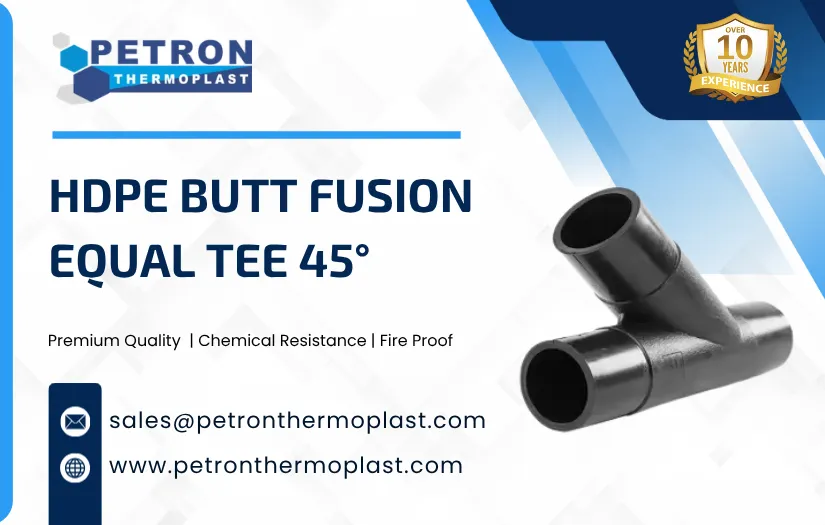
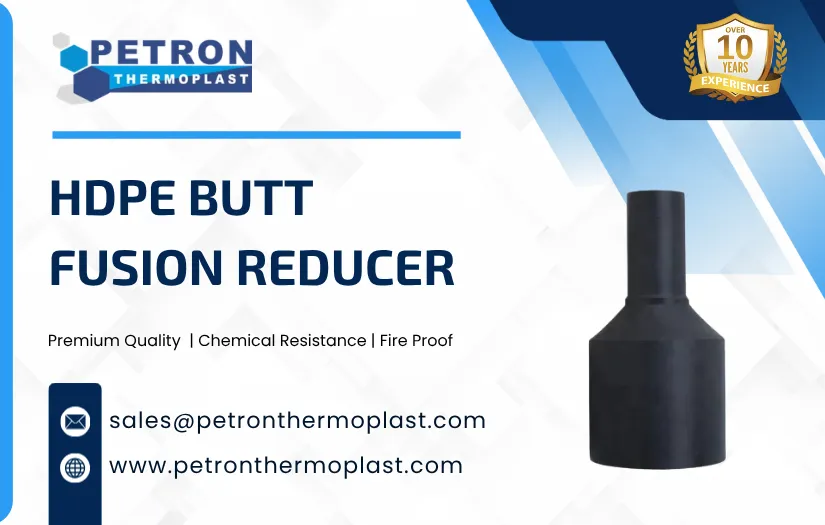
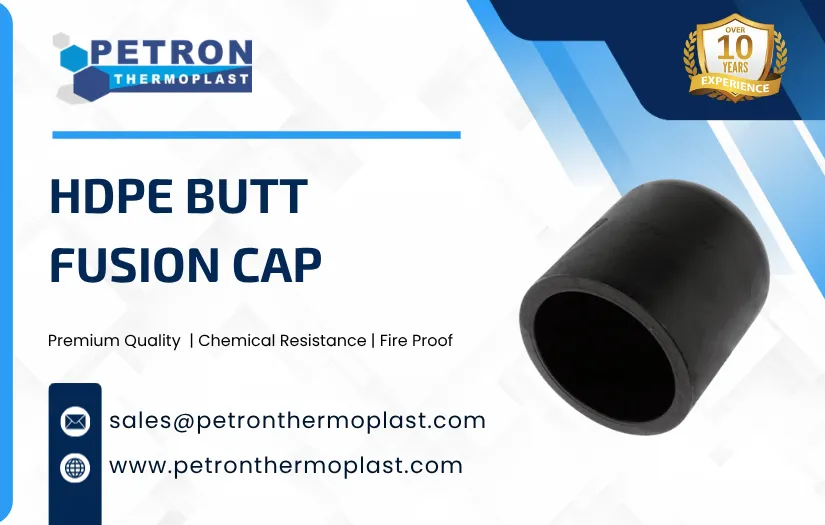
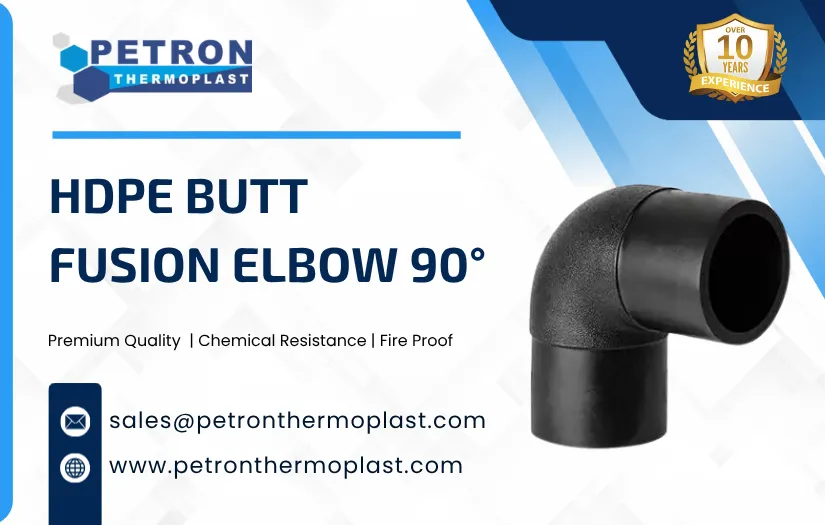
HDPE Butt Fusion Fittings
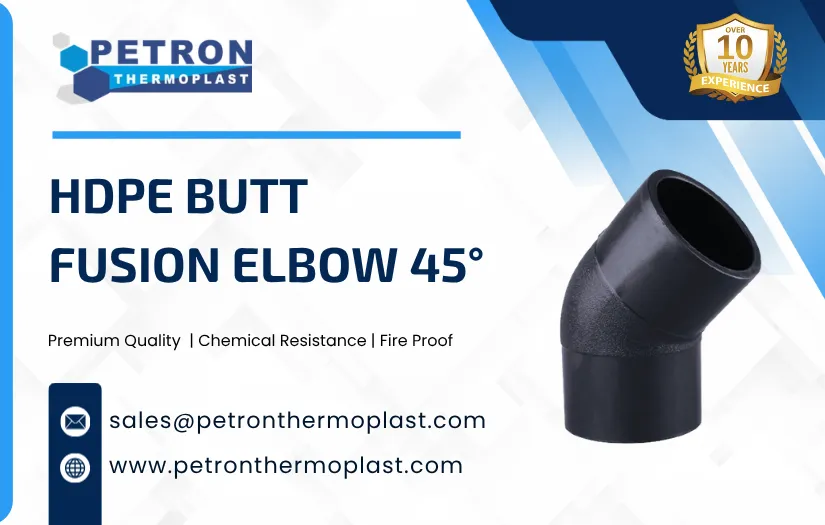
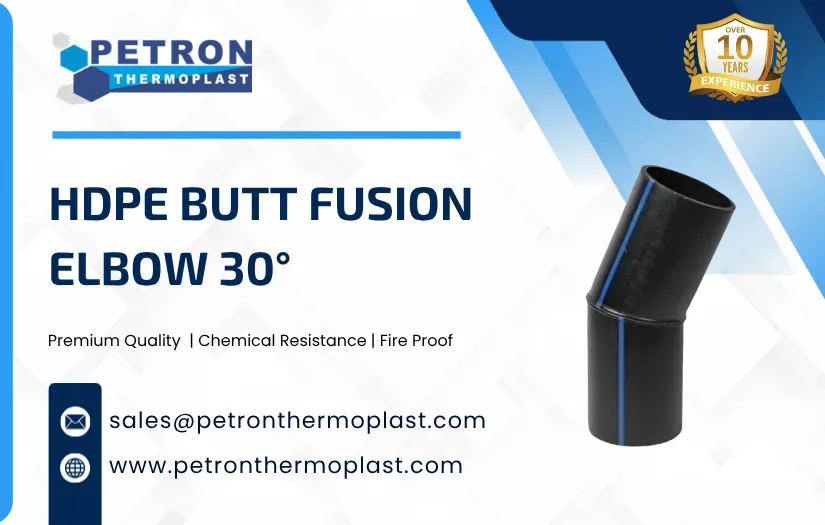
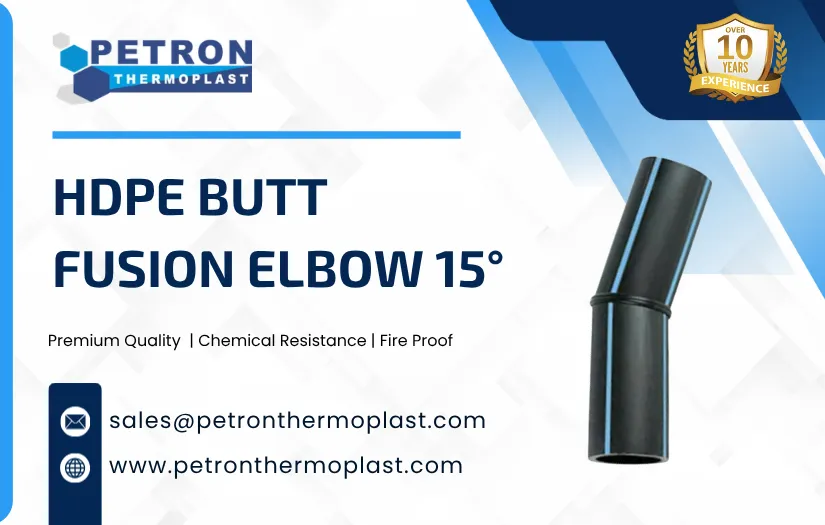
Butt fusion fittings are one of the most reliable and widely used types of HDPE pipe fittings. These fittings are joined using a butt fusion welding process, which involves heating the ends of both the pipe and the fitting to a precise temperature (typically around 200–220°C), then pressing them together under controlled pressure until they fuse into a single continuous piece. This results in a permanent, seamless, and high-integrity joint.