HDPE Butt Fusion Reducer
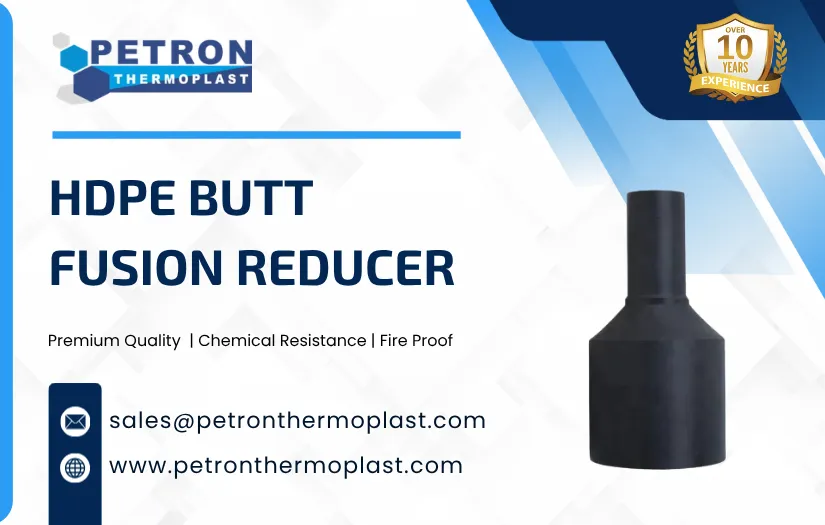
The HDPE Butt Fusion Reducer is a pipe fitting designed to connect two pipes of different diameters, enabling a smooth and secure transition in pipeline size. This reducer offers excellent durability, chemical resistance, and mechanical strength. It is commonly used in water supply, gas distribution, industrial, and irrigation systems where size adaptation is necessary without compromising the integrity of the pipeline. The fitting is installed using butt fusion welding, ensuring a seamless, leak-proof joint that withstands high pressure and environmental challenges.
An HDPE Butt Fusion Reducer is a type of pipe fitting made from High-Density Polyethylene (HDPE) that is used to connect two pipes of different diameters in a piping system. It is joined to the pipes using the butt fusion welding process, where the ends of the pipes and the reducer are heated and fused together to form a strong, leak-proof and permanent joint.This fitting allows a smooth transition of flow from a larger pipe to a smaller pipe (or vice versa), helping to maintain system efficiency and reduce pressure loss.

- Chemical Resistance
- Low Maintenance Requirement
- Low Thermal Conductivity
- Long Service Life
- Easy Installation
- Corrosion Resistance
HDPE Butt Fusion Reducer Details
*Technical Diagram
*Technical Data
| Property | Details |
| Material | High-Density Polyethylene (HDPE – PE 80 / PE 100) |
| Type | Butt Fusion Reducer (Concentric / Eccentric) |
| Connection Method | Butt Fusion Welding |
| Size Range | Typically 20 mm to 1200 mm (or larger depending on requirement) |
| Pressure Rating | PN6, PN8, PN10, PN12.5, PN16 |
| Standard Dimension Ratio (SDR) | SDR 11, SDR 13.6, SDR 17, SDR 21, SDR 26 |
| Density | 0.94 – 0.96 g/cm³ |
| Operating Temperature | -40°C to +60°C |
| Melting Temperature | Approximately 120°C – 130°C |
| Joint Strength | Equal to or greater than pipe strength |
| Chemical Resistance | Excellent resistance to acids, alkalis, and corrosion |
| Surface Finish | Smooth internal and external surface |
| Color | Generally Black (with or without blue stripes) |
| Standards | IS 4984, ISO 4427, DIN 8074/8075 |
| Flow Characteristics | Low friction, minimal pressure loss |
| Installation | Requires butt fusion welding machine |
| Weight | Lightweight compared to metal fittings |
| Durability | Long service life (50+ years under normal conditions) |
Size Transition – Connects pipes of differing diameters for efficient flow adaptation
Butt Fusion Welding – Provides strong, permanent, and leak-proof joints
High-Quality PE100 Material – Offers superior strength, flexibility, and chemical resistance
Wide Industry Use – Suitable for water, gas, mining, irrigation, and industrial pipelines
Corrosion & UV Resistant – Ideal for both underground and exposed conditions
Standards Compliant – Manufactured according to ISO 4427, EN 12201, and DIN 8074 standards
| SDR Value | Pressure Rating (PN) | Typical Application |
| SDR 26 | PN 6 | Low-pressure water systems |
| SDR 21 | PN 8 | Irrigation and drainage |
| SDR 17 | PN 10 | Water supply systems |
| SDR 13.6 | PN 12.5 | Medium pressure applications |
| SDR 11 | PN 16 | High-pressure pipelines |
| SDR 9 | PN 20 | Very high-pressure applications |

Custom Product Manufacturing Available
If you are searching for customized product designs that meet your requirements, don’t worry. Petron Thermoplast also offers custom product manufacturing services to meet the unique needs of various industries. Work with our expert engineers to create custom designs suited for your application.
Benefits of Using HDPE Butt Fusion Reducer
Seamless and Leak-Free Joints
The butt fusion process ensures a continuous and leak-proof joint, which is crucial for maintaining the integrity of the pipeline system.
High Strength and Durability
The joint created by butt fusion is as strong as the pipe itself, providing a robust and reliable connection.
Chemical Resistance
HDPE is known for its excellent chemical resistance, making the butt fusion reducer suitable for use in environments with harsh chemicals.
Easy Installation
The process of butt fusion is straightforward and can be performed by skilled personnel or even by amateurs, reducing installation time and costs.
Long Service Life
HDPE pipes and fittings have a long service life, often exceeding 50 to 100 years in normal conditions, ensuring the durability of the pipeline system.
Types of HDPE Butt Fusion Reducer
1. Concentric Reducer
This type has a symmetrical shape where the centerline of both ends is the same. It is commonly used in vertical pipelines or where a smooth, balanced flow is required.
2. Eccentric Reducer
In this type, the centerlines of the two ends are offset. It is mainly used in horizontal pipelines to prevent air accumulation (flat side up) or to avoid sediment buildup (flat side down).
3. SDR-Based Reducer
Reducers are categorized based on SDR (Standard Dimension Ratio) such as SDR 11, SDR 17, etc. The SDR determines wall thickness and pressure capacity.
4. Pressure-Rated Reducer
These are classified according to pressure ratings like PN6, PN10, PN16, etc., depending on the application requirements.
5. Molded Reducer
Manufactured using injection molding. These reducers offer uniform thickness, smooth finish, and are generally used for smaller diameters.
6. Fabricated Reducer
Made by welding sections of HDPE pipes. These are suitable for larger diameters and custom sizes.
7. Long Spigot Reducer
Designed with extended ends to allow better butt fusion welding, ensuring stronger joints.
8. Short Spigot Reducer
These have shorter ends and are used where installation space is limited.
Applications of HDPE Butt Fusion Reducer
Process Industry
High Purity Applications
Electronic Industry
Electrical Industry
Semi-conductors Industry
Pharmaceutical Industry
Solar power panels
Sugar Industry
Paper & Pulp Industry
Nuclear Power Industry
Automotive Industry
DI water plants
Why Choose Petron Thermoplast?
At Petron Thermoplast, the HDPE Butt Fusion Reducer Spigot provides unmatched chemical resistance, temperature tolerance, and durability, making it the best choice for demanding industries.HDPE Butt Fusion Reducer Spigot provides a combination of resistance, purity, and long service life. Petron Thermoplast company states that they need both safety and performance.
Chemical Processing Plants
For transporting acids, bases, and solvents safely.
Pharmaceutical Industry
For hygienic systems that prevent contamination.
Food Processing Systems
For meeting sanitary and safety requirements.
Semiconductor Industry
For high-purity and cleanroom piping.
Solar and Outdoor Projects
For UV-resistant installations.
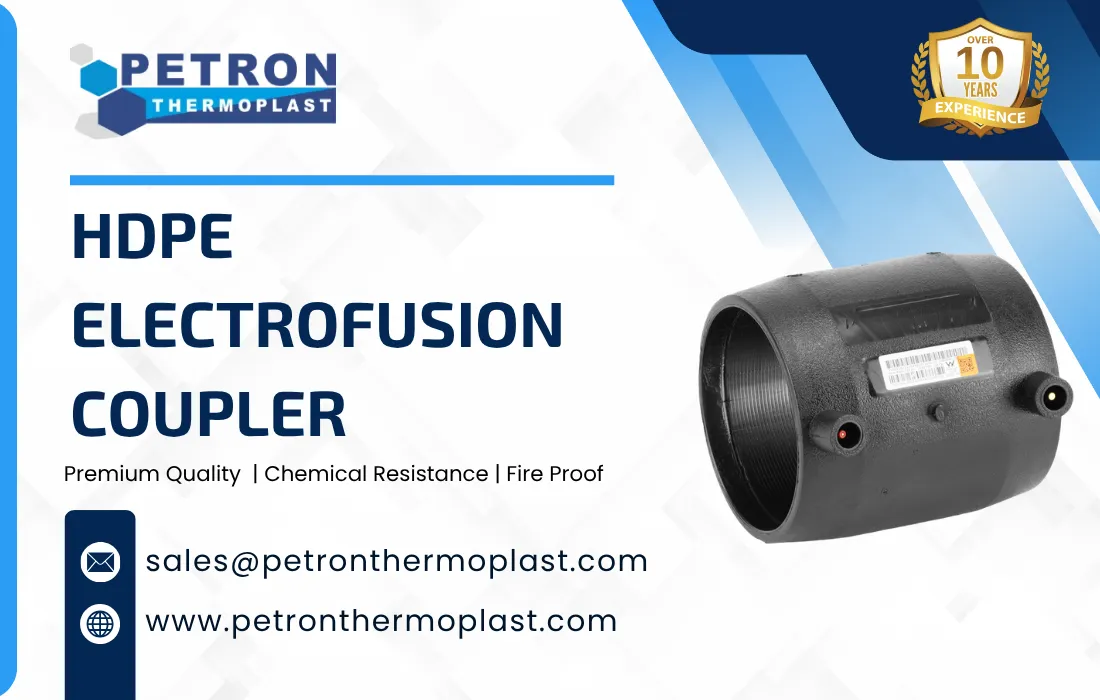
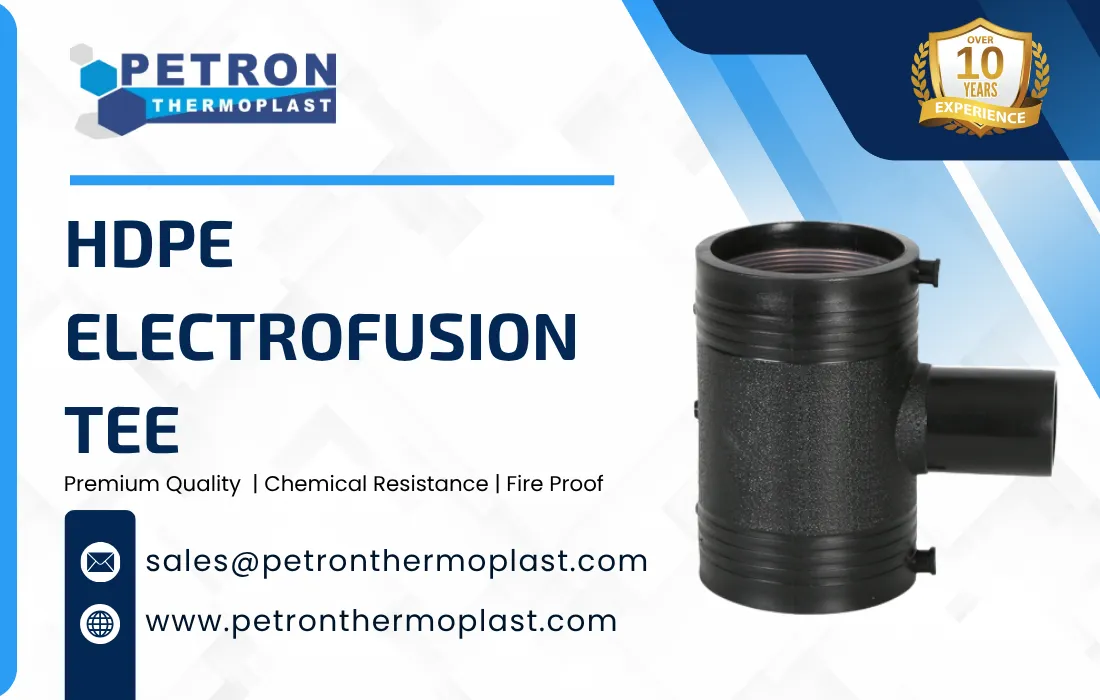
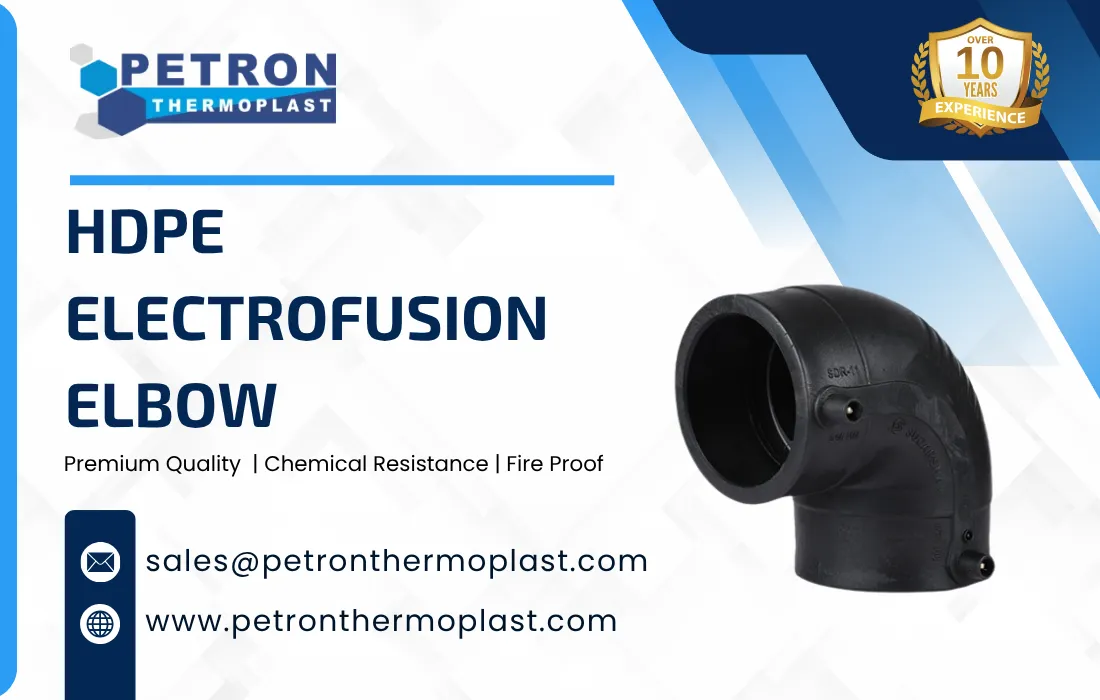
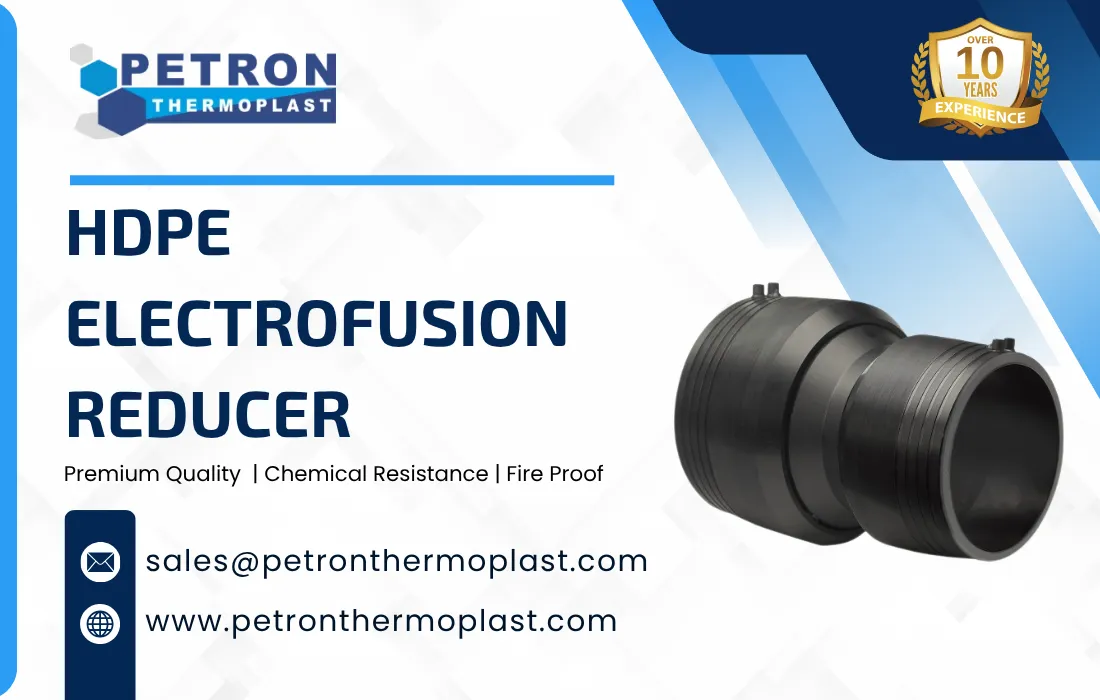
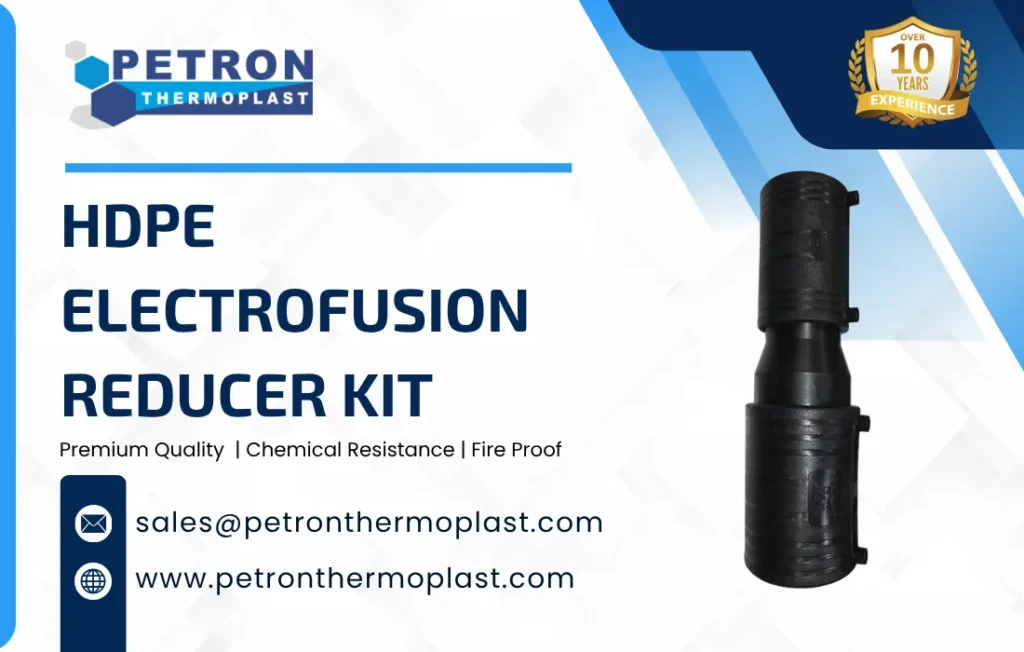
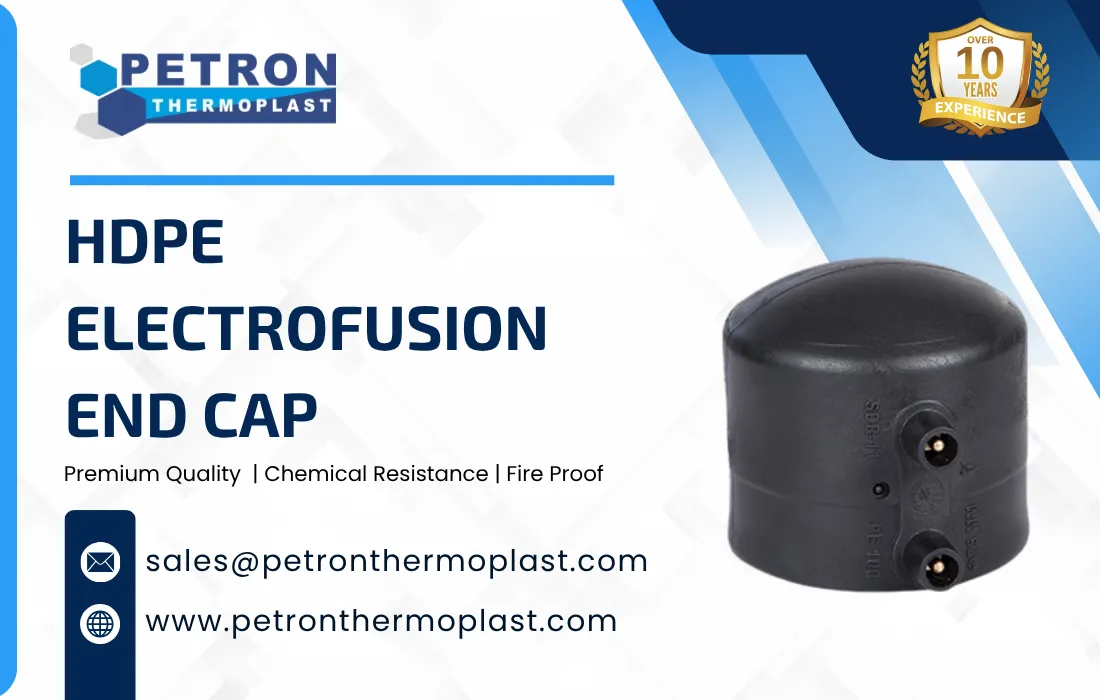
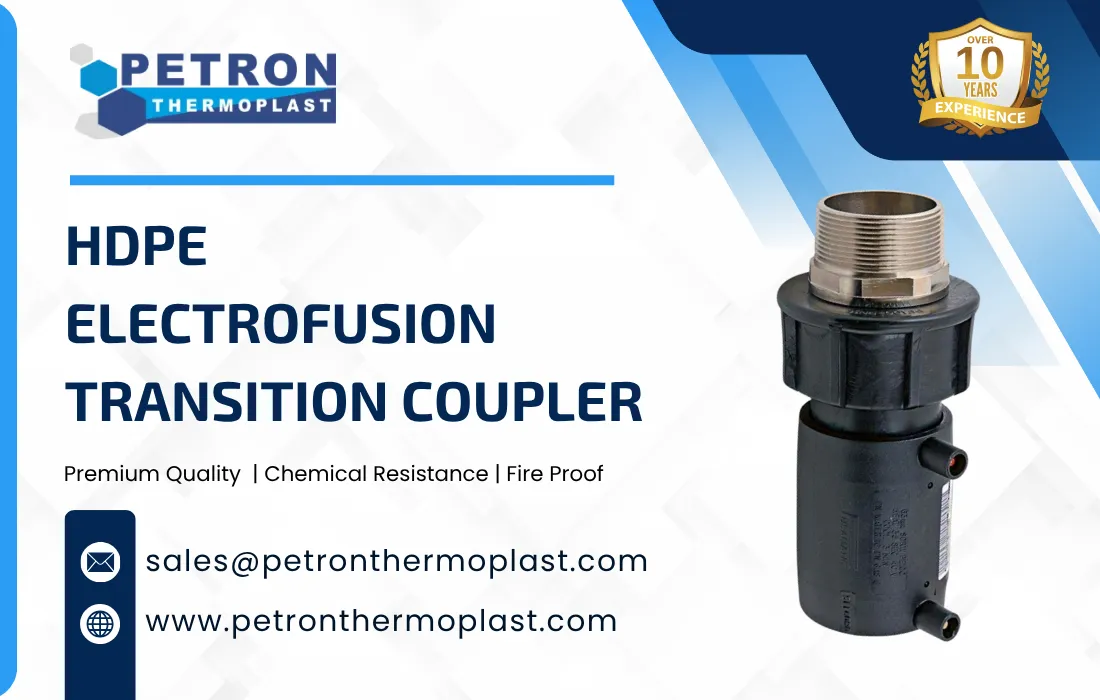
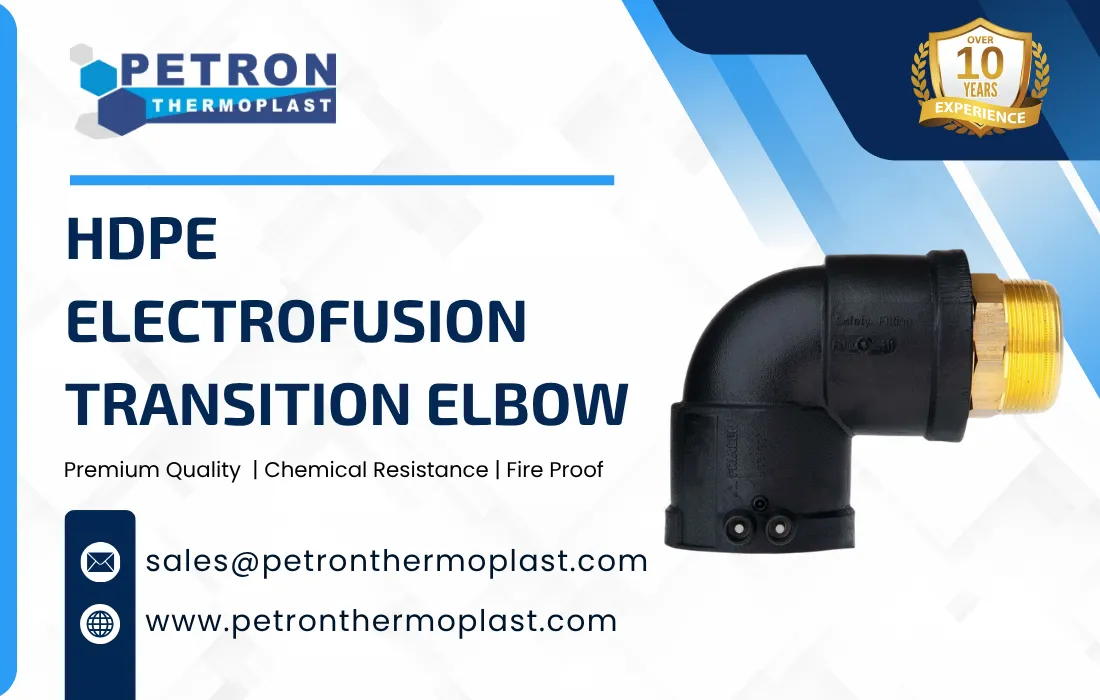
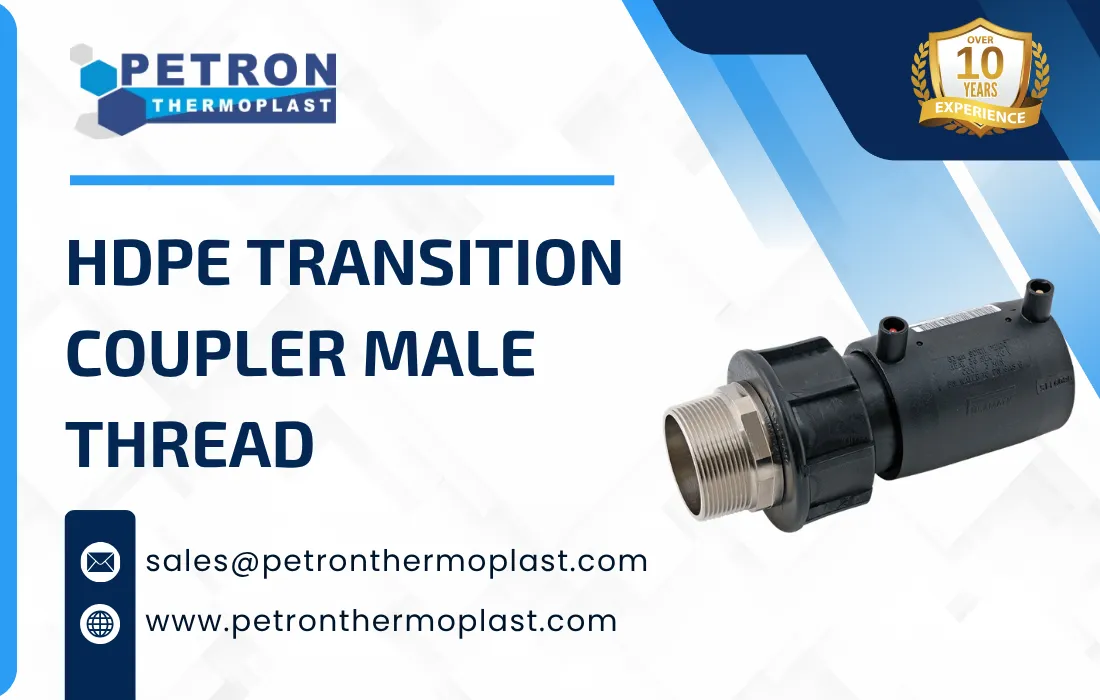
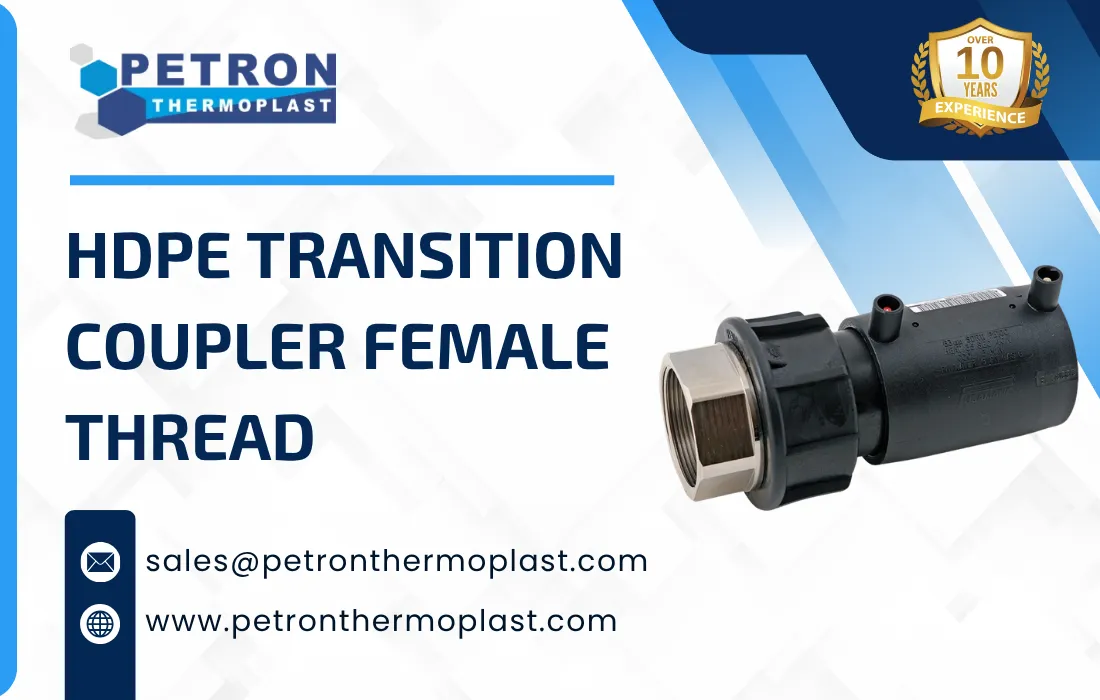
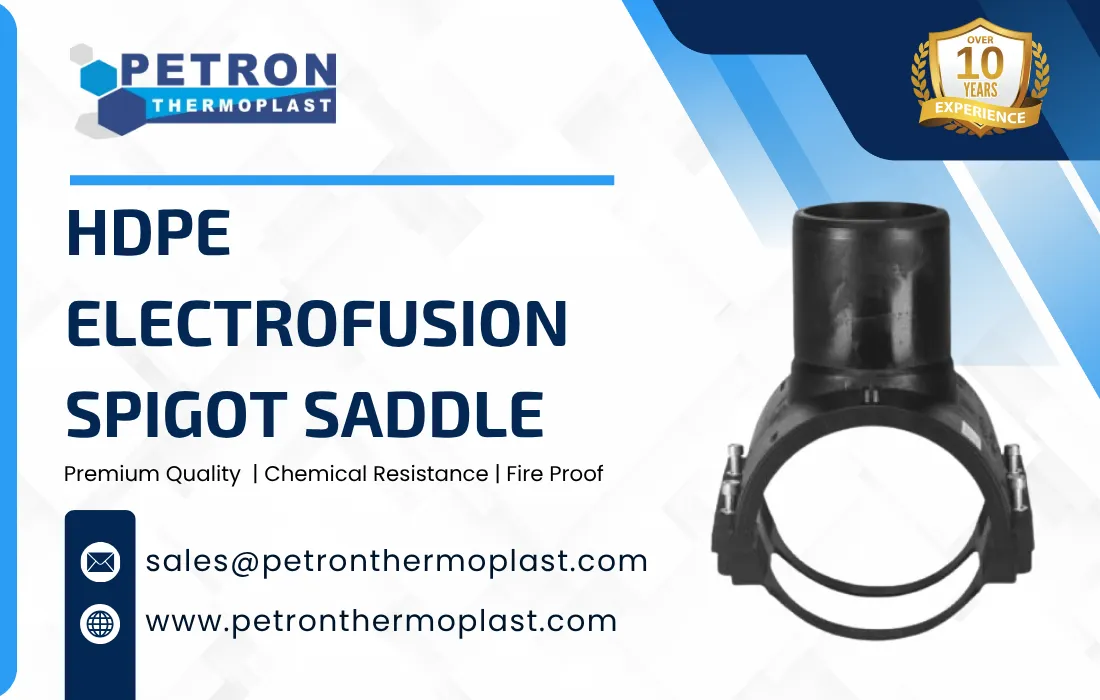
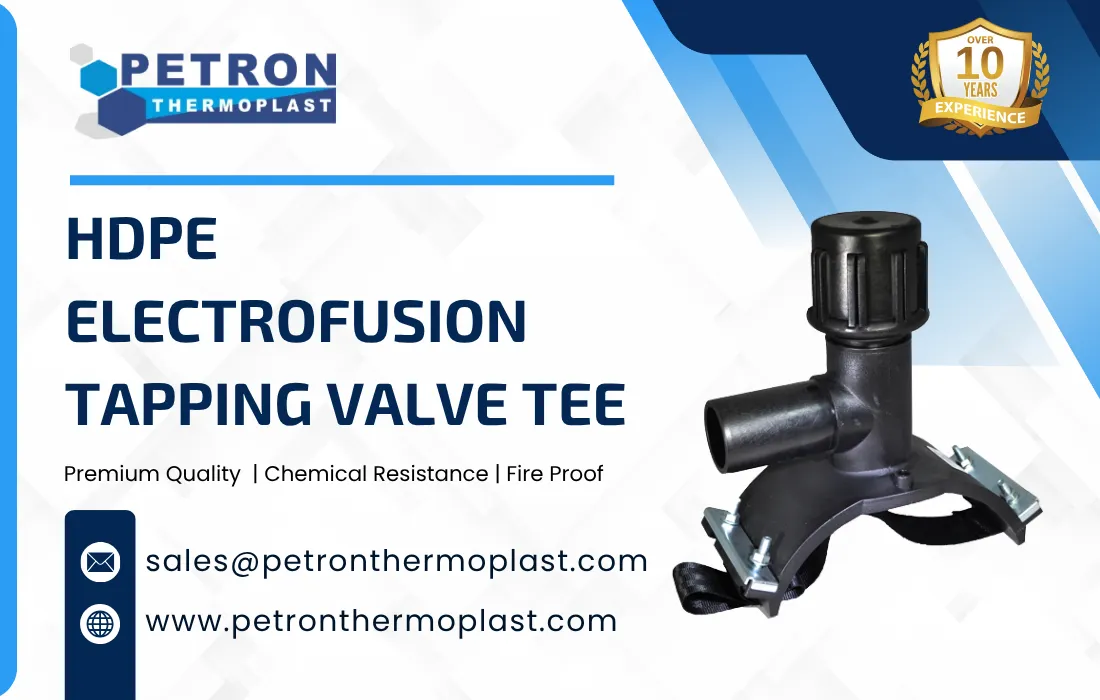
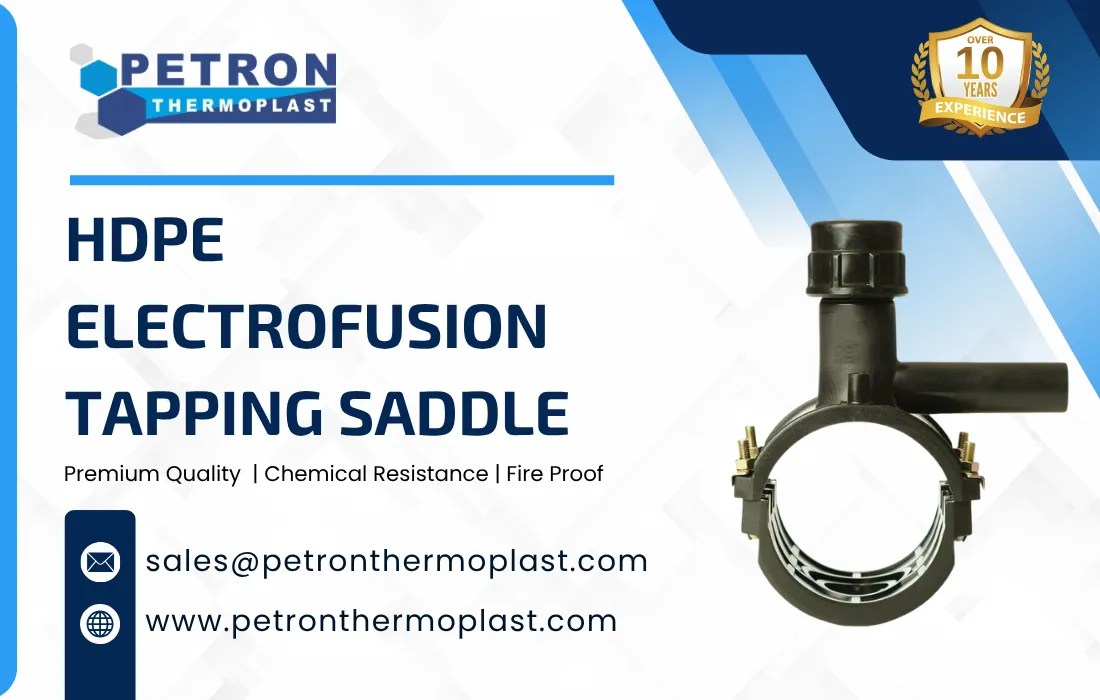
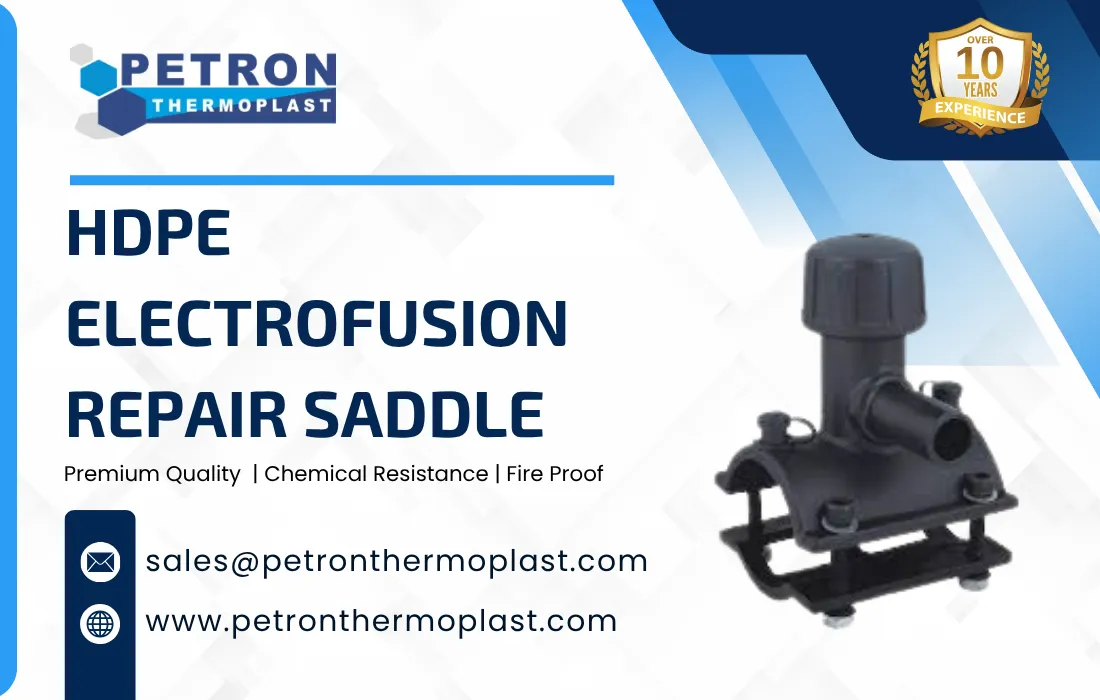
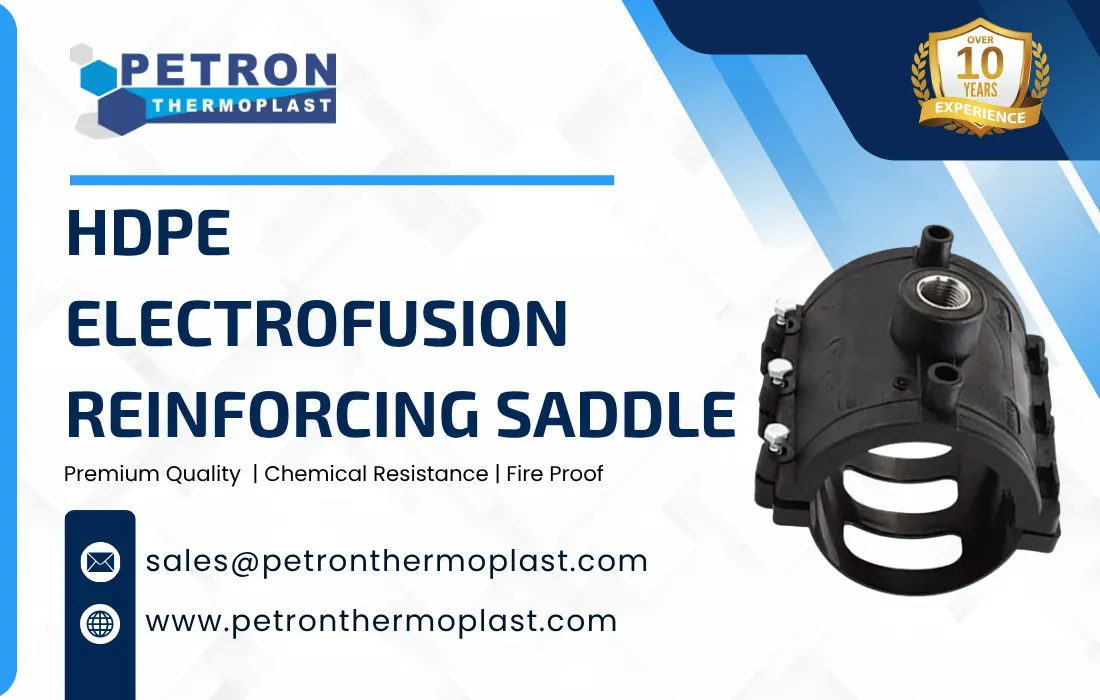
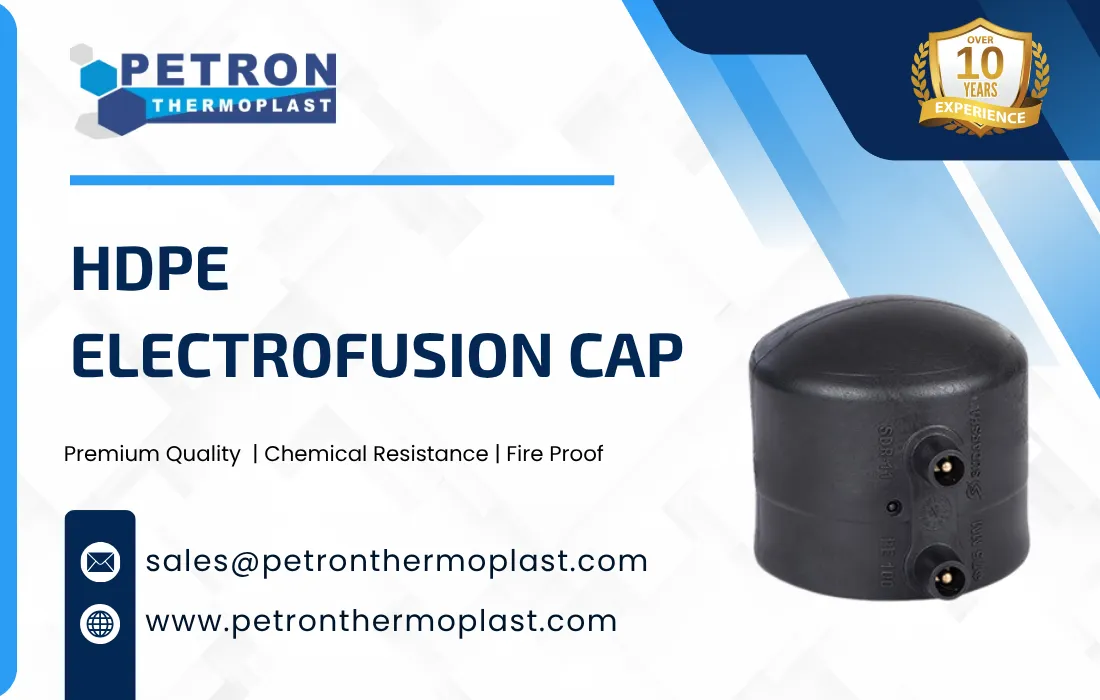
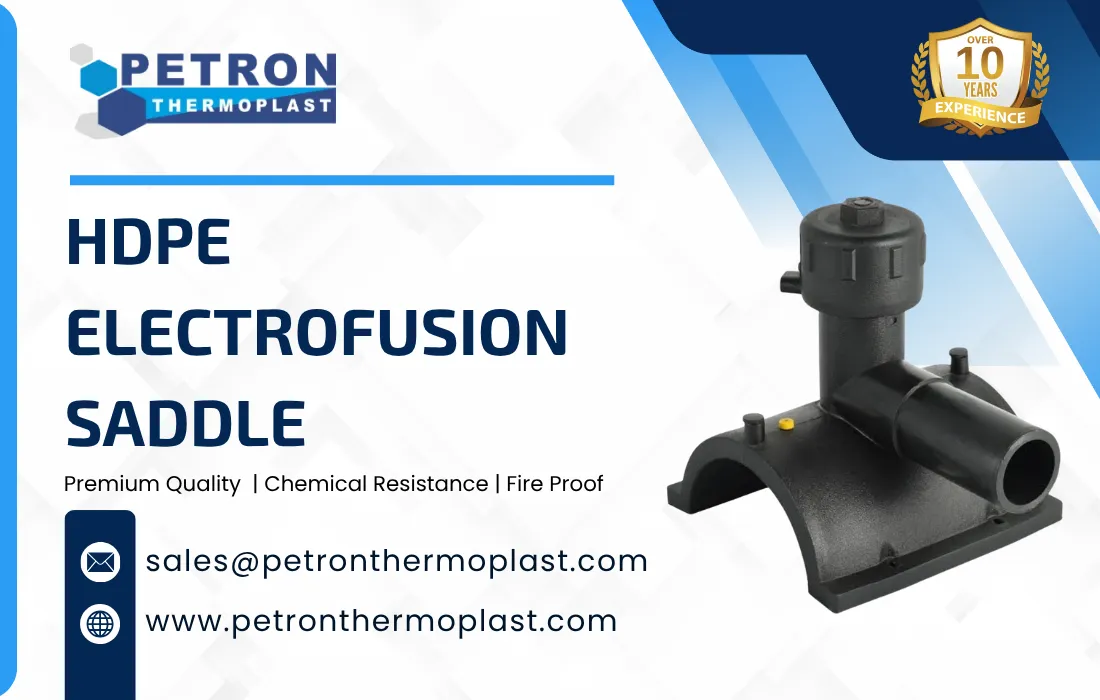
HDPE Electro Fusion Fittings
Electrofusion fittings are specialized HDPE components designed with embedded electric heating elements that, when energized, melt and fuse the fitting to the pipe surface. This technique provides a secure, leak-proof, and durable joint, making it ideal for high-pressure and critical pipeline applications. Electrofusion is especially preferred when working in confined spaces, where using large butt fusion equipment is impractical.
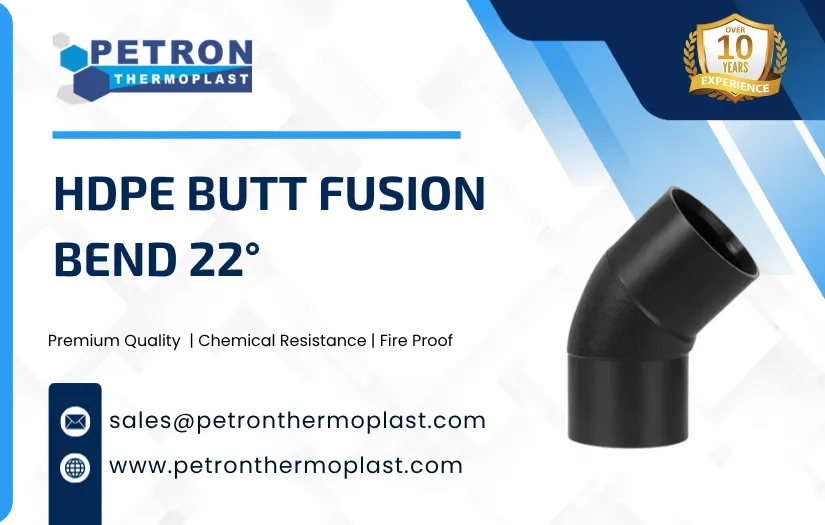
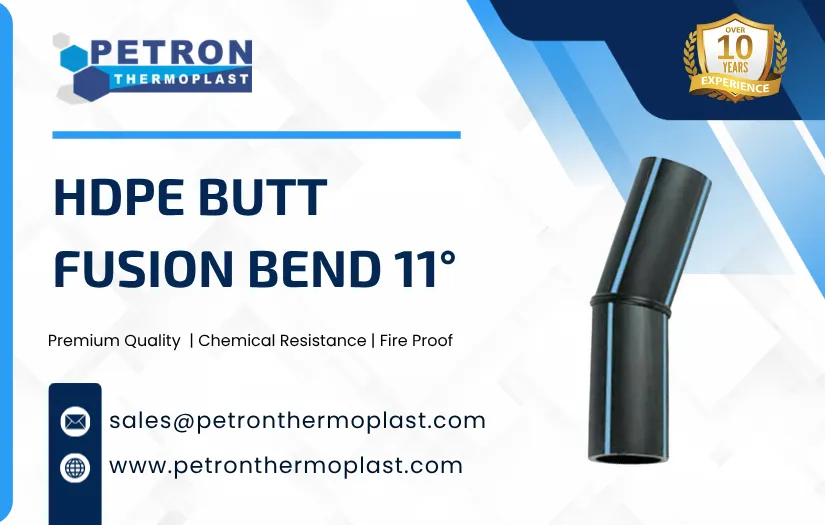
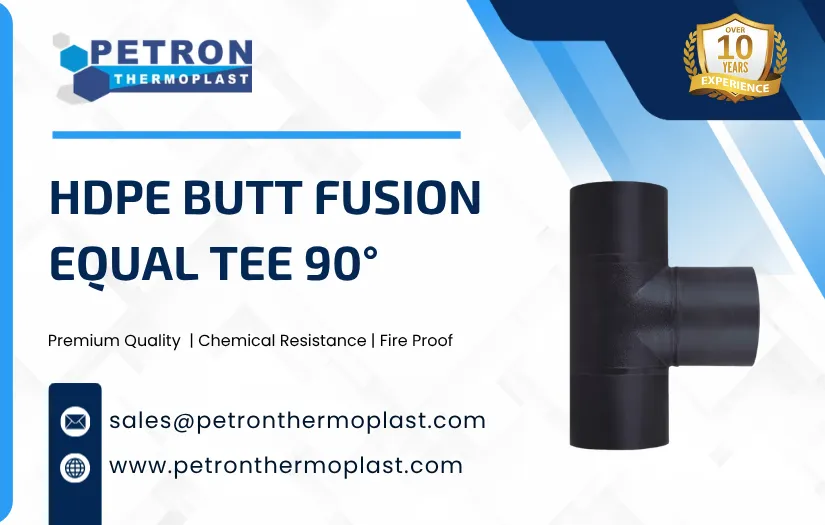
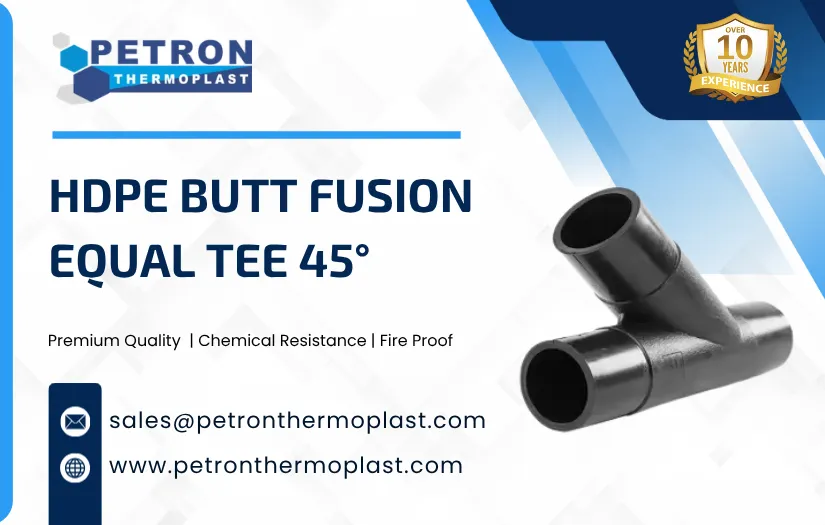
HDPE Butt Fusion Fittings
Butt fusion fittings are one of the most reliable and widely used types of HDPE pipe fittings. These fittings are joined using a butt fusion welding process, which involves heating the ends of both the pipe and the fitting to a precise temperature (typically around 200–220°C), then pressing them together under controlled pressure until they fuse into a single continuous piece. This results in a permanent, seamless, and high-integrity joint.