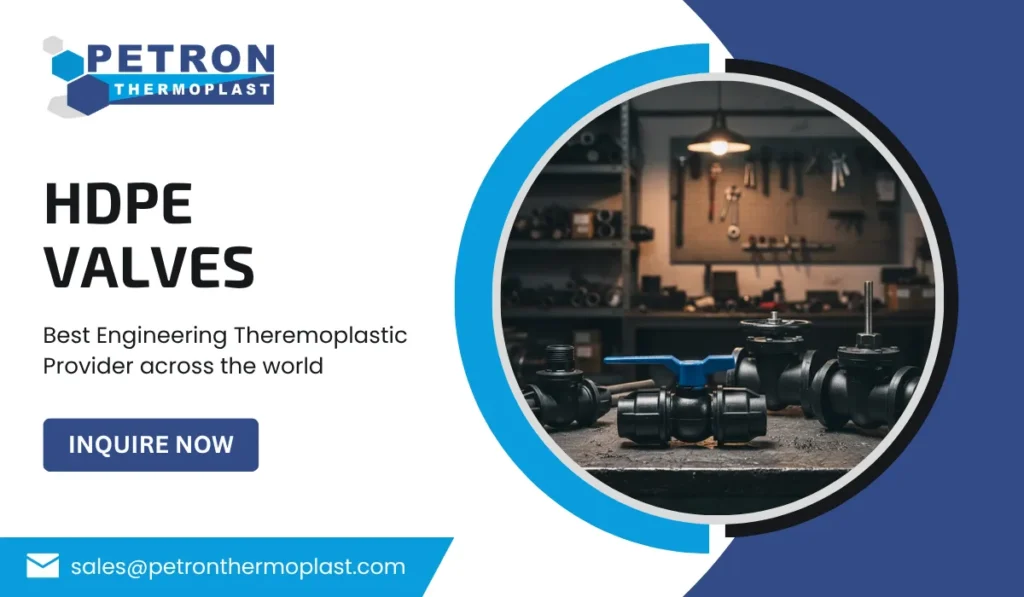
HDPE Valves
HDPE valves are flow control devices made from high-density polyethylene (HDPE), a strong and corrosion-resistant thermoplastic material. These valves are used to regulate, control, or stop the flow of liquids or gases in HDPE piping systems. HDPE valves are plastic valves made of high-density polyethylene used to control fluid flow in pipelines.HDPE valves are flow control devices made from high-density polyethylene (HDPE), a strong and durable plastic material. They are used to control, regulate, or stop the flow of liquids and gases in piping systems.
HDPE Valves are industrial-grade valves made from high-density polyethylene, a thermoplastic known for its toughness, corrosion resistance, and excellent chemical compatibility. These valves are designed to regulate or shut off flow in HDPE piping systems, and are commonly used in water treatment, chemical processing, mining, and irrigation. HDPE valves are lightweight, highly resistant to abrasion, and suitable for underground installations or corrosive environments where traditional metal valves may fail.

HDPE Valves Details
HDPE Valves Range
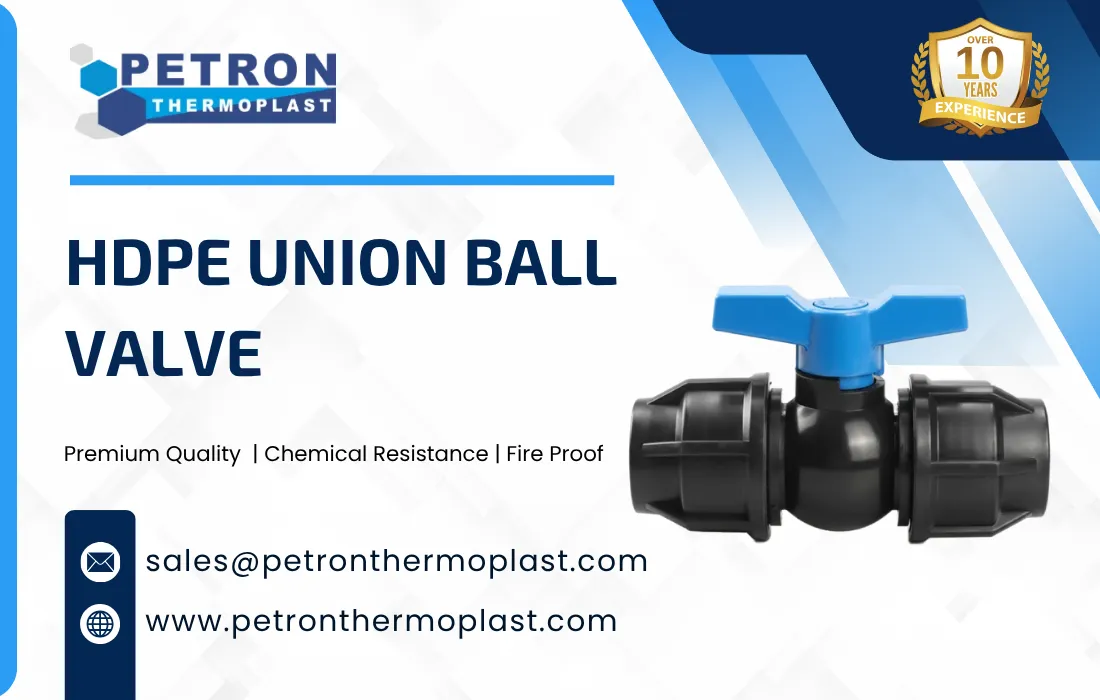
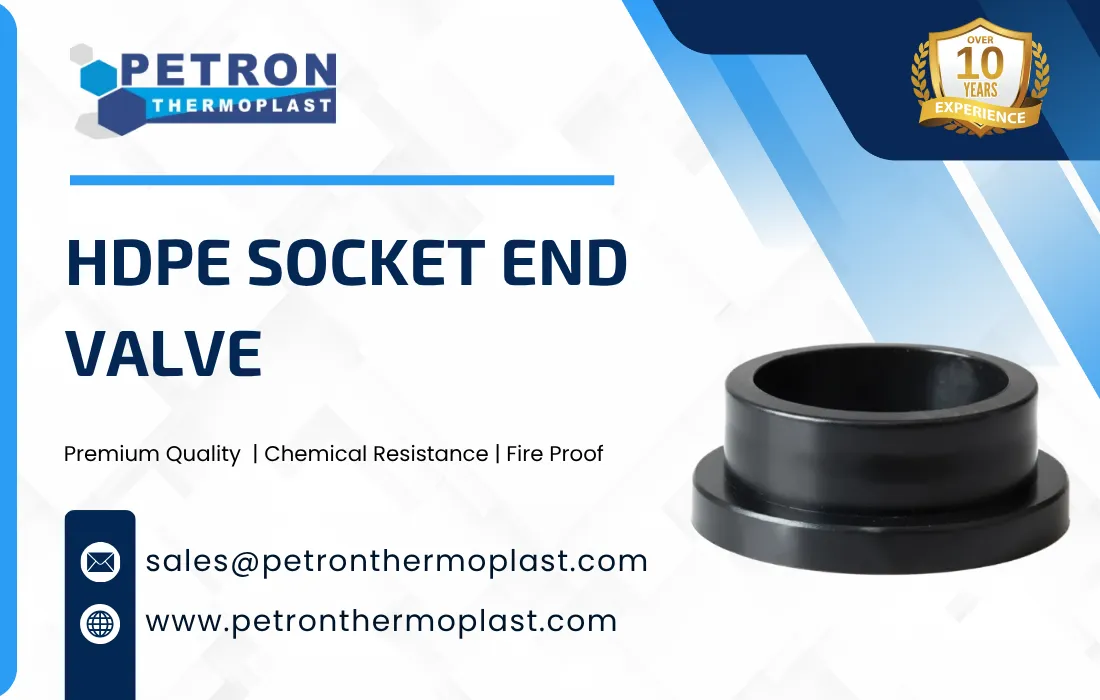
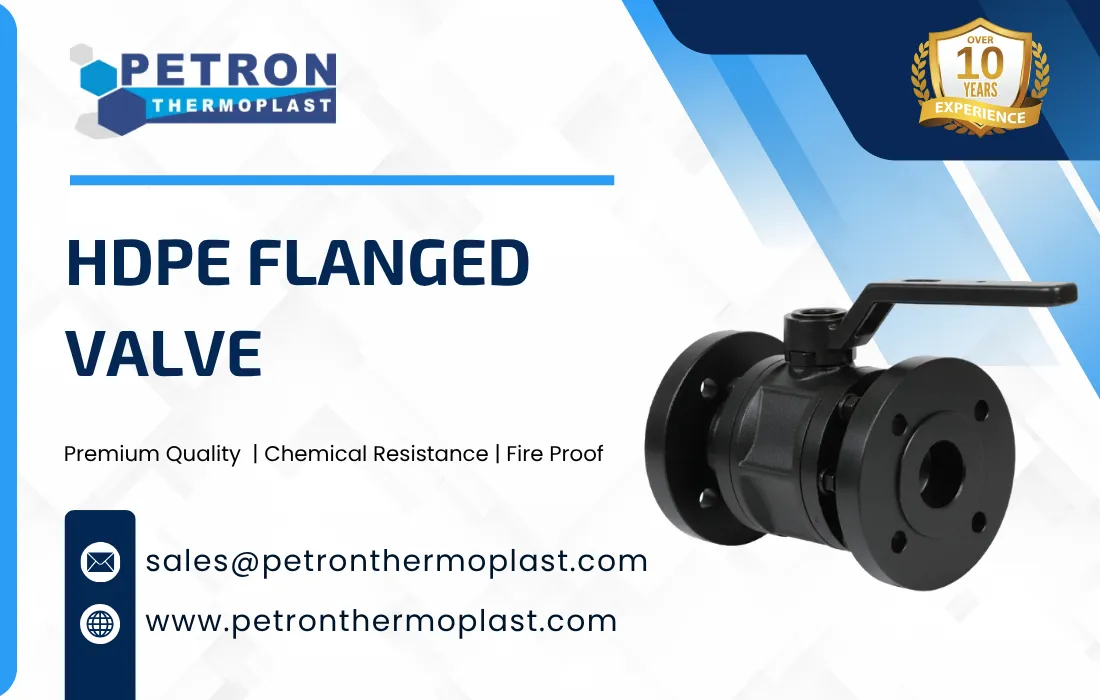
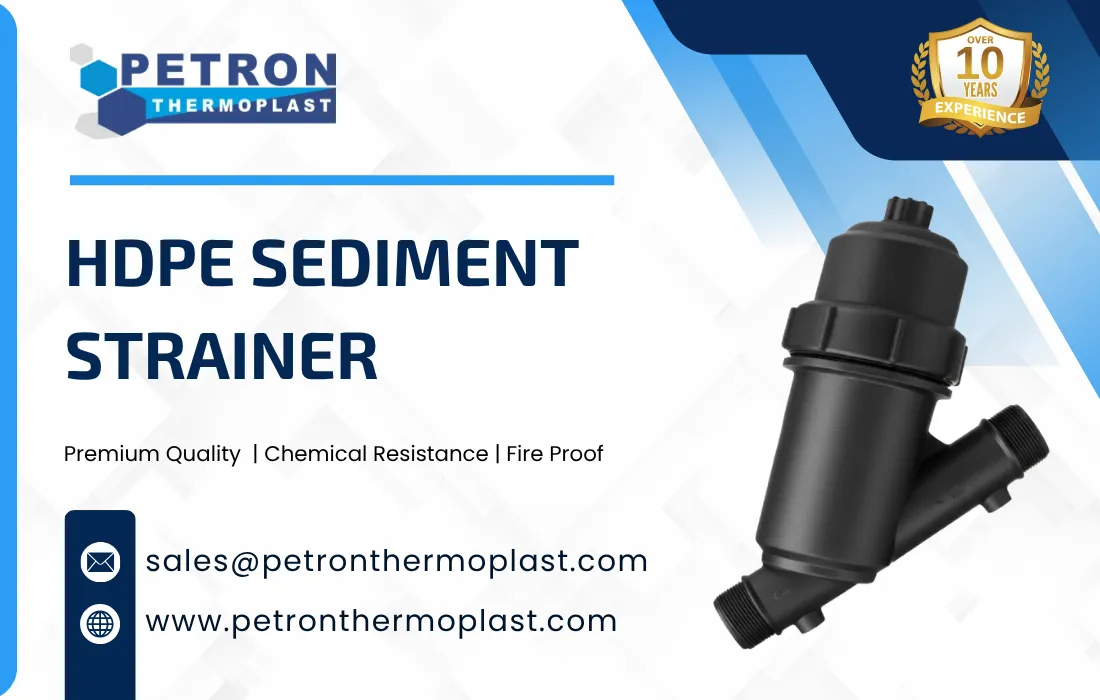
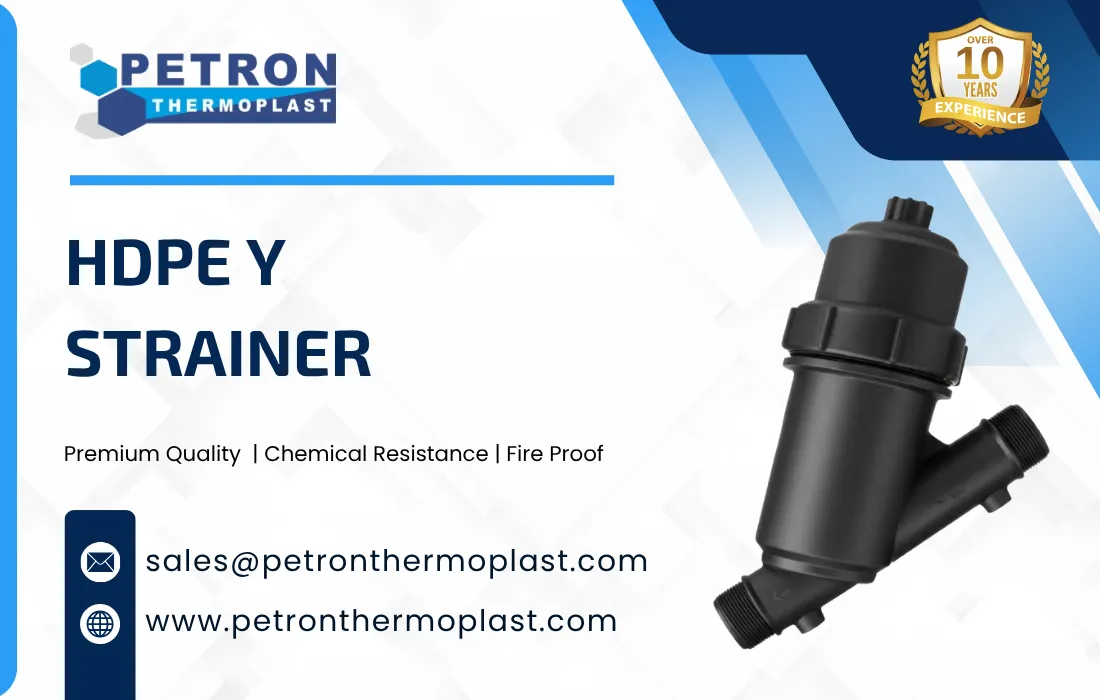
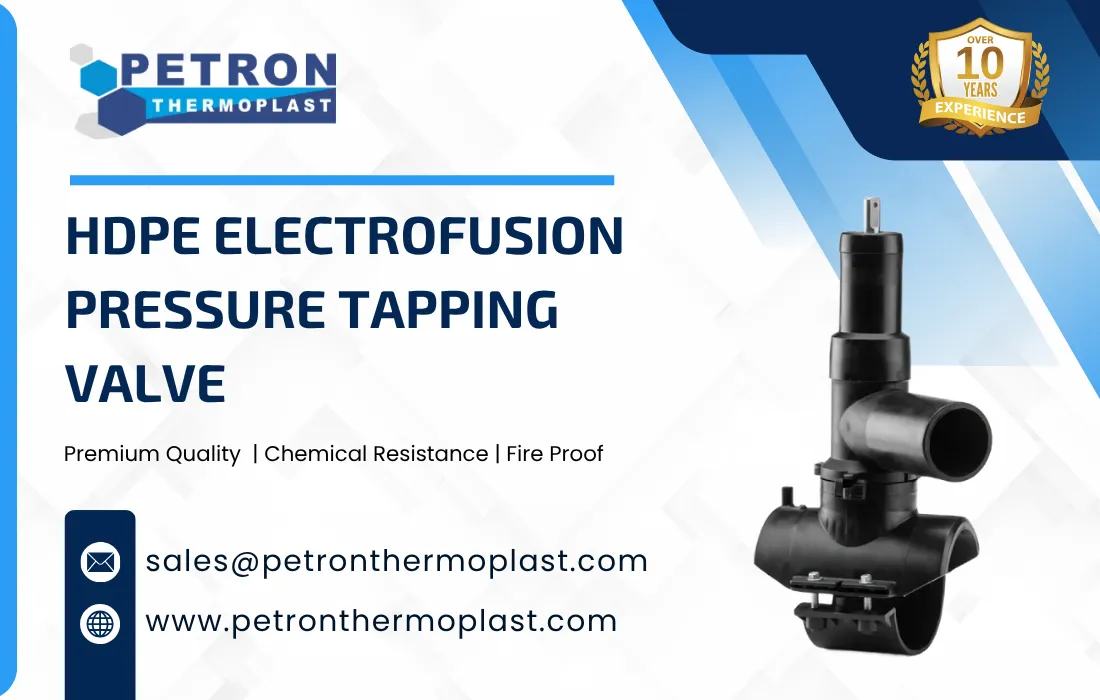
| Parameter | Details |
| Material | High-Density Polyethylene (HDPE – PE80 / PE100) |
| Type of Valves | Ball Valve, Butterfly Valve, Non-Return Valve, Gate Valve |
| Size Range | 20 mm to 630 mm (can vary as per requirement) |
| Pressure Rating | PN6, PN10, PN16 (depending on design and size) |
| Temperature Range | -10°C to 60°C |
| Density | ~0.94 – 0.97 g/cm³ |
| Connection Type | Butt Fusion, Electrofusion, Flanged, Compression |
| Flow Medium | Water, Chemicals, Slurry, Gas |
| Chemical Resistance | Excellent resistance to acids, alkalis, and salts |
| Corrosion Resistance | 100% corrosion-free |
| Surface Finish | Smooth internal surface (low friction loss) |
| Leakage | Leak-proof design |
| Operation Type | Manual / Actuated (Electric or Pneumatic) |
| Standards | ISO 4427, DIN 8074/8075, ASTM D3035 (varies by manufacturer) |
| Color | Black (standard), other colors available |
| Weight | Lightweight compared to metal valves |
| Life Span | 25–50 years (depending on usage conditions) |
Corrosion Resistant
HDPE valves do not rust or corrode, making them ideal for water and chemical appliciations.
Chemical Resistance
Highly resistant to acids, alkalis, and salts, suitable for harsh environments.
Lightweight
Much lighter than metal valves, allowing easy handling and installation.
High Durability
Strong and long-lasting with a service life of 25–50 years.
Leak-Proof Design
Provides tight sealing, reducing leakage and maintenance issues.
Low Maintenance
No scaling or rust formation → minimal maintenance required.
Smooth Internal Surface
Reduces friction and pressure loss, ensuring efficient flow.
Weather & UV Resistance
Suitable for outdoor installations and harsh weather conditions.
Easy Installation
Compatible with butt fusion, electrofusion, and flanged connections.
Flexible & Impact Resistant
Can withstand shock, vibration, and pressure variations.
| Nominal Size (DN) | Outer Diameter (mm) | Approx. Thickness (mm) | Pressure Class (Typical) |
| 20 mm | 20 – 21 mm | 2 – 3 mm | PN6 / PN10 |
| 25 mm | 25 – 26 mm | 2.3 – 3.5 mm | PN6 / PN10 |
| 32 mm | 32 – 33 mm | 3 – 4 mm | PN6 / PN10 / PN16 |
| 40 mm | 40 – 42 mm | 3.7 – 5 mm | PN6 / PN10 / PN16 |
| 50 mm | 50 – 48 mm | 4 – 6 mm | PN6 / PN10 / PN16 |
| 63 mm | 63 mm | 5 – 7 mm | PN10 / PN16 |
| 75 mm | 75 mm | 6 – 8 mm | PN10 / PN16 |
| 90 mm | 90 mm | 8 – 10 mm | PN10 / PN16 |
| 110 mm | 110 – 114 mm | 10 – 12 mm | PN10 / PN16 |
| 160 mm | 160 – 168 mm | 12 – 15 mm | PN10 / PN16 |
| 200 mm | 200 – 219 mm | 15 – 18 mm | PN10 / PN16 |
| 250 mm | 250 mm | 18 – 22 mm | PN10 / PN16 |
| 315 mm | 315 mm | 20 – 25 mm | PN10 / PN16 |
| PN Rating | Pressure (bar) | Pressure (MPa) | Typical Application |
| PN4 | 4 bar | 0.4 MPa | Low-pressure drainage |
| PN6 | 6 bar | 0.6 MPa | Irrigation, water supply |
| PN8 | 8 bar | 0.8 MPa | Rural water systems |
| PN10 | 10 bar | 1.0 MPa | Standard water distribution |
| PN12.5 | 12.5 bar | 1.25 MPa | Medium-pressure systems |
| PN16 | 16 bar | 1.6 MPa | Industrial & high-pressure water |
| PN20 | 20 bar | 2.0 MPa | High-pressure applications |
| PN25 | 25 bar | 2.5 MPa | Critical industrial systems |
| Parameter | Details |
| Operating Temperature Range | -10°C to 60°C |
| Maximum Short-Term Temperature | Up to 80°C (for a limited duration) |
| Recommended Working Temperature | 0°C to 40°C |
| Melting Temperature | ~120°C to 135°C |
| Density of HDPE Material | 0.94 – 0.97 g/cm³ |
User Manual for HDPE Valves
Installation
Preparatory work
Before installation, check whether pipe fittings and accessories are intact, determine the direction and connection mode of pipes, and prepare appropriate installation tools.
Trench excavation
Excavate the trench according to the design requirements to ensure that the bottom of the trench is smooth and there are no sharp objects to avoid scratching the pipeline.
Pipe connection
The hot melt connection method is adopted to ensure that the connection surface is clean, dry, and free of oil. During the heating process, the heating time and temperature are strictly controlled to avoid the deformation of the pipeline caused by excessive heating.
Pipeline laying and fixing
The pipeline is smoothly placed in the pipe trench, fixed according to the design requirements, to ensure that the pipeline will not be displaced by external forces.
Backfill and tamp
After the pipeline is laid, backfill is carried out in time, and rammed layer by layer to ensure that the density of backfill meets the design requirements.
Maintenance=
Periodic inspection
Regular inspection of the pipeline system, including pipe joints, fixed points, valves, etc., to ensure that there is no leakage or deformation.
Cleaning and maintenance
Clean the debris and dirt in the pipe regularly to keep the pipe unblocked. Pipes that have not been used for a long time should be cleaned and disinfected to prevent the growth of bacteria.
Maintenance and replacement
For the damaged or aging pipe fittings found, they should be repaired or replaced in time to avoid affecting the operation of the entire pipeline system.
Create a file
Establish pipeline system files to record the installation, maintenance, and repair of pipelines for future inquiry and management.
Customization of HDPE Valves
HDPE valves can be customized according to specific application requirements:
- Size Customization
Available in different diameters (small to large pipelines) - Pressure Rating
Designed for PN6, PN10, PN16, or higher based on system needs - Connection Types
Options like butt fusion, electrofusion, flanged, and threaded ends - Material Grade
Choice of PE80 or PE100, depending on strength and durability requirements - Actuation Options
Can be manual, pneumatic, or electrically operated - Special Coatings / Linings
For enhanced chemical resistance or UV protection - Design Modifications
Custom shapes, flow paths, and sealing systems for specific industries
Processing of HDPE Valves
HDPE valves are manufactured using advanced plastic processing techniques:
- Injection Molding
Used to produce valve bodies and small components with high precision - Compression Molding
Suitable for thicker and heavy-duty valve parts - Machining
Finishing process to achieve accurate dimensions and smooth surfaces - Butt Fusion Welding
Used to join HDPE components and ensure leak-proof connections - Electrofusion Welding
Provides strong and reliable joints using embedded heating elements - Assembly & Testing
The final stage includes assembly, pressure testing, and quality inspection.
The testing and quality inspection of HDPE valves involves a range of methods to ensure they meet the necessary standards for safety and performance. These include:
- Appearance and Dimensional Inspection: This initial screening checks for color, gloss, and overall appearance of the valve. It also includes dimensional accuracy to ensure proper fit and function.
- Pressure and Leakage Testing: This involves testing the valve’s pressure rating and leakage resistance to ensure it can handle the intended pressure without leaking.
- Hydrostatic Testing: Conducted to assess the structural integrity of the valve and to reveal any faults or defects in the assembly procedures.
- Material Testing: This includes density, melt flow index, melt flow rate, tensile properties, and impact strength tests to ensure the valve’s material meets the required specifications.
- These tests are crucial for the safe and reliable operation of HDPE valves in various industrial applications.
HDPE (high-density polyethylene) is a thermoplastic with excellent chemical stability, corrosion resistance, high toughness, and lightweight characteristics. It is widely used in water supply and drainage, gas transmission, the chemical industry, and other fields. The main advantages of HDPE valves and fittings include:
Strong corrosion resistance: HDPE has strong tolerance to acids, alkalis, salts, and organic solvents, and is suitable for corrosive environments such as the chemical industry and sewage treatment.
Lightweight: The density is only 0.94–0.96 g/cm³, which makes it easy to transport and install, reducing construction costs.
Good flexibility: It can adapt to foundation settlement and reduce the risk of rupture of the pipeline system due to external forces.
Long life: Under normal use conditions, the life of HDPE valves can reach more than 50 years, which is much higher than that of metal valves.
HDPE valves are utilized across various industries due to their durability, chemical resistance, and efficient flow control. Here are some of the key industries where HDPE valves are commonly used:
- Water Treatment: HDPE valves are used in water treatment facilities to regulate and control the flow of water.
- Chemical Processing: These valves are essential in chemical processing plants for managing the flow of chemicals.
- Mining: HDPE valves are used in mining operations to control the flow of materials and fluids.
- Irrigation: In settings, HDPE valves are used to manage water distribution and irrigation systems.
- Gas Transmission: HDPE valves are used in gas transmission pipelines to ensure safe and efficient gas flow.
- Sewage Treatment: These valves are used in sewage treatment plants to manage the flow of sewage and other waste.
The versatility and long-term reliability of HDPE valves make them a preferred choice for industries that require reliable and durable valve solutions.

Custom Product Manufacturing Available
If you are searching for customized product designs that meet your requirements, don’t worry. Petron Thermoplast also offers custom product manufacturing services to meet the unique needs of various industries. Work with our expert engineers to create custom designs suited for your application.
Benefits of HDPE Valves
Superior Corrosion Resistance
Unlike traditional metal valves, a valve HDPE does not rust or corrode. This makes it ideal for underground installations, municipal water lines, and gas distribution networks. HDPE valves often require protective coatings to prevent corrosion. Over time, these coatings may degrade. In contrast, HDPE valve systems are inherently resistant to moisture, chemicals, and environmental exposure.
Lightweight Yet Structurally Strong
One of the biggest advantages of an HDPE valve is its lightweight design. This makes installation faster and easier compared to heavy metal alternatives. Despite being lighter, HDPE valves offer impressive structural strength. They can withstand mechanical stress, pressure variations, and long-term operational demands.
Excellent Pressure Handling Capability
HDPE material provides:
- High tensile strength
- Impact resistance
- Pressure stability
- Long operational life
Seamless Integration with HDPE Electrofusion Systems
An HDPE valve integrates seamlessly with HDPE electrofusion pipelines. Using electrofusion technology, the valve can be fused directly into the pipeline system, creating a homogenous and leak-proof joint.
Precise Flow Control
The mechanism is simple yet highly effective. Inside the valve, a spherical ball with a bore rotates to either allow or block flow. When aligned with the pipeline, fluid flows freely. When rotated 90 degrees, the flow stops completely.
This design offers:
- Quick shut-off capability
- Smooth operation
- Reliable sealing
- Minimal pressure drop
Long Service Life and Low Maintenance
Durability is non-negotiable in pipeline infrastructure.
HDPE valve systems offer:
- Resistance to chemical attack
- No internal corrosion
- Reduced maintenance requirements
- Long service life (often 50+ years under proper conditions)
Types of HDPE Valves
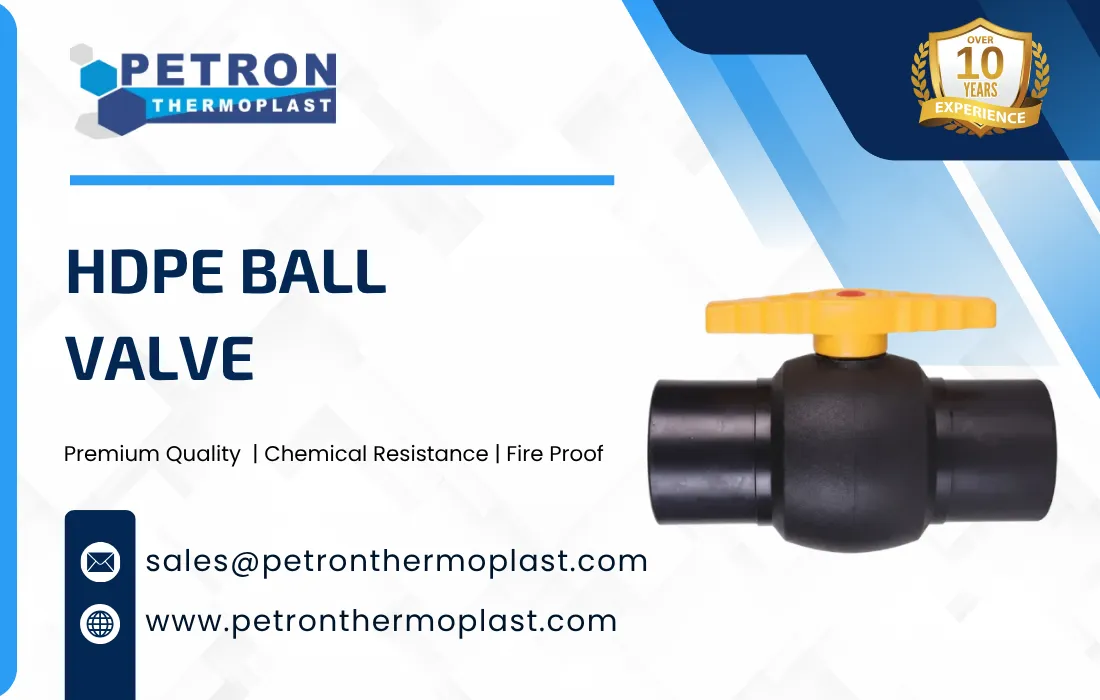
1. HDPE Ball Valve
- Uses a rotating ball to control flow
- Provides quick shut-off (on/off)
- Widely used in water and chemical pipelines
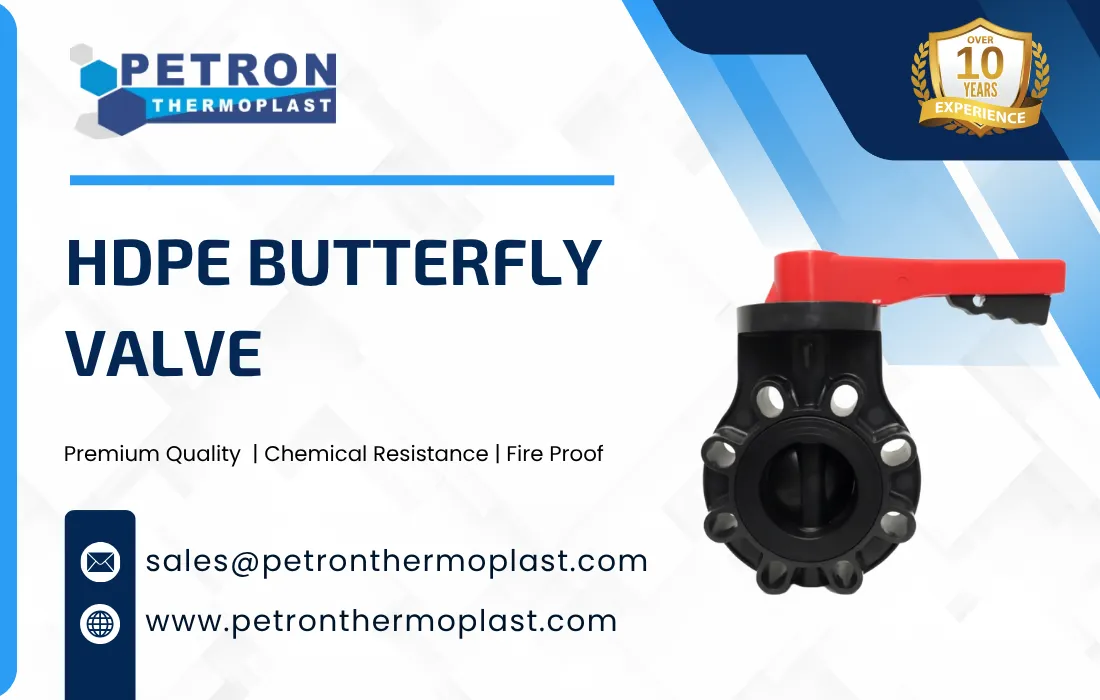
2. HDPE Butterfly Valve
- Uses a rotating disc to regulate flow
- Lightweight and suitable for large diameter pipes
- Common in water treatment and irrigation systems
3. HDPE Gate Valve
- Uses a sliding gate (wedge) to control flow
- Suitable for full open or full close operations
- Used in the main water supply lines
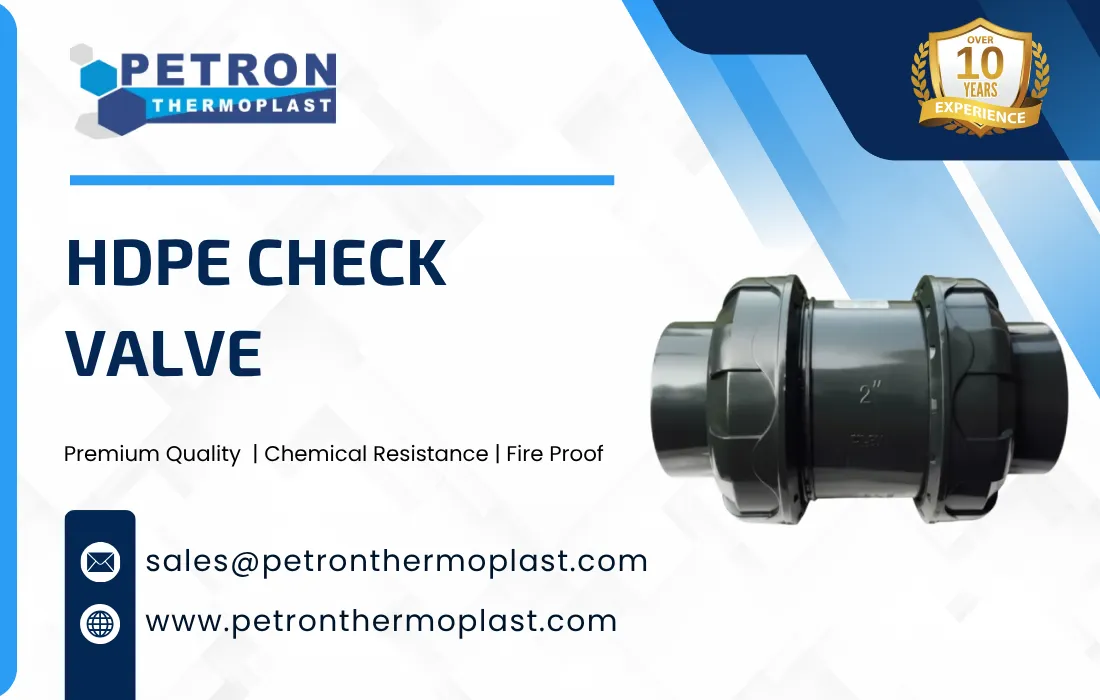
4. HDPE Check Valve (Non-Return Valve)
- Allows flow in one direction only
- Prevents backflow in pipelines
- Used in pumping and drainage systems
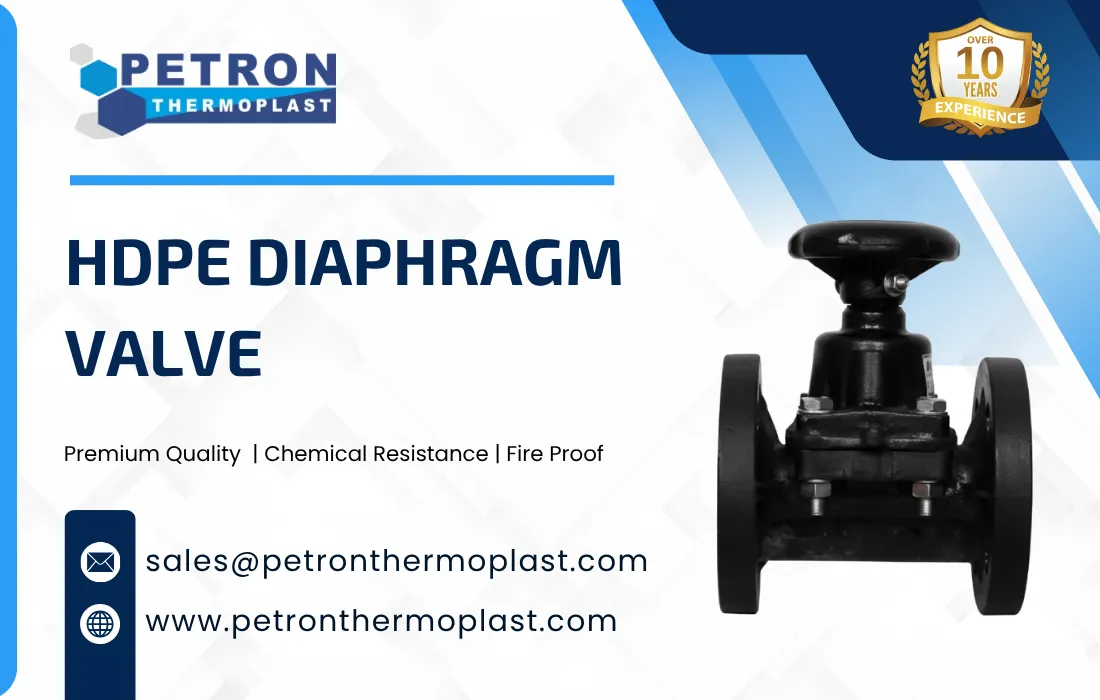
5. HDPE Diaphragm Valve
- Uses a flexible diaphragm to control flow
- Ideal for corrosive and slurry fluids
- Common in the chemical and pharmaceutical industries
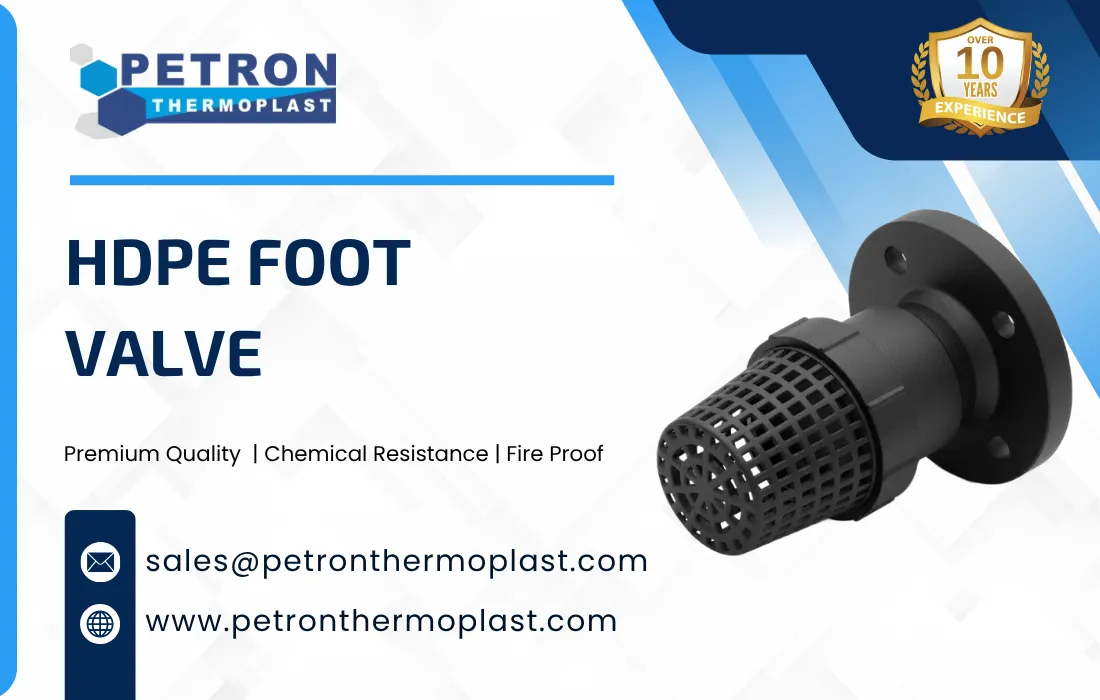
6. HDPE Foot Valve
- Installed at the bottom of the suction pipes
- Prevents backflow and maintains pump priming
- Used in water wells and pumping systems
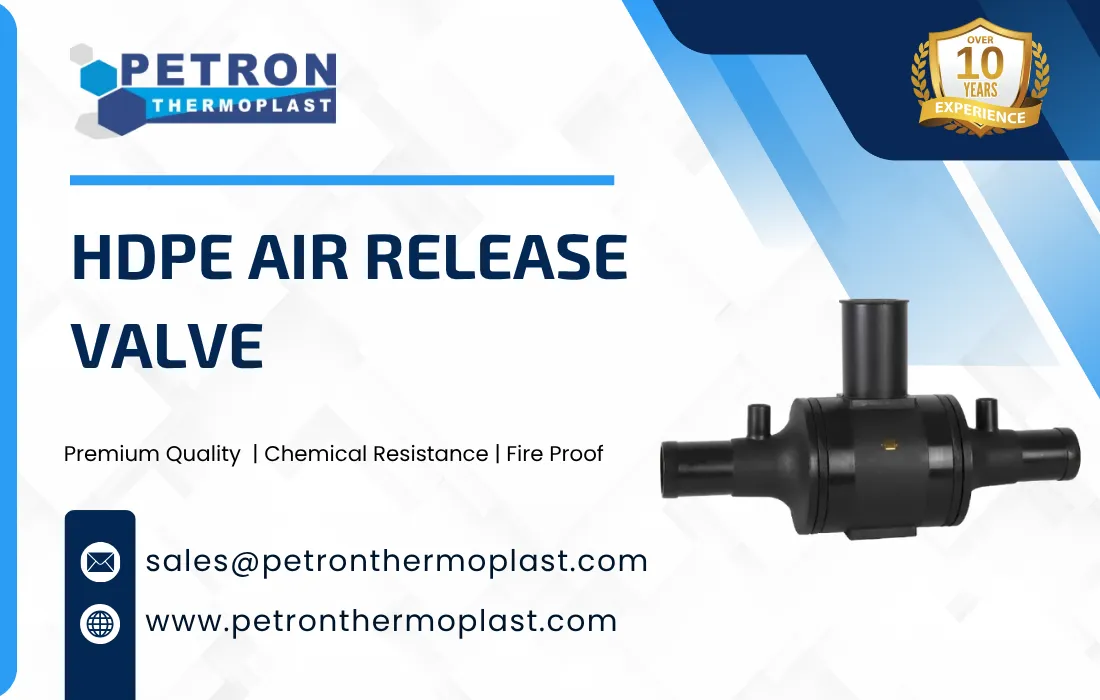
7. HDPE Air Release Valve
- Releases trapped air from pipelines
- Improves system efficiency and prevents damage
- Used in water distribution systems
8. Flush Bottom Valve
- Installed at the bottom of the tanks
- Allows complete drainage of fluids
- Used in chemical and process industries
Why Choose Petron Thermoplast?
At Petron Thermoplast, quality and innovation serve as the core foundation of all operations, ensuring the delivery of high-performance piping solutions. As the exclusive distributor of Petron Thermoplast Fittings in India, the company offers an extensive portfolio including PE Ball Valves in both full and reduced bore, HDPE electrofusion fittings, and brass transitional couplers. These solutions are backed by prestigious certifications such as DVGW for gas applications and IIP for water and sewerage, while also offering future-proof, hydrogen-ready certified products. Beyond material supply, their team of experts provides comprehensive technical guidance—from initial product selection to final installation—to guarantee safe, efficient, and reliable pipeline performance for critical industrial and municipal infrastructure.
Conclusion
HDPE is a high-performance plastic widely used in packaging, construction, automotive, and medical industries. Its strength, chemical resistance, and recyclability make it an essential material for modern applications.HDPE valves are modern, reliable, and efficient flow control solutions widely used in piping systems. Made from high-density polyethylene, they offer excellent corrosion resistance, chemical stability, and long service life compared to traditional metal valves.
They are lightweight, easy to install, and require minimal maintenance, making them cost-effective for long-term use. Their flexibility and durability allow them to perform well in harsh environments and various industrial applications, including water supply, chemical processing, and irrigation systems.
Frequently Asked Questions
HDPE valves are flow control devices made from high-density polyethylene, used to regulate or stop the flow of liquids and gases in pipelines.
They are used in water supply, irrigation, chemical industries, wastewater treatment, and industrial piping systems.
- Corrosion and chemical resistant
- Lightweight and durable
- Low maintenance
- Long service life
Common types include ball valves, butterfly valves, gate valves, and check valves.
HDPE valves are typically available in PN6, PN10, PN16, and higher pressure classes depending on the application.
They generally operate between -10°C and 60°C, with limited use up to 80°C.
Yes, they offer excellent resistance to acids, alkalis, and chemicals, making them ideal for chemical industries.
They can be installed using butt fusion, electrofusion, flanged, or threaded connections.
HDPE valves require minimal maintenance due to their non-corrosive and smooth surface properties.
They typically last 25–50 years, depending on operating conditions.