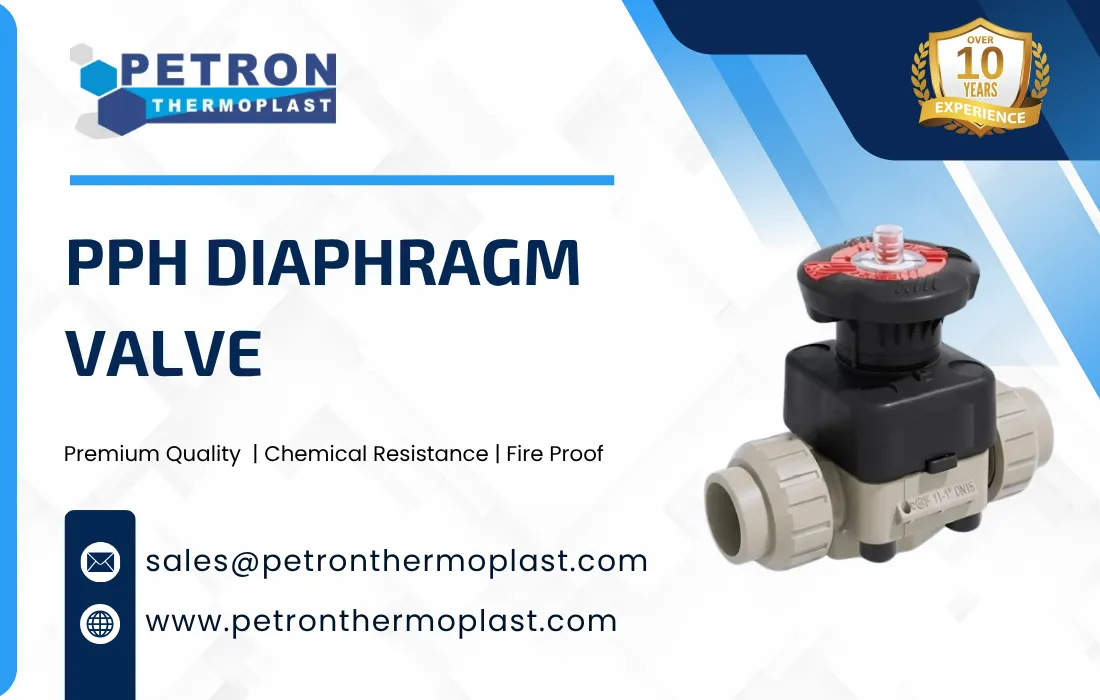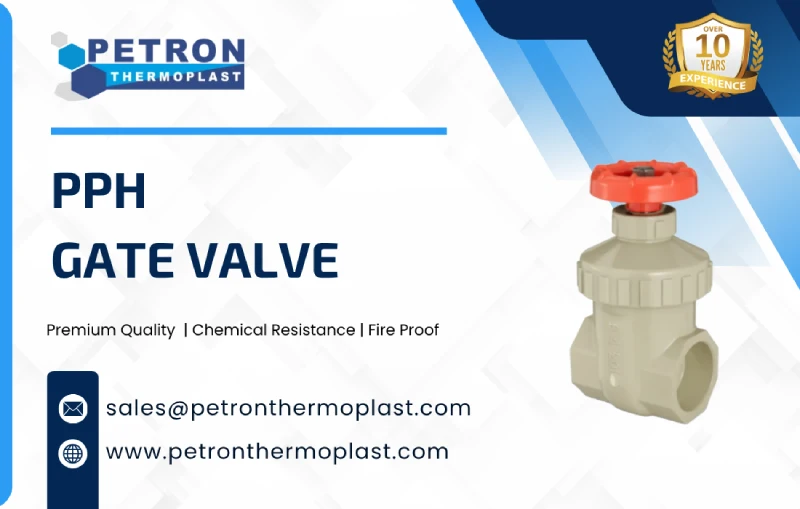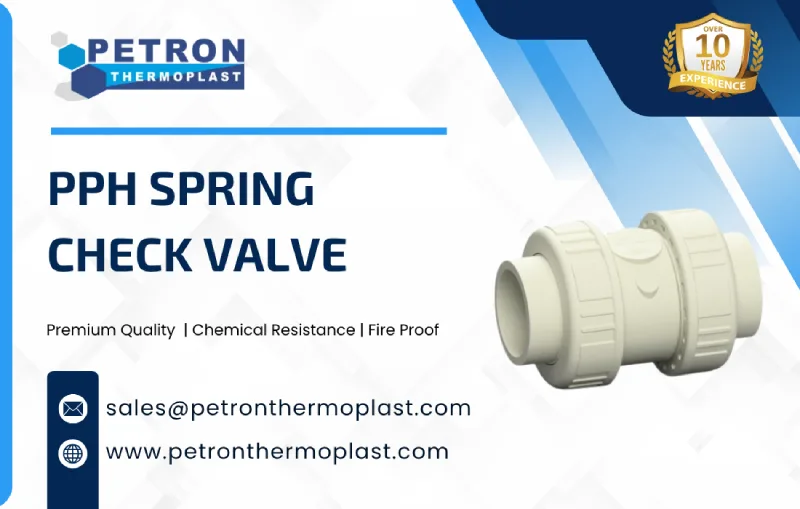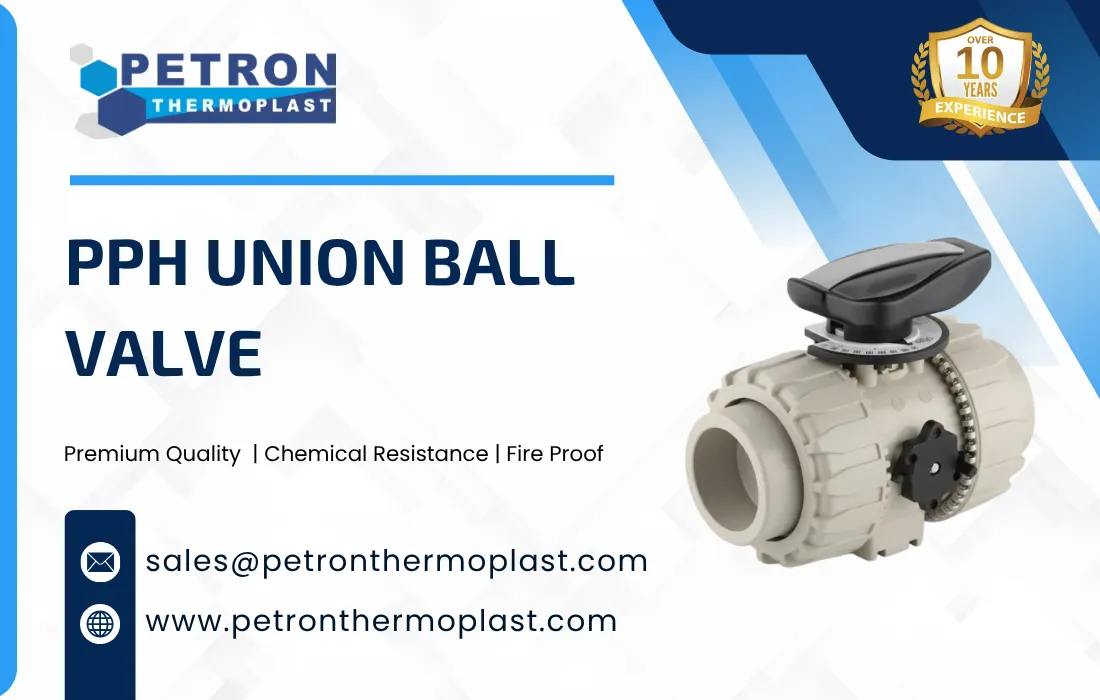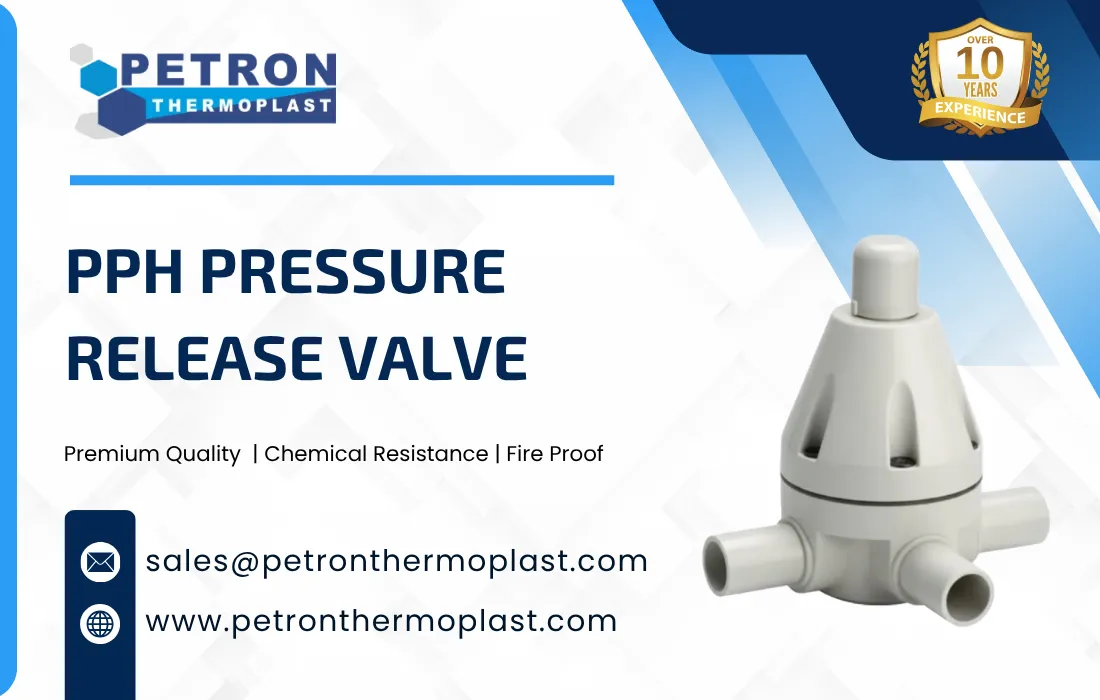
PPH Diaphragm Valve
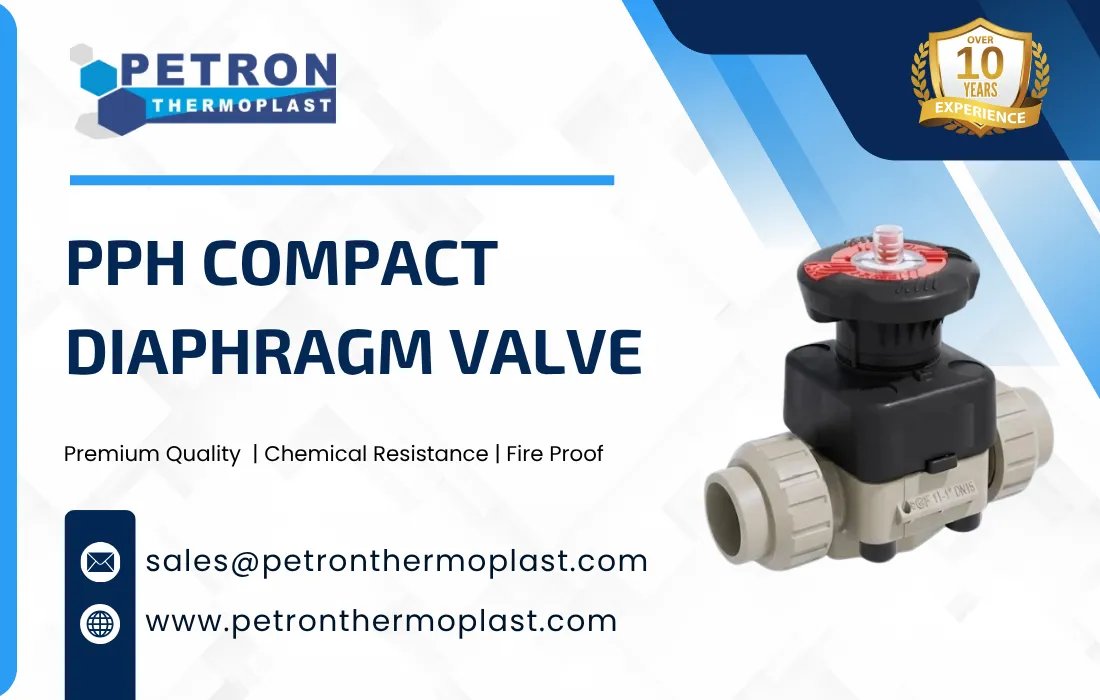
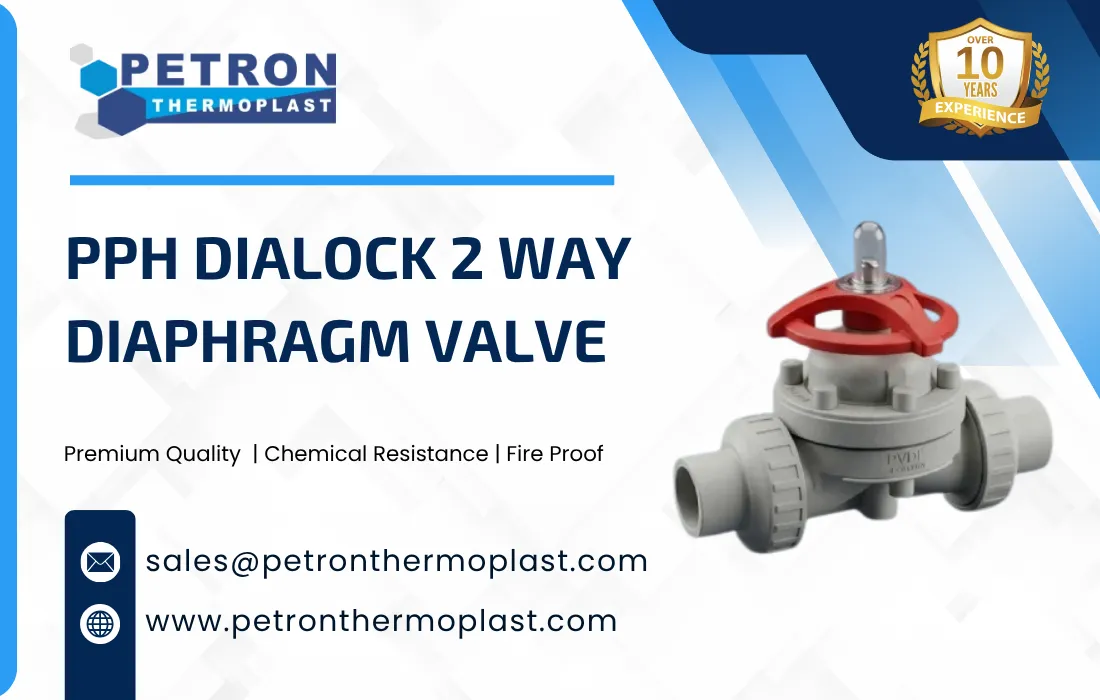
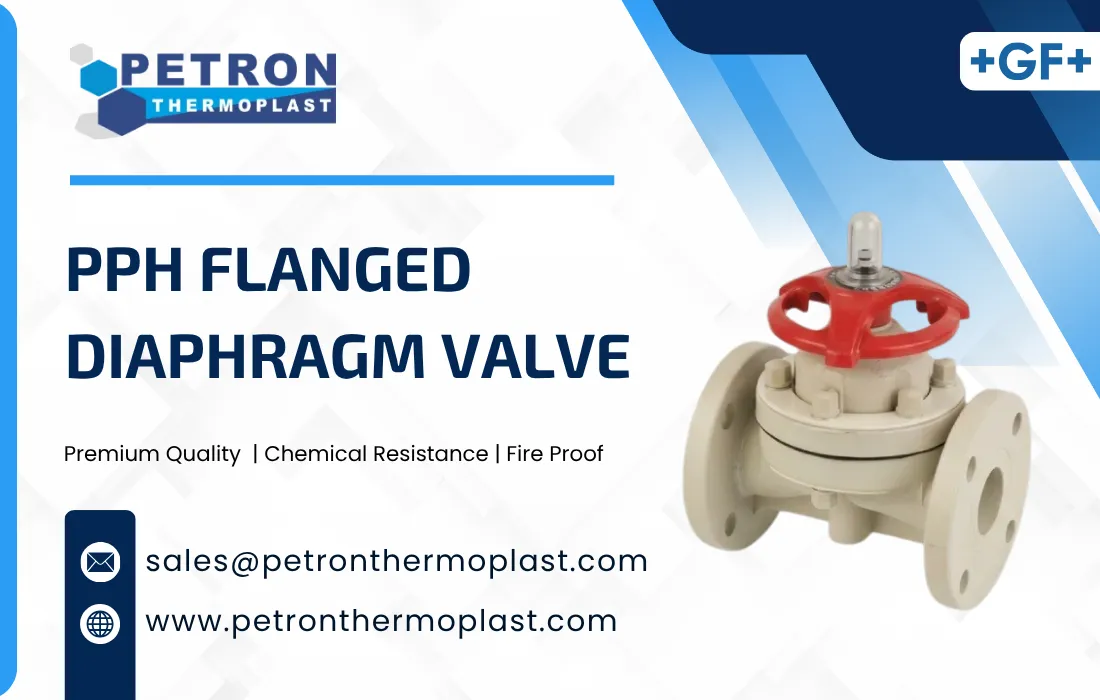
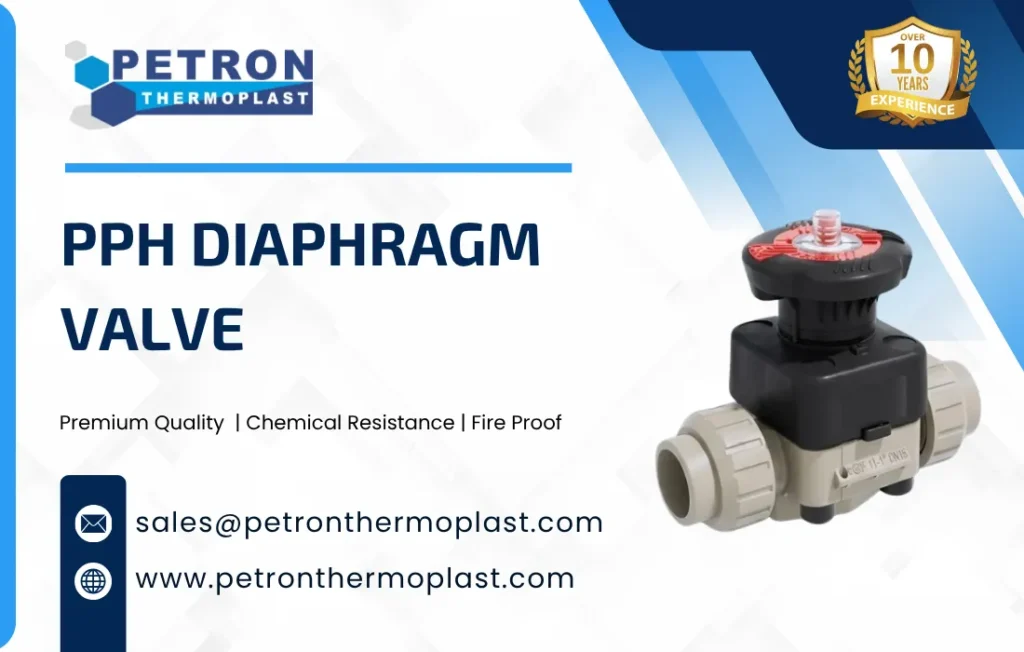
A PPH Diaphragm Valve is a type of flow control valve made from Polypropylene Homopolymer (PPH) that is used to start, stop, or regulate the flow of liquids in a piping system. It operates using a flexible diaphragm (membrane) that moves downward to press against a seat inside the valve body, creating a tight seal to control or stop the flow.The diaphragm separates the process fluid from the internal moving parts of the valve, which helps prevent corrosion and contamination. Due to the excellent chemical resistance and durability of PPH material, these valves are widely used in chemical processing, water treatment, pharmaceutical, and industrial piping systems.
The PPH Diaphragm Valve is a non-metallic, corrosion-resistant valve specifically engineered for regulating and isolating the flow of aggressive chemicals and abrasive fluids in industrial piping systems. Made from Polypropylene Homopolymer (PPH), this valve delivers excellent resistance to acids, alkalis, and solvents. It features a flexible diaphragm that isolates the flow media from the valve body and moving parts, providing contamination-free flow control with minimal maintenance. The PPH diaphragm valve is particularly effective for on/off and throttling services in systems handling corrosive or high-purity fluids.

- Chemical Resistance
- Low Maintenance Requirement
- Low Thermal Conductivity
- Long Service Life
- Easy Installation
- Corrosion Resistance
PPH Diaphragm Valve Details
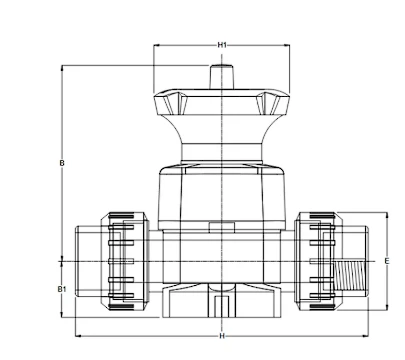
d – Pipe Outside Diameter (or Nominal Pipe Size in Inches)
DN – Diameter Nominal (Standard Metric Pipe Size)
R1 – Reduced Size / Branch Size (Reducer dimension)
PN – Pressure Nominal (Pressure Rating, in bar)
B1 – Body Length / Base Dimension
E – Engagement Length / Socket Depth
H – Total Height
H1 – Height to Branch / Secondary Height
| Size (DN) | Size (Inch) | D | b | k | h | d | Weight (kg) |
| 15 | 1/2″ | 95 | 14 | 65 | 45 | 14 | 0.8 |
| 20 | 3/4″ | 105 | 16 | 75 | 50 | 14 | 1.0 |
| 25 | 1″ | 115 | 16 | 85 | 52 | 14 | 1.2 |
| 32 | 1 1/4″ | 140 | 18 | 100 | 55 | 18 | 1.9 |
| 40 | 1 1/2″ | 150 | 18 | 110 | 58 | 18 | 2.3 |
| 50 | 2″ | 165 | 20 | 125 | 62 | 18 | 3.1 |
| Parameter | Technical Specification |
| Valve Type | Weir-Type Diaphragm Valve |
| Body Material | PPH (Polypropylene Homopolymer) |
| Diaphragm Material | EPDM / PTFE / FKM (Viton) |
| Size Range | DN15 – DN150 (½” – 6”) |
| Nominal Pressure | PN6 – PN10 |
| Temperature Range | 0°C to 90°C (depending on diaphragm material) |
| End Connection | Socket Weld / Flanged / Threaded |
| Operation Type | Manual Handwheel / Pneumatic / Electric Actuation |
| Flow Direction | Bi-directional flow |
| Mounting Position | Horizontal or Vertical installation |
| Stem Material | Stainless Steel |
| Sealing System | Flexible diaphragm sealing |
| Design Standard | DIN / ISO standards |
| Working Medium | Water, acids, alkalis, and chemical solutions |
| Body Construction | One-piece molded PPH body |
| Property | Details |
| Material | PPH (Polypropylene Homopolymer) |
| Density | 0.90 – 0.91 g/cm³ |
| Tensile Strength | 30 – 35 MPa |
| Flexural Modulus | 1300 – 1600 MPa |
| Impact Strength | Good impact resistance |
| Hardness | Shore D 65 – 75 |
| Thermal Conductivity | ~0.22 W/m·K |
| Coefficient of Thermal Expansion | 1.5 – 2.0 × 10⁻⁴ /°C |
| Maximum Working Temperature | Up to 90°C |
| Water Absorption | Very low (<0.01%) |
| Chemical Resistance | Excellent resistance to acids, alkalis, and many chemicals |
| Electrical Insulation | Good electrical insulating properties |
Chemical-Resistant PPH Body – Provides high resistance to corrosive chemicals and solvents.
Isolated Flow Path – The diaphragm prevents contact between fluid and valve components for contamination-free operation.
Low Maintenance Design – Fewer moving parts reduce wear and maintenance needs.
Precise Flow Control – Suitable for both throttling and shut-off functions.
Flexible Diaphragm Options – Available in EPDM, FKM (Viton), or PTFE for chemical compatibility.
Visual Position Indicator – Indicates open/closed status for operational safety.
Manual or Actuated Operation – Can be equipped with electric or pneumatic actuators.
| Valve Size (DN) | Pressure Class | Maximum Working Pressure | Test Pressure |
| DN15 – DN25 (½” – 1”) | PN10 | Up to 10 Bar | 15 Bar |
| DN32 – DN50 (1¼” – 2”) | PN10 | Up to 10 Bar | 15 Bar |
| DN65 – DN80 (2½” – 3”) | PN6 | Up to 6 Bar | 9 Bar |
| DN100 – DN150 (4” – 6”) | PN6 | Up to 6 Bar | 9 Bar |

Custom Product Manufacturing Available
If you are searching for customized product designs that meet your requirements, don’t worry. Petron Thermoplast also offers custom product manufacturing services to meet the unique needs of various industries. Work with our expert engineers to create custom designs suited for your application.
Benefits of Using PPH Diaphragm Valve
Excellent Chemical Resistance
The PPH (Polypropylene Homopolymer) material provides strong resistance to acids, alkalis, and many corrosive chemicals.
Leak-Tight Sealing
The flexible diaphragm creates a tight seal against the valve seat, preventing leakage and ensuring reliable shut-off.
Corrosion Resistance
PPH valves do not rust or corrode like metal valves, making them ideal for harsh chemical environments.
Low Maintenance Requirement
The simple design and easily replaceable diaphragm reduce maintenance time and operational costs.
Smooth Flow Characteristics
The smooth internal surface helps reduce pressure loss and prevents scaling or buildup inside the valve.
Isolation of Internal Parts
The diaphragm separates the operating components from the process fluid, protecting them from corrosion and contamination.
Lightweight Construction
PPH material is lightweight, making installation, handling, and transportation easier.
Long Service Life
Due to its chemical resistance and durable construction, the valve provides reliable long-term performance.
Good Temperature Resistance
The valve can handle moderate temperatures commonly found in industrial fluid systems.
Wide Range of Applications
Commonly used in chemical processing, water treatment plants, pharmaceutical industries, and industrial piping systems.
Types of PPH Diaphragm Valve
Manual PPH Diaphragm Valve
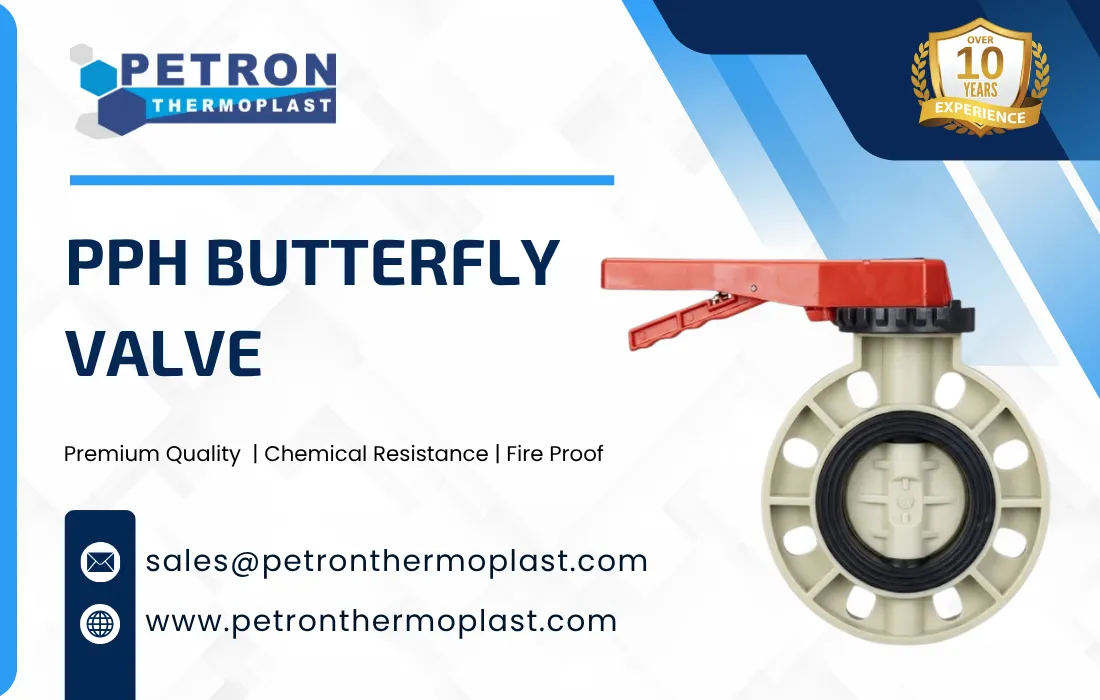
This type is operated manually using a handwheel or handle to control the opening and closing of the valve.
Pneumatic PPH Diaphragm Valve
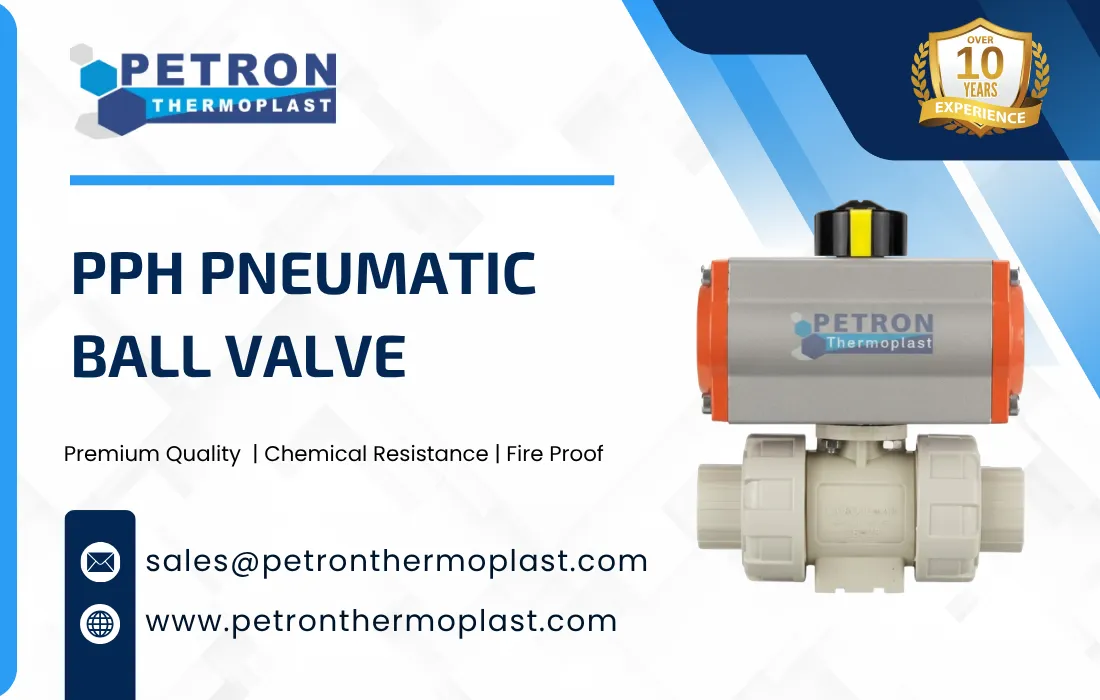
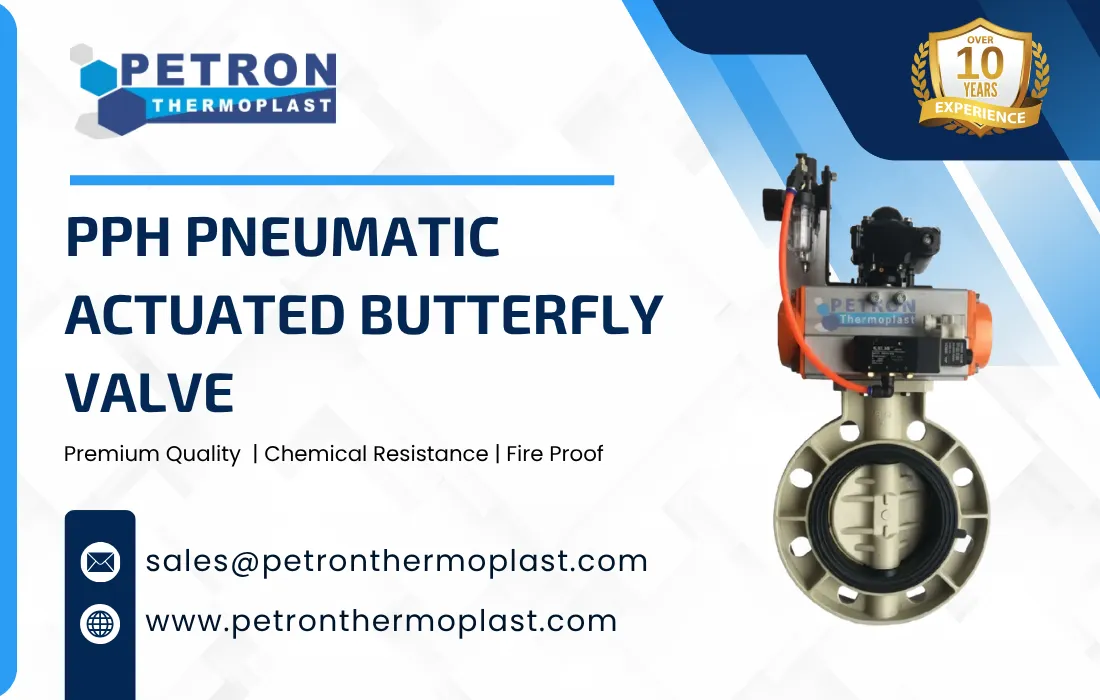
This valve uses a pneumatic actuator powered by compressed air for automatic operation in industrial systems.
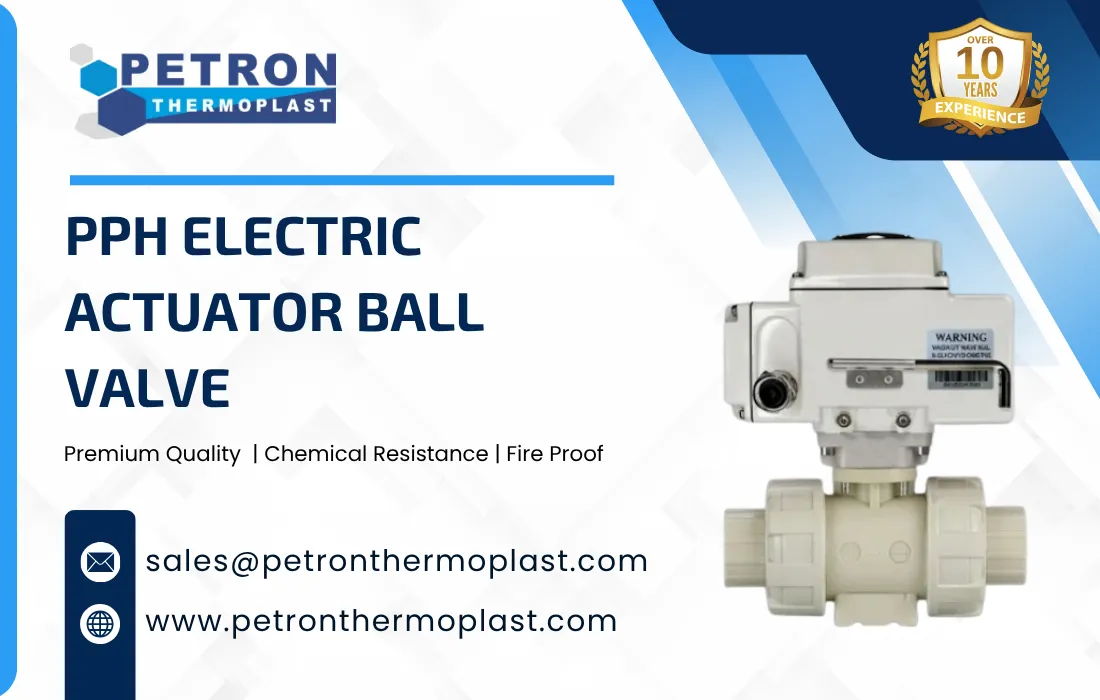
Electric (Motorized) PPH Diaphragm Valve
In this type, an electric actuator controls the valve, allowing remote operation and automation.
Weir-Type PPH Diaphragm Valve
This design has a raised weir inside the valve body, providing better sealing and commonly used in most industrial applications.
Straight-Through PPH Diaphragm Valve
This type provides a straight flow path, making it suitable for handling slurries, viscous fluids, or fluids containing solid particles.
Flanged PPH Diaphragm Valve
These valves have flanged ends for strong and secure connections in larger piping systems.
Socket End PPH Diaphragm Valve
This type has socket weld ends, which are commonly used in thermoplastic piping systems for easy installation.
Applications of PPH Diaphragm Valve
Process Industry
High Purity Applications
Electronic Industry
Electrical Industry
Semi-conductors Industry
Pharmaceutical Industry
Solar power panels
Sugar Industry
Paper & Pulp Industry
Nuclear Power Industry
Automotive Industry
DI water plants
Why Choose Petron Thermoplast?
As a top manufacturer, Petron Thermoplast provides PPH Diaphragm Valve for oil & gas, chemical industries etc. Enjoy fair pricing, thorough pre-shipment testing, and quick global delivery to keep your projects running. Petron Thermoplast specializes in high-performance flow control solutions. Our expertise in manufacturing the specialized components ensures that your pipelines remain efficient and clean. With a commitment to quality and rigorous research and development, we offer the technical precision needed for demanding industrial applications.
At Petron Thermoplast, selecting the PPH Diaphragm Valve for an industrial application requires a clear understanding of the system demands and operational requirements. A PPH Diaphragm Valve is well-suited for applications that involve water fluid mixing and simultaneous flow distribution, while a proper evaluation of the system needs ensures the selected foot valve design aligns with performance expectations, enhancing the efficiency and reliability of UPVC Foot Valve.