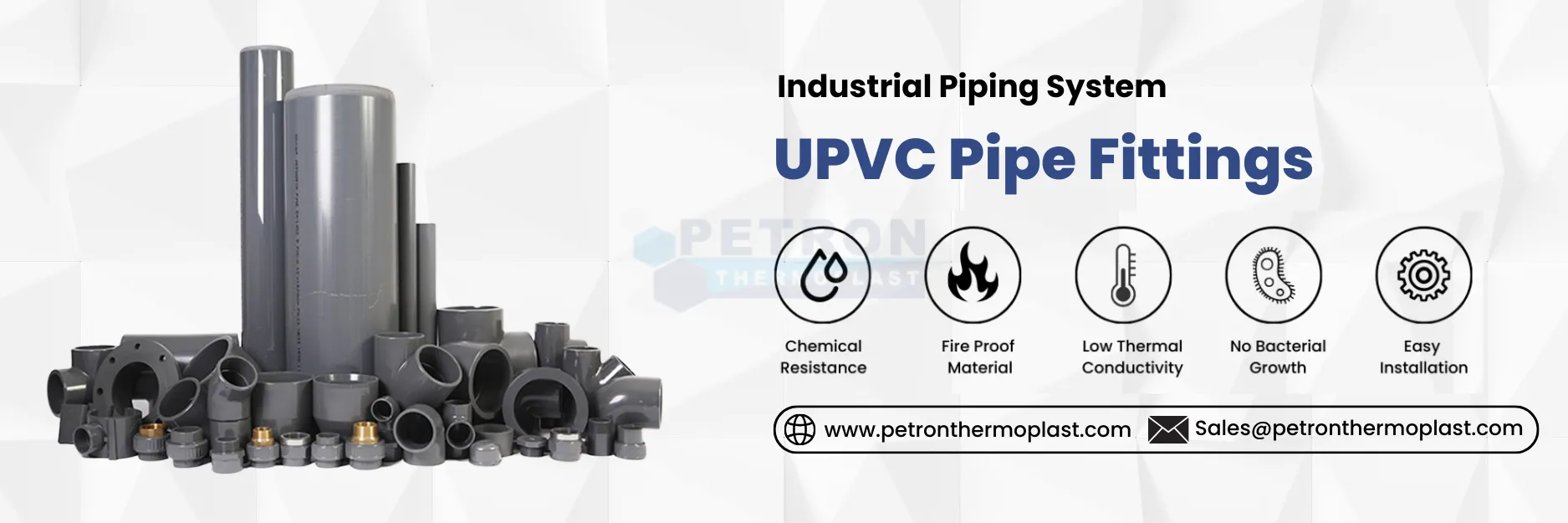
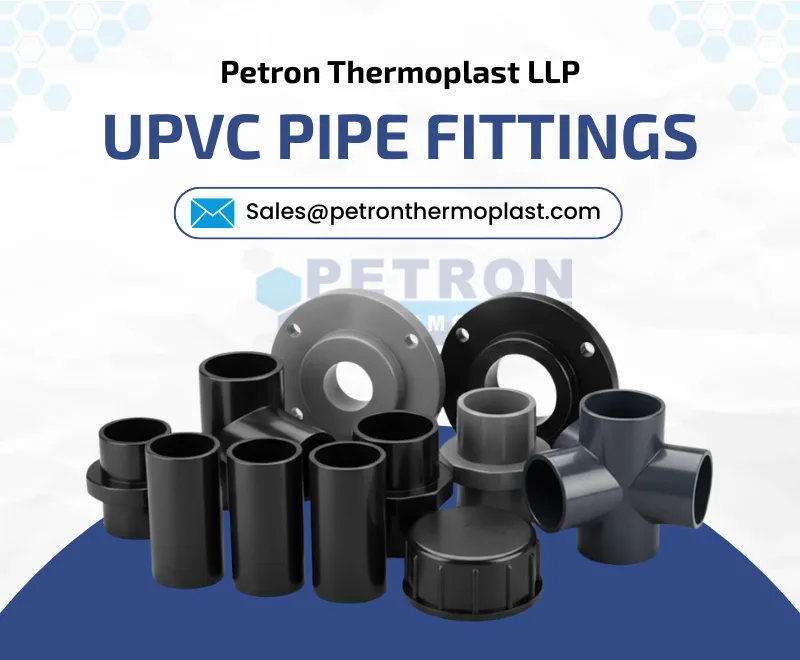
UPVC Pipe Fittings
UPVC (Unplasticized Polyvinyl Chloride) pipe fittings are essential components used in chemical supply and fluid handling systems. UPVC pipes and fittings are extremely useful and suitable for any kind of drainage system due to their lead-free nature. They are easy to install and cost-effective solutions for the distribution of potable chemicals. Unlike regular PVC, UPVC does not contain plasticizers, making it more durable and long-lasting. UPVC pipe fittings are used to join different components of UPVC pipes. They come in various shapes and sizes to allow for versatile designs, control chemical flow, and ensure a leak-proof system. UPVC pipe fittings are technically superior and offer other advantages.
UPVC pipe fittings are the various connectors used in piping systems to join, change the direction of, or close off UPVC pipe fittings. These fittings ensure that pipes are connected securely, allowing for a seamless flow of chemical or other fluids. The rigid structure of UPVC pipe fittings adds durability to drainage systems, ensuring they remain leak-free and efficient.

UPVC Pipe Fittings Details
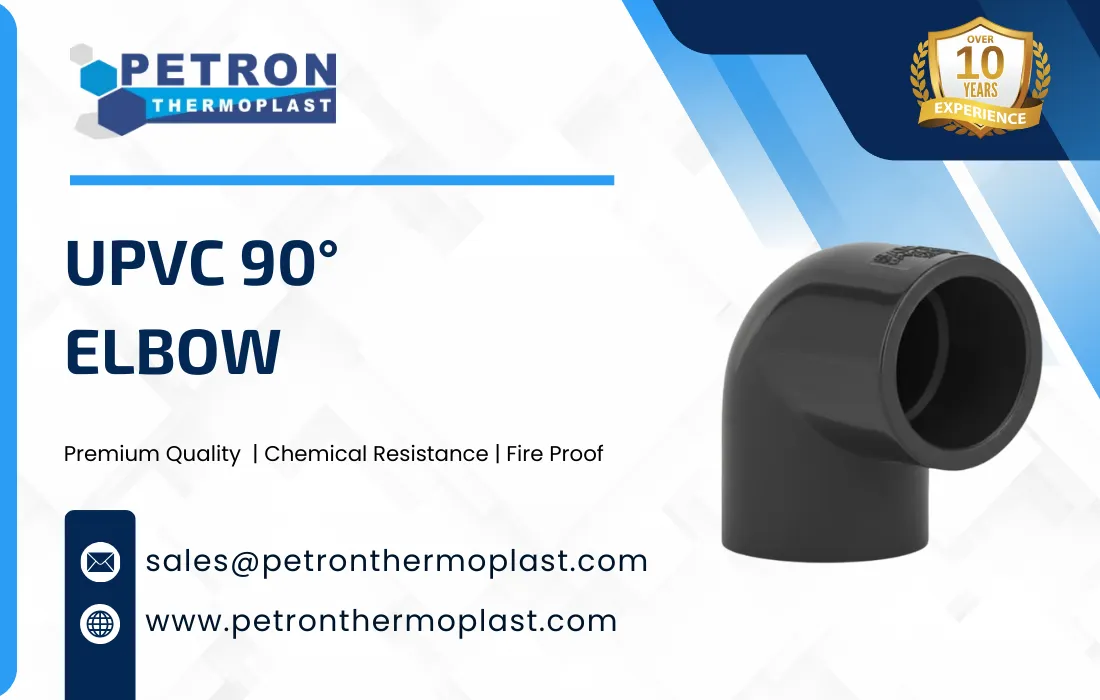
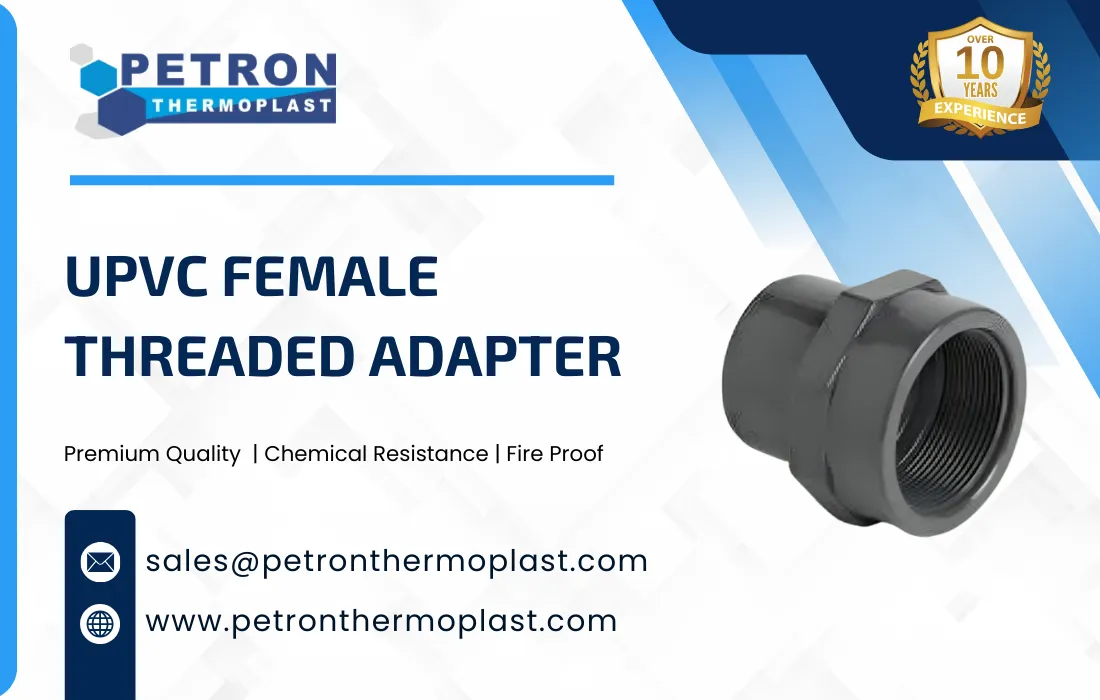
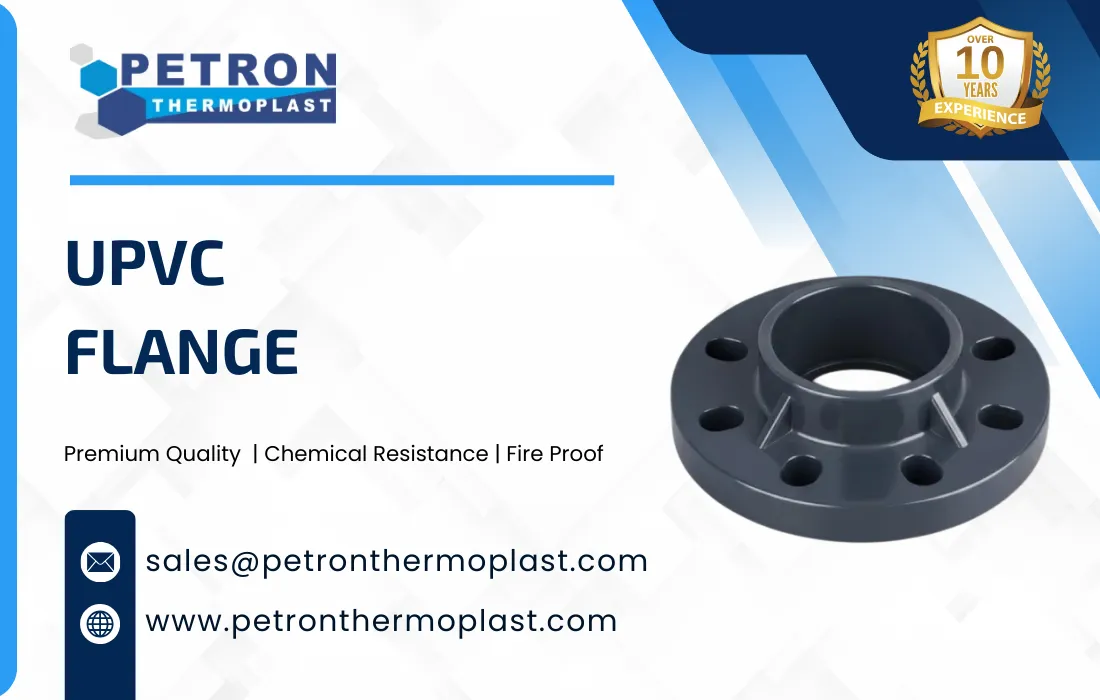
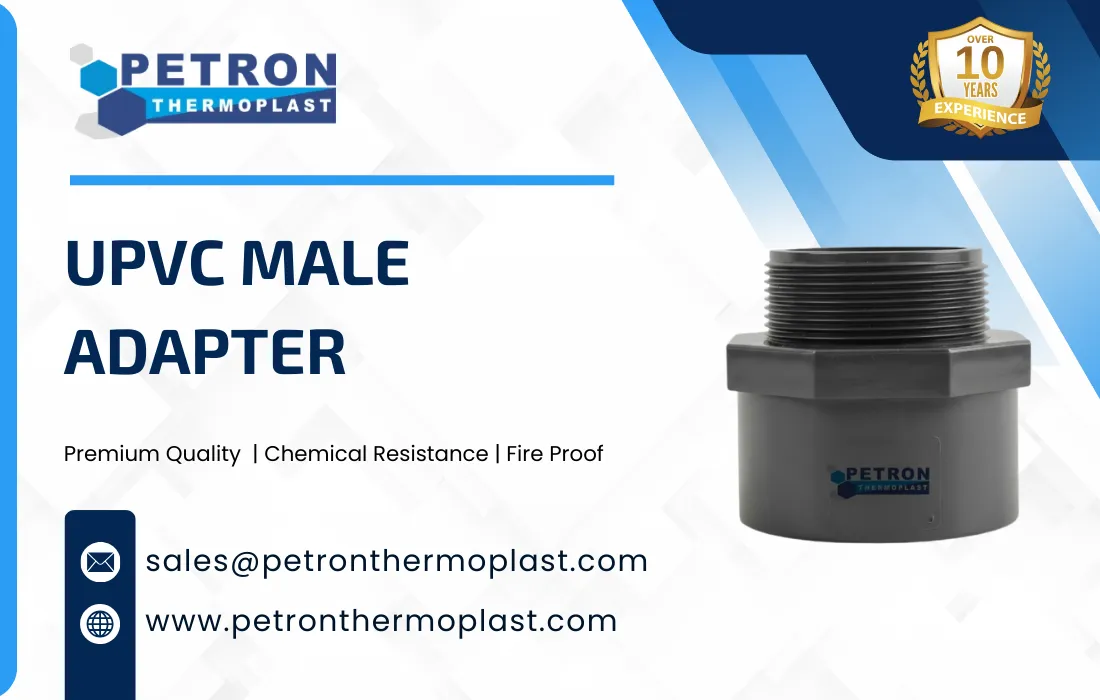
UPVC Pipe Fittings
We offer UPVC Pipe Fittings products in all standard sizes and provide complete customization options to meet your specific project requirements across our entire product range.
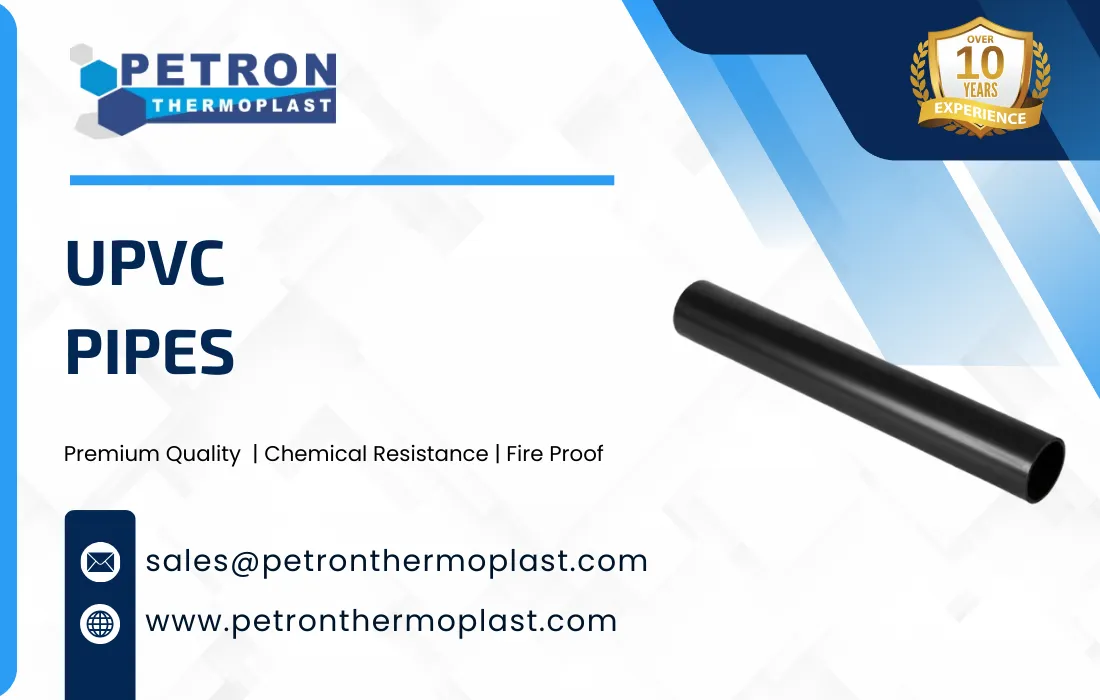
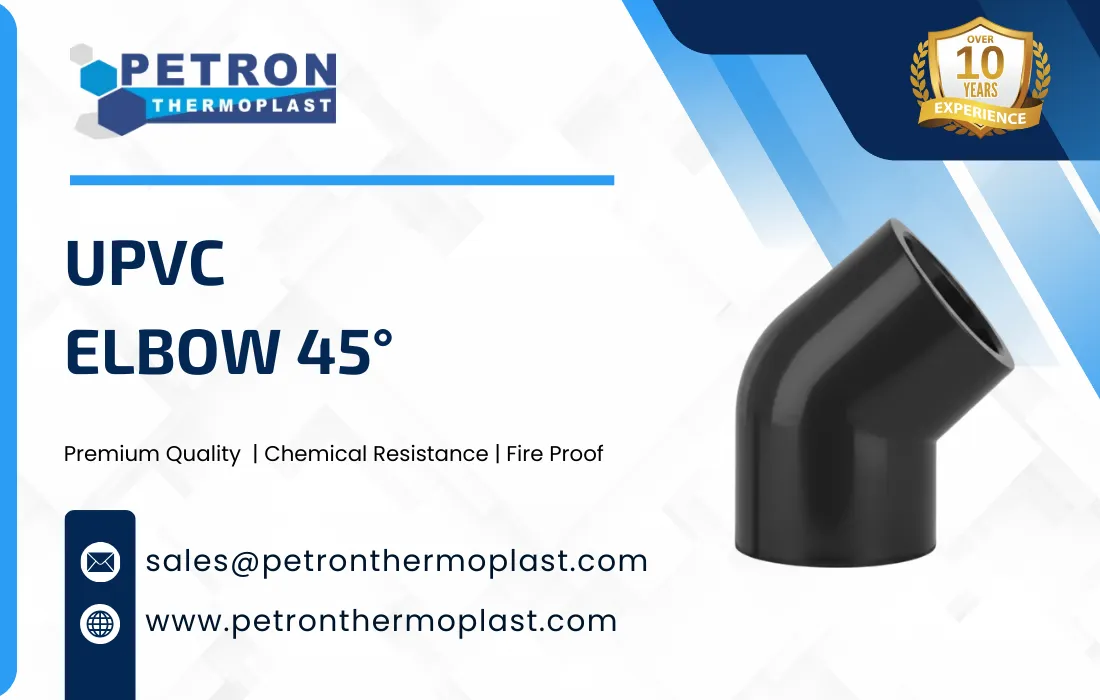

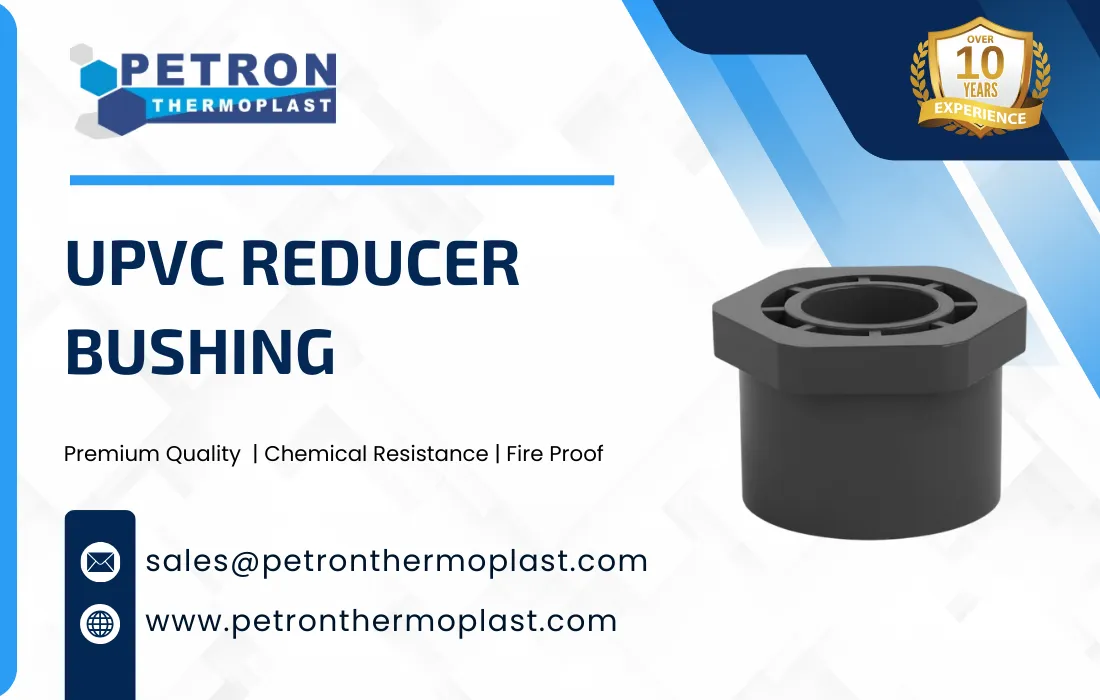
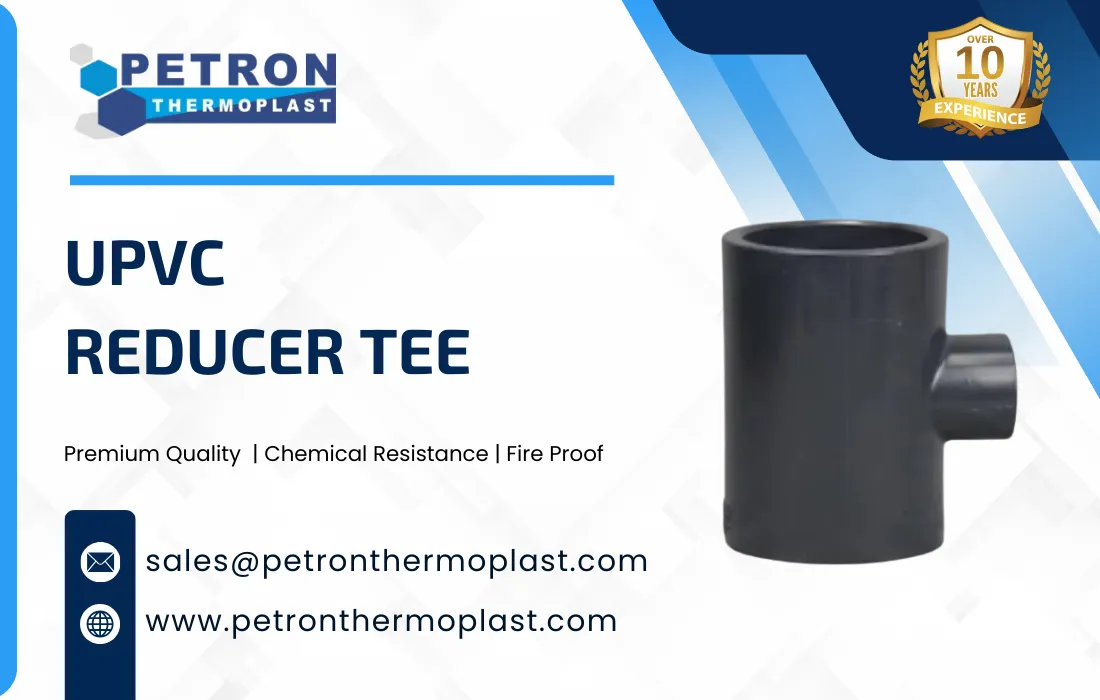
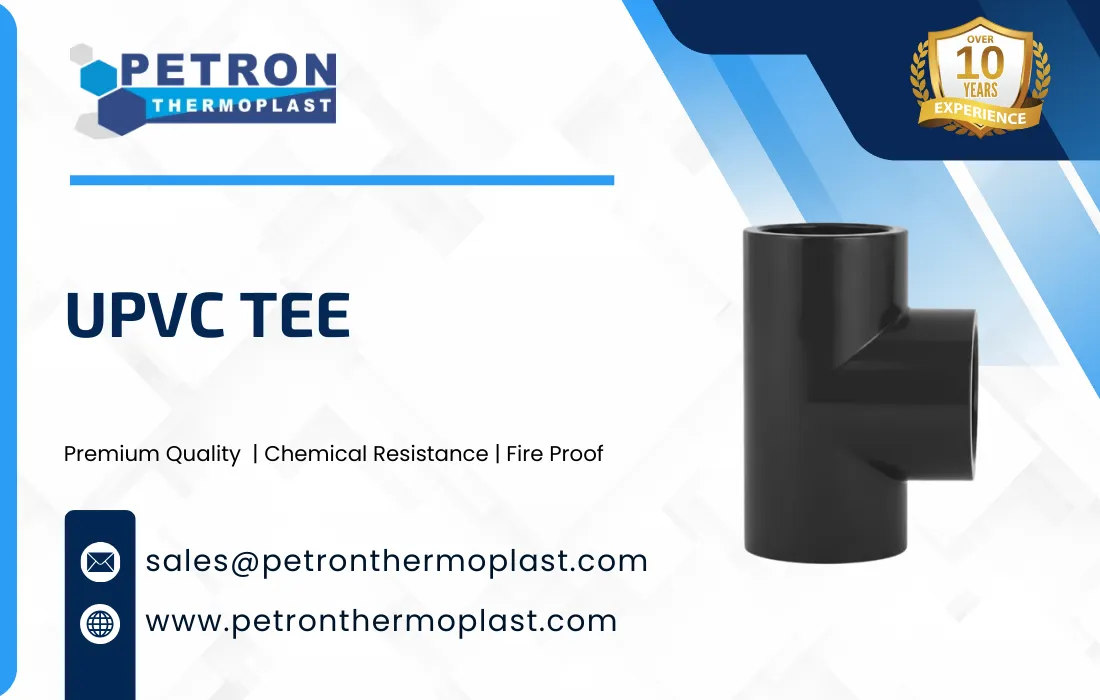
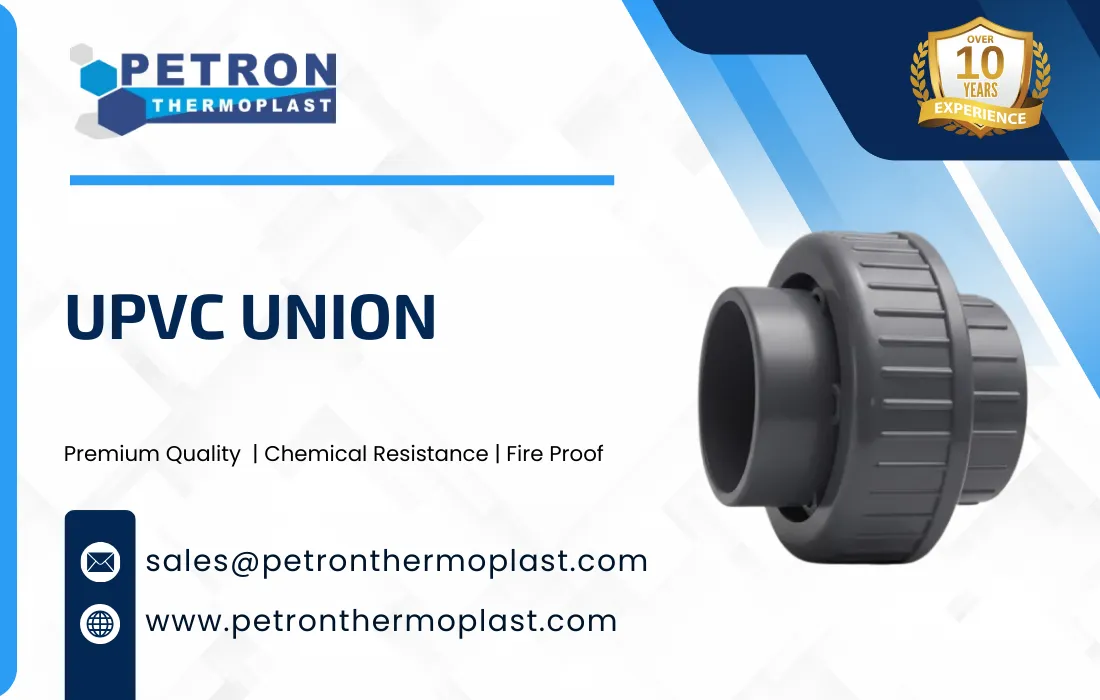
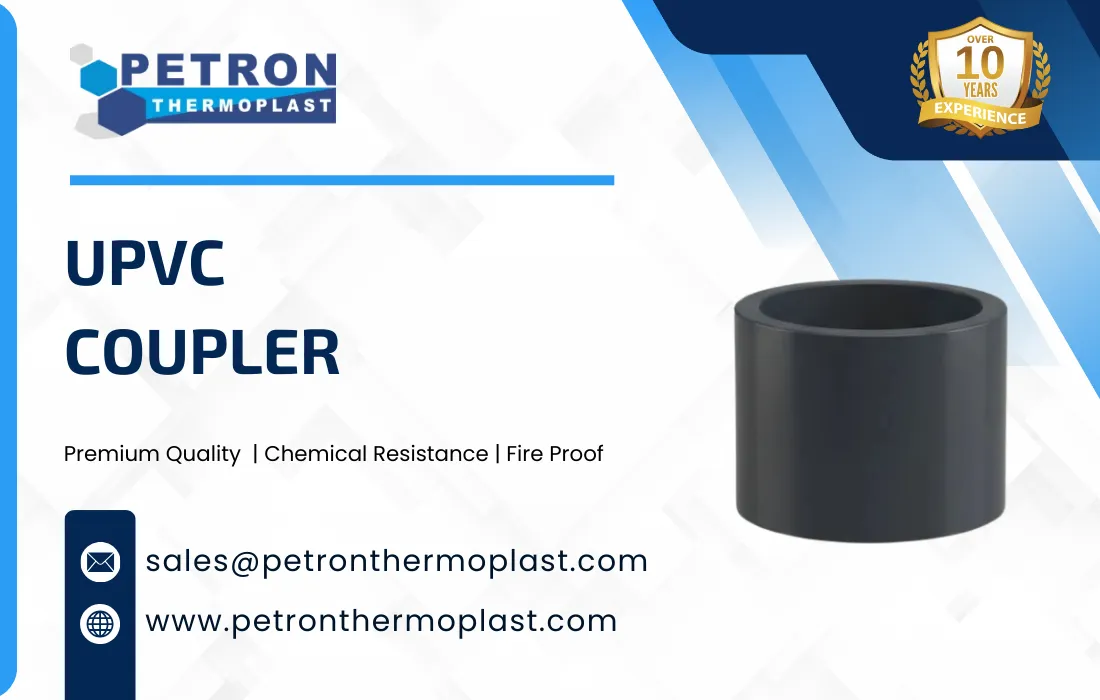

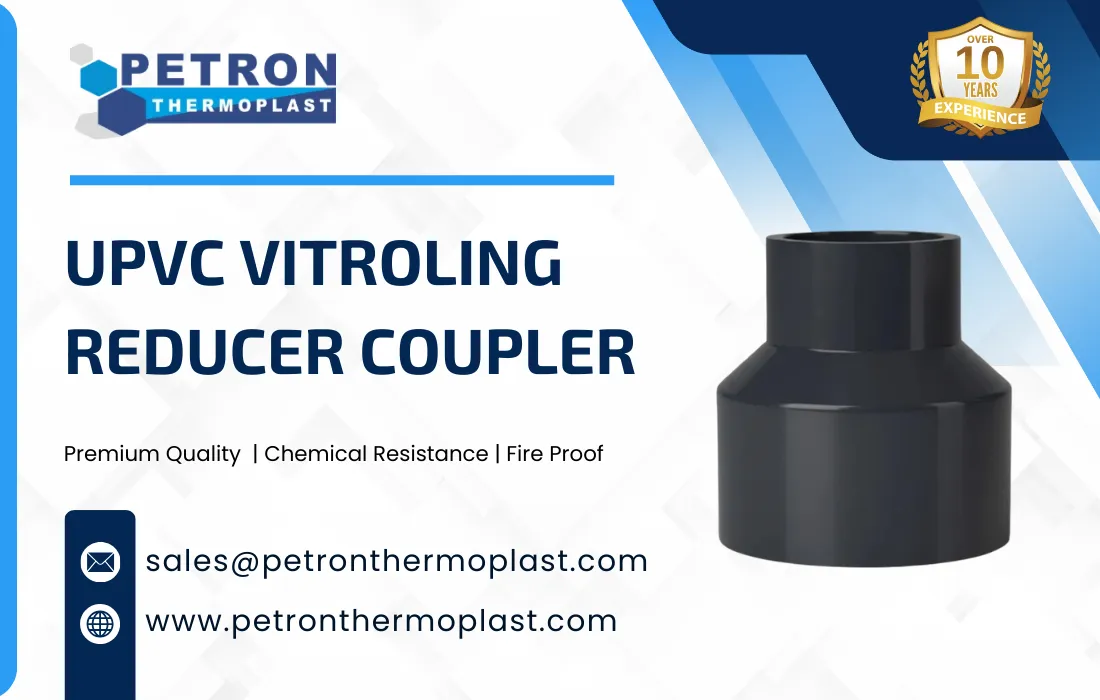
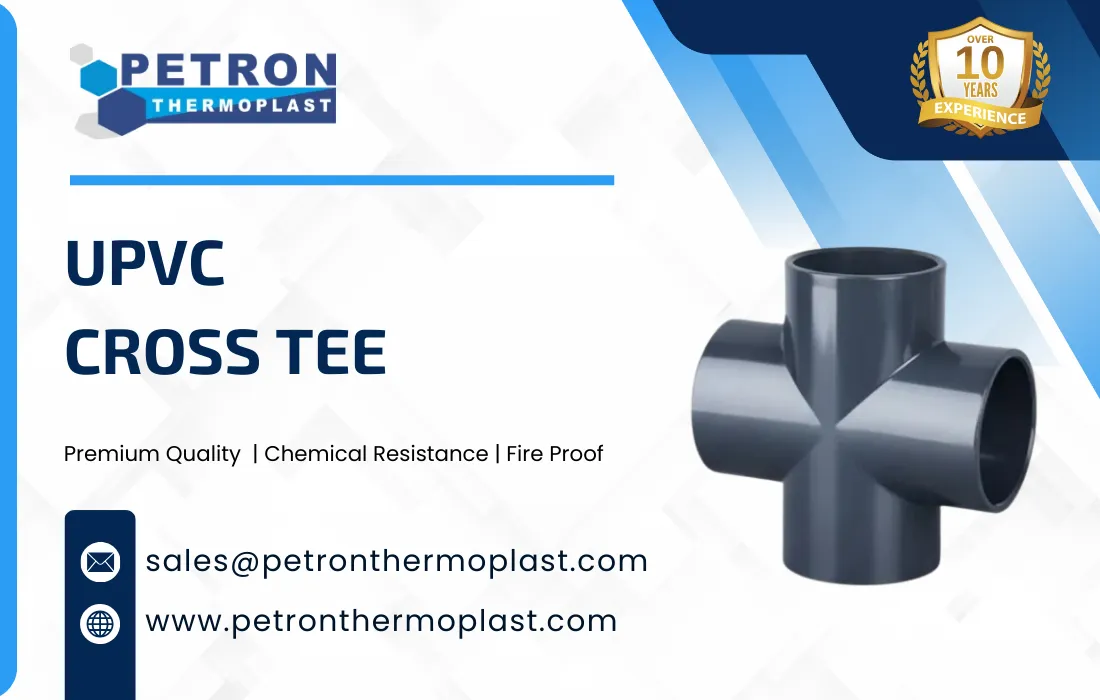
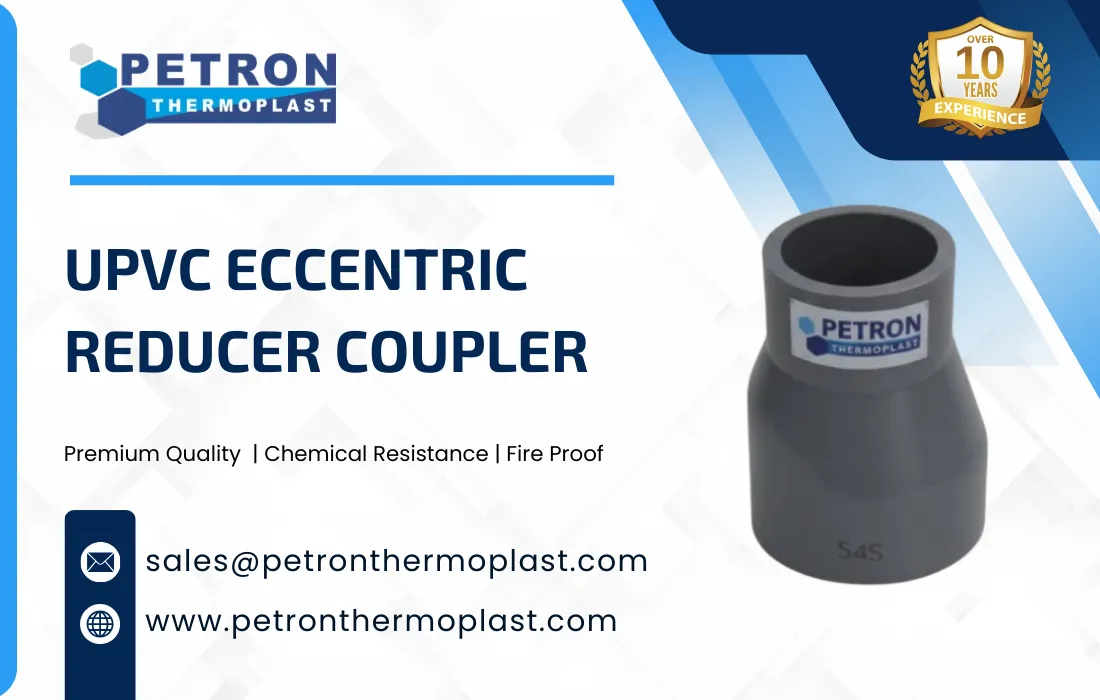
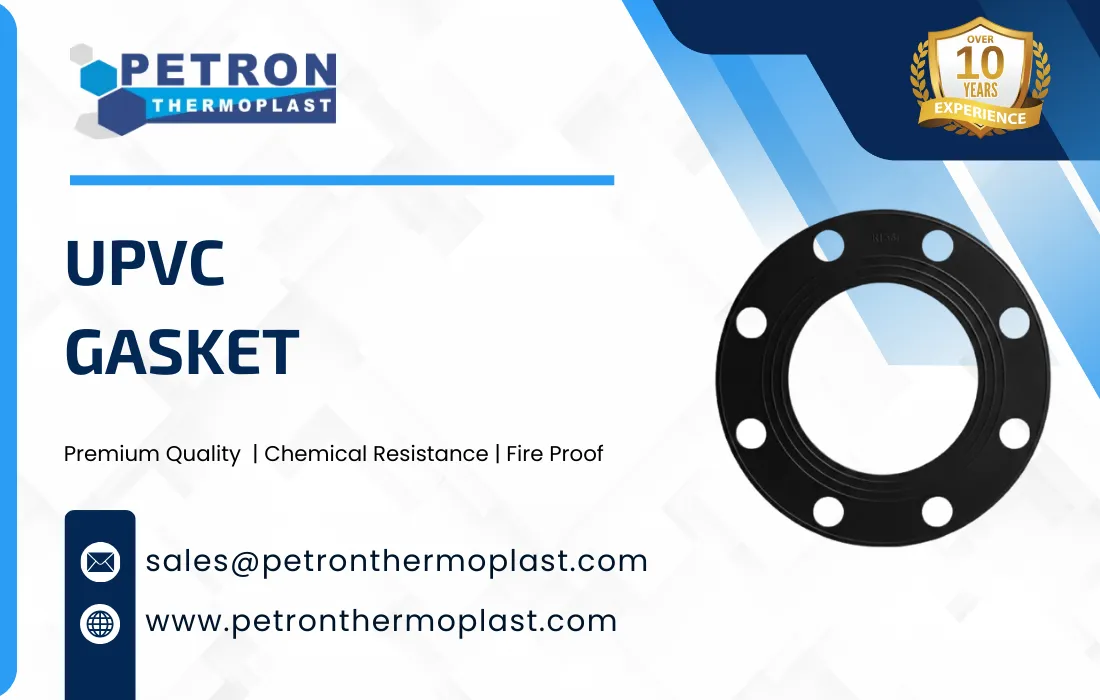
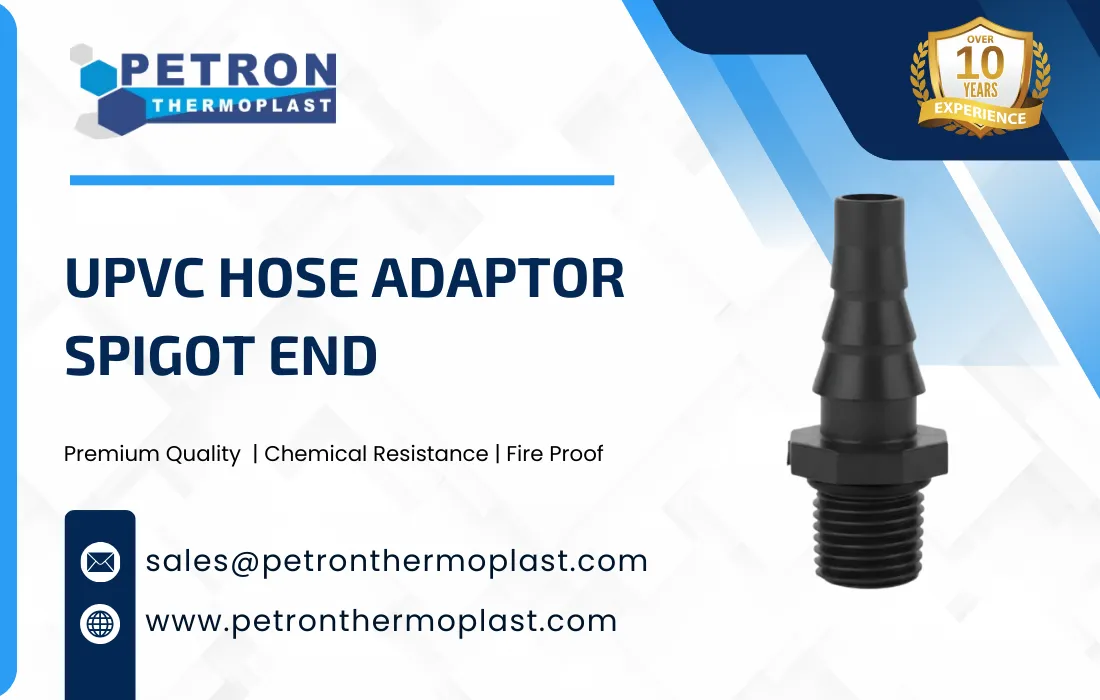
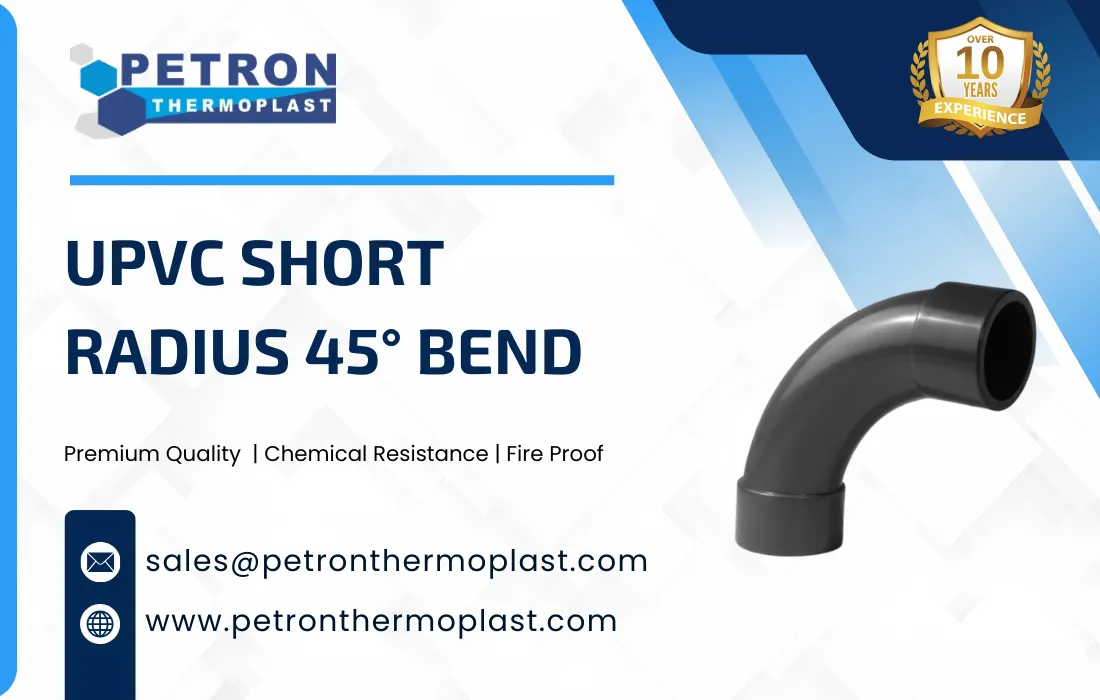
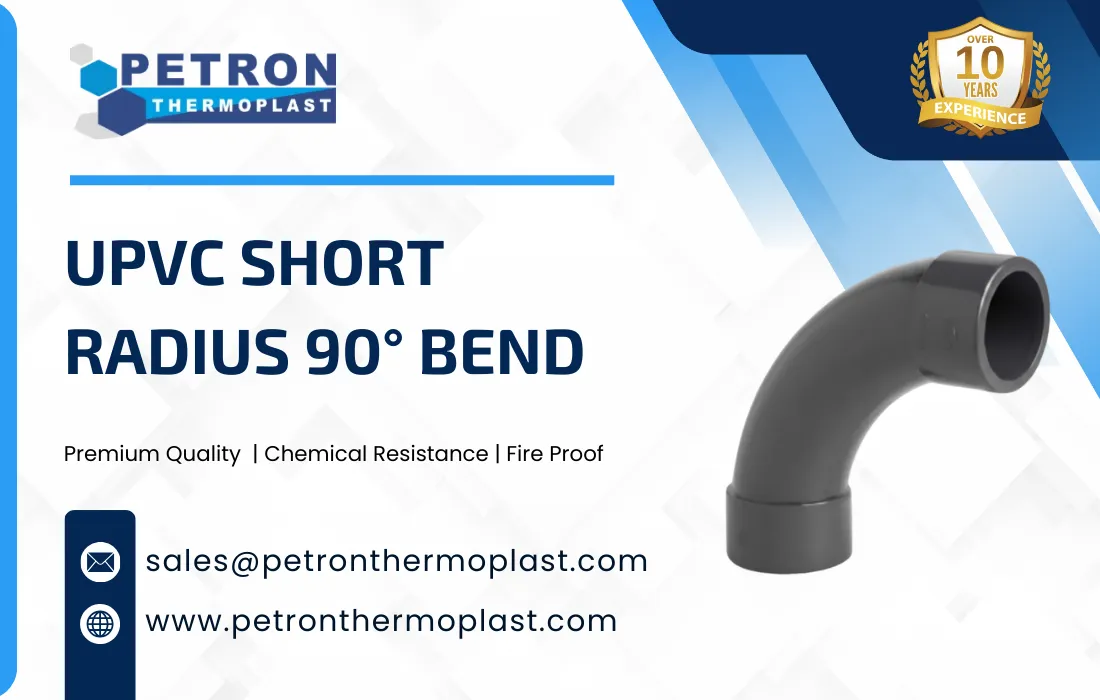

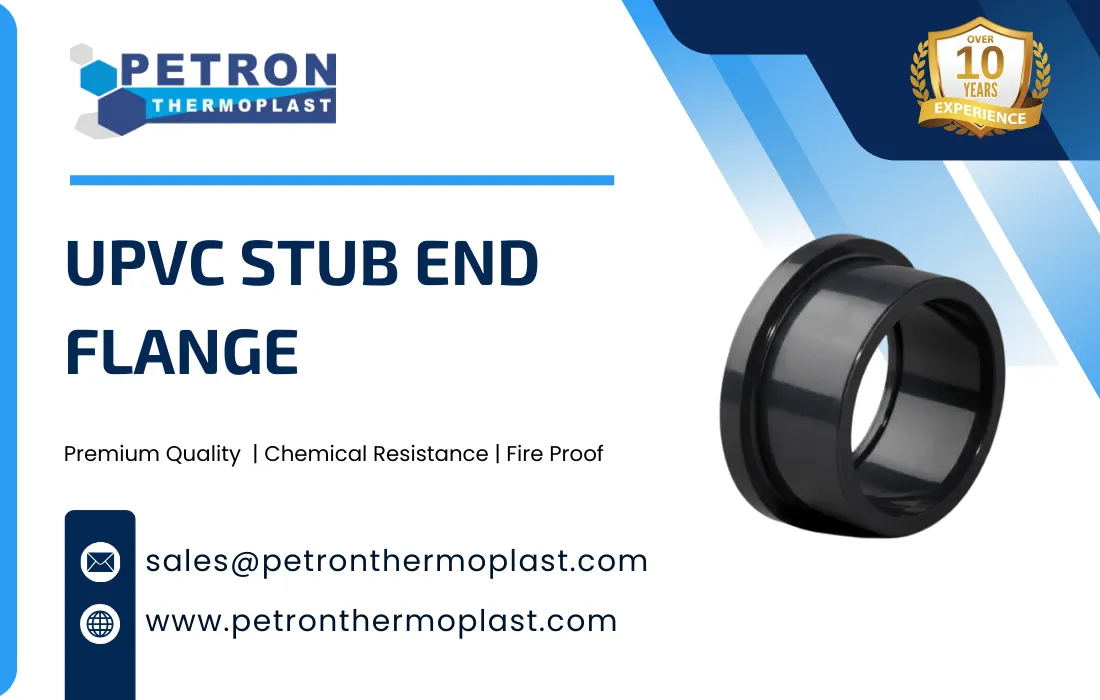
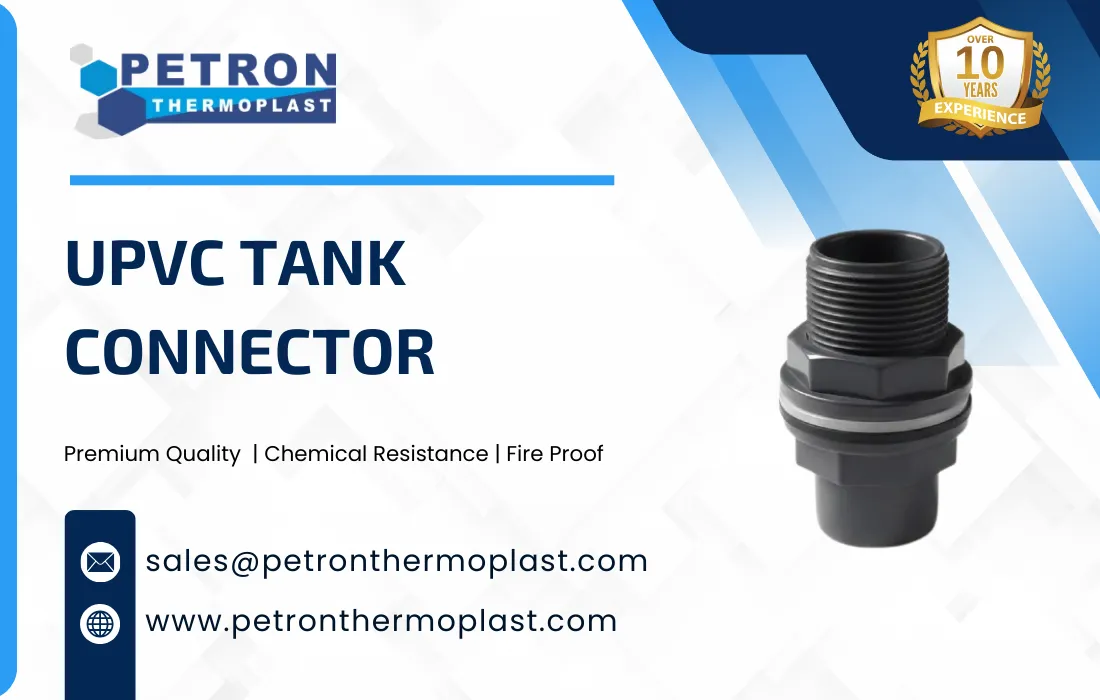
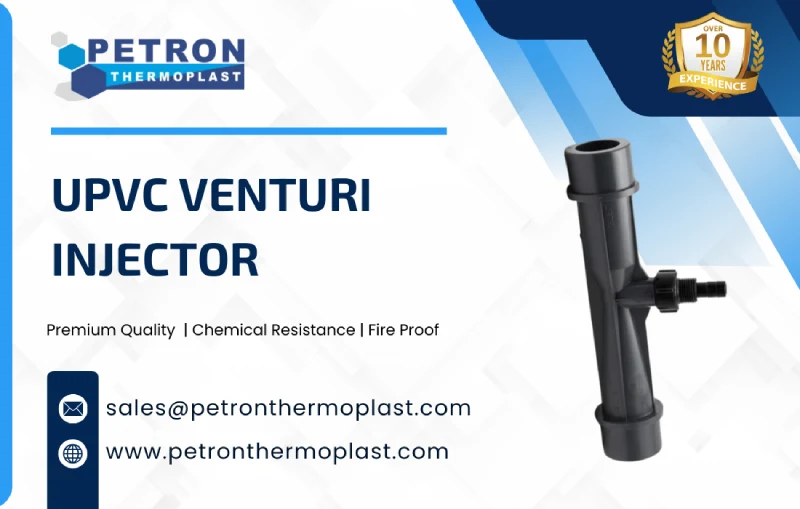

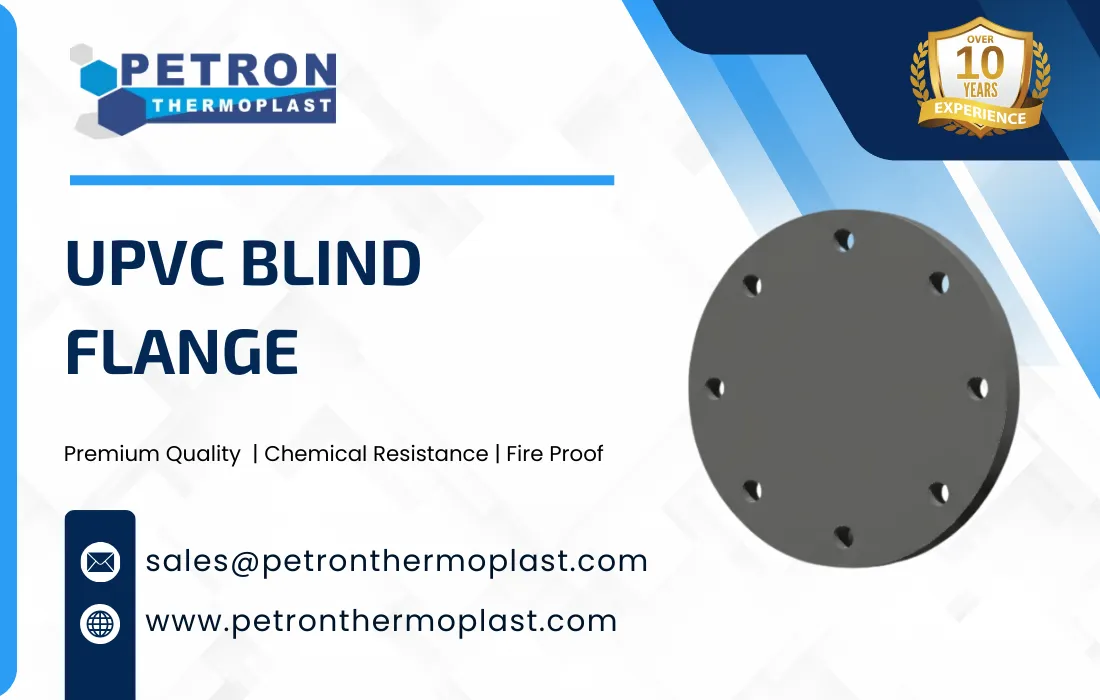

PRESSURE RATING – UPVC PIPES FITTINGS SCH 40
| Nominal Dia (Inch) | Nominal Dia (mm) | Avg. Outer Diameter (mm) | Min. Wall Thickness (mm) | Max Working Pressure (kg/cm²) @ 23°C | Working Pressure of Solvent Cemented Joints (kg/cm²) @ 23°C | Burst Pressure (kg/cm²) |
| 1/2 | 15 | 21.34 | 2.77 | 42.22 | 25.31 | 134.30 |
| 3/4 | 20 | 26.67 | 2.87 | 33.75 | 20.24 | 108.29 |
| 1 | 25 | 33.40 | 3.38 | 31.61 | 18.98 | 101.26 |
| 1 1/4 | 32 | 42.16 | 3.56 | 26.00 | 15.60 | 83.00 |
| 1 1/2 | 40 | 48.26 | 3.68 | 23.25 | 13.92 | 74.54 |
| 2 | 50 | 60.32 | 3.91 | 19.68 | 11.81 | 62.61 |
| 2 1/2 | 65 | 73.02 | 5.16 | 21.11 | 12.65 | 68.22 |
| 3 | 80 | 88.90 | 5.49 | 18.25 | 10.96 | 59.04 |
| 4 | 100 | 114.30 | 6.02 | 15.50 | 9.28 | 49.97 |
| 6 | 150 | 168.28 | 7.11 | 12.64 | 7.59 | 39.36 |
PRESSURE RATING – UPVC PIPES FITTINGS SCH 80
| Nominal Dia (Inch) | Nominal Dia (MM) | Average Outer Diameter (MM) | Min. Wall Thickness (MM) | Max Working Pressure (kg/cm²) @ 23°C | Working Pressure of Solvent Cemented Joints (kg/cm²) @ 23°C | Burst Pressure (kg/cm²) |
| 1/2 | 15 | 21.34 | 3.73 | 59.76 | 35.85 | 191.30 |
| 3/4 | 20 | 26.67 | 3.91 | 48.54 | 29.10 | 154.69 |
| 1 | 25 | 33.40 | 4.55 | 44.26 | 26.57 | 142.05 |
| 1 1/4 | 32 | 42.16 | 4.85 | 36.61 | 21.93 | 116.76 |
| 1 1/2 | 40 | 48.26 | 5.08 | 33.04 | 19.82 | 106.15 |
| 2 | 50 | 60.32 | 5.54 | 28.14 | 16.87 | 90.65 |
| 2 1/2 | 65 | 73.02 | 7.01 | 29.57 | 17.71 | 95.65 |
| 3 | 80 | 88.90 | 7.62 | 26.00 | 15.60 | 84.33 |
| 4 | 100 | 114.30 | 8.56 | 22.54 | 13.49 | 73.11 |
| 6 | 150 | 168.28 | 10.97 | 19.68 | 11.81 | 62.61 |
Easy Handling and Installation
UPVC pressure pipes and fittings are lightweight (approximately one-sixth the weight of steel), which results in reduced transportation, handling, and installation costs. The installation does not require any special tools other than a normal pipe cutter.
Chemical Resistance
UPVC pressure pipes and fittings are highly resistant to a wide range of strong acids, alkalis, salt solutions, alcohols, and many other chemicals. This property makes UPVC pressure pipes and fittings preferred in corrosive applications and gives no tastes or odors to fluids carried in them. They do not react with fluids carried, nor do they act as a catalyst.
High Strength
UPVC pressure pipes and fittings are highly resilient, tough, and durable products with high tensile and high impact strength.
Corrosion Resistance
The UPVC system is a highly corrosion-resistant system with the ability to withstand low pH levels in chemicals. It also offers a major reduction in oxidation, which consequently guarantees the durability of the system. UPVC pressure pipes and fittings are highly resistant to industrial fumes, humidity, salt, chemicals, weather, and underground conditions. Scratches or surface abrasions do not provide points that corrosive elements can attack.
Low Friction
Loss UPVC pressure pipes and fittings have a low coefficient of friction due to their smooth internal surfaces, which results in low friction loss and a high flow rate. Therefore, they will not fail prematurely due to corrosion or scale build-up, especially in areas where chemical, soil, and/or atmospheric conditions are aggressive in nature, like the Gulf region.
Low Thermal Expansion
Laboratory testing and installation experience have demonstrated that the potential expansion problems in UPVC are much smaller than those that the coefficient of thermal expansion might suggest. The stresses developed within UPVC pipe fittings are generally much lower than those developed in equivalent metal pipes for equal temperature changes due to their elastic nature.
Noise Reduction
The high-pressure UPVC system is quiet, and therefore, when used for chemical distribution in residential contexts, an additional advantage is derived. The low noise performance is due to the polymeric structure of the UPVC material, so the noise associated with the chemical hammer is eliminated.
Maintenance-free system uPVC pressure pipes and fittings do not rust, scale, corrode, or build up on the system interior, which ensures years of trouble-free service.
Resistance to Ultraviolet Exposure
Certain onsite temperatures are higher in the Gulf region, and a high-pressure UPVC system can easily withstand the ultraviolet exposure commonly experienced during the construction phase of the project, provided the onsite inventories are appropriately stored. Although UPVC pipe fittings can be installed in direct sunlight, they will be affected by ultraviolet light, which tends to discolor the pipes and can cause a loss of impact strength. No other properties are impaired. If the pipe is to be installed in continuous direct sunlight, it is advisable to paint the exterior with a white or light color.
A- Reagents
| Reagent | Type | 23°C (73°F) | 60°C (140°F) |
| Acetaldehyde | — | NR | NR |
| Acetic Acid, Pure | — | NR | NR |
| Acetic Acid, 10% | — | R | R |
| Acetic Acid, 20% | Type I | R | R |
| Acetic Acid, 20% | Type II | R | NR |
| Acetic Acid, 80% | Type I Grade 1 | R | NR |
| Acetic Acid, 80% | Type I Grade 2 | R | NR |
| Acetic Acid, 80% | Type II | R | NR |
| Acetic Acid, Glacial | Type I | R | NR |
| Acetic Acid, Glacial | Type II | NR | NR |
| Acetic Anhydride | — | NR | NR |
| Acetone | — | NR | NR |
| Acetyl Nitrile | — | NR | NR |
| Acetylene | — | R | R |
| Acrylic Acid Ethyl Ester | — | NR | NR |
| Adipic Acid | — | R | R |
| Alcohols Methyl | — | R | R |
| Alcohols Butyl | — | R | NR |
| Alcohols Propyl | — | R | NR |
| Allyl Alcohol, 96% | Type I | R | NR |
| Allyl Alcohol, 96% | Type II | R | NR |
| Allyl Chloride | — | NR | NR |
| Alum | — | R | R |
| Alum, Chrome | — | R | R |
| Alum, Potassium | — | R | R |
| Aluminum Alum | — | R | R |
| Aluminum Chloride | — | R | R |
| Aluminum Fluoride | — | R | R |
| Aluminum Hydroxide | — | R | R |
| Aluminum Oxychloride | — | R | R |
| Aluminum Nitrate | — | R | R |
| Aluminum Sulfate | — | R | R |
| Ammonia (Gas-dry) | — | R | R |
| Ammonia (Liquid) | — | NR | NR |
| Ammonium Acetate | — | R | R |
| Ammonium Alum | — | R | R |
| Ammonium Bifluoride | — | R | R |
| Ammonium Bisulfate | Type I | R | R |
| Ammonium Carbonate | — | R | R |
| Ammonium Chloride | — | R | R |
| Ammonium Dichromate | — | R | R |
| Ammonium Hydroxide 25% | Type I | R | NR |
| Ammonium Hydroxide 25% | Type II | NR | NR |
| Ammonium Hydroxide 10% | — | R | R |
| Ammonium Hydroxide 28% | — | R | R |
| Ammonium Metaphosphate | — | R | R |
| Ammonium Nitrate | — | R | R |
| Ammonium Persulfate | — | R | R |
| Ammonium Phosphate | — | R | R |
| Ammonium Sulfate | — | R | R |
| Ammonium Sulfide | — | R | R |
| Ammonium Thiocyanate | — | R | R |
| Amyl Acetate | — | NR | NR |
| Reagent | Type | 23°C (73°F) | 60°C (140°F) |
| Amyl Alcohol | Type I | R | NR |
| Amyl Alcohol | Type II | NR | NR |
| Amyl Chloride | — | NR | NR |
| Aniline | — | NR | NR |
| Aniline Chlorohydrate | — | NR | NR |
| Aniline Hydrochloride | — | NR | NR |
| Anthraquinone | Type II | R | NR |
| Anthraquinonesulfonic Acid | — | R | R |
| Antimony Trichloride | — | R | R |
| Aqua Regia | — | NR | NR |
| Aromatic Hydrocarbons | — | NR | NR |
| Arsenic Acid 80% | — | R | R |
| Arsenic Trioxide (Powder) | — | R | R |
| Arylsulfonic Acid | Type I | R | R |
| Arylsulfonic Acid | Type II | R | NR |
B – Reagents
| Reagent | Type | 23°C (73°F) | 60°C (140°F) |
| Barium Nitrate | — | R | R |
| Barium Carbonate | — | R | R |
| Barium Chloride | — | R | R |
| Barium Hydroxide (10%) | — | R | R |
| Barium Sulfate | — | R | R |
| Barium Sulfide | — | R | R |
| Beer | — | R | R |
| Beet Sugar Liquors | — | R | R |
| Benzaldehyde, 10% | Type I | R | NR |
| Benzaldehyde, 10% | Type II | NR | NR |
| Benzaldehyde, above 10% | — | NR | NR |
| Benzalkonium Chloride | — | R | R |
| Benzene | — | NR | NR |
| Benzoic Acid | — | R | R |
| Bismuth Carbonate | — | R | R |
| Black Liquor | — | R | R |
| Bleach (12% Cl) | — | R | R |
| Borax | — | R | R |
| Boric Acid | — | R | R |
| Breeder Pellets (Fish deriv.) | — | R | R |
| Brine (Aq) | — | R | R |
| Bromic Acid | — | R | R |
| Bromine, Liquid | — | NR | NR |
| Bromine Vapor (25%) | — | NR | NR |
| Bromine Water | Type I | R | R |
| Bromine Water | Type II | NR | NR |
| Bromobenzene | — | NR | NR |
| Bromotoluene | — | NR | NR |
| Butadiene | Type I | R | NR |
| Butadiene | Type II | NR | NR |
| Butane | Type I | R | NR |
| Butane | Type II | NR | NR |
| Butanol, Primary | Type I | R | NR |
| Butanol, Secondary | Type I | R | NR |
| Butanol, Secondary | Type II | NR | NR |
| Butyl Acetate | Type I | R | NR |
| Butyl Acetate | Type II | NR | NR |
| Reagent | Type | 23°C (73°F) | 60°C (140°F) |
| Butyl Alcohol | Type I | R | R |
| Butyl Alcohol | Type II | R | NR |
| Butyl Cellosolve | — | R | R |
| Butyl Mercaptan | Type II | NR | NR |
| Butyl Phenol | — | R | NR |
| Butyl Stearate | — | R | R |
| Butylenediol | Type I | R | NR |
| Butylenediol | Type II | NR | NR |
| Butyric Acid | Type I | NR | NR |
| Butyric Acid | Type II | NR | NR |
C – Reagents (Left Column)
| Reagent | Type | 23°C (73°F) | 60°C (140°F) |
| Cadmium Cyanide | — | R | R |
| Caffeine Citrate (Sat.) | — | R | R |
| Calcium Bisulfide | — | R | R |
| Calcium Bisulfite | — | R | R |
| Calcium Bisulfite Bleach Liquor | — | R | R |
| Calcium Carbonate | — | R | R |
| Calcium Chlorate | — | R | R |
| Calcium Chloride | — | R | R |
| Calcium Hydroxide | — | R | R |
| Copper Hypochlorite | — | R | R |
| Calcium Nitrate | — | R | R |
| Calcium Oxide | Type I | R | R |
| Calcium Sulfate | — | R | R |
| Camphor (Crystals) | — | R | R |
| Cane Sugar Liquors | — | R | R |
| Carbitol | — | R | R |
| Carbon Dioxide | — | R | R |
| Carbon Dioxide (Aqueous Solution) | — | R | R |
| Carbon Disulfide | — | NR | NR |
| Carbon Monoxide | — | R | R |
| Carbon Tetrachloride | Type I | NR | NR |
| Carbon Tetrachloride | Type II | NR | NR |
| Carbonic Acid | — | R | R |
| Castor Oil | — | R | R |
| Caustic Potash | — | R | R |
| Cellosolve | — | R | NR |
| Cellosolve Acetate | — | NR | NR |
| Chloracetic Acid | Type I | R | R |
| Chloracetic Acid | Type II | NR | NR |
| Chloral Hydrate | — | R | R |
| Chloramine | — | R | R |
| Chloric Acid (20%) | — | R | R |
| Chloride (Water) | — | R | R |
| Chlorinated Solvent | — | NR | NR |
| Chlorine (Dry-Liquid) | — | NR | NR |
| Chlorine Liquid (Under Pressure) | — | NR | NR |
| Chlorine Gas (Dry) | — | NR | NR |
| Chlorine Gas (Wet) | — | NR | NR |
| Chlorine Water | — | R | NR |
| Chloroacetic Acid | — | R | R |
| Chloroacetyl Chloride | — | R | R |
| Chlorobenzene | — | NR | NR |
D- Reagents
| Reagent | Type | 23°C (73°F) | 60°C (140°F) |
| Palmitic Acid (10%) | — | R | R |
| Palmitic Acid (70%) | Type I | R | NR |
| Palmitic Acid (70%) | Type II | NR | NR |
| Paraffin | Type I | R | R |
| Paraffin | Type II | NR | NR |
| Peracetic Acid (40%) | Type I | R | NR |
| Peracetic Acid (40%) | Type II | NR | NR |
| Perchloric Acid (10%) | — | R | R |
| Perchloric Acid (15%) | Type I | R | NR |
| Perchloric Acid (15%) | Type II | NR | NR |
| Perchloric Acid (70%) | Type I | R | NR |
| Perchloric Acid (70%) | Type II | NR | NR |
| Pepsin | — | R | R |
| Petroleum Liquifier | — | R | R |
| Petroleum Oils (Sour) | — | R | NR |
| Characteristics | Method | Unit | PVC Value |
| Density | DIN 53479 | g/cm³ | 1.40 |
| Elongation | ISO R527 | % | 125 |
| Modulus to traction | ISO R527 | kg/cm² | 30,000 |
| Resistance to traction | ISO R527 | N/mm² | 55 |
| Tensile strength | ISO R527 | kg/cm² | 520 |
| ZOD impact strength at 23 °C | ASTM D256 | kg/cm² | 3.5 / 4.5 |
| Vicat softening point (5 kgs) | ISO R306 | °C | 76 |
| Thermal conductivity | ASTM C177 | kcal/mh °C | 0.15 |
| Coefficient of linear expansion | ASTM D696 | m/m °C | 8 × 10⁻⁵ |
| Chemical absorption | ISO R527 | mg/cm³ | < 4 |
| Flammability | — | — | Self-extinguishing M1 |
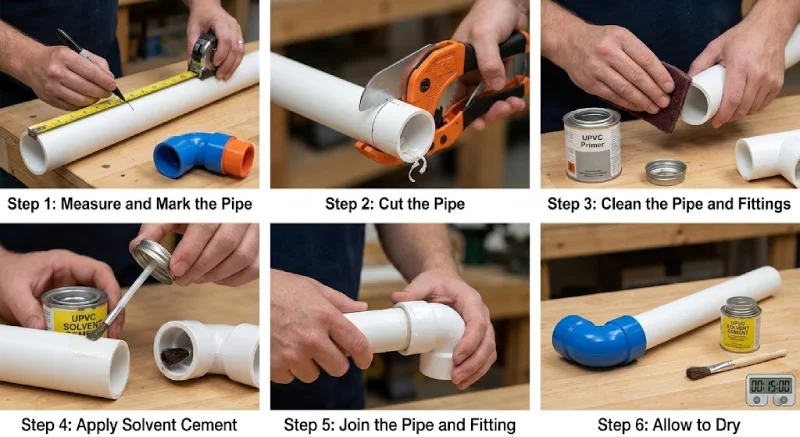
User Manual for UPVC Pipe Fittings
Follow this detailed step-by-step guide to install your UPVC pipe fittings efficiently:
Step 1: Measure and Mark the Pipe
- Measure the Length: Use a tape measure to mark the desired length of the UPVC pipe.
- Mark the Cut: Use a marker to mark where the pipe needs to be cut. Make sure to account for the extra length needed to fit inside the fittings.
Step 2: Cut the Pipe
- Cut the Pipe: Use a UPVC pipe cutter or hacksaw to make a clean, straight cut. This ensures a secure fit with the fitting.
- Deburr the Edges: Smooth the cut edges using a deburring tool or sandpaper to remove any burrs or sharp edges that could interfere with the fitting.
Step 3: Clean the Pipe and Fittings
- Wipe the Pipe: Use a clean cloth to wipe down both the inside of the fitting and the outside of the pipe to remove dust, dirt, or grease.
- Use Primer (Optional): Some UPVC fittings require the use of a primer to soften the pipe surface and enhance bonding. Apply primer if recommended by the manufacturer.
Step 4: Apply Solvent Cement
- Brush on Cement: Using a brush or applicator, apply an even layer of UPVC solvent cement to both the outside of the pipe and the inside of the fitting.
- Quick Application: Solvent cement dries quickly, so apply it evenly and be ready to connect the pipe and fitting immediately.
Step 5: Join the Pipe and Fitting
- Insert the Pipe: Push the pipe into the fitting with a slight twisting motion to ensure even distribution of the cement.
- Hold for 30 Seconds: Hold the pipe and fitting together for at least 30 seconds to allow the solvent cement to bond securely.
Step 6: Allow to Dry
- Curing Time: Let the joint dry for at least 15-30 minutes before handling. Full curing takes about 24 hours, so avoid running chemicals through the system until the cement has fully set.
Tips for a Leak-Proof Installation
- Use Quality Fittings: Invest in high-quality UPVC pipe fittings that fit well and are made from durable materials.
- Apply Cement Evenly: Ensure that both the pipe and fitting are fully coated with solvent cement to prevent gaps and leaks. Hold the Joint Securely: After connecting the pipe and fitting, hold them together firmly for at least 30 seconds to ensure a strong bond.
- Check Alignment: Make sure the pipe is aligned correctly with the fitting before the cement dries.
Tips for maintenance
- Regularly check pipes to identify leakage and damage, mostly at the joints.
- Wipe down with low-strength detergent and chemicals.
- Wrap UPVC pipework in cold environments.
- Leaks should be repaired as soon as possible to ensure the efficiency of the system.
| Customization Type | Description | Typical Options |
| Size & Dimension | Diameter, wall thickness, socket depth | DN 15–300 mm, Sch 40/80, PN 6–25 |
| Elbow Angle | Direction change customization | 22.5°, 45°, 60°, 90°, 135° |
| Connection Type | How the fitting connects to pipes | Socket, spigot, rubber ring, threaded (BSP/NPT), flange |
| Pressure Rating | Strength for fluid or chemical transfer | PN 6, 10, 16, 20, 25 or ASTM Sch 40 / 80 |
| Color & UV Stabilization | Surface aesthetics & outdoor use | Grey, white, UV-resistant grades |
| Special Shapes | Project-specific designs | Long radius elbows, reducing tees, eccentric reducers, wyes |
| Marking & Identification | Printing for traceability | Manufacturer name, standard, pressure class, batch no. |
| Material Additives | Enhanced properties | Impact modifiers, flame retardants, anti-UV additives |
| Process Stage | Description | Key Considerations |
| Raw Material Preparation | Drying uPVC resin + additives | Moisture < 0.2% to prevent defects |
| Injection Molding | Molten uPVC injected into molds | Temperature 180–210°C, mold pressure controlled |
| Extrusion | For spigot parts or large pipes | Continuous extrusion line with cooling |
| Cooling & Demolding | Solidification of the fitting | Avoid warping, maintain dimensional accuracy |
| Machining / Trimming | Remove flash, smooth edges | Chamfered socket ends for easy insertion |
| Socket Formation | Create proper depth & diameter | Tolerances per ASTM / ISO / DIN standards |
| Threading (if required) | Cut BSP/NPT threads | Ensure a leak-proof seal with PTFE |
| Rubber Ring Insertion | For push-fit / drainage | Check gasket elasticity & seating |
Testing the quality and performance of UPVC threaded fittings is a key step to ensure that they meet the expected requirements during installation and use. Here are some of the main detection methods and precautions.
Tensile Strength
Measures the strength of material (resistance) being pulled apart. MODULUS OF ELASTICITY Measures the stiffness of the material
Elongation at break
Measures the extension length of the sample until it breaks.
Hydrostatic strength
Determines the capability of the sample to withstand internal pressure for both long and short periods of time.
Brabender
Used for quality control testing and evaluation of raw materials for optimization of the production process.
Impact strength
Measures the toughness of the sample against impact or the ability of the sample to absorb applied energy.
Toughness and ductility testing:
Throw or stomp the pipe to the ground to test its toughness. High-quality pipe fittings generally will only be flat and will not break. Break both ends of the pipe fittings inward, and the good-quality pipe fittings will not be easily bent.
Connection quality inspection: Carefully inspect the connection parts of the pipeline to ensure that there are no cracks, chemical leakage, or other quality problems in the connection. Perform pressure tests to verify the tightness and pressure resistance of the joints.
To sum up, testing the quality and performance of UPVC threaded pipe fittings requires comprehensive consideration of many aspects. Including appearance, size, material, mechanical properties, chemical properties, and connection quality. These tests can ensure that the pipe can operate safely and reliably during use and meet the engineering requirements.
Over the last three decades, Petron Thermoplast has created a unique presence in the pipe market and gained several dedicated clients. Our clients vouch highly for the quality of our products and our excellent customer service. With the largest plant in the North, we are highly regarded in the North, we are highly regarded for the quality of our products and our excellent customer service. With the largest plant in North India, we can provide a large
quantity of pipes & fittings and other supplies promptly, which is why the vendors who purchase from us never have to worry about
delays in deliveries. Our product portfolio has a wide variety of products at different price ranges, which is why we can cater to all sorts.
of clients, from small shops to big showrooms, to traders, exporters, distributors, etc.
According to the market overview, in recent years, UPVC pipe fittings have become essential materials in industrial piping and construction.
sectors. Their durability, resistance to chemicals, and ability to handle varying temperatures make them ideal for a wide range of applications.
The global market for UPVC pipe fittings is expected to grow significantly in 2024 due to rising demand in residential, commercial, and industrial sectors.
- Increased Construction Activities: Rapid urbanization and infrastructure development are creating a growing demand for UPVC pipe fittings in residential and commercial areas.
- Industrial Growth: Industrial sectors such as chemical processing and oil and gas rely on the chemical resistance and strength of PVC pipes.
- Sustainability: The push toward eco-friendly construction materials has led to an increased interest in UPVC pipe fittings, which are more sustainable compared to traditional materials like metal.

Custom Product Manufacturing Available
If you are searching for customized product designs that meet your requirements, don’t worry. Petron Thermoplast also offers custom product manufacturing services to meet the unique needs of various industries. Work with our expert engineers to create custom designs suited for your application.
More About UPVC Pipe Fittings
The range includes bends, elbows, tees, couplers, and other standard fittings to ensure compatibility with UPVC pipe fittings and their solvent cement joints when installed as per recommended practices. UPVC pipe fittings are produced under controlled conditions with strict quality checks at each dimensional area, their surface finish and joint integrity monitored to meet relevant requirements and field requirements expectations.
Our UPVC pipe fittings are manufactured to support reliable installation and long service life across residential, commercial, and infrastructure applications.
Application of UPVC Pipe Fitting
Chemical Supplies
Non-toxic UPVC pipe fittings will not affect the taste, color, or smell of chemicals. Their strength is greater than that of asbestos pipes.
Irrigation Systems
Noncorrosive UPVC pipe fittings are perfect for carrying chemicals that contain chemical fertilizers and insect inhibitors. Within a thick wall and large diameter, UPVC pipe fittings can transport liquids under high pressure, which is convenient for the management of large volumes.
UPVC Pipe Fittings, Casing & Screen
Engineering difficulties and the probability of adverse chemical reactions make it impractical to overcome corrosion and encrustation through the use of protective coating, chemical treatment, or cathodic protection.
Soil, Waste & Drainage Sewer System
Waste lines for corrosive gases, ventilation for office buildings and factories, and drainage systems for private homes and elevated highways—these are a few of the many possibilities for UPVC pipe fittings. A full line of UPVC pipe fittings is available to ensure easy installation.
Mining
UPVC pipe fittings, particularly, are well-suited for draining corrosive liquids found in mines. They make an ideal vent line for pits because they are easily installed in hard-to-reach places.
Electrical & Telecommunication Cables Protection
UPVC pipes and fittings form an integral insulator; hence, there is an ever-increasing demand for them as an electrical conduit. To facilitate work, a full line of fittings is available and fabricated from the same material as the pipes.
Advantages of UPVC Pipe Fittings
1. Versatile Connections
UPVC pipe fittings offer remarkable flexibility in constructing piping systems. For instance, in a large industrial plant’s complex network, reducers are used on pipes of different diameters. A 6-inch pipe might need to be connected to a 4-inch pipe to adjust the flow rate and pressure as the fluid moves through different sections of the process.
2. Flow Control
Pipes, a significant type of pipe fitting, provide precise control over fluid movement. In a chemical manufacturing process, where the precise addition of is necessary, a uUPV Cpipe can adjust the flow rate with great accuracy. A small adjustment of the pipestem can finely regulate the amount of chemical entering the reaction chamber, ensuring the reaction proceeds as desired.
3. Durability
Many pipe fittings are constructed from robust materials. Stainless steel fittings are highly resistant to corrosion, making them suitable for harsh environments. In a coastal power plant, where the air is filled with saltwater mist, stainless steel fittings are used to connect pipes in the cooling water system. They can withstand the corrosive effects of the saltwater over long periods, ensuring the integrity of the piping system and minimizing the need for frequent replacements. Brass fittings are not only durable but also possess good aesthetic qualities. In a luxury hotel’s chemical system, brass fittings are used in the bathroom fixtures. They can endure the wear and tear of daily use while adding an elegant touch to the overall decor. High-density polyethylene (HDPE) fittings are known for their chemical resistance and long service life. In an agricultural irrigation system, where the water may contain fertilizers and other chemicals, HDPE fittings can handle the chemical-laden water without degrading, providing reliable connections for the pipes that distribute water to the fields.
4. Irrigation & Water Management Systems
Threaded fittings are user-friendly for installation. In a DIY home chemical project, such as installing a new faucet, threaded fittings can be easily screwed onto the existing pipes using basic tools like a wrench. This allows homeowners to make simple modifications or repairs to their chemical systems without the need for professional assistance. Push-fit fittings are even more convenient. In a temporary water supply setup for a construction site, push-fit fittings can be quickly inserted into the ends of the pipes, saving time and effort during installation. Their modular nature simplifies maintenance. If a leak develops in a section of a commercial building’s chemical system, the relevant fitting can be easily identified and replaced. For example, if a coupling is leaking, it can be removed and a new one installed without having to dismantle large portions of the piping system, reducing both downtime and repair costs.
Material Used in Manufacture
The material used in the manufacture of UPVC pipe fittings is unplasticized polyvinyl chloride (UPVC).
Details
Base material: Polyvinyl Chloride (PVC)
Without plasticizers: Unlike regular PVC, uPVC does not contain plasticizers, which makes it rigid, strong, and durable.
Additives
Stabilizers—for heat and UV resistance
Lubricants—to aid processing and molding
Impact modifiers—to improve toughnes.
Color pigments—usually white or gray
This material combination gives UPVC pipe fittings their high strength, corrosion resistance, chemical resistance, and long service life, making them suitable for chemical supply, drainage, and industrial applications.
Why Choose Petron Thermoplast?
When it comes to industrial-grade piping systems, the choice of the right manufacturer is as important as the material itself. Petron Thermoplast has earned a reputation as a trusted global leader in the field of UPVC pipe fittings and industrial flow solutions. Our products are known for precision, performance, and durability, designed to meet the most demanding industry standards across chemical, treatment, and infrastructure sectors.
With so many options on the market, why should you trust Petron Thermoplast for your UPVC pipe needs? The answer lies in our commitment to quality, service, and understanding your unique challenges.
We don’t just sell products—we engineer solutions. Our UPVC pipes are manufactured using the highest quality raw materials and technology, ensuring consistent performance and compliance with global standards. Every batch undergoes rigorous testing for pressure resistance, temperature tolerance, and durability, so you can be confident that what you’re installing is built to last.
As we know, multiple suppliers can slow down your project and increase costs. That’s why we offer a full range of pipes from UPVC elbows and tees to pipes and adapters to ensure you have everything you need, all from a single source. Whether you’re working on a small residential renovation or a large-scale commercial development, we can tailor a package that fits your exact requirements, saving your time and simplifying your supply chain.
The company has a strong technical team and maintains close communication and cooperation with international advanced counterparts, so that our products and technologies have always been at the forefront of the world. At the same time, the company is equipped with a complete after-sales team. Whether it is a product choice of materials or the deep processing of parts, we are equipped with professional one-to-one service. Choosing us will truly make you worry-free!
Industry/Sector We Served
Water Supply & Distribution
Potable water pipelines
Non-toxic, corrosion-resistant
Agriculture & Irrigation
Drip, sprinkler, main lines
UV-resistant, cost-effective
Drainage & Sewerage
Soil, waste & rainwater systems
Chemical & corrosion resistance
Industrial Process Plants
Chemical transfer lines
Excellent chemical resistance
Chemical Industry
Acid & alkali piping
Non-reactive material
Power Plants
Cooling water & utility lines
Low maintenance
HVAC Systems
Chilled water & condensate lines
Smooth flow, no scaling
Pharmaceutical Industry
Process & utility piping
Clean, contamination-free
Food & Beverage Industry
Water & non-fat fluid transfer
Odorless, hygienic
Mining Industry
Slurry & wastewater lines
Abrasion & corrosion resistance
Marine & Coastal Projects
Seawater handling
Saltwater resistance
Oil & Gas (Utilities)
Non-hydrocarbon services
Corrosion-free
Wastewater Treatment Plants
Inlet, outlet & chemical dosing
Long service life
Fire Protection (Limited Use)
Underground water lines
Rust-free (non-fire zones)
Telecommunication & Electrical
Cable protection conduits
Electrical insulation
Conclusion
To wrap up, what UPVC pipe fittings are is more than just a definition—it’s about understanding how these essential components keep your system strong, efficient, and reliable. With their durability, cost-effectiveness, and safety, UPVC fittings have become the go-to choice worldwide. By choosing UPVC fittings in Rajkot or anywhere else, you’re investing in quality and peace of mind for years to come.
UPVC pipes and fittings are an excellent choice for construction applications due to their durability, affordability, and versatility. Whether you’re a homeowner or a professional in the construction industry, UPVC provides an efficient and cost-effective solution to meet your needs. By understanding the benefits and applications of UPVC pipes and fittings, you can decide whether they are the right choice for your next project.
At Petron Thermoplast, we deliver top-grade UPVC pipes that are engineered for industrial efficiency, safety, and longevity. With unbeatable chemical resistance, mechanical strength, and thermal stability, our UPVC pipes are the perfect choice for demanding environments.
Frequently Asked Questions
UPVC stands for unplasticized polyvinyl chloride, while PVC stands for polyvinyl chloride. uPVC pipe fittings are made by adding plasticizers to PVC to make them more flexible and durable. uPVC pipe fittings are stronger, more durable, and resistant to chemicals and UV rays, making them ideal for construction applications.
Yes, uPVC pipes can be used for hot chemical supply. They have a high melting point, making them suitable for carrying hot chemicals. However, using pipes with a high-pressure rating and following manufacturer guidelines is essential to ensure safe and effective installation.
UPVC pipe fittings have a lifespan of up to 50 years or more, depending on the quality of the pipes and the conditions in which they are installed. They are resistant to corrosion, chemical, and biological attack and are not affected by UV rays or weathering. Proper installation and maintenance can help to ensure the longevity of uPVC pipe fittings.
Yes! UPVC pipes are lead-free, non-toxic, and NSF-certified, making them safe for potable chemical supply systems.
Yes! Petron Thermoplast specializes in bulk supply and custom fabrication of UPVC pipe fittings and industrial plastic components to meet your specific needs.
Corrosion & Chemical Resistance – Ideal for chemical and industrial applications.
Lightweight & Easy to Install – Reduces labor costs and simplifies installation.
Leak-Proof Joints—Ensures a secure and reliable system.
Low Maintenance & Long Lifespan – Lasts for decades with minimal upkeep.
Eco-Friendly & Non-Toxic – Safe for potable chemicals and environmentally friendly.
UPVC pipes and fittings are widely used in chemical treatment, chemical processing, irrigation, construction, and industrial piping systems.
Yes, both UPVC pipe fittings are eco-friendly and recyclable, offering long-lasting, sustainable solutions.
Store UPVC pipe fittings in a cool, dry place, away from direct sunlight and excessive heat. Keep them supported evenly to avoid bending.
When properly designed and used within recommended limits, UPVC pipes offer high dimensional stability and resist cracking, creep, and deformation.
Yes, UPVC material is non-toxic and corrosion-resistant, and suitable grades can be used for potable chemical applications when manufactured as per relevant standards.
CPVC is for hot chemical systems, while UPVC is for cold chemical and drainage. CPVC can withstand higher temperatures.