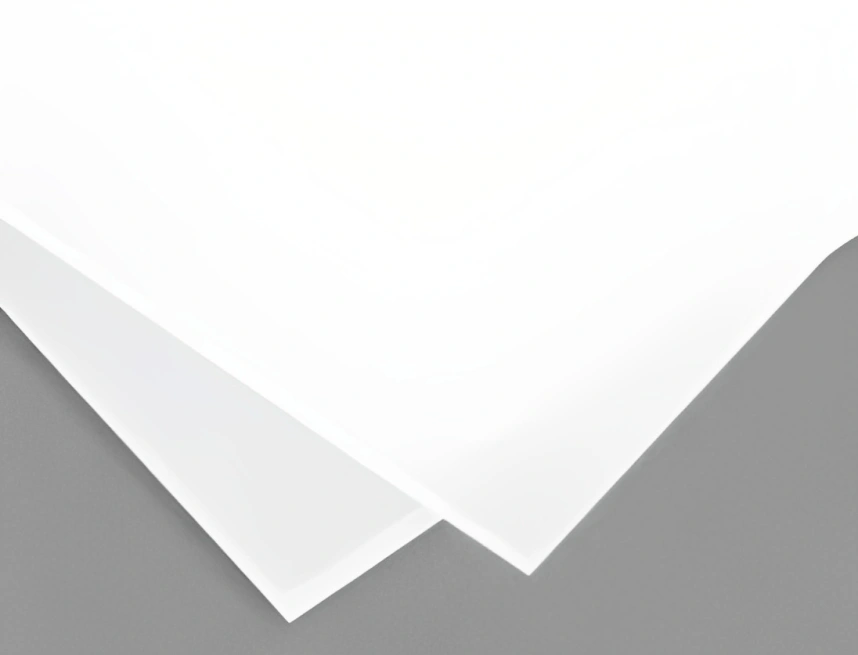
Polypropylene
Polypropylene (PP) is a low-cost, chemically resistant polypropylene material with good aesthetics. It is commonly manufactured into the water and chemical tanks because it is easy to weld with thermoplastic welding equipment. Some properties of polypropylene are translucent, good chemical resistance, tough, good fatigue resistance, integral hinge property.
Polypropylene, which is used to make upper and lower extremity orthoses and prostheses, is a material that is simple to drape, blister shape, and seam. For O&P applications, polypropylene is simple to embellish with transfer patterns. Polypropylene grades that are FDA compliant are available. Homopolymer, carbon-reinforced homopolymer, and copolymer grades of polypropylene are available.
Common Applications of Polypropylene Material
POLYPROPYLENE (POLYPRO) SHEET FOR O&P IS WIDELY USED FOR:
- Body jackets
- Upper & lower extremity orthoses
- AFOs
- Rigid, outer prosthetic sockets
PERFORMANCE CHARACTERISTICS:
- Rigid
- Excellent formability
- Stress & crack resistance
- Excellent durability
COMMON BRANDS:
- Orthoform®
- SIMOLIFE
- Polystone®
- ProComp™
STANDARD SIZES
| INDUSTRIAL SHEET | Dimensions: 48 in x 96 in |
| Thickness: 0.062 in – 4 in |
| O & PSHEET | Dimensions: 12 in x 12 in – 48 in x 96 in |
| Thickness: 0.030 in – 0.750 in |
| PROCOMP™ | Dimensions: 16 in x 16 in – 48 in x 96 in |
| Thickness: 0.125 in – 0.500 in |
| INDUSTRIAL ROD | Outside Diameter: 0.250 in – 14 in |
OPTIONS AVAILABLE
| COLOR | Industrial Sheet: Natural, Black, WhiteO&P Sheet: Natural, Black, White, Brown, Flesh, Blue, Pink, Purple, Red, Silver, Neon Green, Neon Pink, Royal BlueProComp™: Natural |
| TEXTURE, SURFACE, PATTERN | Textured, Smooth |
| GRADES | FDA Compliant, Heat Stabilized, Medical, Carbon Reinforced |
Length, width, thickness, and diameter tolerances vary by size, by manufacturer, brand, and grade. Custom sizes and colors available upon request.
Polypropylene Properties and Material Options
Homopolymer Polypropylene (Polypro)– Homopolymer polypropylene is stronger and stiffer than copolymer. It is a very durable, rigid plastic available in natural (a translucent white) and a variety of colors. Easily formed, polypropylene is widely used for body jackets, upper and lower extremity orthoses (especially AFO’s), and rigid outer prosthetic sockets.
Copolymer Polypropylene (Copoly PP)– Copolymer polypropylene is a bit softer, but it is tougher and more durable than homopolymer polypropylene. Copolymer polypropylene tends to have better stress crack resistance and low temperature toughness than homopolymer polypropylene. Used in many of the same applications as homopolymer polypropylene, but where slightly more flexibility is needed.
ProComp™ (Carbon reinforced poloypropylene)– Innovative polypropylene material reinforced with carbon fibers for a 25% increase in stiffness. Layers of carbon fibers are infused between layers of homopolymer polypropylene which results in zero carbon fiber strand protrusion when finishing. ProComp™ offers financial and clinical, and fabrication advantages to Orhtotic and Prosthetic practices.
Tech Tip For O&P Fabricators– Homopolymer recommended oven temperatures are 325°F to 350°F.
Copolymer recommended oven temperatures are 300°F to 350°F.
TYPICAL PROPERTIES OF POLYPROPYLENE
| UNITS | ASTM TEST | POLYPROPYLENE HOMOPOLYMER | POLYPROPYLENE COPOLYMER | |
|---|---|---|---|---|
| Tensile strength | psi | D638 | 5,400 | 3,800 |
| Flexural modulus | psi | D790 | 225,000 | 215,000 |
| Izod impact (notched) | ft-lbs/in of notch | D256 | 1.2 | 12.5 |
| Heat deflection temperature @ 264 psi | °F | D648 | 210 | 190 |
| Maximum continuous service temperature in air | °F | – | – | |
| Water absorption (immersion 24 hours) | % | D570 | slight | slight |
| Coefficient of linear thermal expansion | in/in/°Fx10-5 | D696 | – | – |
Please ask your Petron Thermoplast representative for more specific information about an individual brand.
Explore the physical, mechanical, thermal, electrical, and optical properties of polypropylene.
Sort, compare, and find the plastic material suited for your application using our interactive properties table.
ProComp™ composite thermoplastic resin-fiber materials are sold under license from, and are a product of, Rhode 401, LLC.