
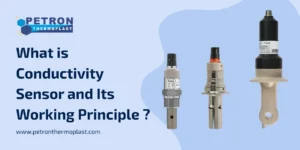
What is Conductivity Sensor and Its Working Principle ?
A Conductivity Sensor is a device designed to measure the electrical conductivity of a solution. Electrical conductivity is a measure of a material's ability to conduct an electric current, and…
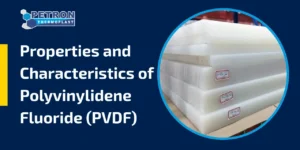
Properties and Characteristics of Polyvinylidene Fluoride (PVDF)
Polyvinylidene fluoride (PVDF) is a synthetic polymer belonging to the family of fluoropolymers. It is a high-performance plastic known for its excellent chemical resistance, thermal stability, electrical properties, and versatility.…
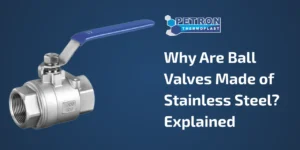
Why Are Ball Valves Made of Stainless Steel? Explained
In the intricate dance of fluid control mechanisms, the stainless steel ball valve emerges as a stalwart, a testament to metallurgical ingenuity. Beyond its apparent simplicity lies a world of…
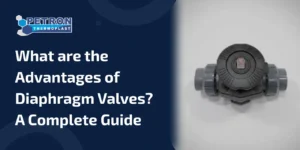
What are the Advantages of Diaphragm Valves? A Complete Guide
Diaphragm valves might not always be in the spotlight, but they play a pivotal role in various industries where precise control of fluids is paramount. These unsung heroes are celebrated…
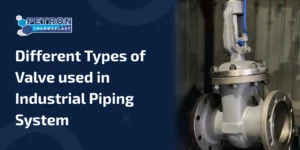
Different Types of Valve used in Industrial Piping System
Industrial piping systems rely on different types of valves to regulate, control, and direct the flow of liquids, gases, and slurries. Common valve types include gate valves, ball valves, butterfly…
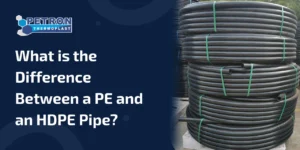
What is the Difference Between a PE and an HDPE Pipe?
When we delve into the world of plumbing and piping systems, one thing becomes abundantly clear – the choice of materials is paramount. It's what ensures the efficiency, durability, and…
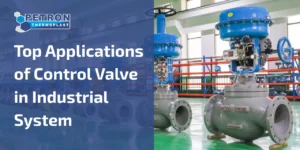
Top Applications of Control Valve in Industrial System
A control valve is a mechanical device used in various industries to regulate the flow of fluids (liquids, gases, or steam) within a system. These valves are designed to precisely…