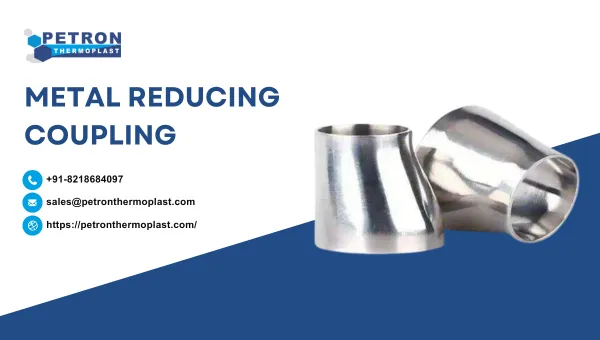
Metal Reducing Coupling
A Metal Reducing Coupling is a pipe fitting used to connect two pipes of different diameters in a straight line, ensuring a smooth and reliable transition between varying pipe sizes. Designed for strength and durability, it is manufactured using carbon steel, stainless steel, alloy steel, and duplex steel to withstand high pressures, temperatures, and corrosive environments. These couplings are essential in industries such as oil & gas, petrochemical, chemical processing, water treatment, and power generation where pipelines of different sizes must be securely joined.
Key Features of Metal Reducing Coupling
- Size Transition – Connects pipes of different diameters in a straight line.
- High Mechanical Strength – Withstands heavy loads and extreme pressure conditions.
- Versatile Connection Types – Available in threaded, socket-weld, butt-weld, and forged options.
- Corrosion & Heat Resistant – Suitable for aggressive industrial applications.
- Durable Construction – Provides long service life with minimal maintenance.
- Compliance with Standards – Manufactured according to ASME, ASTM, DIN, and EN specifications.
Technical Information
| Parameter | Details |
|---|---|
Product Name |
Metal Reducing Coupling |
Connection Type |
Threaded / Socket-weld / Butt-weld / Forged |
Material Options |
Carbon Steel, Stainless Steel (304/316), Alloy Steel, Duplex Steel, etc. |
Size Range |
½” × ¼” to 24” × 12” (DN15 × DN8 to DN600 × DN300) |
Wall Thickness |
SCH 10 to SCH 160 / XXS (custom thickness available) |
Standards & Codes |
ASME B16.11, ASTM A105/A182, ANSI, DIN, JIS, EN |
Pressure Ratings |
2000 lbs, 3000 lbs, 6000 lbs (threaded/forged); Class 150–2500 (welded) |
Surface Finish |
Black, Galvanized, Anti-rust Coating, Polished (stainless steel) |
Applications |
Oil & Gas Pipelines, Petrochemical Plants, Power Generation, Marine, Water Systems |
Metal Pipe Fittings
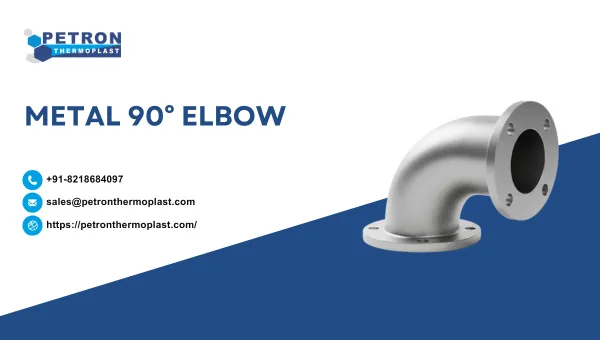
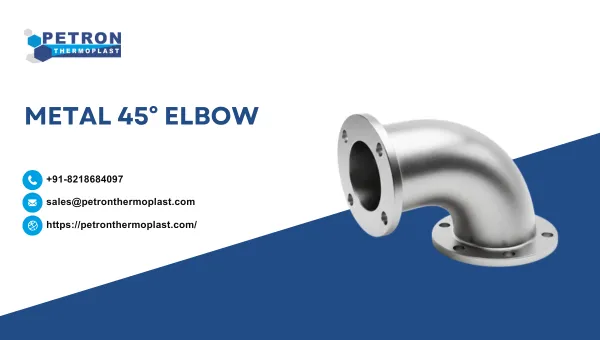
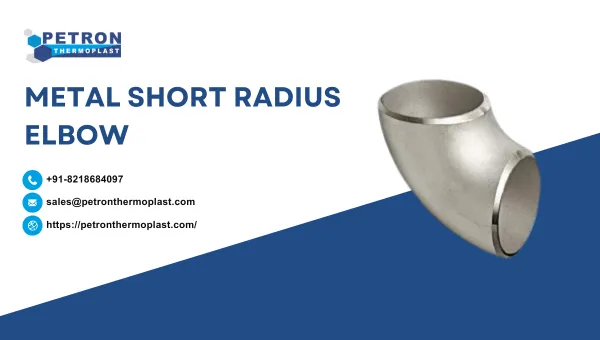
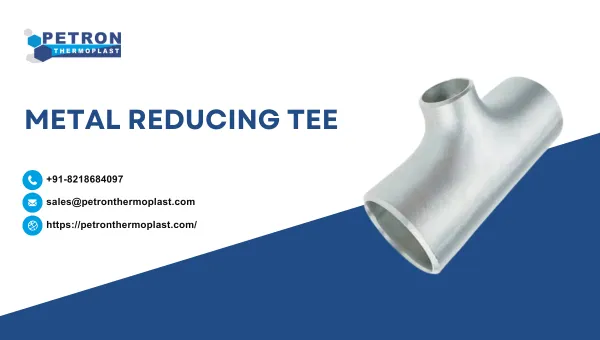

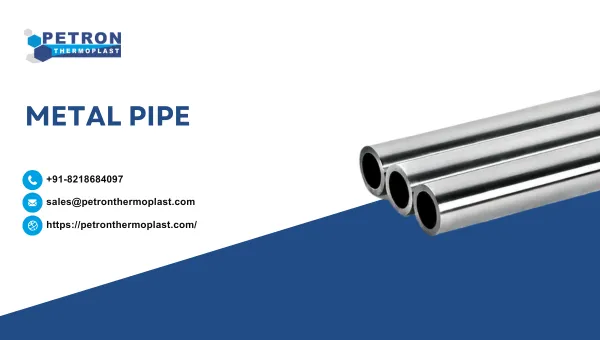
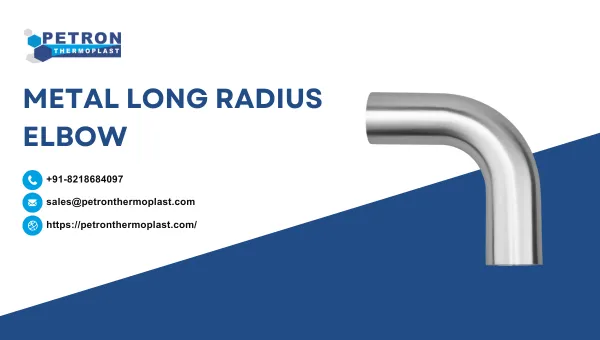

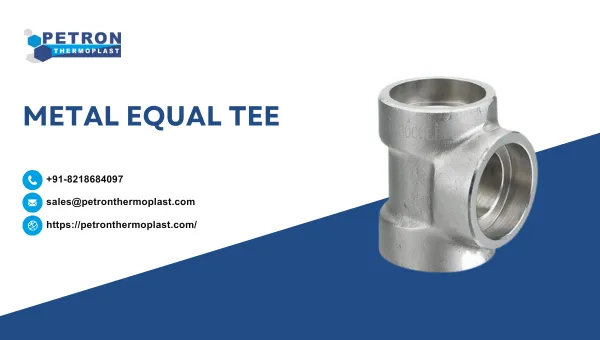


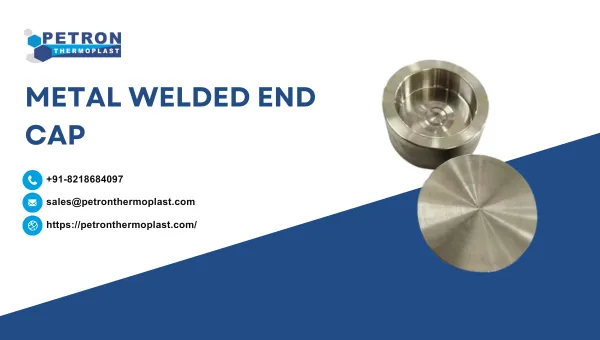
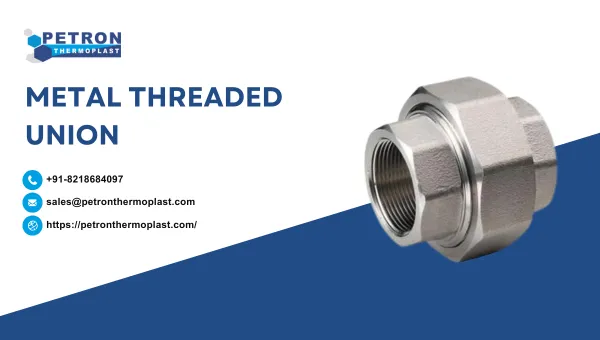
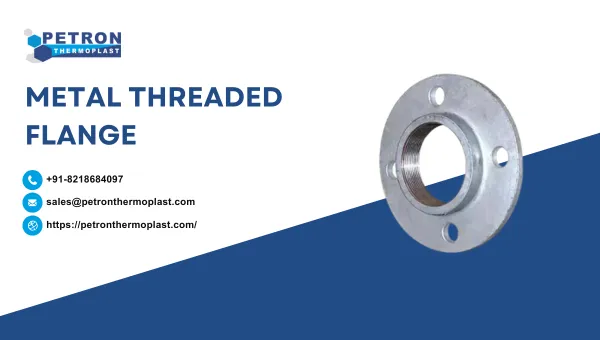

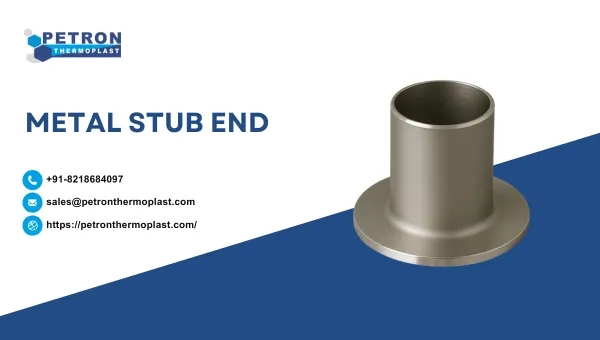
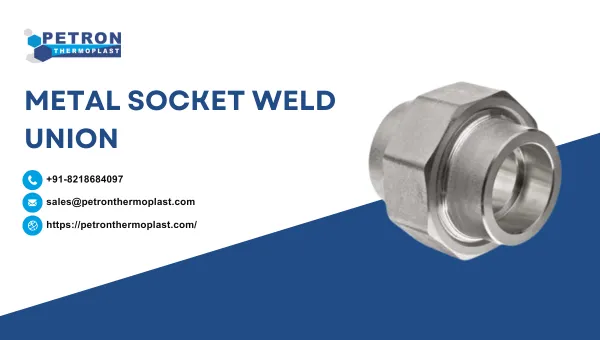
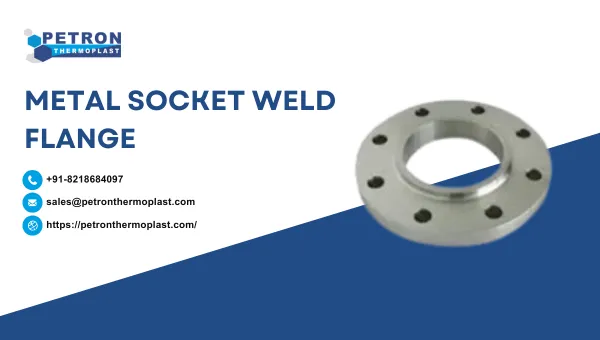


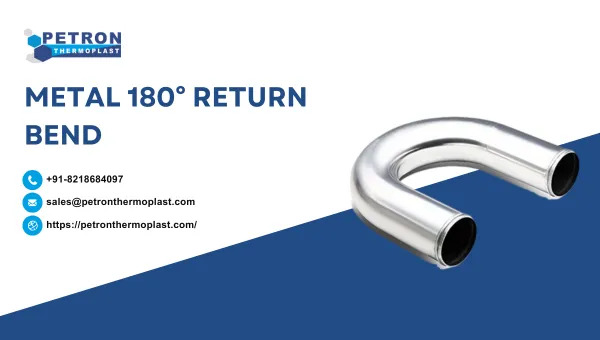
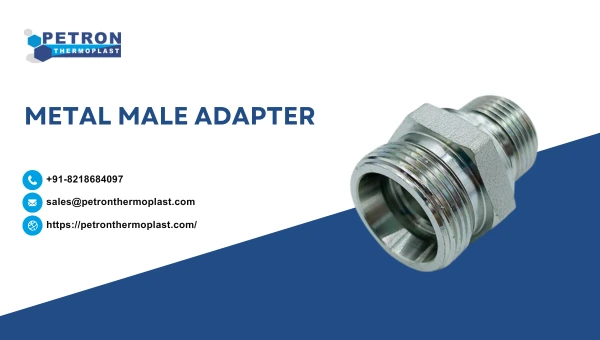

Custom Product Manufacturing Available
If you are searching for customized product designs that meet your requirements, don’t worry. Petron Thermoplast also offers custom product manufacturing services to meet the unique needs of various industries. Work with our expert engineers to create custom designs suited for your application.