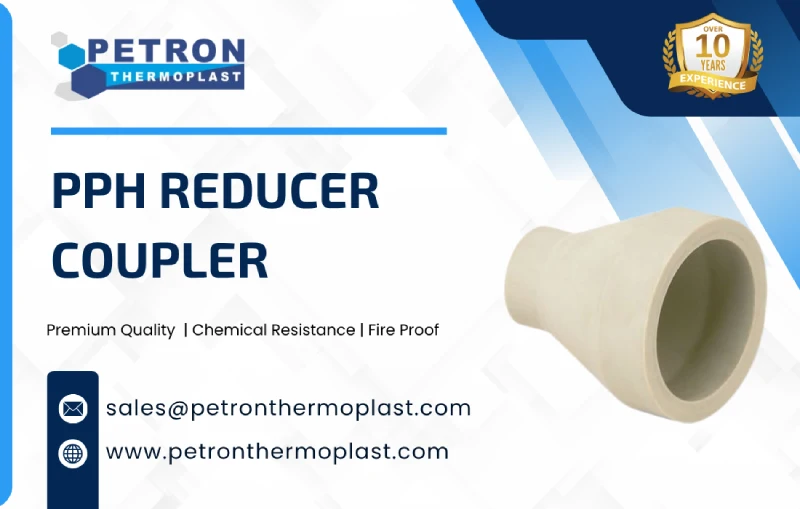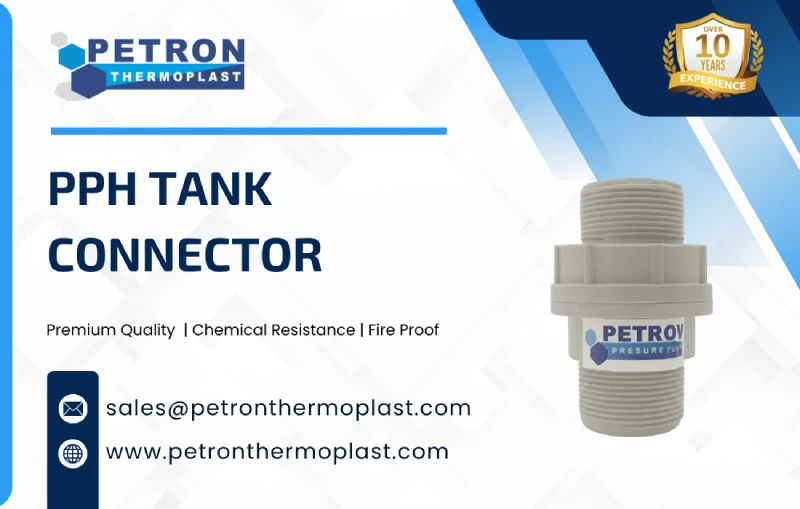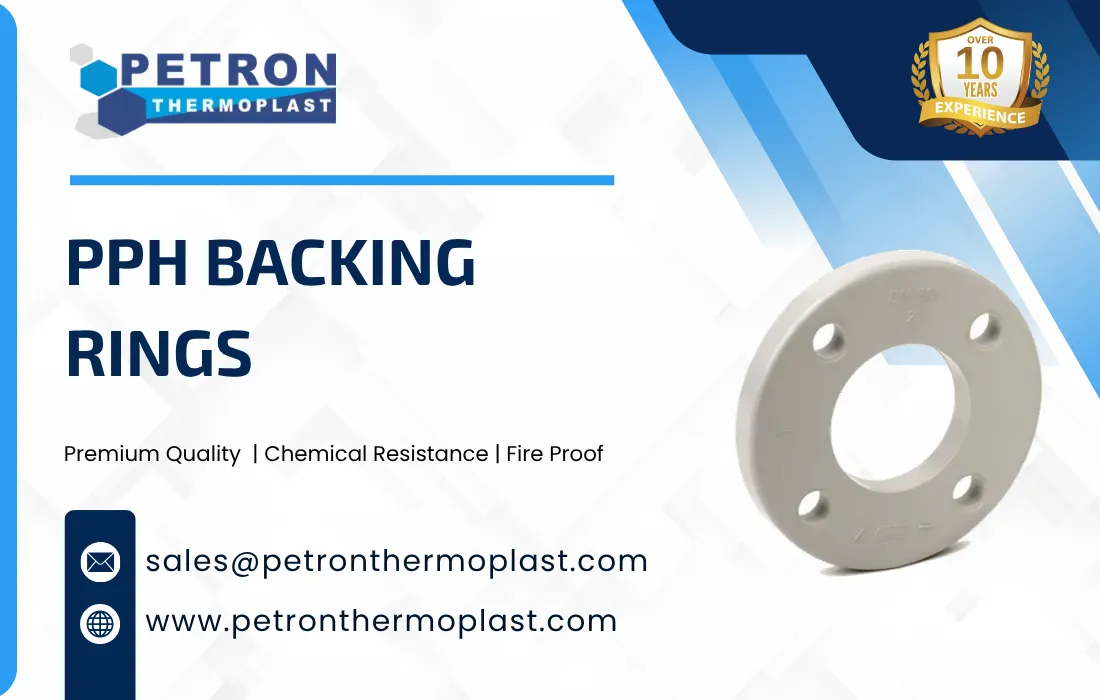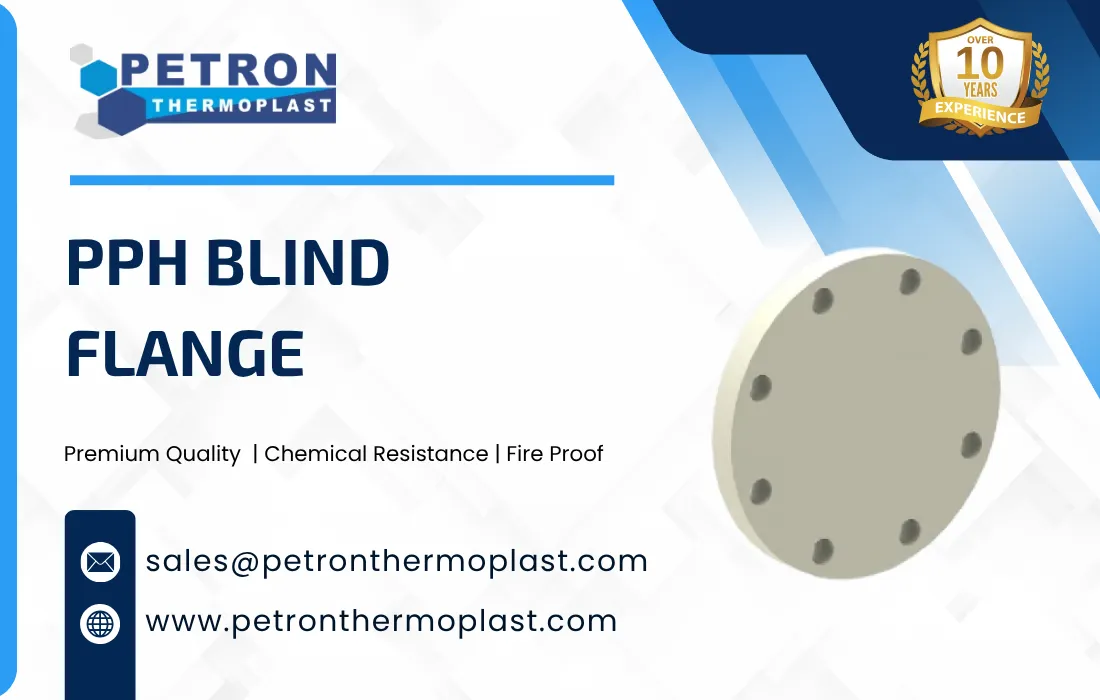
PPH Concentric Reducer
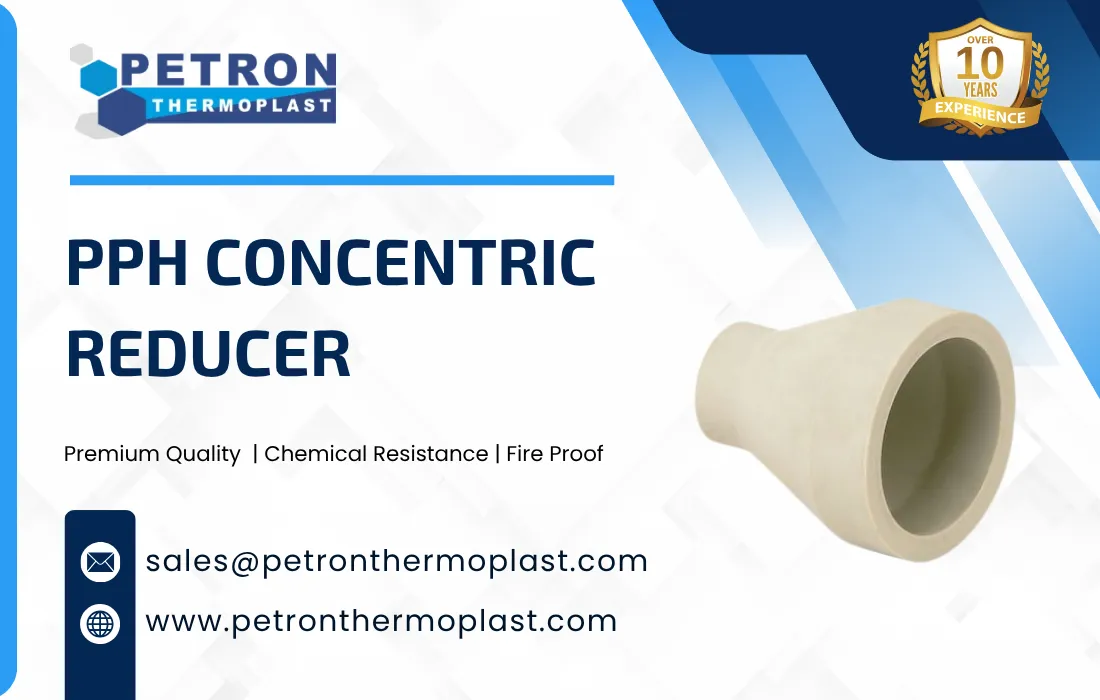
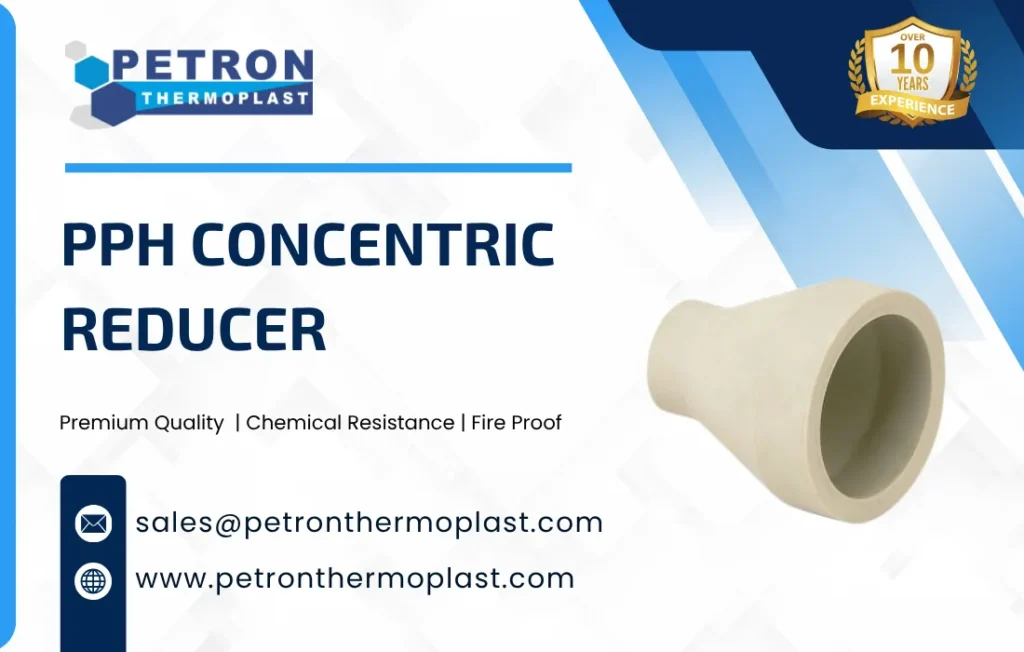
A PPH (Polypropylene Homopolymer) Concentric Reducer is a pipe fitting used to connect two pipes of different diameters, where the centerline of both pipes remains the same (aligned). It provides a smooth and gradual reduction in pipe size, ensuring efficient flow of fluids.The PPH Concentric Reducer is a specialized pipe fitting designed to connect two pipes of different diameters along the same central axis, ensuring smooth and efficient flow transition. Constructed from Polypropylene Homopolymer (PPH), this reducer offers superior chemical resistance and mechanical strength, making it ideal for corrosive and high-temperature industrial applications.
A PPH Concentric Reducer is a center-aligned pipe fitting used to join pipes of different sizes, allowing a smooth transition of fluid flow in piping systems. Used extensively in chemical processing, water treatment plants, and industrial piping systems, the PPH concentric reducer maintains uniform flow characteristics, minimizes turbulence, and prevents fluid stagnation during size reduction transitions.

- Chemical Resistance
- Low Maintenance Requirement
- Low Thermal Conductivity
- Long Service Life
- Easy Installation
- Corrosion Resistance
PPH Concentric Reducer Details

ID-1: Internal Diameter of the bottom opening.
OD-1: Outer Diameter of the bottom body.
WT-1: Wall Thickness of the bottom section.
SL-1: Socket Length (insertion depth) for the bottom.
ID-2: Internal Diameter of the top opening.
OD-2: Outer Diameter of the top body.
WT-2: Wall Thickness of the top section.
SL-2: Socket Length (insertion depth) for the top.
H: Total Height of the entire component
| Size (Inch) | ID-1 (mm) | OD-1 (mm) | WT-1 (mm) | SL-1 (mm) | ID-2 (mm) | OD-2 (mm) | WT-2 (mm) | SL-2 (mm) | H (mm) |
| ¾ x ½ | 26.97 | 34.79 | 3.91 | 25.40 | 21.64 | 29.10 | 3.73 | 22.23 | 56 |
| 1 x ½ | 33.78 | 42.88 | 4.55 | 28.58 | 21.64 | 29.10 | 3.73 | 22.23 | 66 |
| 1 x ¾ | 33.78 | 42.88 | 4.55 | 28.58 | 26.97 | 34.79 | 3.91 | 25.40 | 65 |
| 1¼ x ½ | 42.55 | 52.25 | 4.85 | 31.75 | 21.64 | 29.10 | 3.73 | 22.23 | 69 |
| 1¼ x ¾ | 42.55 | 52.25 | 4.85 | 31.75 | 26.97 | 34.79 | 3.91 | 25.40 | 68 |
| 1¼ x 1 | 42.55 | 52.25 | 4.85 | 31.75 | 33.78 | 42.88 | 4.55 | 28.58 | 68 |
| 1½ x ½ | 48.72 | 58.88 | 5.08 | 34.93 | 21.64 | 29.10 | 3.73 | 22.23 | 74 |
| 1½ x ¾ | 48.72 | 58.88 | 5.08 | 34.93 | 26.97 | 34.79 | 3.91 | 25.40 | 76 |
| 1½ x 1 | 48.72 | 58.88 | 5.08 | 34.93 | 33.78 | 42.88 | 4.55 | 28.58 | 75 |
| 1½ x 1¼ | 48.72 | 58.88 | 5.08 | 34.93 | 42.55 | 52.25 | 4.85 | 31.75 | 74 |
| 2 x ½ | 60.78 | 71.86 | 5.54 | 38.10 | 21.64 | 29.10 | 3.73 | 22.23 | 85 |
| 2 x ¾ | 60.78 | 71.86 | 5.54 | 38.10 | 26.97 | 34.43 | 3.73 | 25.40 | 85 |
| 2 x 1 | 60.78 | 71.86 | 5.54 | 38.10 | 33.78 | 42.88 | 4.55 | 28.58 | 85 |
| 2 x 1¼ | 60.78 | 71.86 | 5.54 | 38.10 | 42.55 | 52.25 | 4.85 | 31.75 | 83 |
| 2 x 1½ | 60.78 | 71.86 | 5.54 | 38.10 | 48.72 | 58.88 | 5.08 | 34.93 | 83 |
| 2½ x 2 | 73.56 | 87.58 | 7.01 | 44.45 | 60.78 | 71.86 | 5.54 | 38.10 | 104 |
| 3 x 2 | 89.31 | 105.55 | 16.24 | 48.63 | 60.78 | 88.54 | 27.76 | 48.93 | 104 |
| Parameter | Specification |
| Product Type | Concentric Reducer |
| Material | PPH (Polypropylene Homopolymer) |
| Design | Conical shape, center-aligned (same axis) |
| Connection Type | Socket Fusion / Butt Fusion |
| Pressure Rating | Up to 10 bar (PN10) |
| Temperature Range | 0°C to +100°C |
| Size Range | 20 mm × 16 mm to 315 mm × 250 mm |
| Standards | DIN 8077/8078, ISO 15494, EN ISO 161 |
| Color | Natural / Grey / Black |
| Manufacturing Method | Injection molded / fabricated |
| Application | Chemical piping, water treatment, industrial systems |
| Large End Diameter (D1) | Diameter of larger pipe |
| Small End Diameter (D2) | Diameter of smaller pipe |
| Length (L) | Overall length of reducer |
| Wall Thickness | Depends on pressure rating (SDR series) |
| Shape | Symmetrical conical |
| Centerline Alignment | Same axis on both ends |
| Structure | Smooth tapered body |
| Weight | Lightweight compared to metal reducers |
| Surface Finish | Smooth inner and outer surface |
| Corrosion Resistance | Excellent (acids, alkalis, chemicals) |
| Flow Characteristics | Low turbulence and pressure loss |
| Thermal Stability | Suitable for elevated temperatures |
| Weldability | Easy to weld (socket/butt fusion) |
| Durability | Long service life, non-rusting |
Strong Mechanical Support – Ensures proper flange alignment and even gasket compression.
Excellent Chemical Resistance – Ideal for corrosive environments including acid, alkali, and saltwater exposure.
Corrosion-Free Material – Will not rust or corrode, even under harsh conditions.
Lightweight and Durable – Easier to handle and install than metal alternatives.
UV & Weather Resistant – Suitable for outdoor applications.
Compatible with PPH Flanged Systems – Designed for perfect fit with PPH stub ends.
Reusable – Can be dismantled and reused for maintenance or system modification.
| Parameter | Specification |
| Nominal Pressure Rating | PN10 (standard) |
| Maximum Working Pressure | Up to 10 bar (at 20°C) |
| Optional Rating | PN16 (limited sizes / thicker SDR) |
| Hydrostatic Test Pressure | ~15 bar (1.5 × PN10) |
| Temperature Effect | Pressure decreases with increase in temperature |
| Applicable Standards | DIN 16962, ISO 15494 |

Custom Product Manufacturing Available
If you are searching for customized product designs that meet your requirements, don’t worry. Petron Thermoplast also offers custom product manufacturing services to meet the unique needs of various industries. Work with our expert engineers to create custom designs suited for your application.
Benefits of Using PPH Concentric Reducer
1. Smooth Flow Transition
- Provides a gradual and uniform reduction in pipe diameter
- Minimizes turbulence, pressure drop, and flow disturbance
2. Excellent Corrosion Resistance
- Resistant to acids, alkalis, and aggressive chemicals
- Ideal for chemical processing and wastewater systems
3. Lightweight and Easy Handling
- Much lighter than metal reducers
- Simplifies transportation and installation
4. High Chemical Compatibility
- Suitable for a wide range of industrial fluids and corrosive media
- Non-reactive with most chemicals
5. Low Pressure Loss
- Concentric design ensures efficient fluid flow
- Improves overall system performance
6. Easy Installation
- Compatible with socket fusion and butt fusion welding
- Provides strong, leak-proof joints
7. Low Maintenance
- Non-corrosive material reduces maintenance and replacement costs
- Long service life
8. Thermal Resistance
- Can withstand temperatures up to ~100°C
- Maintains structural stability under thermal stress
9. Cost-Effective
- More economical than metallic reducers in corrosive environments
- Reduces lifecycle costs
Types of PPH Concentric Reducer
1. Based on Connection Type
a) Socket Fusion Concentric Reducer
- Joined using socket welding technique
- Common for small diameter piping systems
- Provides strong and leak-proof joints
b) Butt Fusion Concentric Reducer
- Joined by butt welding (heat fusion)
- Suitable for medium to large diameter pipes
- Ensures uniform strength across the joint
c) Threaded Concentric Reducer
- Provided with internal threads
- Used in low-pressure and easy-installation systems
- No welding required
2. Based on Construction Method
a) Injection Molded Reducer
- Manufactured by molding process
- Used for standard sizes and high production
- Smooth finish and consistent quality
b) Fabricated Reducer
- Made by cutting and welding PPH sheets or pipes
- Used for custom sizes and large diameters
3. Based on Size Reduction Pattern
a) Single Step Concentric Reducer
- One-step reduction (e.g., 100 mm → 50 mm)
- Most commonly used type
b) Multi-Step Concentric Reducer
- Gradual reduction through multiple stages
- Used to minimize pressure drop in large reductions
4. Based on Application
a) Industrial Grade Reducer
- Used in chemical plants, water treatment, process industries
b) High-Purity / Chemical Grade Reducer
- Designed for corrosive and sensitive fluid handling
Applications of PPH Concentric Reducer
Process Industry
High Purity Applications
Electronic Industry
Electrical Industry
Semi-conductors Industry
Pharmaceutical Industry
Solar power panels
Sugar Industry
Paper & Pulp Industry
Nuclear Power Industry
Automotive Industry
DI water plants
Why Choose Petron Thermoplast?
Petron Thermoplast is your go-to solution when you need precise flow control in industrial applications. They create higher pressure drops than some alternatives, but that tortuous flow path is exactly what gives them their incredible throttling capability.
Use Petron Thermoplast PPH Concentric Reducer when You need frequent flow adjustments, Precise control is more important than minimal pressure drop, Reliable shut-off is critical, Dealing with steam, hot water, or other fluids that benefit from gradual flow changes