PPH Pipe Fittings
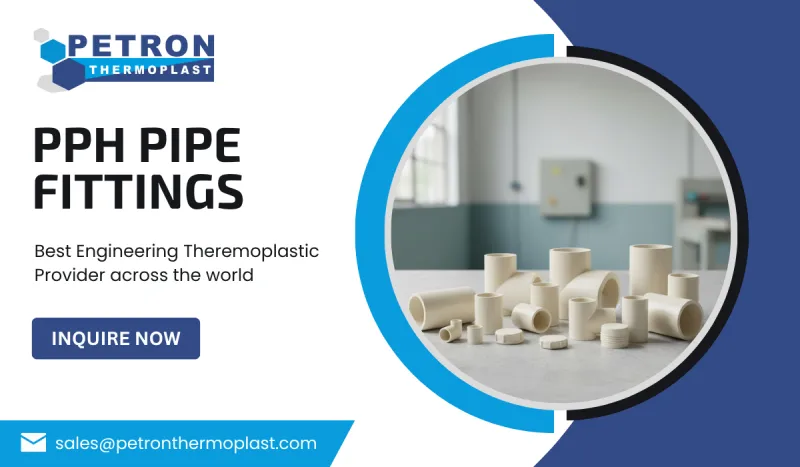
PPH Pipe fittings made from PPH (Polypropylene Homopolymer), a durable thermoplastic material known for its high chemical resistance, strength, and corrosion-free properties. These fittings are used to connect, control, change direction, or terminate flow in PPH piping systems.The tensile and mechanical strength of Polypropylene Homopolymer are both excellent, but the notched impact strength is lacking. Welding is simple with PPH, and it resists stress cracking. However, at shallow temperatures, PPH can become brittle. The working temperature is around 100 degrees Celsius.
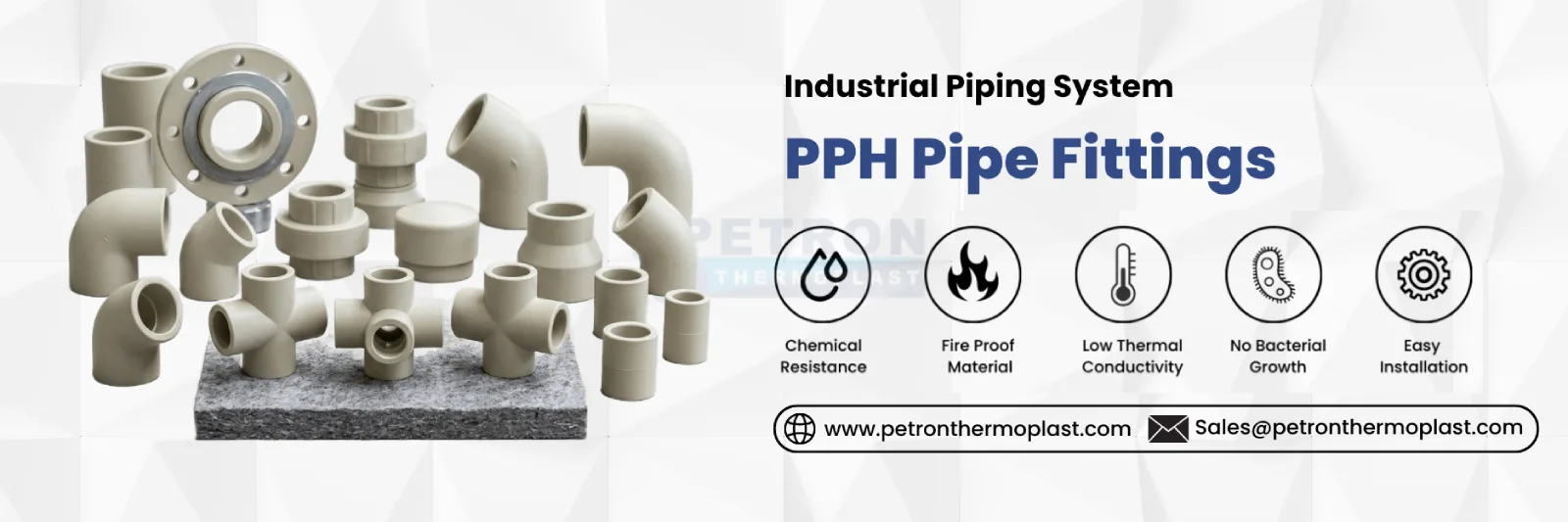
PPH fittings are strong, lightweight, and chemically resistant connectors used in piping systems to ensure safe and efficient fluid flow.PPH pipe fittings are components made from Polypropylene Homopolymer (PPH) used to connect, direct, and control the flow of fluids in piping systems. These fittings include elbows, tees, reducers, couplers, and flanges.They are known for their excellent chemical resistance, high strength, and corrosion-free nature, making them suitable for chemical processing, water treatment, and industrial applications. PPH fittings are also lightweight, easy to install, and durable.

PPH Pipe Fittings Details
PPH Pipe Fittings
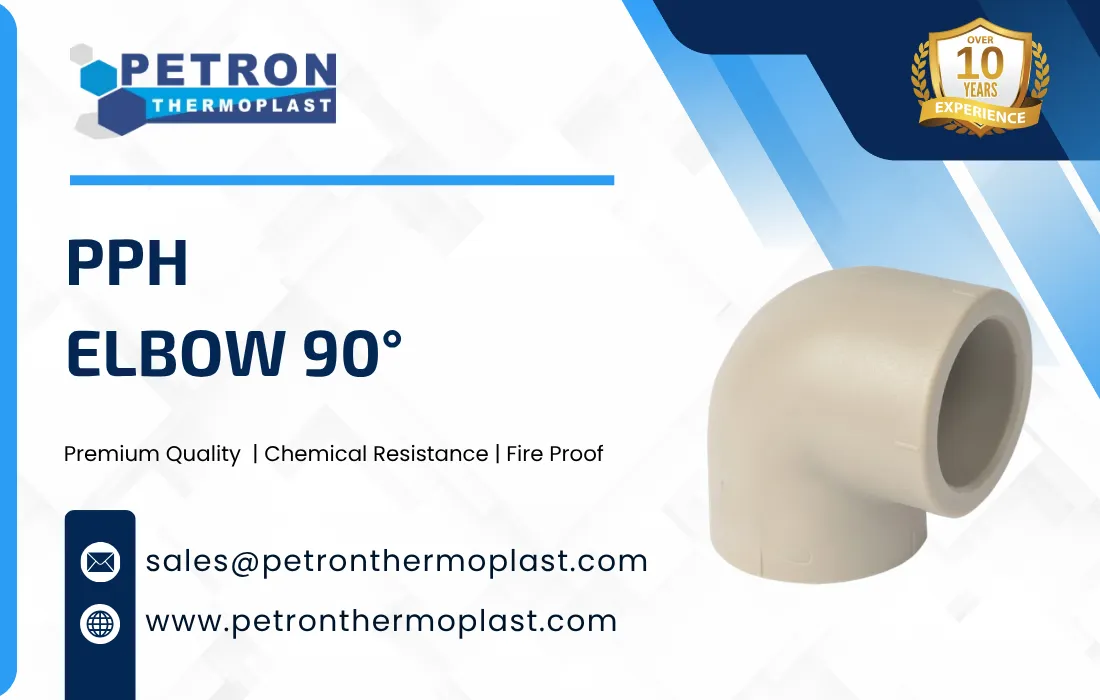
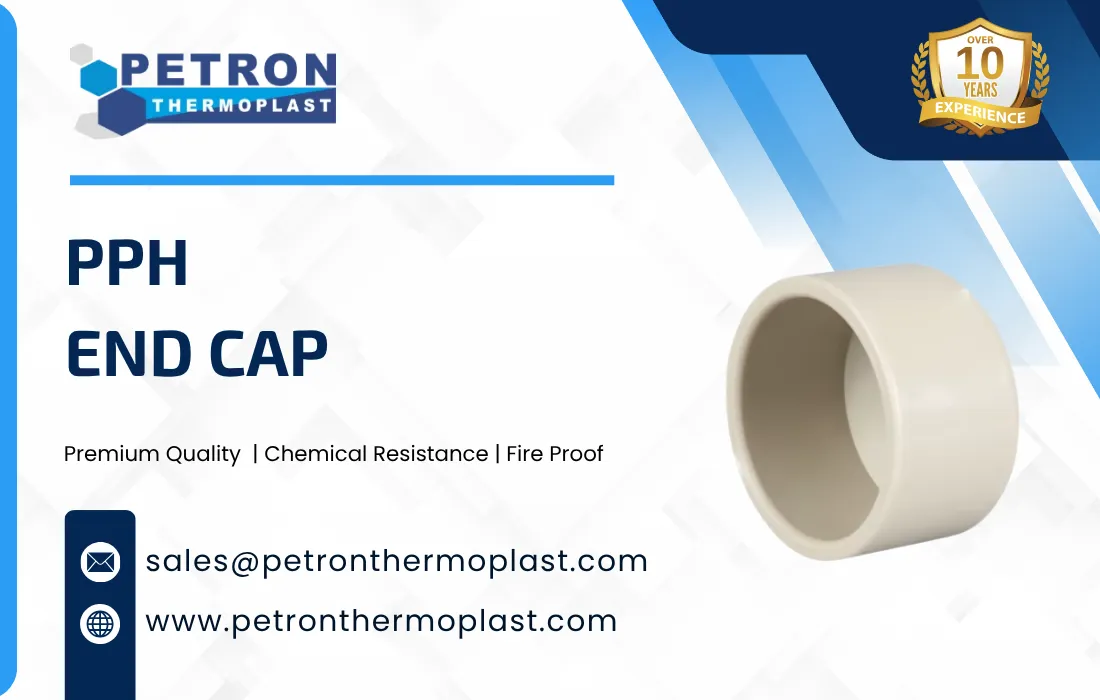
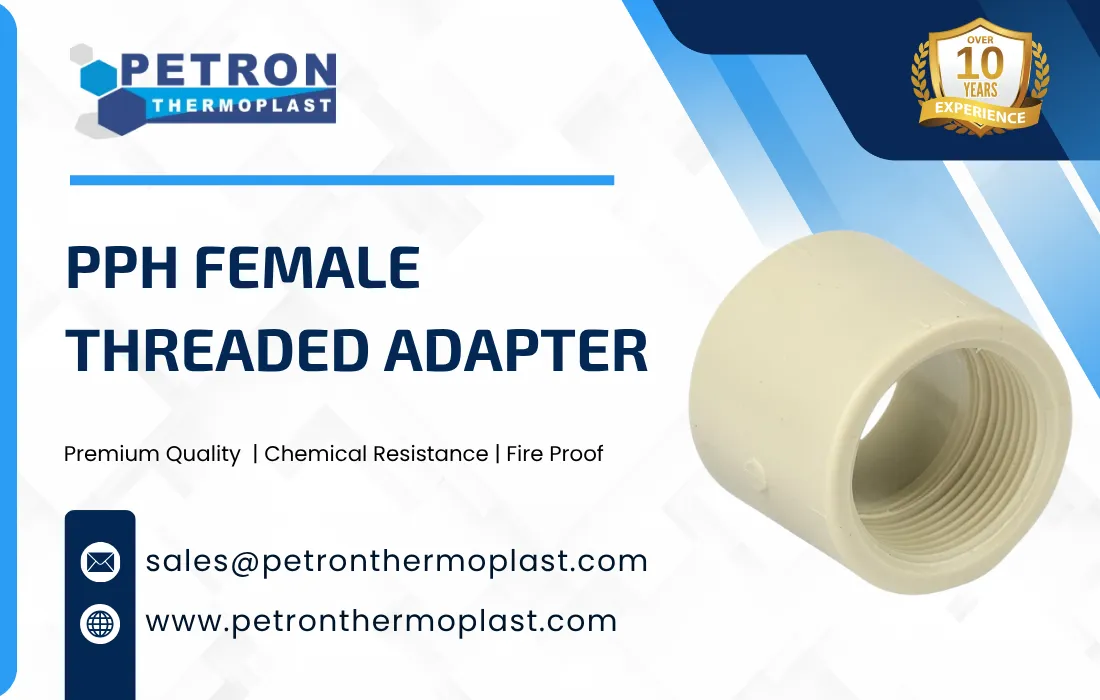
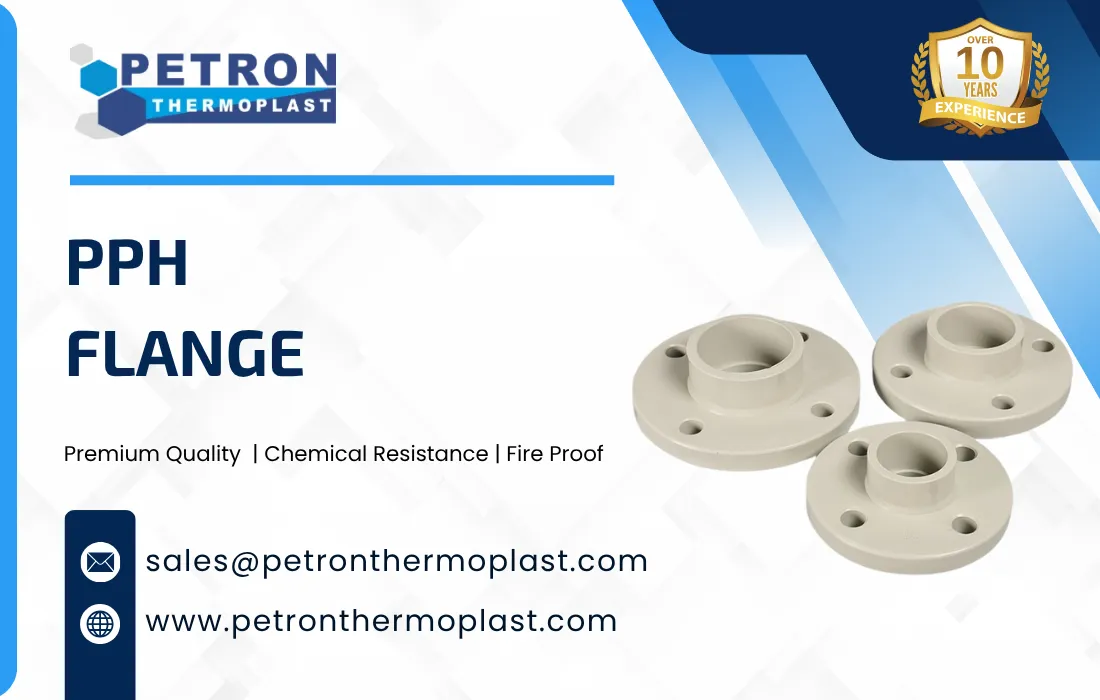
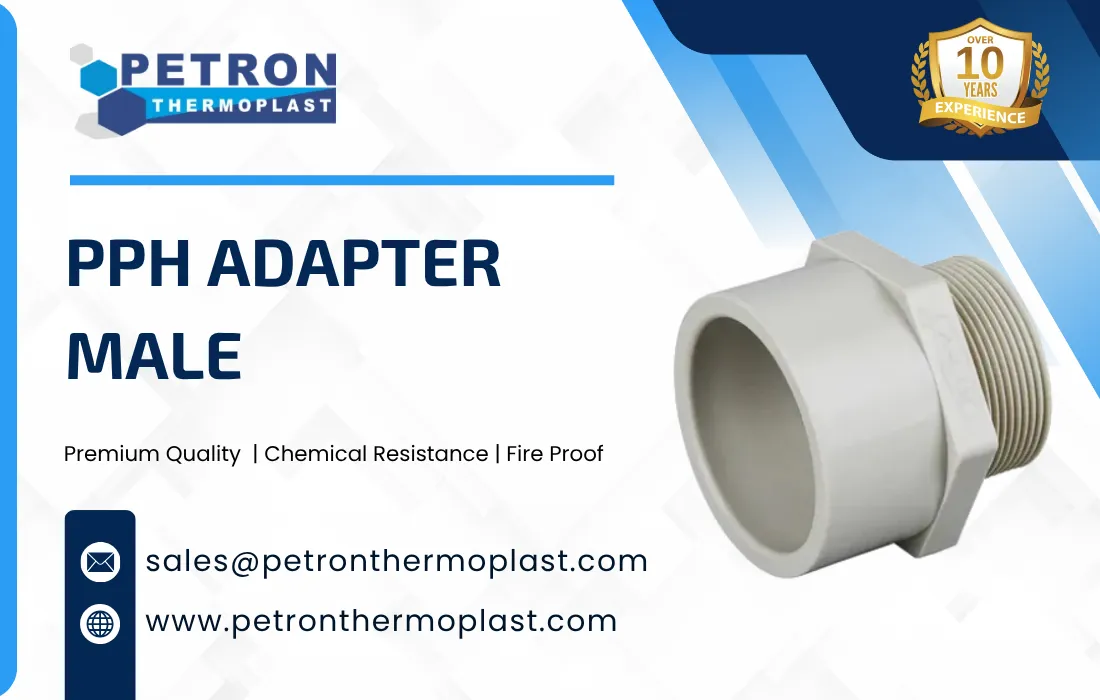
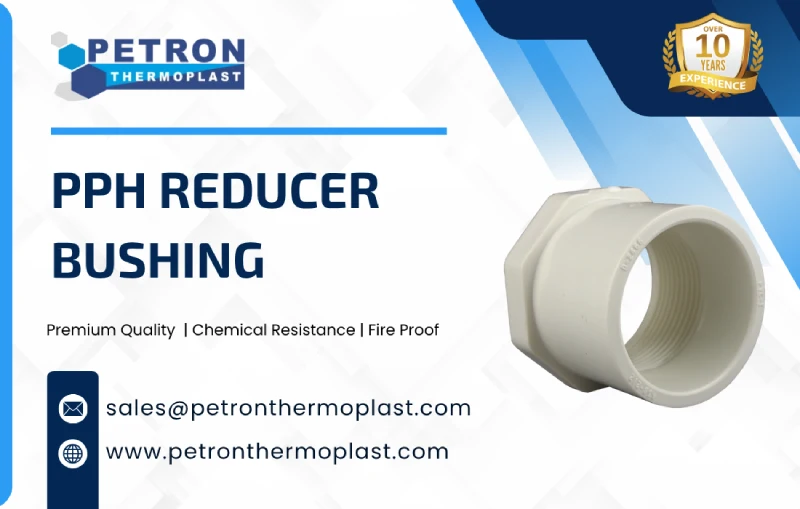
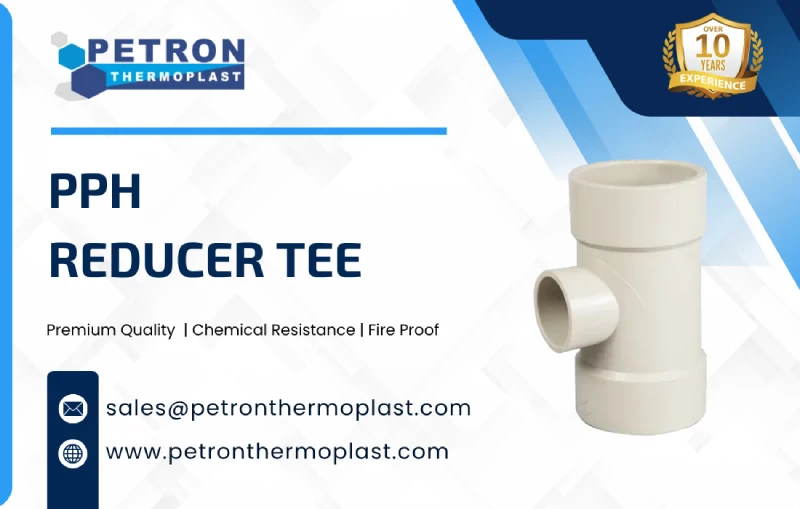
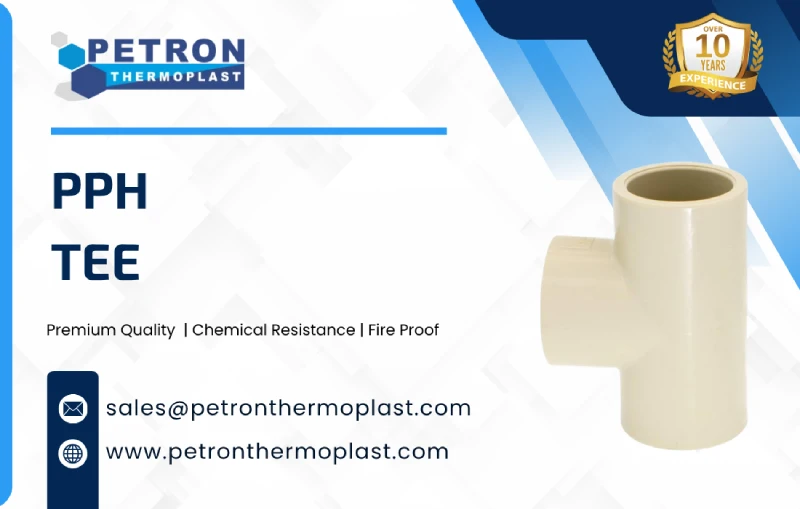
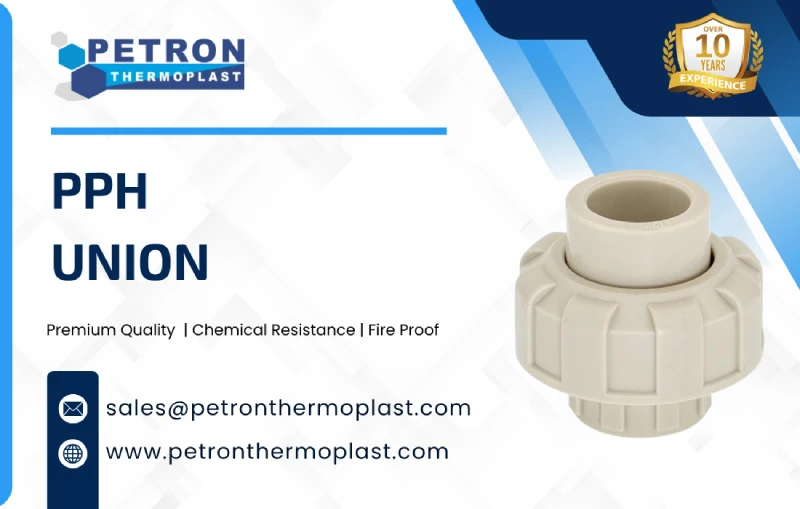
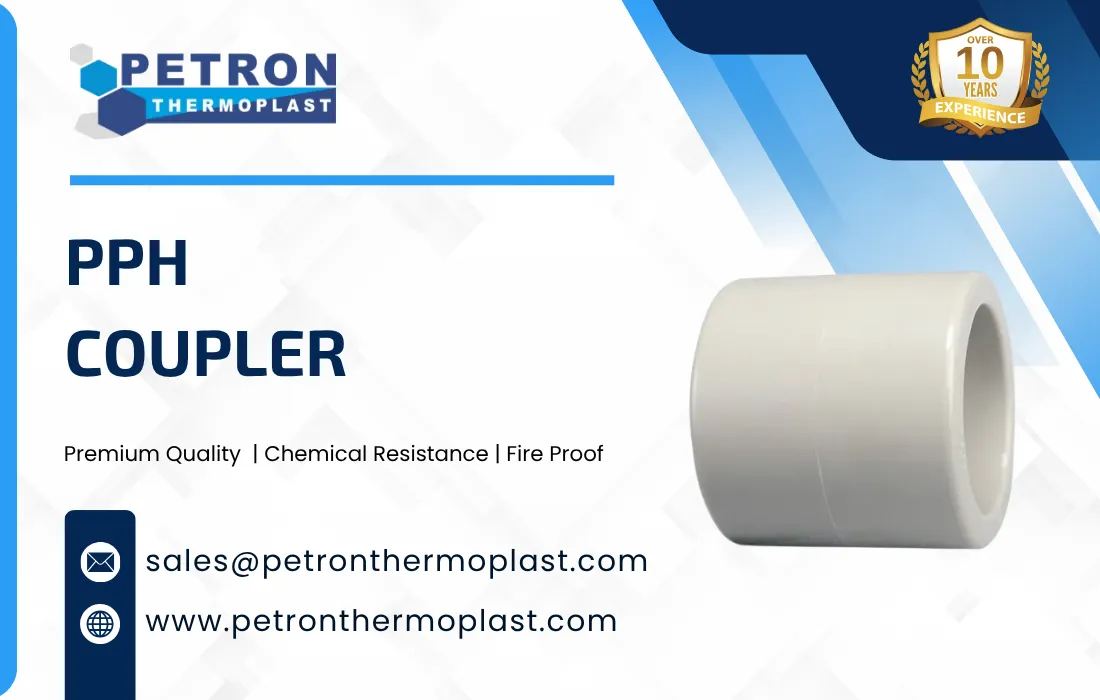
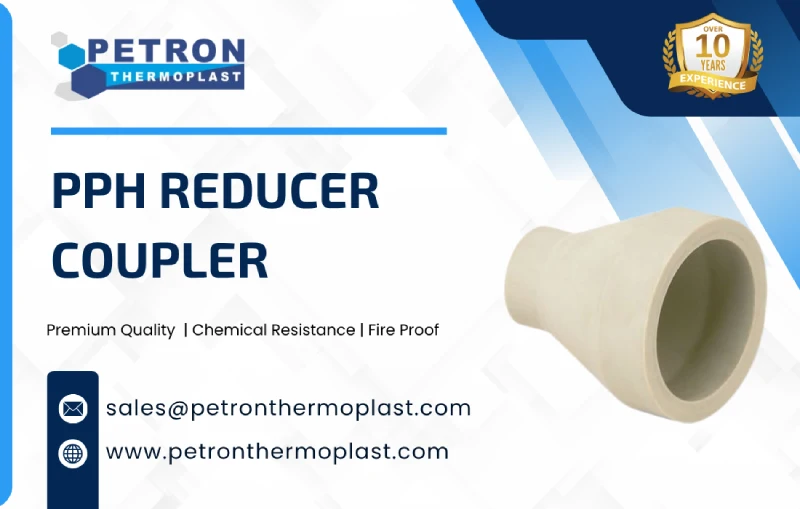
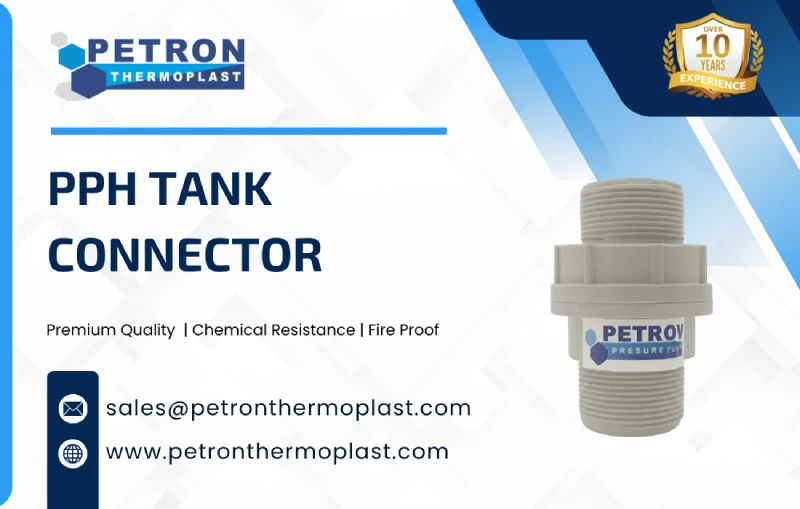
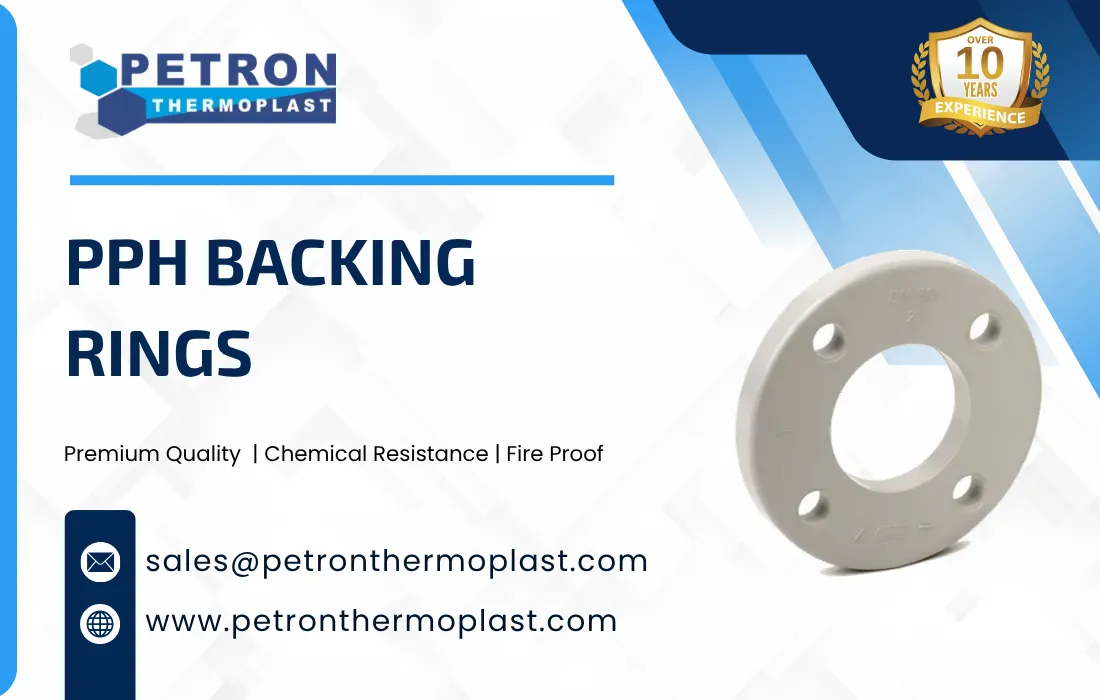
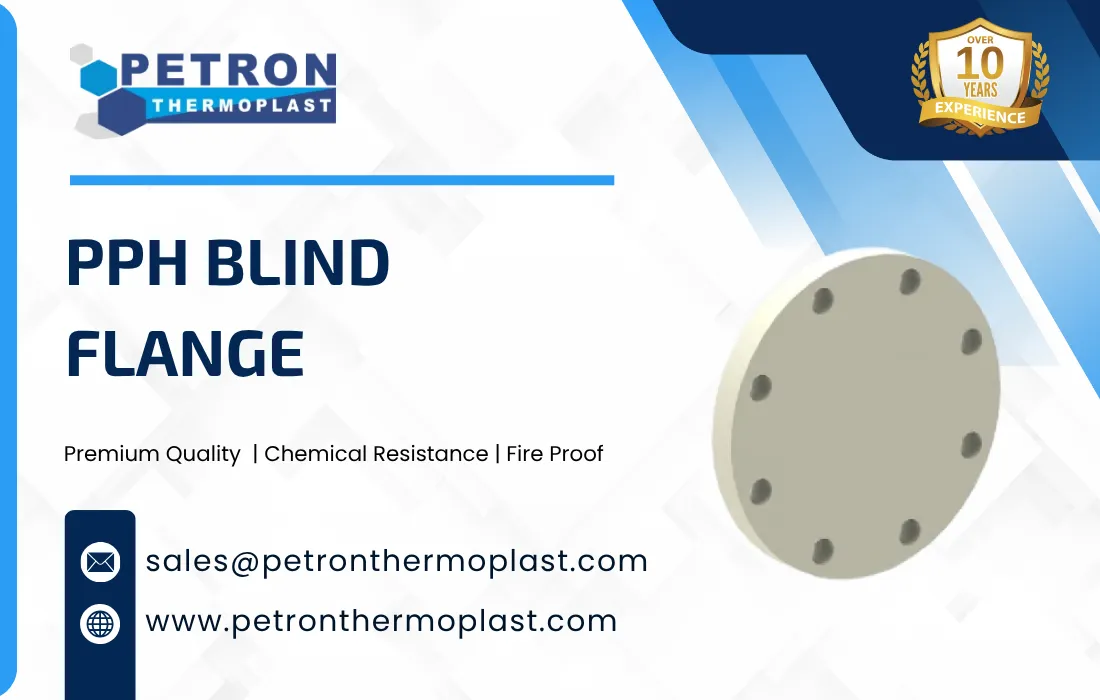
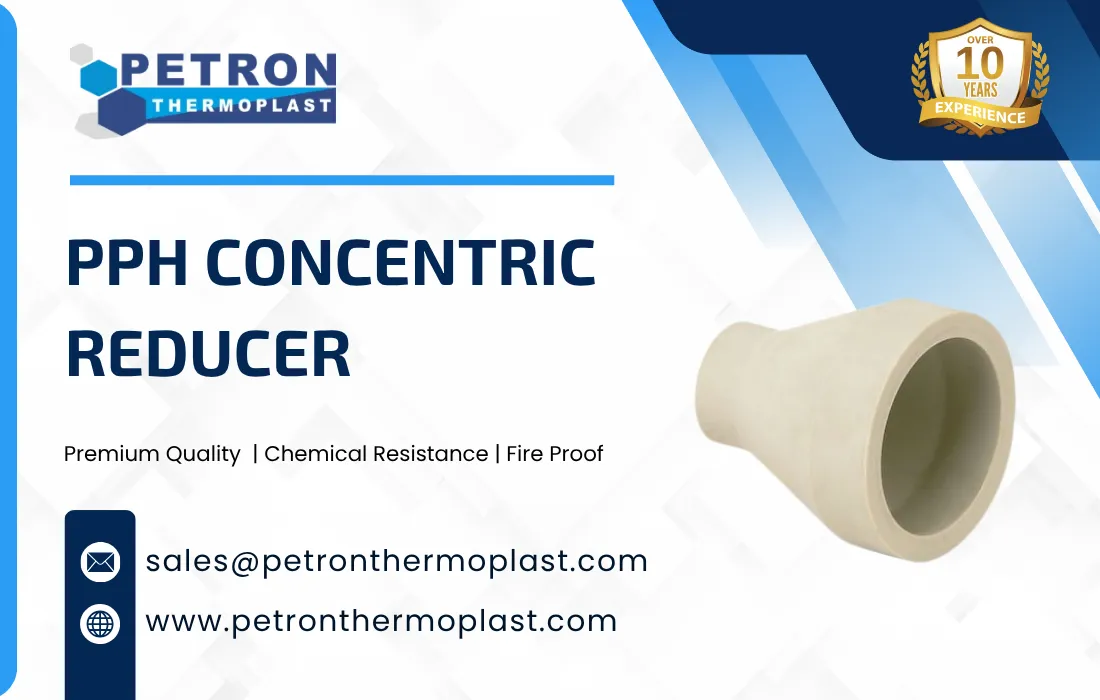
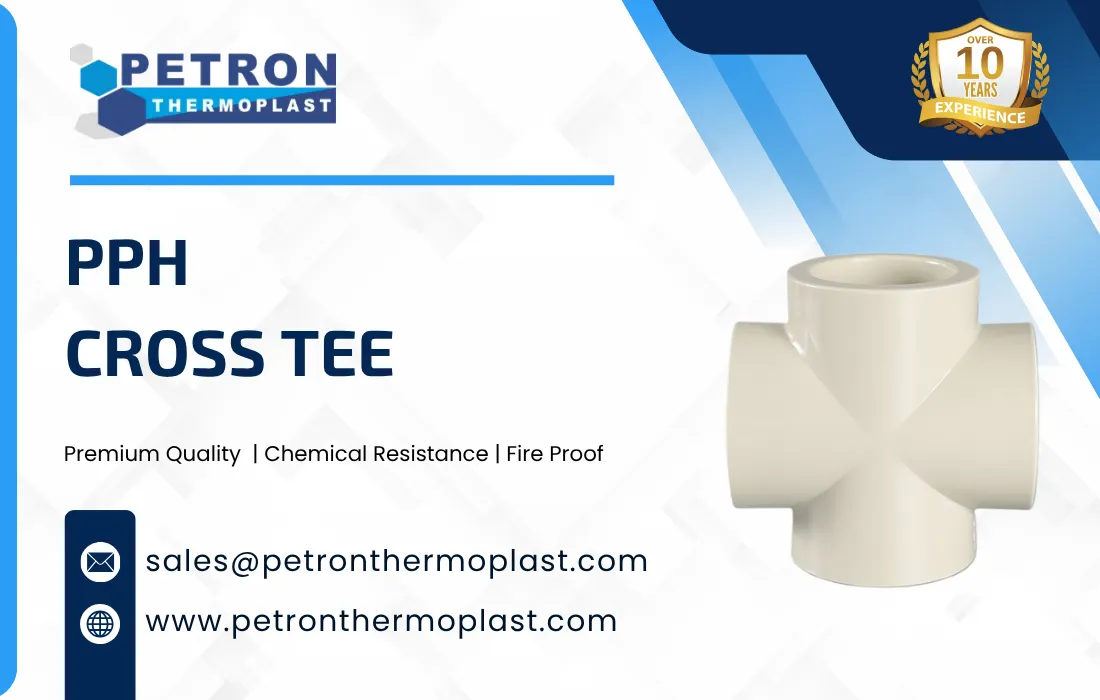
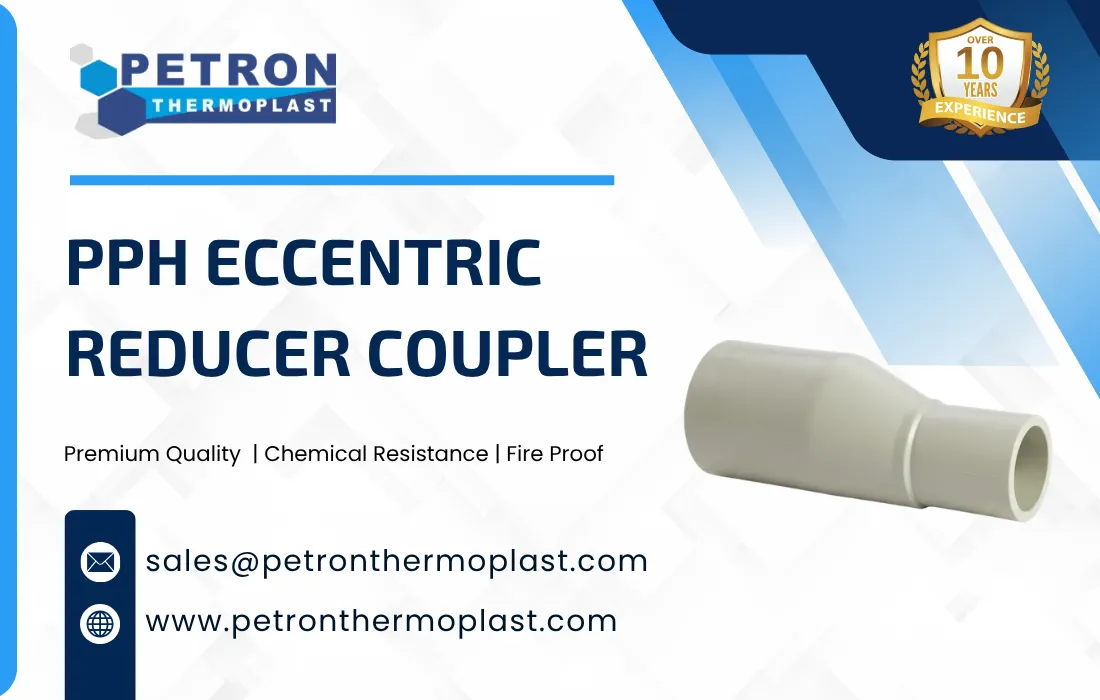
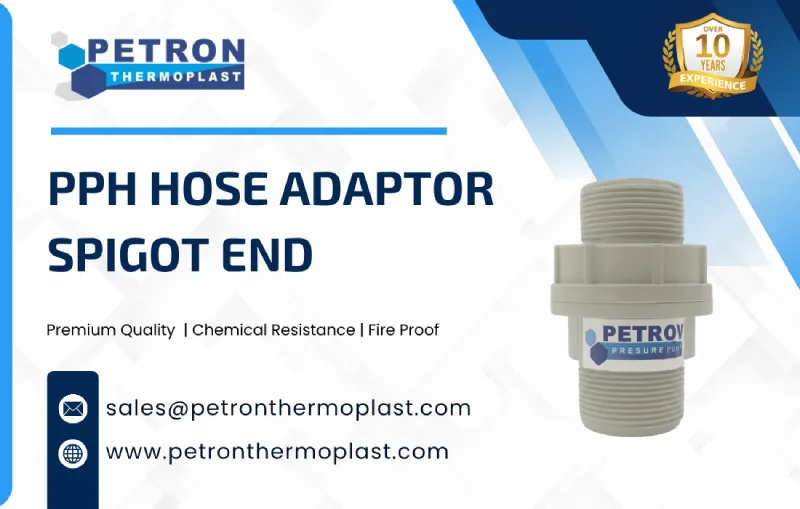
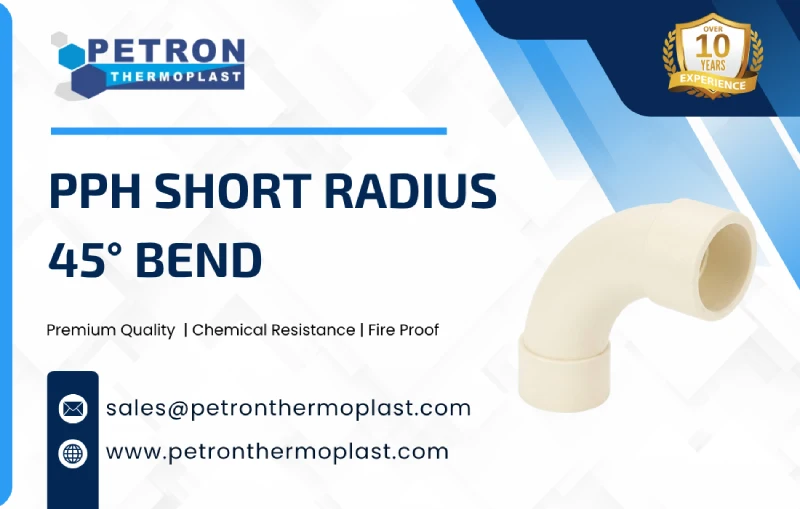
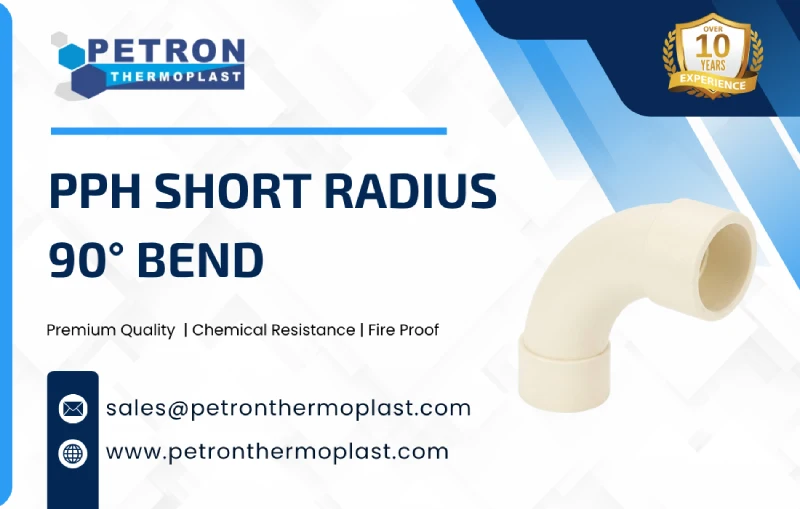
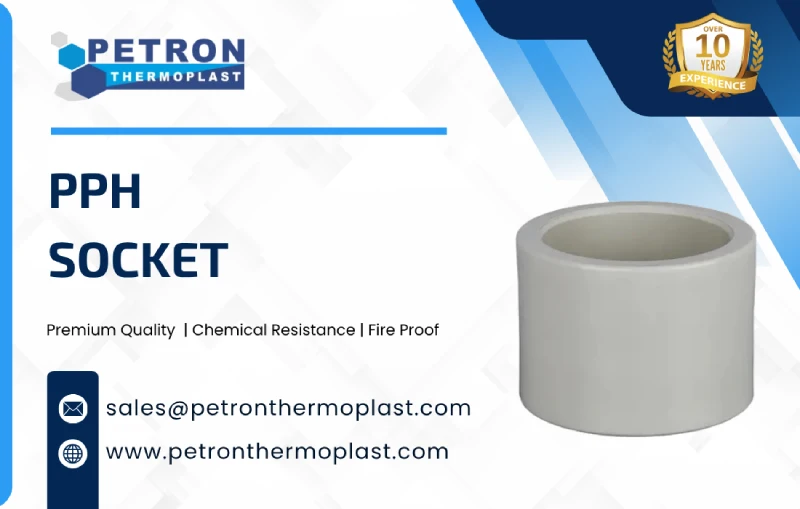
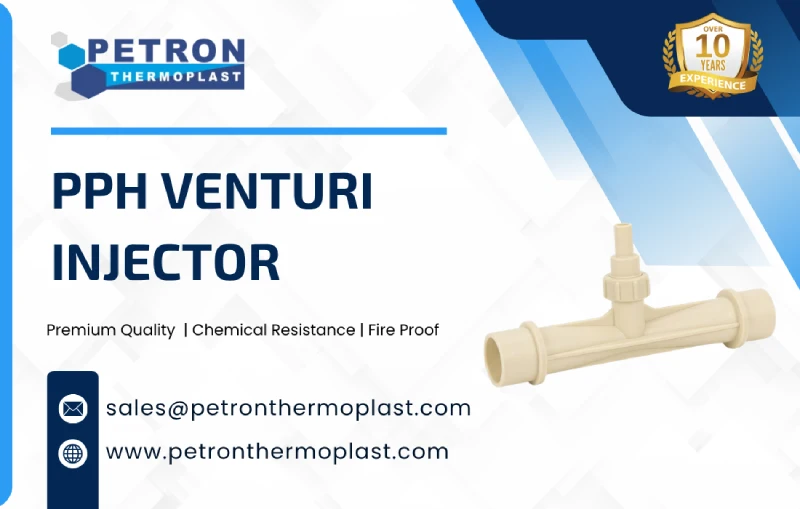
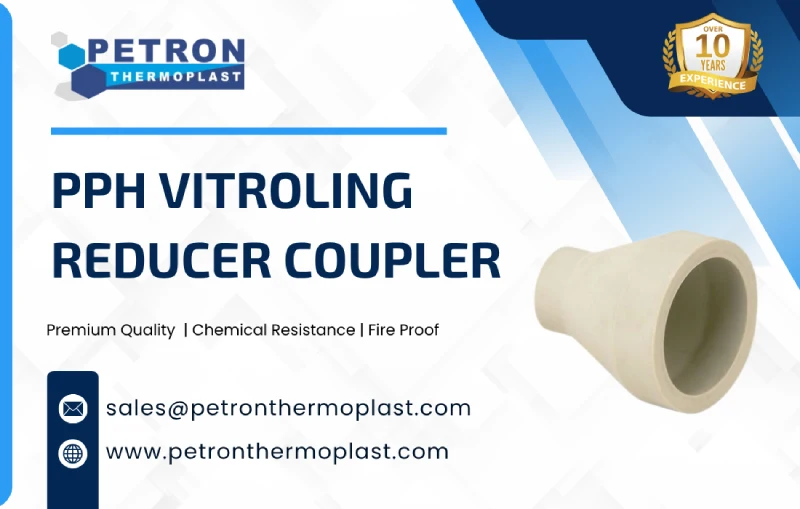
| Property | Details / Values |
| Material Type | Polypropylene Homopolymer (PPH) |
| Structure | Semi-crystalline thermoplastic |
| Density | ~0.90 – 0.91 g/cm³ |
| Tensile Strength | High (approx. 25–35 MPa) |
| Elastic Modulus | Good rigidity and stiffness |
| Impact Strength | Moderate (lower at low temperatures) |
| Operating Temperature | +5°C to 90–100°C |
| Melting Point | ~160–170°C |
| Pressure Rating | PN6 to PN16 (depending on size & SDR) |
| Thermal Expansion | Low compared to many plastics |
| Chemical Resistance | Excellent (acids, alkalis, solvents) |
| Water Absorption | Very low |
| Surface Finish | Smooth inner surface (low friction loss) |
| Weldability | Excellent (socket fusion, butt welding) |
| Electrical Properties | Good insulation (non-conductive) |
| Standards | DIN 8077/8078, ISO, ASTM |
- PPH Pipe Fittings offers high rigidity, strength, and chemical purity, ideal for demanding industrial applications.
- Withstands continuous service temperatures up to 100 °C, with short-term resistance to even higher temperatures.
- High impact toughness and tensile strength ensure excellent mechanical performance without metal reinforcement.
- Smooth inner surface provides abrasion resistance and prevents sediment buildup; UV and aging resistant for outdoor durability.
- Lightweight and easy to install using butt fusion welding, flanged, or threaded connections without special tools.
- Reliable sealing with O-rings or fusion joints ensures leak-proof performance under pressure.
| Outer Diameter (mm) | Inch Size | SDR 17.6 (PN6) | SDR 11 (PN10) | SDR 7.4 (PN16) | SDR 6 (PN20) |
| 20 | 1/2″ | – | 1.9 mm | 2.8 mm | 3.4 mm |
| 25 | 3/4″ | – | 2.3 mm | 3.5 mm | 4.2 mm |
| 32 | 1″ | 1.8 mm | 2.9 mm | 4.4 mm | 5.4 mm |
| 40 | 1.25″ | 2.3 mm | 3.7 mm | 5.5 mm | 6.7 mm |
| 50 | 1.5″ | 2.9 mm | 4.6 mm | 6.9 mm | 8.3 mm |
| 63 | 2″ | 3.6 mm | 5.8 mm | 8.6 mm | 10.5 mm |
| 75 | 2.5″ | 4.3 mm | 6.8 mm | 10.3 mm | 12.5 mm |
| 90 | 3″ | 5.1 mm | 8.2 mm | 12.3 mm | 15.0 mm |
| 110 | 4″ | 6.3 mm | 10.0 mm | 15.1 mm | 18.3 mm |
| PN Rating | Pressure (Bar) | Typical SDR | Application Level |
| PN 2.5 | 2.5 bar | SDR 41 | Very low pressure systems |
| PN 4 | 4 bar | SDR 26 | Low pressure applications |
| PN 6 | 6 bar | SDR 17.6 | Medium pressure systems |
| PN 10 | 10 bar | SDR 11 | Standard industrial use |
| PN 16 | 16 bar | SDR 7.4 | High pressure applications |
| PN 20 | 20 bar | SDR 6 | Very high pressure systems |
| Property | Value |
| Continuous Operating Temperature | 0°C to 90–100°C |
| Short-Term Maximum Temperature | Up to ~100°C |
| Minimum Service Temperature | Around -20°C |
| Melting Point | ~160–170°C |
| Density | ~0.90 – 0.91 g/cm³ |
User Manual for PPH Pipe Fittings
The installation and maintenance of PPH pipe fittings are critical for ensuring the system’s performance and longevity. Here are some key practices to follow:
- Pre-Installation Inspection: Assess the site conditions and ensure they meet the requirements for proper installation. Check for obstructions and verify alignment to prevent issues.
- Correct Pipe Handling: Handle PPH pipes with care to avoid damage or contamination. Store them in a clean, dry area away from direct sunlight and potential contaminants.
- Precise Cutting and Joining Techniques: Use sharp cutting tools to make clean, straight cuts and ensure proper alignment during joining. Employ solvent cement or heat fusion methods as recommended by manufacturers for secure connections.
- Regular Inspection: Implement a schedule for regular inspection of PPH piping systems to identify potential issues before they escalate. Check for signs of leaks, corrosion, or damage, and address any issues promptly.
1. Size & Dimension Customization
- Available in custom diameters and lengths
- Designed as per pipeline specifications (20 mm to 500 mm or more)
- Ensures proper fit and reduced installation issues
2. Thickness (SDR) Customization
- Manufactured in different SDR ratings (SDR 41 to SDR 6)
- Allows selection based on:
- Pressure requirements
- Strength and durability
3. Shape & Design Customization
- Fittings can be customized into:
- Elbows (45°, 90°)
- Tees (equal/reducing)
- Reducers (concentric/eccentric)
- Special fabricated fittings
- Suitable for complex piping layouts
4. Connection Type Customization
- Available in different jointing options:
- Socket fusion
- Butt fusion
- Flanged connections
- Threaded connections
- Selected based on installation requirements
5. Material Modification
- Enhanced with additives such as:
- UV stabilizers (for outdoor use)
- Glass fiber reinforcement (for extra strength)
- Flame-retardant additives
- Improves performance in specific environments
6. Color Customization
- Available in:
- Natural (translucent)
- White, grey, black, or custom colors
- Used for identification, safety coding, or aesthetics
7. Surface Finish
- Smooth or matte finishes available
- Ensures:
- Better flow (smooth)
- Improved grip or appearance (textured)
8. Application-Based Customization
- Designed according to industry needs:
- Chemical industry: High corrosion resistance
- Water treatment: Leak-proof systems
- Food industry: Food-grade materials
9. Fabrication & Machining Customization
- Can be:
- Machined (cutting, drilling, threading)
- Welded or fabricated into special components
- Enables production of custom assemblies
Processing
1. Raw Material Preparation
- PPH resin is supplied in granule (pellet) form
- Material is checked for quality and dried (if required)
- Additives (UV stabilizers, fillers) may be mixed
2. Molding Process
a) Injection Molding
- Most common method for producing fittings
- Used for:
- Elbows
- Tees
- Couplings
- Ensures high precision and smooth surface finish
b) Compression / Extrusion Molding
- Used for larger or thicker fittings
- Provides uniform structure and strength
3. Machining
- Includes:
- Turning
- Drilling
- Threading
- Ensures accurate dimensions and proper fitting
4. Welding & Fabrication
- Used for customized or large fittings
- Methods include:
- Butt fusion welding
- Socket fusion welding
- Hot gas welding
- Ensures strong and leak-proof joints
5. Finishing
- Edges are trimmed and smoothed
- Surface finishing improves:
- Appearance
- Flow characteristics
6. Quality Control & Testing
- Fittings are tested for:
- Dimensional accuracy
- Pressure resistance
- Leak-proof performance
- Ensures compliance with standards (ISO, DIN, ASTM)
7. Marking & Packaging
- Products are labeled with:
- Size
- Pressure rating
- Material grade
- Packed properly to prevent damage during transport
Testing of PPH pipe fittings involves a range of methods to ensure their integrity and performance. Here are some key testing methods and considerations:
- Pressure Testing: Conducted after maintenance to verify the integrity of the pipeline system, identifying potential leaks or weaknesses.
- Inspection Techniques: Non-destructive testing (NDT) and evaluation (NDE) methods are used to inspect plastic pipe and fitting fusion joints.
- Chemical Resistance Testing: Immersion tests in acidic and alkaline solutions to evaluate the material’s ability to maintain structural integrity and functionality.
- Connection Techniques: Proper connection methods like socket fusion, butt fusion, and mechanical joints are essential for leak-free and efficient systems
- Standards: Compliance with standards ensures that PPH piping systems meet consistent criteria for strength, durability, and performance.
- These testing methods and techniques are crucial for ensuring the reliability and safety of PPH pipe fittings in various industrial applications.
Quality of PPH pipe fittings is crucial for ensuring the safety and reliability of systems. Here are some key factors to consider when evaluating the quality of PPH pipe fittings.
- Material Inspection: Verify the quality and specifications of PPH pipes and fittings to be used. High-quality PPH products should have a smooth finish and uniform thickness, indicating proper manufacturing processes.
- Visual Inspection: Look for visible defects such as cracks, deformities, or irregular surfaces. Authentic PPH products should have consistent coloration throughout.
Strength and Durability
PPH piping and accessories excel in industrial settings due to their robust construction and resistance to harsh conditions. They withstand high temperatures, making them ideal for processes involving steam or hot water. For instance, in the food and beverage industry, PPH piping ensures the purity of products by resisting chemical contamination and maintaining hygiene standards. Additionally, its corrosion-resistant properties make it a reliable choice for chemical processing plants, where aggressive chemicals are handled regularly.
Chemical Resistance: A Key Advantage
One of PPH’s standout features is its exceptional chemical resistance. This characteristic enables it to withstand a wide range of acids, alkalis, and solvents, making it a preferred material for transporting chemicals in the petrochemical and pharmaceutical industries. The ability to withstand such aggressive media reduces the risk of leaks and ensures continuous, safe operation.
Civil Engineering: Versatility in Infrastructure
Transitioning to civil fields, PPH piping and accessories demonstrate remarkable versatility in infrastructure projects. In water supply systems, they provide a cost-effective and durable solution for transporting clean water to households and communities. Their lightweight nature simplifies installation and maintenance, while their resistance to UV radiation ensures long-term performance even in outdoor environments. Similarly, PPH piping is increasingly adopted in sewage treatment plants, where its corrosion resistance and ease of cleaning contribute to efficient waste management.
Environmental Sustainability
PPH piping and accessories also align with environmental sustainability goals. They are fully recyclable, reducing waste and promoting circular economy practices. Furthermore, their long service life and low maintenance requirements contribute to a reduced carbon footprint over the product’s lifecycle. This makes PPH an attractive option for eco-conscious projects and organizations.
Cost-Effectiveness: A Comprehensive Perspective
From an economic perspective, PPH piping and accessories offer a cost-effective solution. While initial investment costs may be comparable to other materials, PPH’s durability and low maintenance requirements lead to significant savings over the long term. This, coupled with its versatility and adaptability to various applications, makes PPH a highly attractive choice for both industrial and civil projects.

Custom Product Manufacturing Available
If you are searching for customized product designs that meet your requirements, don’t worry. Petron Thermoplast also offers custom product manufacturing services to meet the unique needs of various industries. Work with our expert engineers to create custom designs suited for your application.
Benefits of UPVC Pipe Fitting
1. Excellent Chemical Resistance
- Highly resistant to acids, alkalis, and corrosive chemicals
- Suitable for aggressive chemical environments
2. Corrosion-Free Performance
- Does not rust, scale, or corrode like metal fittings
- Ensures longer life in harsh conditions
3. High Strength & Durability
- Good mechanical strength and rigidity
- Can withstand pressure and stress without damage
4. Lightweight
- Low density makes fittings easy to handle and install
- Reduces transportation and installation costs
5. Thermal Stability
- Can operate at temperatures up to ~100°C
- Suitable for hot fluid applications
6. Long Service Life
- Offers durability and extended lifespan (often 50+ years)
- Maintains performance over time
7. Low Maintenance
- No rusting or scaling reduces maintenance needs
- Minimizes downtime and repair costs
8. Smooth Inner Surface
- Reduces friction and pressure loss
- Prevents scaling and deposits inside pipes
9. Easy Installation & Welding
- Can be joined using:
- Socket fusion
- Butt welding
- Ensures leak-proof joints and quick installation
10. Non-Toxic & Safe
- Suitable for water and food-related applications
- Does not contaminate transported fluids
11. Good Electrical Insulation
- Non-conductive material
- Safe for use in electrical and sensitive environments
12. Cost-Effective
- Lower installation and maintenance costs
- Long-term savings compared to metal systems
Types of PPH Pipe Fittings
1. Elbows (Bends)
- Used to change the direction of flow
- Common types:
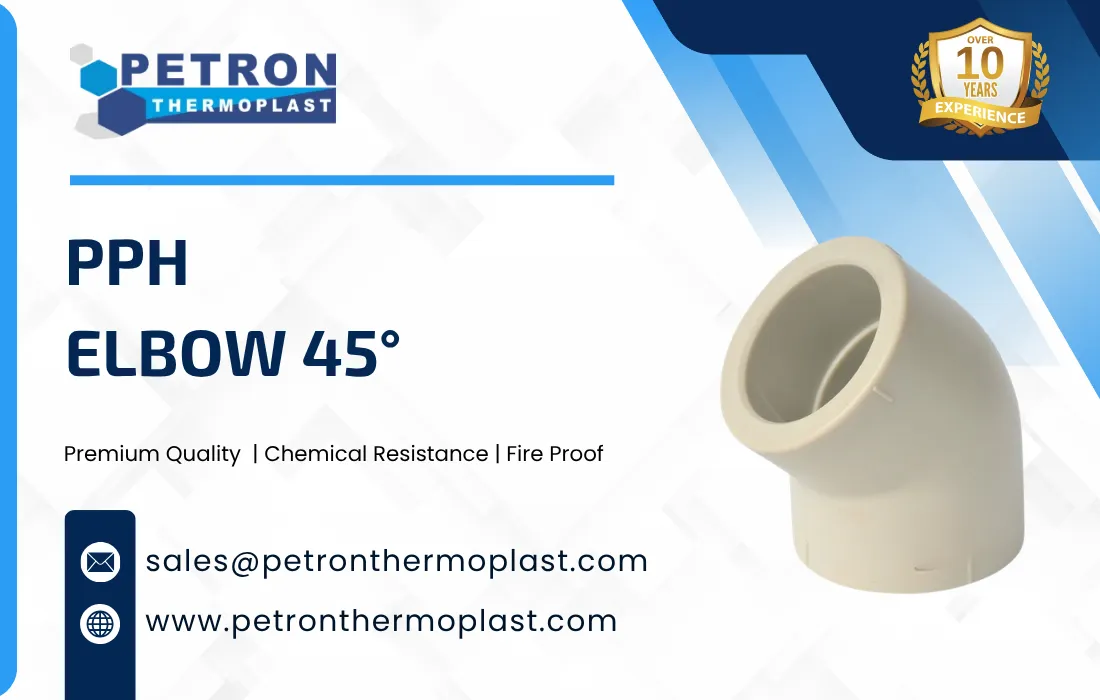
- 45° Elbow
- 90° Elbow
- Available in socket, butt weld, and spigot types
2. Tees
- Used to split or combine flow
- Types:
- Equal Tee
- Reducing Tee
3. Reducers
- Used to connect pipes of different diameters
- Types:
- Concentric Reducer
- Eccentric Reducer
4. Couplings
- Used to join two pipes of the same size
- Also used for repair or extension of pipelines
5. Flanges
- Used for bolted connections with valves, pumps, or equipment
- Types:
- Slip-on Flange
- Blind Flange
- Stub End (short/long neck)
6. End Caps
- Used to close the end of a pipe
- Prevents leakage and contamination
7. Unions
- Allow easy disconnection and maintenance
- Useful where frequent dismantling is required
8. Adapters
- Used to connect different types of pipes or fittings
- Types:
- Male adapter
- Female adapter
9. Cross (Four-Way Fittings)
- Used to connect four pipes in a system
- Less common but useful in complex networks
Advantages of PPH Pipe Fittings
Durability and Longevity
PPH pipe fittings are renowned for their durability. The material’s resistance to abrasion and impact ensures that the fittings withstand mechanical stresses without compromising performance. This leads to a longer service life and reduces the need for frequent replacements, resulting in cost savings over time.
Lightweight and Easy Installation
Despite their strength, PPH fittings are lightweight. This characteristic simplifies the installation process, reducing labor costs and installation time. Moreover, the ease of handling minimizes the risk of injury during installation, promoting a safer work environment.
Cost-Effectiveness
When considering the total cost of ownership, PPH pipe fittings offer significant economic advantages. Their durability reduces maintenance costs, and their longevity means fewer replacements are needed. Additionally, the material’s efficiency contributes to energy savings in applications where fluid dynamics are crucial.
Why Choose Petron Thermoplast?
In the world of industrial piping systems, selecting the right material for pipe fittings is crucial for ensuring longevity, safety, and efficiency. Among the various options available, Polypropylene Homopolymer (PPH) stands out as a superior choice. The reasons why PPH Pipe Fittings have become a preferred option in many industries.The Petron Thermoplast CPVC Pipes is a versatile and reliable type of pipes that is used in a variety of industrial applications. They offer precise over fluid flow control, are easy to maintain, and are available in PPH Pipe Fittings and configurations.
They are an ideal choice for applications requiring precise control over fluid flow and low maintenance requirements. When it comes to industrial-grade systems, the choice of the right manufacturer is as important as the material itself. Petron Thermoplast has earned a reputation as a trusted global leader in the field of PPH Pipe Fittings and industrial flow solutions. Our products are known for precision, performance, and durability, designed to meet the most demanding industry standards across the chemical and infrastructure sectors.
Conclusion
PPH pipe fittings offer a combination of durability, chemical resistance, and cost-effectiveness that is hard to match. Their advantages make them a compelling choice for industries seeking reliable and efficient piping solutions. Incorporating components like and further enhances the performance and longevity of piping systems. As industries continue to evolve and demand more from their materials, PPH stands out as a future-proof solution.
PPH pipe fittings are a crucial component in modern piping systems, offering significant advantages in terms of chemical resistance, temperature tolerance, and durability. Petron Thermoplast provide quality PPH fittings, stands out with its superior product performance, precision, and range of options. For applications where long-term reliability and high performance are essential, PPH pipe fittings are a preferred choice.Petron Thermoplast fittings, though reliable, may be more suitable for applications where cost considerations outweigh the need for the highest level of performance. Ultimately, the choice between these brands should be based on the specific needs of the application, considering factors such as performance requirements, budget, and long-term goals.
Frequently Asked Questions
PPH pipe fittings are components made from polypropylene homopolymer (PPH) used to connect, divert, or control flow in piping systems. They are known for high strength and chemical resistance.
They are widely used in:
- Chemical processing plants
- Water treatment systems
- Pharmaceutical industries
- Food & beverage industries
- Excellent chemical resistance
- Corrosion-free performance
- High temperature resistance (up to ~100°C)
- Long service life (50+ years)
Common types include:
- Elbows (45°, 90°)
- Tees (equal/reducing)
- Reducers
- Couplings
- Flanges
They are joined using:
- Socket fusion welding
- Butt fusion welding
- Flanged or threaded connections
PPH fittings can operate continuously up to ~100°C, depending on pressure and application.
Yes, PPH is non-toxic and food-grade, making it suitable for potable water and food applications.
No, PPH fittings are completely corrosion-resistant and do not rust like metal pipes.
They typically have a long lifespan of 50–60 years under proper operating conditions.
Yes, they are ideal for handling acids, alkalis, and corrosive chemicals due to their high chemical resistance.
- Regular inspection for leaks
- Cleaning to remove deposits
- Monitoring temperature and pressure
- Replacing damaged parts
Yes, they offer low installation and maintenance costs, making them economical compared to metal systems.