PVDF Coupler
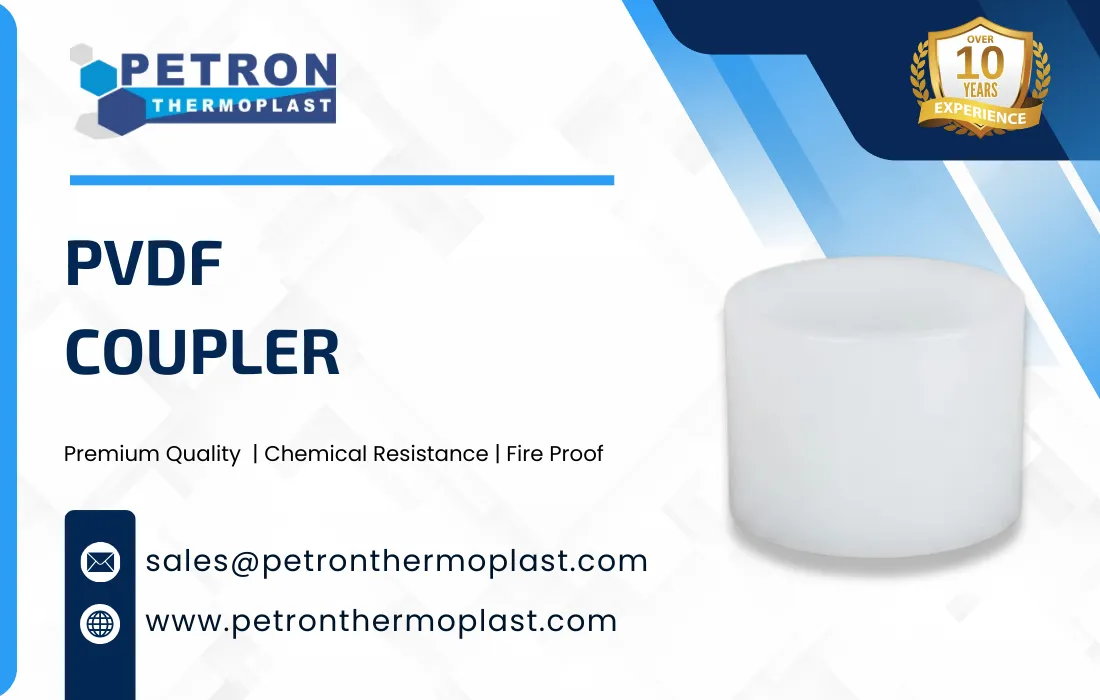
A PVDF coupler is a pipe fitting made from polyvinylidene fluoride (PVDF), which is used to join the two pipes of the same diameter in a piping system. It provides a strong, leak-proof connection while maintaining excellent chemical resistance, thermal stability, and mechanical strength, which makes it suitable for corrosive, high-purity, and high-temperature applications. PVDF couplers are commonly used in chemical processing, pharmaceutical, semiconductor, oil & gas treatment, and industrial fluid handling systems, and are available with socket weld, butt weld, threaded, or flanged connections.
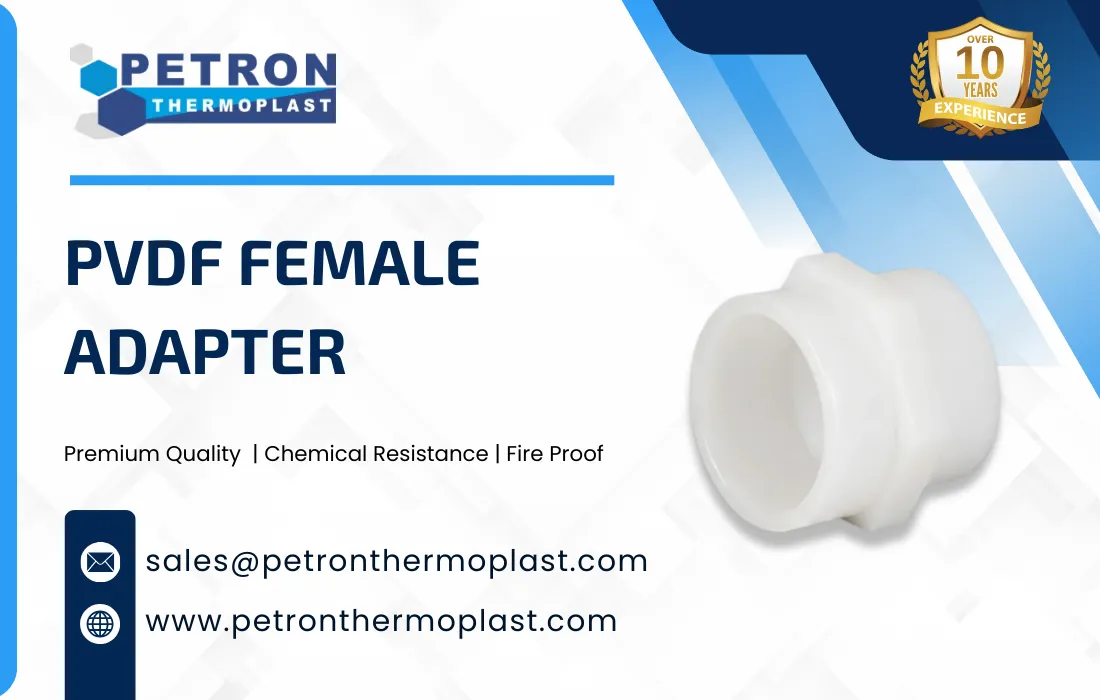
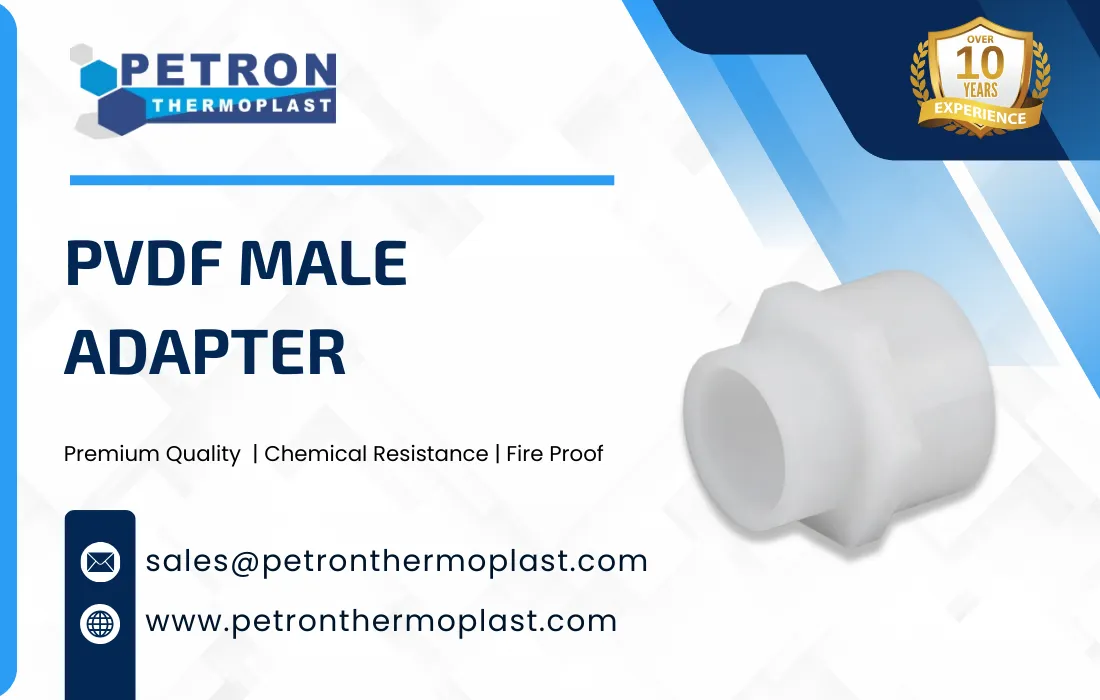
The PVDF coupler is one of the basic designs to fit and connect to the different pipe lengths or fittings together, often permanently. They are small parts that are permanently joined or “coupled” from one part to another. They can connect pipes to pipes as well as pipes to fittings. Some are even reduced in size, allowing you to connect a PVDF coupler to a smaller pipe to a larger pipe, or vice versa. PVDF Coupler is a high-quality product with slip or female-threaded ends, depending on your needs.

- Chemical Resistance
- Low Maintenance Requirement
- Low Thermal Conductivity
- Long Service Life
- Easy Installation
- Corrosion Resistance
PVDF Coupler Details
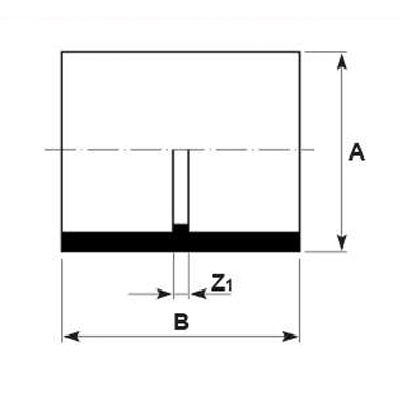
d – Outer diameter of the pipe or the inner diameter of the socket
PN – Pressure Nominal
A – Socket depth
B – Total length of the coupler or socket fitting from end to end.
Z – Wall thickness
| D | PN | A | B | Z |
| 20 | 16 | 28 | 36 | 7 |
| 25 | 16 | 33 | 40 | 8 |
| 32 | 16 | 42 | 44 | 8 |
| 40 | 16 | 51 | 49 | 8 |
| 50 | 16 | 63 | 55 | 8 |
| 63 | 16 | 77 | 64 | 9 |
| 75 | 16 | 90 | 72 | 10 |
| 90 | 16 | 108 | 79 | 8 |
| 110 | 16 | 131 | 94 | 11 |
| Parameter | Specification | Remarks |
| Material | Polyvinylidene Fluoride (PVDF) | Homopolymer / Copolymer grade |
| Product Type | Straight Coupler | Connects equal pipe sizes |
| Manufacturing Method | Injection molded / Fabricated | Based on size & standard |
| Connection Type | Socket weld / Butt weld / Threaded / Flanged | Fusion weld preferred |
| Nominal Size Range | ½″ to 12″ (DN15 – DN300) | Larger sizes fabricated |
| Pressure Rating | Up to PN16 / 10 bar | Depends on size & temperature |
| Operating Temperature | −40°C to +140°C | Continuous service |
| Short-Term Temperature | Up to +150°C | Intermittent |
| Chemical Resistance | Excellent | Resistant to acids, alkalis, and solvents |
| Internal Surface | Smooth, non-porous | Low friction & contamination |
| Water Absorption | ≤ 0.04% | ASTM D570 |
| Density | 1.75 – 1.78 g/cm³ | ASTM D792 |
| Flammability | UL 94 V-0 | Self-extinguishing |
| UV Resistance | Excellent | Suitable for outdoor use |
| Standards Compliance | ASTM D3222, DIN 8077/8078, ISO 10931 | As applicable |
| Colour | Natural (white) / Grey | High-purity grade in white |
| Applications | Chemical, Pharma, Semiconductor, Water Treatment | Corrosive & pure fluids |
| Joining Method | Heat fusion / Butt fusion | Leak-proof joint |
| Service Life | >25 years | Under normal operating conditions |
| Density | 1.78–1.80 g/cm³ | Lightweight yet strong material |
| Melting Point | 170–175°C | Can handle moderate to high temperatures |
| Glass Transition Temp (Tg) | 110°C | Temperature where material becomes soft |
| Tensile Strength | 48–55 MPa | Good mechanical strength |
| Elongation at Break | 20–50% | Shows flexibility before breaking |
| Flexural Strength | 70–75 MPa | Resistance to bending stress |
| Impact Strength (Izod) | 10–12 kJ/m² | Resistance to impact/shock |
| Hardness (Shore D) | 80–85 | Hard and durable surface |
| Thermal Conductivity | 0.19–0.22 W/m·K | Low thermal conductivity (good insulator) |
| Coefficient of Thermal Expansion | 1.2–1.5 × 10⁻⁴ /°C | Moderate expansion with temperature |
| Water Absorption | < 0.05% | Very low; maintains dimensional stability |
| Dielectric Constant | 8.4 (1 kHz) | Excellent electrical insulation |
| Dielectric Strength | 50–70 kV/mm | High resistance to electrical breakdown |
| Chemical Resistance | Excellent | Resists acids, bases, and solvents |
| UV Resistance | Excellent | Suitable for outdoor applications |
| Surface Finish | Smooth, low friction | Reduces fouling and maintenance |
1. Thermal Stability
- Operates effectively over a wide temperature range (typically -40°C to 150–170°C).
- Suitable for hot and cold fluid applications without losing shape or performance.
2. Electrical Insulation
- Excellent electrical insulating properties.
- Can be used in systems where electrical safety is a concern.
3. Low Permeability
- Minimal gas or liquid permeation.
- Helps maintain fluid purity and prevents contamination.
4. UV and Weather Resistance
- Resistant to ultraviolet (UV) light and harsh weather conditions.
- Suitable for outdoor piping systems without degradation.
5. Corrosion and Fouling Resistance
- Smooth surface reduces the adhesion of deposits or biofilms.
- Low maintenance is required compared to metals that can corrode.
6. Versatility
- Available in multiple designs: threaded, socket, flanged, reducing, straight, and quick-connect types.
- Can be used in various industries: chemical, pharmaceutical, food, water treatment, and electronics.
7. Ease of Installation
- Can be installed using threads, fusion welding, adhesives, or compression.
- Suitable for both permanent and modular piping systems.
| Nominal Pipe Size (DN / Inch) | PN10 (bar) @ 20°C | PN16 (bar) @ 20°C | PN20 (bar) @ 20°C | Notes / Applications |
| DN 15 / ½” | 10 | 16 | 20 | Common for lab and small pipelines |
| DN 20 / ¾” | 10 | 16 | 20 | General chemical handling |
| DN 25 / 1″ | 10 | 16 | 20 | Standard small to medium pipelines |
| DN 32 / 1¼” | 10 | 16 | 20 | Moderate flow systems |
| DN 40 / 1½” | 10 | 16 | 20 | Industrial fluid transport |
| DN 50 / 2″ | 10 | 16 | 20 | Often used for pumps or tanks |
| DN 65 / 2½” | 10 | 16 | 20 | Medium industrial lines |
| DN 80 / 3″ | 10 | 16 | 20 | Larger pipelines |
| DN 100 / 4″ | 10 | 16 | 20 | High-volume fluid systems |
| DN 125 / 5″ | 10 | 16 | 20 | Large-scale chemical piping |
Benefits of Using PVDF Coupler
1. Chemical Resistance
- PVDF is highly resistant to a wide range of acids, bases, and solvents.
- PVDF couplers are ideal for environments involving aggressive chemicals or corrosive fluids.
- They maintain structural integrity in chemical processing industries, oil & gas treatment, and laboratories.
2. Mechanical Strength
- PVDF couplers exhibit good tensile strength and toughness.
- They can handle mechanical stresses, vibrations, and slight misalignments without cracking.
- Suitable for fluid transport systems that require durability.
3. Thermal Stability
- PVDF can withstand continuous temperatures up to 150–170°C and short-term peaks higher.
- Maintains performance under varying temperature conditions, unlike some other plastics that deform or weaken.
4. Electrical Insulation
- PVDF is an excellent insulator, making PVDF couplers useful in electronic and electrical applications.
- Reduces risk of short circuits, static buildup, or electrical interference.
5. Low Permeability
- PVDF has low permeability to gases and liquids.
- Helps maintain fluid purity and prevents contamination in pipelines or processing systems.
6. Lightweight
- Being a polymer, PVDF couplers are significantly lighter than metal equivalents.
- Easier to install and handle, reducing labor costs and mechanical load on piping systems.
7. Resistance to UV and Weathering
- PVDF is resistant to ultraviolet (UV) light, making it suitable for outdoor applications.
- Maintains color and mechanical properties even in harsh environmental conditions.
8. Flexibility in Design
- Can be molded into various shapes and sizes with tight tolerances.
- Ideal for custom coupler designs where precise fit and alignment are necessary.
9. Low Maintenance
- Non-stick surface and chemical resistance reduce the buildup of residues.
- Minimal maintenance is required compared to metal couplers which can corrode.
Types of PVDF Coupler
1. Based on Connection Type
a) Threaded PVDF Couplers
- Feature internal or external threads for screw-type connections.
- Common in piping systems where frequent assembly and disassembly are needed.
- Easy to install without welding or adhesives.
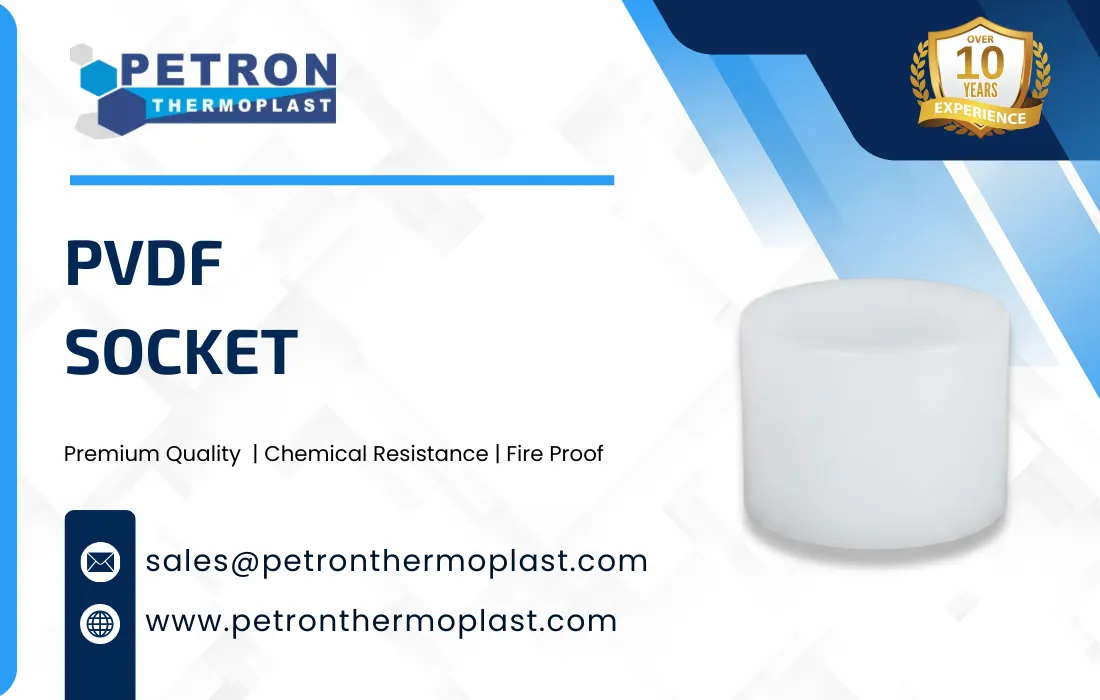
b) Socket (Slip) PVDF Couplers
- Designed for fusion welding or solvent cement bonding.
- Pipes are inserted into the coupler, then joined permanently using heat or adhesive.
- Provides a leak-proof, strong connection.
- Applications: Permanent piping in chemical plants or water treatment systems.
c) Flanged PVDF Couplers
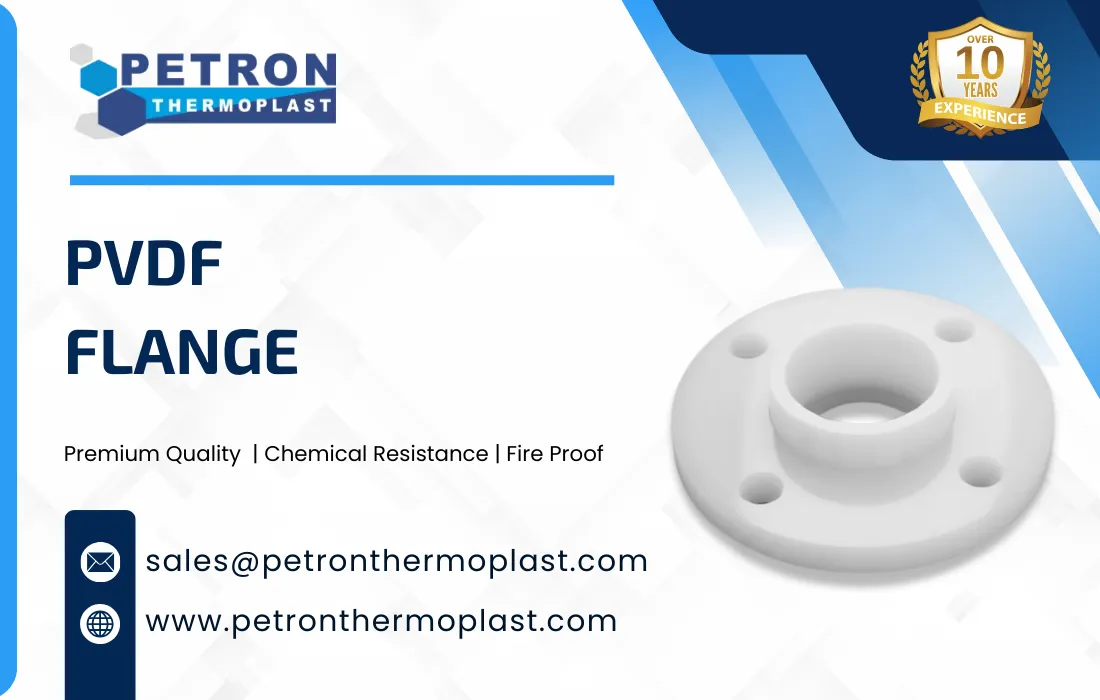
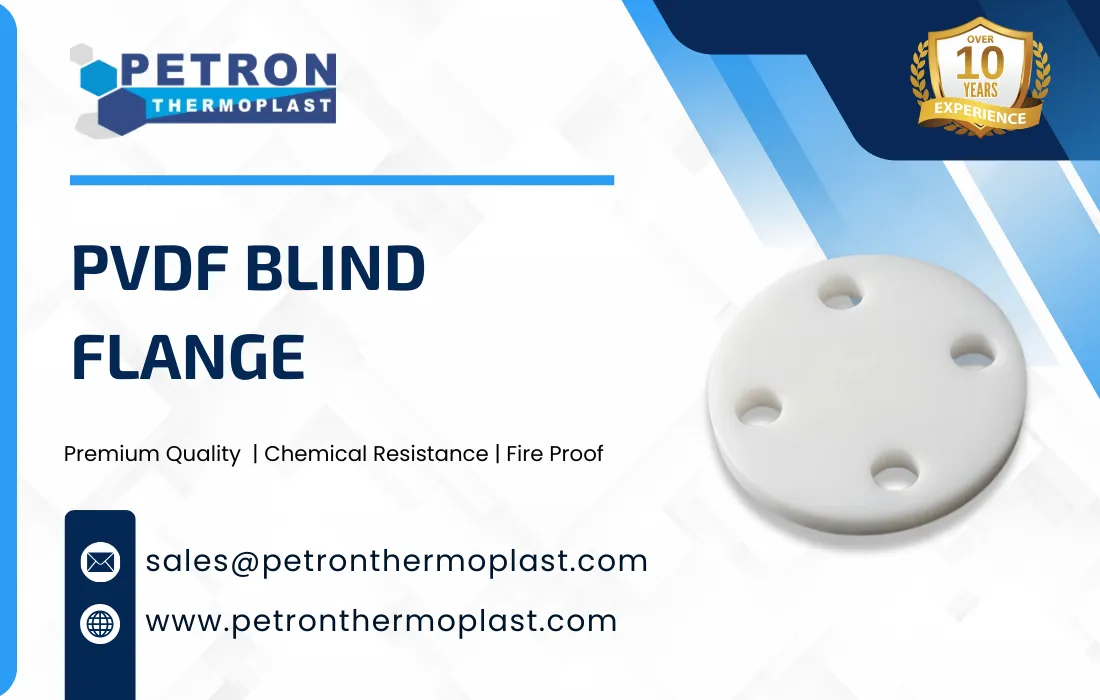
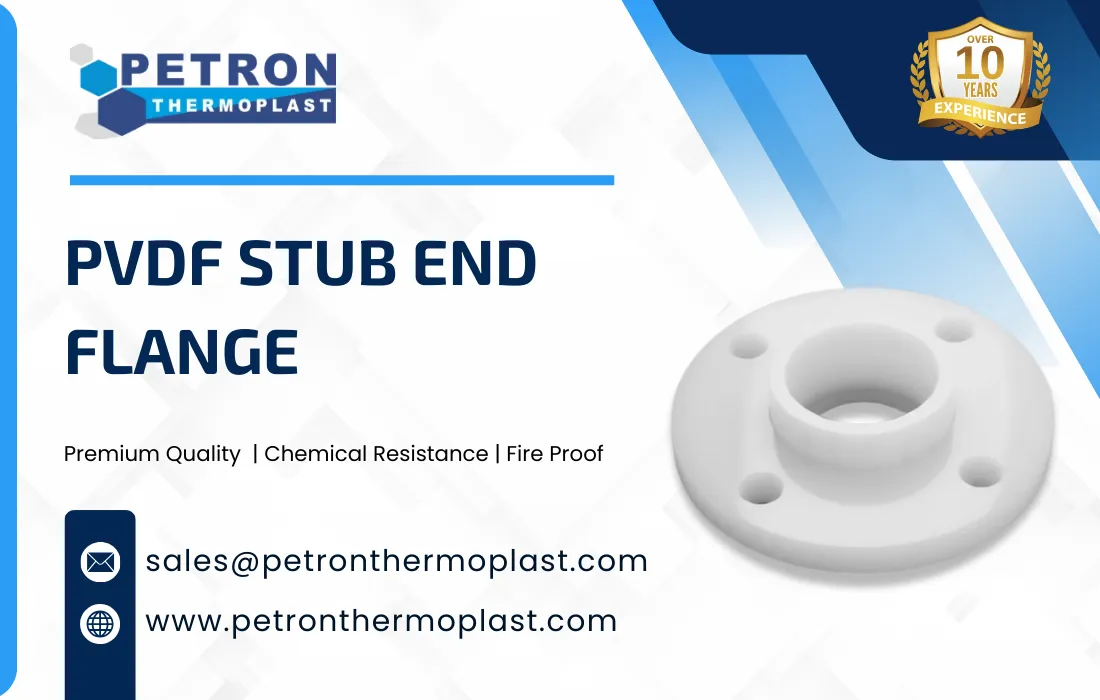
- Equipped with flanges for bolted connections to other pipes, valves, or equipment.
- Ideal for high-pressure or larger diameter pipelines.
- Allows easy disassembly for maintenance.
- Applications: Industrial fluid systems, corrosive chemical transport.
2. Based on Function
a) Straight Couplers
- Connect two pipes of the same diameter in a straight line.
- Most common type.
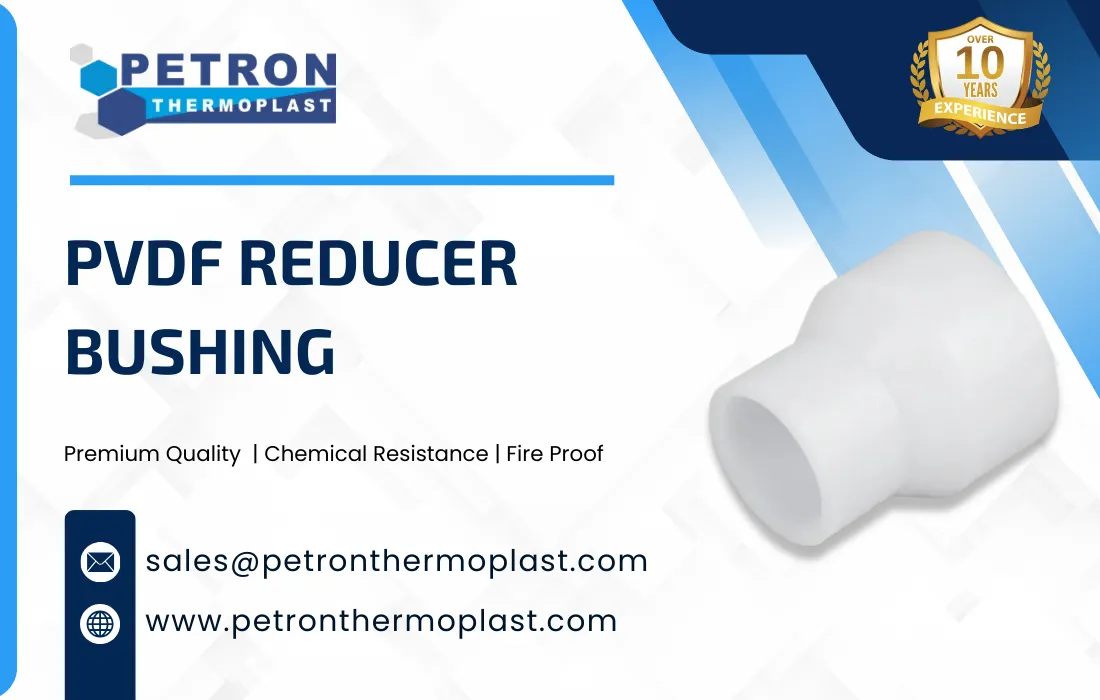
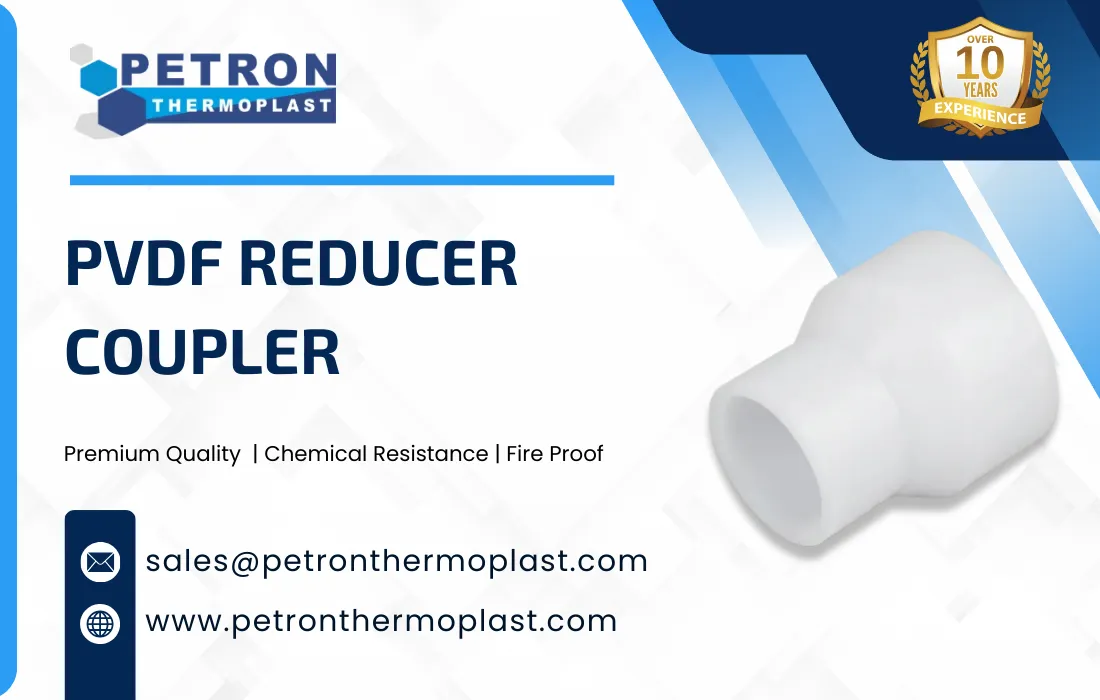
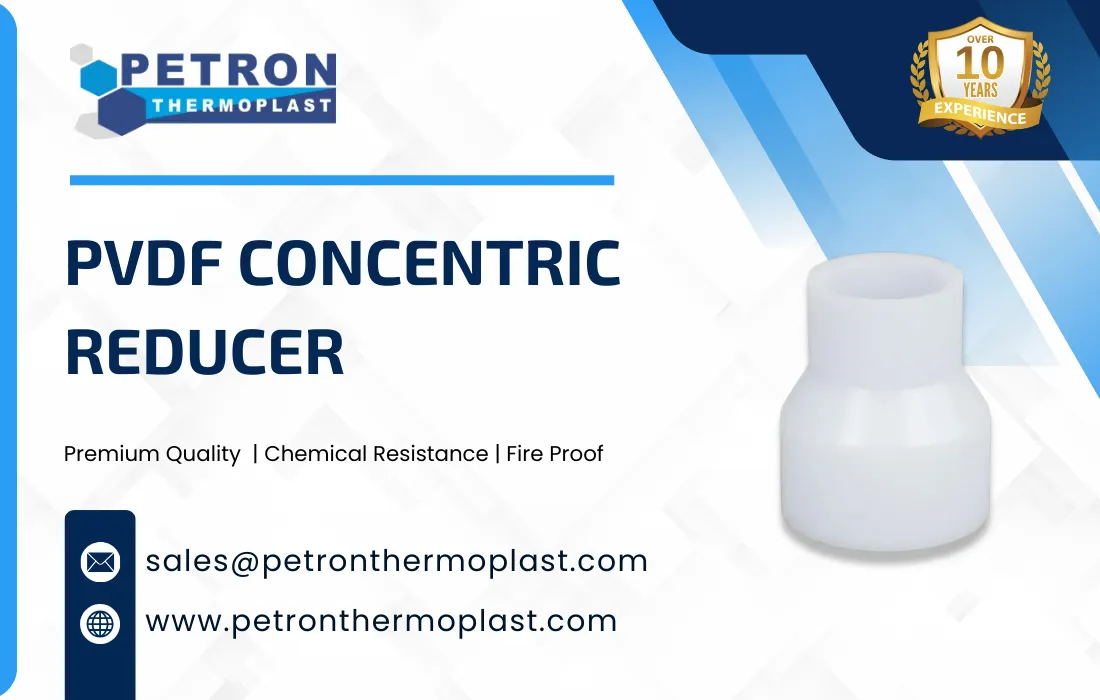
b) Reducing Couplers (Reducer)
- Connect pipes of different diameters.
- Maintain fluid flow while transitioning between pipe sizes.
c) Elbow or Angled Couplers
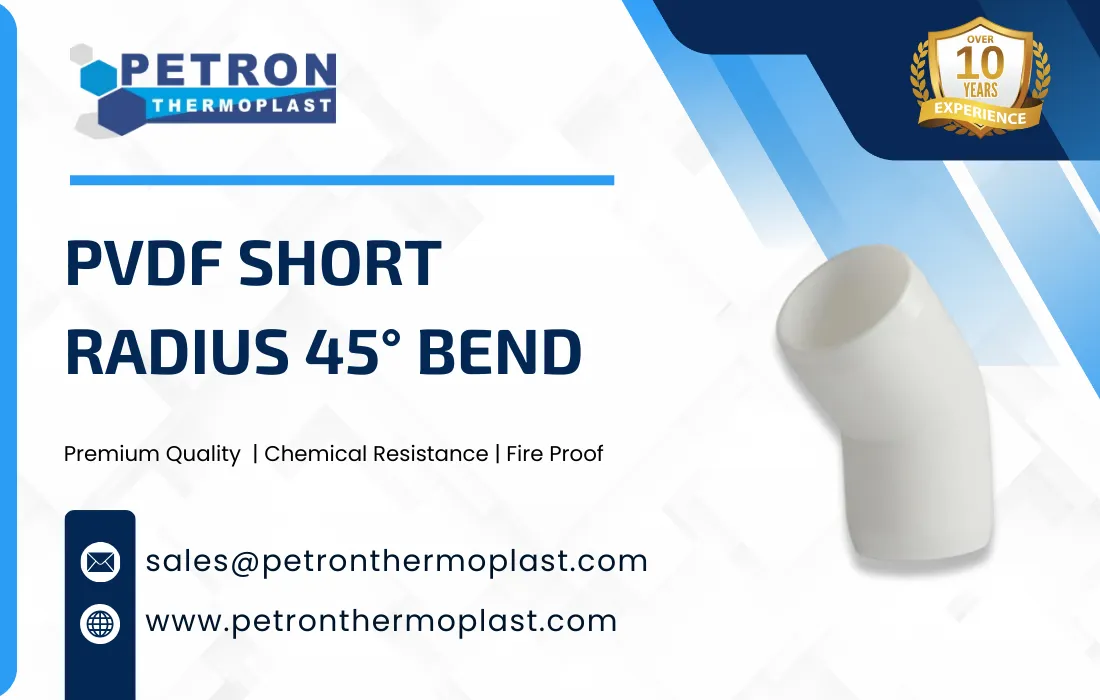
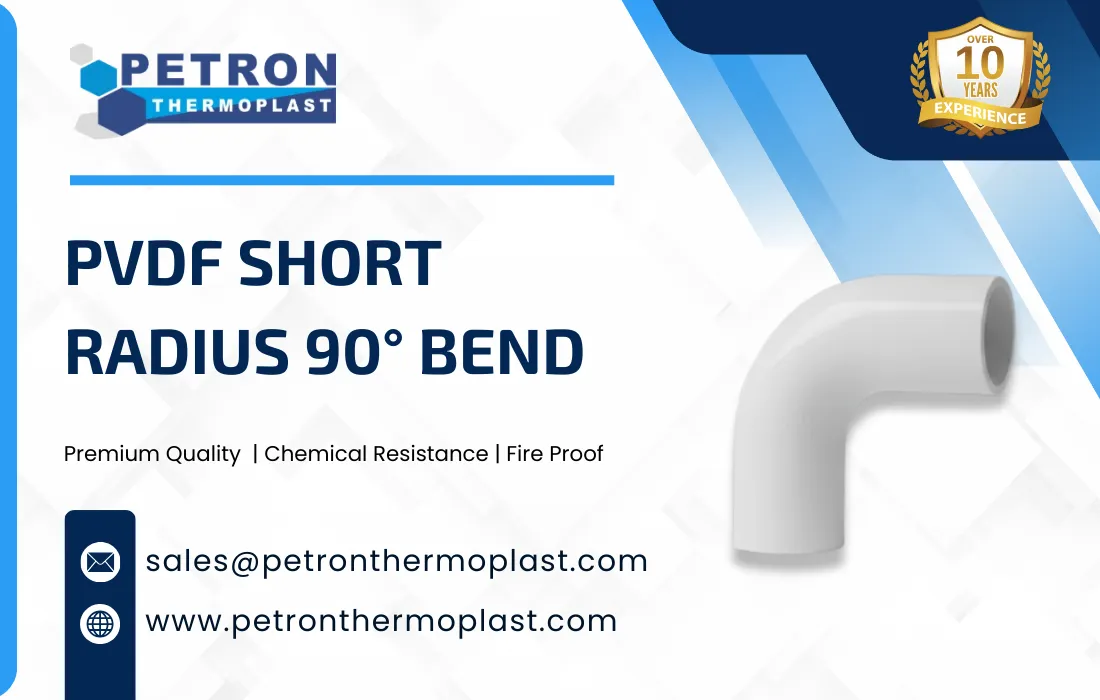
- Connect pipes at a specific angle (e.g., 45°, 90°).
- Not a traditional “coupler” but often included as a PVDF joint accessory.
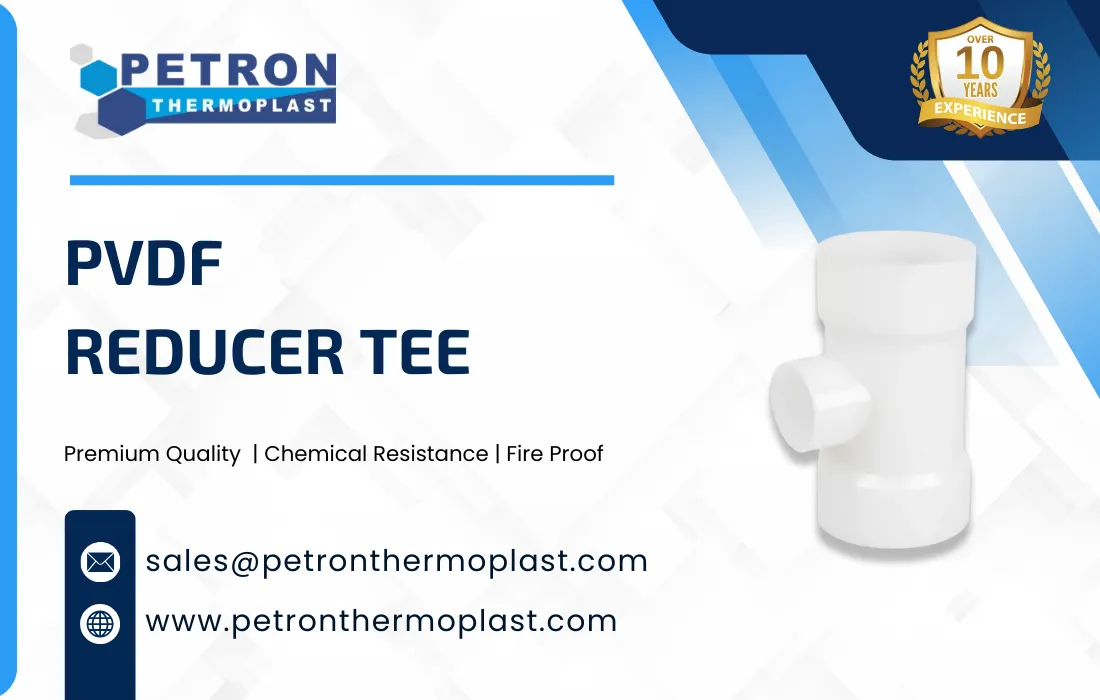
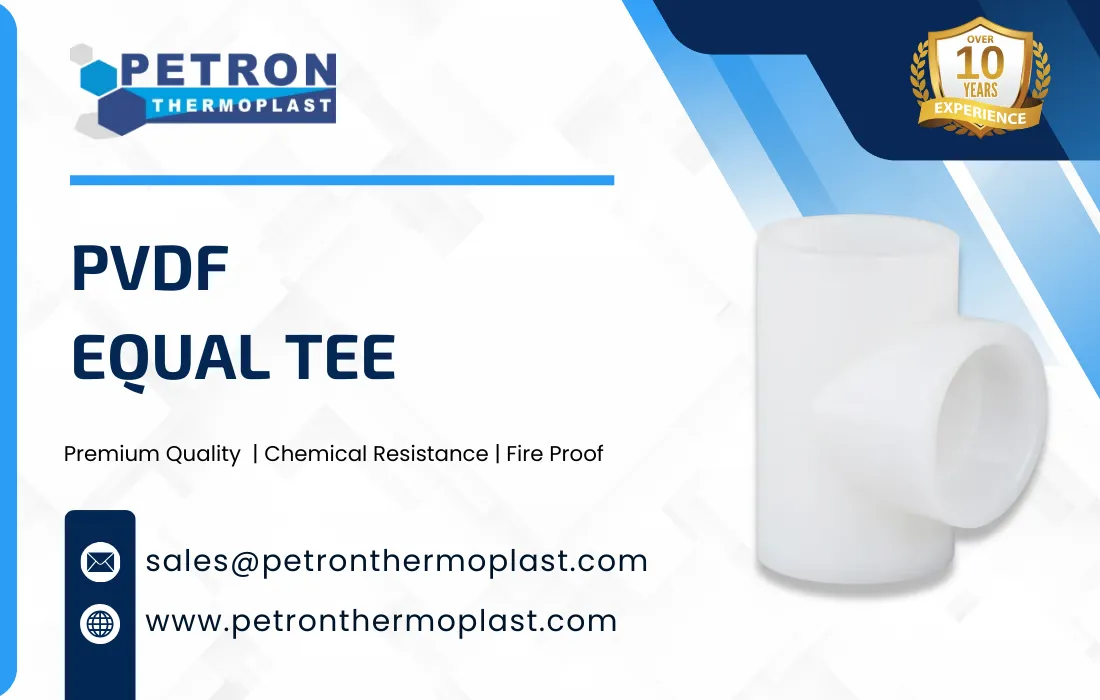
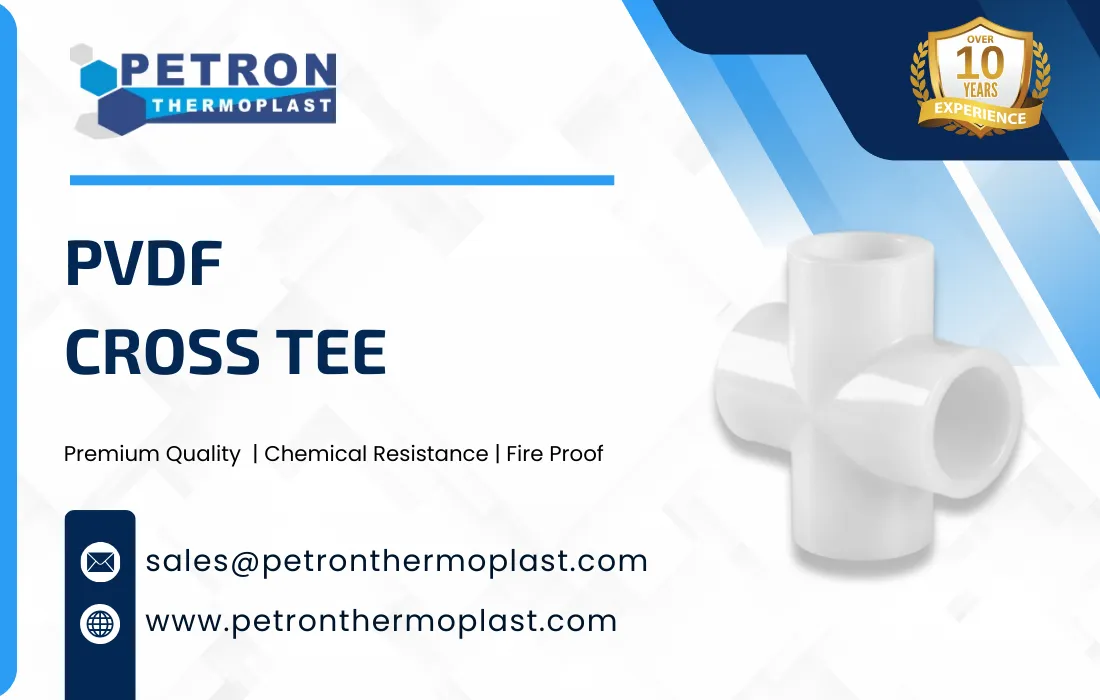
d) Tee and Cross Couplers
- Connect three or four pipes at junctions.
- Facilitate splitting or merging of fluid flow.
3. Specialized PVDF Couplers
a) Compression Couplers
- Use mechanical compression to seal pipes together.
- Useful when welding or adhesives aren’t feasible.
b) Quick-Connect Couplers
- Snap-fit design for rapid assembly and disassembly.
- Often used in portable systems or lab setups.
Why Choose Petron Thermoplast?
Petron Thermoplast, it is because of our unwavering commitment to the PVDF coupler industry, our emphasis on product diversity, the importance we place on product quality, and our dedication to green environmental practices and sustainable development that our brand has gradually gained recognition. Our products have earned the trust and praise of numerous customers, and our brand has become a symbol of reliability and trustworthiness.
Our brand story is one of continuous progress and innovation. We will continue to create more value for more customers and contribute to the development of the industry. We believe that through sustained efforts and adherence to our principles, our brand will continue to shine brightly and make a mark internationally.