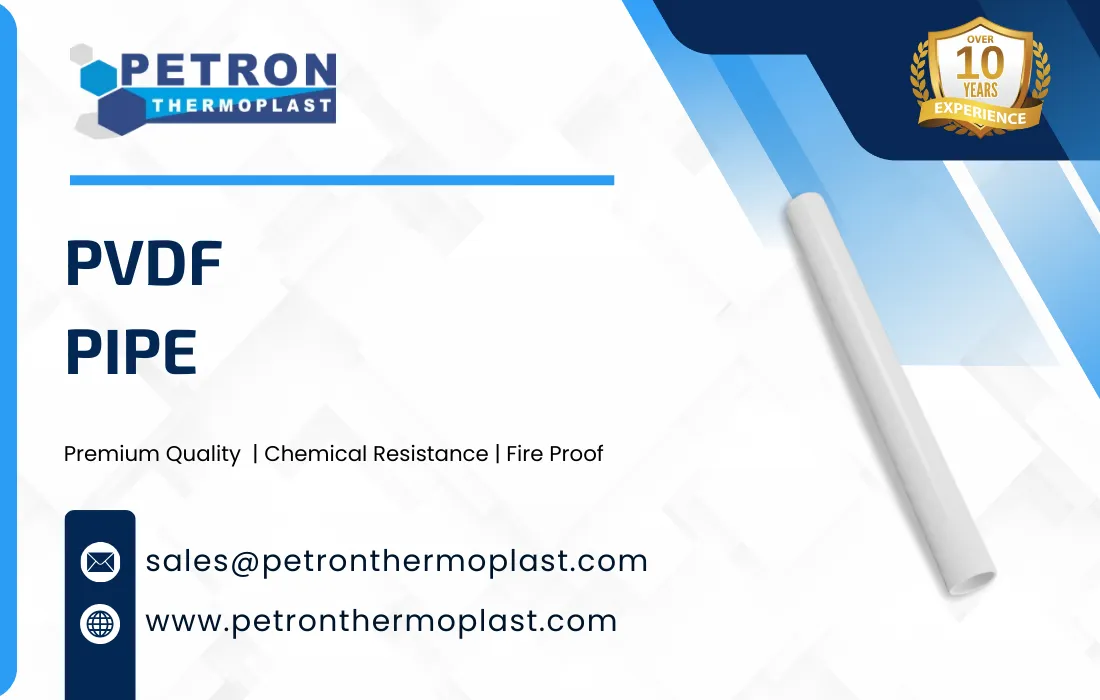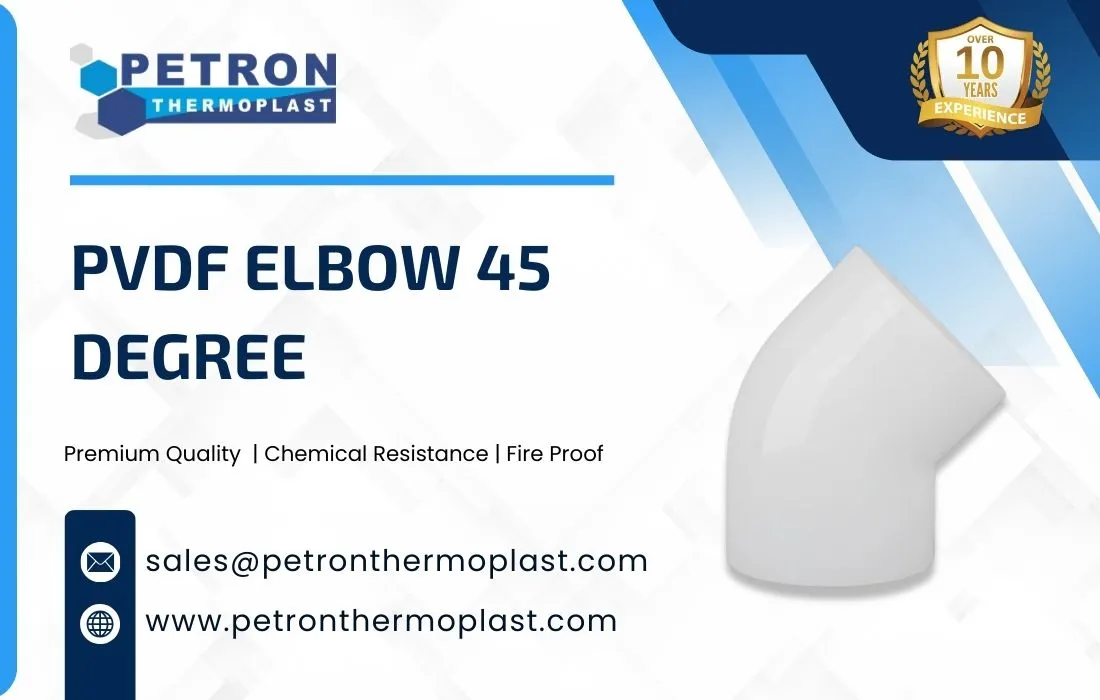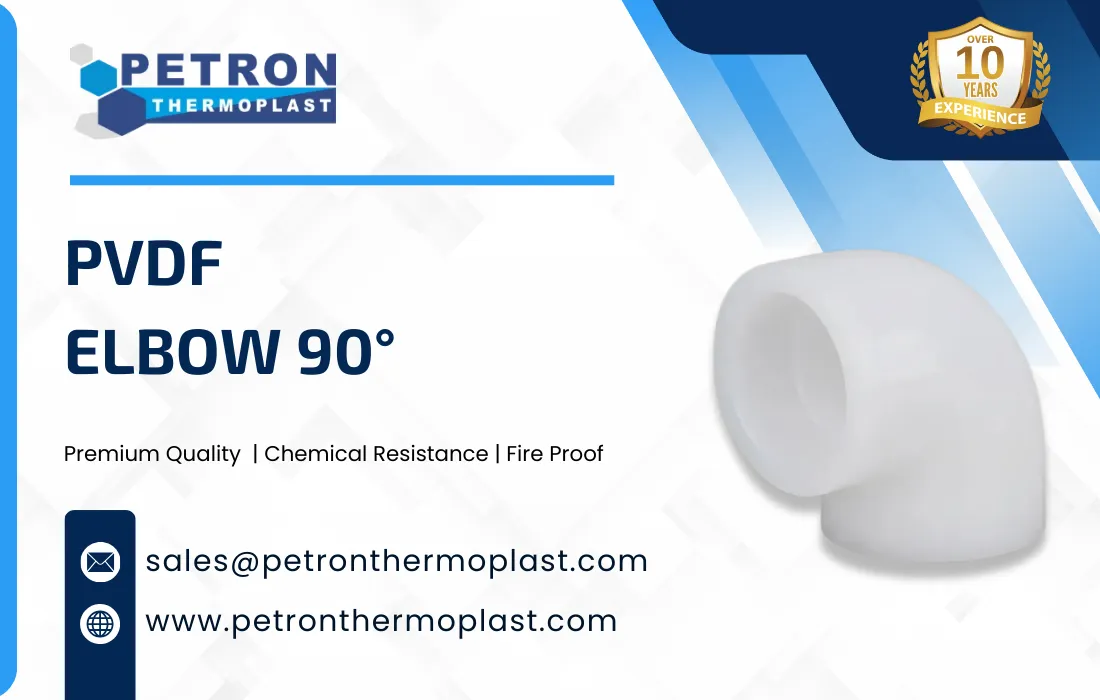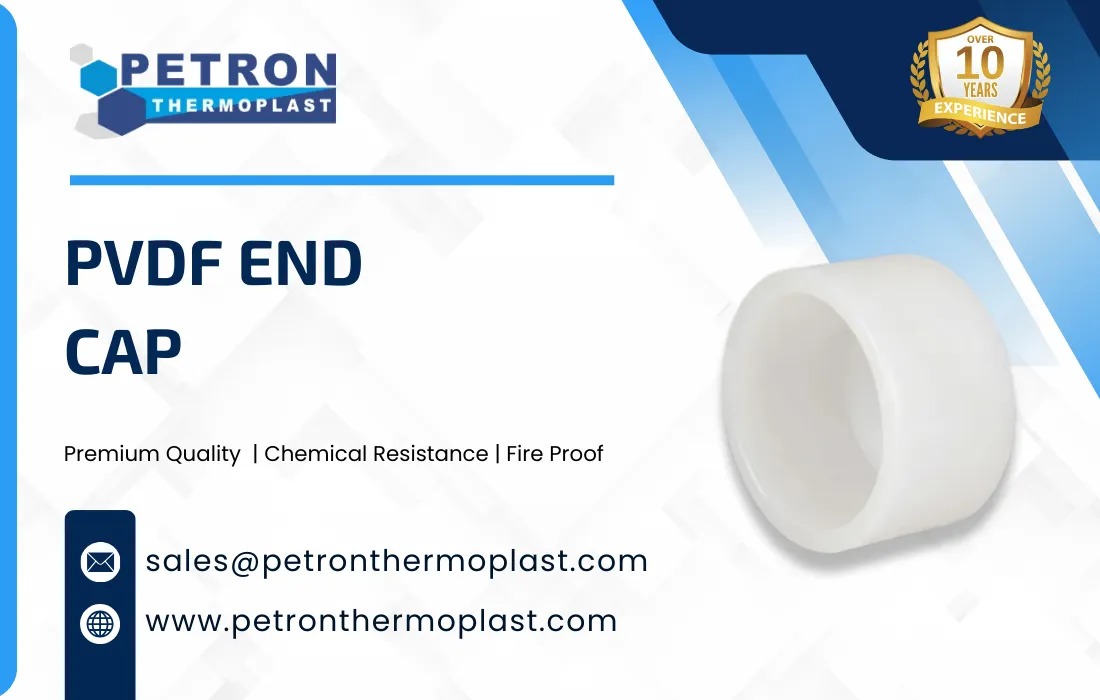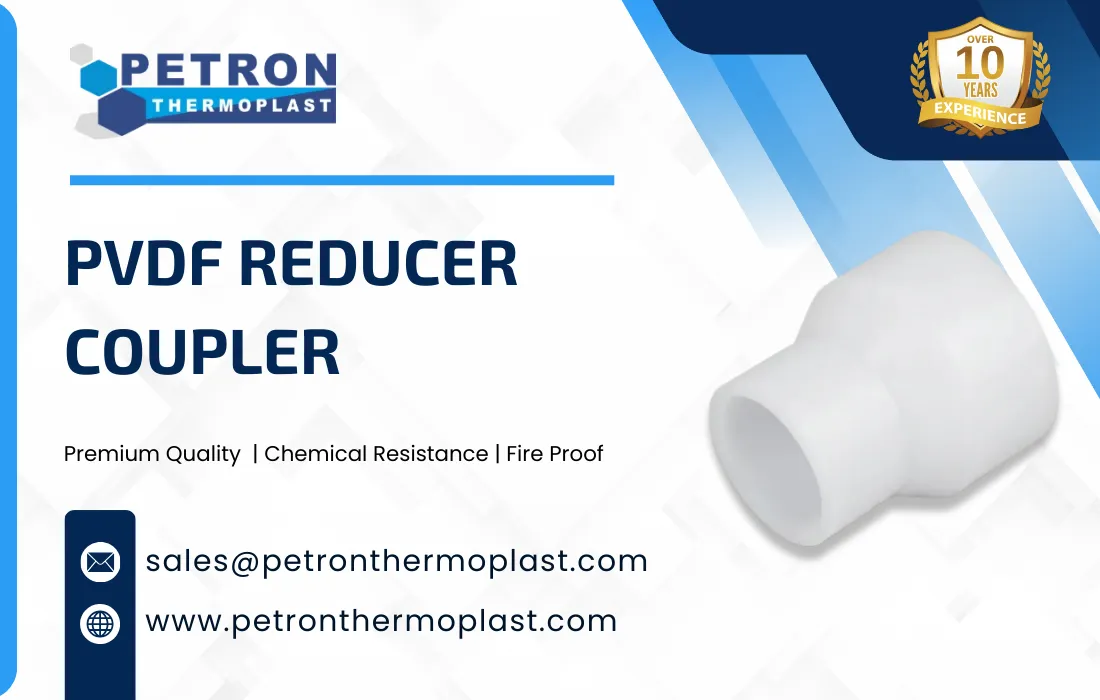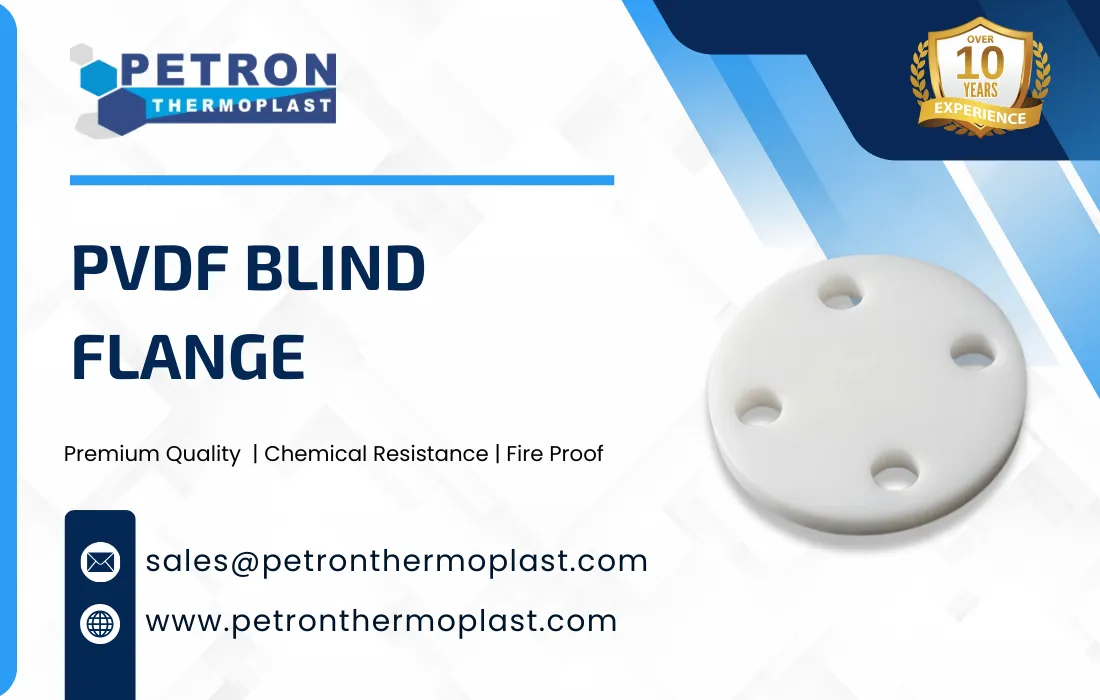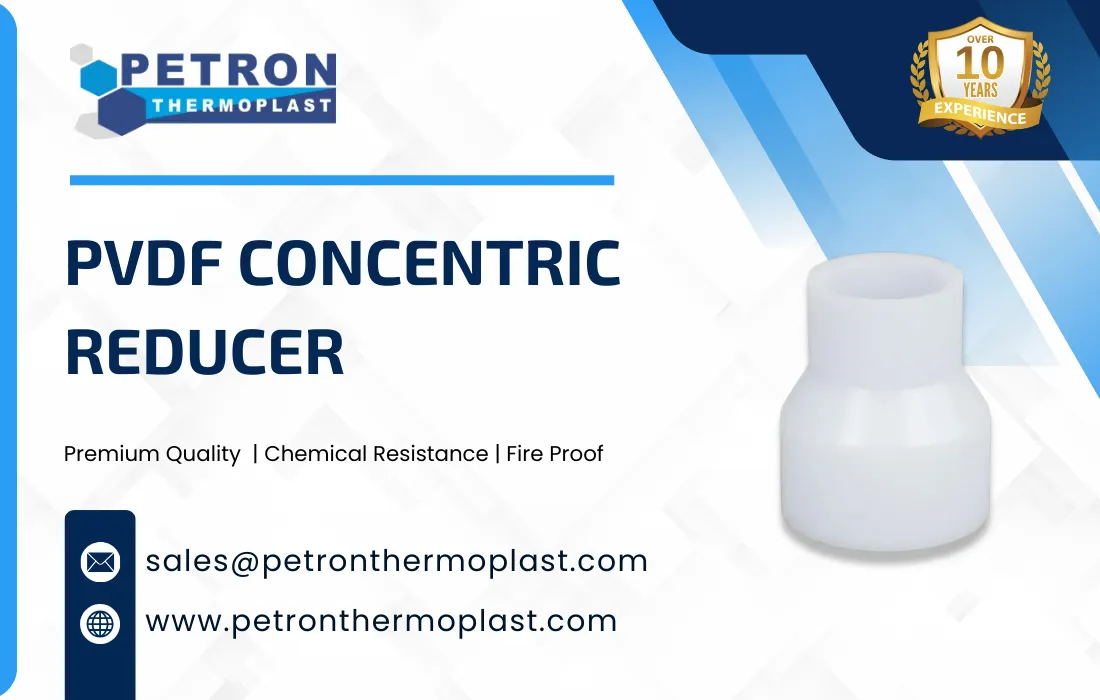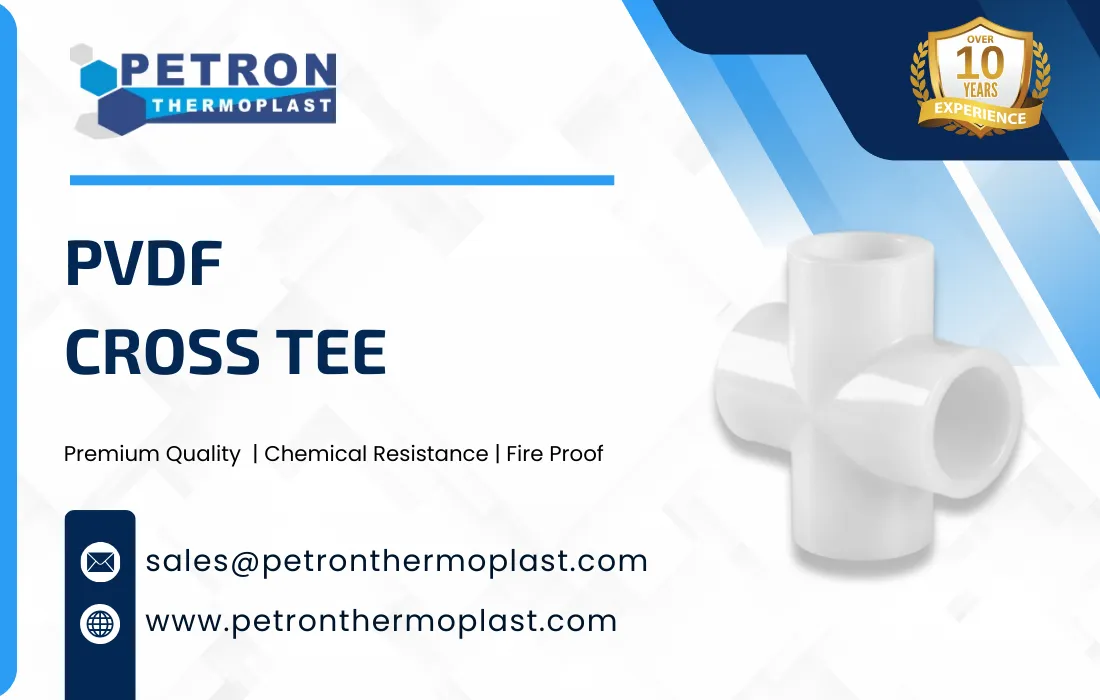
PVDF Pipe
PVDF Pipe (Polyvinylidene Fluoride), made from high-performance PVDF materials, offers outstanding chemical resistance, thermal stability, and barrier protection. Composed of carbon, hydrogen, and fluorine, PVDF is among the most inert and stable thermoplastics in the industry. They have strong carbon-fluorine bonds in our PVDF polyvinylidene fluoride structure ensure superior resistance to corrosion and chemical attack. PVDF Pipes is an abrasion-resistant fluoropolymer that can be used in applications requiring low permeability and chemical resistance. PVDF Pipe is frequently used as a liner or protective barrier. Groundwater monitoring and ultrapure water systems also benefit from its use.
These PVDF pipes are manufactured from virgin-grade PVDF resin, making them ideal for transporting aggressive chemicals, high-temperature fluids, and ultrapure water in demanding industrial environments. PVDF pipes are widely used in the chemical processing, pharmaceutical, semiconductor, oil & gas treatment, and food industries where cleanliness, durability, and resistance to degradation are essential.

- Chemical Resistance
- Low Maintenance Requirement
- Low Thermal Conductivity
- Long Service Life
- Easy Installation
- Corrosion Resistance
PVDF Pipe Details
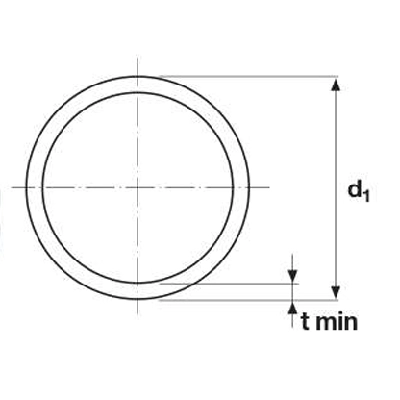
Inch – Pipe size in inches
OD (mm) – Outside Diameter
NB – Nominal Bore
PN10 – SDR 33 (Thk) – Wall Thickness for PN10 pressure rating PN16 – SDR 21 (Thk) – Wall Thickness for PN16 pressure rating
| Inch | OD (mm) | NB (mm) | PN10 – SDR 33 (Thk mm) | PN16 – SDR 21 (Thk mm) |
| ½” | 20 | 15 | — | 1.9 |
| ¾” | 25 | 20 | — | 1.9 |
| 1″ | 32 | 25 | — | 2.4 |
| 1¼” | 40 | 32 | — | 2.4 |
| 1½” | 50 | 40 | — | 3.0 |
| 2″ | 63 | 50 | 2.0 | 3.0 |
| 2½” | 75 | 65 | 2.3 | 3.6 |
| 3″ | 90 | 80 | 2.8 | 4.3 |
| 4″ | 110 | 100 | 3.4 | 5.3 |
| 6″ | 160 | 150 | 4.9 | 7.7 |
| Parameter | Specification / Details |
| Material | PVDF (Polyvinylidene Fluoride), virgin grade |
| Type | Thermoplastic fluoropolymer pipe |
| Size Range | ½″ to 12″ (DN15 to DN300) |
| Outer Diameter (OD) | 20 mm to 160 mm (typical range) |
| Wall Thickness | 1.9 mm to 7.7 mm (depends on SDR & PN) |
| Density | ~1.78 g/cm³ |
| Color | Natural white / translucent |
| Temperature Range | -20°C to +120°C (up to ~140°C intermittent) |
| Max Service Temperature | Up to 140–150°C (short term) |
| Pressure Rating | Up to PN16 (≈16 bar at 20°C) |
| Tensile Strength | ~40 – 60 MPa |
| Elongation at Break | ≥ 20% – 50% |
| Modulus of Elasticity | ~1000 – 2200 MPa |
| Hardness | ~75–80 Shore D |
| Thermal Conductivity | ~0.14 W/m·K (low) |
| Thermal Expansion Coefficient | ~1.2–1.3 × 10⁻⁴ /K |
| Water Absorption | ~0.04% (very low) |
| Surface Finish | Smooth internal bore, low friction |
| Permeability | Very low (excellent barrier properties) |
| Flammability | Self-extinguishing, low flame spread |
| Standards | ASTM D3222, DIN 8077/8078, ISO 10931 |
| Connection Methods | Butt fusion, socket fusion, flanged, threaded |
| Chemical Resistance | Excellent resistance to acids, alkalis, and solvents |
| Thermal Stability | Performs well across wide temperature range |
| Mechanical Strength | High strength and stiffness for pressure applications |
| Corrosion Resistance | 100% corrosion-free (ideal replacement for metal pipes) |
| UV Resistance | Excellent resistance to sunlight and weathering |
| Abrasion Resistance | Good wear and impact resistance |
| Purity | High purity, suitable for ultra-clean systems |
| Flow Efficiency | Smooth surface reduces pressure loss |
| Weldability | Easy fusion welding for leak-proof joints |
| Electrical Insulation | Good dielectric strength and insulation properties |
1. High Temperature Tolerance
- Operating temperature: –40°C to +140°C
- Maintains mechanical integrity at elevated temperatures
2. Strong Mechanical Strength
- High tensile and impact strength
- Withstands internal pressure and industrial handling
3. Long Service Life
- Excellent aging resistance
- UV-resistant, suitable for outdoor installations
- Low maintenance requirement
4. High Purity Options
- Low extractables and leachables
- Suitable for pharmaceutical and semiconductor applications
- Ensures fluid purity
5. Smooth Inner Surface
- Reduces friction and pressure drop
- Minimizes scaling and deposits
6. Fire Retardant
- Self-extinguishing (UL 94 V-0 typical)
- Low smoke emission, safer for industrial use
7. Wide Application Versatility
- Suitable for chemical processing, oil, gas treatment, pharmaceutical, and semiconductor industries
| SDR (Standard Dimension Ratio) | Pressure Rating (Bar) | Pressure Rating (PSI) | Common Application |
| SDR 33 | 6 bar | 90 psi | Low-pressure chemical lines |
| SDR 21 | 10 bar | 150 psi | Medium-pressure systems |
| SDR 17.6 | 12.5 bar | 180 psi | Industrial processing |
| SDR 13.6 | 16 bar | 230 psi | High-pressure systems |
| SDR 11 | 20 bar | 290 psi | Heavy-duty industrial use |
| Temperature (°C) | Temperature (°F) | Max Working Pressure (Bar) | Max Working Pressure (PSI) |
| 20°C | 68°F | 16 bar | 230 psi |
| 30°C | 86°F | 14 bar | 200 psi |
| 40°C | 104°F | 12 bar | 175 psi |
| 50°C | 122°F | 10 bar | 145 psi |
| 60°C | 140°F | 8 bar | 115 psi |
| 80°C | 176°F | 5 bar | 75 psi |
| 100°C | 212°F | 3 bar | 45 psi |
| 120°C | 248°F | 1.5 bar | 22 psi |
| 140°C | 284°F | 0.8–1 bar | 12–15 psi |

Custom Product Manufacturing Available
If you are searching for customized product designs that meet your requirements, don’t worry. Petron Thermoplast also offers custom product manufacturing services to meet the unique needs of various industries. Work with our expert engineers to create custom designs suited for your application.
Benefits of Using PVDF Pipe
Excellent Chemical Resistance
- Highly resistant to strong acids, alkalis, and solvents
- Ideal for corrosive chemical processing environments
- Suitable for aggressive wastewater systems
High Temperature Resistance
- Operating temperature up to 140°C (284°F)
- Maintains mechanical strength at elevated temperatures
- Performs better than PVC and CPVC in high-heat applications
High Mechanical Strength
- Strong and durable under pressure
- Good impact resistance
- Suitable for high-pressure industrial systems
Long Service Life
- Excellent aging resistance
- UV-resistant for outdoor installations
- Minimal maintenance required
High Purity Material
- Low extractables and leachables
- Ideal for the pharmaceutical and semiconductor industries
- Maintains fluid purity
Fire Resistant & Safe
- Self-extinguishing (typically UL 94 V-0 rating)
- Low smoke generation
Smooth Inner Surface
- Low friction loss
- Reduces scaling and deposits
- Improves flow efficiency
Lightweight & Easy Installation
- Easier to handle compared to metal piping
- Can be joined using fusion welding
- Reduces installation time and cost
Types of PVDF Pipe
1. Based on Pressure Rating (SDR)
SDR 33 (Low Pressure)
- Thin wall
- Used for drainage and low-pressure chemical lines
SDR 21 (Medium Pressure)
- Moderate wall thickness
- General industrial applications
SDR 17.6 / SDR 13.6 (High Pressure)
- Thick wall
- Chemical processing and pressurized systems
SDR 11 (Very High Pressure)
- Heavy-duty industrial use
- High-pressure chemical transfer
2️. Based on Construction Type
Solid (Homogeneous) PVDF Pipe
- Made entirely of PVDF
- Most common industrial type
Double Containment PVDF Pipe
- Inner PVDF carrier pipe
- Outer containment pipe
- Used for hazardous chemical transport
3️. Based on Purity Level
Industrial Grade PVDF
- For general chemical and oil, gas treatment systems
High Purity (HP) PVDF
- Low extractables
- Used in the pharmaceutical and semiconductor industries
Ultra High Purity (UHP) PVDF
- Extremely low contamination
- Used in microelectronics manufacturing
4️. Based on Application
Chemical Process PVDF Pipes
Oil & gas Treatment PVDF Pipes
Pharmaceutical PVDF Pipes
Semiconductor Grade PVDF Pipes
Why Choose Petron Thermoplast?
There are many reasons to choose PVDF Pipe by Petron Thermoplast. Here are some of the most important: