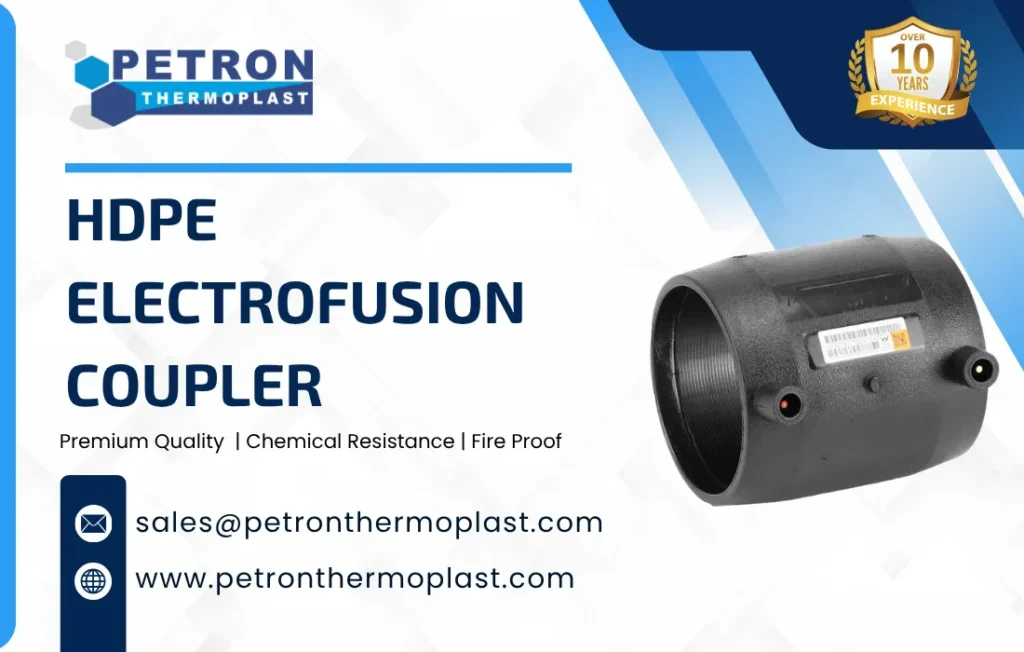
HDPE Electrofusion Coupler
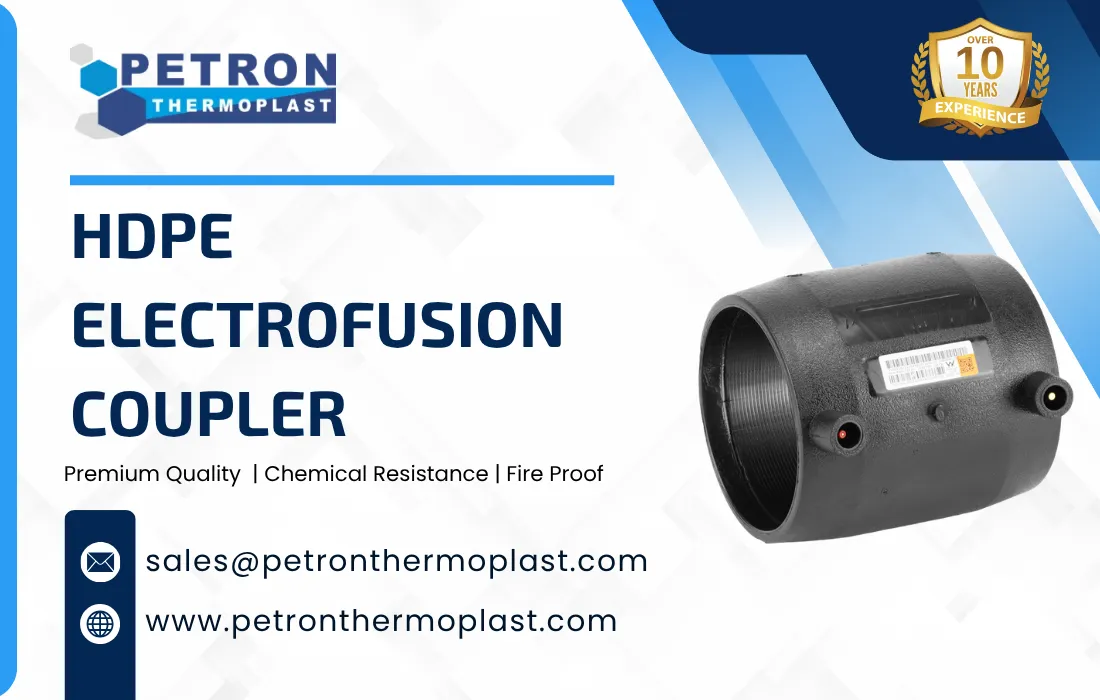
An HDPE Electrofusion Coupler is a type of fitting made from High-Density Polyethylene (HDPE) used to join two HDPE pipes of the same diameter through the electrofusion welding process. It contains embedded electrical heating coils that, when energized by an electrofusion machine, generate heat to melt the outer surface of the pipes and the inner surface of the coupler, forming a strong, permanent, and leak-proof joint. It is a sleeve-like fitting that uses electric heat to fuse two pipes together, ensuring a secure and durable connection without the need for threads, adhesives, or mechanical joints.
The HDPE Electrofusion Coupler is a high-precision fitting designed to join two HDPE pipes using advanced electrofusion welding technology. Integrated with embedded copper heating coils, the coupler ensures a strong, permanent, and leak-free bond that can withstand high pressure, temperature fluctuations, and corrosive environments.Engineered with PE100 high-density polyethylene, this coupling fitting is ideal for industrial, municipal, and infrastructure applications requiring reliable and long-lasting pipe connections.

- Chemical Resistance
- Low Maintenance Requirement
- Low Thermal Conductivity
- Long Service Life
- Easy Installation
- Corrosion Resistance
HDPE Electrofusion Coupler Details
*Technical Diagram
*Technical Data
| Parameter | Details |
| Material Grade | PE80 / PE100 High-Density Polyethylene |
| Manufacturing Standards | ISO 4427, ISO 4437, ASTM F1055 |
| Joining Method | Electrofusion (embedded resistance wire heating) |
| Operating Pressure | PN10, PN16, PN20, PN25 |
| Operating Temperature | -10°C to 45°C (standard applications) |
| Fusion Voltage | Typically 39–48 Volts |
| Fusion Time | 30–300 seconds (depends on size) |
| Cooling Time | 5–20 minutes (varies with diameter) |
| Size Range | 20 mm to 630 mm (or higher depending on manufacturer) |
| Connection Type | Socket-type (same diameter pipe joining) |
| Control System | Barcode/manual input compatible electrofusion machine |
| Density | 0.94 – 0.96 g/cm³ |
| Color | Black (often with blue or yellow markings) |
| Surface Finish | Smooth inner and outer surface |
| Tensile Strength | 20 – 30 MPa |
| Elongation at Break | >350% |
| Impact Resistance | High (resistant to cracking and stress) |
| Chemical Resistance | Excellent against acids, alkalis, and salts |
| UV Resistance | Good (carbon black stabilized) |
| Abrasion Resistance | Very high |
| Thermal Conductivity | Low (good insulation property) |
| Expected Lifespan | 50+ years |
1. Embedded Heating Coil
- Contains built-in electrical resistance wires.
- Ensures uniform heating for proper fusion of pipe and coupler.
2. Leak-Proof Fusion Joint
- Creates a homogeneous (one-piece) connection.
- Eliminates the risk of leakage.
3. High Strength and Durability
- Made from PE80 / PE100 grade HDPE.
- Offers excellent resistance to pressure, stress, and impact.
4. Corrosion and Chemical Resistance
- Resistant to rust, chemicals, and soil corrosion.
- Suitable for underground and harsh environments.
5. Barcode / Smart Technology
- Equipped with barcode labels for automatic fusion parameter input.
- Improves accuracy and reduces human error.
6. Center Stop Design
- Internal center stop ensures correct pipe insertion depth.
- Helps achieve proper alignment during installation.
7. Terminal Connectors
- Provided with fusion terminals (pins) for easy connection to the electrofusion machine.
8. Wide Size Range
- Available from 20 mm to 630 mm (or more).
- Suitable for various pipeline sizes.
9. High Pressure Handling
- Compatible with PN10 to PN25 pressure ratings.
- Suitable for both medium and high-pressure systems.
10. Easy Installation
- Requires minimal equipment and space.
- Faster and safer compared to other joining methods.
11. Lightweight and Compact
- Easy to handle, transport, and install.
- Reduces labor effort and time.
12. Long Service Life
- Designed for 50+ years of performance under standard conditions.
| Material Grade | SDR Value | Pressure Rating (PN) | Pressure (Bar) |
| PE80 | SDR 17 | PN10 | 10 bar |
| PE80 | SDR 13.6 | PN12.5 | 12.5 bar |
| PE80 | SDR 11 | PN16 | 16 bar |
| PE100 | SDR 17 | PN10 | 10 bar |
| PE100 | SDR 13.6 | PN12.5 | 12.5 bar |
| PE100 | SDR 11 | PN16 | 16 bar |
| PE100 | SDR 9 | PN20 | 20 bar |
| PE100 | SDR 7.4 | PN25 | 25 bar |
Benefits of Using HDPE Electrofusion Coupler
1. Leak-Proof Joint
- Creates a homogeneous fusion joint between pipes.
- Eliminates leakage risks compared to mechanical joints.
2. High Joint Strength
- The fused area becomes as strong as the pipe itself.
- Provides excellent resistance to pressure and stress.
3. Easy Installation
- Simple installation using an electrofusion machine.
- Requires less skilled labor compared to other joining methods.
4. Ideal for Confined Spaces
- Does not require large equipment or space like butt fusion.
- Suitable for repair work and tight locations.
5. Corrosion and Chemical Resistance
- Resistant to rust, chemicals, and environmental effects.
- Perfect for underground and industrial applications.
6. Long Service Life
- Offers 50+ years of lifespan under normal conditions.
- Maintains performance over time.
7. High Reliability
- Controlled fusion process ensures consistent and accurate joints.
- Reduces chances of human error.
8. Low Maintenance
- Once installed, requires minimal or no maintenance.
- Reduces operational costs.
9. Lightweight and Easy Handling
- Easy to transport and handle due to low weight.
- Speeds up the installation process.
Types of HDPE Electrofusion Coupler
1. Standard Electrofusion Coupler
- Used to join two HDPE pipes of the same diameter.
- Most commonly used in water and gas pipelines.
2. Long Spigot / Long Body Coupler
- Has an extended length for better grip and stronger fusion area.
- Suitable for high-pressure applications.
3. Repair Coupler (Slip Coupler)
- Designed for pipeline repair and maintenance.
- Allows sliding over the pipe to fix damaged sections.
4. Reducing Electrofusion Coupler
- Used to connect pipes of different diameters.
- Helps in smooth transition between pipe sizes.
5. Equal Electrofusion Coupler
- Connects pipes of equal size (similar to standard coupler).
- Ensures uniform flow and pressure.
6. High-Pressure Electrofusion Coupler
- Specially designed for high-pressure systems (PN20–PN25).
- Made from higher-grade material like PE100.
7. Barrier Electrofusion Coupler
- Used in gas pipelines with barrier layers.
- Prevents gas permeation and ensures safety.
8. Smart / Barcode Electrofusion Coupler
- Equipped with a barcode system.
- Automatically sets fusion parameters for accurate welding.
Applications of HDPE Electrofusion Coupler
Process Industry
High Purity Applications
Electronic Industry
Electrical Industry
Semi-conductors Industry
Pharmaceutical Industry
Solar power panels
Sugar Industry
Paper & Pulp Industry
Nuclear Power Industry
Automotive Industry
DI water plants
Why Choose Petron Thermoplast?
Petron Thermoplast helps you quickly identify the most suitable HDPE Electrofusion Coupler based on common application conditions. Final selection should always consider detailed operating requirements.
Coupler Structure Type
HDPE Electrofusion Coupler is commonly used in water systems, HVAC, and low to medium-pressure applications.
Seat Material
NBR seat: Suitable for oil-containing and fuel media.
Body Connection Type
Electrofusion Coupler : Allows single-side pipe removal, suitable for pipeline ends or equipment connections.
HDPE Electro Fusion Fittings
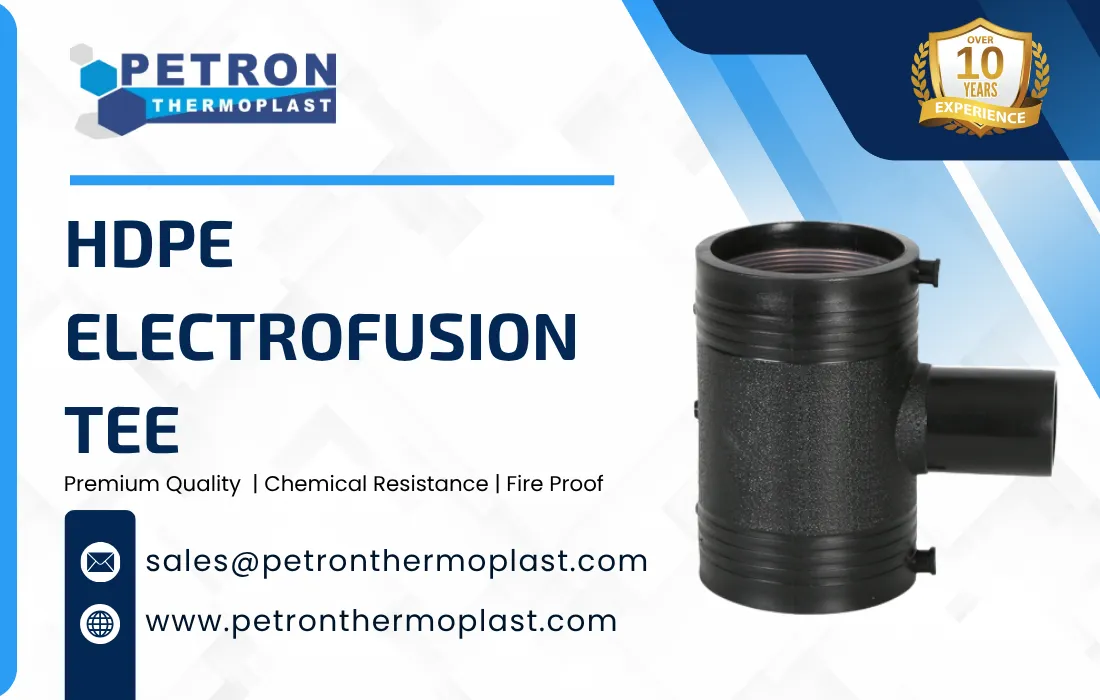
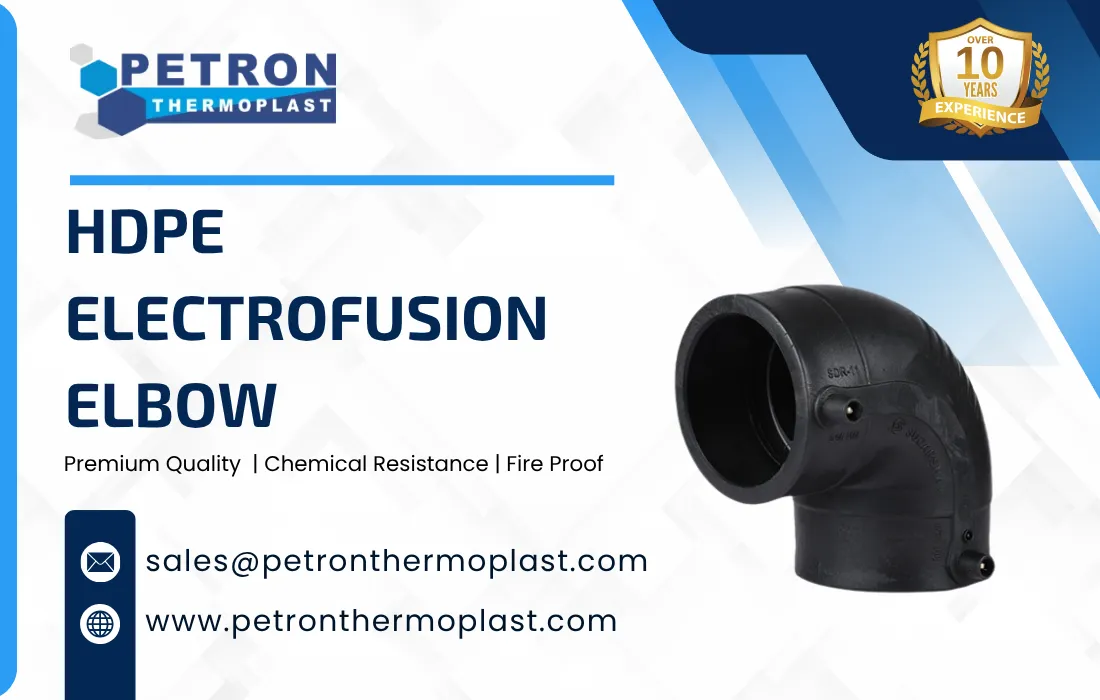
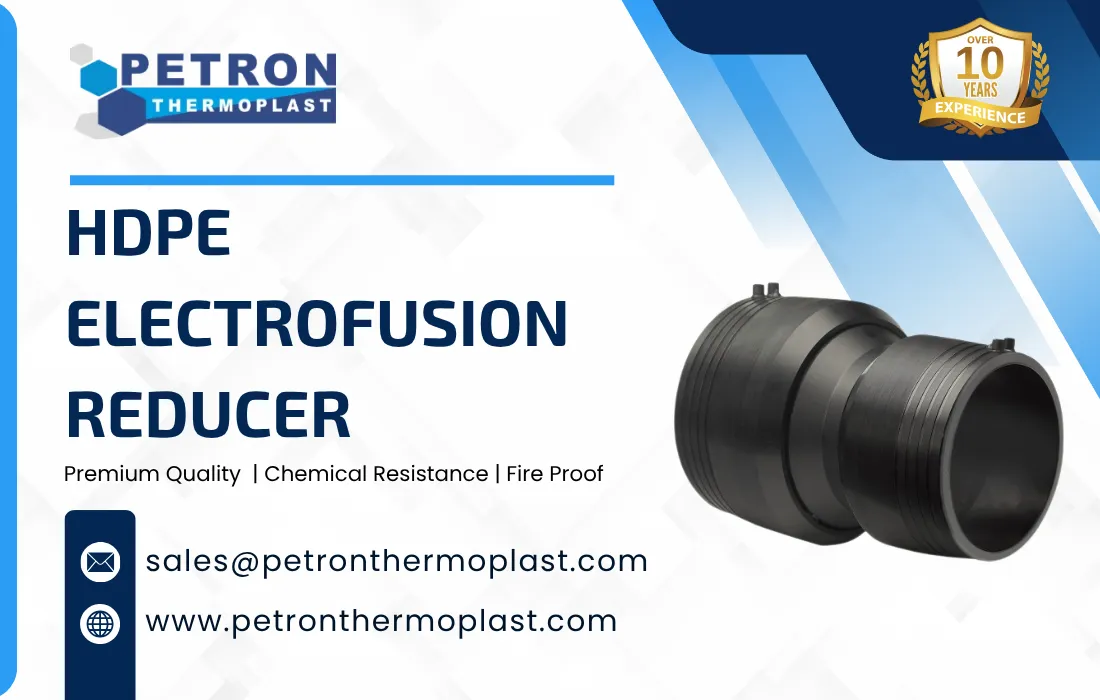
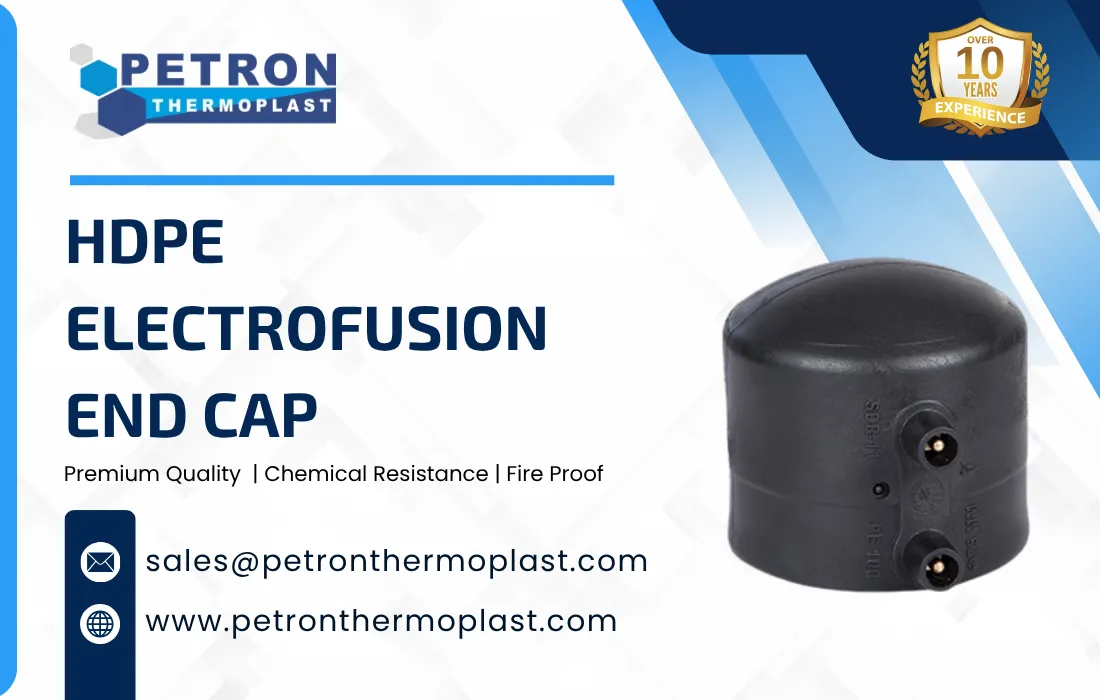
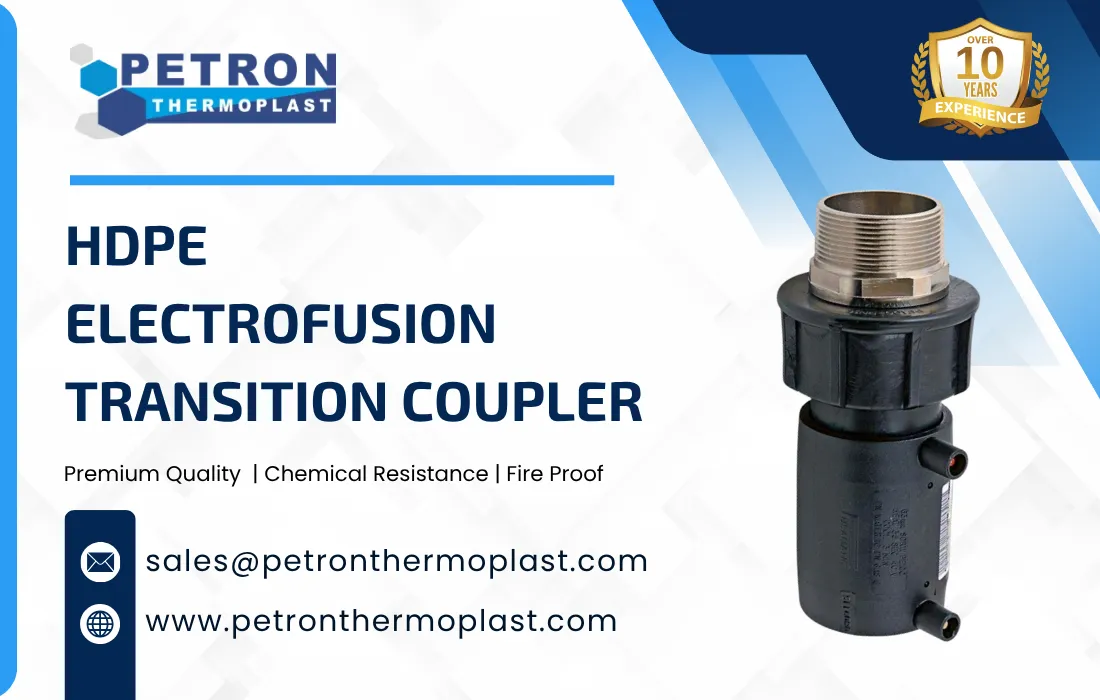
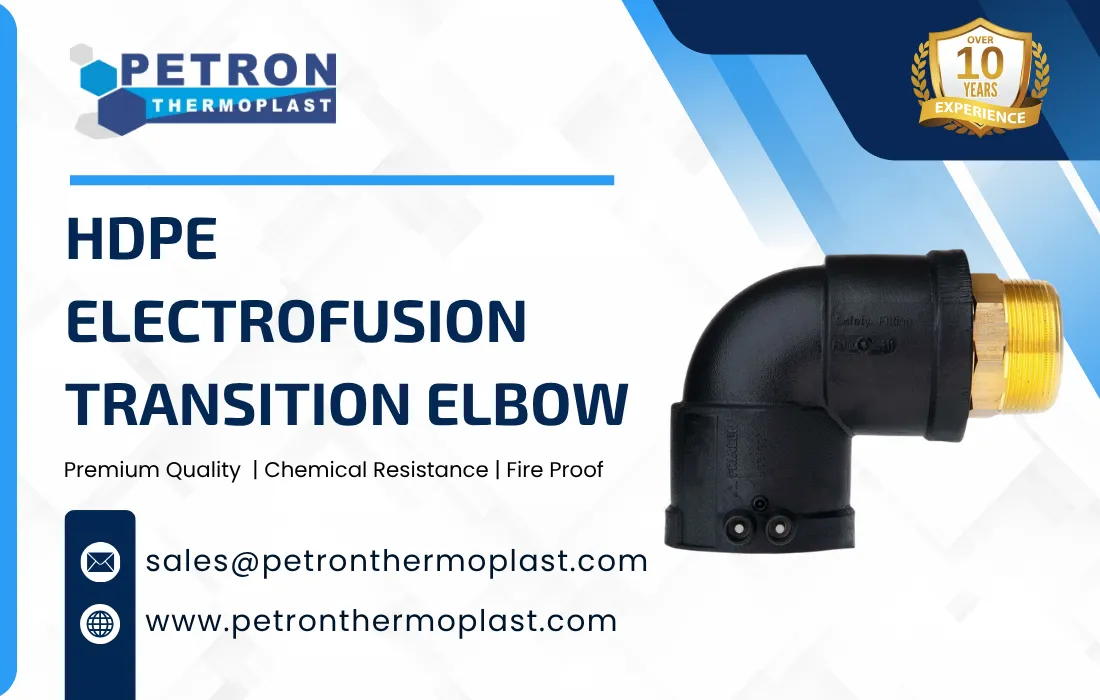
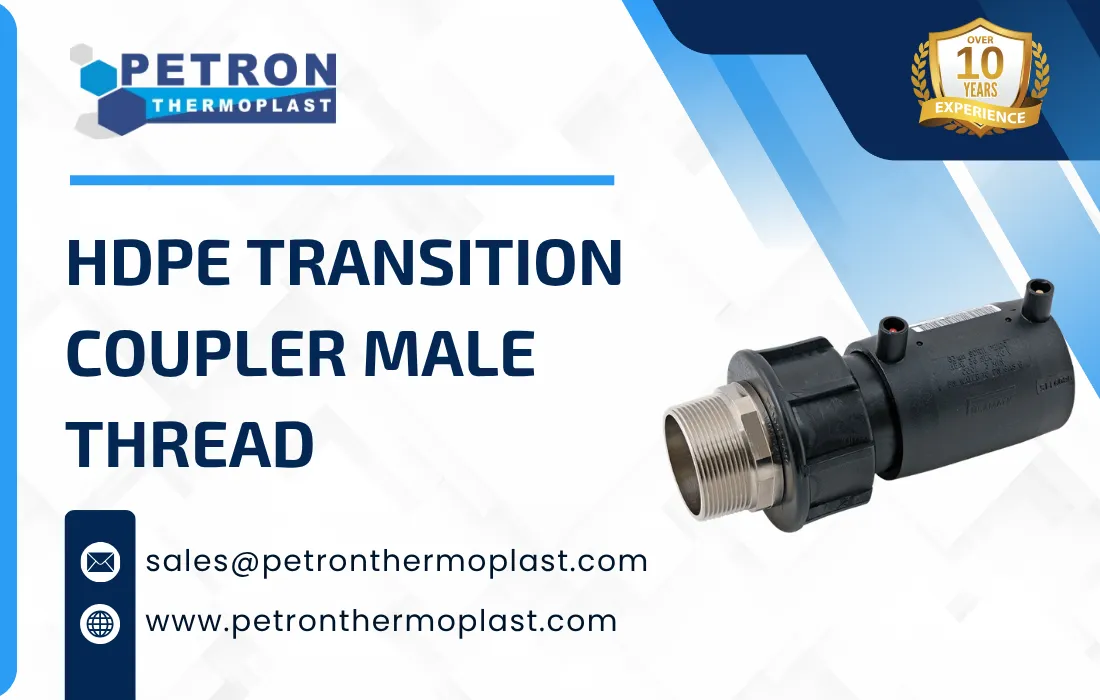
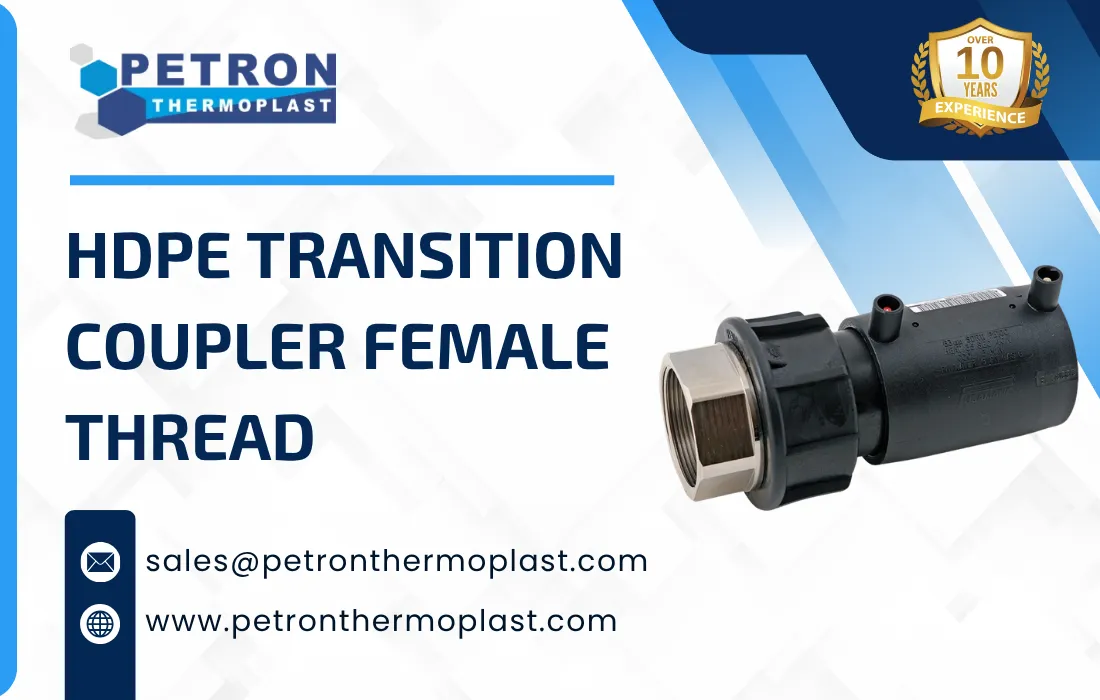
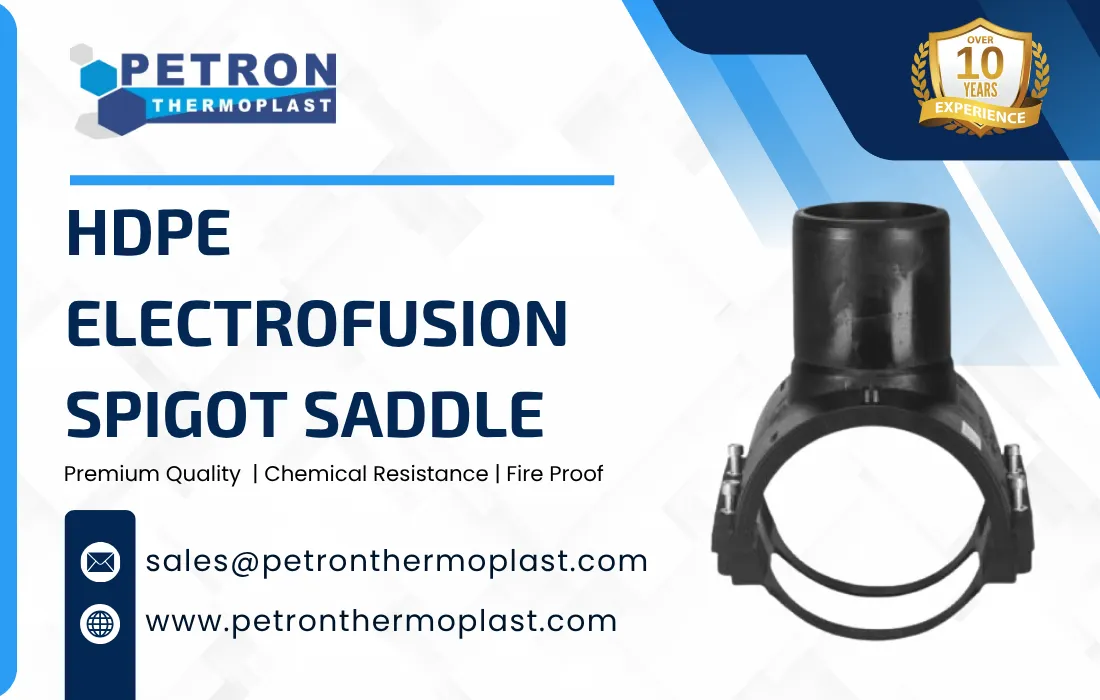
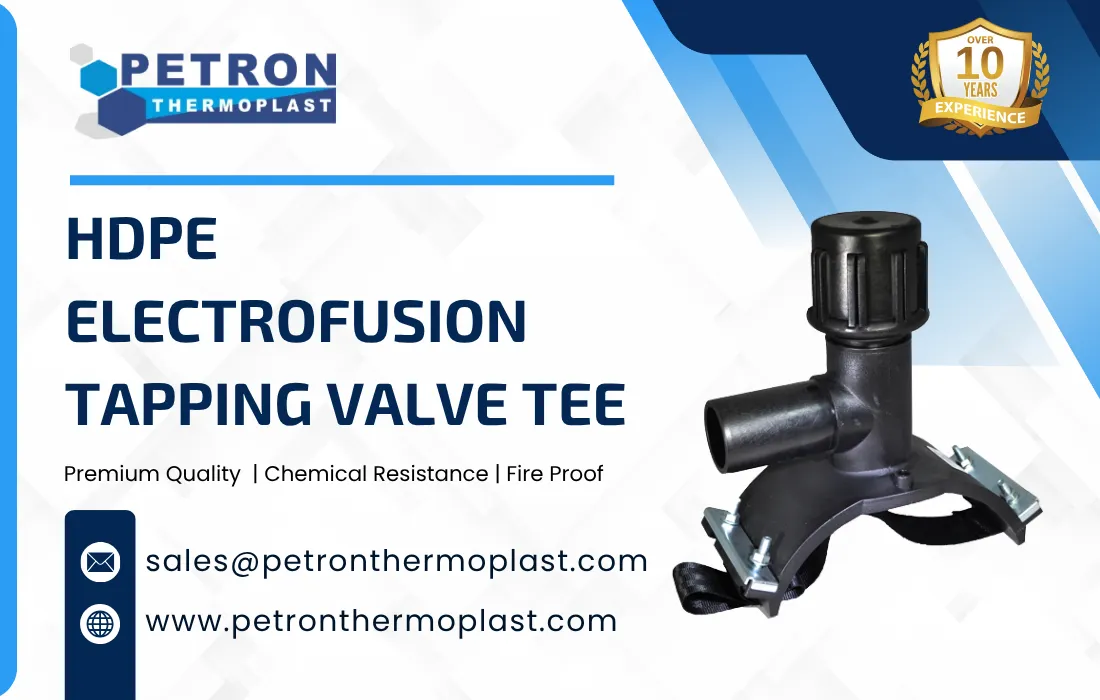
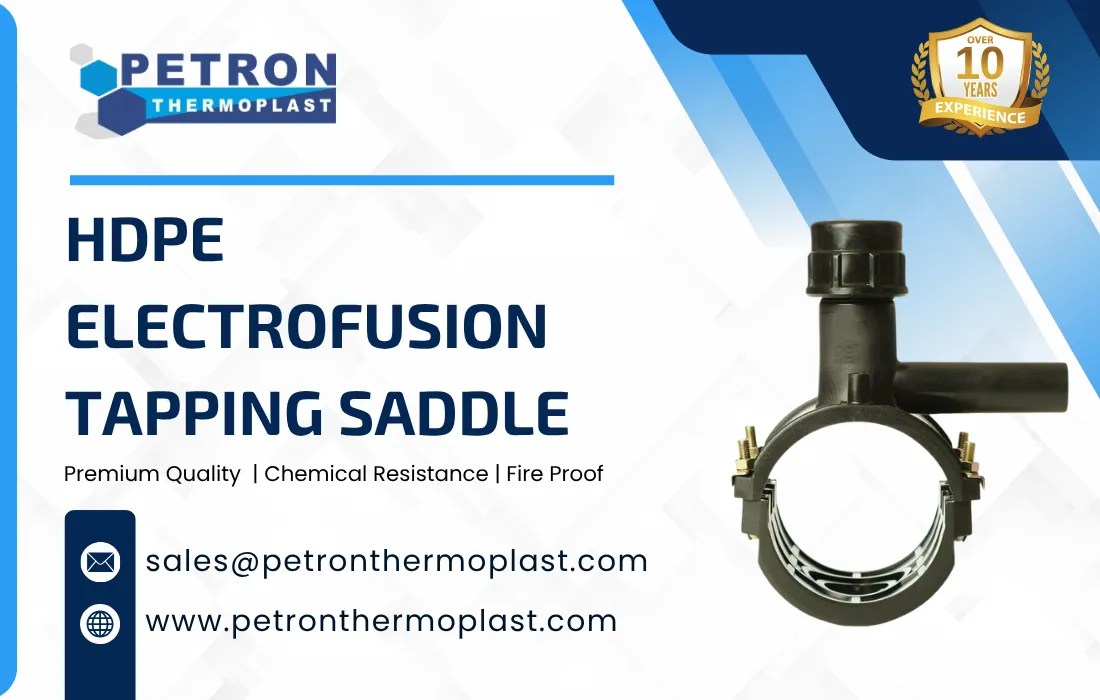
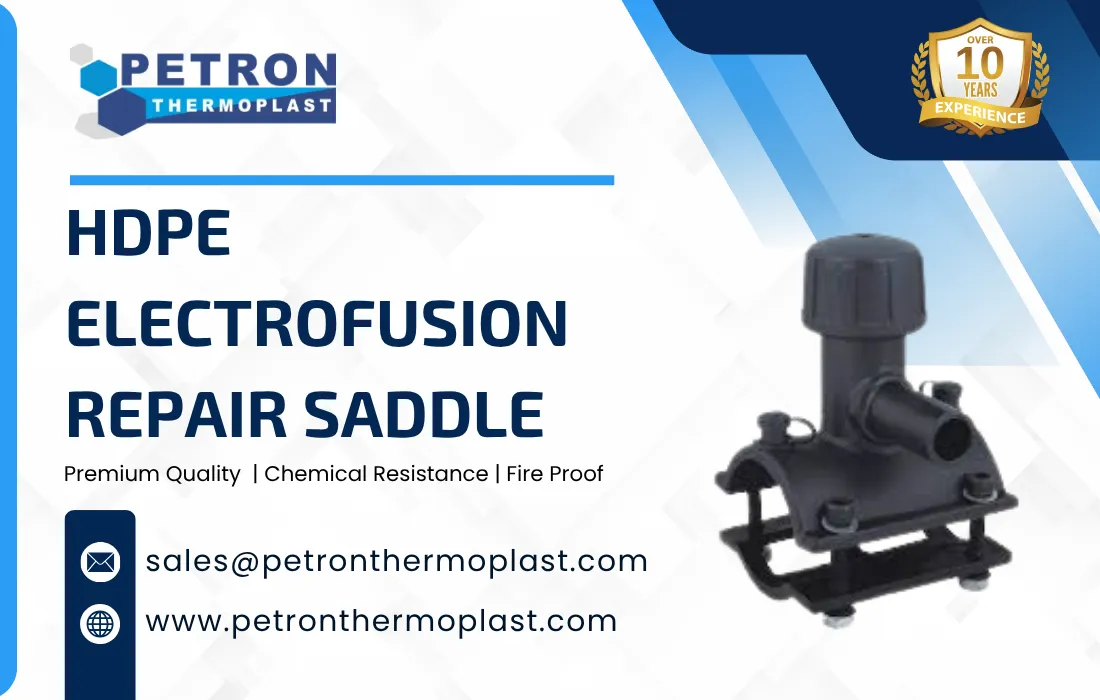
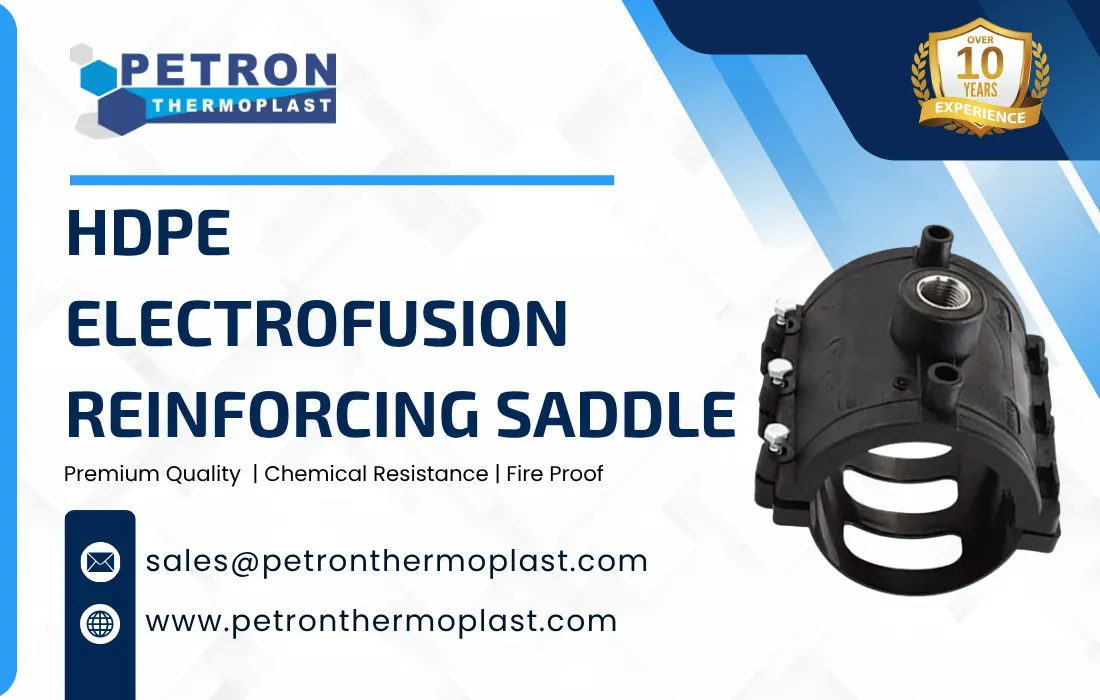
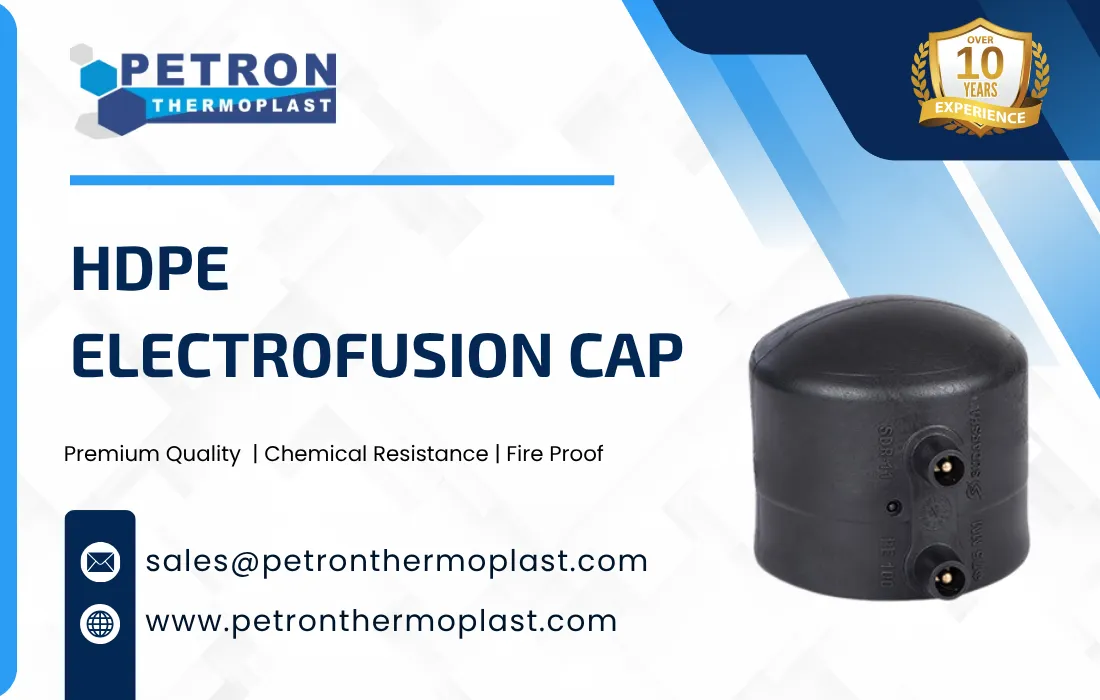
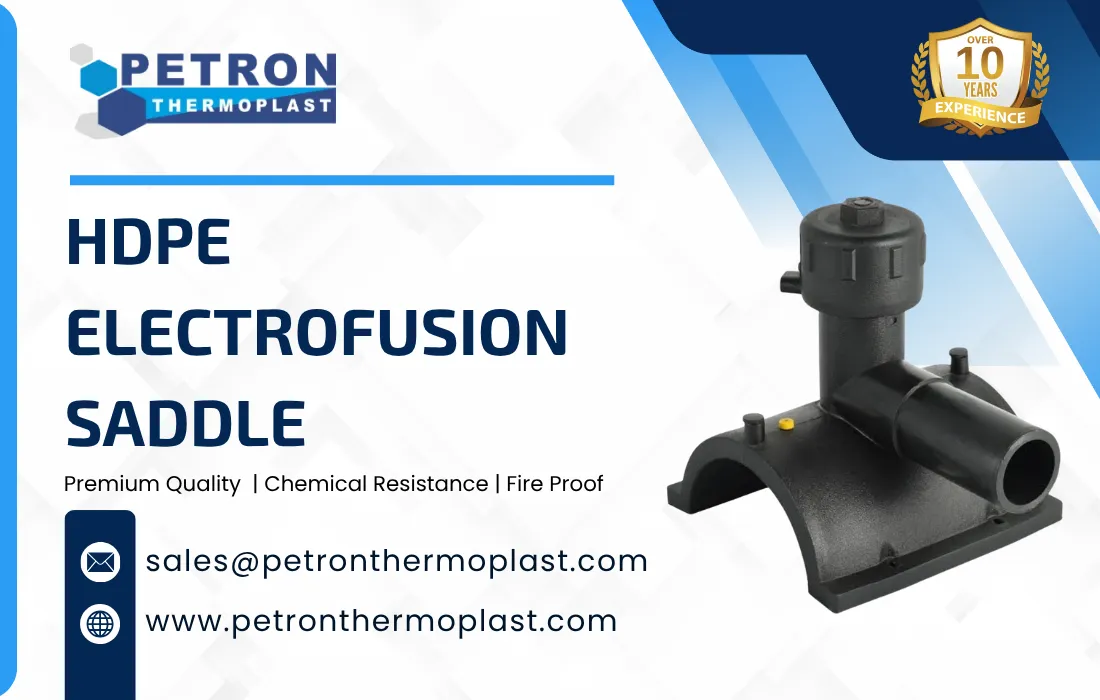
Electrofusion fittings are specialized HDPE components designed with embedded electric heating elements that, when energized, melt and fuse the fitting to the pipe surface. This technique provides a secure, leak-proof, and durable joint, making it ideal for high-pressure and critical pipeline applications. Electrofusion is especially preferred when working in confined spaces, where using large butt fusion equipment is impractical.
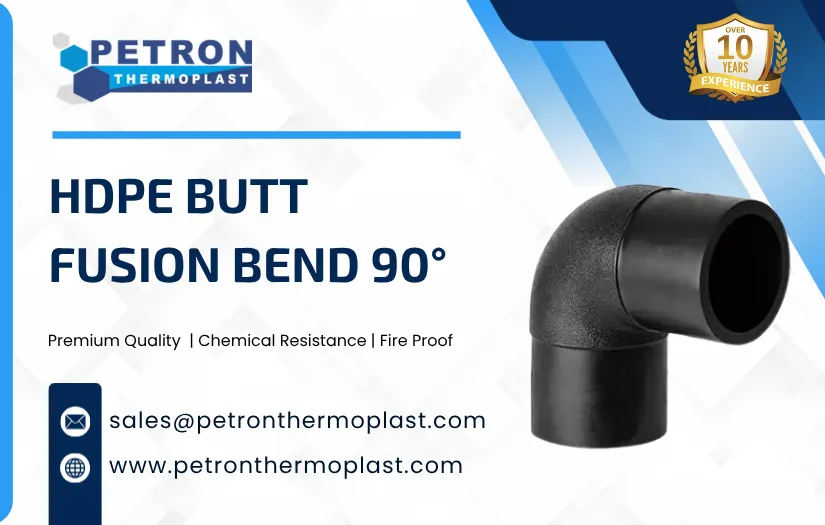
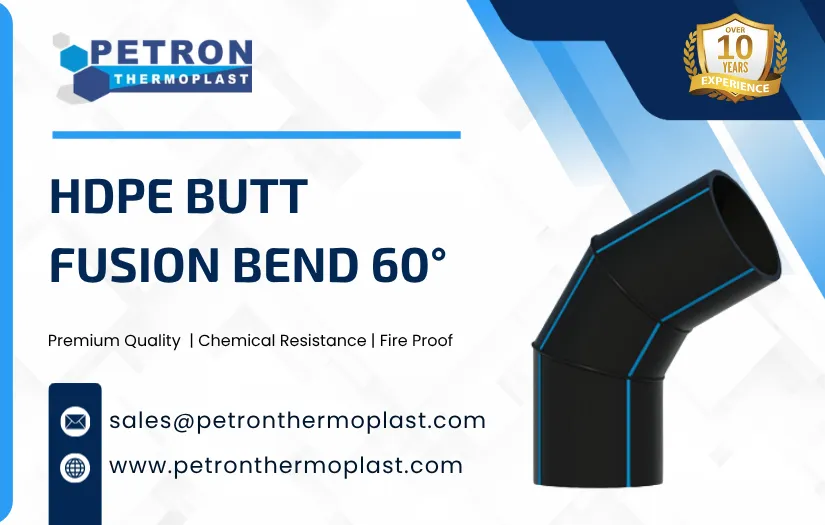
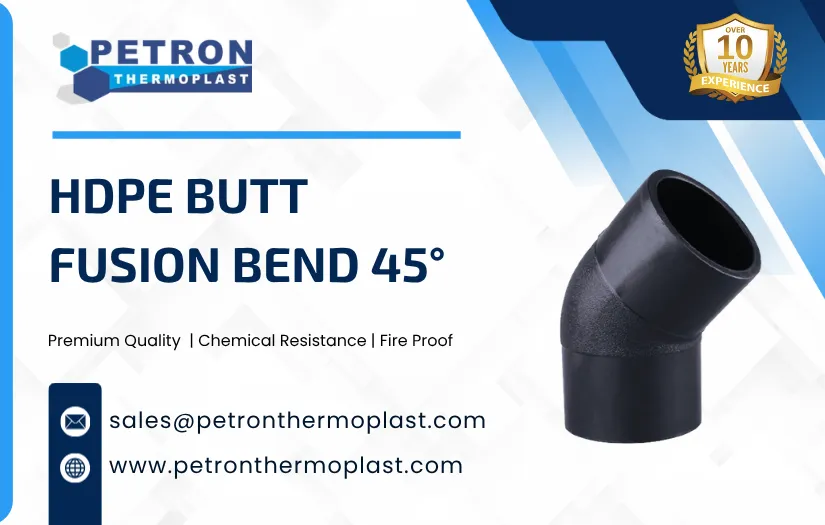
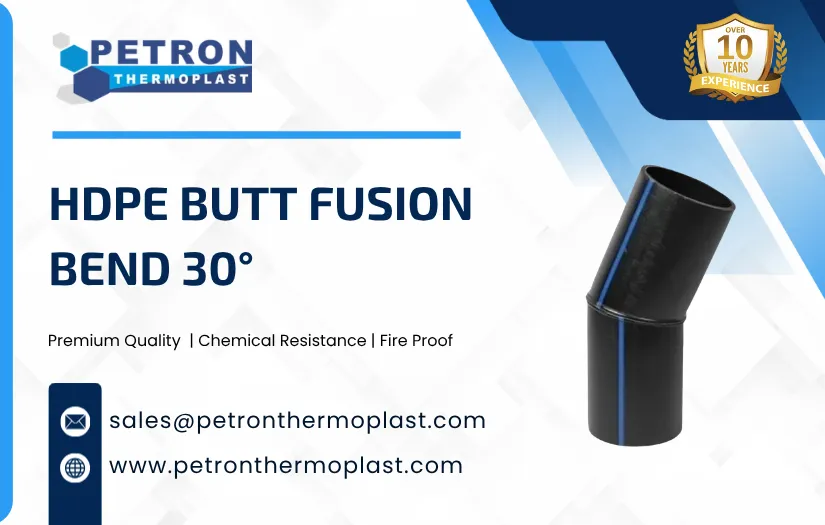
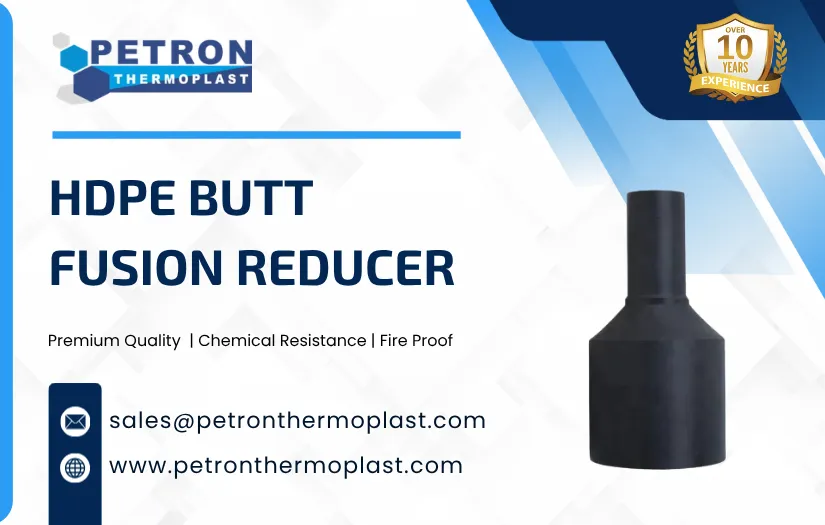
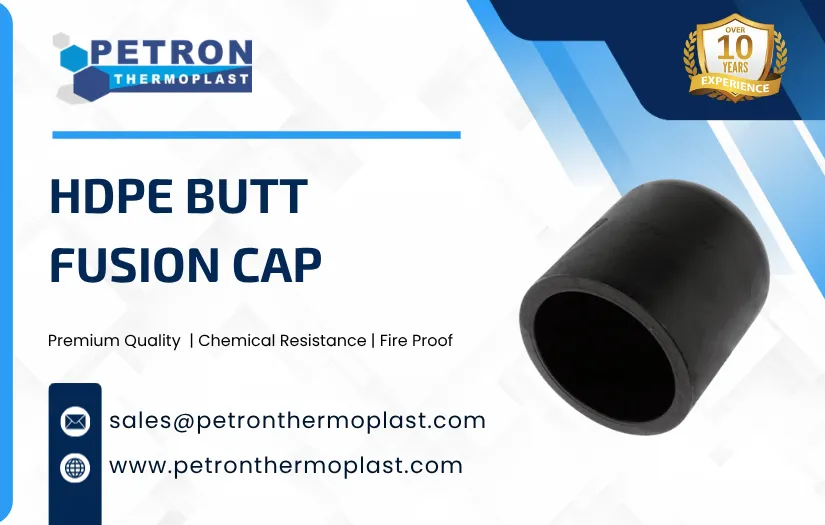
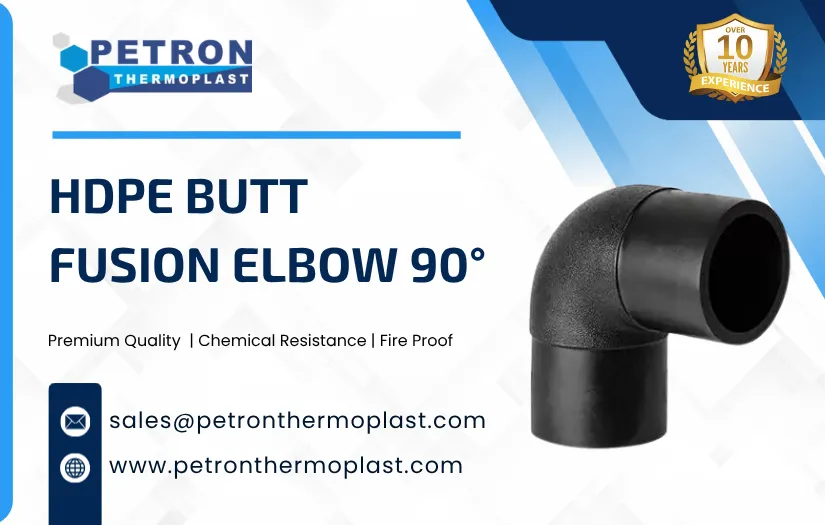
HDPE Butt Fusion Fittings
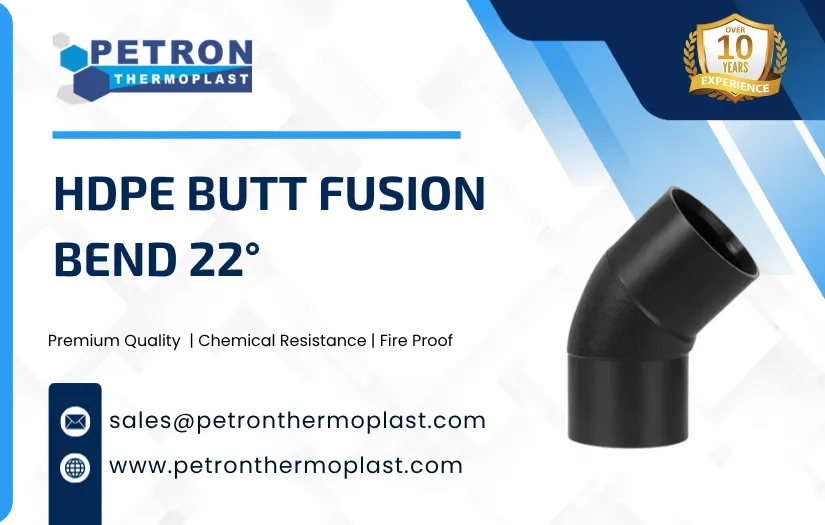
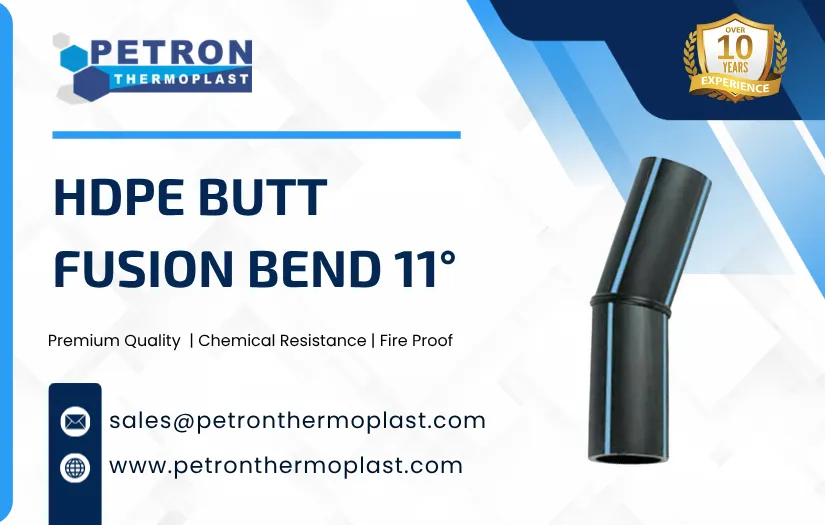
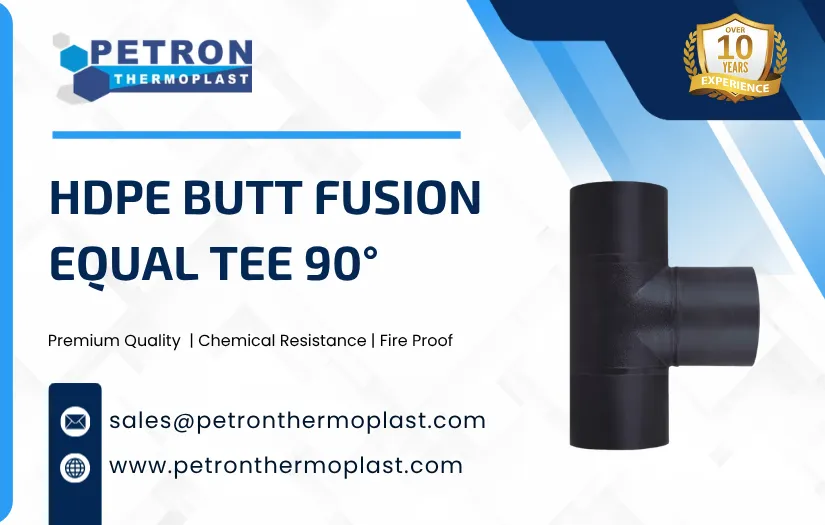
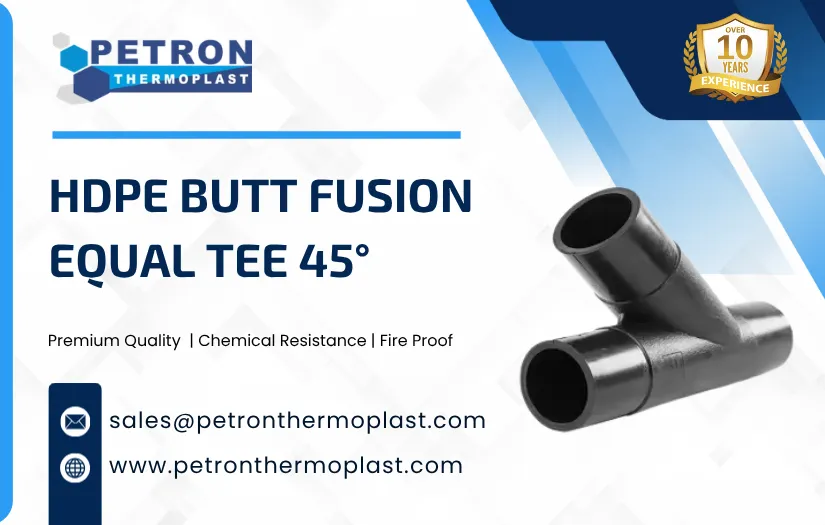
Butt fusion fittings are one of the most reliable and widely used types of HDPE pipe fittings. These fittings are joined using a butt fusion welding process, which involves heating the ends of both the pipe and the fitting to a precise temperature (typically around 200–220°C), then pressing them together under controlled pressure until they fuse into a single continuous piece. This results in a permanent, seamless, and high-integrity joint.