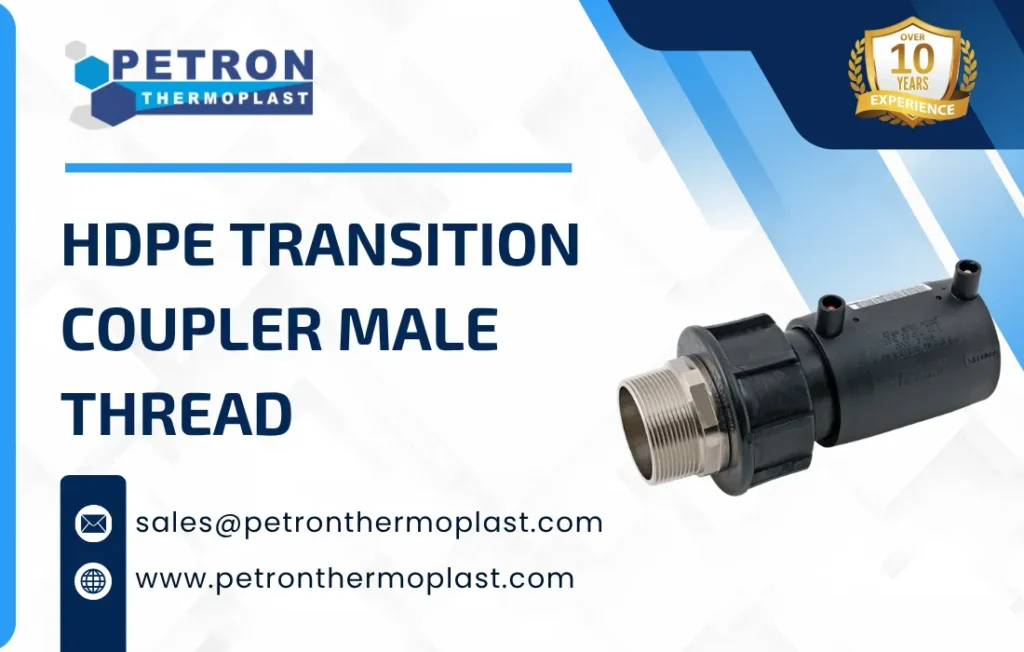
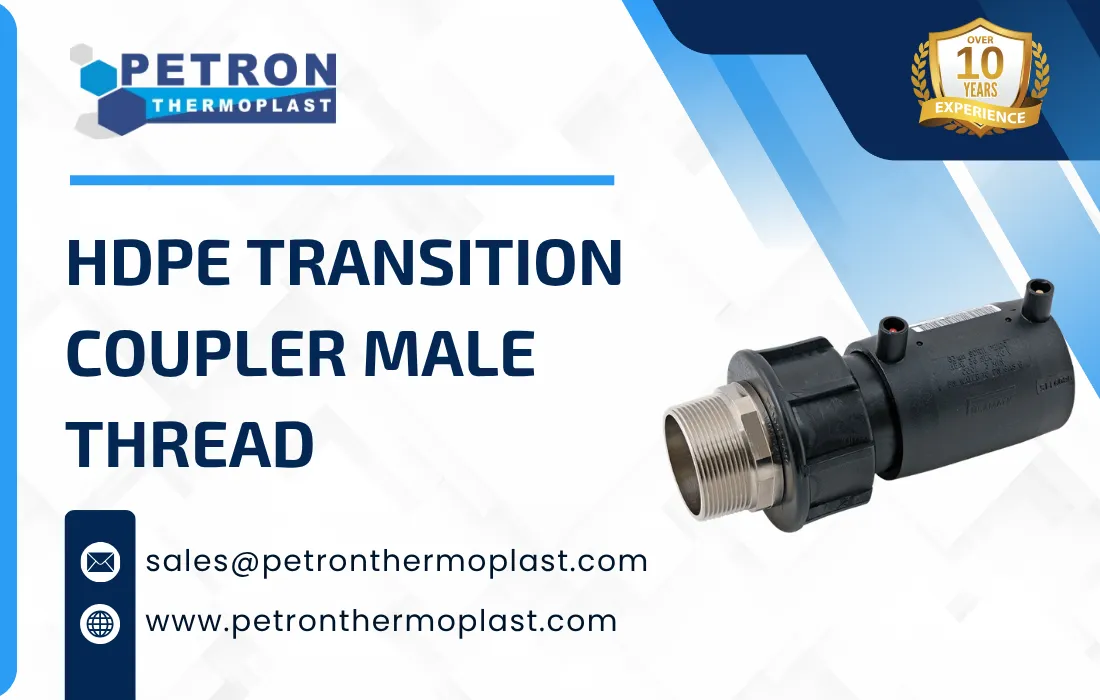
HDPE Transition Coupler Male Thread
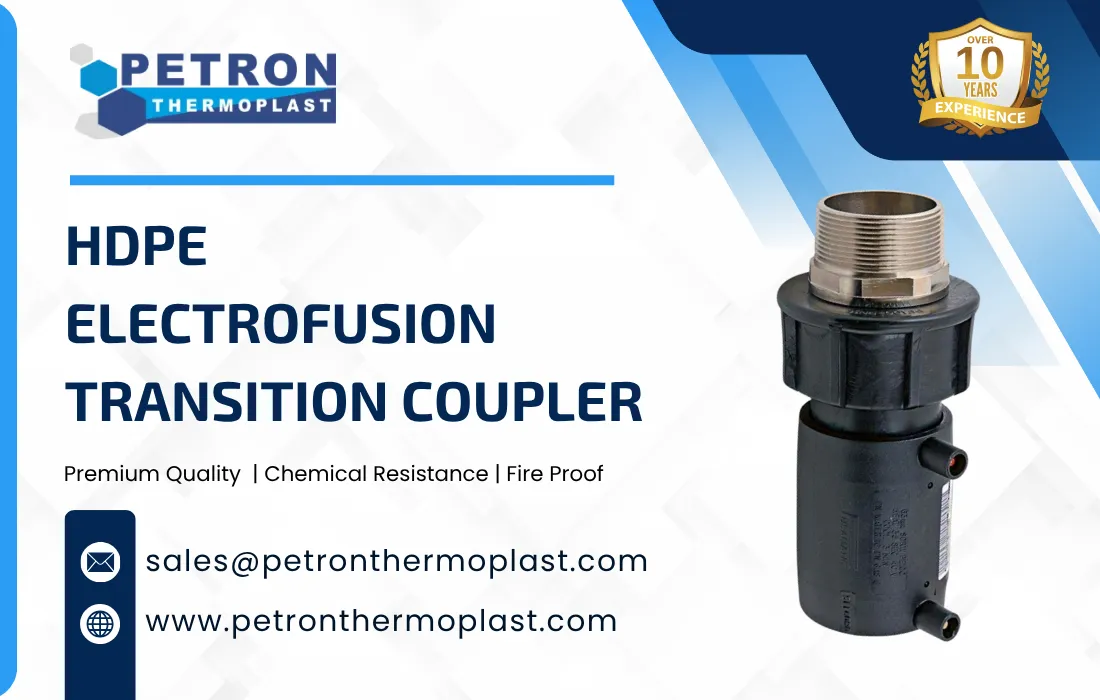
The HDPE Electrofusion Transition Coupler (Male Thread) is designed to securely join HDPE pipes to metallic components using a male threaded connection. One end is constructed from high-quality PE100 for electrofusion welding, and the other features a robust metal male thread providing a reliable and durable transition between plastic and metal piping systems. This fitting is widely used in water supply, gas, and industrial fluid systems.
An HDPE Transition Coupler (Male Thread) is a pipe fitting used to connect an HDPE pipe to another component that has a female threaded connection, combining an HDPE joining end with a male threaded outlet.It is a connector that allows an HDPE pipe to be joined with a female threaded pipe or fitting, ensuring compatibility between different piping systems.

- Chemical Resistance
- Low Maintenance Requirement
- Low Thermal Conductivity
- Long Service Life
- Easy Installation
- Corrosion Resistance
HDPE Transition Coupler Male Thread Details
*Technical Diagram
*Technical Data
| Parameter | Description |
| Material (HDPE Side) | High-Density Polyethylene (PE80 / PE100) |
| Threaded Insert Material | Brass, Stainless Steel, or Carbon Steel |
| Connection Type | Electrofusion / Compression (HDPE side) + Male Thread |
| Thread Standard | BSP (British Standard Pipe) or NPT (National Pipe Thread) |
| Pressure Rating | PN10, PN12.5, PN16 (depending on SDR and design) |
| Temperature Range | -10°C to 45°C (installation), up to 60°C (operation) |
| Standards Compliance | ISO 4427, ISO 4437, EN 12201, ASTM standards |
| Fusion Voltage (EF Type) | Typically 39V |
| Fusion Time | 30–300 seconds (based on size) |
| Cooling Time | 5–20 minutes |
| Sealing Method | Thread sealing using PTFE tape or sealant |
| Structure | Cylindrical body with one HDPE socket and one male threaded end |
| Size Range | Typically 20 mm to 110 mm (larger sizes available) |
| Color | Black (HDPE body) with metallic threaded end |
| Weight | Lightweight compared to full metal fittings |
| Surface Finish | Smooth internal bore for efficient flow |
| Corrosion Resistance | Excellent (HDPE is non-corrosive) |
| Mechanical Strength | High tensile and impact resistance |
| Leak Tightness | Leak-proof with proper fusion and sealing |
| Design Features | Anti-rotation insert, compact and robust construction |
- Reliable connection between HDPE pipe and threaded metal fittings
- PE100 body for high strength and longevity
- Male threaded metal end for easy mechanical joining
- Corrosion-resistant insert (Brass/Stainless Steel)
- Suitable for underground and above-ground installations
- Ideal for water, gas, and industrial piping systems
| HDPE Material | SDR Value | Typical Pressure Rating |
| PE100 | SDR 11 | PN16 (16 bar) |
| PE100 | SDR 17 | PN10 (10 bar) |
| PE80 | SDR 11 | PN12.5 (12.5 bar) |
| PE80 | SDR 17 | PN8 (8 bar) |

Custom Product Manufacturing Available
If you are searching for customized product designs that meet your requirements, don’t worry. Petron Thermoplast also offers custom product manufacturing services to meet the unique needs of various industries. Work with our expert engineers to create custom designs suited for your application.
Benefits of Using HDPE Transition Coupler Male Thread
Durability
The coupler is made from high-quality PE100, ensuring a long service life and resistance to wear and tear.
Leak-Proof Joints
The electrofusion welding process creates a secure, leak-proof joint, preventing any potential leaks.
Versatility
Suitable for water supply, gas, and industrial fluid systems, making it a versatile solution for different industries.
Chemical Resistance
The material is resistant to rust, soil chemicals, and a wide range of industrial fluids, ensuring long-term use.
Lightweight
HDPE is lightweight, making it easier to transport and install, reducing labor costs.
Flexibility
The ability to allow heat-fusion welding means the joints will be highly leak-resistant, increasing the efficiency of the entire network.
Types of HDPE Transition Coupler Male Thread
1. Standard Male Thread Transition Coupler
- Features a plain HDPE socket on one side and a male threaded metal insert on the other
- Used for general water supply systems
- Compatible with GI, brass, or other threaded fittings
2. Heavy-Duty Male Thread Coupler
- Designed with reinforced metal inserts (usually brass or stainless steel)
- Suitable for high-pressure and industrial applications
- Provides enhanced strength and durability
3. Electrofusion Male Thread Coupler
- Comes with built-in heating coils for electrofusion welding
- Ensures leak-proof and permanent joints
- Ideal for gas pipelines and critical water supply systems
4. Compression Male Thread Coupler
- Uses a compression fitting mechanism for quick installation
- No welding required
- Suitable for low to medium pressure systems and temporary connections
5. Long Spigot Male Thread Coupler
- Has an extended HDPE spigot end for butt fusion or socket fusion
- Provides stronger joint strength
- Used in large diameter piping systems
6. BSP Thread Male Coupler
- Designed with British Standard Pipe (BSP) Thread
- Commonly used in Europe, Asia, and many industrial systems
- Ensures compatibility with standard BSP threaded fittings
7. NPT Thread Male Coupler
- Designed with National Pipe Thread (NPT)
- Widely used in the USA and international oil & gas applications
- Tapered threads provide tight sealing
8. Flanged Male Thread Transition Coupler
- Combines a flange connection with a male threaded outlet
- Allows easy connection to valves and equipment
- Suitable for industrial pipelines requiring frequent maintenance
Applications of HDPE Transition Coupler Male Thread
Process Industry
High Purity Applications
Electronic Industry
Electrical Industry
Semi-conductors Industry
Pharmaceutical Industry
Solar power panels
Sugar Industry
Paper & Pulp Industry
Nuclear Power Industry
Automotive Industry
DI water plants
Why Choose Petron Thermoplast?
At Petron Thermoplast, HDPE Transition Coupler Male Threads have become indispensable in chemical manufacturing, semiconductor fabrication, pharmaceutical production, and oil and gas treatment facilities, where purity, reliability, and longevity are critical.
Chemical Compatibility
Ensure HDPE is resistant to your specific media concentration and temperature.
Seal Material
Choose FKM or PTFE seats based on your solvent or acid profile.
Connection Style
Select Socket Fusion, Threaded, or Flanged to match existing.
Actuation Needs
Determine if manual levers or automated electric/pneumatic actuators are required for safety.
HDPE Electro Fusion Fittings
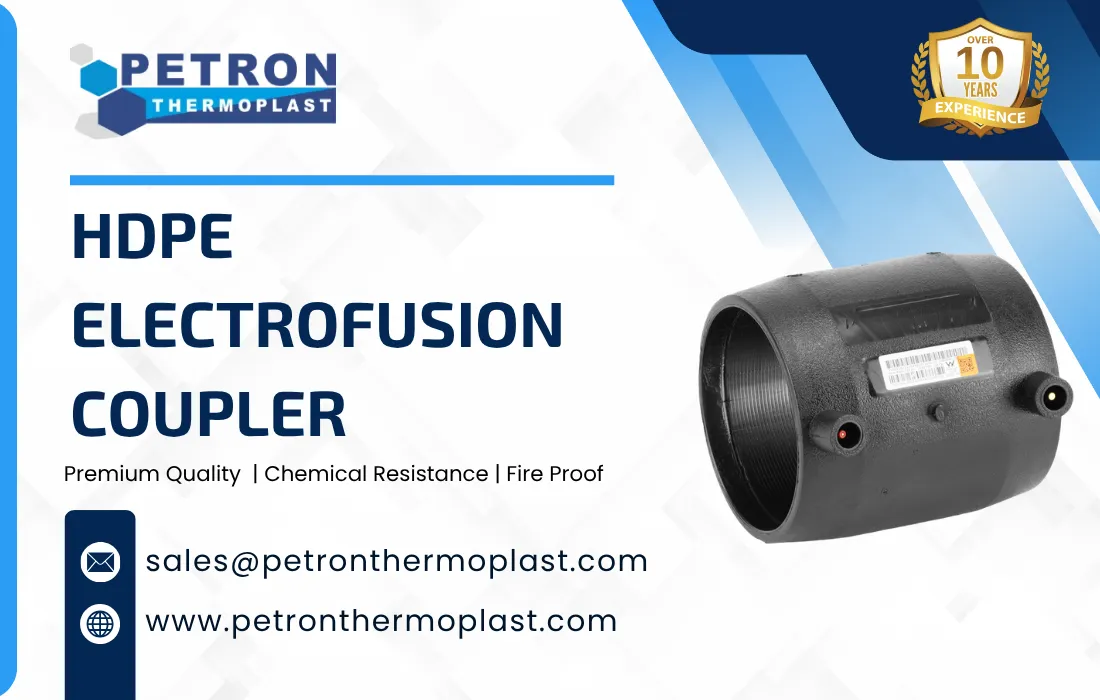
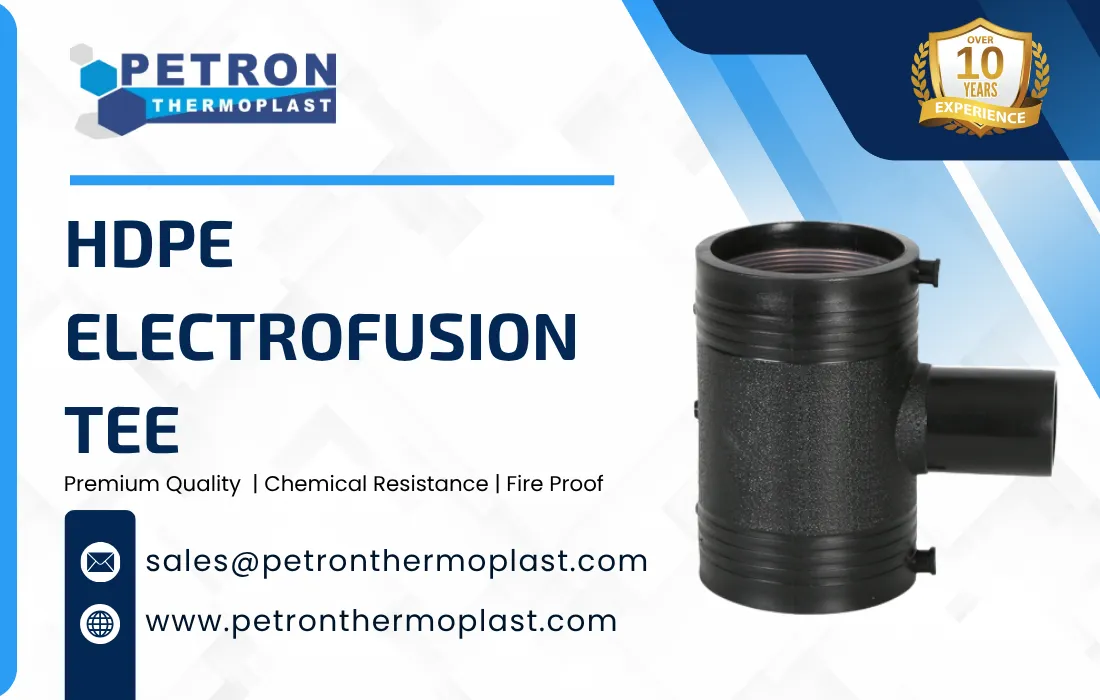
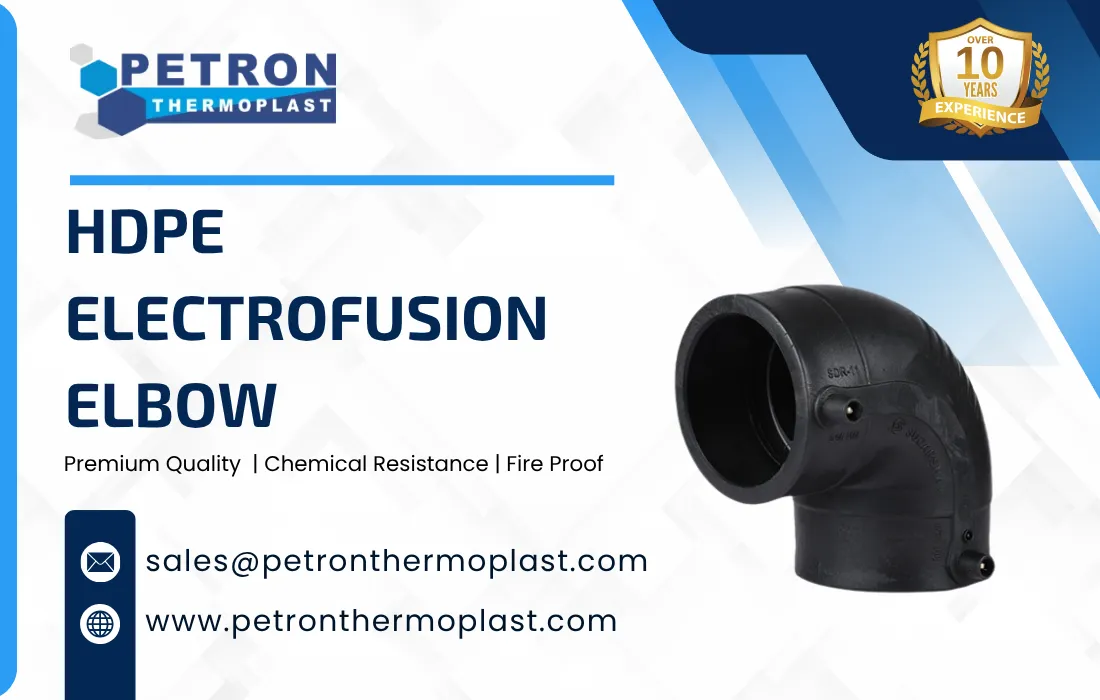
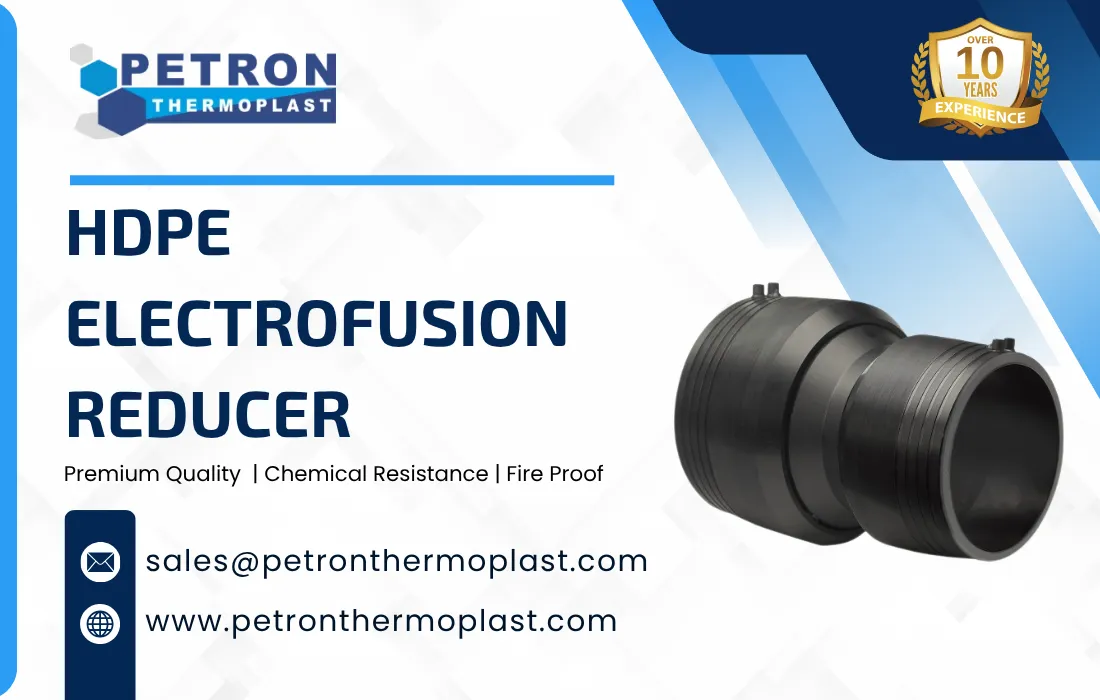
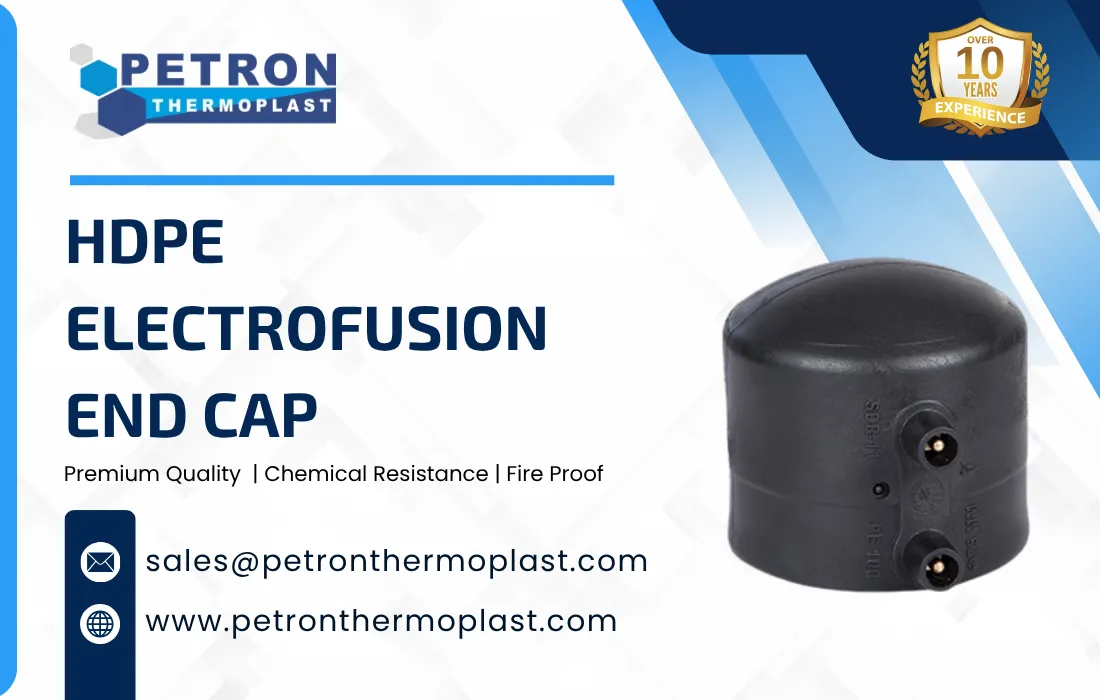
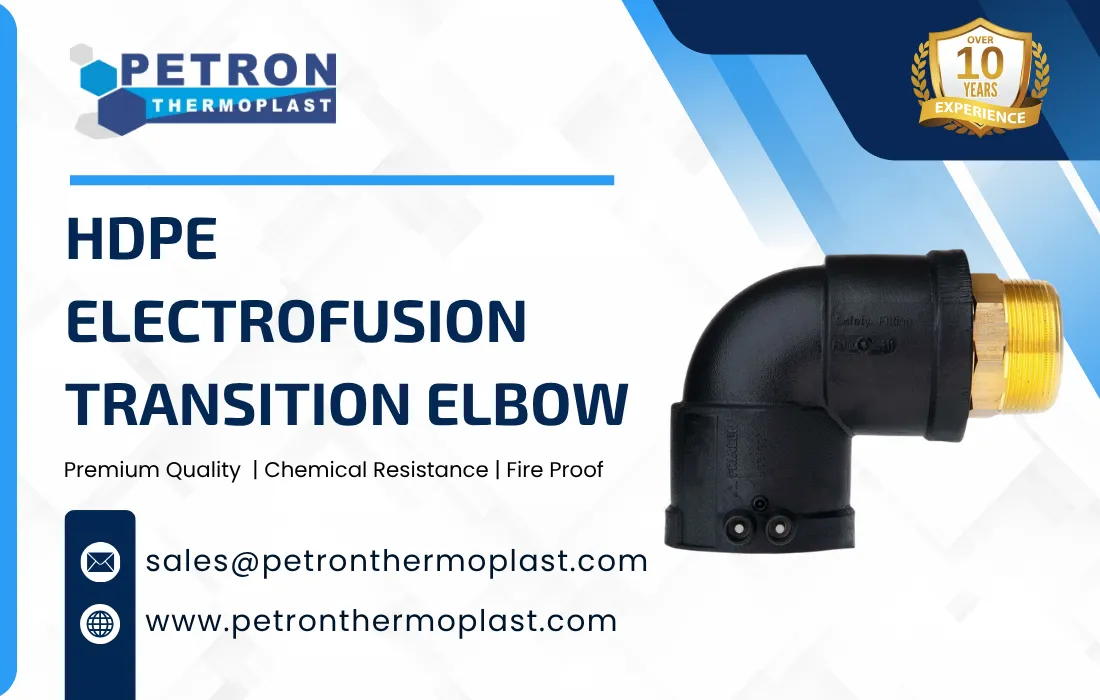
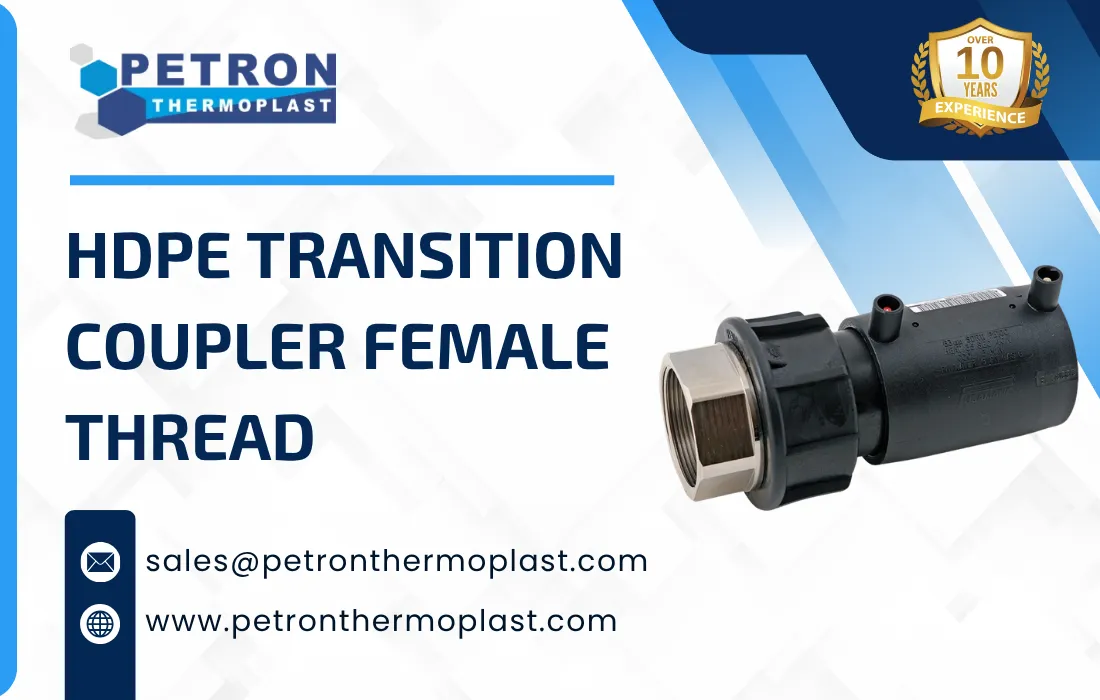
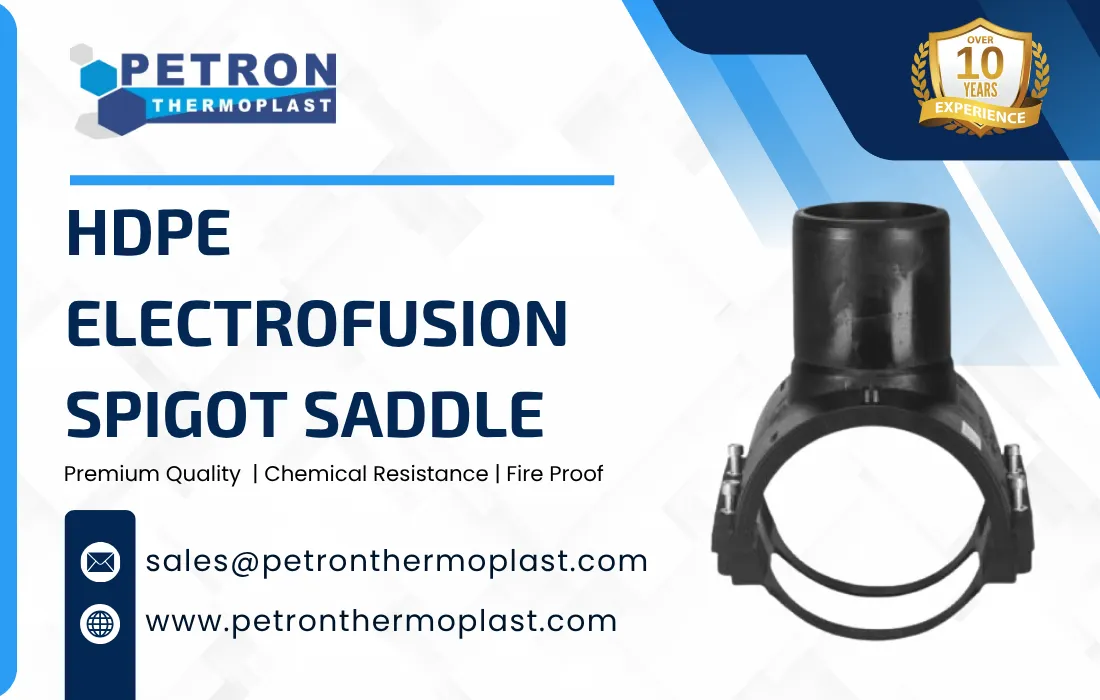
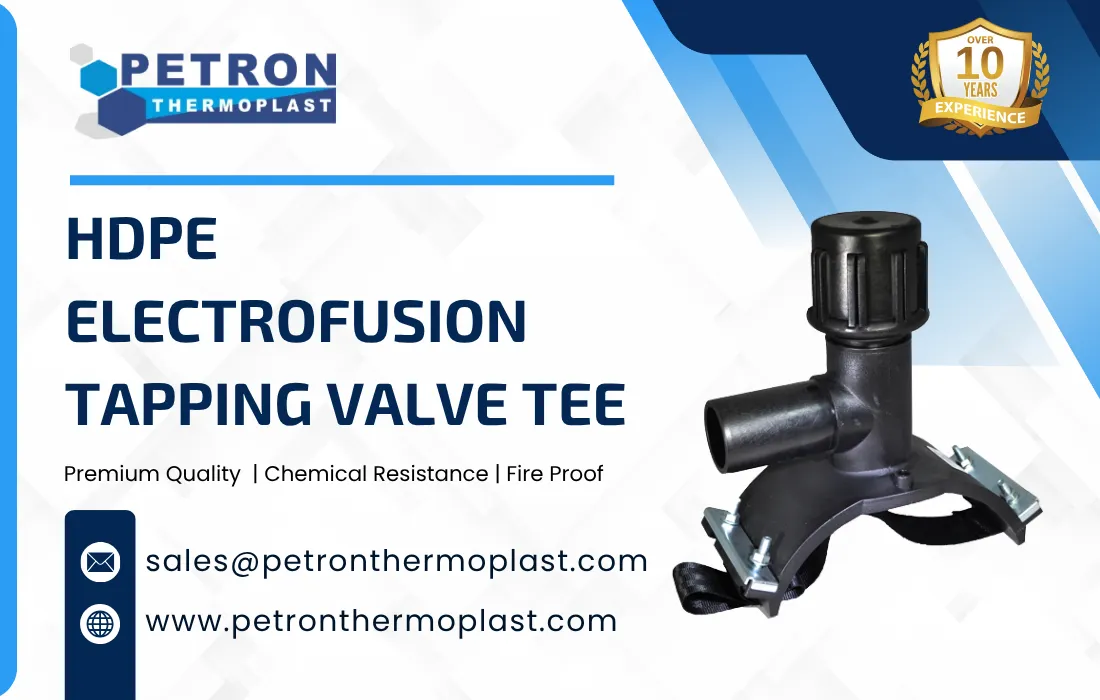
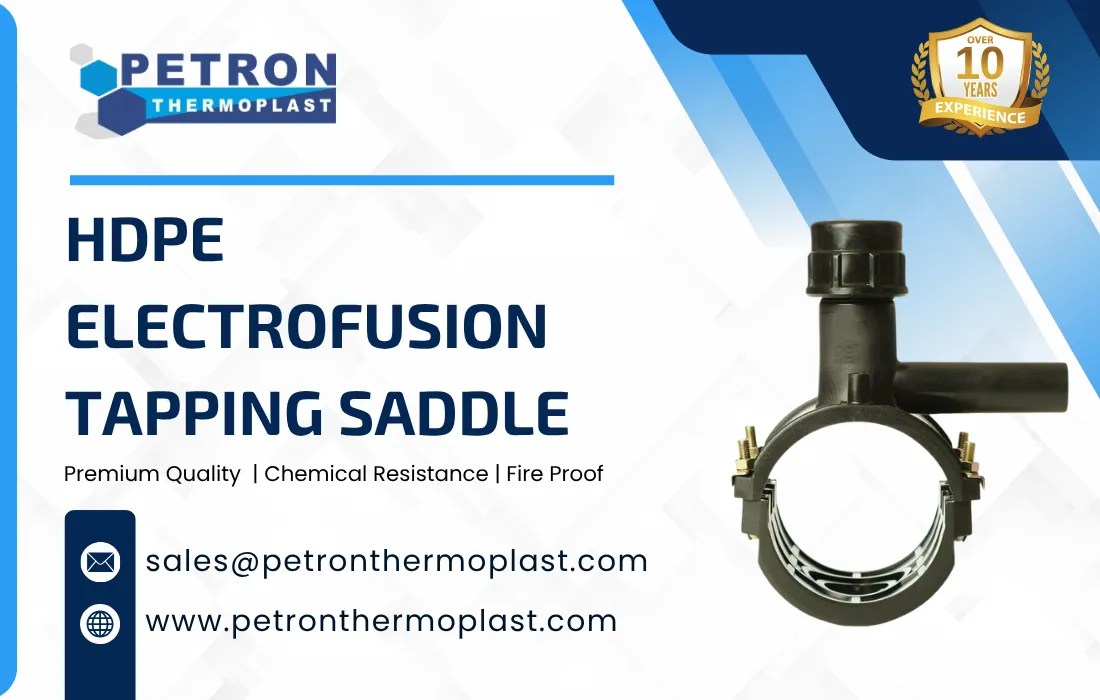
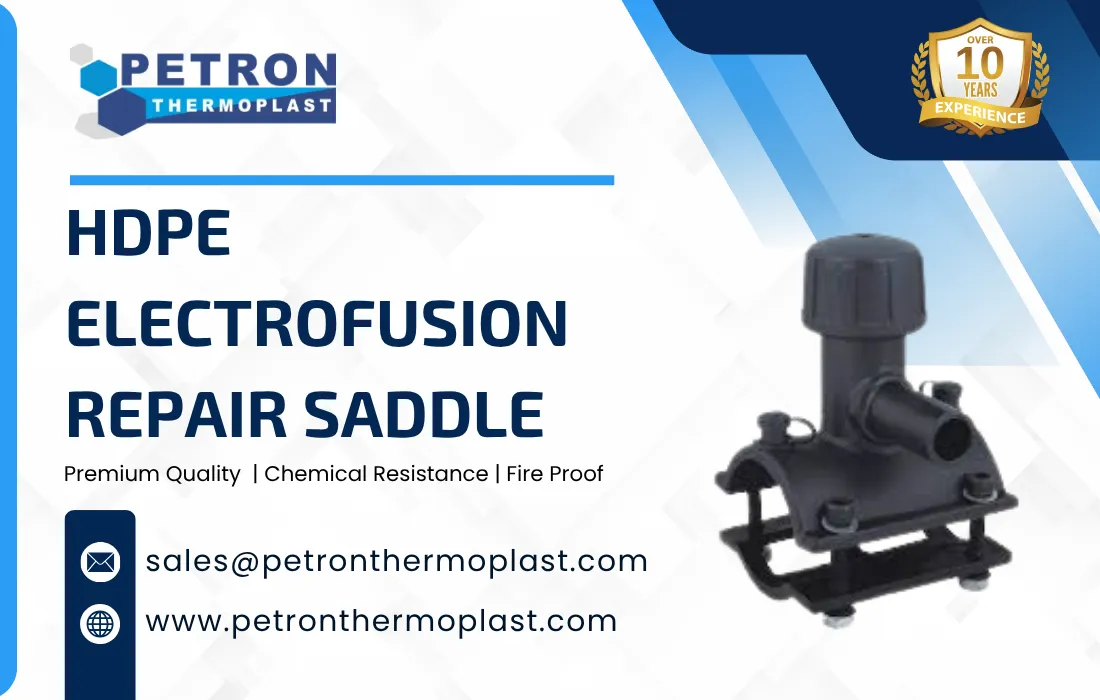
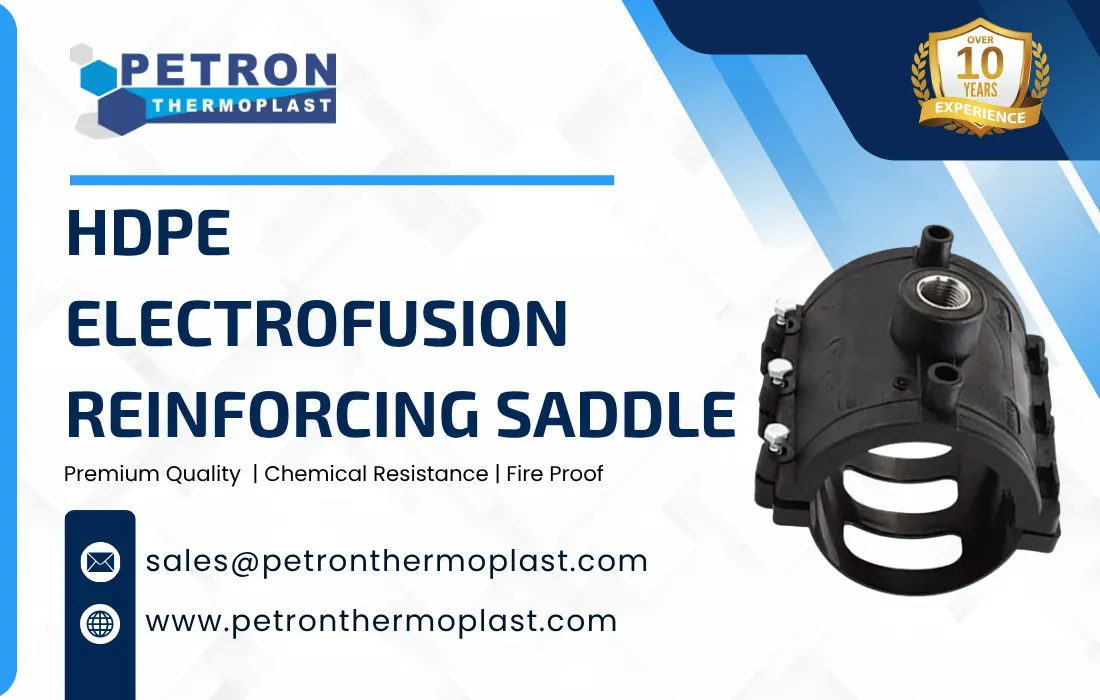
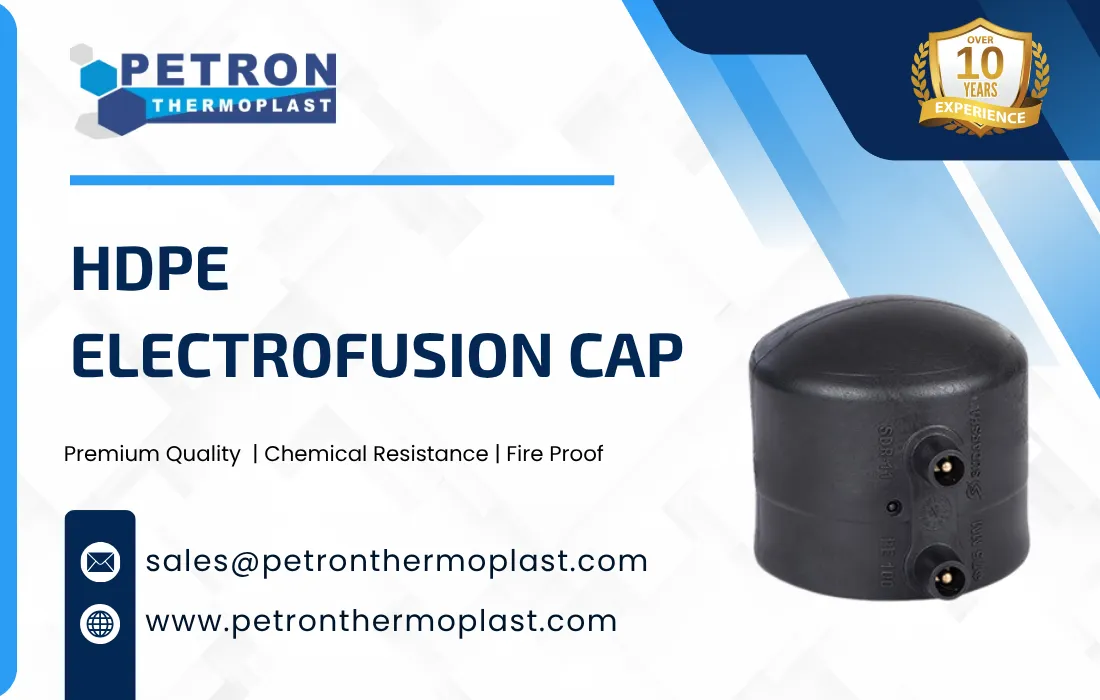
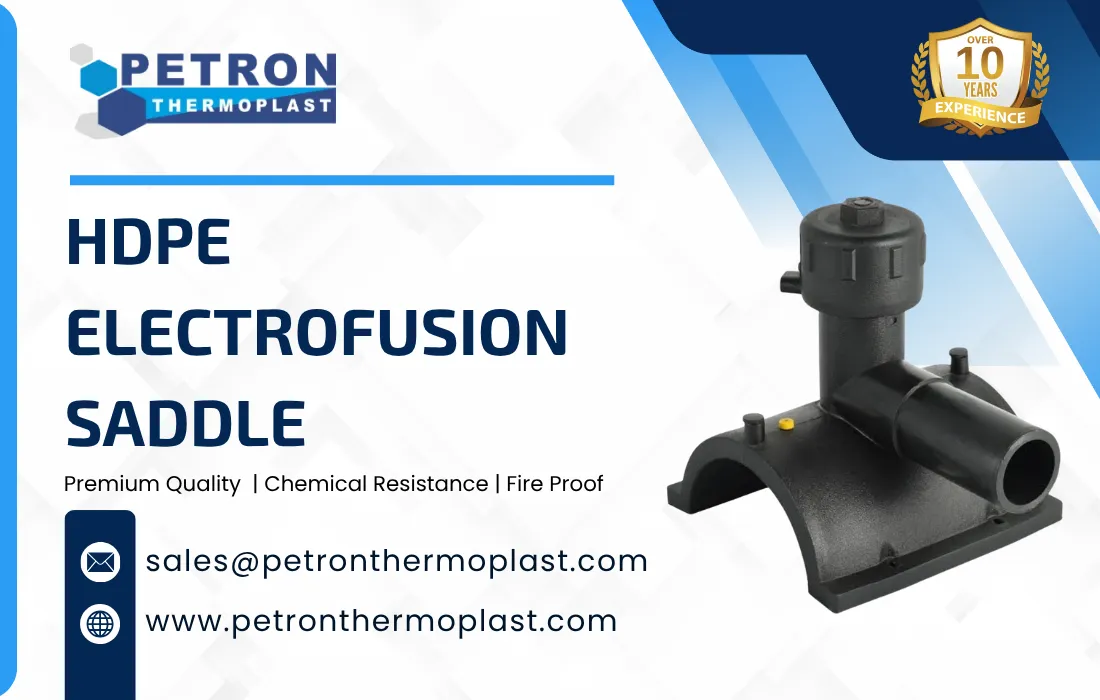
Electrofusion fittings are specialized HDPE components designed with embedded electric heating elements that, when energized, melt and fuse the fitting to the pipe surface. This technique provides a secure, leak-proof, and durable joint, making it ideal for high-pressure and critical pipeline applications. Electrofusion is especially preferred when working in confined spaces, where using large butt fusion equipment is impractical.
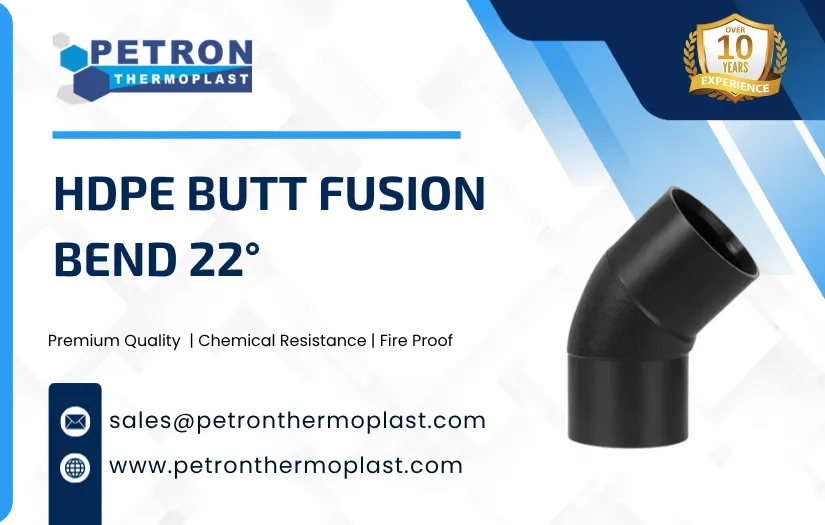
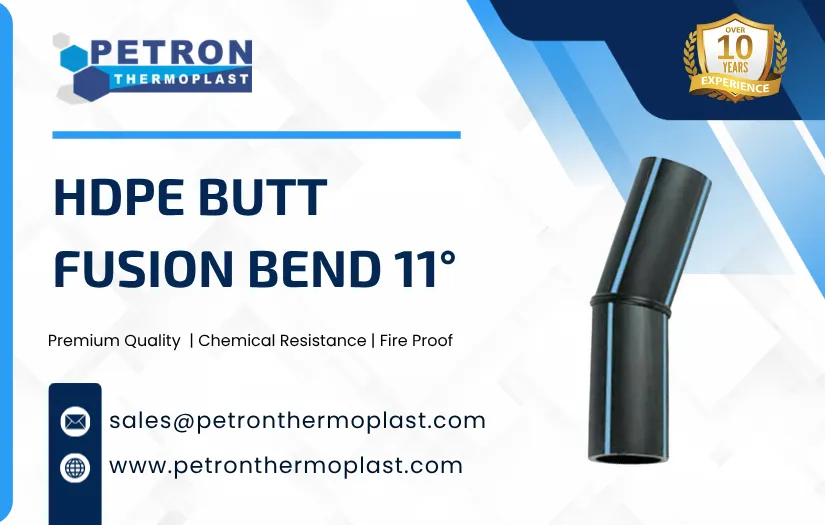
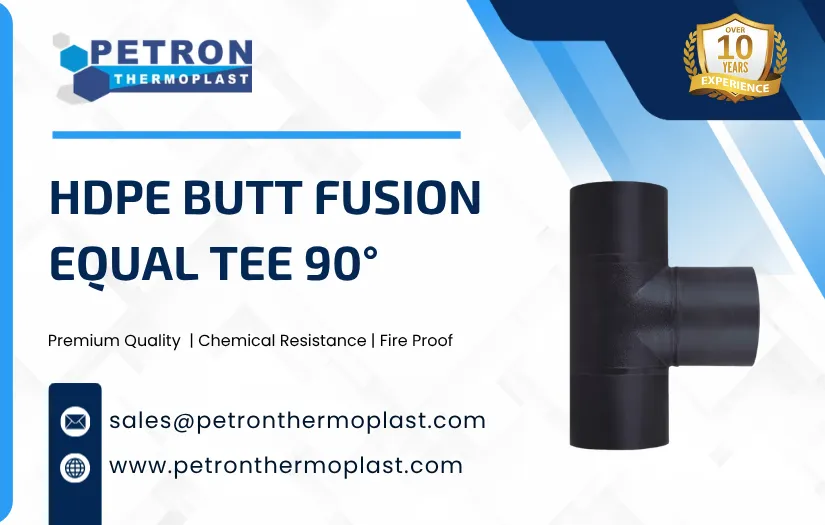
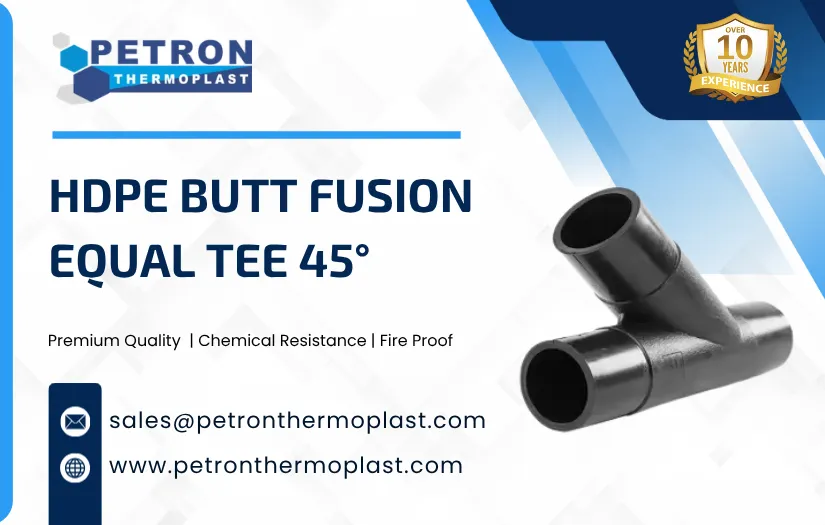
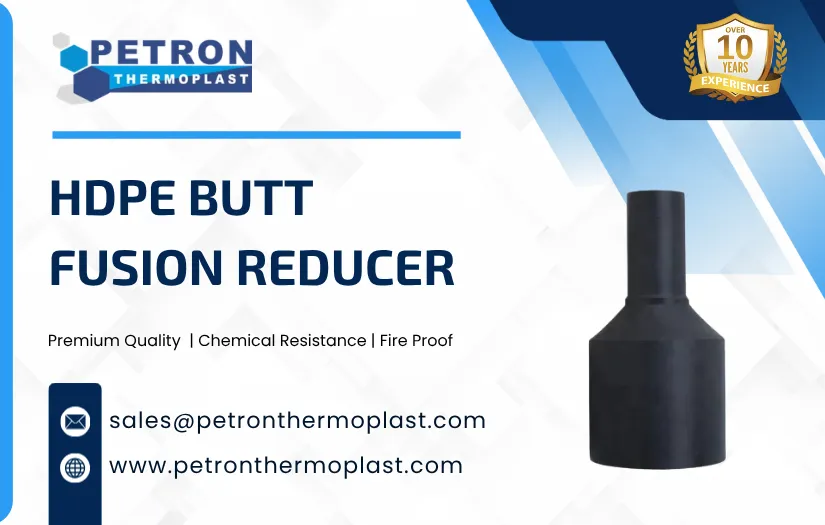
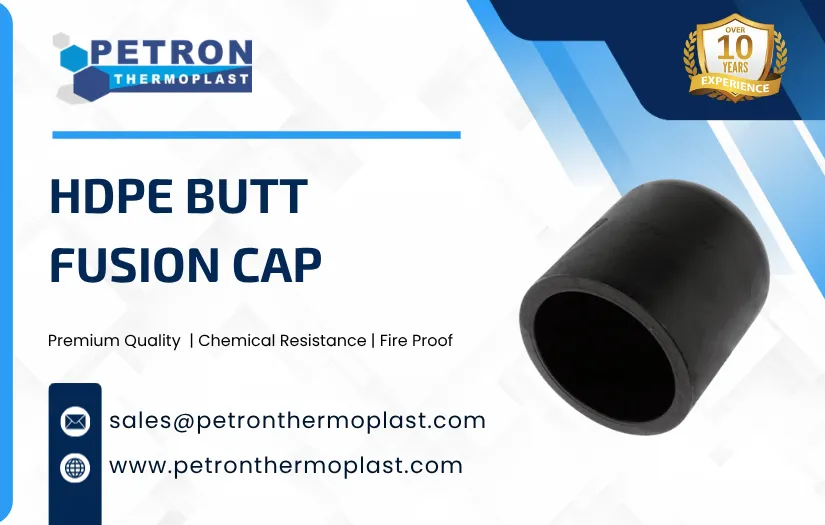
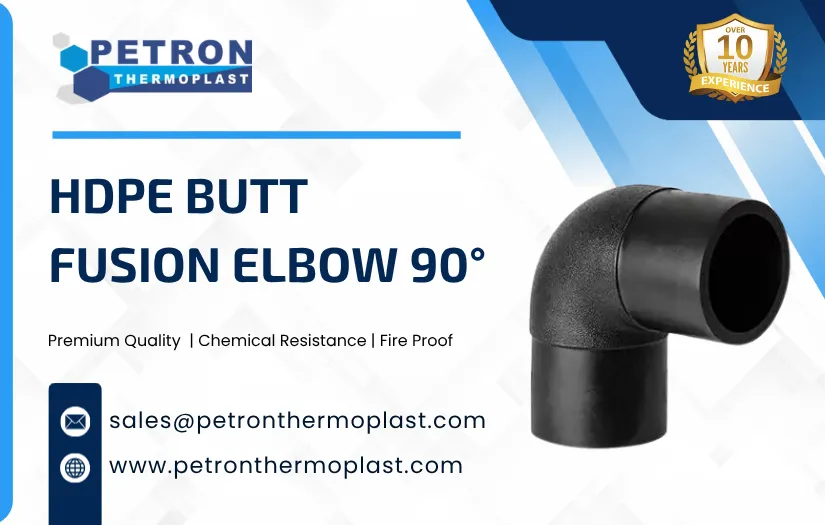
HDPE Butt Fusion Fittings
Butt fusion fittings are one of the most reliable and widely used types of HDPE pipe fittings. These fittings are joined using a butt fusion welding process, which involves heating the ends of both the pipe and the fitting to a precise temperature (typically around 200–220°C), then pressing them together under controlled pressure until they fuse into a single continuous piece. This results in a permanent, seamless, and high-integrity joint.