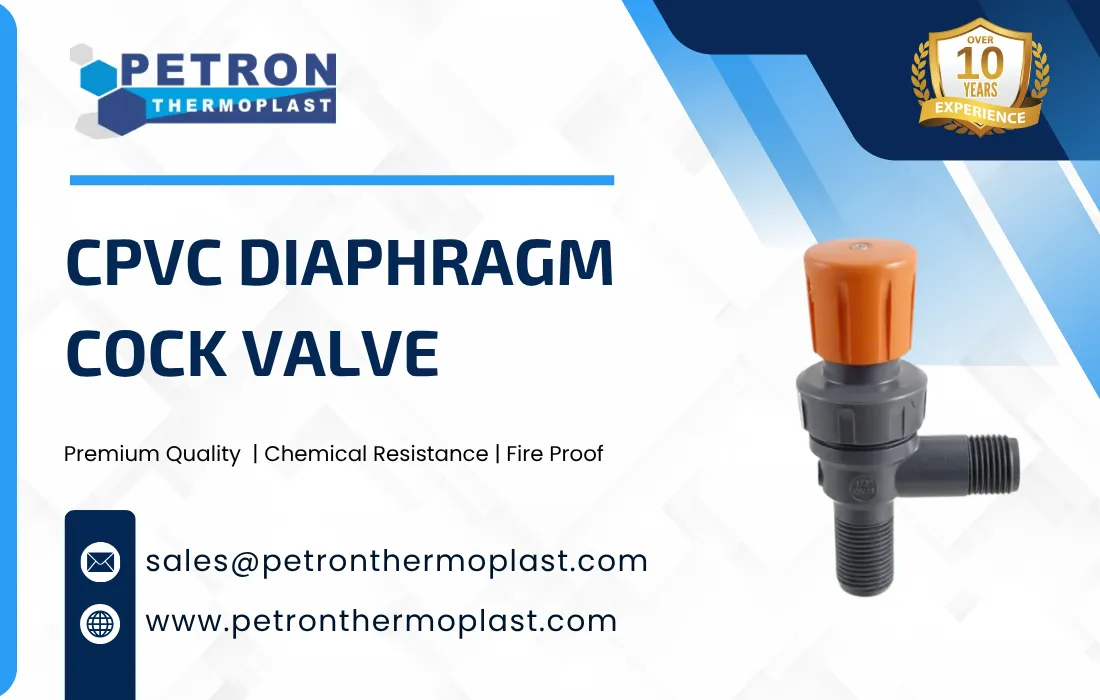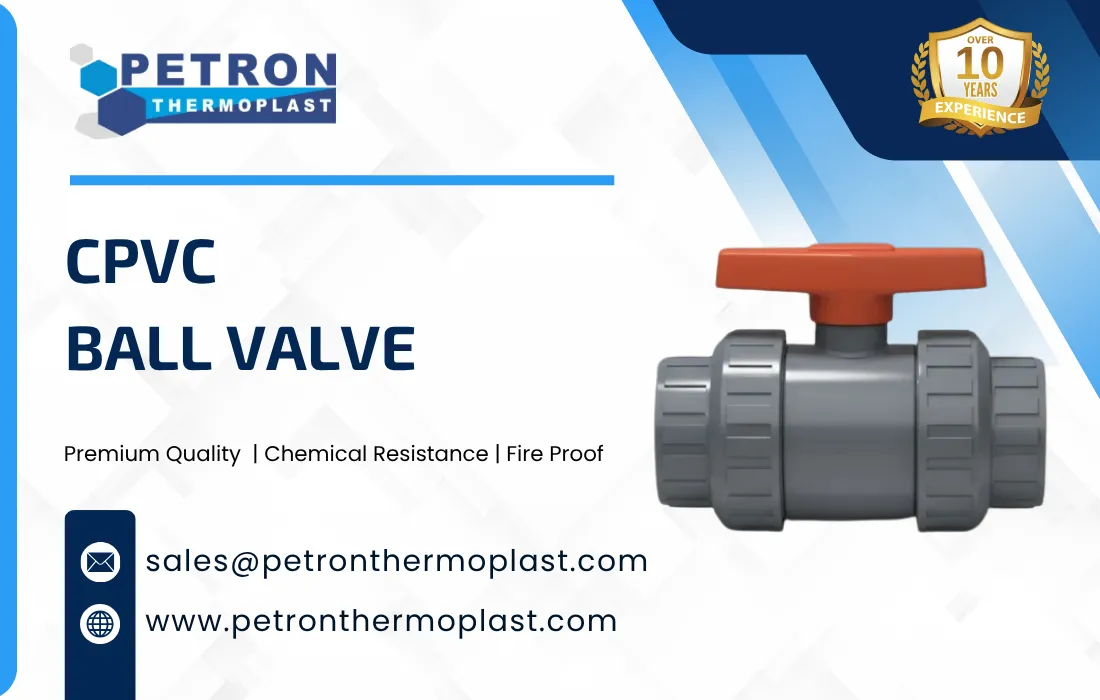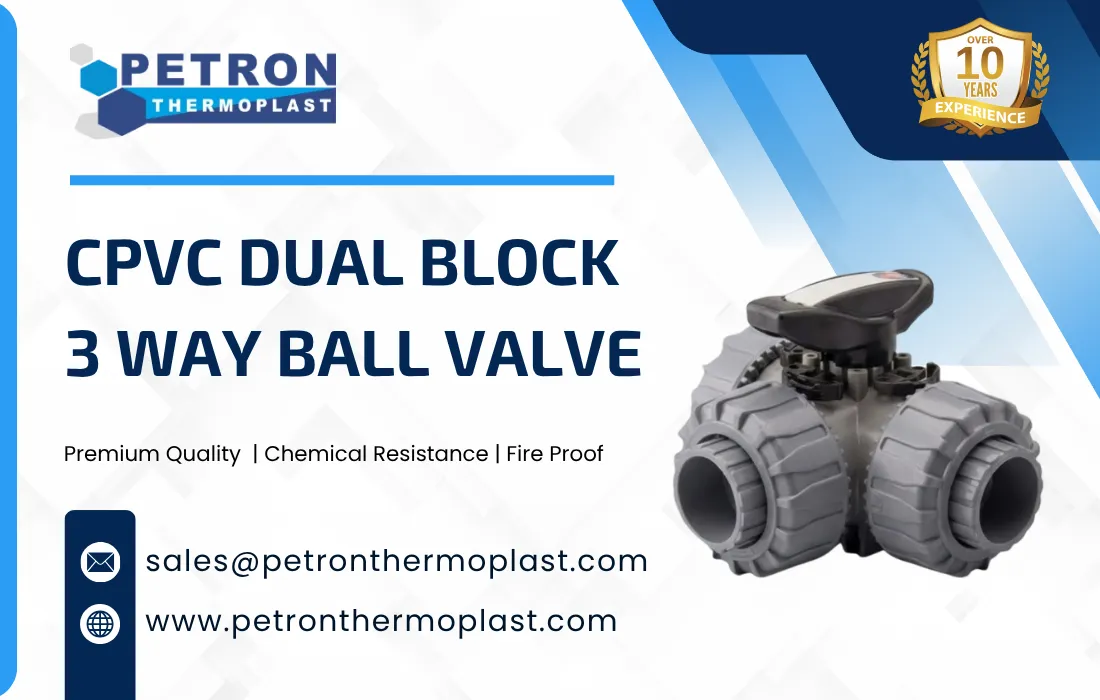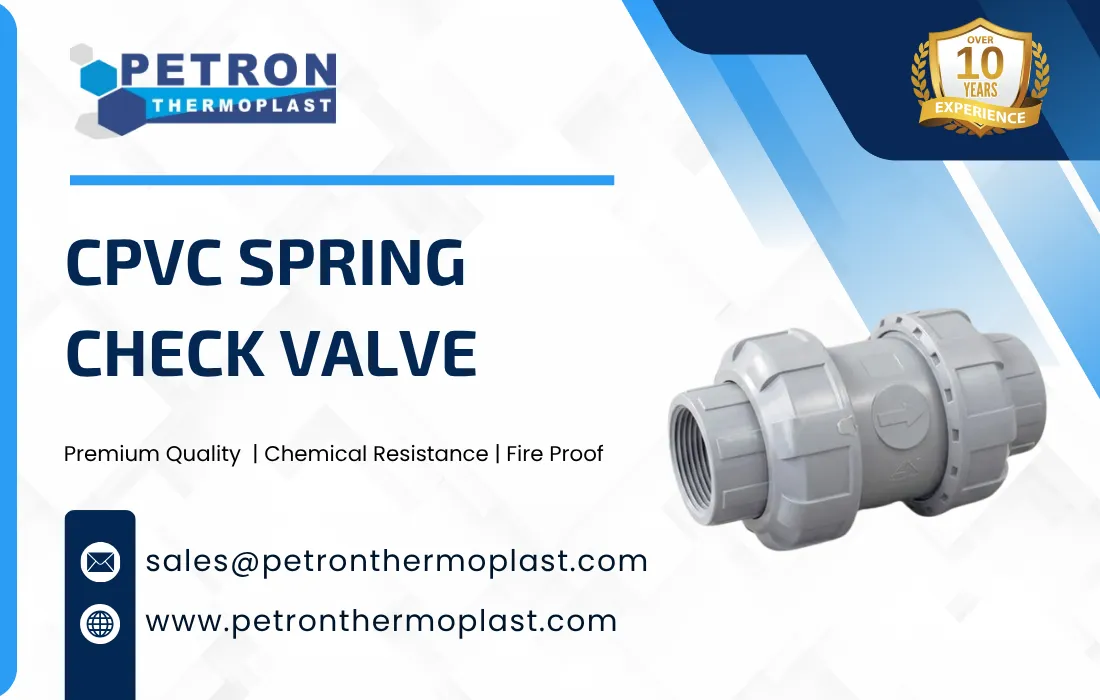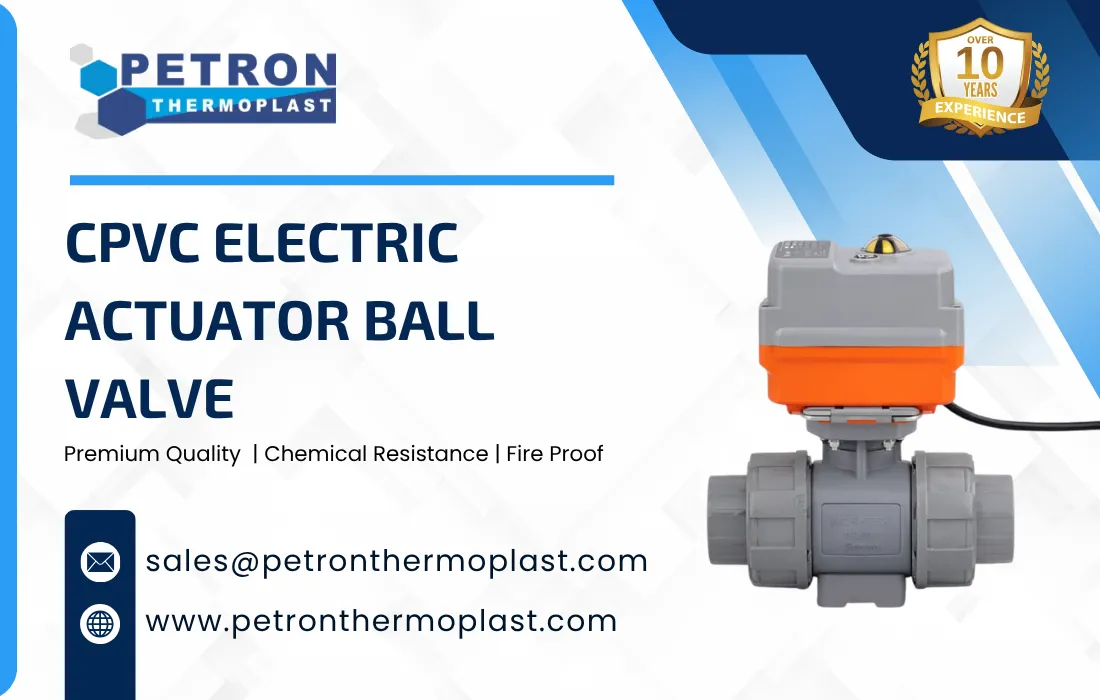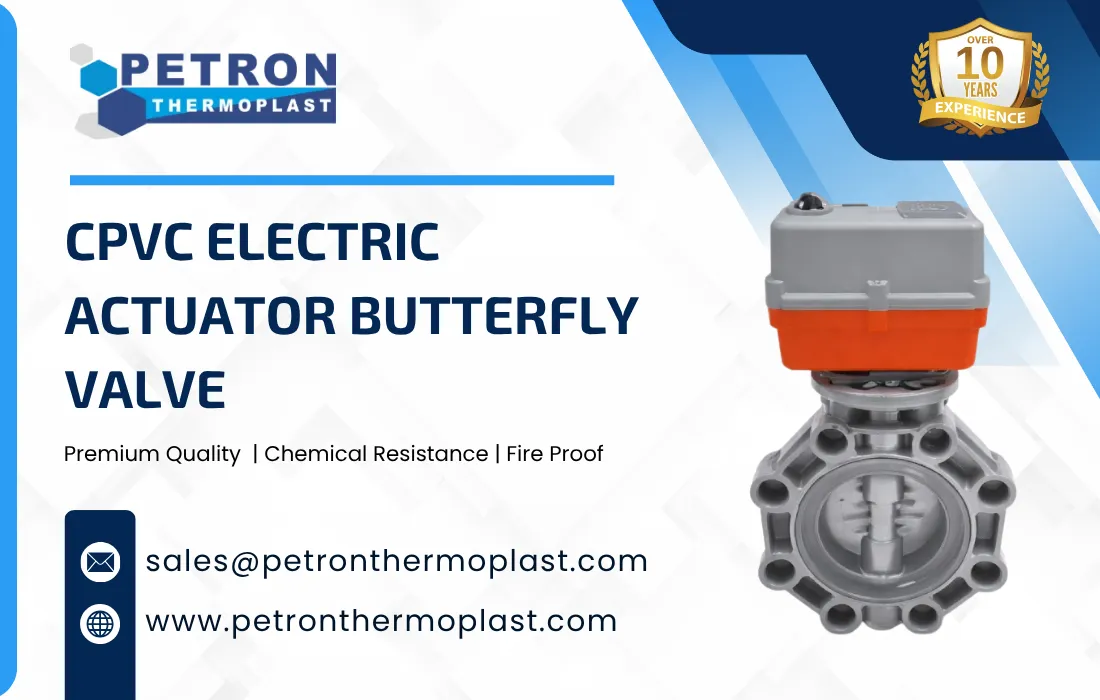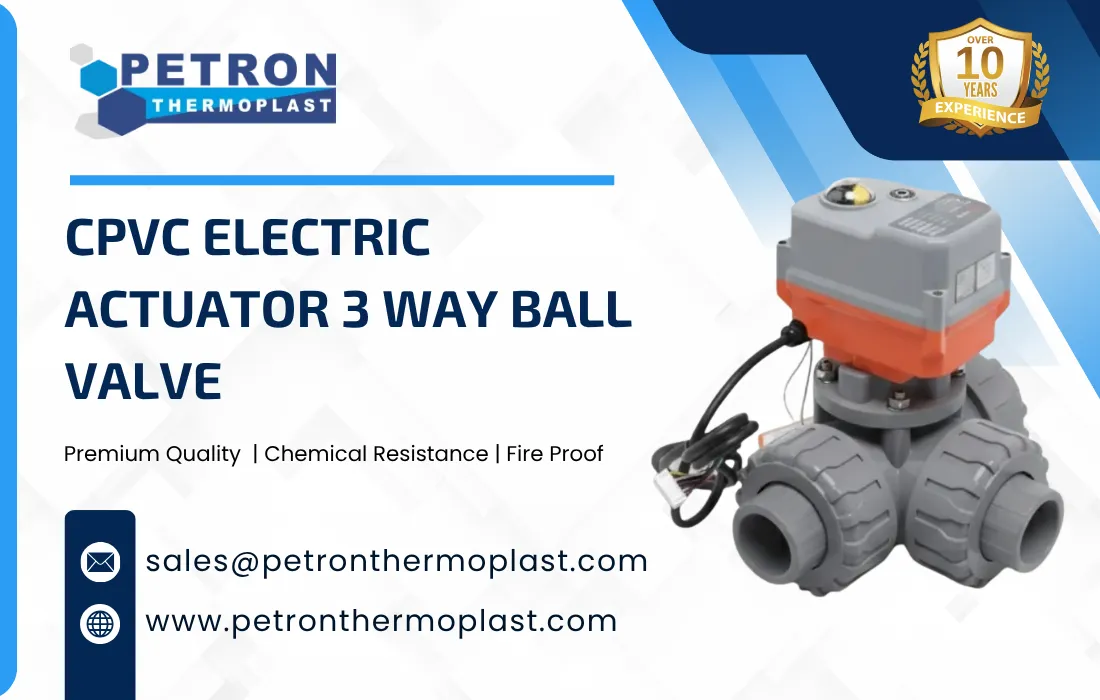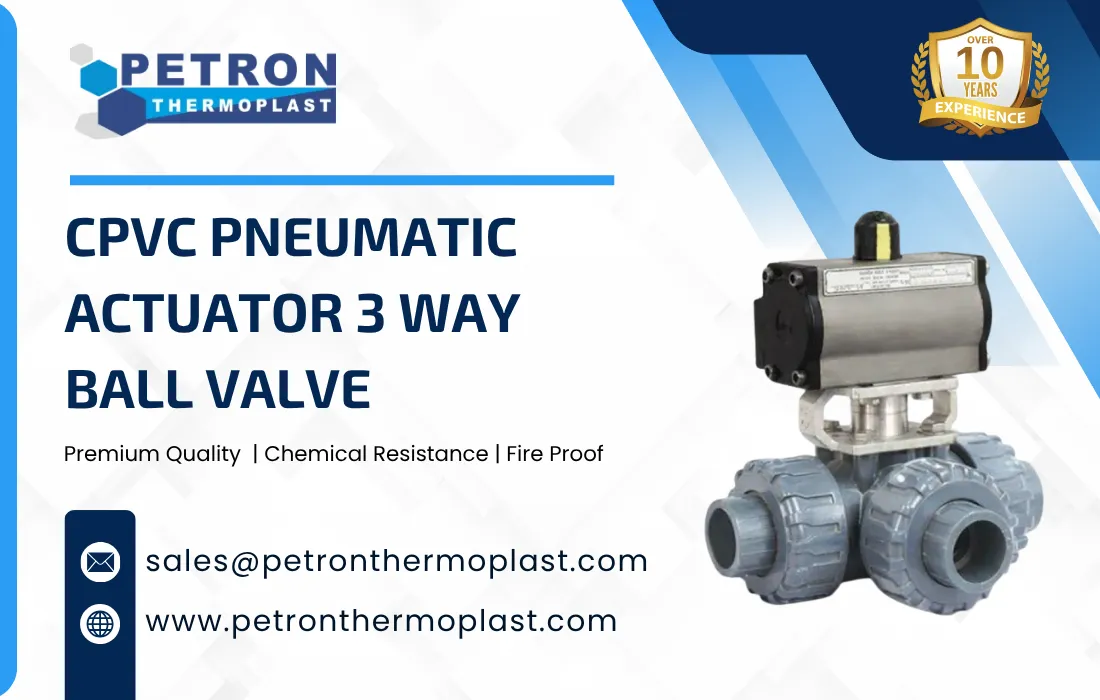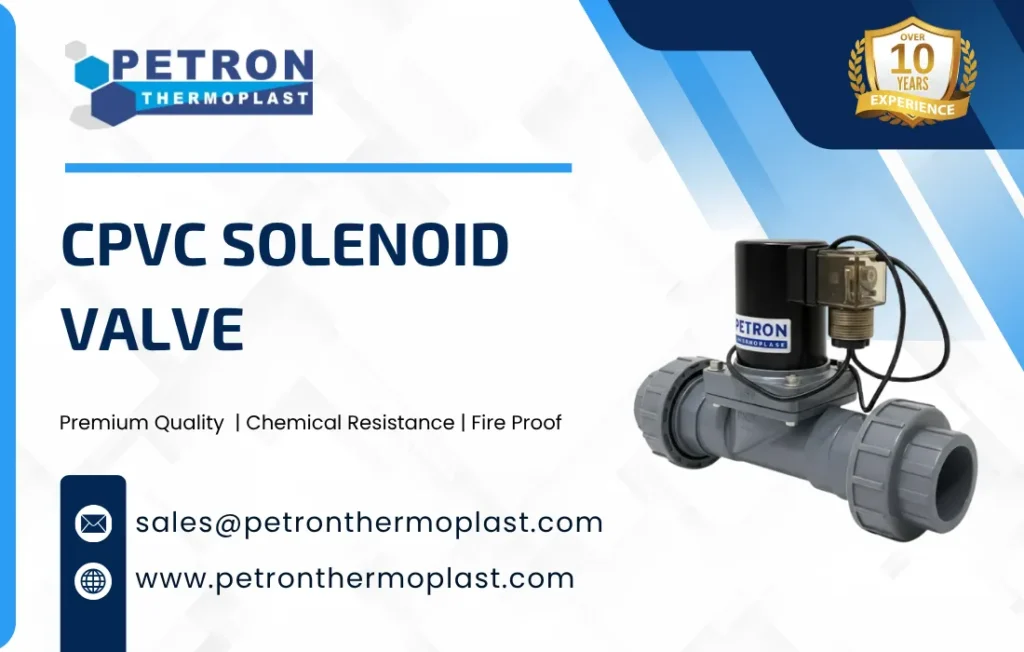
CPVC Solenoid Valve
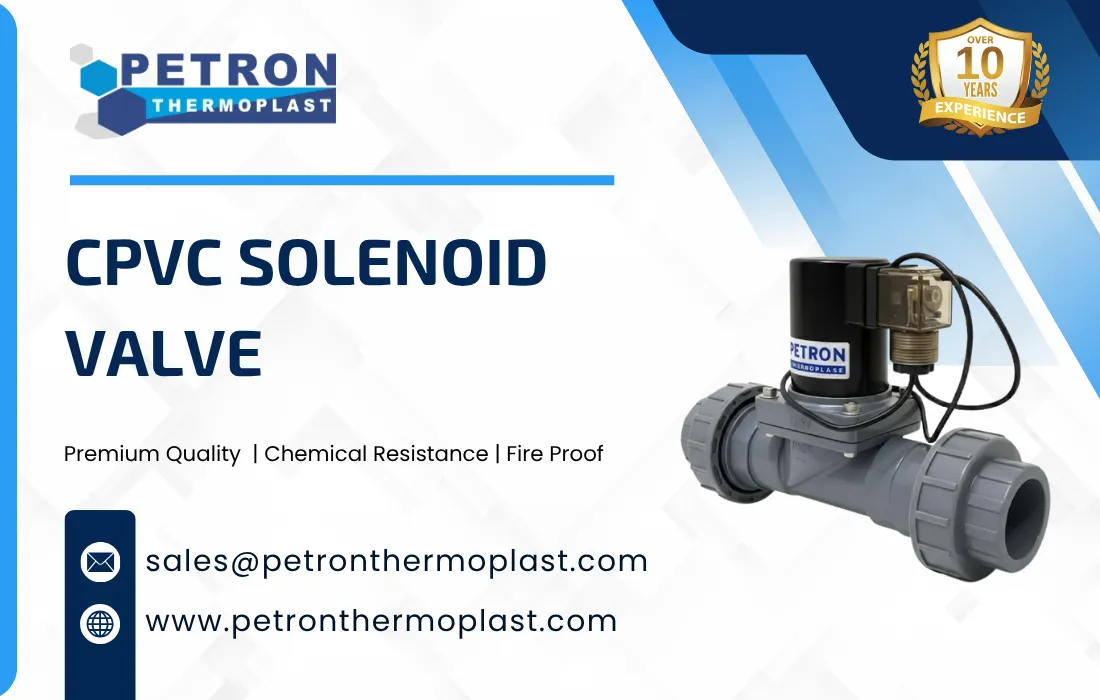
A CPVC Solenoid Valve is an electrically operated flow control valve made from CPVC (Chlorinated Polyvinyl Chloride) material, designed to automatically open or close the flow of liquids in a piping system when an electrical signal is applied. The CPVC Solenoid Valve Body provides excellent resistance to corrosion, chemicals, and high temperatures. An electromagnetic coil that activates the valve when energized. It controls the opening and closing of the flow path to ensure leak-proof operation.
A CPVC Solenoid Valve is a 2 Way CPVC body with installation flexibility and ease of maintenance, to a high-performance solenoid and adjustable circular section coil with IP65 protection class, to an integrated override with the possibility of being installed in 3 different positions. Suitable for chemical, water, and hot fluid applications, and also provides fast and automatic flow control.

- Chemical Resistance
- Low Maintenance Requirement
- Low Thermal Conductivity
- Long Service Life
- Easy Installation
- Corrosion Resistance
CPVC Solenoid Valve Details
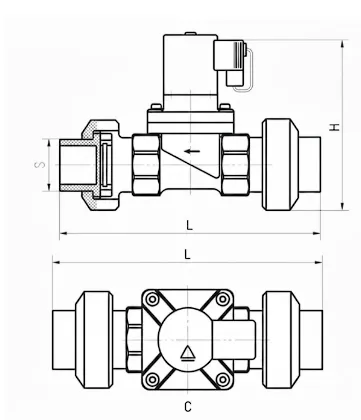
L: Total Face Length
H: Total Valve Height
W: Body Width Dimension
C: Connection Center Distance
A: Actuator Height Dimension
K: Coil Width Dimension
S: Socket Connection Diameter
| Connection | L | H | W | C | A | K | S |
| DN15 | 185 | 143 | 63.5 | 63.5 | 116 | 92 | 16.5 |
| DN20 | 198 | 149.5 | 63.5 | 63.5 | 118 | 92 | 19 |
| DN25 | 234 | 158 | 74 | 74 | 121 | 92 | 22.5 |
| DN32 | 272 | 184 | 94 | 94 | 141 | 94 | 26.5 |
| DN40 | 290 | 196.5 | 94 | 94 | 147.5 | 94 | 31.5 |
| DN50 | 360 | 242.5 | 155 | 155 | 183 | 94 | 38 |
| DN65 | 412 | 258 | 155 | 155 | 183 | 94 | 44 |
| Parameter | Specification |
| Material (Body) | CPVC (Chlorinated Polyvinyl Chloride) |
| Internal Components | SS304 / SS316 (plunger, spring) |
| Seal / Diaphragm Material | EPDM / FKM (Viton) / PTFE |
| Valve Type | 2/2 Way (Normally Closed / Normally Open), 3/2 Way |
| Operation | Electrically operated (solenoid coil) |
| Working Principle | Electromagnetic actuation |
| Nominal Size Range | ½” to 4” (DN15 – DN100) |
| Connection Types | Threaded (BSP/NPT), Socket, Flanged |
| End Standards | ASTM, ANSI, DIN |
| Pressure Rating | PN10 / PN16 |
| Max Working Pressure | Up to 10–16 bar (depending on design) |
| Temperature Range | 0°C to 90°C (fluid dependent) |
| Voltage Options | 12V, 24V DC / 110V, 230V AC |
| Power Consumption | Typically 5W to 20W |
| Response Time | Fast (milliseconds) |
| Duty Cycle | Continuous (100% ED) |
| Protection Class | IP65 / IP67 (coil enclosure) |
| Density | ~1.45–1.58 g/cm³ |
| Color | Grey / Off-white (body), Black/Blue (coil) |
| Corrosion Resistance | Excellent resistance to acids, alkalis, salts |
| Chemical Resistance | Suitable for aggressive chemical fluids |
| Surface Finish | Smooth internal bore → reduced friction |
| Thermal Resistance | Better heat resistance than PVC |
| Mechanical Strength | Good tensile and impact strength |
| Weight | Lightweight compared to metal solenoid valves |
| Durability | Long service life |
| UV Resistance | Moderate (coil housing usually protected) |
Corrosion-Resistant Body
Made from high-quality CPVC material that resists acids, alkalis, and aggressive chemicals.
High Temperature Resistance
Suitable for operating temperatures up to approximately 90°C–95°C.
Electrically Operated (Automatic Control)
Operates through an electromagnetic coil for remote and automatic flow control.
Quick Response Time
Fast opening and closing action improves system efficiency.
Leak-Proof Sealing Design
Equipped with a durable diaphragm and sealing components to prevent leakage.
Lightweight Construction
Easy to handle and install compared to metal valves.
Low Power Consumption
Efficient solenoid coil design reduces energy usage.
Multiple Voltage Options
Available in 12V DC, 24V DC, 24V AC, 110V AC, and 230V AC configurations.
Compact Design
Space-saving structure suitable for tight installation areas.
Low Maintenance Requirement
Non-metallic body prevents rust, scaling, and internal corrosion.
Good Flow Control Accuracy
Ensures precise on/off fluid control in dosing and chemical applications.
Strong Chemical Compatibility
Suitable for water, acids, alkalis, and various industrial fluids.
| Parameter | Specification | Unit |
| Valve Type | 2/2 Way (Normally Closed / Normally Open) | — |
| Body Material | CPVC (Chlorinated Polyvinyl Chloride) | — |
| Seal Material | EPDM / FKM (Viton) / PTFE | — |
| Nominal Size Range | ½” to 2” (DN15 – DN50) | Inch / DN |
| End Connection | Threaded (BSP/NPT) / Socket Weld / Flanged | — |
| Operating Pressure Range | 0 – 10 / 16 | Bar |
| Maximum Working Pressure | Up to 16 | Bar |
| Operating Temperature Range | 0°C to 90°C (Depending on seal) | °C |
| Voltage Options | 12V, 24V, 110V, 230V | AC/DC |
| Power Consumption | 8 – 20 | Watts |
| Coil Insulation Class | Class F / H | — |
| Response Time | < 1 | Second |
| Media | Water, Chemicals, Air (compatible fluids) | — |
| Protection Class | IP65 (standard) | — |
| Mounting Position | Horizontal / Vertical (coil upward preferred) | — |

Custom Product Manufacturing Available
If you are searching for customized product designs that meet your requirements, don’t worry. Petron Thermoplast also offers custom product manufacturing services to meet the unique needs of various industries. Work with our expert engineers to create custom designs suited for your application.
Benefits of Using CPVC Solenoid Valve
Excellent Chemical Resistance
CPVC material provides outstanding resistance to acids, alkalis, and corrosive chemicals, making it ideal for chemical processing industries.
High Temperature Tolerance
CPVC can withstand higher temperatures (typically up to 90°C–95°C) compared to standard PVC.
Corrosion-Free Performance
Unlike metal valves, CPVC solenoid valves do not rust or corrode, ensuring longer service life.
Lightweight & Easy Installation
The lightweight design reduces installation time and support requirements.
Low Maintenance
CPVC does not scale or pit easily, reducing maintenance costs.
Electrical Automation
The solenoid mechanism allows remote and automatic flow control, improving operational efficiency.
Cost-Effective Solution
Compared to stainless steel valves, CPVC valves are more economical while offering excellent durability.
Leak-Proof Sealing
Designed with high-quality diaphragms and seals to ensure tight shut-off and minimal leakage.
Non-Conductive Material
CPVC is electrically non-conductive, enhancing safety in certain applications.
Long Service Life
Resistant to wear, chemical attack, and environmental degradation.
Types of CPVC Solenoid Valve
Based on the Operation Mechanism
1. Direct-Acting CPVC Solenoid Valve
- Operates without requiring minimum pressure.
- Suitable for low-pressure or vacuum applications.
- Fast response time.
- Used in dosing systems and small pipelines.
2. Pilot Operated (Indirect Acting) CPVC Solenoid Valve
- Requires minimum inlet pressure to operate.
- Suitable for high-flow and high-pressure systems.
- Common in industrial water and chemical lines.
3. Semi-Direct (Assisted Lift) CPVC Solenoid Valve
- Combines features of direct and pilot-operated types.
- Works at low pressure but supports higher flow rates.
Based on Flow Function
1. 2/2 Way CPVC Solenoid Valve
- Two ports (Inlet & Outlet), two positions (Open/Close).
- Most commonly used type.
- Suitable for simple ON/OFF control.
2. 3/2 Way CPVC Solenoid Valve
- Three ports and two positions.
- Used for diverting or mixing applications.
- Common in pneumatic and dosing systems.
Based on Installation Type
- Threaded CPVC Solenoid Valve
- Flanged CPVC Solenoid Valve
- Socket Weld / Cement Joint Type
Based on Default Position
1. Normally Closed (NC) CPVC Solenoid Valve
- Remains closed when power is OFF.
- Opens when energized.
- Most widely used type.
2. Normally Open (NO) CPVC Solenoid Valve
- Remains open when power is OFF.
- Closes when energized.
- Used where continuous flow is required.
Based on Coil Voltage
- 12V DC
- 24V DC
- 24V AC
- 110V AC
- 230V AC
Applications of CPVC Solenoid Valve
Process Industry
High Purity Applications
Electronic Industry
Electrical Industry
Semi-conductors Industry
Pharmaceutical Industry
Solar power panels
Sugar Industry
Paper & Pulp Industry
Nuclear Power Industry
Automotive Industry
DI water plants
Why Choose Petron Thermoplast?
Petron Thermoplast is your goto solution for CPVC Solenoid Valve when you need precise flow control in industrial applications. They create higher pressure drops than some alternatives, but that tortuous flow path is exactly what gives them their incredible throttling capability.
Use the Petron Thermoplast CPVC Solenoid Valve when You need frequent flow adjustments, Precise control is more important than minimal pressure drop, Reliable shut-off is critical, Dealing with steam, hot water, or other fluids that benefit from gradual flow changes