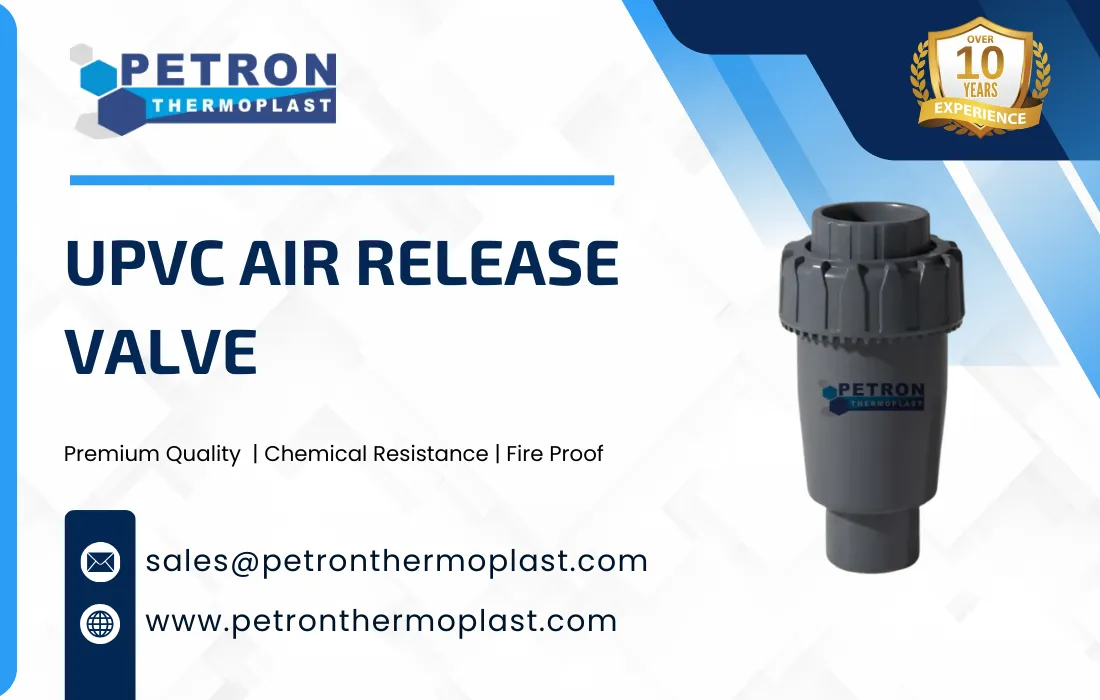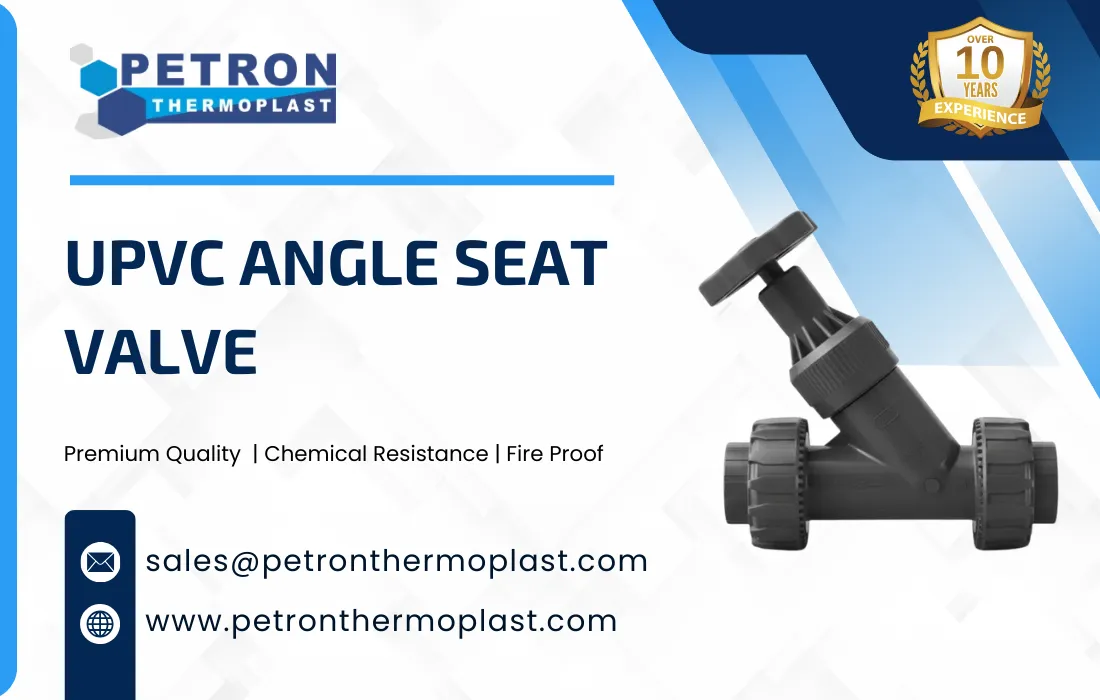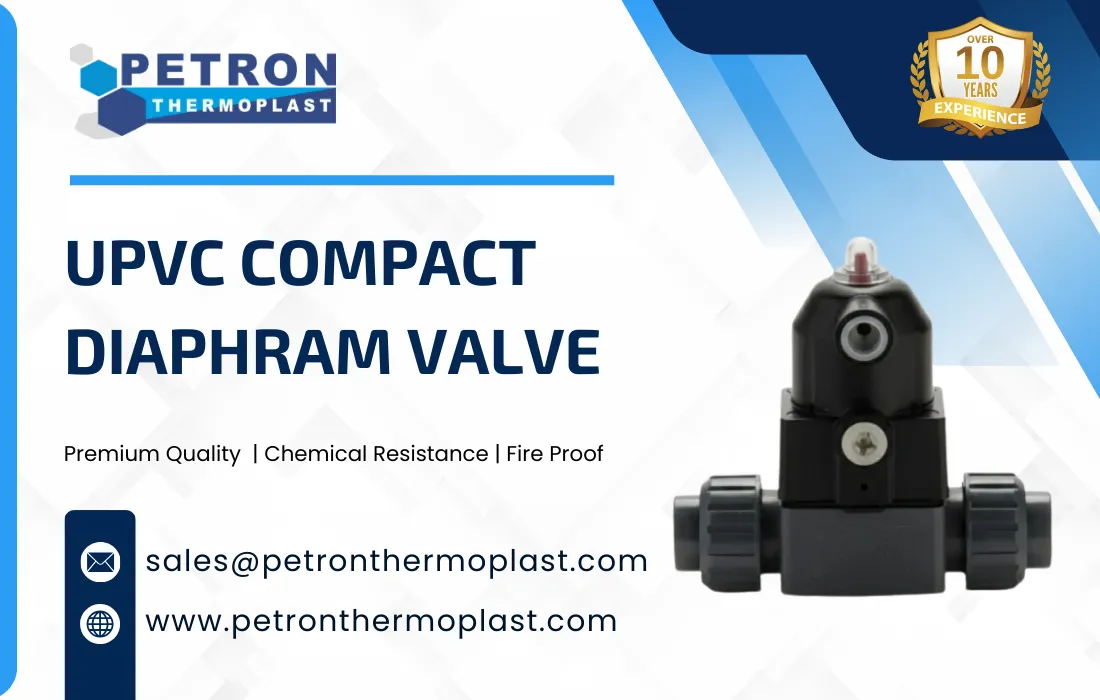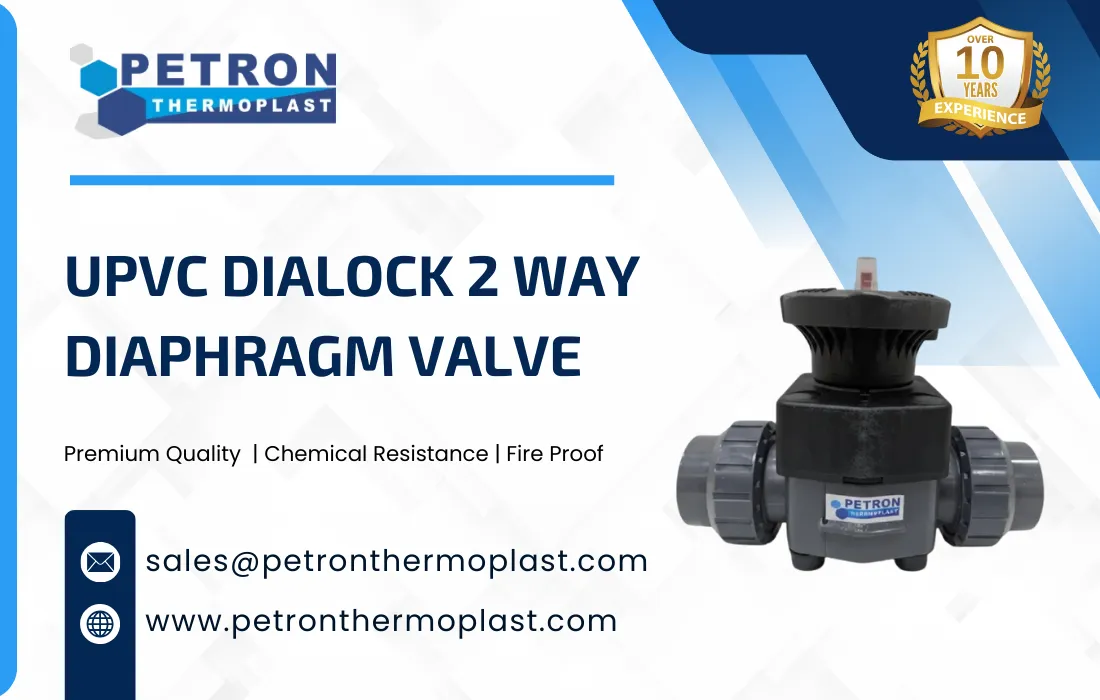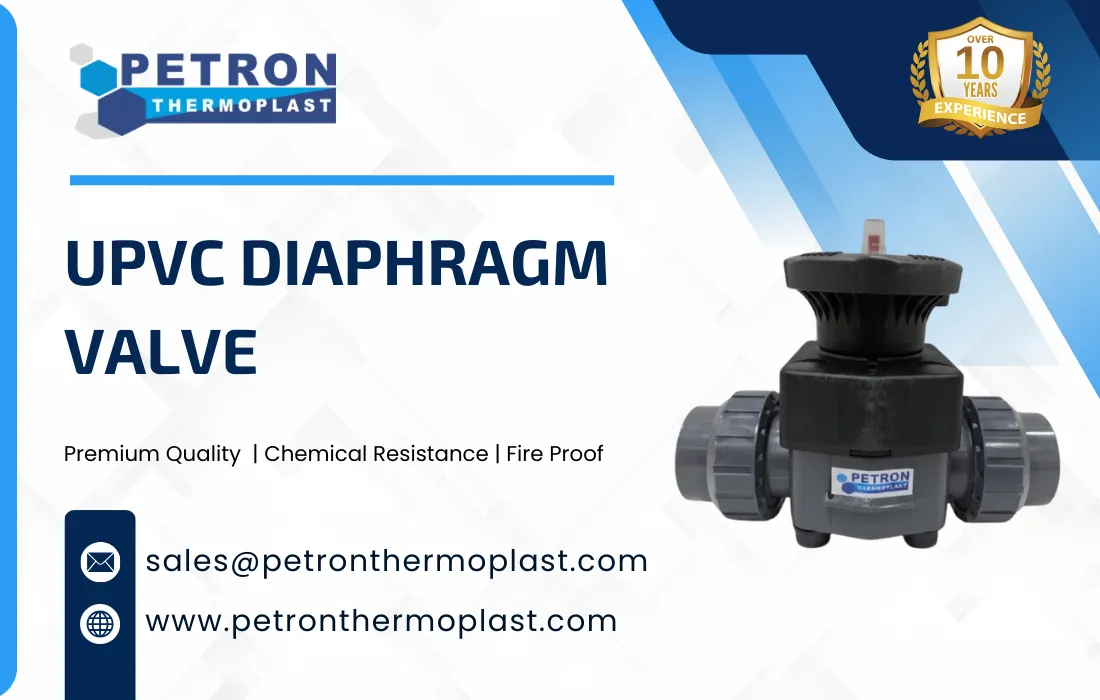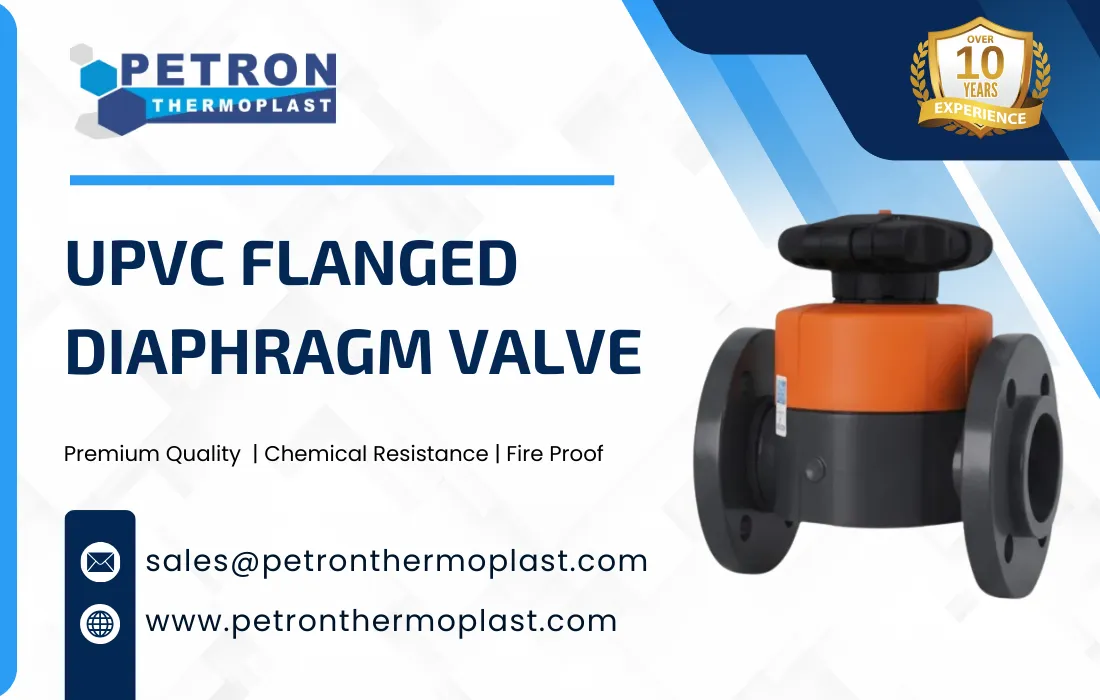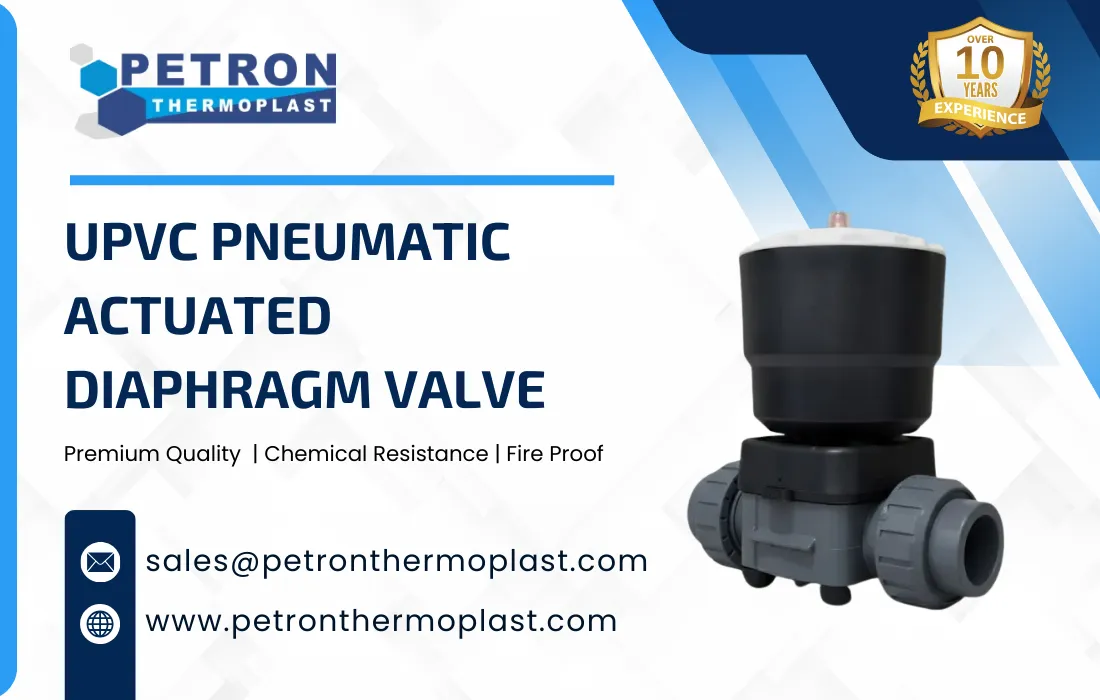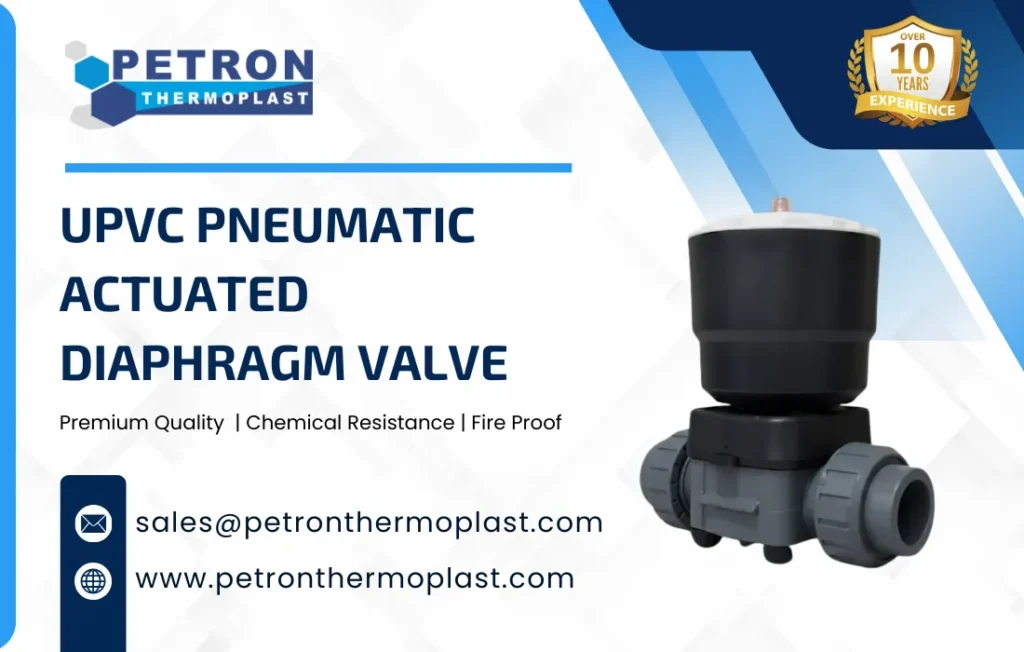
UPVC Pneumatic Actuated Diaphragm Valve
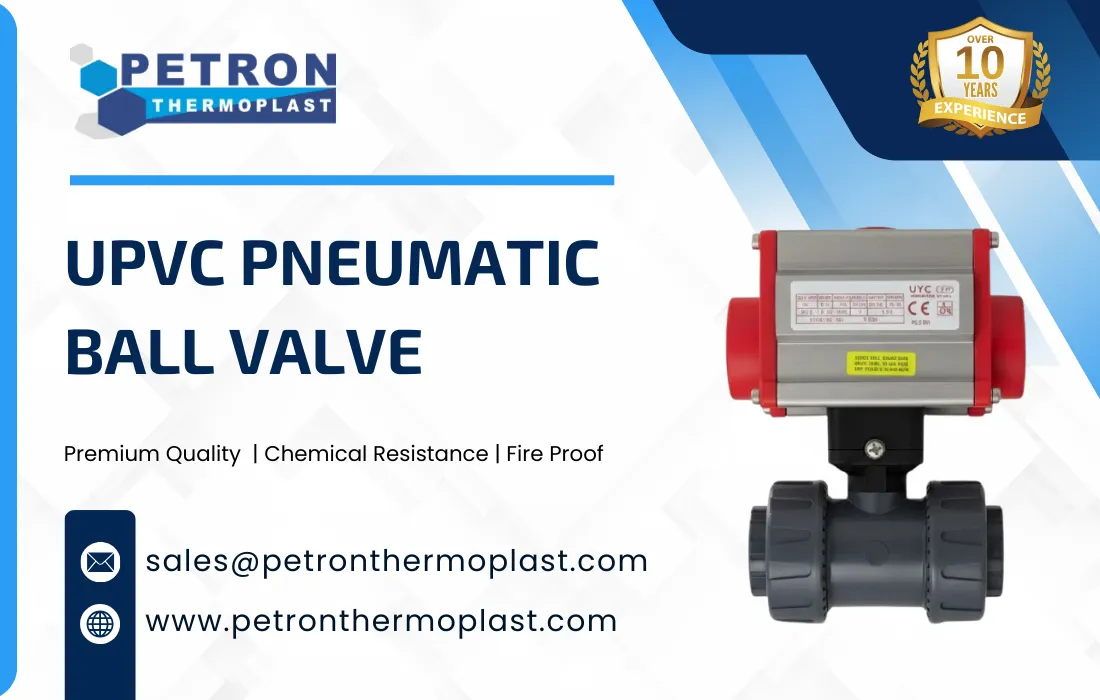
UPVC Pneumatic Actuated Diaphragm Valves represent innovation and excellence in engineering in the field of flow control technologies. They are designed to meet the rigorous demands of industrial applications, so these valves excel in the transmission and regulation of corrosive media, and they offer unparalleled reliability and performance. UPVC Pneumatic Actuated Diaphragm Valve bodies are exceptionally resistant to corrosion, but ensure longevity and consistent operation in environments where traditional metal valves would falter.
So these UPVC Pneumatic Actuated Diaphragm Valves provide precise control over flow rates, and enable swift and efficient modulation or complete shut-off of fluid streams as required by process conditions. So the actuation system is optimized for seamless integration into automated control systems and allows for remote operation and monitoring, thus enhancing operational safety and efficiency. The innovative design incorporates a flexible diaphragm that acts as a sealing element, eliminating the need for packing glands and significantly reducing the risk of leakage. This feature, combined with the valve’s streamlined internal geometry, minimizes pressure drops and facilitates the smooth passage of fluids, making it an ideal choice for applications ranging from water treatment to chemical processing.

- Chemical Resistance
- Low Maintenance Requirement
- Low Thermal Conductivity
- Long Service Life
- Easy Installation
- Corrosion Resistance
UPVC Pneumatic Actuated Diaphragm Valve Details
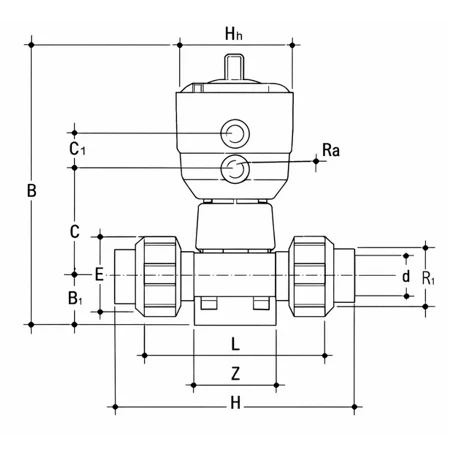
B: Total vertical height of the assembly.
B1: Distance from the valve centerline to the bottom of the body.
C: Height from the valve centerline to the base of the actuator.
C1: Distance between the centers of the pneumatic ports
d: Inner diameter of the pipe connection.
E: Outer diameter of the union nut.
H: Overall face-to-face length of the valve assembly.
Hh: Width/diameter of the actuator housing.
L: Distance between the inner faces of the union ends.
Ra: Pneumatic port connection size.
R1: External thread diameter of the valve body.
Z: Face-to-face length of the central valve body.
| d | DN | PN | B | B1 | C | C1 | E | H | H1 | L | R1 | Ra | Z |
| 20 | 15 | 10 | 148 | 25 | 66 | 24 | 41 | 129 | 97 | 90 | 1” | 1/4” | 100 |
| 25 | 20 | 10 | 151 | 30 | 69 | 24 | 50 | 154 | 97 | 108 | 1”1/4 | 1/4” | 116 |
| 32 | 25 | 10 | 159 | 33 | 78 | 24 | 58 | 168 | 97 | 116 | 1”1/2 | 1/4” | 124 |
| 40 | 32 | 10 | 163 | 30 | 82 | 24 | 72 | 192 | 97 | 134 | 2” | 1/4” | 140 |
| 50 | 40 | 10 | 207 | 35 | 112 | 24 | 79 | 222 | 126 | 154 | 2”1/4 | 1/4” | 160 |
| 63 | 50 | 10 | 245 | 46 | 142 | 24 | 98 | 266 | 157 | 184 | 2”3/4 | 1/4” | 190 |
| Parameter | Specification / Details |
| Valve Type | Diaphragm Valve (Pneumatically Actuated) |
| Body Material | UPVC (Unplasticized Polyvinyl Chloride) |
| Diaphragm Material | EPDM / PTFE / FKM (Viton) |
| Actuator Type | Pneumatic (Single Acting / Double Acting) |
| Operation Mode | Normally Closed (NC) / Normally Open (NO) |
| Working Principle | Compressed air actuates diaphragm to control flow |
| Size Range | ½” to 10” (15 mm to 250 mm) |
| Pressure Rating | PN10 (≈10 bar / 150 PSI) |
| Air Supply Pressure | 3 – 8 bar (Typical) |
| Temperature Range | 0°C to 60°C |
| End Connections | Flanged / Socket / Union |
| Sealing Type | Soft sealing (Flexible leak-proof diaphragm) |
| Flow Characteristics | Linear / Near-linear flow control |
| Cycle Life | High (Up to 500,000 cycles) |
| Corrosion Resistance | Excellent (Acids, alkalis, and salts) |
| Design Type | Weir type / Straight-through design |
| Surface Finish | Smooth internal bore (Prevents scaling) |
| Standards | DIN / ANSI / ISO compliant |
| Mounting Standard | ISO 5211 (Actuator mounting) |
| Automation | Full remote automation capability |
Pneumatic Automation: Enables remote, high-speed actuation for automated process control.
Corrosion-Resistant Body: UPVC construction offers excellent resistance to acids, bases, and aggressive chemicals.
Leak-Free Performance: Flexible diaphragm provides tight sealing and prevents media contamination.
Flanged or Socket Ends: Available with standardized connections for easy installation.
Modular Design: Compatible with positioners and limit switches for advanced control.
Low Maintenance: Simplified internal components reduce wear and servicing needs.
Silent Operation: Diaphragm mechanism ensures smooth and quiet flow control.
| Parameter | Typical Rating | Unit | Remarks |
| Nominal Pressure Class | PN10 | bar | Most common rating for UPVC diaphragm valves |
| Maximum Working Pressure @ 20 °C | 10 | bar | Full pressure rating at ambient temperature |
| Maximum Working Pressure @ 40 °C | ~6 – 7 | bar | Pressure derating due to temperature |
| Maximum Working Pressure @ 60 °C | ~3 – 4 | bar | Upper temperature limit for UPVC |
| Test Pressure (Hydrostatic) | 15 | bar | Typically 1.5 × working pressure |
| Minimum Operating Pressure | 0 | bar | Can operate at zero pressure |
| Actuator Air Pressure (Control) | 4 – 8 | bar | Required pneumatic supply pressure |
| Vacuum Rating | Up to full vacuum | — | Depends on diaphragm & support design |

Custom Product Manufacturing Available
If you are searching for customized product designs that meet your requirements, don’t worry. Petron Thermoplast also offers custom product manufacturing services to meet the unique needs of various industries. Work with our expert engineers to create custom designs suited for your application.
Benefits of Using UPVC Pneumatic Actuated Diaphragm Valve
1. Excellent Chemical & Corrosion Resistance
- UPVC body resists corrosion, rust, and scaling
- Suitable for water, wastewater, acids, alkalis, and mild chemicals
2. Bubble-Tight Shut-Off
- Diaphragm provides 100% leak-proof sealing
- Ideal for applications requiring zero leakage
3. Fast & Reliable Operation
- Pneumatic actuation allows quick opening and closing
- Suitable for automated and remote-controlled systems
4. Low Maintenance Design
- Few moving parts
- Diaphragm can be replaced easily without removing the valve body from the pipeline
5. Safe for Hazardous & Clean Media
- No stem penetration through the flow path
- Prevents contamination and leakage to the atmosphere
6. Lightweight & Easy Installation
- UPVC construction is much lighter than metal valves
- Reduces installation time and structural load
7. Good Flow Characteristics
- Smooth internal surfaces minimize pressure drop
- Suitable for slurry-free liquids and viscous fluids
8. Wide Range of Applications
- Water treatment plants
- Chemical processing
- Pharmaceutical & food (non-oil, low-temp use)
- Effluent treatment & dosing systems
9. Energy Efficient Automation
- Uses compressed air instead of electric power
- Safe in wet or explosive environments
10. Cost-Effective Compared to Metal Valves
- Lower material and maintenance costs
- Long service life in corrosive environments
Types of UPVC Pnuematic Acuated Diaphragm Valve
1. Normally Closed (NC) Type
- Valve remains closed when no air supply is applied
- Opens when pneumatic air pressure is supplied
- Fail-safe design in case of air failure
2. Normally Open (NO) Type
- Valve remains open without air supply
- Closes when pneumatic air pressure is applied
3. Double-Acting Pneumatic Diaphragm Valve
- Uses air pressure to both open and close the valve
- Faster operation and precise control
- No spring return mechanism.
4. Single-Acting Pneumatic Diaphragm Valve
- Air pressure operates valve in one direction
- Spring returns valve to default position (NC or NO)
5. Weir Type Diaphragm Valve (UPVC)
- Raised weir inside the valve body
- Excellent sealing and minimal dead space
6. Straight-Through (Full Bore) Diaphragm Valve
- Straight flow path with no weir
- Lower pressure drop and better solids handling
- Pneumatic Diaphragm Valve with Positioner
- Fitted with valve positioner for modulating control
- Allows precise flow or pressure regulation
8. On–Off Pneumatic Diaphragm Valve
- Simple open/close operation
- No throttling or modulation
Why Choose Petron Thermoplast?
Petron Thermoplast UPVC Pneumatic Actuated Diaphragm Valves are efficient, reliable, and essential tools in industrial automation, offering precise control of flow, pressure, and temperature. Proper selection, correct installation, and regular maintenance to ensure that these valves perform optimally in practical applications. As industrial automation technology continues to advance, UPVC Pneumatic Actuated Diaphragm Valve will see broader applications and improved performance, providing a reliable foundation for safe, efficient, and stable production.