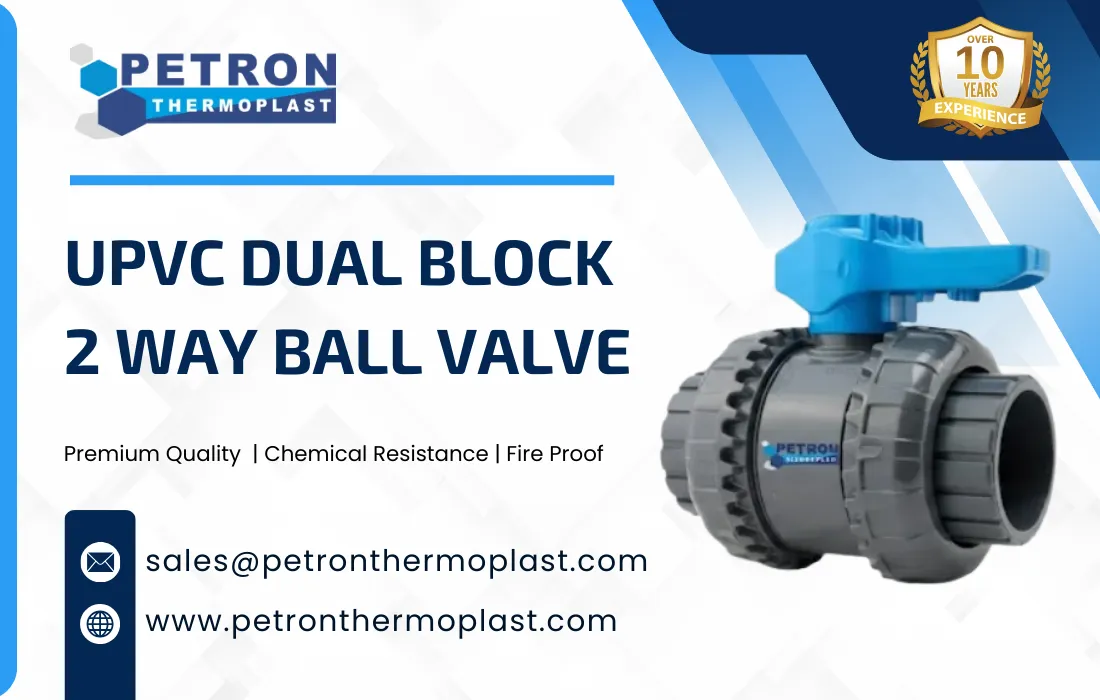
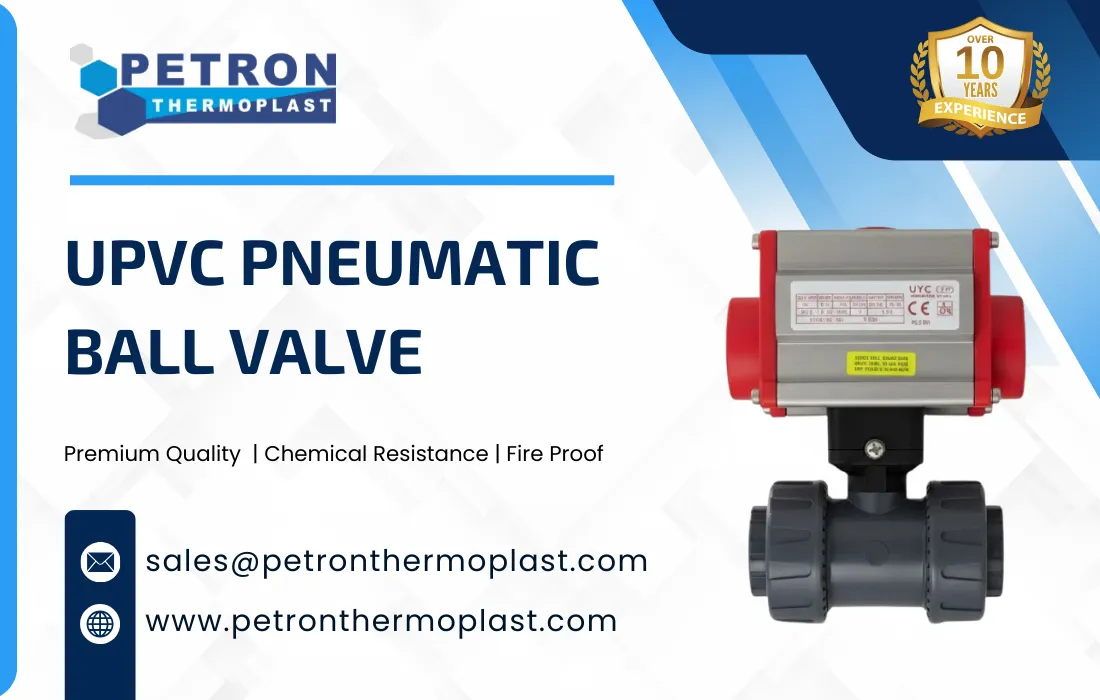
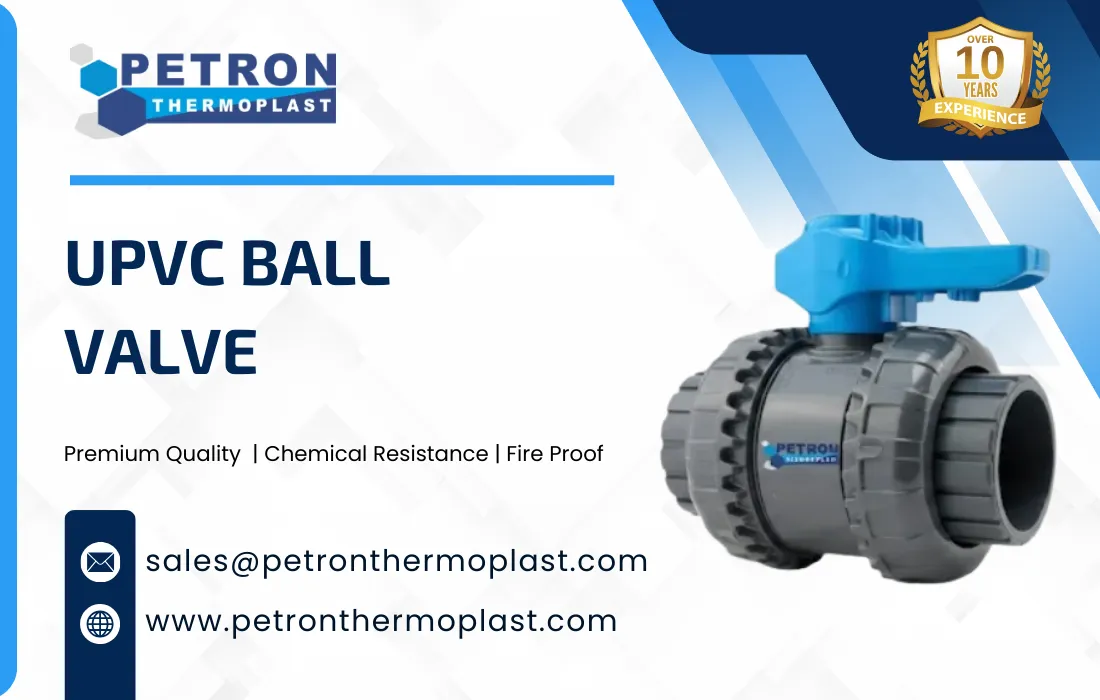
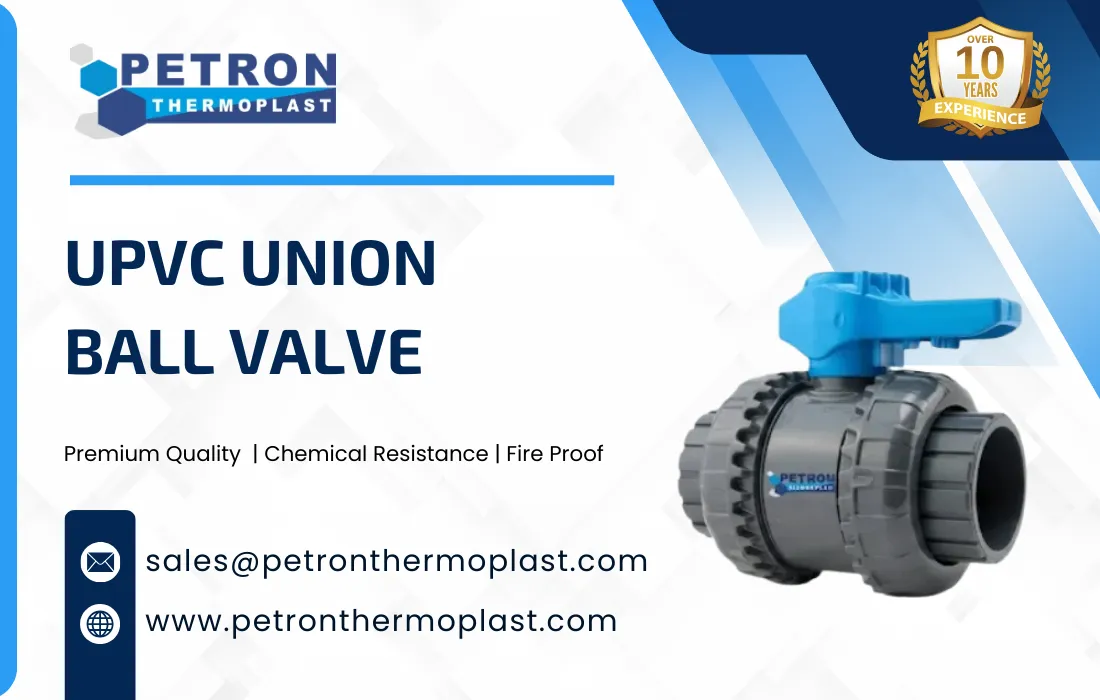
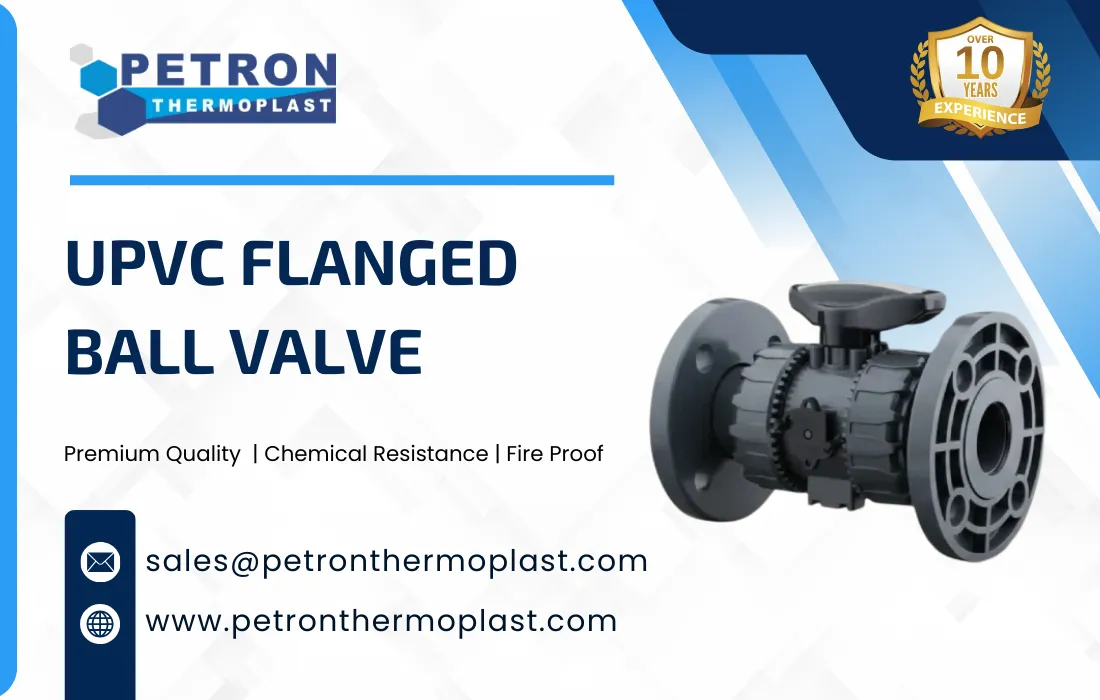
UPVC Dual Block 2 Way Ball Valve
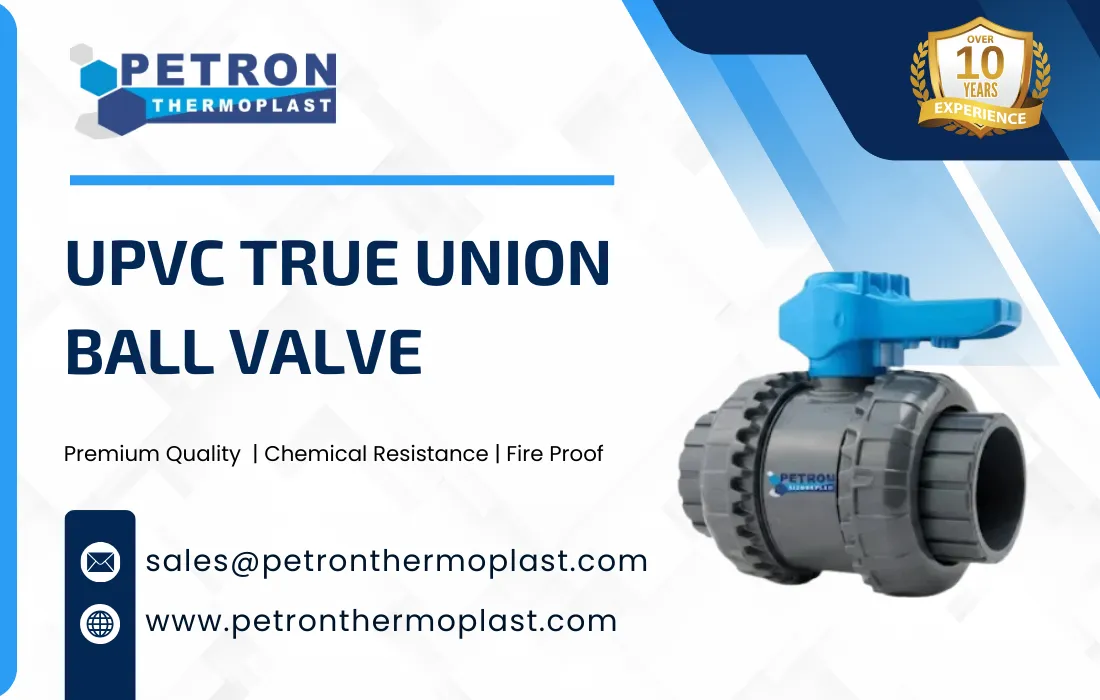
A UPVC Dual Block 2 Way Ball Valve is a type of valve made from unplasticized polyvinyl chloride (UPVC) that is designed for two way flow control. When two seating surfaces are used to shut off pressure from both ends of upvc true union ball valve when it is closed, then that valve is known as a dual block 2 way ball valve. For each valve, the fluid characteristics, pressure, and temperature should be taken into account throughout the choice. The valve’s intended function, on the other hand, may be the most essential consideration.
In operating situations where vibrations or thermal expansion may compromise the performance of standard plastic valves, the UPVC Dual Block 2 Way Ball Valve technology allows P2 valves to shine. A patented union-nut locking device prevents back-off during harsh service circumstances. The system is easy to install and requires no special tools. The valve chamber must be bled, and the pipework must be isolated for maintenance.

- Chemical Resistance
- Low Maintenance Requirement
- Low Thermal Conductivity
- Long Service Life
- Easy Installation
- Corrosion Resistance
UPVC Dual Block 2 Way Ball Valve Details
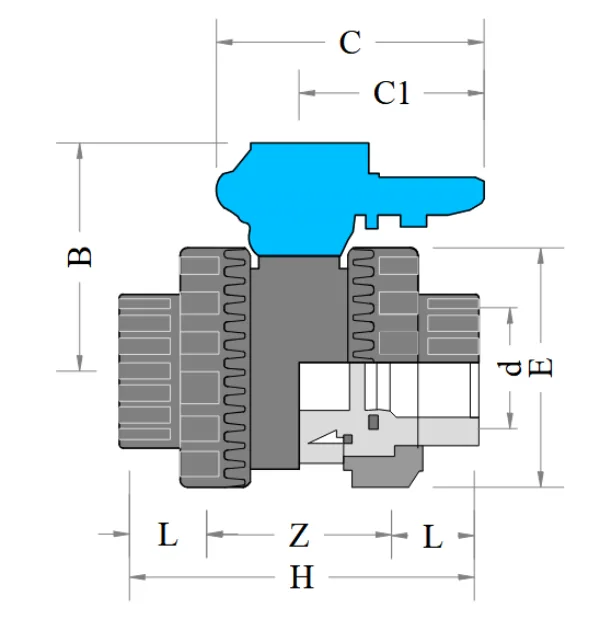
C – Overall Top Width
C1 – Inner Top Width
B – Overall Height
L – End to Center Length
Z – Face to Center Dimension
H – Overall Length (Face to Face)
d – Inside Diameter
E – Center to Bottom Distance
| Nominal Pipe Size (NPS) | Outside Diam. (D) | No. of Holes | Diam. of Holes | Bolt Circle (BC) | Weight (lb) |
| 1/2″ | 3.50 | 4 | 0.62 | 2.38 | 2.55 |
| 3/4″ | 3.88 | 4 | 0.62 | 2.75 | 3.10 |
| 1″ | 4.25 | 4 | 0.62 | 3.12 | 4.11 |
| 1 1/4″ | 4.62 | 4 | 0.62 | 3.50 | 7.71 |
| 1 1/2″ | 5.00 | 4 | 0.62 | 3.88 | 9.07 |
| 2″ | 6.00 | 4 | 0.75 | 4.75 | 11.00 |
| Parameter | Specification / Details |
| Valve Type | Dual Block / Double Block 2-Way Ball Valve |
| Body & Ball Material | uPVC (Unplasticized Polyvinyl Chloride) |
| Seat Material | PTFE (Teflon) |
| Seal / O-Ring Material | EPDM / Viton (FKM) |
| Stem Material | Stainless Steel / uPVC (Manufacturer dependent) |
| Handle Material | uPVC or ABS (Ergonomically designed with locking facility) |
| Port Configuration | 2-Way (Inlet × Outlet), Full Port / Reduced Port |
| Size Range | 15 mm (½”) to 200 mm (8″) |
| Pressure Rating | PN10 / PN16 (10–16 bar) |
| Temperature Range | 0°C to 60°C (EPDM) / Up to 80°C (PTFE) |
| Operation Type | Manual (Quarter-turn Lever) / Optional Actuated |
| End Connections | Socket (Solvent Weld), Threaded (BSP/NPT), Flanged |
| Body Design | Two-piece / Three-piece split body for easy maintenance |
| Sealing | Dual block ensures zero leakage (Upstream & Downstream) |
| Density (uPVC) | ~1.38 g/cm³ |
| Weight | Lightweight (30–60% lighter than metal alternatives) |
| Surface Finish | Smooth, non-porous (Prevents scaling) |
| Corrosion Resistance | Excellent (Non-rusting, resistant to acids/alkalis) |
| Compliance Standards | ASTM D1784, ISO 1452, EN 1074-2, BS 5154 |
- Corrosion-resistant, lightweight, and durable; ideal for chemical, oil, and industrial applications.
- Provides strength and prevents corrosion at the operating mechanism.
- Ensures tight sealing, chemical resistance, and low friction operation.
- Has two ports — one inlet and one outlet, allowing for simple on/off flow control.
- Can completely isolate the upstream and downstream flow, providing double sealing for safety and maintenance.
- Opens or closes fully with a 90° rotation of the handle.
- Typically up to 16 bar (PN16), depending on manufacturer specifications.
- Can usually operate from 0°C to 60°C (may vary with chemical resistance and application).
- For easy installation in piping systems.
- Available for larger pipelines and industrial systems.
- Dual block design minimizes risk of leakage during maintenance.
- Suitable for acids, alkalis, and oil & gas treatment systems.
- Long service life due to durable uPVC and PTFE components.
- Easier to install compared to metal valves.
- Oil & gas supply and treatment plants
- Chemical processing
- Irrigation and agricultural systems
- HVAC and industrial pipelines
| Valve Size (Typical) | Pressure Rating (at 20°C) |
| DN10 – DN50 (⅜” – 2”) | PN16 (16 bar / 232 psi) |
| DN65 – DN150 (2½” – 6”) | PN10 (10 bar / 145 psi) |
| Operating Temperature | Pressure Capacity (%) | Approx. Max Pressure (for PN16) |
| 20°C (68°F) | 100% | 16.0 bar |
| 30°C (86°F) | ~80% | 12.8 bar |
| 40°C (104°F) | ~65% | 10.4 bar |
| 50°C (122°F) | ~45% | 7.2 bar |
| 60°C (140°F) | ~30% | 4.8 bar |

Custom Product Manufacturing Available
If you are searching for customized product designs that meet your requirements, don’t worry. Petron Thermoplast also offers custom product manufacturing services to meet the unique needs of various industries. Work with our expert engineers to create custom designs suited for your application.
Benefits of Using UPVC Dual Block 2 Way Ball Valve
1. Excellent Corrosion Resistance
- Aggressive or corrosive fluids
- Outdoor and wet environments
2. Dual Block Functionality
- Better system isolation
- Safer maintenance and repairs without system depressurization
- Reduced risk of fluid leakage downstream
3. Smooth, Low‑Friction Operation
- Quick 90° open/close action
- Low torque operation
- Minimal wear because the ball rotates smoothly on seats
- Reduced pressure drop when fully open
4. Lightweight Yet Durable
- Easier to install and handle
- Lower support structure requirements
- Reduced transportation costs
5. Excellent Chemical Compatibility
- Weak acids and bases
- Salts
- Bleaches
- Many industrial waste streams
6. Leak‑Free Shutoff
- Minimal leakage
- Reliable shutoff even after long periods of inactivity
7. Low Maintenance
- Minimal servicing
- No lubrication or antifreeze measures
- Simple cleaning
8. Cost‑Effective:
- UPVC is cheaper
- Offers long life under suitable conditions
- Minimizes installation and maintenance labor
9. Versatile Uses
- Oil & gas supply distribution
- Irrigation systems
- Chemical dosing and processing
- Pool and filtration systems
- Waste chemical treatment
Types of UPVC Dual Block 2 Way Ball Valve
1. Actuation Type
- Manual UPVC Dual Block 2-Way Ball Valve
- Operated using a lever handle.
- Simple on/off control.
- Common in small to medium piping systems.
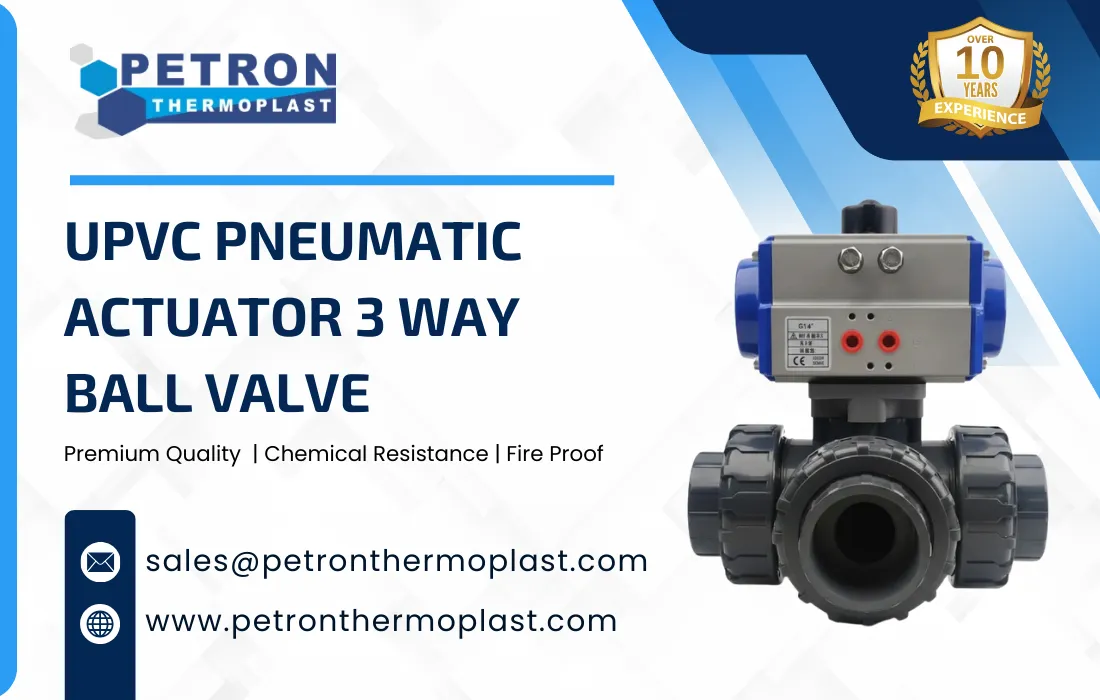
- Pneumatic Actuated UPVC Dual Block 2-Way Ball Valve
- Operated using air pressure.
- Allows remote control and automation.
- Ideal for process control applications.
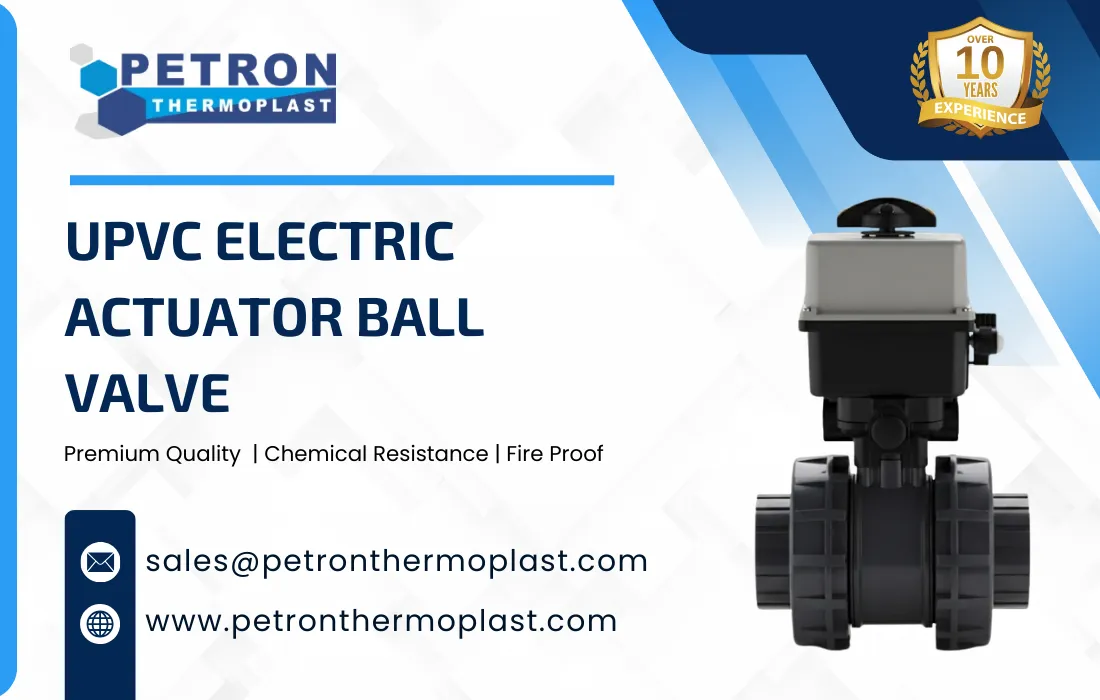
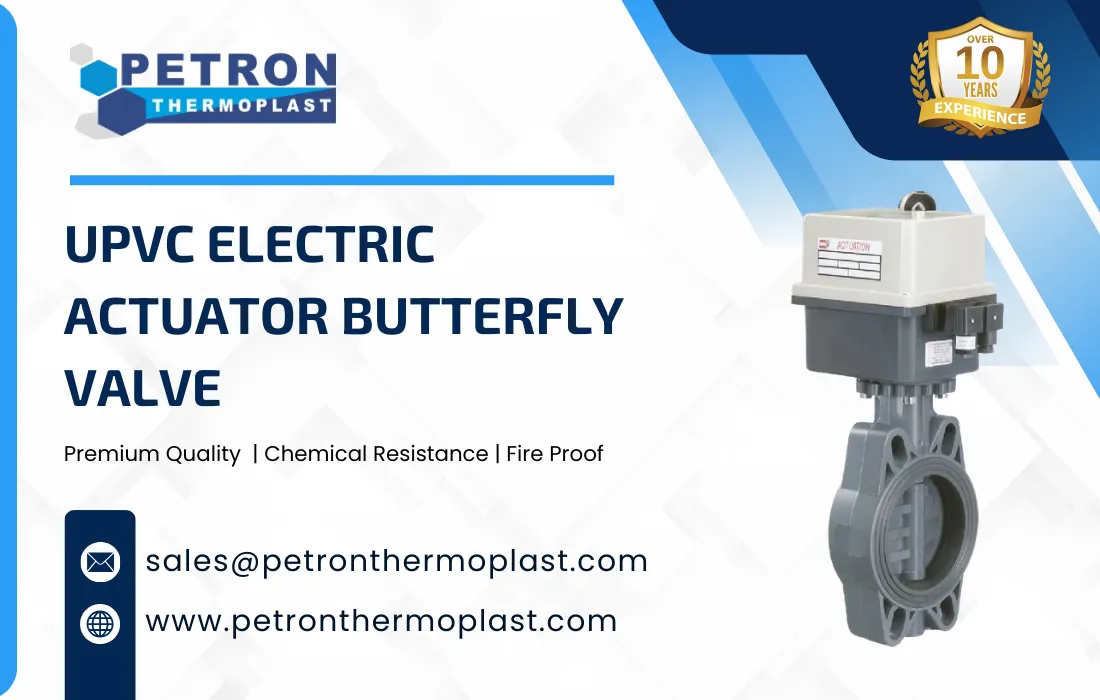
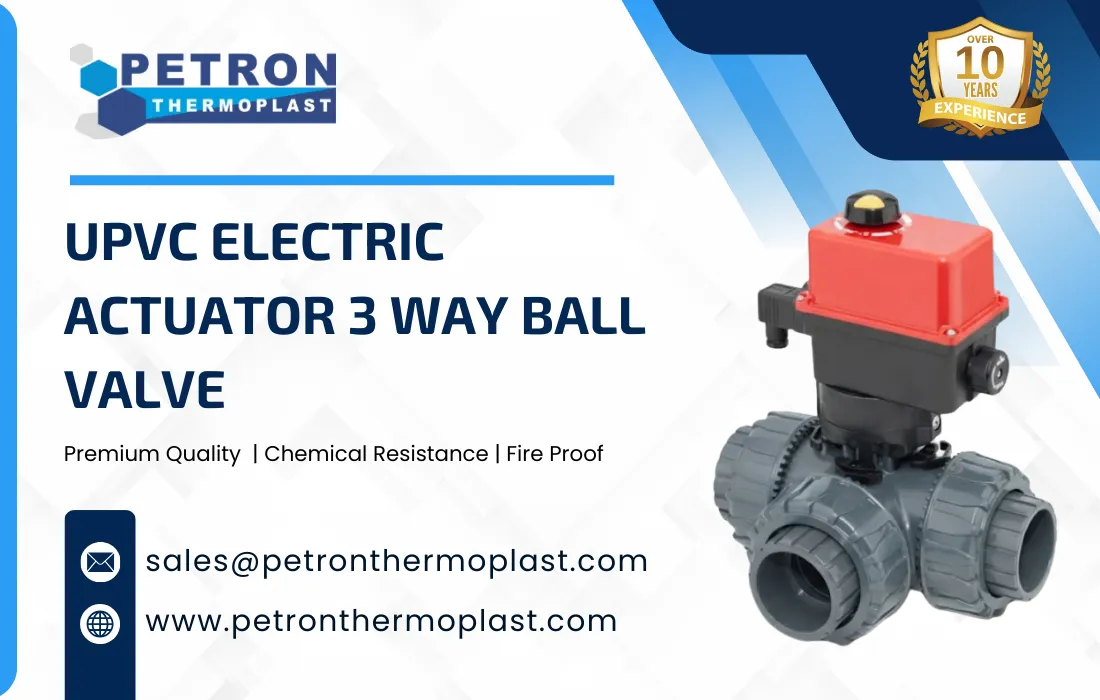
- Electric Actuated UPVC Dual Block 2-Way Ball Valve
- Operated via electric motors.
- Offers precise control and integration with SCADA/DCS systems.
3. Seal Type / Design
- Manual UPVC Dual Block 2-Way Ball Valve
- Operated using a lever handle.
- Simple on/off control.
- Common in small to medium piping systems.
- Pneumatic Actuated UPVC Dual Block 2-Way Ball Valve
- Operated using air pressure.
- Allows remote control and automation.
- Ideal for process control applications.
- Electric Actuated UPVC Dual Block 2-Way Ball Valve
- Operated via electric motors.
- Offers precise control and integration with SCADA/DCS systems.
2. End Connection Type
- Socket/Welded Type
- Solvent cemented to the pipe.
- Most common for UPVC piping systems.
- Threaded Type
- Female or male threaded connections.
- Easier to install/remove for small pipelines.
- Flanged Type
- Bolted connection to the pipeline flanges.
- Used in larger diameter pipelines and where frequent maintenance is needed.
4. Specialty Variants
- Manual UPVC Dual Block 2-Way Ball Valve
- Operated using a lever handle.
- Simple on/off control.
- Common in small to medium piping systems.
- Pneumatic Actuated UPVC Dual Block 2-Way Ball Valve
- Operated using air pressure.
- Allows remote control and automation.
- Ideal for process control applications.
- Electric Actuated UPVC Dual Block 2-Way Ball Valve
- Operated via electric motors.
- Offers precise control and integration with SCADA/DCS systems.
Why Choose Petron Thermoplast?
Petron Thermoplast is one of the trusted UPVC Dual Block 2 Way Ball Valve manufacturers and suppliers in India, delivering high-performance mechanical splicing solutions for civil and structural engineering sectors. Our UPVC Dual Block 2 Way Ball Valve is crafted using certified materials and advanced machining processes to be strong and reliable, ensuring the connections in every project.
Particle Size
Determine the size of the particulates to choose a filter with the appropriate micron rating.
Filter Material and Design
Consider the type of filter (screen, cartridge, or bag) based on your maintenance preferences and chemical quality requirements.