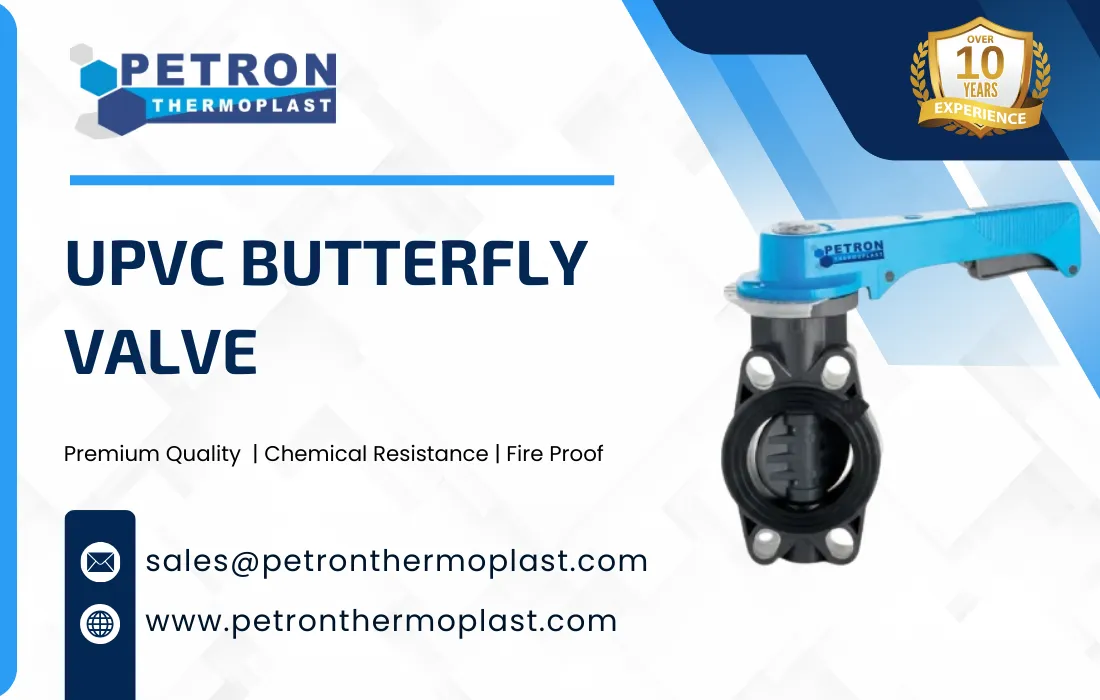
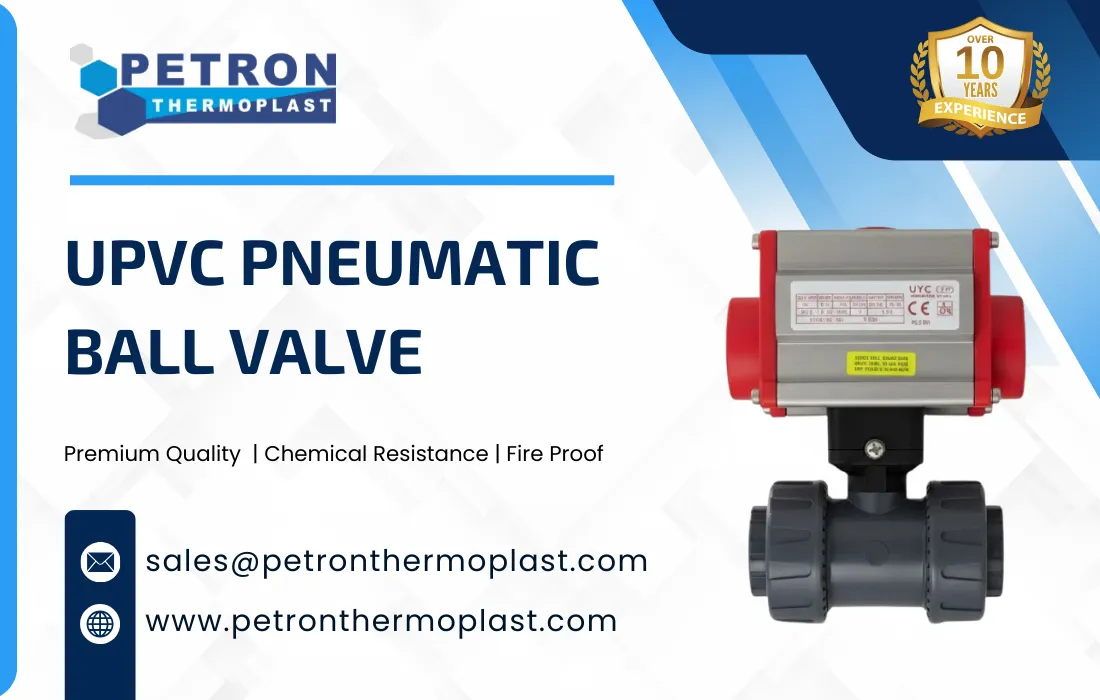
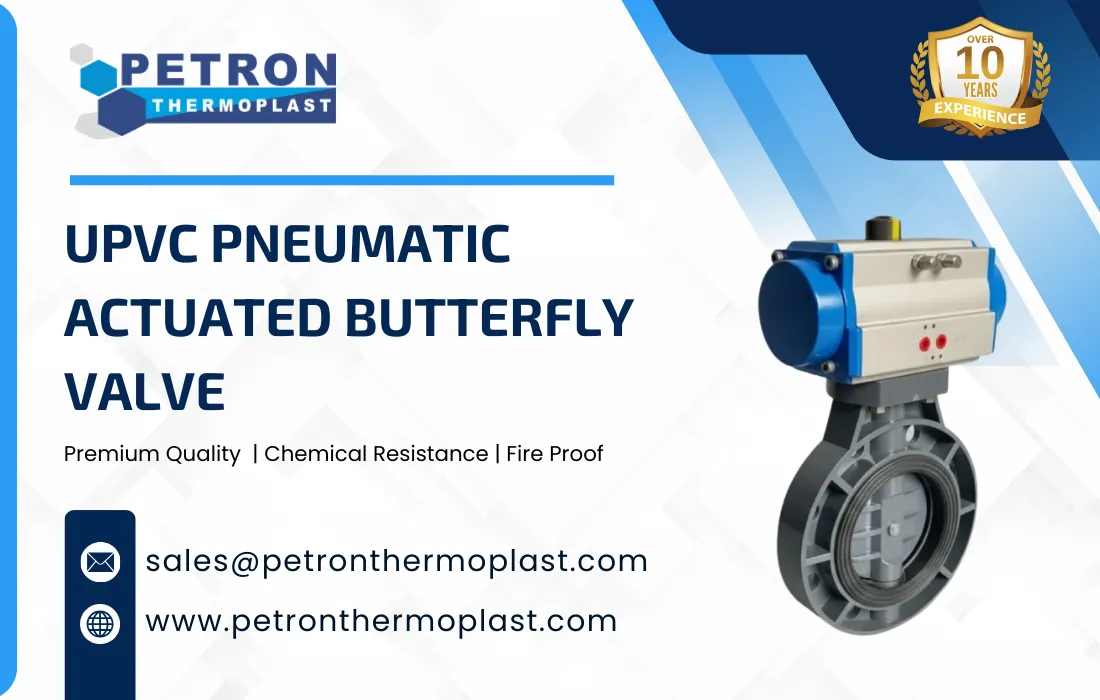
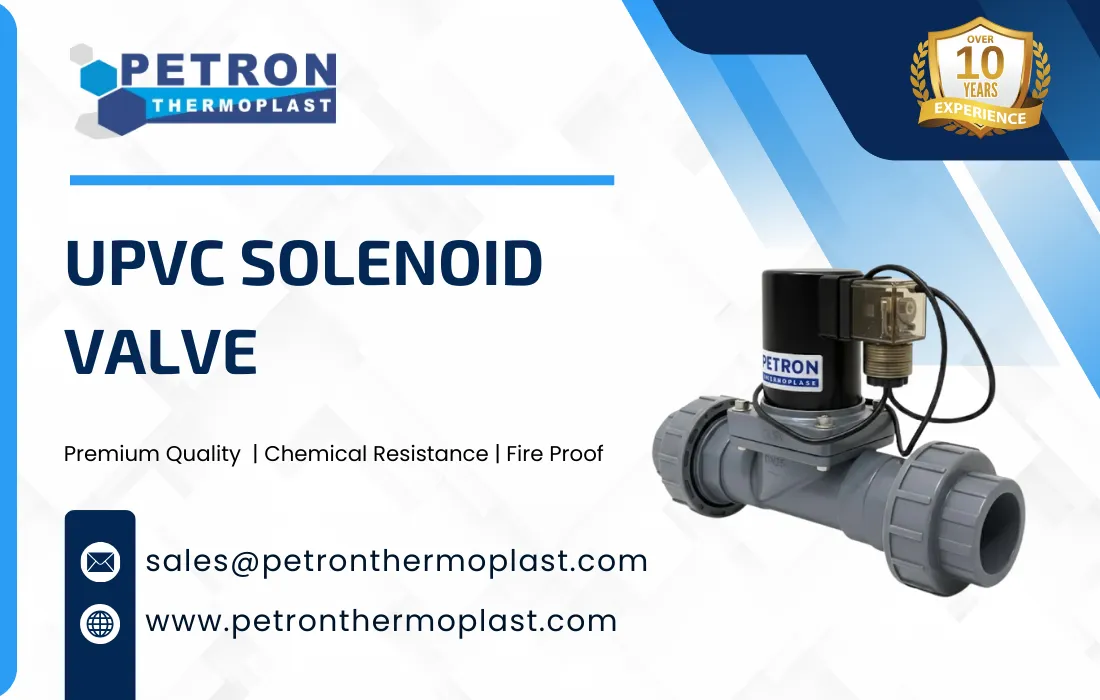
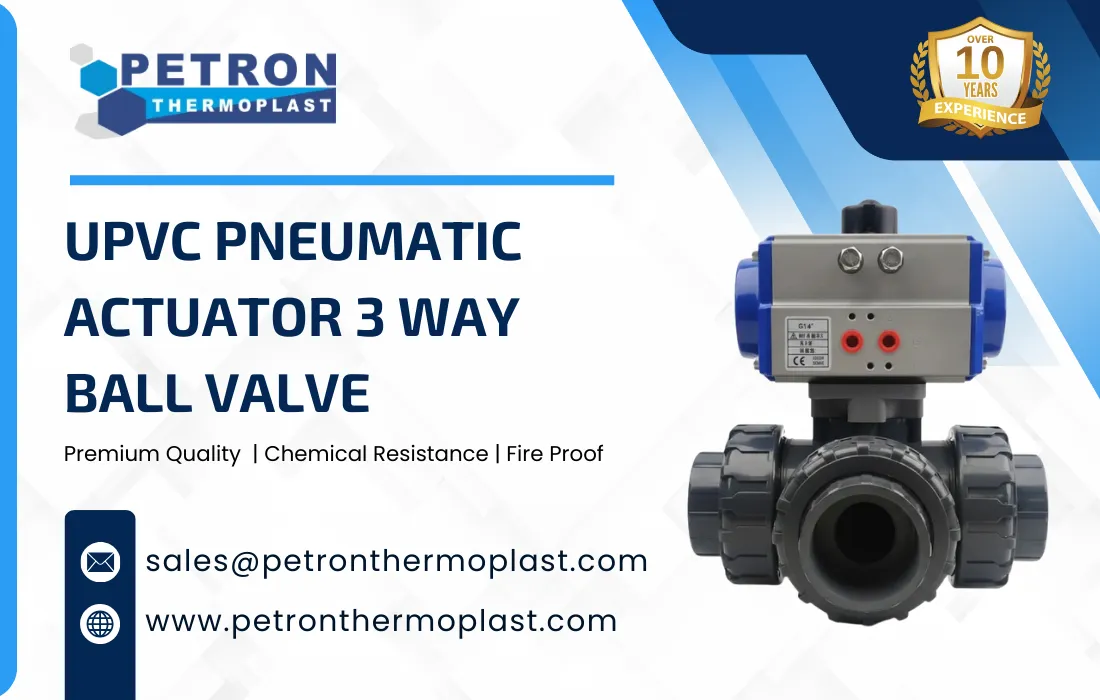
UPVC Pneumatic Actuator 3 Way Ball Valve
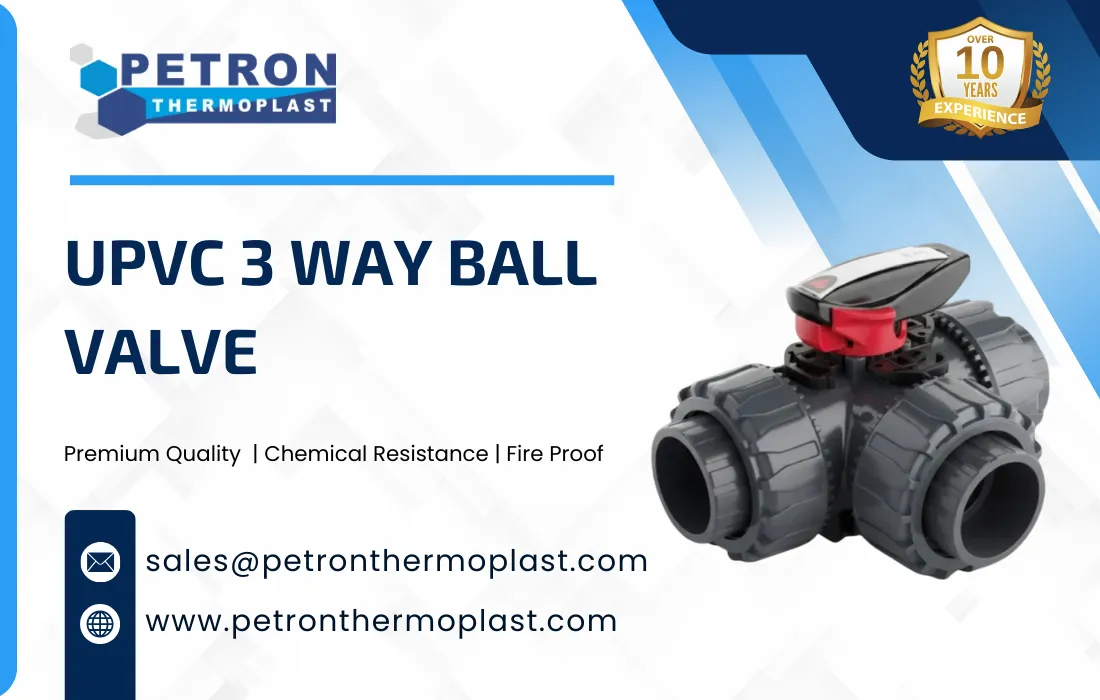
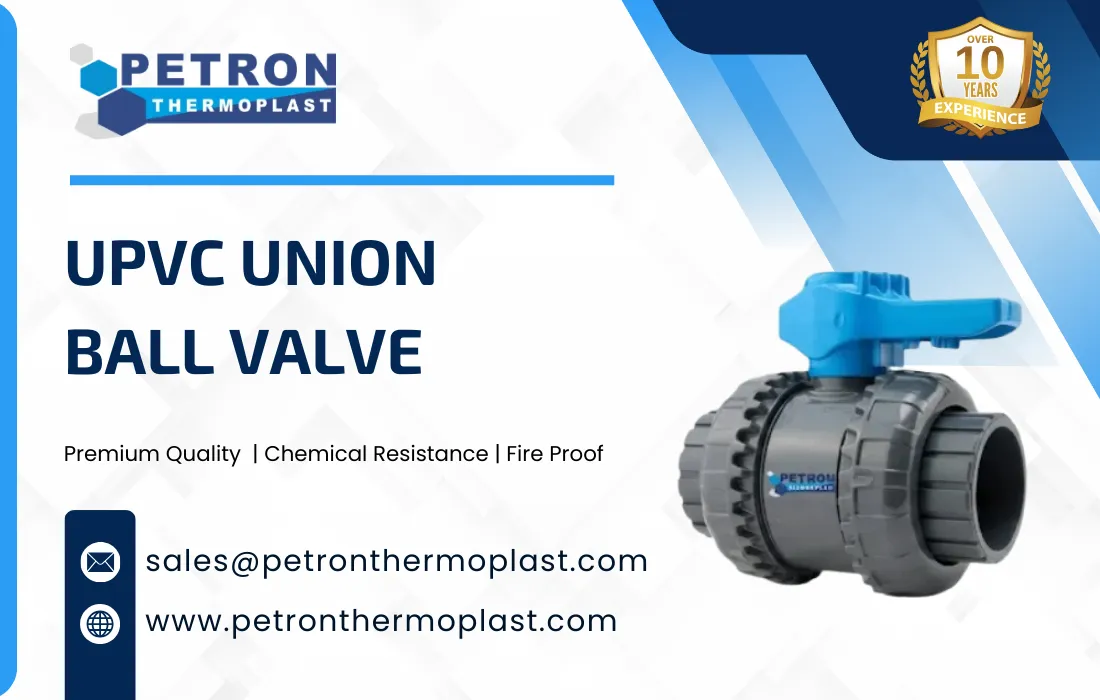
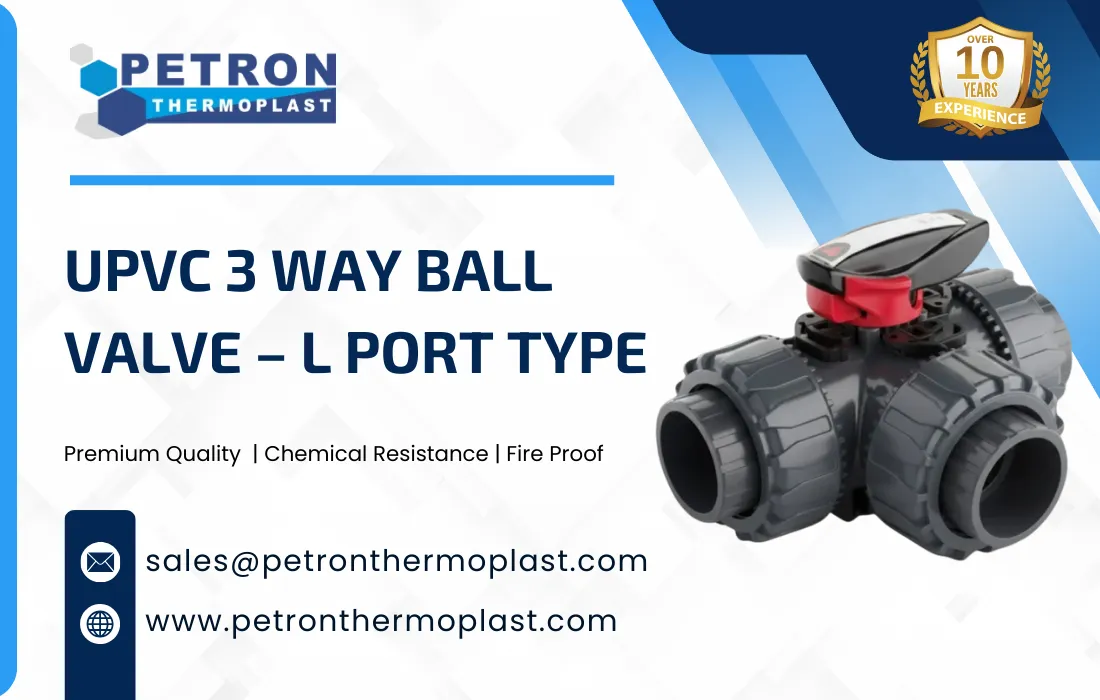
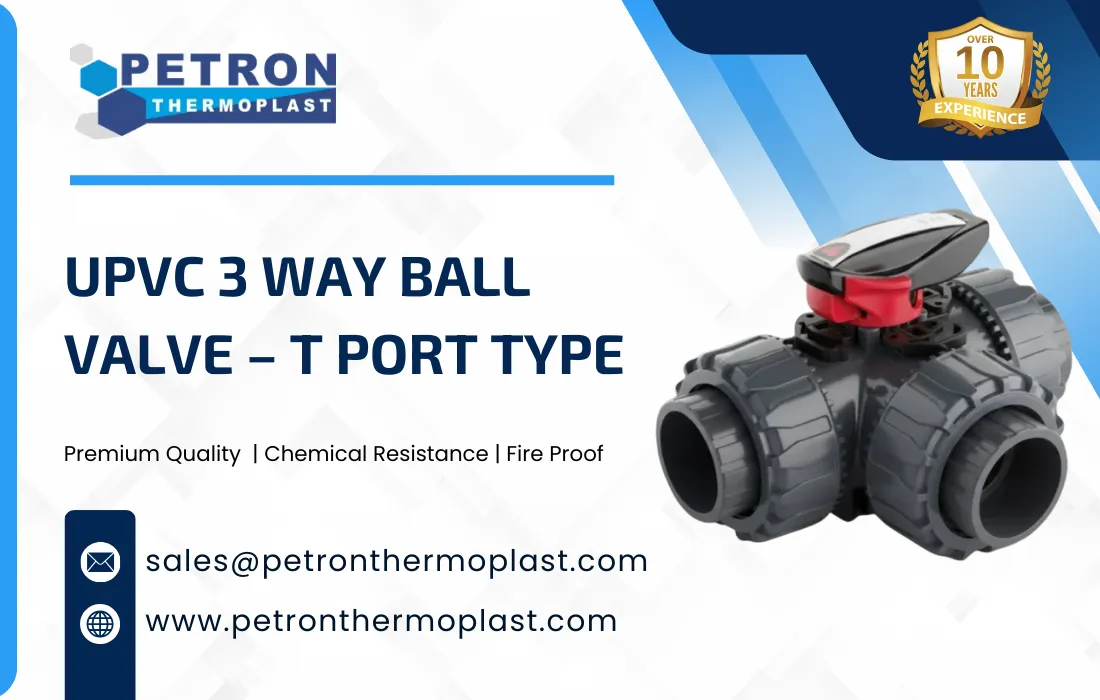
UPVC pneumatic Actuator 3 way ball valves are sanitary devices which are used for the diversion, merging, and reversing of media. It undergoes a precise inspection process and strict quality management to ensure its performance and safety. During manufacturing, the flow channel is precision polished and sterilized to guarantee its hygienic properties. This valve has two basic structures: the three-way T-type and the three-way L-type. Their main function is to perform operations such as diversion, merging, and reversing of media.
UPVC pneumatic Actuator 3 way ball valve is a seat ball carrier system that lets you micro-adjust the ball. They are easy radial disassembly, allowing quick replacement of O-rings and ball seats without any need for tools. Radial dismounting valve bodies are injection moulding equipped with built-in bores for actuation. These are disassembled downstream pipes with the valve in the closed position. They are high surface finish stems with double O-Ring and double connection key to the ball, and equipped with a visual ball position indicator for correct handle installation.

- Chemical Resistance
- Low Maintenance Requirement
- Low Thermal Conductivity
- Long Service Life
- Easy Installation
- Corrosion Resistance
UPVC Pneumatic Actuator 3 Way Ball Valve Details
*Technical Drawing
*Technical Data
| Parameter | Specification / Description |
| Valve Type | 3-Way Ball Valve (T-Port / L-Port) |
| Actuation Type | Pneumatic (Air-operated actuator) |
| Actuator Operation | Double Acting / Single Acting (Spring Return) |
| Working Principle | Compressed air rotates ball (90°) to divert/mix flow |
| Valve Body & Ball | UPVC (Unplasticized Polyvinyl Chloride) |
| Seat Material | PTFE (Teflon) |
| Seal / O-ring | EPDM / NBR / Viton |
| Size Range | DN15 to DN50 (½″ to 2″) |
| End Connections | Socket, Threaded (BSP/NPT), True Union |
| Pressure Rating | PN10 / PN16 (10–16 bar at 20°C) |
| Operating Temp. | 0°C to 60°C |
| Air Supply Pressure | 2.5 – 8 bar |
| Rotation Angle | 90° (Quarter-turn operation) |
| Flow Configuration | T-Port (Mixing/Diverting) / L-Port (Diverting only) |
| Control Type | On/Off or Modulating |
| Flow Direction | Multi-directional (3 ports) |
| Standards | ISO / ASTM / DIN compliant |
1. Three-Way Flow Design
- Allows fluid to be routed between three ports.
- Supports diverting, mixing, or combining flow paths.
- Common port patterns: L-Port (two-path switching), T-Port (three-path mixing/dividing).
2. UPVC Construction
- Unplasticized PVC (UPVC) body offers:
- Excellent corrosion resistance
- Smooth internal surface for low friction
- Resistance to chemicals and harsh fluids
- Lighter and cheaper than metal valves.
3. Pneumatic Actuation
- Integrated with a pneumatic actuator that uses compressed air:
- Fast open/close action
- Reliable and repeatable performance
- Easy integration into automated systems
4. Fail-Safe Options
- Automatically returns to a preset position if air fails.
- Uses air for both opening and closing for balanced control.
5. Automated Control Capability
- Works with solenoid valves, limit switches, and positioners.
- Compatible with control systems like PLC, DCS, or SCADA.
- Provides remote operation and monitoring.
6. Smooth & Low-Torque Operation
- Ball design gives:
- Low friction rotation
- Faster response
- Lower air consumption compared to other automated valves
7. Chemical Compatibility
- Suitable for a wide range of fluids including:
- Acids and alkalis
- Salt solutions
- Oil, gas and chemicals
- Excellent for applications that require non-metallic wetted parts.
8. Tight Shut-Off Performance
- Ball and seat design ensures:
- Minimal leakage
- Efficient shut-off
- Reliable sealing over many cycles
9. Connection Options
- Commonly available with:
- Socket (solvent weld) ends
- Threaded ends
(Flanged variants may be available based on design.)
10. Low Maintenance
- No rusting
- Fewer moving parts compared to manual or electric systems
- Easy to clean
11. Lightweight
- Easier handling
- Lower installation cost
- Reduces load on pipe supports
12. Safe for Hazardous Environments
- Pneumatic actuation avoids:
- Electrical sparks
- Electrical failures
- Ideal for flammable or wet environments
| Parameter | Typical Value / Rating | Notes |
| Valve Type | 3-Way uPVC Ball Valve with Pneumatic Actuator | Standard ISO 5211 mounting |
| Body Material | uPVC / Plastic | Good chemical resistance |
| Pressure Rating (Small Sizes ½”–2”) | ~10 bar (1.0 MPa / 145 psi) | Common for uPVC PVC 3-way valves |
| Working Pressure (uPVC at 20 °C) | PN16 (≈16 bar / 240 psi) for D16–D63 / PN10 (≈10 bar / 150 psi) for larger sizes | Typical valve body rating (not actuator) |
| Working Pressure (Some Manufacturers) | ~7 kg/cm² (~6.9 bar) | Reported for specific uPVC designs |
| Air Supply for Pneumatic Actuator | 2.5–8 bar (≈36–116 psi) | Standard for rack-and-pinion actuators |
| Actuator Operating Pressure | 5–8 bar typical | Many pneumatic actuators require ≥5 bar for reliable operation |
| Temperature Range | ~ -10 °C to +60 °C | uPVC limit due to material properties |

Custom Product Manufacturing Available
If you are searching for customized product designs that meet your requirements, don’t worry. Petron Thermoplast also offers custom product manufacturing services to meet the unique needs of various industries. Work with our expert engineers to create custom designs suited for your application.
Benefits of Using UPVC Pneumatic Actuator 3 Way Ball Valve
1. Excellent Corrosion Resistance
- Highly resistant to rust and chemical corrosion
- Ideal for aggressive media like acids, alkalis, salts, and other corrosive fluids.
2. Lightweight and Easy to Install
- Makes installation and handling easier
- Reduces structural support requirements
- Lowers labor costs
3. Smooth and Reliable Operation
- Fast and precise actuation
- Consistent performance under frequent operation
4. Automation and Remote Control
- Remote control and integration into SCADA/DCS systems
- Quick response times
- Minimised human intervention in hazardous or hard-to-reach areas
5. Low Maintenance
- No rusting or lubrication issues often seen with metal valves
- Fewer moving mechanical parts vs. manual systems
6. Cost-Effective
- Lower material cost
- Reduced installation expenses
- Pneumatic systems are generally simpler and cheaper to maintain
7. Good Chemical Compatibility
- Oil & gas treatment
- Chemical processing
- Agriculture (fertilizers & pesticides)
- Pools and aquariums
8. Versatile Flow Control (3-Way Functionality)
- L-port for diverting flow between two outlets
- T-port for mixing or distributing flows
9. Safe in Explosive or Wet Environments
- Sparks
- Electrical failures
Types of UPVC Pneumatic Actuator 3 Way Ball Valve
1. Based on Port Configuration
L-Port 3-Way Ball Valve
- Has an L-shaped passage inside the ball.
- Allows two flow paths: straight through and diverted at right angles.
- Ideal for diverting or switching flow between two different outlets.
T-Port 3-Way Ball Valve
- Has a T-shaped passage inside the ball.
- Allows three flow paths to connect or mix fluid streams.
- Used for mixing, diverting, or three-way distribution.
2. Based on Actuation Type
Pneumatic Spring Return
- The actuator uses compressed air to move the valve in one direction.
- A spring returns the valve to its default (fail-safe) position when air is removed.
- Common in fail-safe applications.
Pneumatic Double Acting
- Compressed air is used for both opening and closing strokes.
- No spring inside — gives equal force in both directions.
- Good for frequent cycling & precise control.
3. Based on Control Signal (Automation)
On/Off Pneumatic
- Simple open/close control.
- Typically used with 2-position solenoid valves (0/90° operation).
Modulating Pneumatic
- Uses an analog control signal (e.g., 4–20 mA or 0.2–1 bar).
- Provides proportional control for throttling or flow regulation.
4. Based on Mounting/Connection Style
Socket Weld (Solvent Weld)
- Valve and pipe are joined by solvent welding (chemical fusion).
- Very common in UPVC piping systems.
Threaded (BSP / NPT)
- Screwed connection.
- Easier to install or replace without solvent welding.
Flanged (Rare in uPVC)
- Used where flange standards are required.
- Typically, engineered setups are less common with UPVC.
5. Based on Actuator Accessories
- Provides electrical feedback for valve position.
- Useful for remote monitoring.
- Ensures valve follows control signal precisely.
- Enables quick air supply switching.
- Good for integration with PLC/automation systems.
Why Choose Petron Thermoplast?
At Petron Thermoplast, selecting the UPVC Pneumatic Actuator 3 Way Ball Valve type for an industrial application requires a clear understanding of the system demands and operational requirements. A UPVC Pneumatic Actuator 3 Way Ball Valve is well-suited for applications that involve water fluid mixing and simultaneous flow distribution, while a proper evaluation of the system needs ensures the selected ball valve 3 way design aligns with performance expectations, enhancing the efficiency and reliability of UPVC Pneumatic Actuator 3 Way Ball Valve.
Petron Thermoplast specializes in high-performance flow control solutions. Our expertise in manufacturing the specialized components ensures that your pipelines remain efficient and clean. With a commitment to quality and rigorous research and development, we offer the technical precision needed for demanding industrial applications.