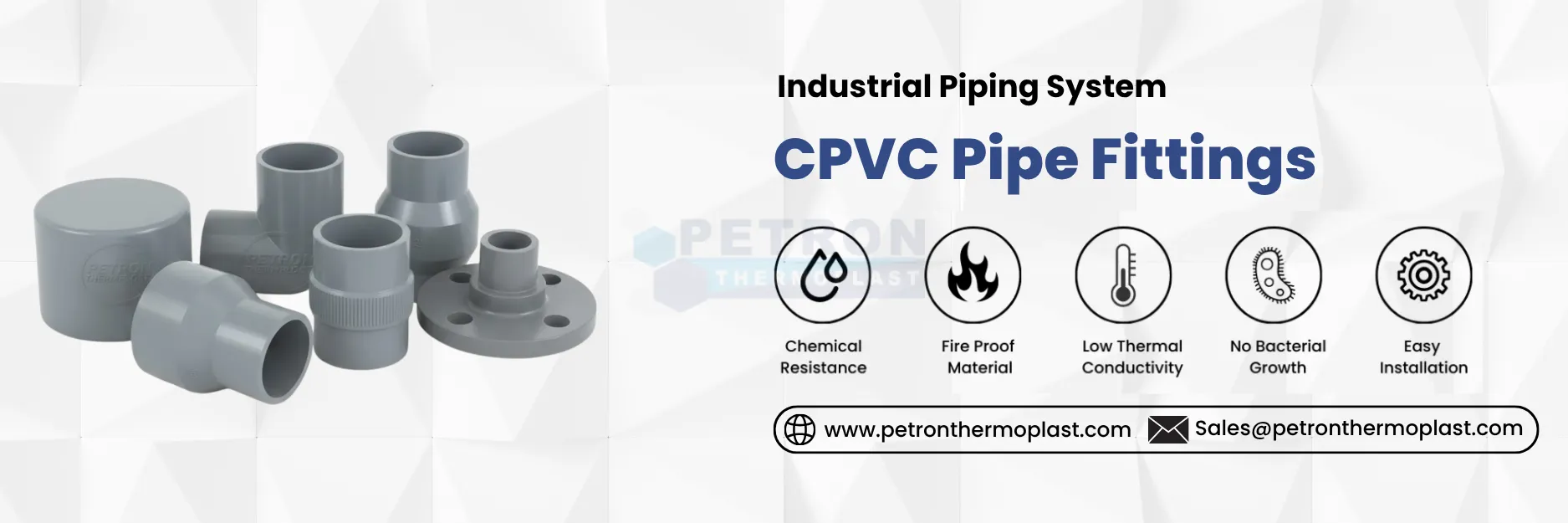
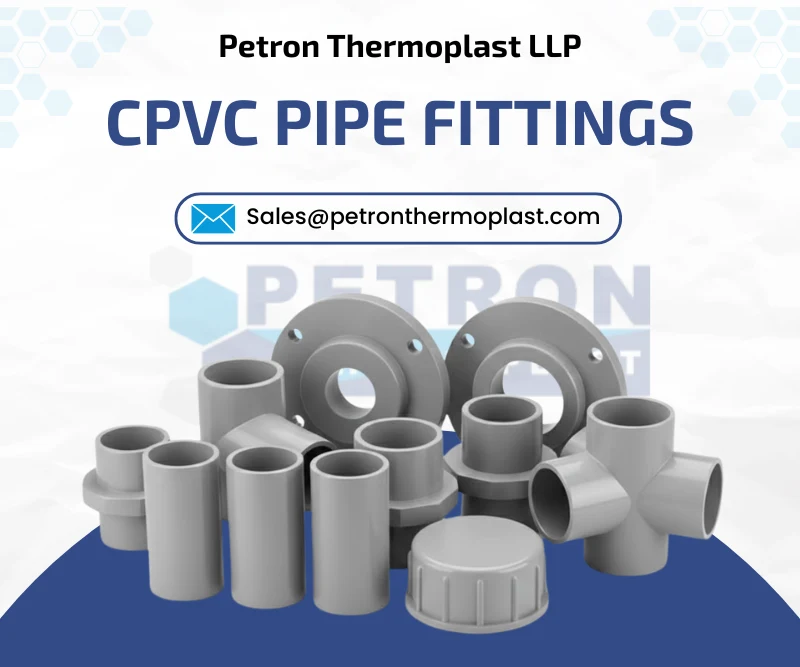
CPVC Pipe Fittings
CPVC (Chlorinated Polyvinyl Chloride) pipe fittings are part of a thermoplastic piping system, which is widely used in modern residential and light commercial systems. These components are engineered for transporting both hot and cold potable water, offering a corrosion-resistant, lightweight alternative to metal pipes. The brand produces CPVC products designed to meet or exceed industry standards for safety, flow efficiency, and installation ease.
CPVC material is created by chlorinating PVC resin, which enhances its thermal and mechanical properties. This allows CPVC to withstand higher temperatures—up to 200°F (93°C)—compared to standard PVC, making it ideal for hot water distribution through straight pipes in various diameters (typically ½ inch to 4 inches), along with elbows, tees, couplings, adapters, and other essential fittings needed for complete system assembly. These products are commonly used in single-family homes, multi-unit buildings, and retrofit projects where long-term reliability and code compliance are critical. Especially popular in regions prone to acidic water or where galvanized steel pipes have historically failed due to rust and scaling.

CPVC Pipe Fittings Details
CPVC Pipe Fittings Product Range
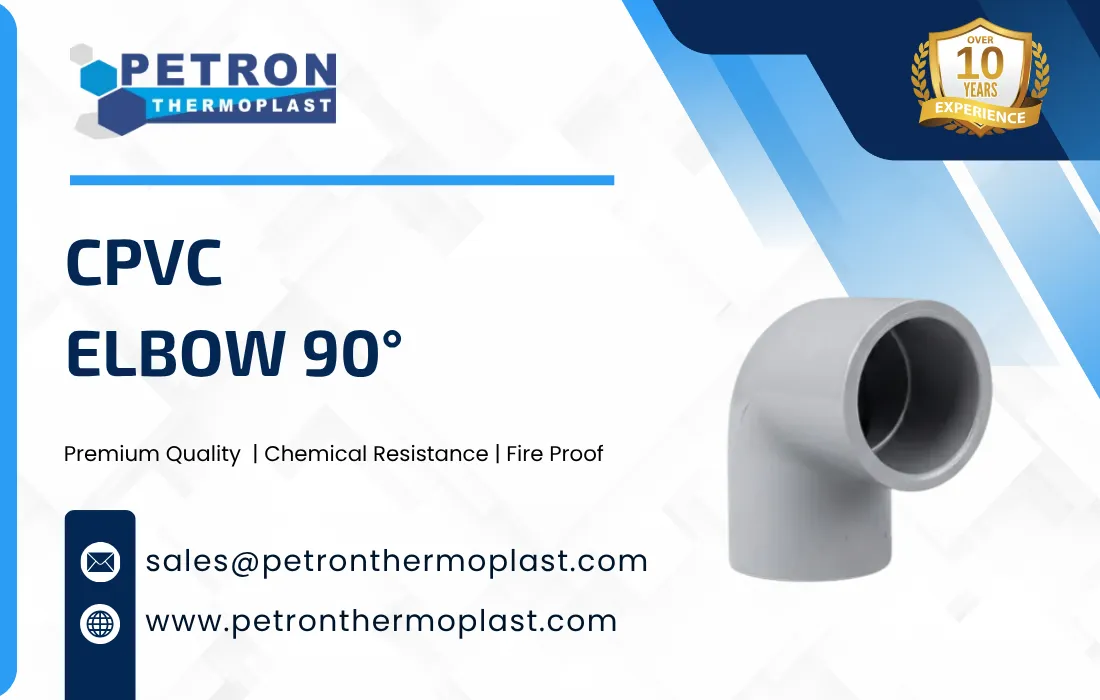
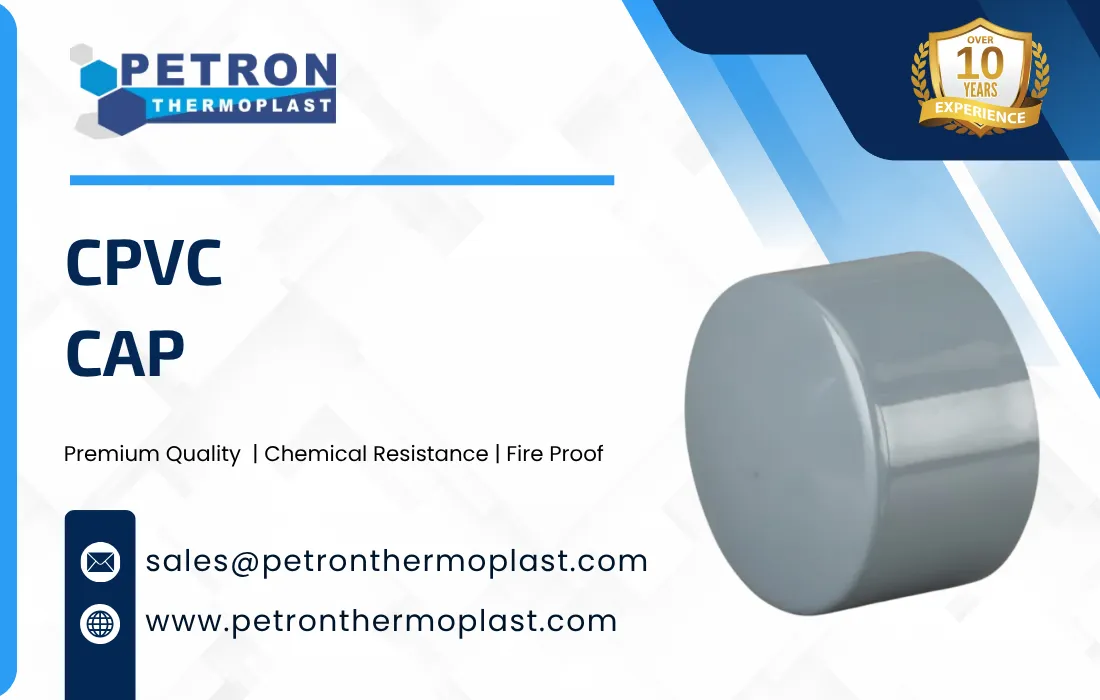
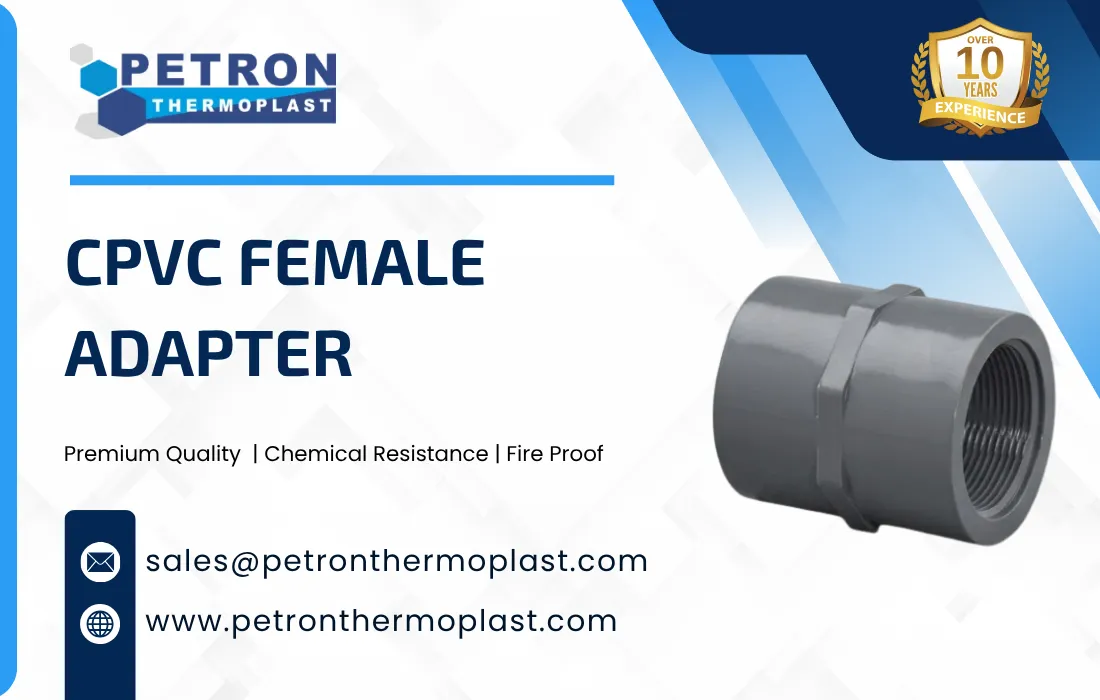
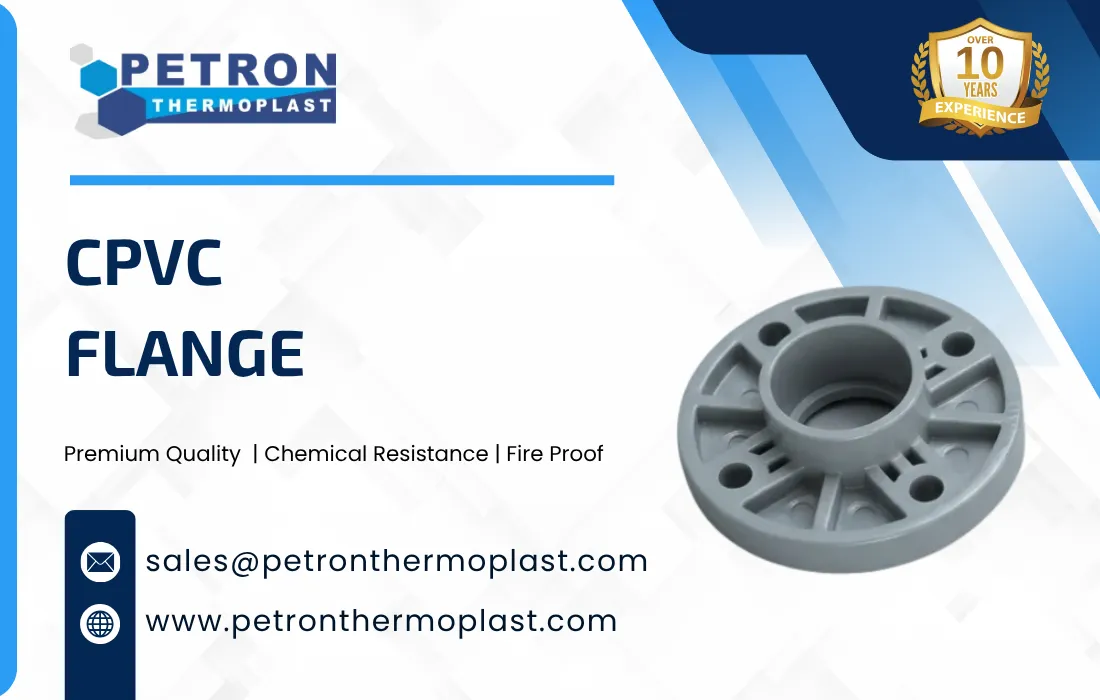
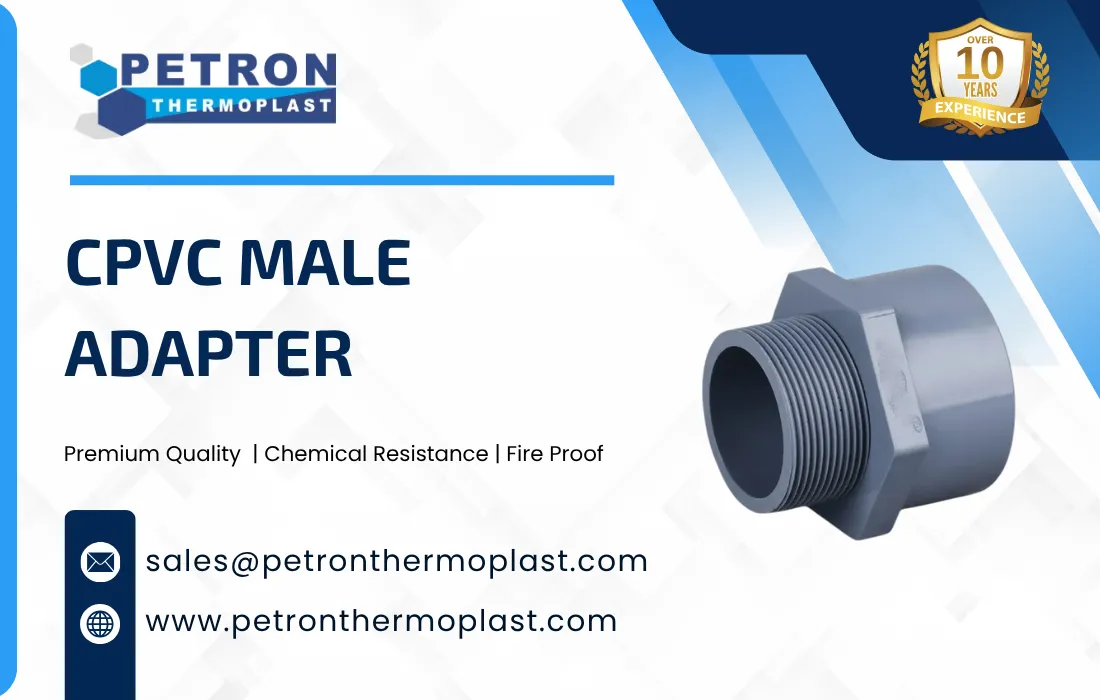
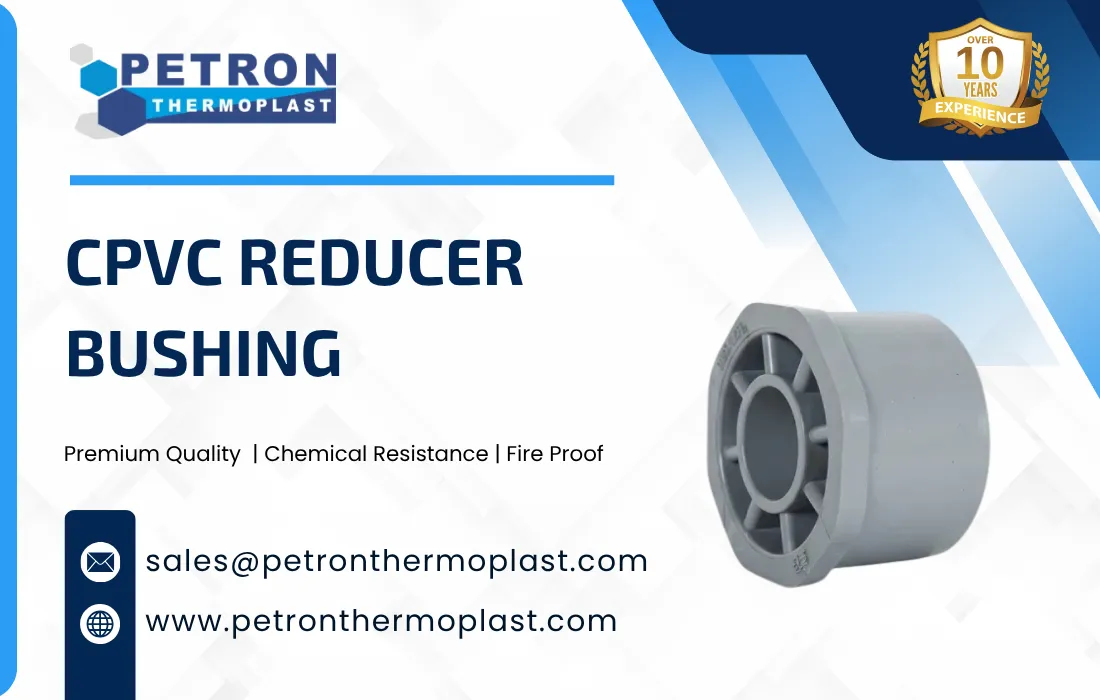
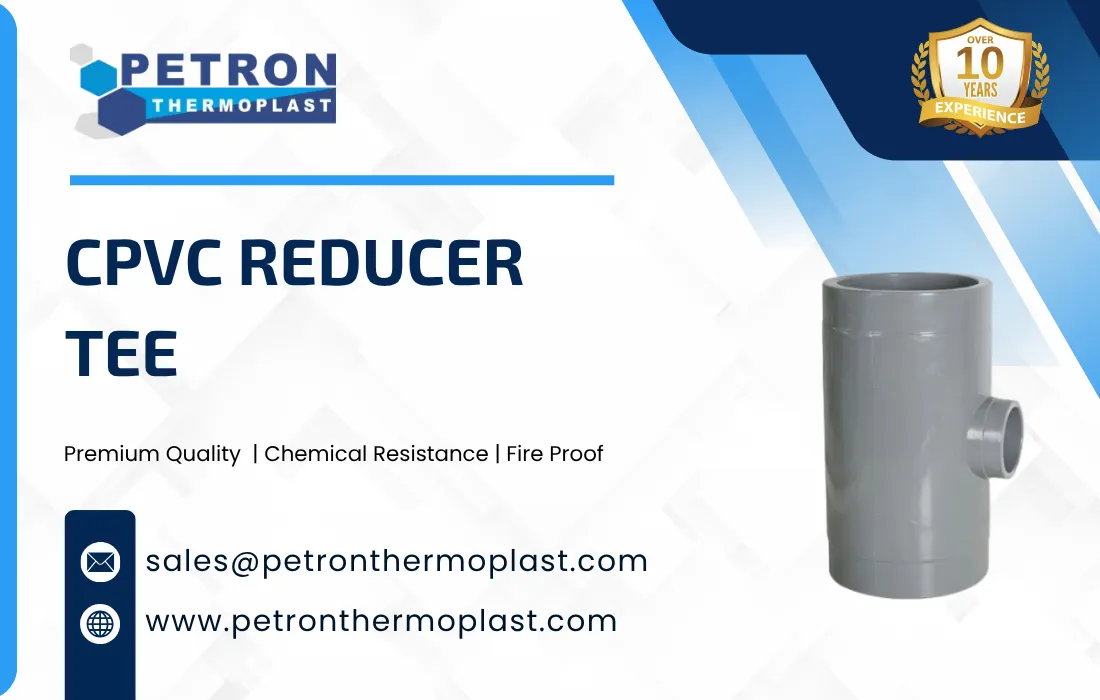
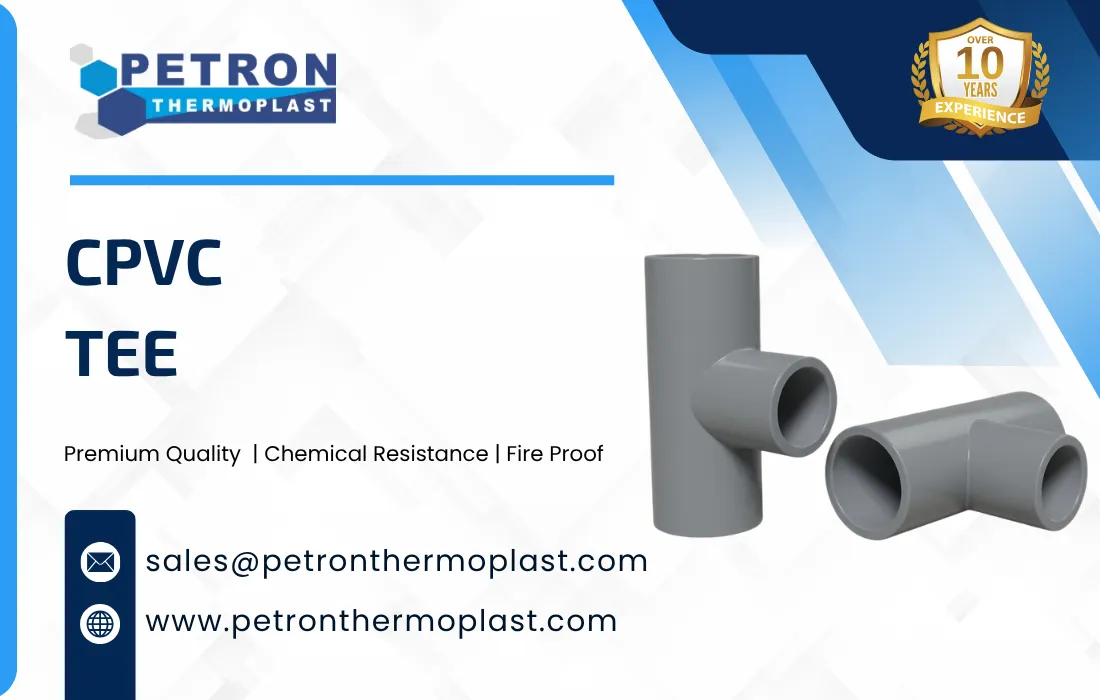
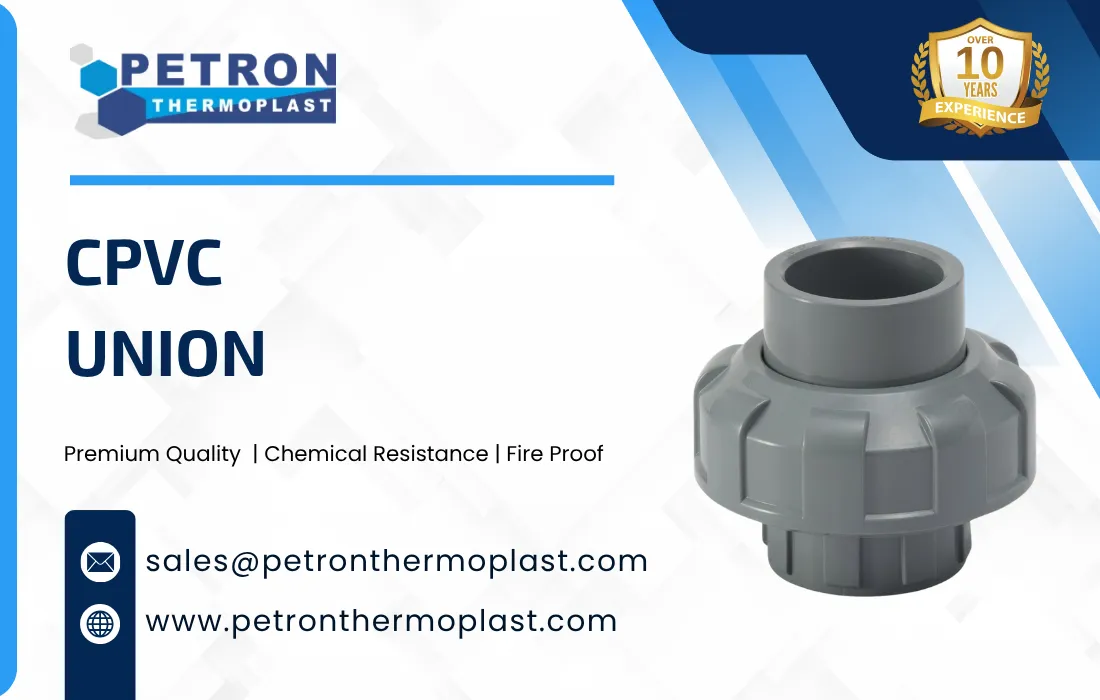
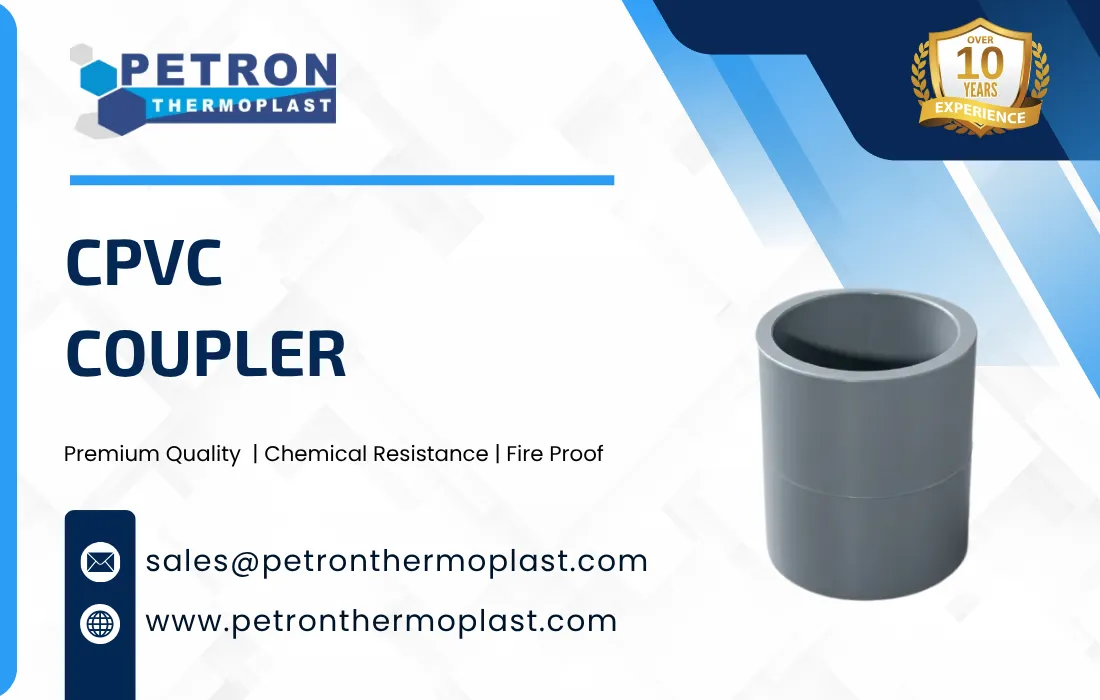
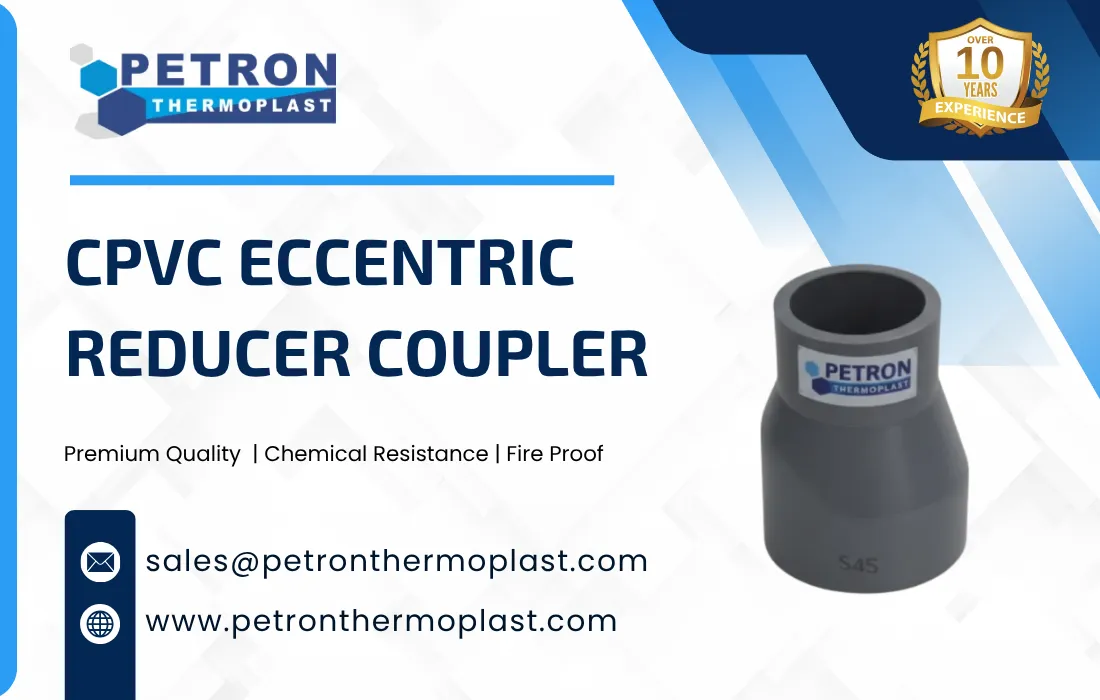
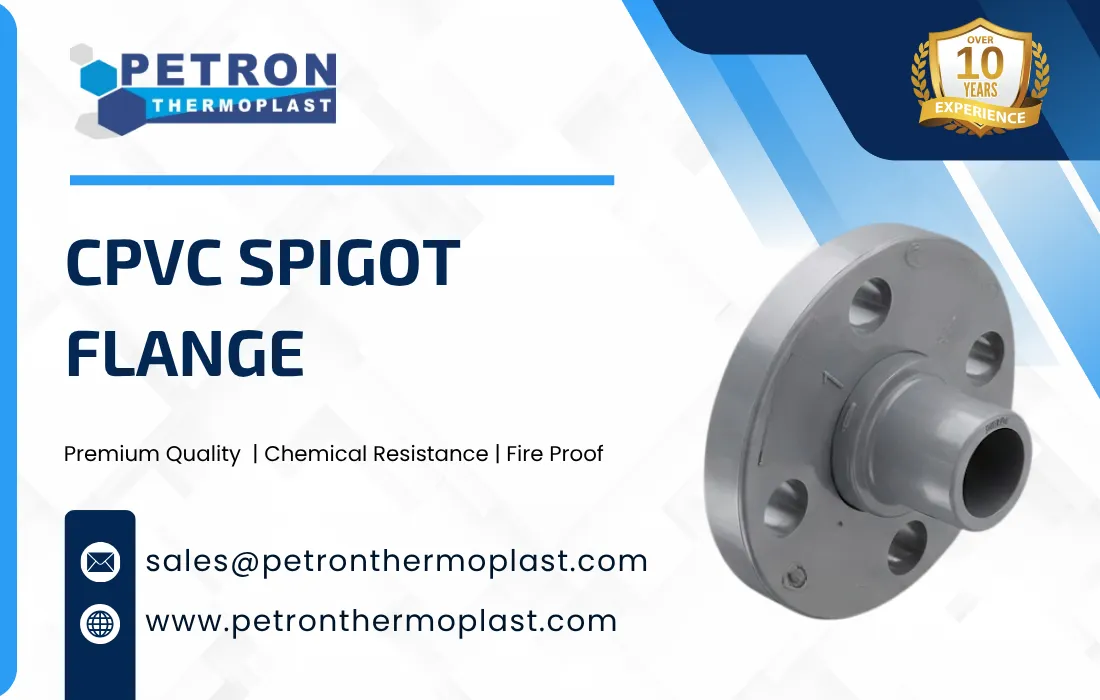
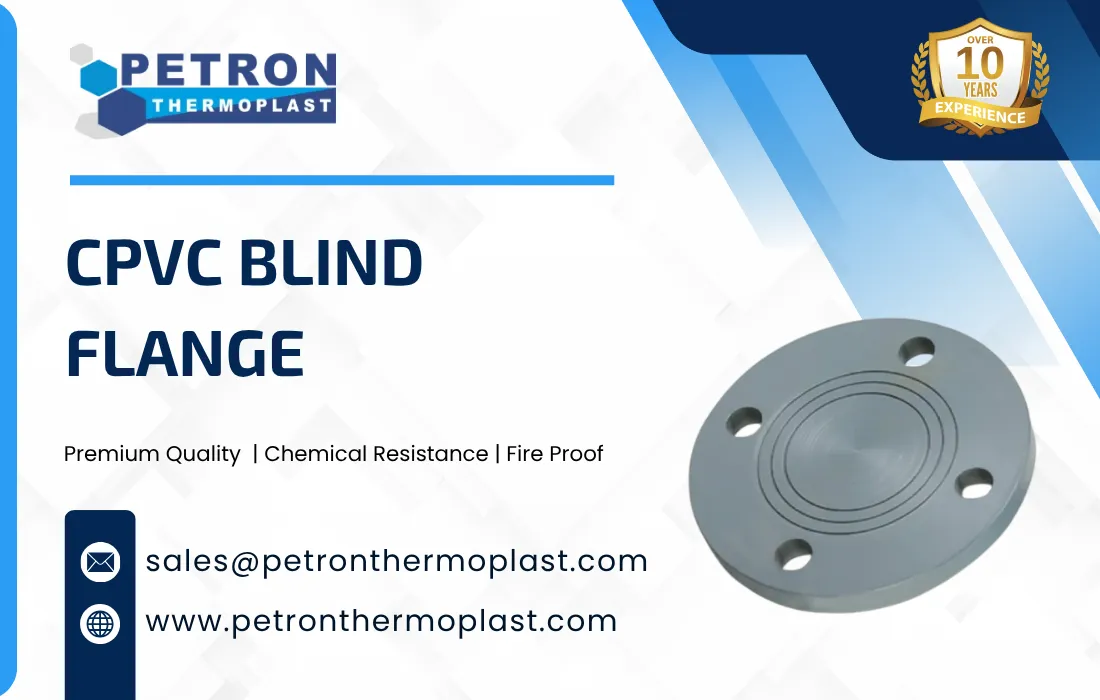
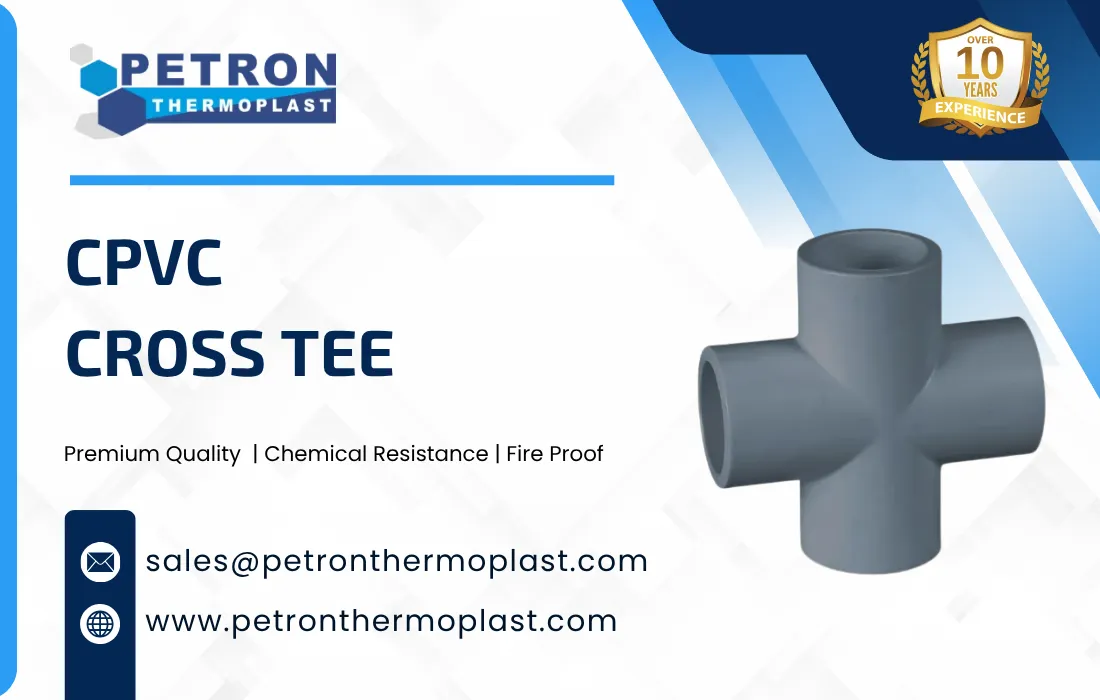
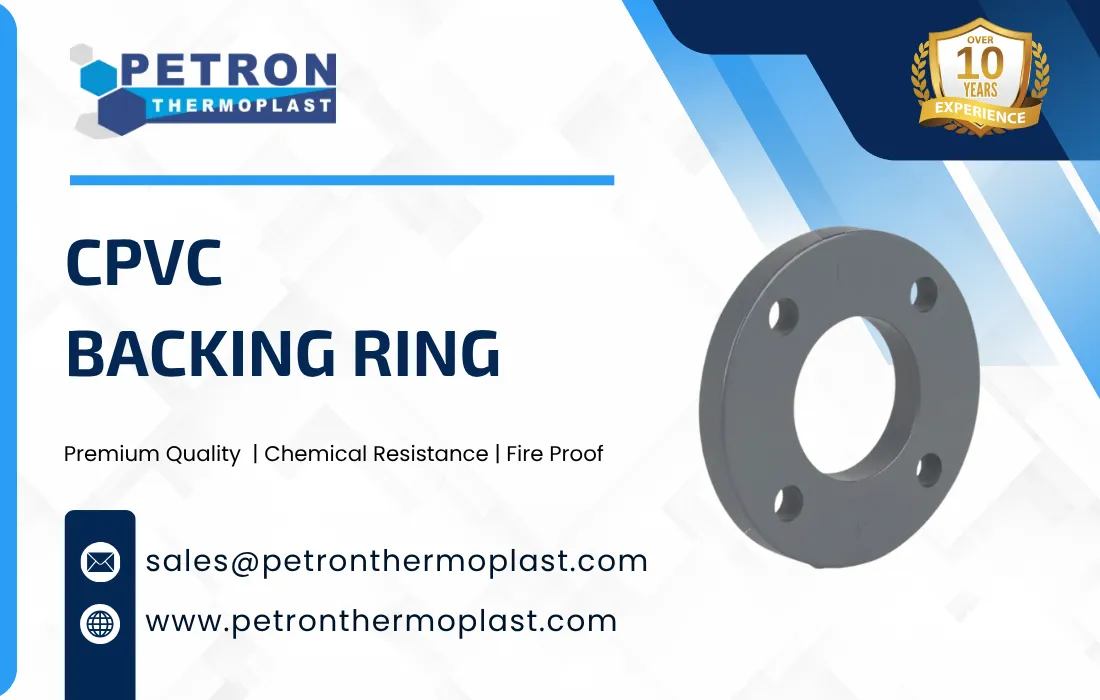
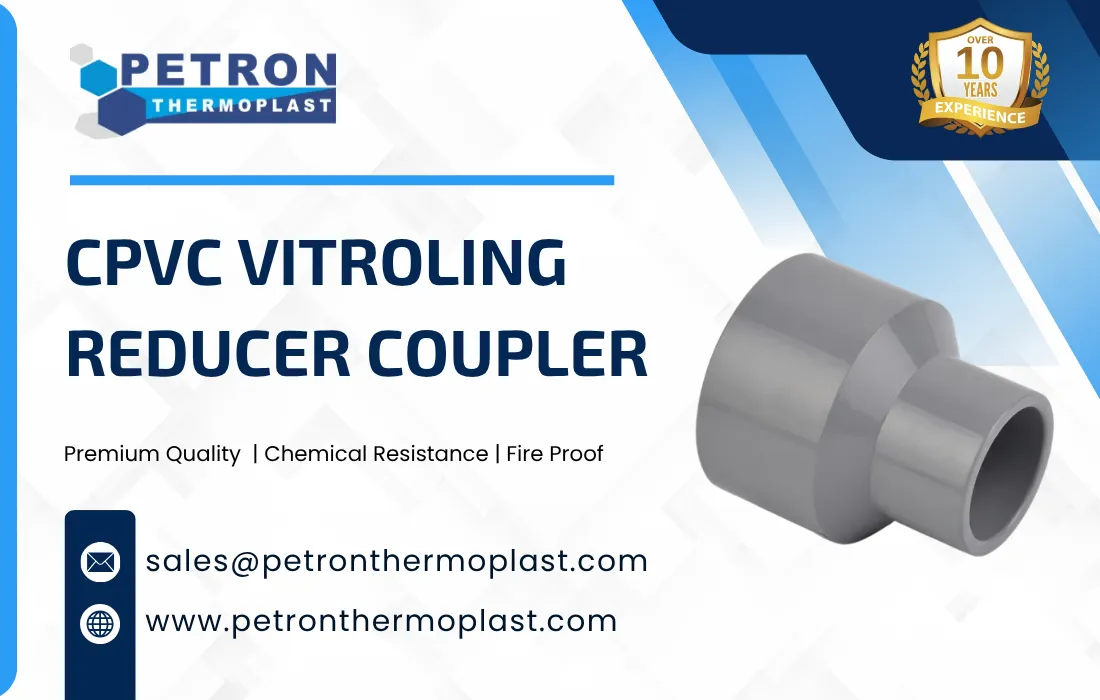

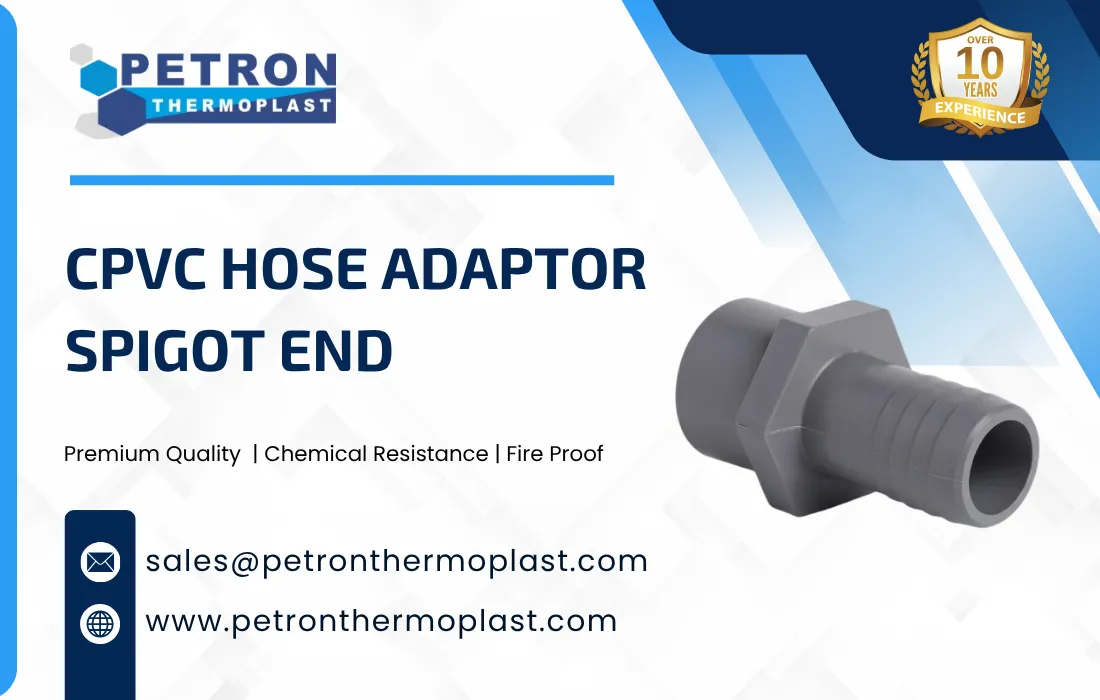
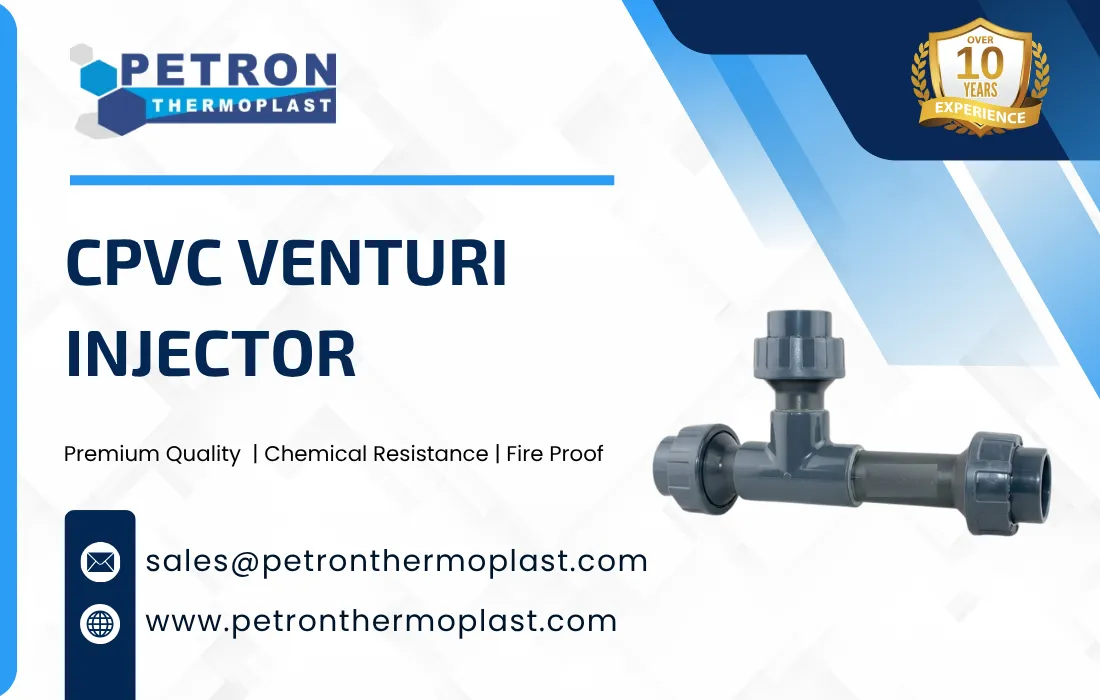
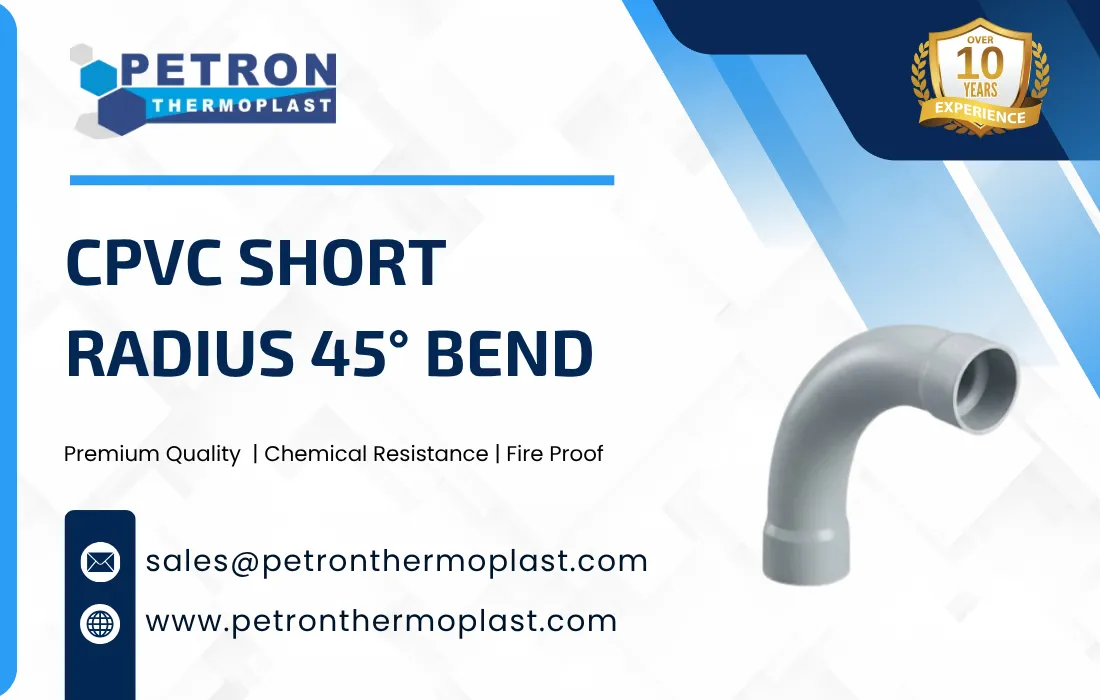
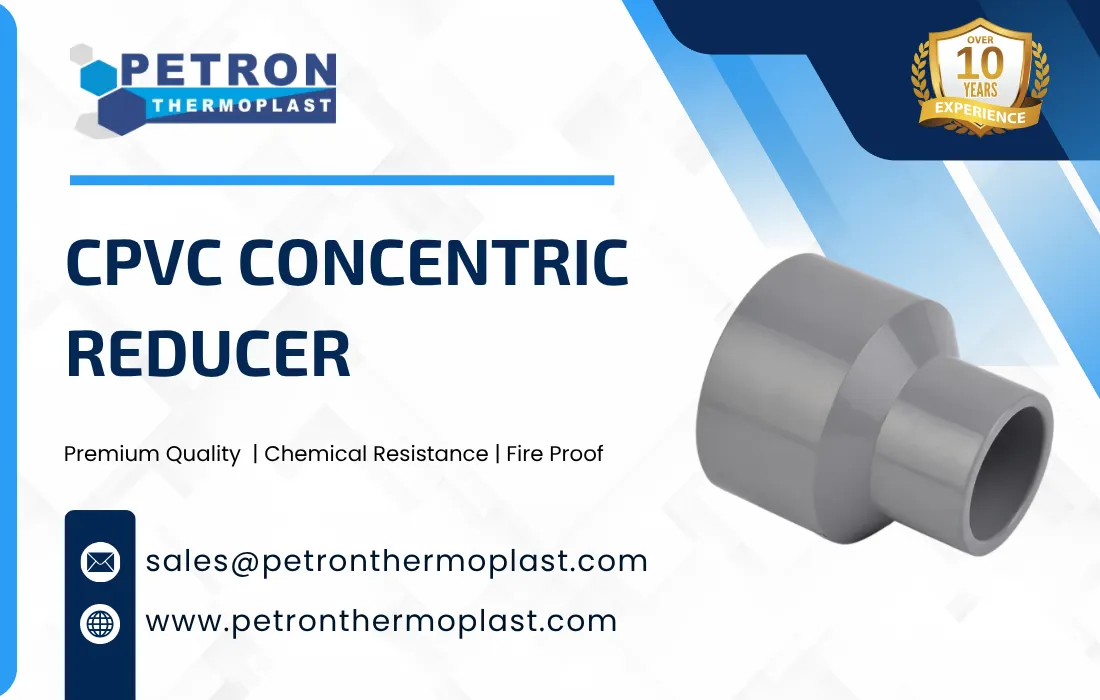

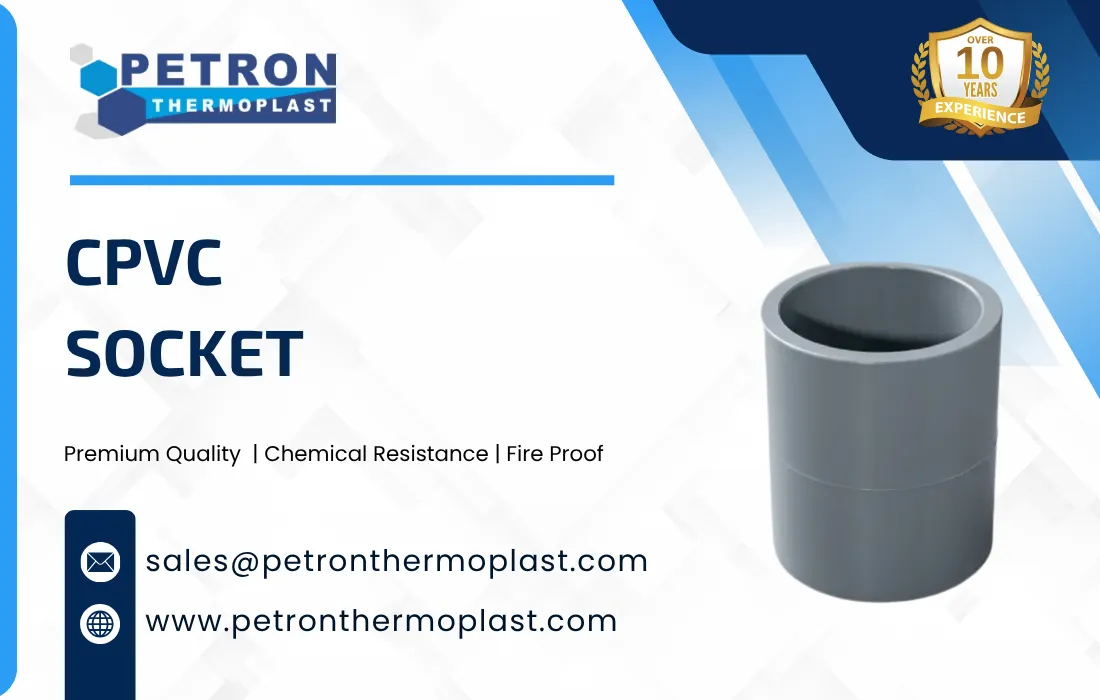
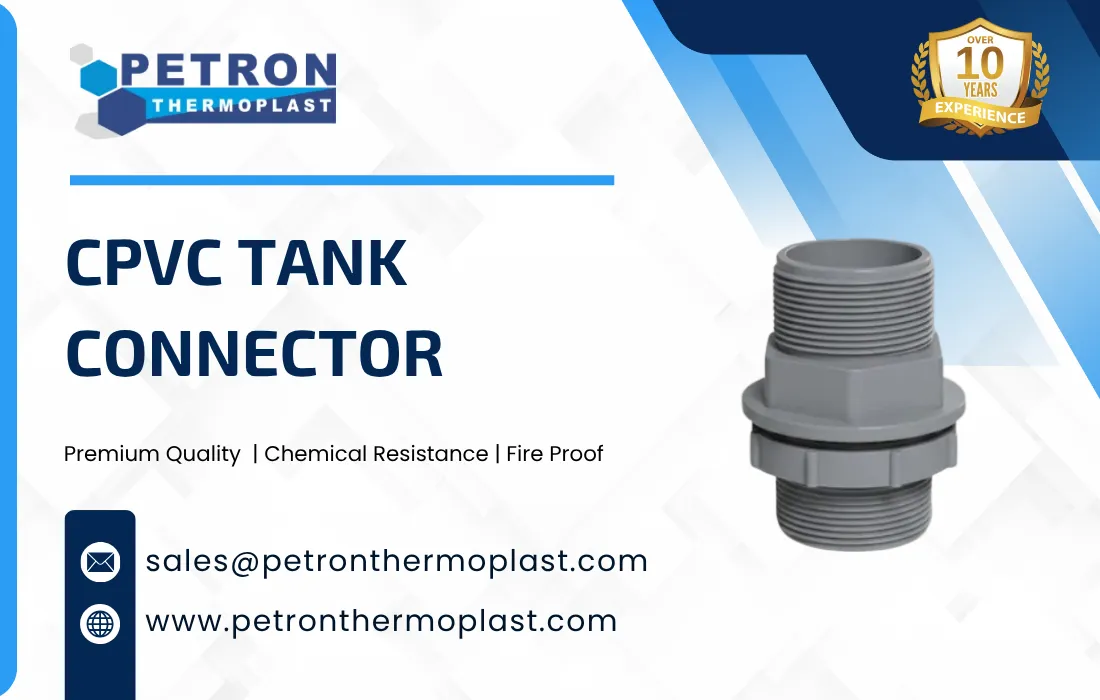
| Parameter | Details |
| Material | CPVC (Chlorinated Polyvinyl Chloride) |
| Application | Hot & cold water, chemicals, industrial fluids |
| Size Range | ½″ to 6″ (15 mm to 150 mm) |
| Pressure Rating | Up to ~28 kg/cm² at 23°C (varies by class) |
| Temperature Range | Up to 93°C (continuous service) |
| Standards | ASTM D2846, ASTM F438, ASTM F439, IS 15778 |
| Classes | SDR 11, SDR 13.5, SCH 40, SCH 80 |
| Joining Methods | Solvent cement, threaded, flanged |
| Color | Ivory / light yellow (standard industrial color) |
| Specific Gravity | ~1.5 |
| Tensile Strength | ~7000–7500 psi |
| Flexural Strength | ~11,000–13,000 psi |
| Compressive Strength | ~10,000 psi |
| Impact Strength | High impact resistance |
| Thermal Conductivity | Low (good insulation) |
| Coeff. of Expansion | ~3.4–3.8 × 10⁻⁵ in/in/°F |
| Water Absorption | ~0.03% (very low) |
| Fire Rating | Self-extinguishing (UL 94 V-0) |
| Weight | Lightweight (much lighter than metal) |
| Surface Finish | Smooth internal surface |
| Friction Loss | Very low (high flow efficiency) |
| Corrosion Resistance | Excellent (no rust, scaling, or pitting) |
| Chemical Resistance | Resistant to acids, alkalis, salts |
| Hygiene | Non-toxic, suitable for potable water |
| Bacterial Growth | Does not support bacterial growth |
| Nominal Size (DN / Inch) | SCH 40 Max Pressure @ 20°C | SCH 40 Max Pressure @ 60°C | SCH 80 Max Pressure @ 20°C | SCH 80 Max Pressure @ 60°C | Typical Application |
| ½” (15 mm) | 17 bars (~246 psi) | 10 bar (~145 psi) | 26 bar (~377 psi) | 15 bar (~218 psi) | Domestic hot/cold water |
| ¾” (20 mm) | 15 bar (~218 psi) | 9 bar (~130 psi) | 24 bar (~348 psi) | 14 bar (~203 psi) | Hot water & industrial |
| 1″ (25 mm) | 14 bar (~203 psi) | 8 bar (~116 psi) | 22 bar (~319 psi) | 13 bar (~189 psi) | Industrial, chemical lines |
| 1¼” (32 mm) | 13 bar (~189 psi) | 7 bar (~102 psi) | 20 bar (~290 psi) | 12 bar (~174 psi) | Hot/cold water supply |
| 1½” (40 mm) | 12 bar (~174 psi) | 7 bar (~102 psi) | 19 bar (~276 psi) | 11 bar (~160 psi) | Industrial piping |
| 2″ (50 mm) | 11 bar (~160 psi) | 6 bar (~87 psi) | 18 bar (~261 psi) | 11 bar (~160 psi) | Industrial & commercial |
| 2½” (65 mm) | 10 bar (~145 psi) | 6 bar (~87 psi) | 16 bar (~232 psi) | 10 bar (~145 psi) | Hot water pipelines |
| 3″ (80 mm) | 10 bar (~145 psi) | 5 bar (~73 psi) | 16 bar (~232 psi) | 10 bar (~145 psi) | Industrial water systems |
| 4″ (100 mm) | 9 bar (~130 psi) | 5 bar (~73 psi) | 14 bar (~203 psi) | 9 bar (~130 psi) | Hot/cold water supply |
| 6″ (150 mm) | 8 bar (~116 psi) | 4 bar (~58 psi) | 12 bar (~174 psi) | 8 bar (~116 psi) | Industrial piping |
| 8″ (200 mm) | 8 bar (~116 psi) | 4 bar (~58 psi) | 12 bar (~174 psi) | 8 bar (~116 psi) | Large-diameter systems |
Temperature
| Property | Temperature Range / Value | Notes |
| Minimum Operating Temperature | 0°C | Avoid mechanical impact below freezing |
| Maximum Continuous Operating Temperature | 82°C | Safe for hot water and industrial applications |
| Maximum Short-Term / Intermittent Temperature | 95°C | Brief exposure allowed, not continuous |
| Vicat Softening Temperature | 95 – 100°C | Temperature at which CPVC starts softening under load |
| Thermal Expansion Coefficient | 7 – 9 × 10⁻⁵ /°C | Expansion must be considered in long pipelines |
Density
| Property | Typical Value | Notes |
| Material | CPVC (Chlorinated Polyvinyl Chloride) | Rigid thermoplastic |
| Density | 1.45 – 1.55 g/cm³ | Slightly higher than PVC due to chlorination |
| Variation | ±0.05 g/cm³ | Depends on manufacturer and formulation |
| Effect | Higher density → better strength and temperature resistance | Important for hot water and industrial applications |
| Nominal Size (DN / Inch) | Outer Diameter (mm) | SCH 40 Wall Thickness (mm) | SCH 80 Wall Thickness (mm) |
| ½” (15 mm) | 21.3 | 2.0 | 2.6 |
| ¾” (20 mm) | 26.7 | 2.3 | 3.0 |
| 1″ (25 mm) | 33.4 | 2.8 | 3.4 |
| 1¼” (32 mm) | 42.2 | 2.9 | 3.6 |
| 1½” (40 mm) | 48.3 | 3.6 | 4.3 |
| 2″ (50 mm) | 60.3 | 3.7 | 4.6 |
| 2½” (65 mm) | 76.1 | 4.2 | 5.5 |
| 3″ (80 mm) | 88.9 | 4.5 | 6.0 |
| 4″ (100 mm) | 114.3 | 5.0 | 6.5 |
| 6″ (150 mm) | 168.3 | 6.5 | 8.2 |
| 8″ (200 mm) | 219.1 | 8.2 | 10.3 |
User Manual for CPVC Pipe Fittings
Feature of CPVC Pipe Fittings
- Material Composition
- Made from Chlorinated Polyvinyl Chloride (CPVC), a thermoplastic material.
- Higher chlorine content than PVC, giving it improved temperature and chemical resistance.
- Temperature Resistance
- Cpvc pipe fitting can handle the hot and cold water applications.
- These typically withstand temperatures up to 90–95°C (194–203°F) continuously.
- These are suitable for industrial and residential hot water systems.
- Corrosion and Chemical Resistance
- Cpvc pipe fitting is resistant to corrosion, rust, and scaling, unlike metal fittings.
- Cpvc pipe fittings are compatible with a wide range of chemicals, including acids and alkalis, making it ideal for industrial piping.
- Strength and Durability
- CPVC pipe fittings are strong and impact-resistant.
- These can withstand high water pressure, usually up to 10–20 bars depending on size and rating.
- The durability for long-term use (20–50 years in ideal conditions).
- Lightweight
- CPVC pipe fittings are much lighter than metal fittings, making handling and installation easier to install..
- They reduce transportation and labor costs.
- Smooth Inner Surface
- Low friction coefficient for smooth water flow.
- Reduces pressure drops and minimizes scaling.
- Easy Installation
- Cpvc Pipe fitting can be joined using solvent cement (glue) or mechanical connections.
- There is no welding or threading required, unlike metal pipes.
- Quick to assemble, saving time and cost.
- Non-Toxic
- Safe for potable (drinking) water.
- Does not leach harmful chemicals into water.
- Fire Retardant
- CPVC Pipe fittings are self-extinguishing.
- Do not spread flames easily in case of fire.
- Versatility
- Available in a variety of shapes and sizes: elbows, tees, couplings, reducers, sockets, etc.
- These can be used for residential, commercial, chemical, and industrial piping systems.
Benefits of CPVC Pipe Fittings
- High Temperature Resistance
Cpvc pipe fitting can handle the hot water up to 82°C continuously and the short-term exposure up to 95°C, unlike UPVC
- Excellent Corrosion Resistance
These are resistant to acids, alkalis, salts, and most of the chemicals, preventing rust, scaling, and corrosion
- Smooth Internal Surface
CPVC pipe fitting reduces the friction of losses, improves flow efficiency, and prevents the scaling inside pipes.
- Lightweight and Easy to Install
These are easier to handle and transportation which is compared to metal fittings, reducing labor and installation cost.
- Leak-Proof Joints
Solvent cement and threaded connections provide permanent, leak-proof joints.
- Durable and Long-Lasting
Service life of 25–50 years under proper operating conditions.
- Cost-Effective
Lower initial cost than metals and minimal maintenance over the life of the system.
- Chemical Compatibility
These are suitable for industrial, domestic, and chemical piping systems.
- UV Resistance (with stabilized grade)
Can be used in outdoor applications with UV-stabilized CPVC.
- Non-Conductive and Safe
Electrically insulating, suitable for water systems and chemical lines without risk of electrical hazards.
Installation & maintenance
Step 1: Measure & Cut the Pipe
- CPVC pipe fittings are used to measure the length of pipe according to need.
- Use a pipe cutter or fine-toothed saw to make a straight and clean cut.
- Avoid angled or jagged cuts.
Step 2: Deburr & Clean
- Remove burrs and rough edges from the cut due to using a deburring tool or sandpaper.
- Firstly, clean the pipe end and fit the socket with a dry cloth to remove the dust or moisture.
Step 3: Dry Fit
- Insert the pipe into the fitting without cement to check the alignment.
- Ensuring the pipe got fully inside the socket and the system layout works.
Step 4: Apply Primer (if required)
- Some standards required for CPVC pipe fittings are primer before solvent cement.
- Apply primer to the outside of the pipe end and inside the fitting socket.
Step 5: Apply Solvent Cement
- Apply CPVC pipe fitting solvent cement evenly to the pipe end and fitting socket.
- Work quickly, and cement sets fast.
Step 6: Assemble
- Insert the CPVC pipe fully into the fitting with a slight twisting motion.
- Hold in position for 15–30 seconds to allow initial bonding.
Step 7: Wipe Excess Cement
- Remove the excess cement around the joint using a clean cloth.
Step 8: Allow to Cure
- Let the joint cure according to manufacturer instructions (typically 15–30 minutes for handling, 24 hours for full pressure testing).
Step 9: Pressure Test
- Once cured, perform a pressure test to check for leaks before putting the system into operation.
Maintenance
1. Regular Inspection
- Firstly, check the joints and fittings for leaks or cracks.
- Look for discoloration or deformation, which may indicate chemical or heat damage.
- Inspect supports and clamps to ensure pipes are properly secured.
2. Cleaning
- Wipe the cpvc pipe fittings and visible pipes with a soft cloth to remove dust or deposits.
- For chemical lines, flush the system periodically to prevent scaling or sediment buildup.
3. Avoid Excessive Heat
- CPVC is resistant to high temperatures (up to ~90°C), but exposure to open flames or heat sources can damage fittings.
- Keep pipes away from direct sunlight if outdoors, and use UV protection.
4. Check for Mechanical Stress
- Ensuring the CPVC pipes and fittings are not under tension, bending, or twisting.
- Check clamps and brackets — loose supports can stress joints.
5. Pressure Monitoring
- Operate within the manufactured to recommended pressure limits.
- Avoid water hammer or sudden pressure spikes, as these can damage fittings over time.
6. Chemical Compatibility
- Ensure that the chemicals passing through the CPVC pipe fitting system are compatible.
- Avoid exposure to solvents, ketones, or other aggressive chemicals that can weaken the material.
7. Replace Damaged Fittings
- If a fitting shows cracks, leaks, or deformation, replace it immediately.
- Never attempt to repair a cracked CPVC pipe fitting with glue or tape.
8. Periodic System Testing
- Conduct hydrostatic or pressure tests at intervals to ensure the system’s integrity.
- Confirm that joints remain leak-proof after testing.
CPVC pipe fittings can be customized through machining, molding, and fabrication processes. They are processed using specialized equipment like reciprocating screw extruders and can be tailored for chemical resistance, thermal stability, and mechanical strength in industrial applications.
- Machining & Fabrication
- CPVC pipe fittings can be cut, drilled, milled, and turned into precision parts.
- Commonly used for custom fittings, filter bodies, and pump components.
- Molding & Shaping
- CPVC compounds can be injection molded into complex geometries.
- Reciprocating screw equipment is required due to high melt viscosity.
- Surface Finishing
- Can be polished or textured for aesthetic or functional purposes.
- Gloss retention is strong even after weathering exposure.
- Dimensional Customization
- Available in different diameters and lengths.
- Can be tailored for specific industrial standards (chemical, water treatment, engineering).
Chlorinated Polyvinyl Chloride (CPVC) is a direct derivative of Polyvinyl Chloride (PVC) modified by the addition of chlorine (post chlorination). This produces a change in physical properties and altered chemical resistance, but primarily improves thermal properties for a higher heat handling capacity.
CPVC is added by processing agents, stabilizers, and colorants, making a material that can be injection moulded into fittings or extruded into a rod. Today, required compound ingredients are purchased on a global market, resulting in high-quality CPVC materials being available on an international basis.
Even from this wide selection, there is no single manufacturer capable of producing all pipe fittings in the full range of product sizes needed for today’s industrial applications. Moreover, raw material suppliers produce more than one recipe-compound, while some product manufacturers use more than one material supplier. As a result, rod systems include products from different manufacturing processors as well as materials from different CPVC compound suppliers. Because of the wide variety of machine and part sizes, screw and mold designs, etc., processing conditions must be optimized by the molder for each setup.
Best results are obtained in continuous or repetitive molding operations by blending regrind with virgin cubes at a consistent ratio that approximates the recycle generation rate. This should be done prior to pre-drying. Levels from 10-30% should be satisfactory. 100% regrind has been processed successfully, although a greater color shift must be expected. A major concern is the great difficulty in keeping count of the number of times material has been recycled. Adjustments to processing conditions may be necessary for 100% regrind, and processing latitude will be reduced. Scrap from a 100% regrind run should be junked.
CPVC pipe fittings are used in several industries because they resist high temperatures, corrosion, and chemicals, while also being easy to machine.
Industries use CPVC pipe fittings for their high heat and chemical resistance, primarily in chemical processing, water fluid treatment, fire suppression, and HVAC systems, as well as for creating durable and chemical-resistant components, machinery parts, and electrical insulation in demanding environments where metal fails due to corrosion and extreme temperatures.
CPVC pipe fitting is a heat-resistant and corrosion-resistant compound that is primarily used for industrial manufacturing purposes.
When the CPVC pipe fitting resin is infused with additives, it creates CPVC additives. These compounds are much more processable and enhance the CPVC pipe fitting resin’s immunity to chemicals, thereby protecting industrial equipment from wear and tear. Add to this the inherent heat and pressure resistance of CPVC pipe fittings, and you have invaluable compounds for the manufacturing of industrial and commercial equipment.
Chlorinated polyvinyl chloride (CPVC) is PVC that has been chlorinated via a free radical chlorination reaction. This reaction is typically initiated by the application of thermal or UV energy utilizing various components. In the process, chlorine gas is decomposed into free chlorine, which reacts with PVC in a post-production step, essentially replacing a portion of the hydrogen in the PVC with chlorine.
Various industries are also introduced into the resin to make the material more receptive to processing. These additives may consist of stabilizers, impact modifiers, pigments, and lubricants.
Material Used in Manufacturing
- Base polymer: Polyvinyl chloride (PVC)
- Modification: PVC is chlorinated to increase chlorine content (~63–69%), which enhances:
- Temperature resistance (up to ~90–93°C)
- Chemical resistance
- Dimensional stability
- Temperature resistance (up to ~90–93°C)
- Additives:
- Heat stabilizers
- Impact modifiers (for toughness)
- Pigments (typically off-white/cream)
- Lubricants (to aid molding)
- Heat stabilizers
| Parameter | Test / Standard Method | Acceptance Criteria |
| Dimensions & Tolerances | Measurement of OD, ID, and wall thickness | As per standard size (ASTM/IS) |
| Hydrostatic Pressure Test | Hydrostatic testing at recommended pressure | No leakage, deformation, or burst |
| Impact Resistance | Notched or unnotched impact test | Should withstand specified impact (e.g., 23°C) |
| Tensile Strength | Tensile testing per ASTM D638 | Minimum tensile strength: ~50 MPa |
| Thermal Resistance | Exposure to 90°C water under pressure | No cracking, deformation, or leakage |
| Chemical Resistance | Immersion in acids, alkalis, and salts | No softening, cracking, or loss of integrity |
| Visual Inspection | Surface smoothness, color, and finish | Smooth surface, uniform color, free of cracks |
| Socket Depth / Fit Test | Trial assembly with pipes | Proper fit with solvent cement; no excessive play |
| Flame / Fire Resistance | Flame exposure per ASTM D635 | Self-extinguishing, no dripping |
| Deflection & Deformation | Long-term pressure test at elevated temp | Deformation within allowable limits |

Custom Product Manufacturing Available
If you are searching for customized product designs that meet your requirements, don’t worry. Petron Thermoplast also offers custom product manufacturing services to meet the unique needs of various industries. Work with our expert engineers to create custom designs suited for your application.
Why should you Choose Petron Thermoplast CPVC Pipe and Fittings?
When it comes to industrial-grade piping systems, the choice of the right manufacturer is as important as the material itself. Petron Thermoplast has earned a reputation as a trusted global leader in the field of CPVC Pipe Fittings and industrial flow solutions. Our products are known for precision, performance, and durability, designed to meet the most demanding industry standards across chemical, water treatment, and infrastructure sectors.
With so many options on the market, why should you trust Petron Thermoplast for your CPVC pipe fitting needs? The answer lies in our commitment to quality, service, and understanding your unique challenges.
We don’t just sell products—we engineer solutions. Our CPVC Pipe Fittings are manufactured using the highest quality raw materials and technology, ensuring consistent performance and compliance with global standards. Every batch undergoes rigorous testing for pressure resistance, temperature tolerance, and durability, so you can be confident that what you’re installing is built to last.
As we know, multiple suppliers can slow down your project and increase costs. That’s why we offer a full range of pipe from CPVC pipe fittings and adapters to ensure you have everything that you need, all from a single source. Whether you’re working on a small residential renovation or a large-scale commercial development, we can tailor a package that fits your exact requirements, saving your time and simplifying your supply chain.
The company has a strong technical team and maintains close communication and cooperation with international advanced counterparts, so that our products and technologies have always been at the forefront of the world. At the same time, the company is equipped with a complete after-sales team, whether it is a product choice of materials, or the deep processing of parts, they are equipped with professional one-to-one service. Choosing us will truly make you worry-free!
Application of CPVC Pipe Fitting
Hot & cold water chemical systems
CPVC Pipe fitting is widely used in residential, commercial, and industrial areas due to their high temperature resistance.
Industrial chemical piping
CPVC pipe fittings are suitable for handling acids, alkalis, and corrosive fluids in chemical industries.
Fire sprinkler systems
CPVC pipe fittings are approved for automatic fire sprinkler systems because of their excellent heat and flame resistance.
Industrial process lines
These can be used in paper, textile, sugar, fertilizer, and pharmaceutical industries.
Water treatment plants
Cpvc pipe fittings are ideal for potable water, RO plants, and wastewater chemical treatment systems.
Food & beverage processing
Cpvc pipe fittings are used in hygienic, corrosion-free piping systems when it is required (food-grade certified systems).
HVAC systems
For chilled water and cooling lines.
Swimming pools & spa systems
These resistant systems are to chlorine and chemical additives.
Oil & gas auxiliary piping
CPVC pipe fittings are used for low-pressure chemical and utility lines.
Conclusion
When selecting the CPVC pipe fittings, it is essential to have a comprehensive understanding of their characteristics and applications. Key considerations include evaluating the compatibility of CPVC materials with your existing chemical system, as improper compatibility can lead to failure and costly repairs. Additionally, assessing pressure ratings and temperature resistance is crucial, as these factors determine the suitability of CPVC pipe fittings for specific environments and applications.
Different types of CPVC pipe fittings serve various functions, so understanding their specific uses helps in making informed choices. Installation requirements and best practices are critical for ensuring optimal performance and longevity of CPVC pipe fitting solutions. Finally, cost factors should be weighed against the long-term benefits of CPVC, as these solutions can provide durability and efficiency in chemical infrastructure. By following these guidelines, you can effectively choose the right CPVC pipe fittings for your needs.
Frequently Asked Questions
A CPVC (Chlorinated Polyvinyl Chloride) pipe fitting is a solid, rigid thermoplastic pipe known for its excellent chemical resistance, high temperature tolerance, and flame-retardant properties. It is widely used for machining industrial components.
CPVC pipes are commonly used to manufacture:
- Bushings & spacers
- Valve components
- Gears & rollers
- Chemical handling parts
- Electrical insulation components
- Structural supports in corrosive environments
CPVC pipe fittings can handle continuous operating temperatures up to 90–95°C and short-term exposure up to 110°C, making them suitable for high-temperature industrial applications.
Yes. CPVC pipe fittings offer excellent resistance to acids, alkalis, salts, and many industrial chemicals, making them ideal for chemical processing, water treatment, and industrial piping systems.
Yes. CPVC is inherently flame-retardant and self-extinguishing. It typically complies with UL 94 V-0 / V-1 flame resistance standards.
Absolutely. CPVC pipe fittings have excellent machinability and can be easily turned, drilled, milled, or threaded using standard machining tools.
CPVC pipe fittings are available in diameters ranging from 10 mm up to 150 mm or more, with standard lengths of 500 mm and 1000 mm. Custom sizes are available on request.
Yes. CPVC pipe fittings offer good UV and weather resistance, though for prolonged outdoor exposure, UV-stabilized grades are recommended.
CPVC pipe fittings generally comply with:
- ASTM D1784
- ISO 9001:2015
- RoHS & REACH
- UL 94 (Flammability)
Manufacturer Test Certificates (MTC) are provided with each batch.
CPVC pipe fittings have higher temperature resistance, better chemical stability, and superior mechanical performance compared to standard PVC pipe fittings, making them suitable for more demanding applications.
Yes, CPVC material is non-toxic and corrosion-resistant, and suitable grades can be used for potable water applications when manufactured as per relevant standards.
Yes. CPVC pipe fittings can be supplied in custom diameters, lengths, and grades based on application requirements and bulk orders.
When properly designed and used within recommended limits, CPVC pipe fittings offer high dimensional stability and resist cracking, creep, and deformation.
CPVC pipe fittings are widely used in:
- Chemical processing
- Oil & gas
- Water treatment
- Power plants
- Pharmaceuticals
- Electrical & electronics
Store CPVC pipe fittings in a cool, dry place, away from direct sunlight and excessive heat. Keep them supported evenly to avoid bending.