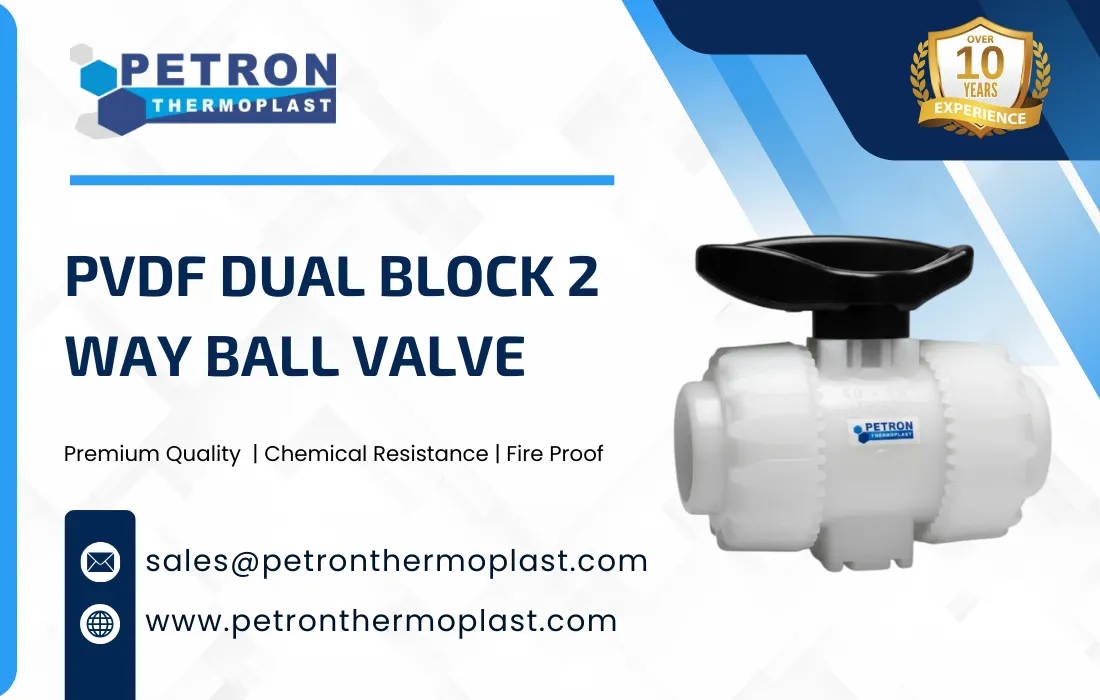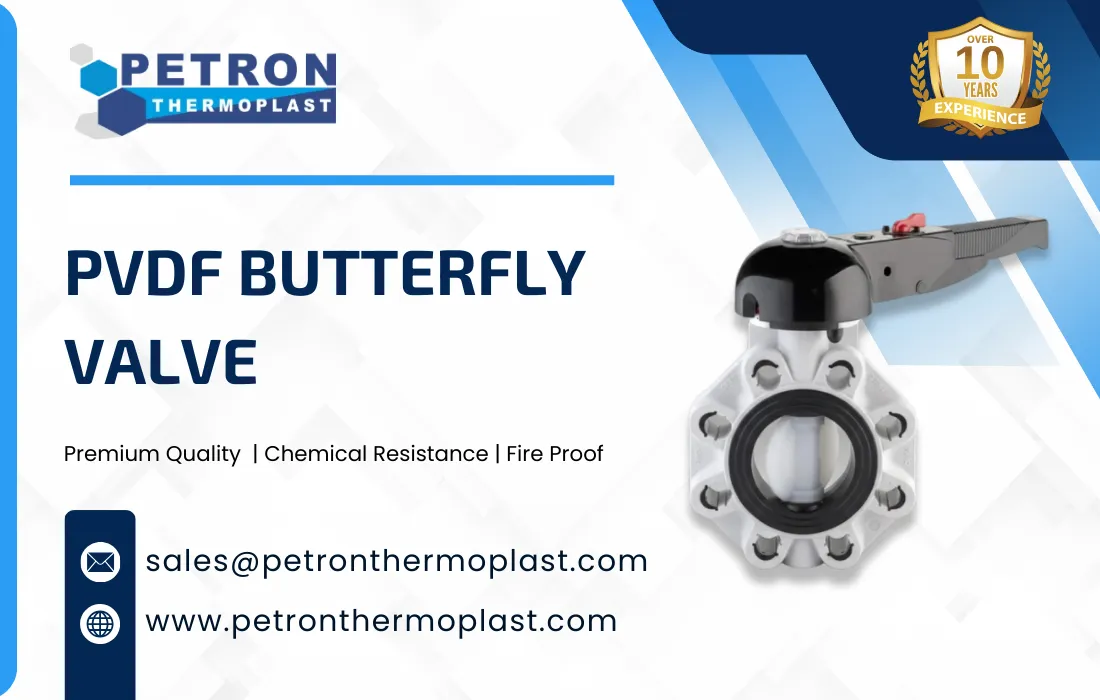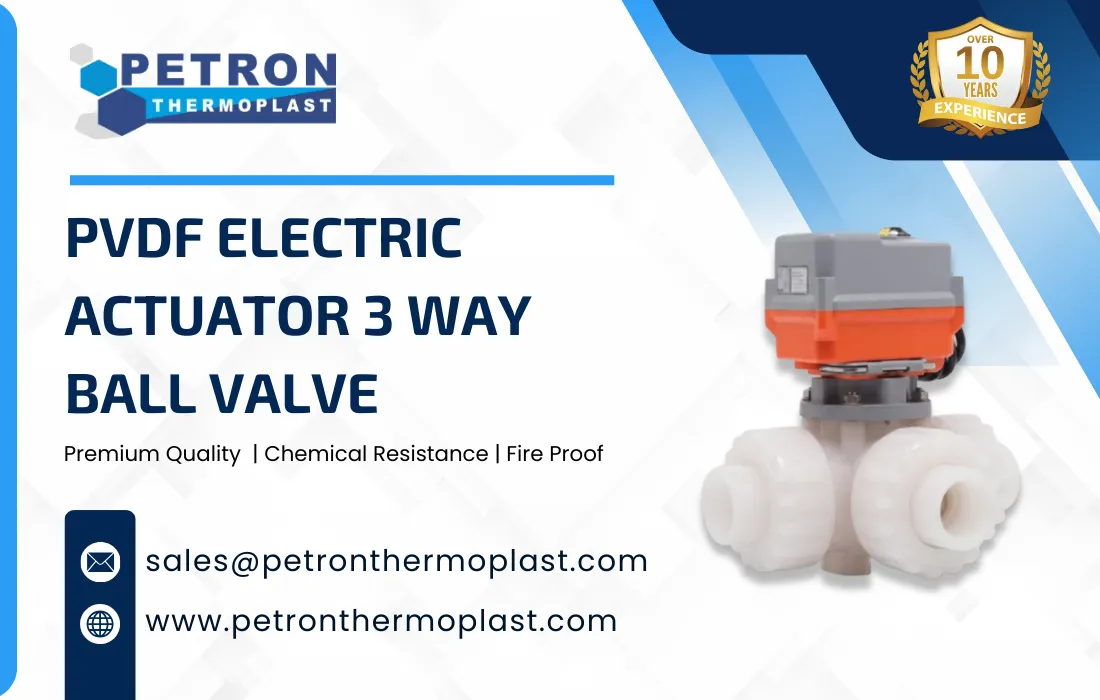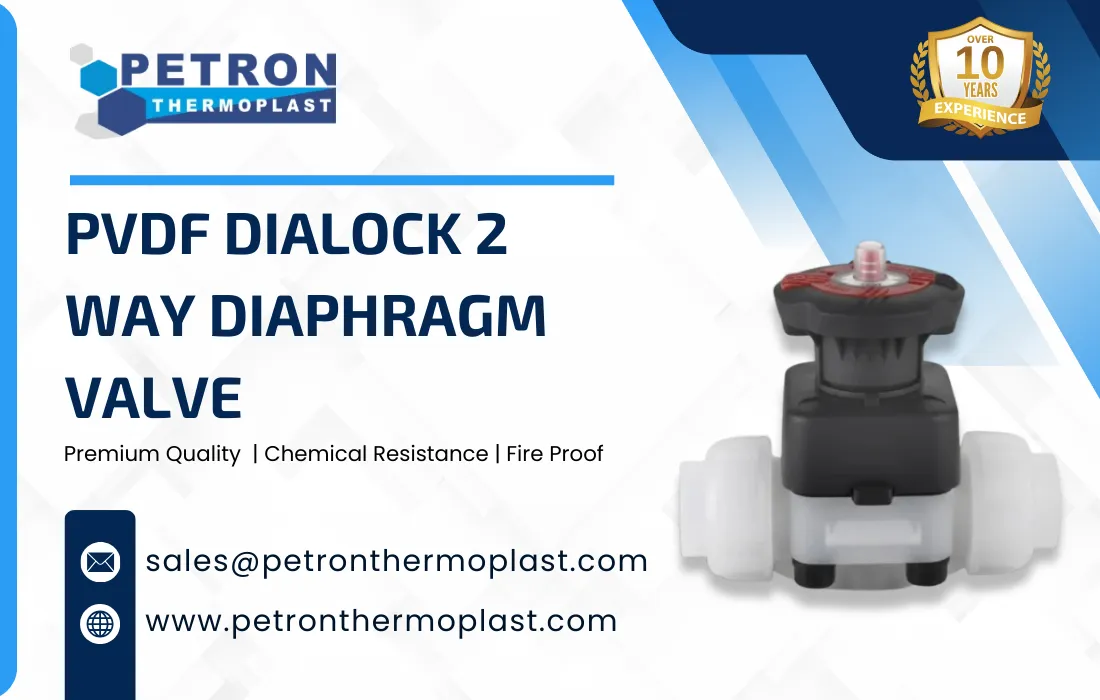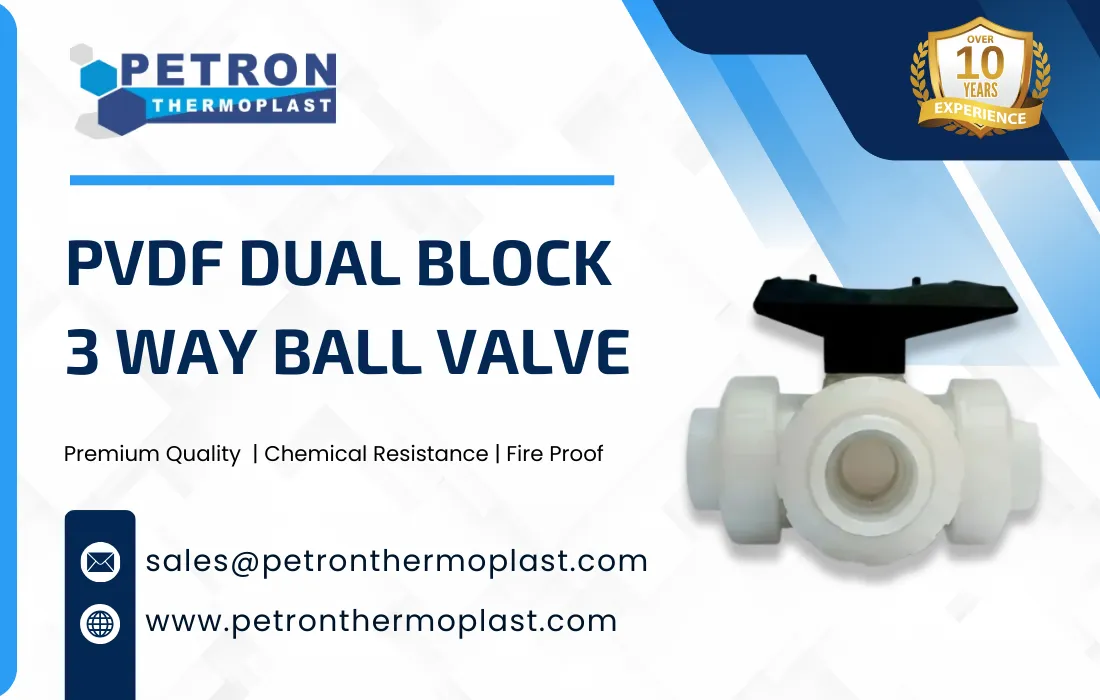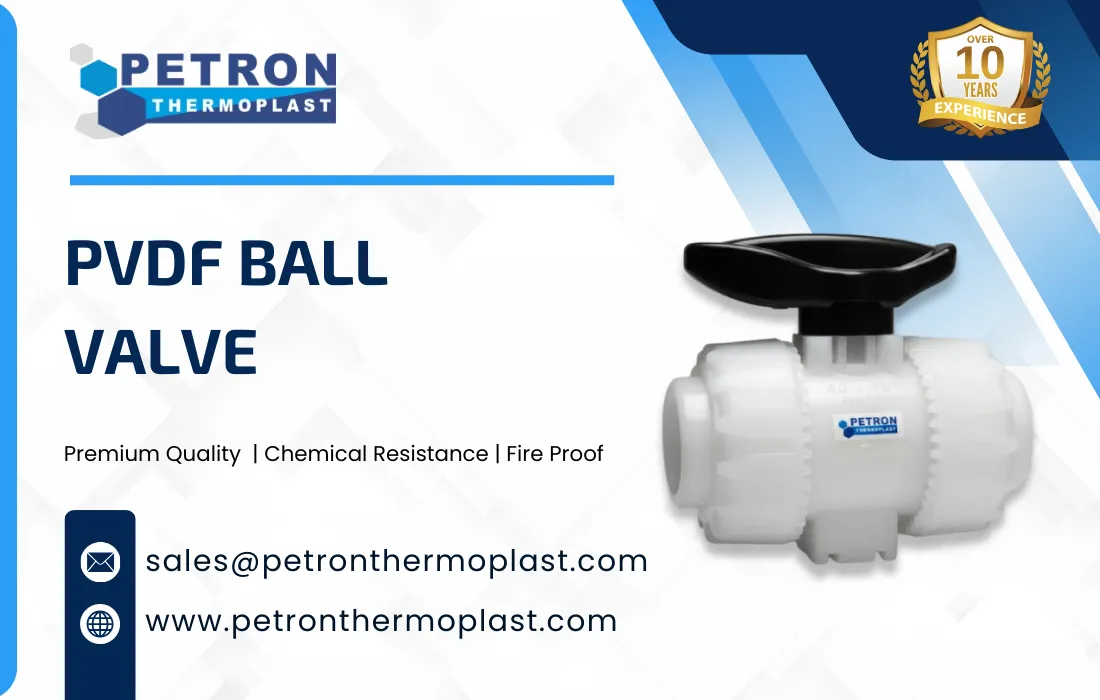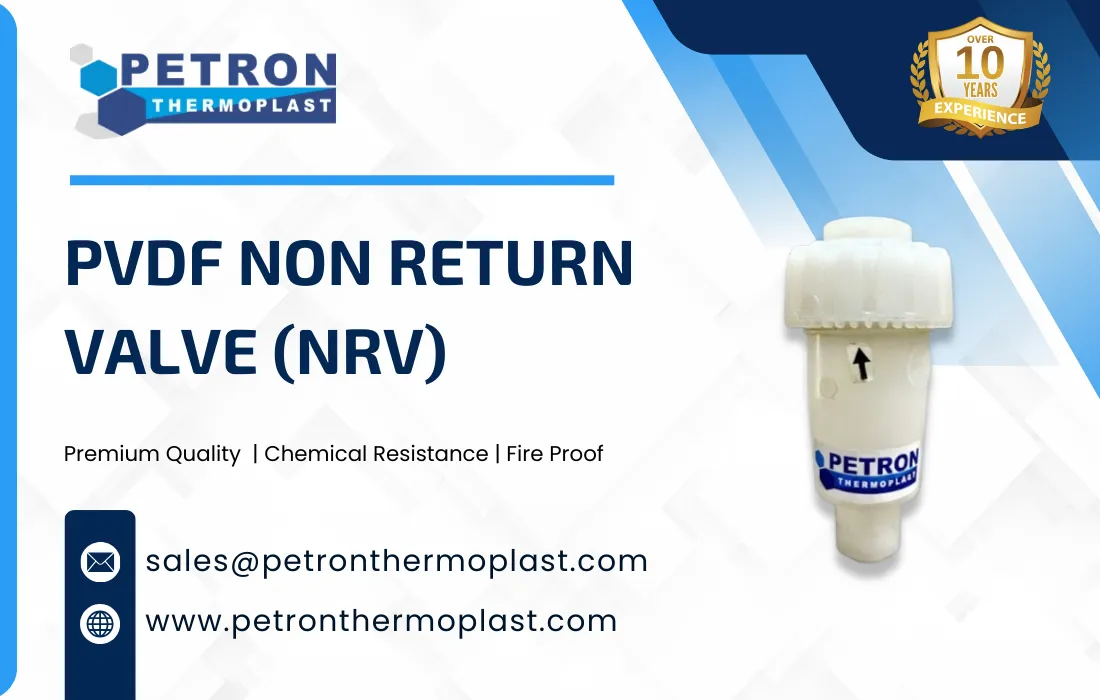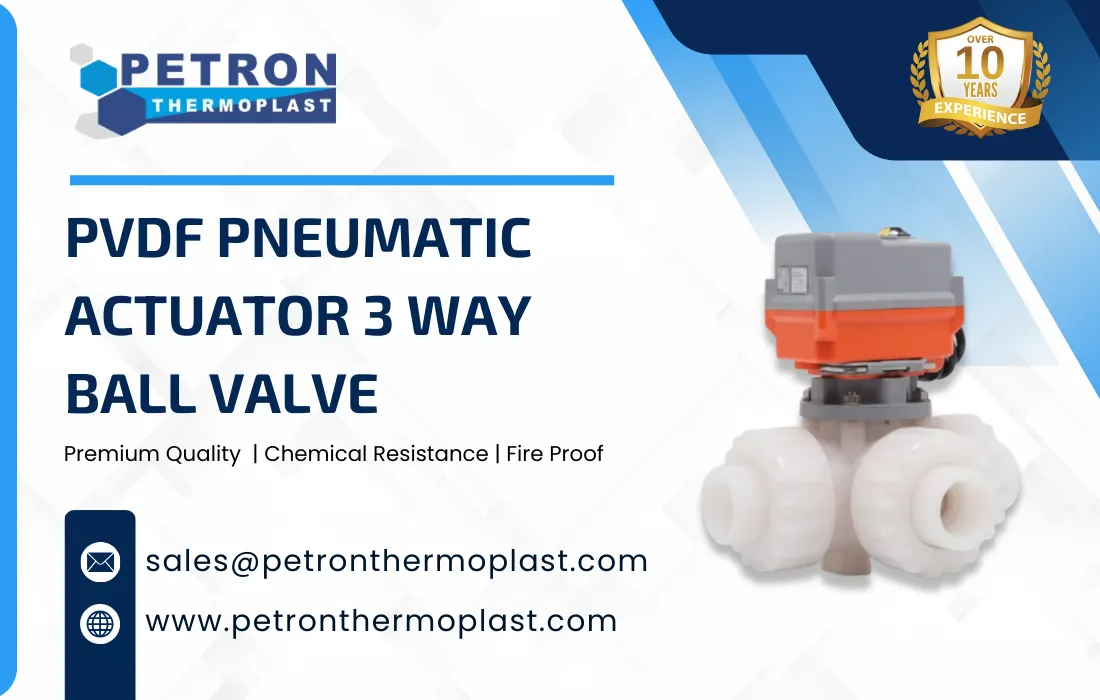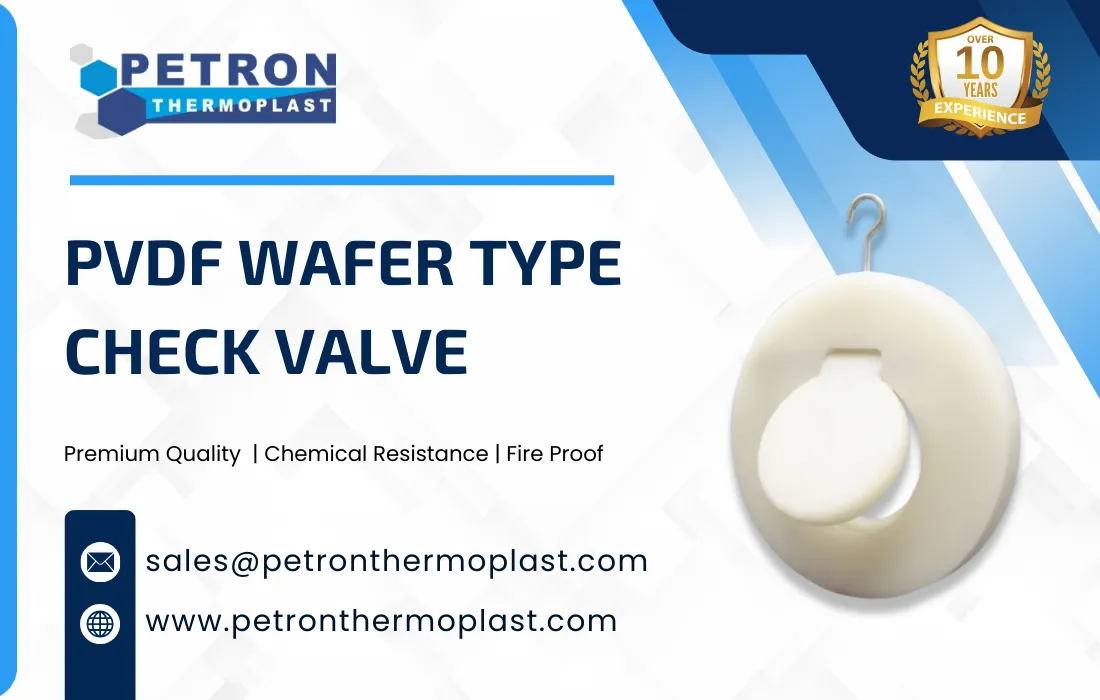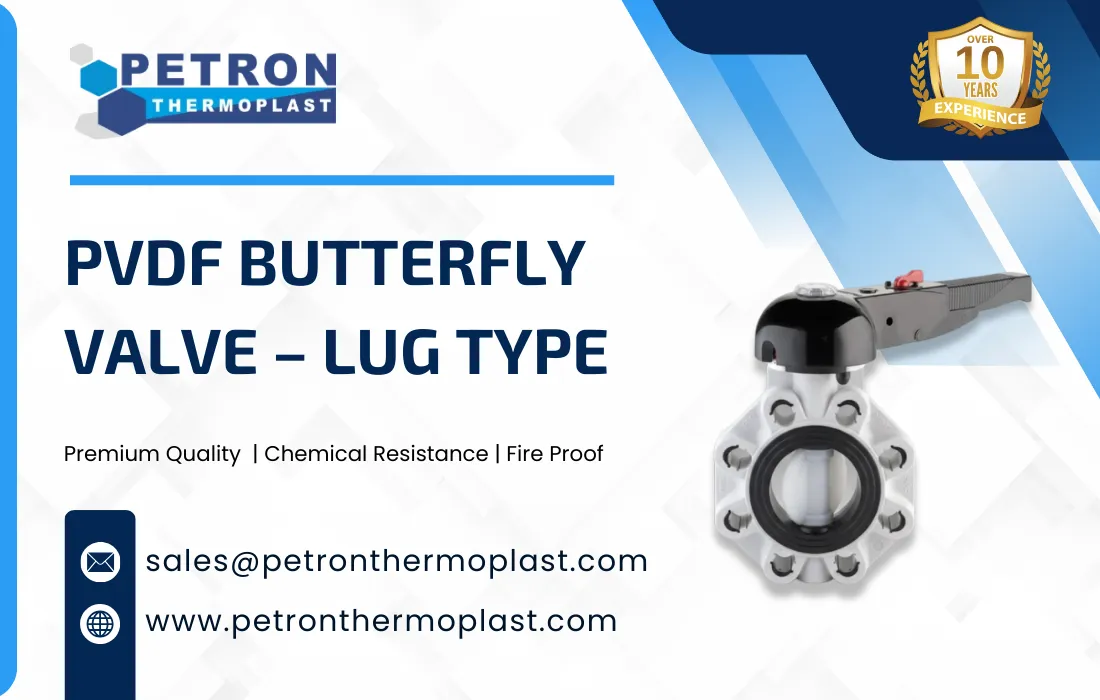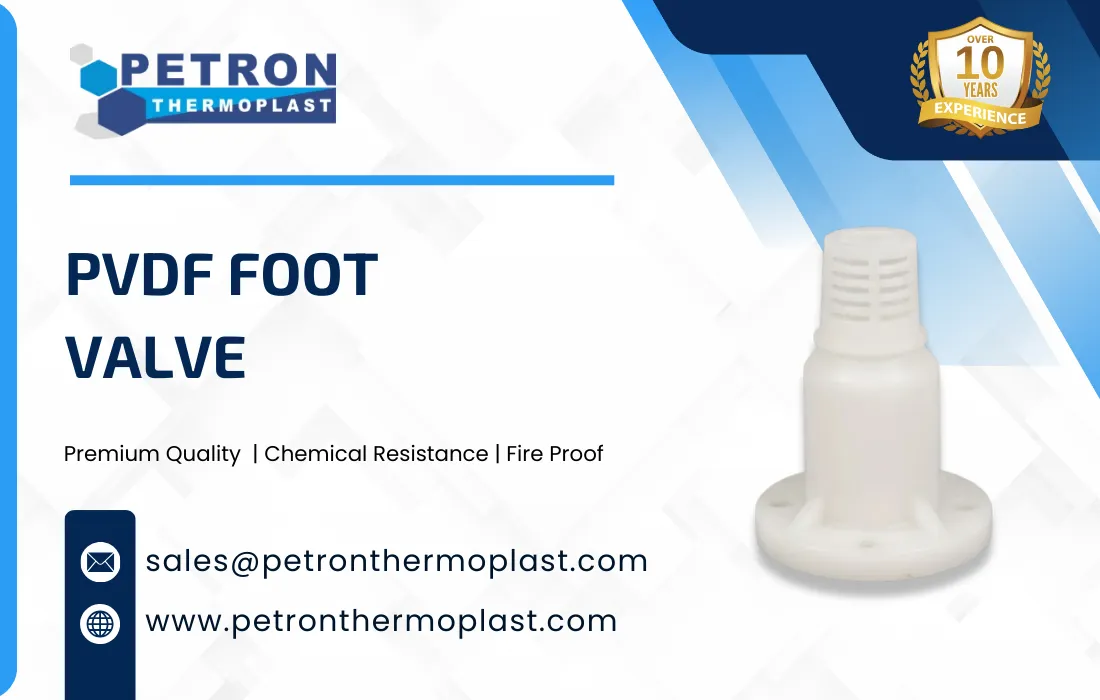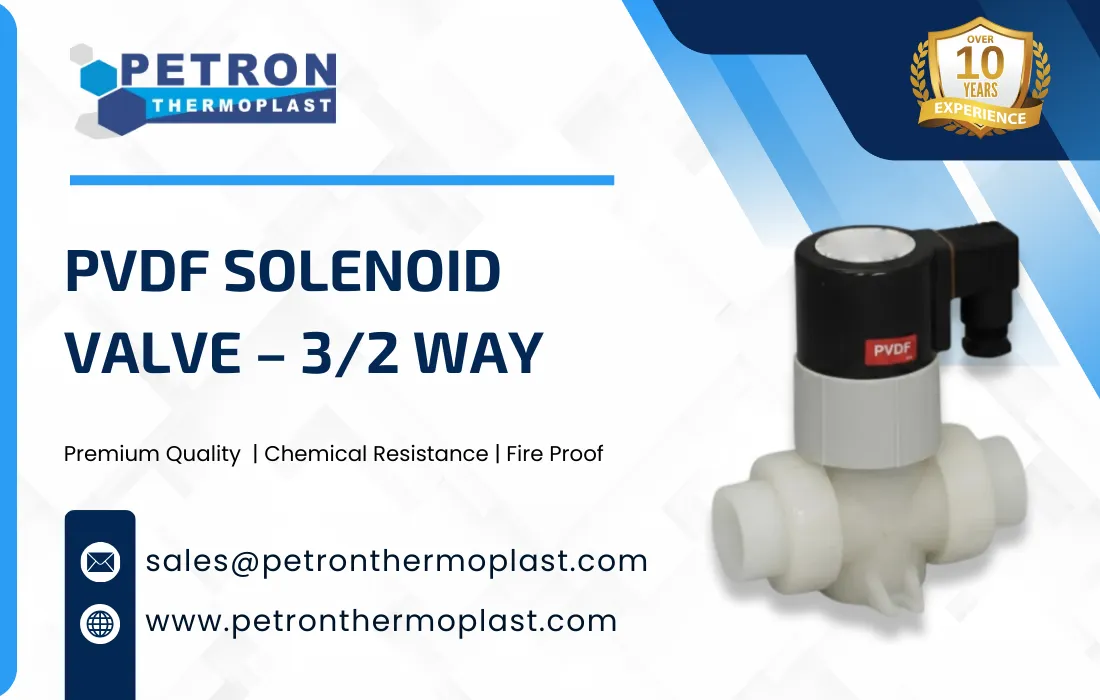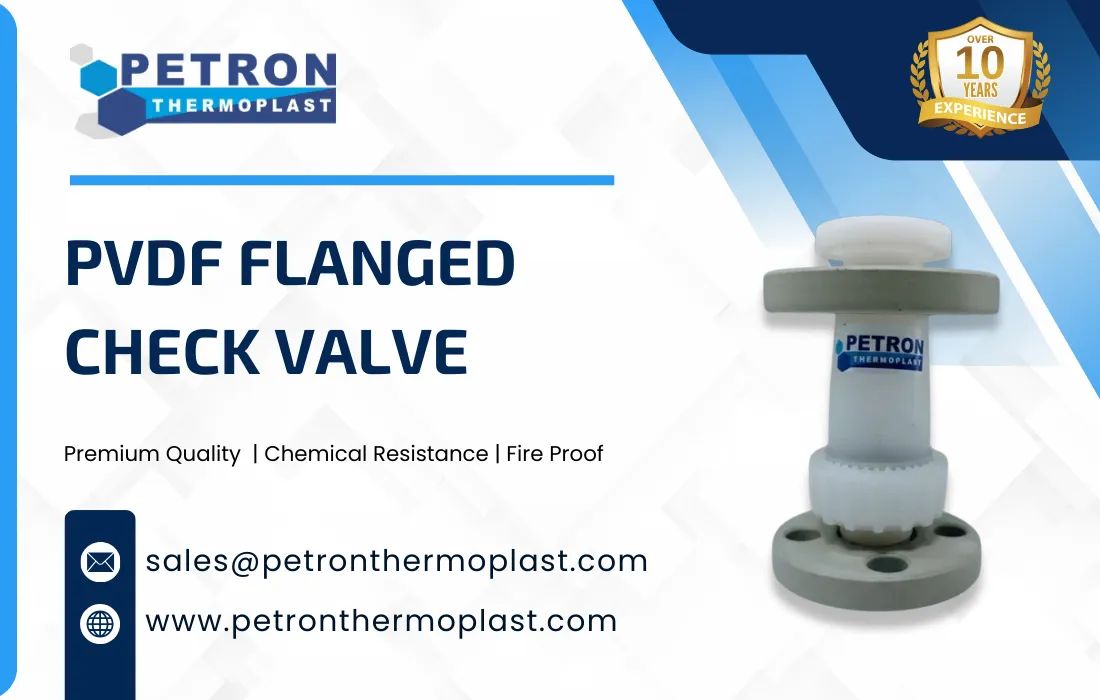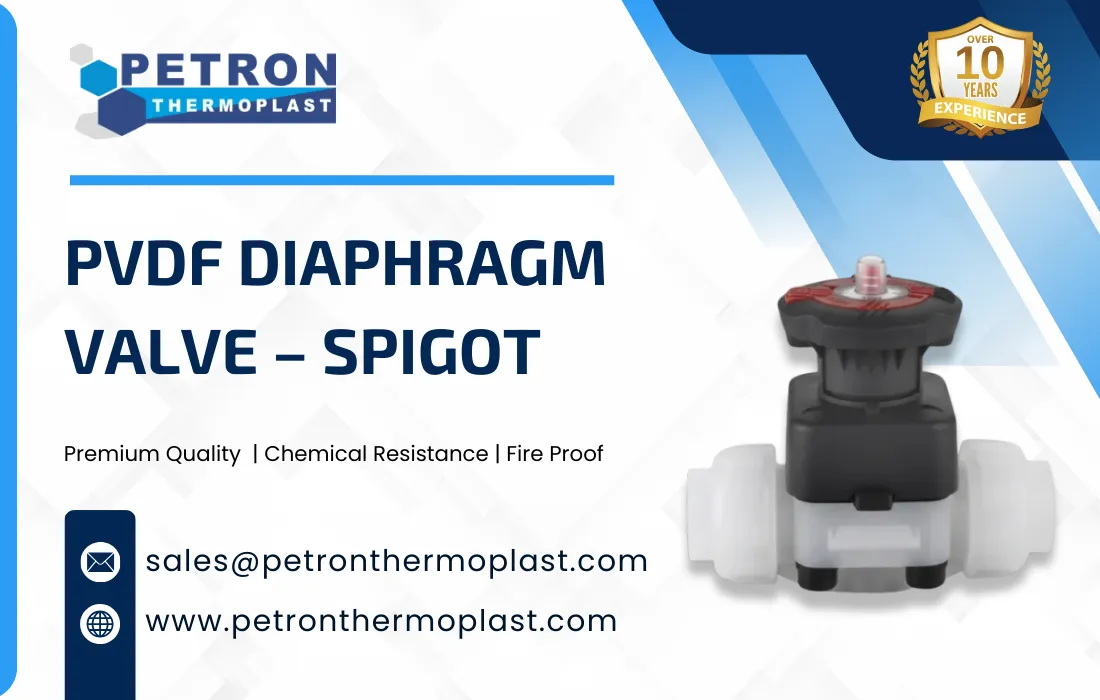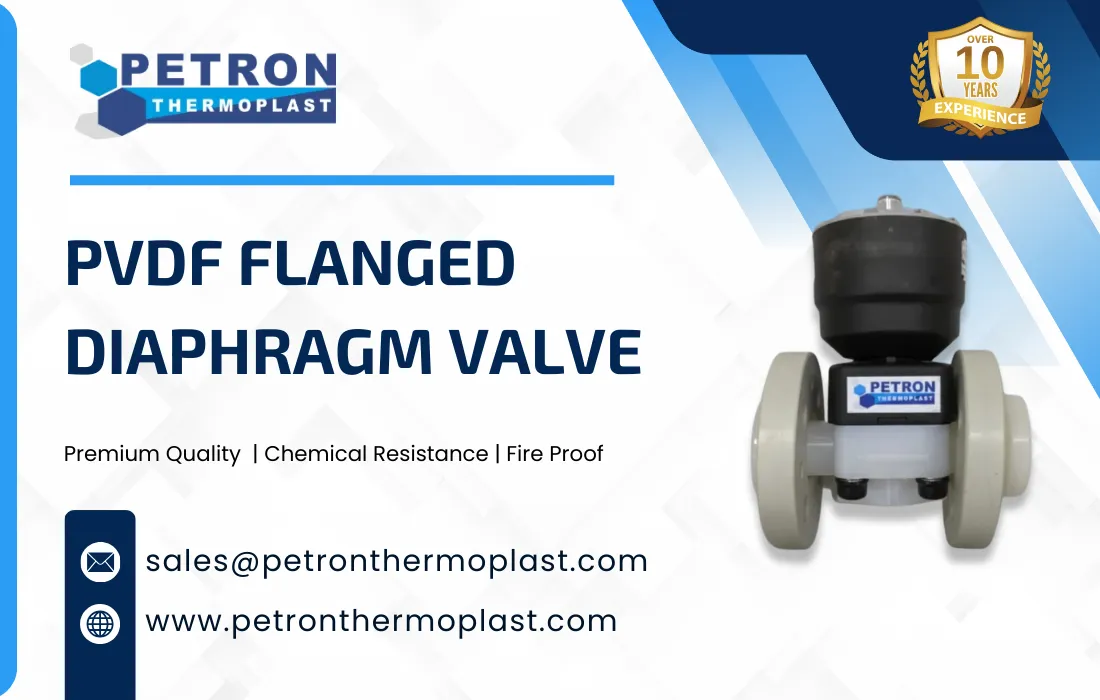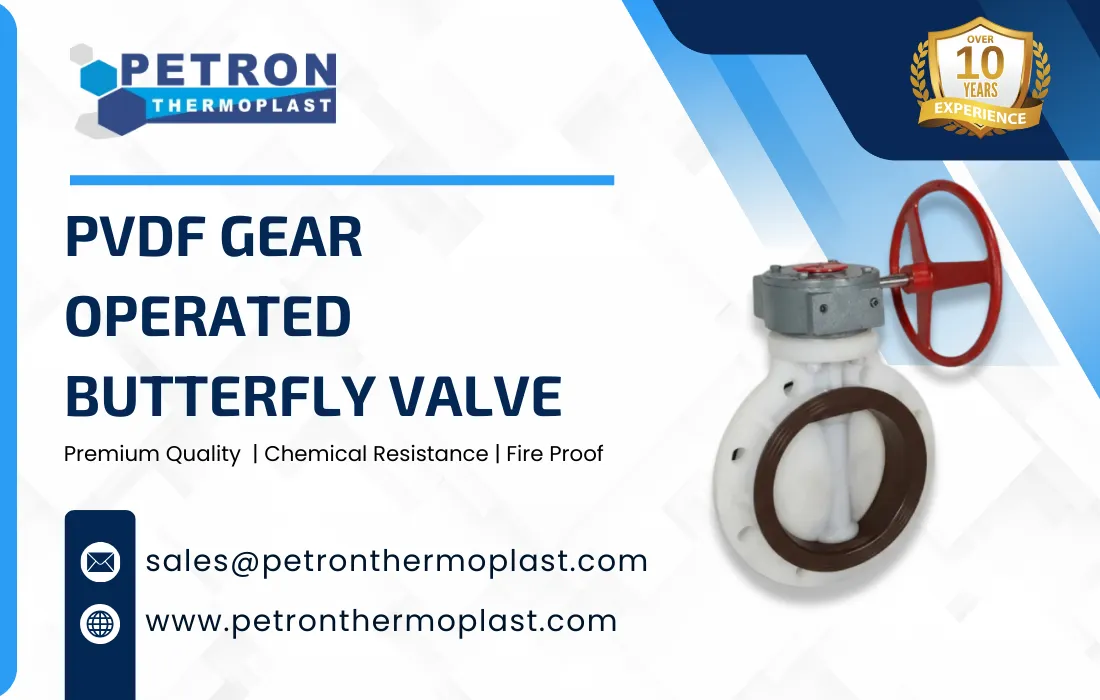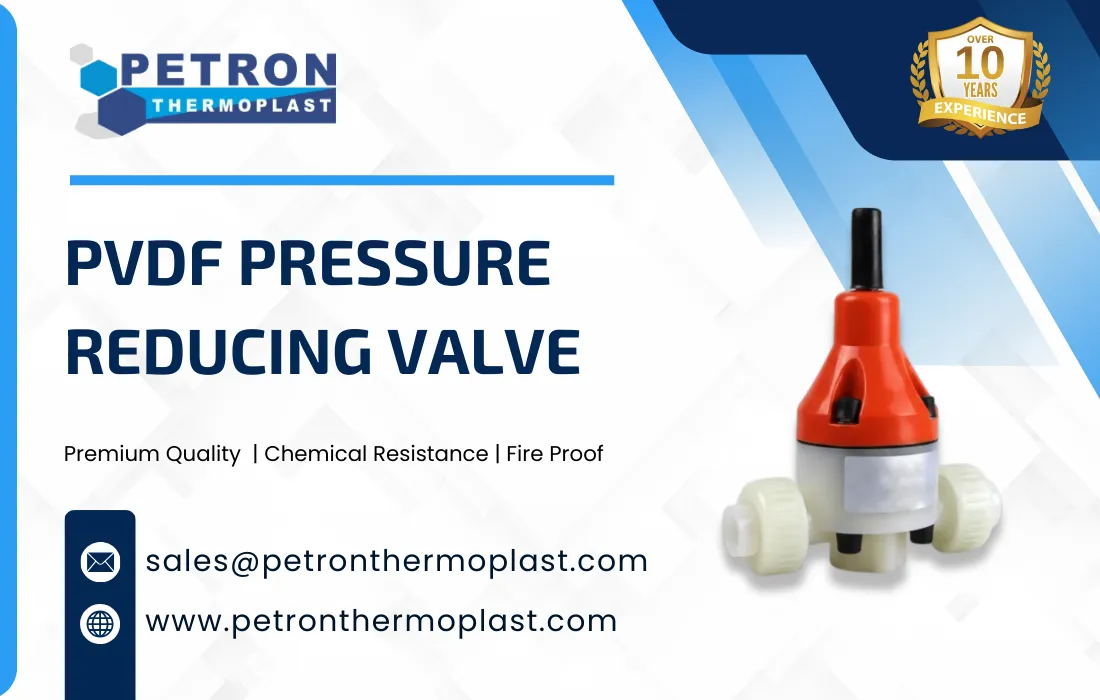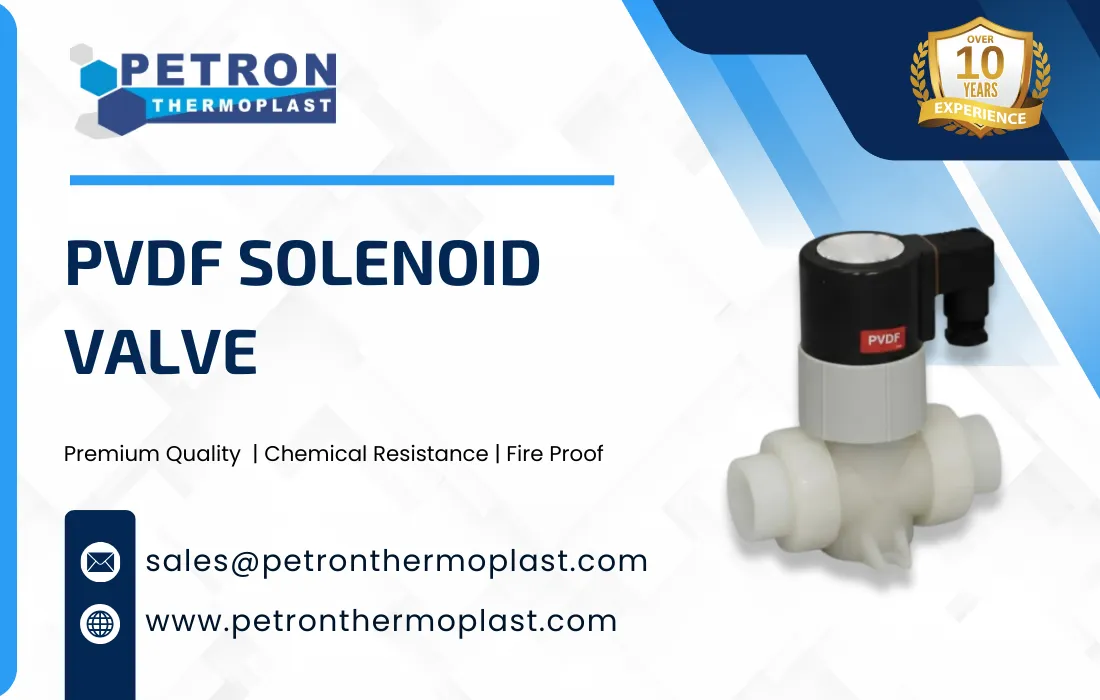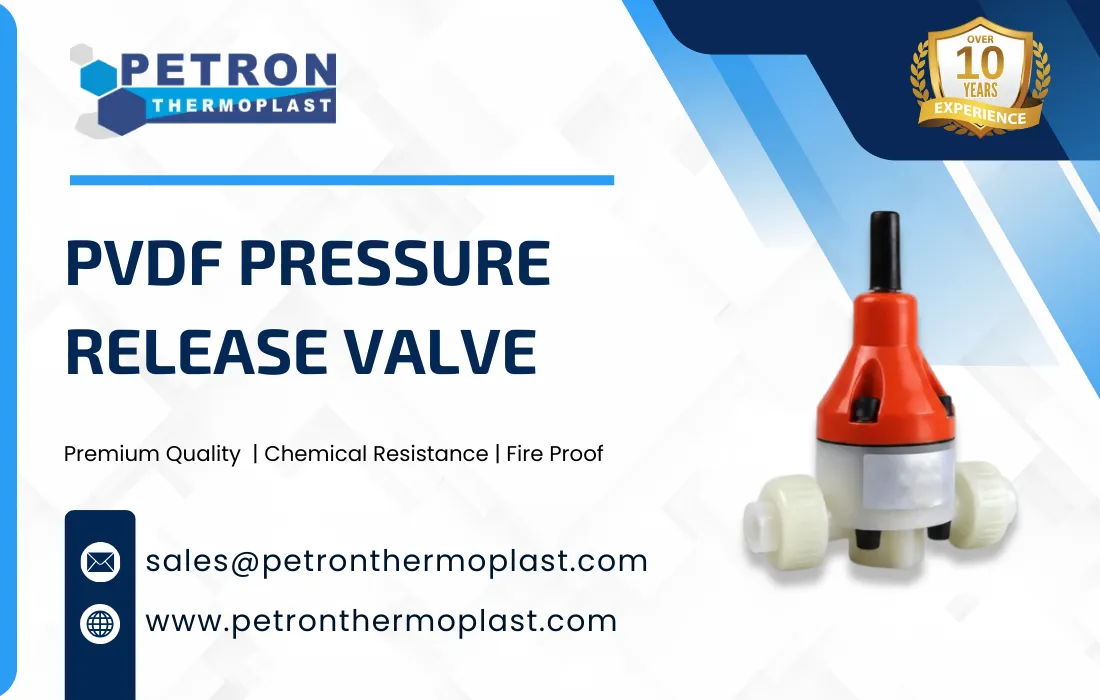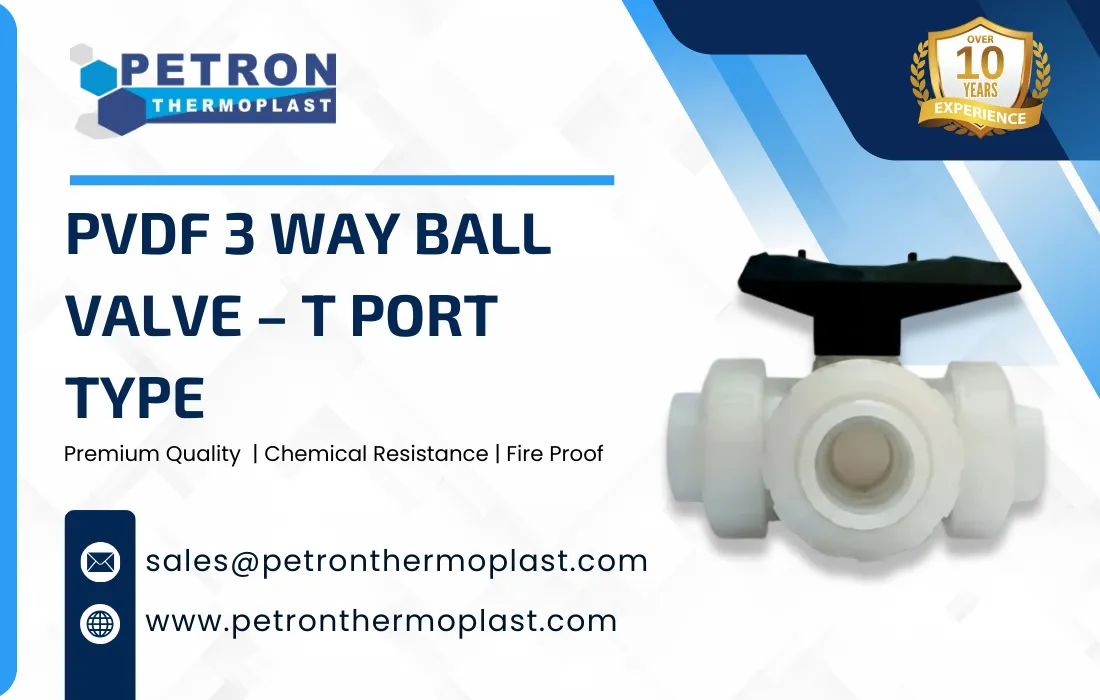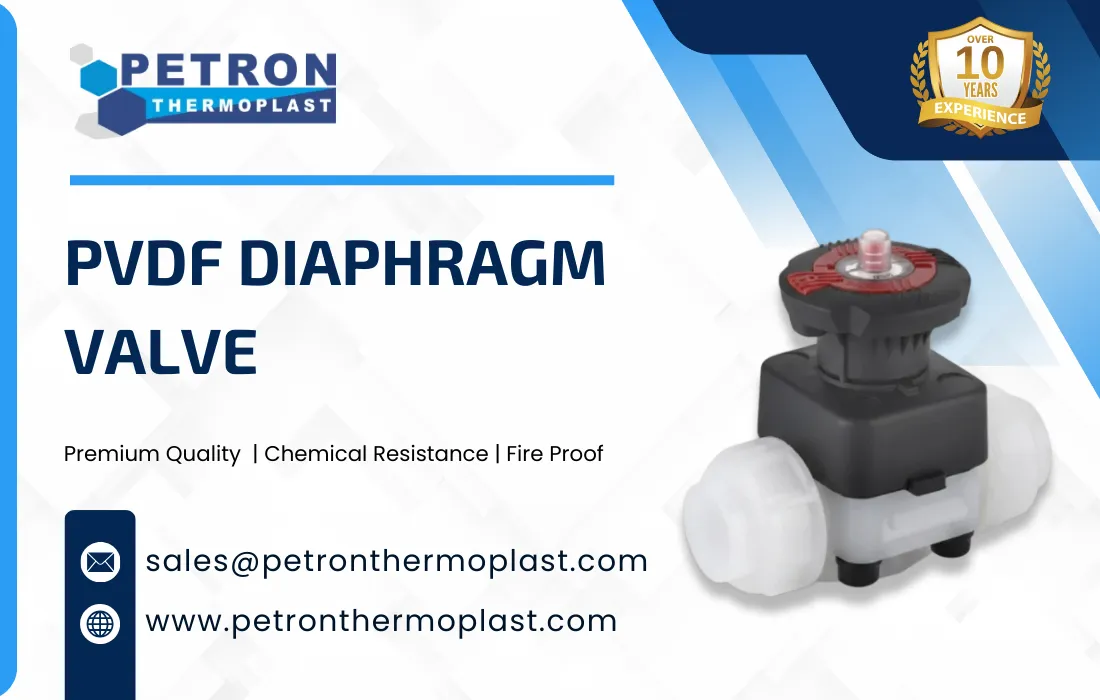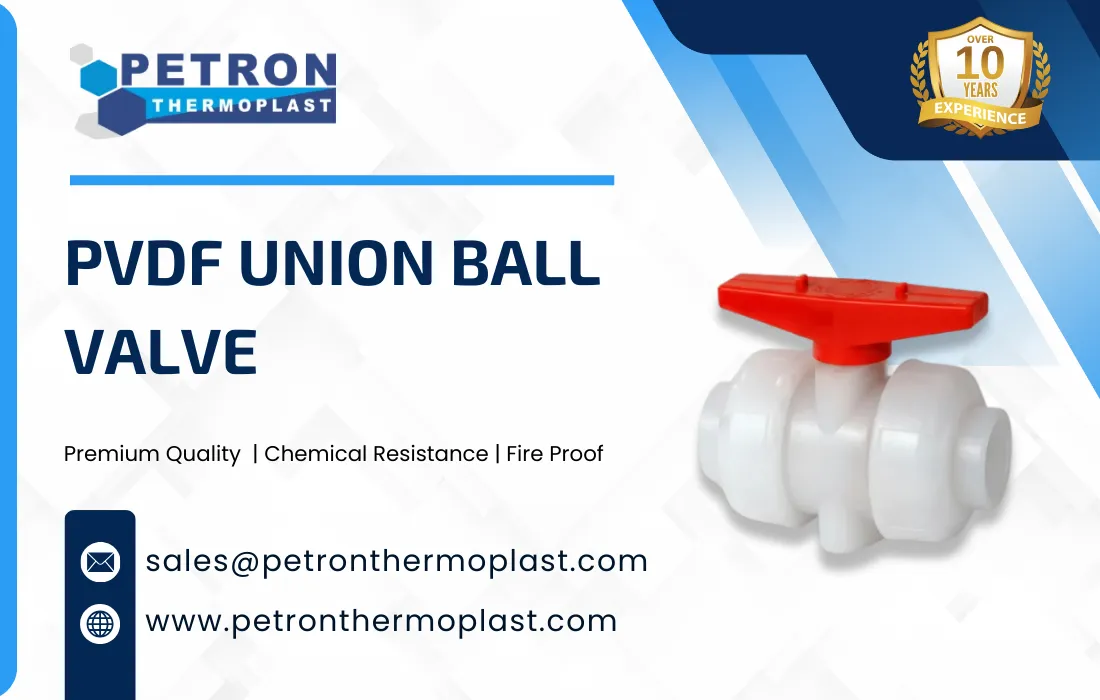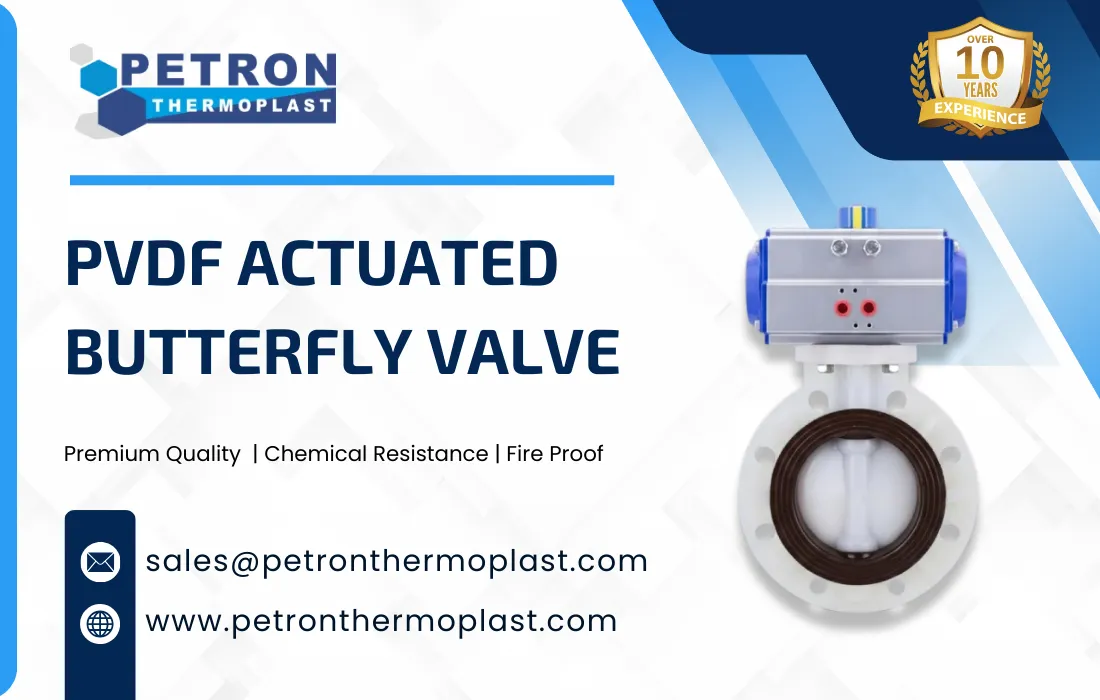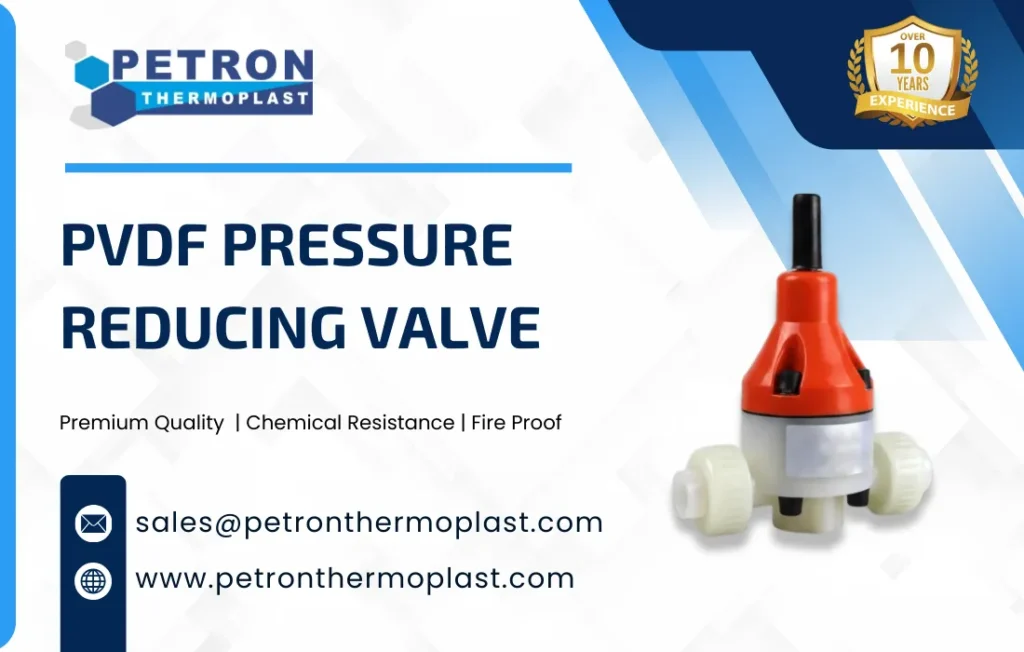
PVDF Pressure Reducing Valve
A PVDF Pressure Reducing Valve is a type of valve made from Polyvinylidene Fluoride (PVDF) material, designed to regulate and reduce the pressure of fluids in a piping system to a desired level. These valves automatically adjust to maintain a stable downstream pressure regardless of fluctuations in upstream pressure, ensuring safe and efficient operation of equipment and pipelines. PVDF Pressure Reducing Valve offers excellent chemical resistance, high purity, and durability, making it suitable for corrosive or high-purity fluid applications. They reduces high incoming pressure to a lower, consistent output pressure and commonly used in chemical processing, oil gas treatment, semiconductor, and pharmaceutical industries where corrosion resistance and purity are crucial.
The PVDF Pressure Reducing Valve is a precision engineered valve designed to automatically reduce and regulate high inlet pressure to a stable, lower outlet pressure in fluid systems. This PVDF Pressure Reducing Valve offers excellent chemical resistance, making it ideal for corrosive, acidic, or high-purity fluid applications and other industries requiring reliable pressure control for safe and efficient operation.

- Chemical Resistance
- Low Maintenance Requirement
- Low Thermal Conductivity
- Long Service Life
- Easy Installation
- Corrosion Resistance
PVDF Pressure Reducing Valve Details
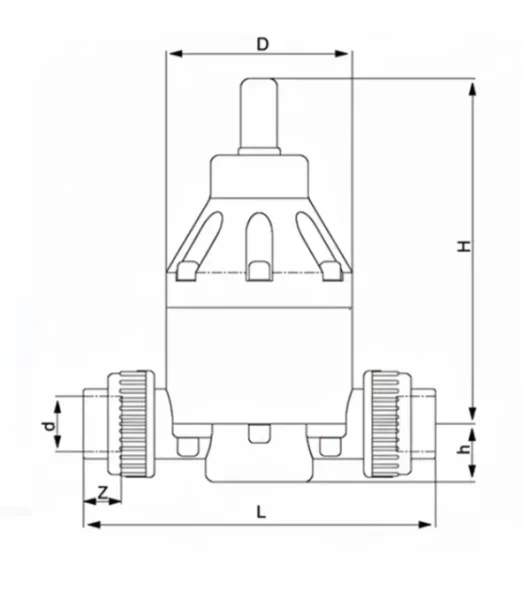
DN: Nominal Diameter (Internal reference).
L: Total overall length (Face-to-face).
H: Total height from the pipe center to the top of the actuator/handle.
D: Outside diameter of the union nuts.
d: Outside diameter of the pipe/socket connection.
z: Laying length (the distance between the pipe stops inside the sockets).
h: Height from the pipe center to the mounting platform
| DN | L | H | D | d | z | h |
| 15 | 170 | 172 | 82 | 20 | 21 | 27 |
| 20 | 170 | 172 | 82 | 25 | 21 | 27 |
| 25 | 212 | 202 | 107 | 32 | 26 | 35 |
| 32 | 226 | 202 | 107 | 40 | 28.5 | 35 |
| 40 | 292 | 259 | 148 | 50 | 37 | 58 |
| 50 | 305 | 259 | 148 | 63 | 37 | 58 |
| Parameter / Property | Specification / Description |
| Body Material | PVDF (Polyvinylidene Fluoride) |
| Diaphragm / Seal Material | PTFE / EPDM / FKM (Viton) |
| Spring Material | Stainless Steel (SS316) |
| Size Range | ½” to 2” (DN15 to DN50) |
| Pressure Rating | PN10 (≈10 bar / 150 PSI) |
| Temperature Range | -20°C to +120°C (depending on seal material) |
| Connection Type | Threaded (BSP/NPT), Socket, Flanged |
| Operation Type | Automatic (spring-loaded or pilot-operated) |
| Set Pressure Range | Adjustable, typically 0.5–8 bar output |
| Flow Control | Maintains constant downstream pressure regardless of upstream variations |
| Standards | ISO, DIN, ANSI |
| Media Compatibility | Corrosive liquids, acids, alkalis, solvents, high-purity fluids |
| — | — |
| Design Type | Spring-loaded diaphragm type |
| Internal Mechanism | Diaphragm and spring control downstream pressure; balanced piston design |
| Body Construction | Lightweight, corrosion-resistant PVDF body |
| Sealing System | PTFE or EPDM diaphragm isolates fluid from mechanical parts |
| Adjustment | Hand screw / knob for setting downstream pressure |
| Maintenance | Easy internal component replacement (true union design optional) |
| Flow Path | Straight-through design for minimal pressure drop |
| Weight | Lightweight compared to metal PRVs |
| Surface Finish | Smooth PVDF surface prevents scaling and corrosion |
| Durability | Resistant to aggressive chemicals, UV, and high-purity liquids |
Corrosion-Resistant Body: Made entirely from PVDF for outstanding resistance to harsh chemicals and UV exposure.
Stable Pressure Control: Maintains consistent downstream pressure regardless of inlet pressure fluctuations.
Self-Actuating: Operates without external power, using internal spring mechanisms for automatic pressure regulation.
Compact Design: Lightweight and easy to install in tight spaces.
Adjustable Setpoint: Outlet pressure can be adjusted to match system requirements.
Smooth Flow Control: Minimizes pressure surges and water hammer effects.
Low Maintenance: Durable materials ensure long service life with minimal upkeep.
Wide Application Range: Suitable for aggressive chemical media, ultra-pure fluids, and corrosive environments.
| Specification / Valve Type | Pressure Rating | Notes |
| Standard PVDF body valve (general industrial) | ~10 bar (~145 psi) | Typical for many thermoplastic PVDF reducing valves |
| PVDF diaphragm type regulator | 150 psi / PN10 (~10 bar) | Common rating for threaded regulators at ~21°C |
| Chemically resistant PVDF valves | 150 psi (~10 bar) | Typical non‑shock rating at ambient temperature |
| Pressure range control (outlet setpoint) | 0.5 – 9 bar | Adjustable outlet range on some PVDF models |
| PVDF (general plastic thermoplastic) max pressure | 150 psi (≈10 bar) at ~20–25°C | Typical maximum non‑shock rating before temperature de‑rating |

Custom Product Manufacturing Available
If you are searching for customized product designs that meet your requirements, don’t worry. Petron Thermoplast also offers custom product manufacturing services to meet the unique needs of various industries. Work with our expert engineers to create custom designs suited for your application.
Benefits of Using PVDF Pressure Reducing Valve
1. Excellent Chemical Resistance
- PVDF (Polyvinylidene Fluoride) resists corrosion from strong acids, bases, and solvents.
- Ideal for chemical processing, pharmaceuticals, and semiconductor industries where standard metals would corrode quickly.
2. High Purity and Low Contamination
- PVDF is non-reactive and doesn’t leach contaminants.
- Suitable for high-purity oil, gas systems, ultra-pure chemical handling, and food-grade applications.
3. Lightweight and Durable
- Lighter than metal valves, making installation easier.
- Durable under normal operating pressures and resistant to impact compared to other plastics like PVC.
4. Automatic Pressure Control
- Maintains a stable downstream pressure despite fluctuations in upstream pressure.
- Protects pipelines, pumps, and downstream equipment from overpressure.
5. Temperature Tolerance
- PVDF can handle moderately high temperatures (up to ~150 °C / 302 °F) without degradation.
- Suitable for a wide range of industrial applications where temperature variation occurs.
6. Low Maintenance
- Resistant to scaling, corrosion, and fouling.
- Fewer replacements and repairs are required compared to metal valves in corrosive environments.
7. Versatility
- Available in various designs: diaphragm type, spring-loaded, threaded, and flanged.
- It can be used in liquids, gases, and aggressive chemicals.
8. Cost-Effective in Corrosive Environments
- While PVDF valves may have a higher initial cost than PVC, they last longer in aggressive chemical environments, reducing long-term replacement and downtime costs.
Types of PVDF Pressure Reducing Valve
1. Diaphragm-Type PVDF Pressure Reducing Valve
- Uses a flexible diaphragm to regulate downstream pressure.
- Precise pressure control, minimal leakage, ideal for corrosive fluids and clean applications.
- Chemical processing, pharmaceutical systems.
2. Spring-Loaded PVDF Pressure Reducing Valve
- A spring opposes fluid pressure to maintain the set downstream pressure.
- Simple design, easy to adjust, reliable in continuous operation.
- Oil & gas treatment, industrial piping systems.
3. Threaded PVDF Pressure Reducing Valve
- Standard valve body with threaded connections for pipes.
- Compact, easy to install or replace in small to medium pipelines.
- Laboratory setups, small chemical lines.
4. Flanged PVDF Pressure Reducing Valve
- Flanged ends for bolted connections to pipeline flanges.
- Suitable for large-diameter pipelines, robust sealing.
- Industrial chemical plants, large-scale oil & gas treatment.
5. Multi-Stage or Adjustable PVDF Pressure Reducing Valve
- Allows adjustment of outlet pressure, sometimes with multiple stages for high-pressure drops.
- Precise control over a wide range of pressures.
- High-precision chemical dosing systems, semiconductor manufacturing.
6. Pilot-Operated PVDF Pressure Reducing Valve
- Uses a small pilot valve to control the main valve for high flow or high-pressure applications.
- Handles large flow rates with stable outlet pressure.
- Large industrial processes where consistent pressure is critical.
Applications of PVDF Pressure Reducing Valve
Process Industry
High Purity Applications
Electronic Industry
Electrical Industry
Semi-conductors Industry
Pharmaceutical Industry
Solar power panels
Sugar Industry
Paper & Pulp Industry
Nuclear Power Industry
Automotive Industry
DI water plants
Why Choose Petron Thermoplast?
Petron Thermoplast provides the industrial PVDF Pressure Reducing Valve solutions designed to meet the demanding requirements of industrial and chemical treatment plants.
Wide range of industrial valves
Suitable for clean water, wastewater, and RO systems
High-quality materials and precision machining
Automation-ready valve designs
Reliable performance in continuous operation
Trusted by engineers and contractors
Petron Thermoplast PVDF Pressure Reducing Valves are used across the municipal, industrial, and commercial water treatment projects.