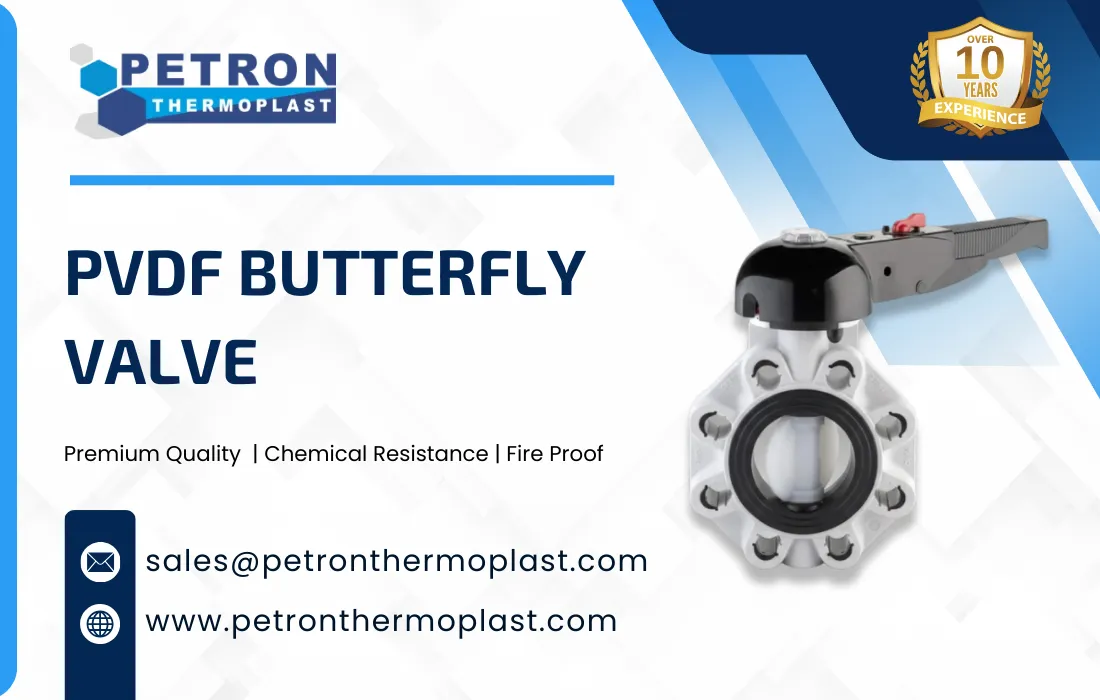
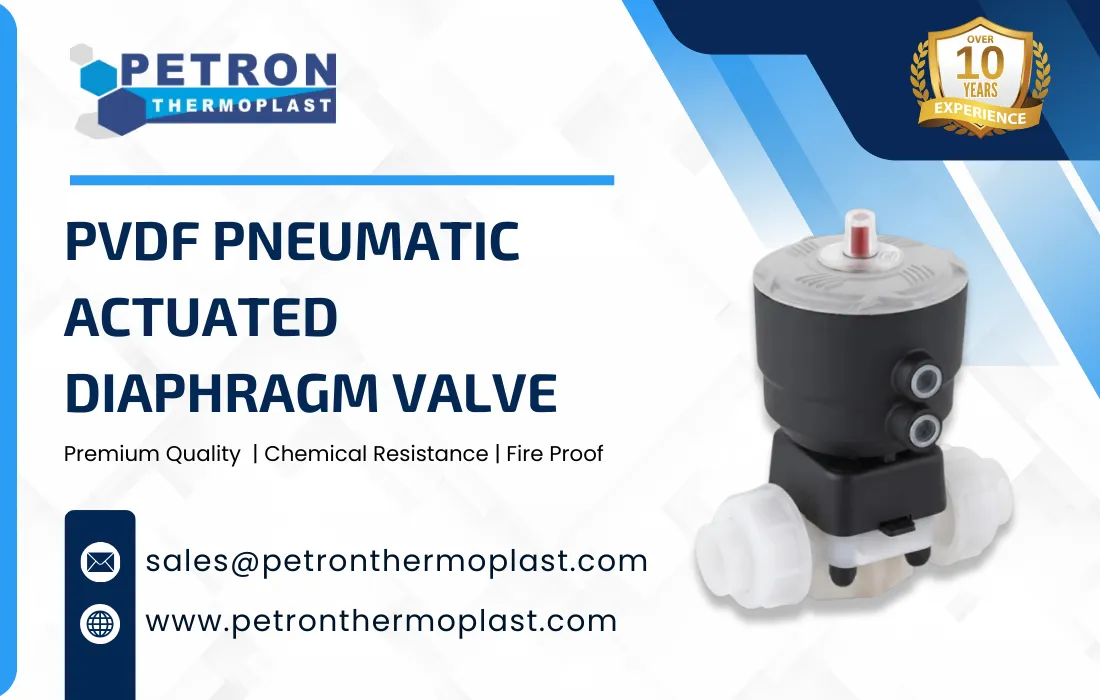
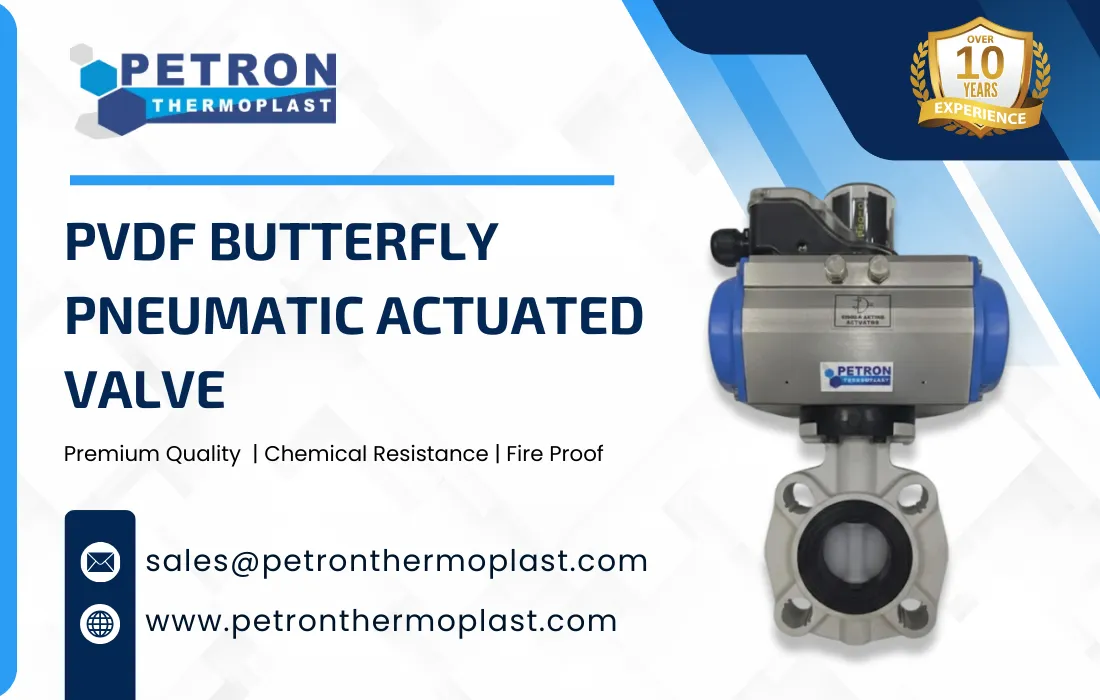
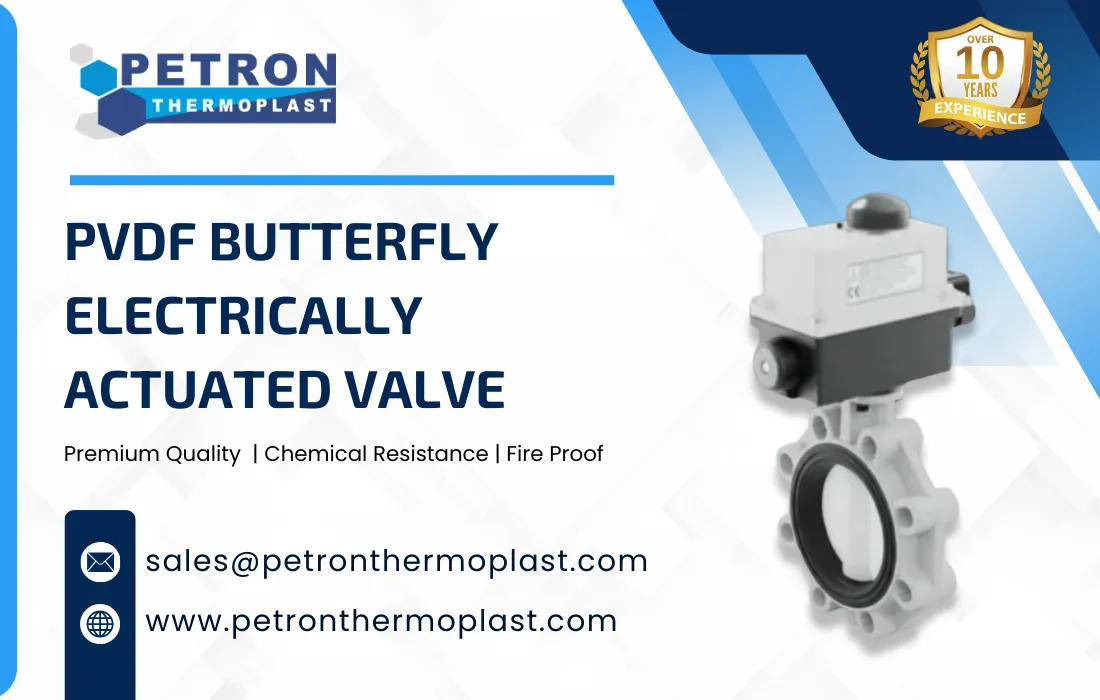
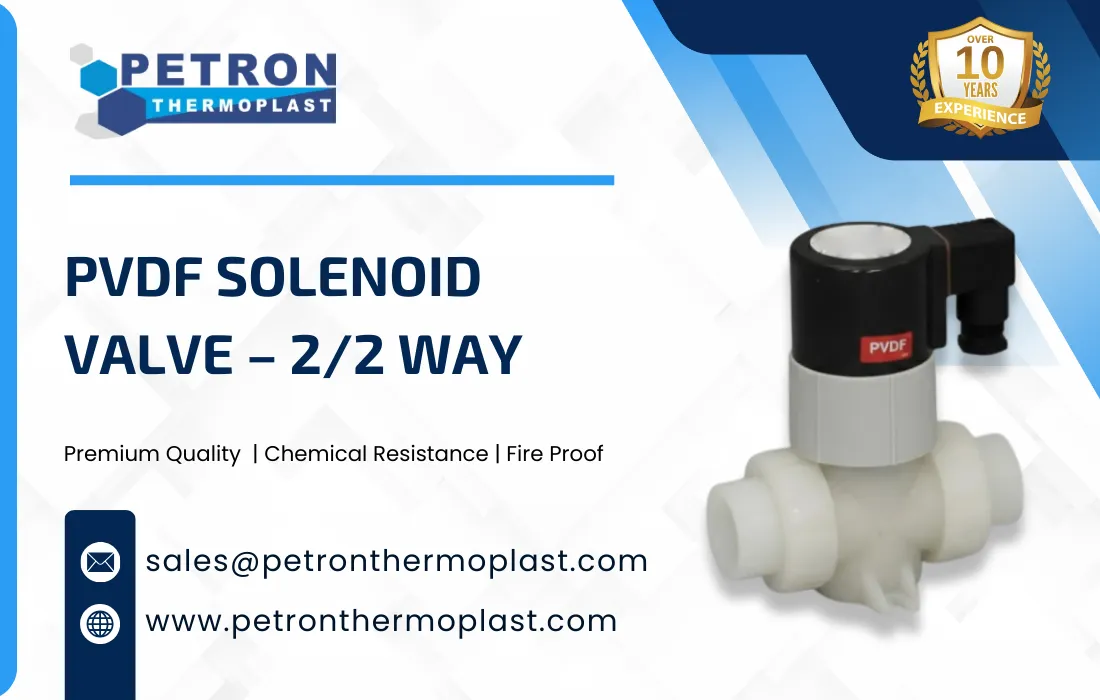
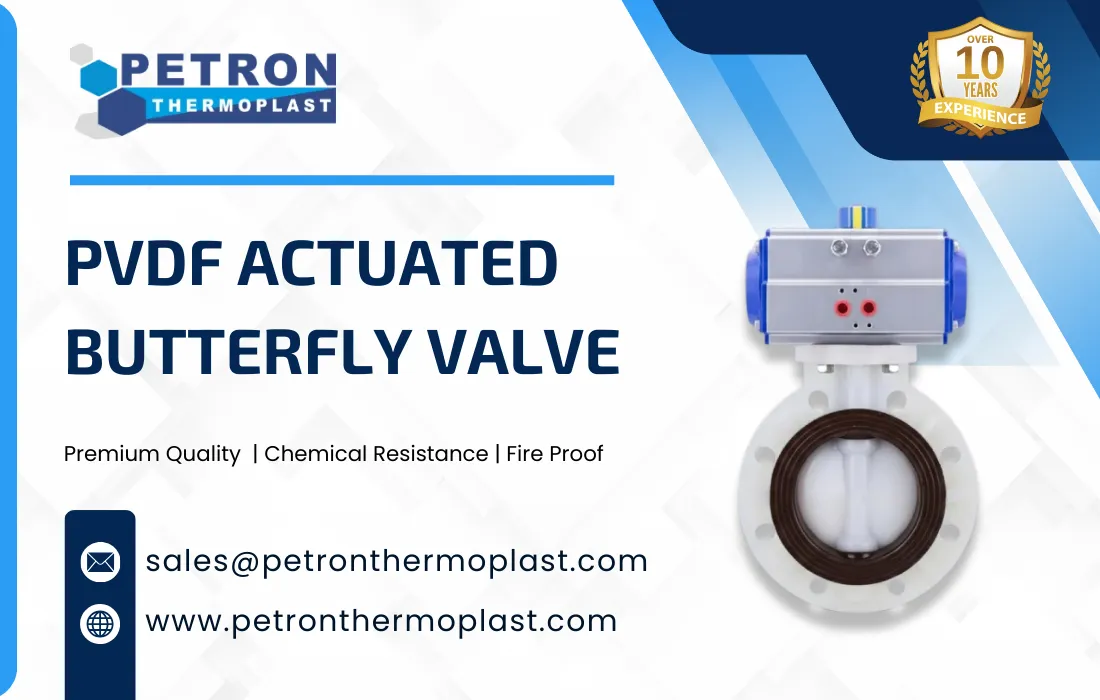
PVDF Butterfly Valve
PVDF blind flanges have the characteristics of stability of fluoropolymers when exposed to harsh chemical and ultraviolet environments, but they are so much stronger mechanically than PTFE or PFA polymers. PVDF blind flanges also excel in high-purity and low-permeability applications such as pharmaceutical and semiconductor processing.
The PVDF Blind Flange is a critical pipe fitting used to securely seal the end of a PVDF piping system or close a section of pipe for maintenance or safety purposes. Made from high-quality Polyvinylidene Fluoride (PVDF), this flange offers outstanding chemical resistance, mechanical strength, and thermal stability. It is widely used in industries such as chemical processing, pharmaceuticals, semiconductor manufacturing, and oil and gas treatment, where leak-proof sealing and corrosion resistance are essential.

- Chemical Resistance
- Low Maintenance Requirement
- Low Thermal Conductivity
- Long Service Life
- Easy Installation
- Corrosion Resistance
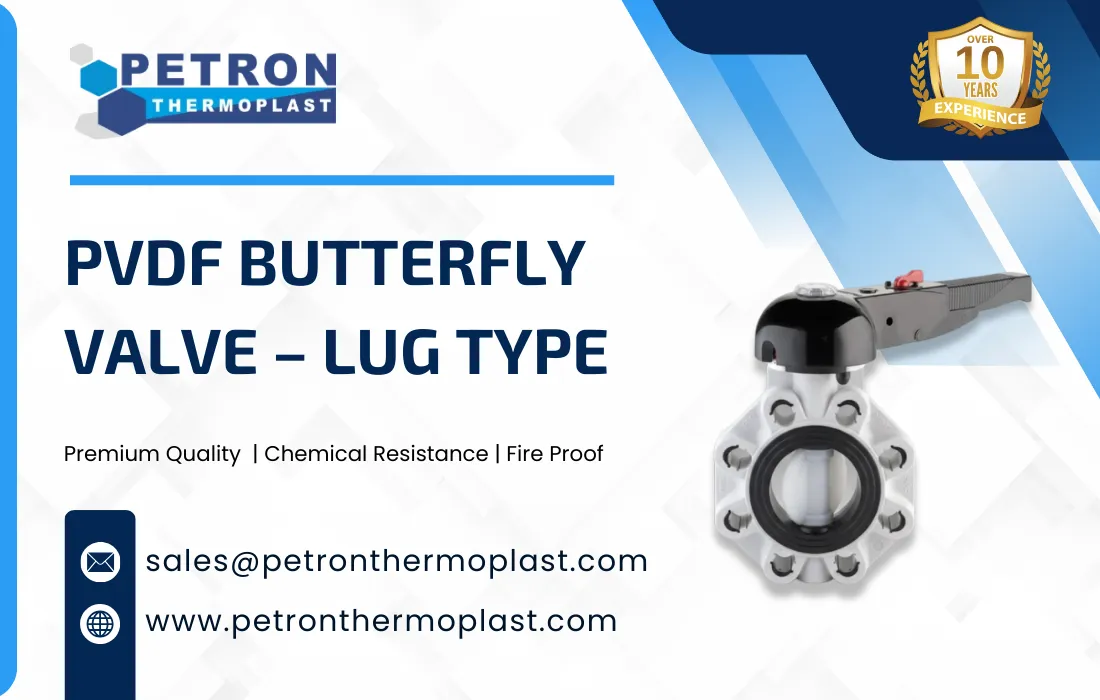
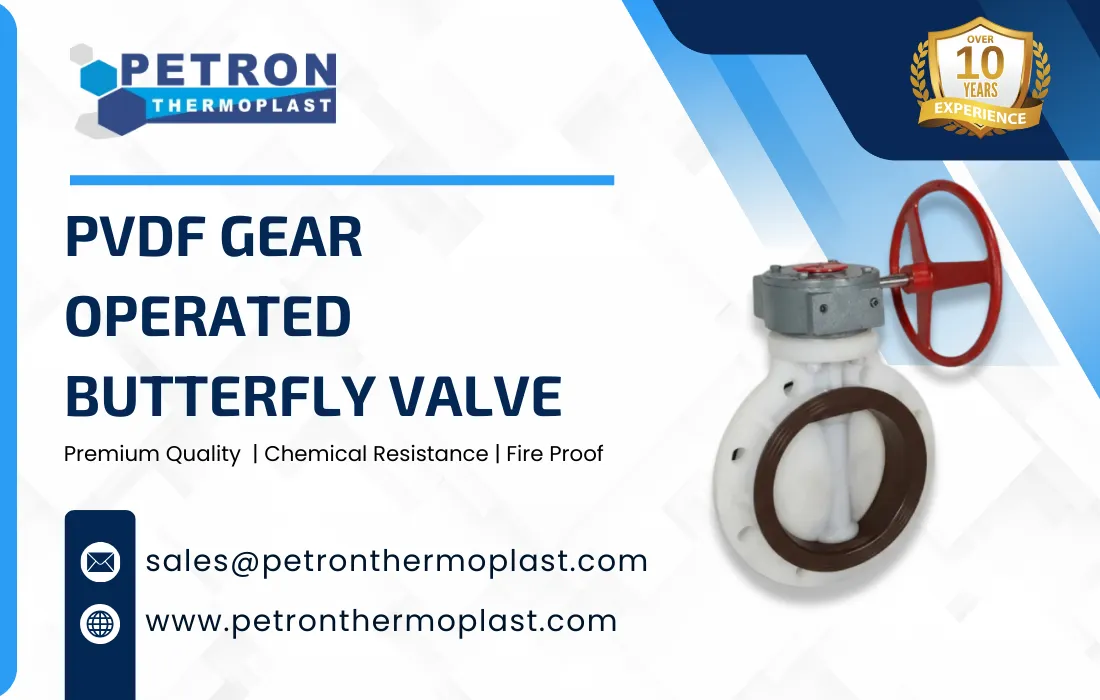
PVDF Butterfly Valve Details
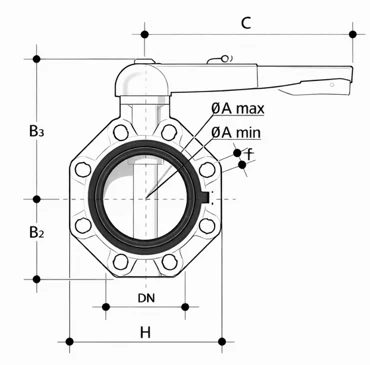
DN : Diameter Nominal
PN : Pressure Nominal
D: Diameter
B2: Lower Body Height
B3: Upper Body Height
C: Handle/Lever Length
| D | DN | PN | B2 | B3 | C | H |
| 50 | 40 | 16 | 60 | 137 | 175 | 132 |
| 63 | 50 | 16 | 70 | 143 | 175 | 147 |
| 75 | 65 | 10 | 80 | 164 | 175 | 165 |
| 90 | 80 | 10 | 93 | 178 | 175 | 185 |
| 110 | 100 | 10 | 107 | 192 | 272 | 211 |
| 140 | 125 | 10 | 120 | 212 | 330 | 240 |
| 160 | 150 | 10 | 134 | 225 | 330 | 268 |
| 225 | 200 | 10 | 161 | 272 | 420 | 323 |
| Parameter | Details |
| Product Type | Butterfly Valve (Quarter-turn rotary valve) |
| Material (Body) | Polyvinylidene Fluoride (PVDF) |
| Disc Material | PVDF / Reinforced PVDF |
| Stem/Shaft Material | Stainless Steel / Titanium |
| Seat Material | EPDM / FKM (Viton) / PTFE |
| Valve Type | Wafer / Lug / Flanged type |
| Operation Type | Manual (lever/gear) / Pneumatic / Electric |
| Working Principle | Disc rotates 90° to open or close flow |
| Connection Type | Wafer, Lug, Flanged (DIN / ANSI / JIS) |
| Available Sizes | DN15 to DN300 (½″ to 12″ typical) |
| Pressure Rating | PN10 – PN16 (10–16 bar / up to 150 PSI) |
| Operating Temperature | -20°C to +120°C (up to 150°C short term) |
| Flow Control | On/Off + throttling |
| Flow Direction | Bi-directional |
| Actuation Torque | Low (easy operation) |
| Operation Angle | 90° (quarter-turn) |
| Leakage Class | Class II / III / IV (depends on design) |
| Density (PVDF) | ~1.75 – 1.78 g/cm³ |
| Tensile Strength | ~35 – 50 MPa |
| Chemical Resistance | Excellent (acids, alkalis, solvents, oxidizers) |
| Thermal Stability | High temperature resistance |
| UV Resistance | Excellent (outdoor use) |
| Flame Resistance | UL-94 V-0 rated (self-extinguishing) |
| Pressure Drop | Low (good flow efficiency) |
| Surface Finish | Smooth internal bore |
| Weight | Lightweight compared to metal valves |
| Maintenance | Low maintenance, long service life |
| Mounting Position | Any orientation |
| Automation Capability | Suitable for electric/pneumatic automation |
| Applications | Chemical processing, water treatment, pharma, semiconductor industries |
1. Corrosion Resistance
- Made from PVDF (Polyvinylidene Fluoride), which is highly resistant to strong acids, alkalis, and solvents.
- Ideal for chemical, pharmaceutical, and oil and gas treatment industries.
2. Lightweight and Compact
- Much lighter than metal valves of the same size.
- Compact design makes installation and handling easier, especially in tight spaces.
3. Easy Operation
- Quarter-turn (90°) operation allows quick opening and closing.
- Can be manual, electric, or pneumatic, enabling flexible automation.
4. Tight Sealing
- Equipped with PTFE, EPDM, or FKM seats for leak-proof operation.
- Ensures reliable shut-off, even with corrosive or aggressive fluids.
5. Low Maintenance
- Minimal moving parts.
- PVDF’s resistance to scaling, corrosion, and deposits reduces maintenance needs.
6. Wide Range of Applications
- Suitable for liquids and gases, including highly corrosive chemicals.
- Common in chemical processing, water treatment, pharmaceuticals, and food & beverage industries.
7. Moderate Temperature and Pressure Tolerance
- Typically handles temperatures up to 90 °C (194 °F).
- Can manage moderate pressures, suitable for most industrial pipelines.
8. Cost-Effective
- Less expensive than metal valves with similar chemical resistance.
- Lower installation, operation, and maintenance costs.
9. Versatile Design
- Available in wafer, lug, and flanged types.
- Can be used for on/off or throttling applications.
| Valve Size (DN / Inch) | Standard Pressure Rating (PN / psi) | Temperature Range | Notes |
| DN 15 – DN 50 (½” – 2″) | PN 10 – 16 (145 – 232 psi) | 0–90 °C (32–194 °F) | Common for small chemical pipelines |
| DN 65 – DN 100 (2½” – 4″) | PN 10 (145 psi) | 0–90 °C (32–194 °F) | Larger sizes may have slightly lower ratings |
| DN 125 – DN 200 (5″ – 8″) | PN 6 – 10 (87 – 145 psi) | 0–80 °C (32–176 °F) | Reduced rating due to disc size and thermal expansion |
| DN 250 – DN 300 (10″ – 12″) | PN 6 (87 psi) | 0–80 °C (32–176 °F) | Typically used in low-pressure corrosive systems |

Custom Product Manufacturing Available
If you are searching for customized product designs that meet your requirements, don’t worry. Petron Thermoplast also offers custom product manufacturing services to meet the unique needs of various industries. Work with our expert engineers to create custom designs suited for your application.
Benefits of Using PVDF Butterfly Valve
1. Excellent Chemical Resistance
- PVDF (Polyvinylidene Fluoride) is highly resistant to strong acids, alkalis, and solvents.
- Ideal for corrosive chemical processes in industries like chemical, pharmaceutical, and oil and gas treatment.
2. Lightweight and Compact
- Much lighter than metal valves of the same size, making installation and handling easier.
- Compact design reduces space requirements in piping systems.
3. Easy Operation
- Quarter-turn (90°) operation allows for quick opening and closing.
- Can be operated manually, electrically, or pneumatically, providing flexibility for automation.
4. Low Maintenance
- Fewer moving parts than many other valves.
- PVDF material is resistant to scaling, corrosion, and deposits, reducing maintenance frequency.
5. Leak-Proof Sealing
- Often uses PTFE, FKM, or EPDM seats to provide excellent sealing.
- Suitable for applications where a tight shut-off is critical.
6. Wide Range of Applications
- Used in chemical processing, oil, gas treatment, pharmaceuticals, and food & beverage industries.
- Handles both liquid and gas media, including highly corrosive fluids.
7. Temperature and Pressure Tolerance
- Operates reliably in moderate temperatures (typically up to 90 °C / 194 °F).
- Can handle moderate pressures, sufficient for most industrial chemical pipelines.
8. Cost-Effective
- Lower material and manufacturing costs compared to metallic corrosion-resistant valves.
- Reduced installation and maintenance costs due to lightweight and corrosion resistance.
Types of PVDF Butterfly Valve
1. Based on Actuation Method
- Manual PVDF Butterfly Valve
- Operated via a hand lever or gear.
- Simple and cost-effective for small pipelines or infrequent operation.
- Pneumatic PVDF Butterfly Valve
- Uses compressed air for operation.
- Can be single-acting (spring return) or double-acting.
- Suitable for automated systems requiring fast and frequent operation.
- Electric PVDF Butterfly Valve
- Actuated by an electric motor.
- Allows remote control and integration with process automation systems.
2. Based on Seat / Sealing Material
- PTFE Seated
- Excellent chemical resistance.
- Common for highly corrosive fluids.
- EPDM Seated
- Resistant to acids, alkalis, and water-based solutions.
- Resistant to acids, alkalis, and water-based solutions.
- FKM (Viton) Seated
- Suitable for high-temperature chemicals and aggressive media.
3. Based on Connection Type
- Wafer Type
- Fits between two flanges.
- Space-saving and lightweight, commonly used in pipelines.
- Lug Type
- Bolted on both sides; allows one side of the pipeline to be disconnected.
- Bolted on both sides; allows one side of the pipeline to be disconnected.
- Flanged Type
- Full flange for secure and high-pressure connections.
- Full flange for secure and high-pressure connections.
4. Based on Flow Control
- Standard On/Off PVDF Butterfly Valve
- Quick 90° turn to fully open or close the flow.
- Quick 90° turn to fully open or close the flow.
- Regulating / Throttling PVDF Butterfly Valve
- Designed for partial flow control and fine-tuning of fluid flow.
5. Based on Design / Application
- Short Face-to-Face PVDF Butterfly Valve
- Compact design for tight installations.
- High-Performance / Heavy Duty PVDF Butterfly Valve
- For higher pressure systems and more demanding chemical processes.
Applications of PVDF Butterfly Valve
Process Industry
High Purity Applications
Electronic Industry
Electrical Industry
Semi-conductors Industry
Pharmaceutical Industry
Solar power panels
Sugar Industry
Paper & Pulp Industry
Nuclear Power Industry
Automotive Industry
DI water plants
Why Choose Petron Thermoplast?
Petron Thermoplast has selected the right PVDF Butterfly Valve to require balancing material quality, actuation needs, and system compatibility. For high-performance applications involving steam, chemicals, or automated control. The certified actuators deliver optimal reliability. While the entry level of options exists for non-critical uses, investing in a well-engineered valve reduces downtime and maintenance costs over time.